Ingredient Guide · Woods & Earth
Woods & Earth Family · Perfumery Note

Orangewood

A foundational note bridging citrus, woody, and white floral accords

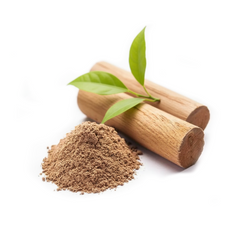
Orangewood is a woody note used in perfumery as a base or heart note, known for its fresh, slightly bitter citrus-woody character. It often appears in citrus, woody, white floral, and aromatic accords, typically at low concentrations to add natural freshness and depth.

Orangewood
Ingredient Profile

Orangewood

Woods & Earth Family
Family Woods & Earth
Note Position Heart Note
Usage Level <3%
Key Origins Tunisia, Morocco, Egypt
Iconic In Profound Orange Wood, L'Eau Bleue d'Issey Pour Homme
The Ingredient

What does Orangewood smell like and why is it significant in perfumery?

Orangewood in perfumery is a woody note characterized by a fresh, slightly bitter citrus-woody aroma. Its scent profile combines the brightness of citrus with the depth of wood, often contributing a natural, clean, and slightly green facet. This complexity arises from its chemical composition, which includes terpenes such as limonene and other minor woody aromatic compounds. In perfumery, orangewood is typically used as a base or heart note, appearing in concentrations usually below 3%. It serves as a foundation for citrus, woody, white floral, and aromatic accords, providing a natural freshness and subtle bitterness that enhances the overall composition. Orangewood interacts with skin chemistry by imparting a crisp, clean sensation that balances sweeter or heavier notes, making it versatile across fragrance types. Notable examples of orangewood in perfumery include Angel Schlesser's Profound Orange Wood (2020, perfumer Nathalie Lorson), where it blends with orange and petitgrain to create a fresh yet warm chypre fruity scent, and Issey Miyake's L'Eau Bleue d'Issey Pour Homme, which uses orangewood to support its citrus and woody elements. These fragrances demonstrate orangewood's role in adding natural freshness and complexity in modern perfumery.

<3%
Maximum typical concentration of orangewood oil in fine fragrance formulas, adhering to IFRA safety guidelines to minimize sensitization risk.
1.1–1.4 kg
Approximate yield of orange blossom absolute or neroli per tonne of orange blossoms, reflecting extraction efficiency related to bitter orange derivatives including orangewood.
1–2 hours
Typical duration of orangewood’s fresh citrus top notes on skin before transitioning to woody heart and base phases.
Origin & Extraction

Where Orangewood Comes From — Origin & Extraction

Orangewood’s scent character is influenced by the bitter orange tree’s growing region, with Mediterranean climates producing wood with balanced citrus-woody facets due to soil composition and moderate rainfall. These factors affect terpene profiles, impacting freshness and bitterness.

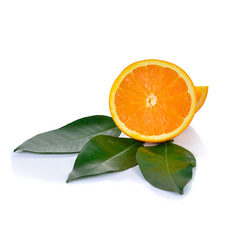
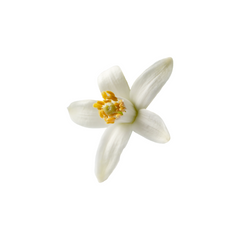
Orangewood is derived primarily from the wood and twigs of the bitter orange tree (Citrus aurantium), a species native to Southeast Asia and widely cultivated in Mediterranean regions such as Tunisia, Morocco, and Egypt. The bitter orange tree produces several perfumery ingredients including neroli (from flowers), petitgrain (from leaves and twigs), and orangewood (from wood parts). The extraction of orangewood scent typically involves steam distillation or solvent extraction of the wood and branches, capturing the fresh, woody, and slightly citrusy aromatic compounds. The yield of essential oil from orangewood wood is relatively low compared to citrus peel oils, making it a more niche ingredient. The process requires careful temperature control to preserve delicate terpenes like limonene and linalool, which contribute to the note's characteristic freshness. Natural orangewood oil commands a higher price due to limited supply and labor-intensive extraction. Synthetic aroma chemicals mimicking orangewood's scent profile, such as limonene and woody lactones, are used to supplement or replace natural extracts in commercial perfumery. Sustainability efforts focus on responsible harvesting of bitter orange trees and optimizing extraction methods to reduce waste.

TN

Tunisia

The Cap Bon and Nabeul regions of Tunisia are leading producers of bitter orange trees. The soil’s calcareous composition and Mediterranean climate yield orangewood with a fresh, balanced citrus-woody scent. Tunisia holds a significant market share in bitter orange derivatives, with sustainable harvesting practices ensuring longevity.

MA

Morocco

Northern Morocco near Rabat and Fez cultivates bitter orange trees on well-drained, sandy soils. The orangewood from this region is noted for its slightly greener, herbaceous undertones, influenced by the local climate and altitude.

EG

Egypt

Southern Nile regions in Egypt produce bitter orange trees in fertile alluvial soils. The orangewood here tends to have a warmer, richer woody profile with subtle citrus brightness, reflecting the hot, dry climate.

Chemistry

Natural vs Synthetic Orangewood in Perfumery

Natural orangewood oil is obtained from the wood and twigs of Citrus aurantium through steam distillation or solvent extraction. It contains a complex mixture of terpenes, including d-limonene (CAS 5989-27-5), linalool (CAS 78-70-6), and other woody lactones that give it its fresh, citrus-woody scent. Natural extracts provide depth and subtle complexity but have variability due to harvest conditions and limited supply. Synthetic aroma chemicals such as d-limonene, linalool, and synthetic woody lactones are used to replicate or enhance orangewood's scent profile. These synthetics offer greater consistency, longer-lasting performance, and cost efficiency, with prices ranging from $50 to $200 per kilogram compared to several thousand dollars per kilogram for natural oils. Famous fragrances like Angel Schlesser's Profound Orange Wood use natural orangewood for authenticity, while others may blend synthetics for stability and projection. The HumanSafe™ platform ensures transparency in ingredient sourcing and safety, balancing natural richness with synthetic innovation for optimal fragrance quality and sustainability.

Natural
Orangewood Absolute
Cost $3,000–6,000/kg
Method Solvent / CO₂
Character Complex, variable
vs
Synthetic
Safranal & Analogues
Cost $50–200/kg
Method Lab synthesis
Character Consistent, stable
Hall of Fame

Famous Fragrances That Define Orangewood in Perfumery

2020
base note

Profound Orange Wood

Angel Schlesser
by Nathalie Lorson
OrangePetitgrainPatchouli
—
supporting note

L'Eau Bleue d'Issey Pour Homme

Issey Miyake
CitrusWoody notes
—
heart note

Tubéreuse & Néroli

Jeanne en Provence
White floralCitrus
—
foundation note

Souvenirs De Tunisie

Veronique Gabai
WoodyAromatic
—
base note

Crystal Aura

Avon
CitrusWoody

Orangewood has been masterfully incorporated in several notable fragrances, showcasing its versatility across scent families. Angel Schlesser's Profound Orange Wood (2020), crafted by Nathalie Lorson, uses orangewood as a base note alongside orange and petitgrain, creating a fresh yet warm chypre fruity composition. Issey Miyake's L'Eau Bleue d'Issey Pour Homme integrates orangewood to support its citrus and woody accords, providing a crisp natural freshness. Jeanne en Provence's Tubéreuse & Néroli and Veronique Gabai's Souvenirs De Tunisie also highlight orangewood's ability to bridge white floral and woody notes, adding depth and brightness. Avon’s Crystal Aura and Manzana Paris’s Extreme Game further demonstrate orangewood’s role in modern aromatic and woody accords. These fragrances illustrate orangewood's function as a foundation note that enhances freshness and complexity. CA Perfume’s collection respects this lineage by featuring orangewood in accords that emphasize natural freshness and woody nuances without overpowering the composition.

The Accord

How is a captivating Orangewood accord crafted?

A balanced orangewood accord typically combines Orangewood 30-35%, Petitgrain 20-25%, Neroli 15-20%, and Cedarwood 20-25%. Orangewood provides the fresh woody-citrus base with terpenes like limonene and linalool. Petitgrain adds green, slightly bitter leafy facets that complement orangewood’s woodiness. Neroli contributes a luminous, floral-citrus heart rich in neryl acetate and linalyl acetate, bridging the woody and floral elements. Cedarwood offers a creamy, dry woody depth with cedrol and alpha-cedrene, enhancing longevity and complexity.

35%

Orangewood

30–35% of blend

Orangewood provides the fresh woody-citrus base, rich in limonene and linalool, giving the accord its characteristic brightness and natural woodiness.

25%

Petitgrain

20–25% of blend

Petitgrain contributes green, slightly bitter leafy notes with geraniol and linalyl acetate, enhancing the freshness and complexity of the accord.

20%

Neroli

15–20% of blend

Neroli adds a luminous, floral-citrus heart with neryl acetate and linalyl acetate, bridging woody and floral elements seamlessly.

25%

Cedarwood

20–25% of blend

Cedarwood provides creamy, dry woody depth with cedrol and alpha-cedrene, enhancing longevity and adding a smooth base.

The Olfactory Layers

How Orangewood Evolves on Skin

Orangewood’s olfactory evolution begins with a bright, fresh citrus-woody top impression due to volatile terpenes like d-limonene evaporating rapidly within the first 15 minutes. The heart phase reveals greener, slightly bitter facets from sesquiterpenes and oxygenated compounds, lasting up to an hour. The base notes emerge over several hours, showcasing woody lactones and cedrol derivatives that provide a smooth, enduring woody warmth.

I
Top notes
0–15 min
Bright Citrus Spark

The initial impression is sharp and fresh, dominated by d-limonene and other monoterpenes that evaporate quickly, imparting a bright citrus-woody aroma with slight bitterness.

FreshCitrusyBright
II
Heart notes
20–60 min
Green Woody Nuance

The heart reveals green, slightly bitter woody notes from oxygenated sesquiterpenes and minor aldehydes, adding complexity and natural freshness to the scent.

GreenBitterWoody
III
Base notes
Several hours
Creamy Warm Wood

The base features woody lactones and cedrol derivatives that provide a creamy, smooth woody warmth, enhancing longevity and depth.

WoodyCreamyWarm
TOP NOTES Bright Citrus Spark 0–15 minutes HEART NOTES Green Woody Nuance 20–60 minutes BASE NOTES Creamy Warm Wood Several hours
Through the Ages

The Story of Orangewood in Perfumery

Orangewood’s use in perfumery has evolved from traditional bitter orange derivatives to a distinct woody-citrus note in modern compositions, gaining prominence in niche and designer fragrances in the 21st century.

9th century

Introduction of Bitter Orange Tree to Mediterranean

The bitter orange tree (Citrus aurantium) was introduced to the Mediterranean basin during the Arab conquests, establishing the botanical foundation for orangewood and related extracts.

19th century

Cultivation of Bitter Orange in Provence

Bitter orange cultivation began in Provence, France, supporting early extraction of orange blossom and related aromatic products.

1950s

Decline of Bitter Orange Cultivation in France

Harsh winters led to a decline in bitter orange farming in France, shifting production focus to North African countries.

2020

Launch of Profound Orange Wood by Angel Schlesser

Nathalie Lorson’s Profound Orange Wood highlighted orangewood as a key note in a modern chypre fruity fragrance, increasing its recognition in perfumery.

2020s

Expansion of Orangewood Use in Niche Perfumery

Orangewood became a foundational note in citrus, woody, white floral, and aromatic accords, mastered by brands like Issey Miyake, Avon, and Jeanne en Provence.

The Art of Layering

How to Layer Orangewood

Understanding how to layer orangewood involves molecular compatibility and olfactory synergy, enhancing its fresh woody-citrus profile.

01

Enhance Freshness with Citrus

Layering orangewood with bergamot or lemon amplifies shared monoterpenes like d-limonene, boosting brightness and creating a seamless citrus-woody freshness. This technique is evident in fragrances like Issey Miyake’s L'Eau Bleue d'Issey Pour Homme.

02

Add Depth with Woody Notes

Combining orangewood with cedarwood or sandalwood introduces complementary sesquiterpenes and cedrol derivatives, enriching the base with creamy, dry wood facets that extend longevity and complexity, as seen in Angel Schlesser’s Profound Orange Wood.

03

Lighten the Glow with White Florals

Pairing orangewood with neroli or jasmine bridges woody and floral molecules such as linalyl acetate, softening bitterness and adding luminous floralcy, creating balanced accords like in Jeanne en Provence’s Tubéreuse & Néroli.

Wear It Right

How to Wear Orangewood Like a Pro

Seasonal Guide

Fall & Winter

Cooler temperatures slow evaporation, allowing orangewood’s woody base to dominate, creating a warm, comforting aura. Apply more liberally for enhanced sillage in cold air.

Spring

Moderate warmth highlights orangewood’s fresh citrus and green woody facets, making it ideal for daytime wear. Layer with floral notes for added brightness.

Summer

Heat increases volatility, emphasizing orangewood’s sharp citrus top notes but reducing longevity. Apply lightly or in oil form for subtle freshness without overwhelming.

Year-Round Tip

Use orangewood as a layering base to add natural freshness and woody depth, adapting easily to different weather and moods.

Application Points

Strategic application of orangewood enhances its fresh woody-citrus character and longevity.

1

Neck

Pulse points like the neck provide warmth that activates orangewood’s volatile citrus top notes, enhancing projection and freshness.

2

Behind the Ears

This area’s subtle heat helps sustain orangewood’s woody heart, creating a natural scent halo.

3

Inner Wrists

Wrists offer warmth and mobility, releasing orangewood’s fresh and green notes with every movement.

4

Hair

Hair holds fragrance oils well, allowing orangewood’s creamy woody base to diffuse slowly and softly.

★

Pro Tip

Layer orangewood with complementary citrus or floral scents on different pulse points to create a dynamic, evolving fragrance experience.

Mood Architecture™

Top Orangewood Fragrances by Mood Score

These Orangewood-based fragrances scored highest on the MEI™ Mood Architecture Framework — measuring how a scent may influence your emotional state.

Highest MEI Score
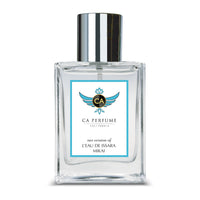
L'eau De Issara Mikai — L'eau Bleue D'issey Alternative Cologne
6.9
MEI™
Primary Confident
Secondary Magnetic
Confidence
6.9
Presence
7.5
Mood Lift
6.7
Identity
7.2
Warmth
7.8
Social Ease
6.5
Energy
5.25
" I am powerful.
View full mood profile →
HumanSafe™

Top Orangewood Fragrances by HumanSafe™ Score

These Orangewood-based fragrances have the highest product-level HumanSafe™ scores in this ingredient collection.

Highest HumanSafe™ Score
L'eau De Issara Mikai — L'eau Bleue D'issey Alternative Cologne
—
HumanSafe™ Score Generally Safe
Safest Evaluated Ingredients EDP
1-methyl-4-(4-methylpent-3-enyl)cyclohex-3-ene-1-carbaldehyde Fragrance ingredient ISS 10.0
AMBREIN Fragrance ingredient ISS 8.5
(4-propan-2-ylcyclohexyl)methanol Fragrance ingredient ISS 7.5
TETRAHYDRO-METHYL-METHYLPROPYL)-PYRAN-4-OL Fragrance ingredient ISS 7.0
LINALOOL Fragrance ingredient ISS 7.0
AMBROXAN Fragrance ingredient ISS 7.0
View full safety profile →
Expert Voices

What Masters Say About Orangewood

“
Orangewood serves as a versatile foundation in modern perfumery, bridging citrus brightness with woody depth to create natural, fresh accords.
CA Perfume Editorial
“
In Angel Schlesser's Profound Orange Wood, orangewood provides a crisp, fresh woody base that supports the citrus and patchouli notes elegantly.
Nathalie Lorson, Perfumer
Common Questions

Frequently Asked Questions

Answers to common questions about orangewood in perfumery.

Orangewood in perfume smells fresh, citrusy, and woody with a slightly bitter edge. Its scent profile is dominated by terpenes like d-limonene, providing a bright citrus opening that transitions to a green, woody heart and a creamy, warm woody base. It is often used in citrus, woody, and white floral accords to add natural freshness and depth.

Orangewood is primarily used as a base or heart note in fragrances. While it has fresh citrusy facets that can appear early, its woody lactones and heavier terpenes provide a lasting woody foundation, making it suitable for mid to base layers in perfume compositions.

Orangewood is favored in niche perfumery for its unique ability to blend fresh citrus brightness with woody depth, offering complexity and naturalness. Its versatility allows perfumers to create accords that feel both modern and authentic, bridging multiple fragrance families such as citrus, woody, and white floral.

Orangewood fragrance uses include pairing with petitgrain, neroli, cedarwood, bergamot, jasmine, and sandalwood. These combinations work at a molecular level by sharing terpenes and lactones, enhancing freshness, woody depth, and floral brightness, as seen in fragrances like Angel Schlesser Profound Orange Wood and Issey Miyake L'Eau Bleue d'Issey.

Yes, orangewood’s fresh citrus and green woody facets make it well-suited for summer and hot weather. Its bright top notes provide an uplifting freshness, though higher temperatures may reduce longevity. Lighter formulations or layering with complementary notes can optimize wear in heat.

Orangewood’s fresh citrus top notes typically last 1–2 hours, transitioning to a woody heart and base that can persist for several hours depending on concentration and formulation. Parfum and Eau de Parfum formats showcase longer-lasting woody facets.

Yes, layering orangewood with citrus notes like bergamot or lemon enhances brightness, while pairing with woody notes like cedarwood or sandalwood adds depth. Layering with white florals such as neroli softens bitterness and adds complexity, allowing personalized scent creation.

Beginner-friendly orangewood perfumes include Angel Schlesser Profound Orange Wood and Issey Miyake L'Eau Bleue d'Issey Pour Homme. These fragrances balance freshness and woodiness in approachable compositions, making them ideal introductions to orangewood’s scent profile.

Choosing the right orangewood fragrance involves considering your preference for freshness versus woody depth, concentration level, and complementary notes. CA Perfume offers curated selections that highlight orangewood’s versatility across citrus, woody, and floral accords, supported by the HumanSafe™ platform for transparency.

Orangewood primarily smells fresh, citrusy, and woody with a slight bitterness rather than sweetness or spiciness. Its character is defined by terpenes like limonene and linalool, which impart brightness and green woody facets without overt sweetness or spice.

Woods & Earth Collection

Explore Our Top Orangewood Fragrances

Discover curated selections featuring orangewood’s fresh woody-citrus character across versatile fragrance families.

Shop all orangewood fragrances at CA Perfume →

Where Orangewood Comes From — Origin & Extraction

Orangewood is derived primarily from the wood and twigs of the bitter orange tree (Citrus aurantium), a species native to Southeast Asia and widely cultivated in Mediterranean regions such as Tunisia, Morocco, and Egypt. The bitter orange tree produces several perfumery ingredients including neroli (from flowers), petitgrain (from leaves and twigs), and orangewood (from wood parts). The extraction of orangewood scent typically involves steam distillation or solvent extraction of the wood and branches, capturing the fresh, woody, and slightly citrusy aromatic compounds. The yield of essential oil from orangewood wood is relatively low compared to citrus peel oils, making it a more niche ingredient. The process requires careful temperature control to preserve delicate terpenes like limonene and linalool, which contribute to the note's characteristic freshness. Natural orangewood oil commands a higher price due to limited supply and labor-intensive extraction. Synthetic aroma chemicals mimicking orangewood's scent profile, such as limonene and woody lactones, are used to supplement or replace natural extracts in commercial perfumery. Sustainability efforts focus on responsible harvesting of bitter orange trees and optimizing extraction methods to reduce waste.

Famous Fragrances That Define Orangewood in Perfumery

Orangewood has been masterfully incorporated in several notable fragrances, showcasing its versatility across scent families. Angel Schlesser's Profound Orange Wood (2020), crafted by Nathalie Lorson, uses orangewood as a base note alongside orange and petitgrain, creating a fresh yet warm chypre fruity composition. Issey Miyake's L'Eau Bleue d'Issey Pour Homme integrates orangewood to support its citrus and woody accords, providing a crisp natural freshness. Jeanne en Provence's Tubéreuse & Néroli and Veronique Gabai's Souvenirs De Tunisie also highlight orangewood's ability to bridge white floral and woody notes, adding depth and brightness. Avon’s Crystal Aura and Manzana Paris’s Extreme Game further demonstrate orangewood’s role in modern aromatic and woody accords. These fragrances illustrate orangewood's function as a foundation note that enhances freshness and complexity. CA Perfume’s collection respects this lineage by featuring orangewood in accords that emphasize natural freshness and woody nuances without overpowering the composition.

Natural vs Synthetic Orangewood in Perfumery

Natural orangewood oil is obtained from the wood and twigs of Citrus aurantium through steam distillation or solvent extraction. It contains a complex mixture of terpenes, including d-limonene (CAS 5989-27-5), linalool (CAS 78-70-6), and other woody lactones that give it its fresh, citrus-woody scent. Natural extracts provide depth and subtle complexity but have variability due to harvest conditions and limited supply. Synthetic aroma chemicals such as d-limonene, linalool, and synthetic woody lactones are used to replicate or enhance orangewood's scent profile. These synthetics offer greater consistency, longer-lasting performance, and cost efficiency, with prices ranging from $50 to $200 per kilogram compared to several thousand dollars per kilogram for natural oils. Famous fragrances like Angel Schlesser's Profound Orange Wood use natural orangewood for authenticity, while others may blend synthetics for stability and projection. The HumanSafe™ platform ensures transparency in ingredient sourcing and safety, balancing natural richness with synthetic innovation for optimal fragrance quality and sustainability.