Where Opoponax Comes From — Origin & Extraction
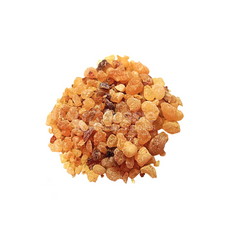
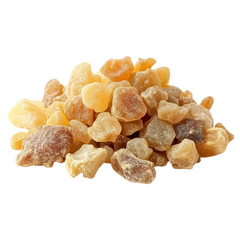
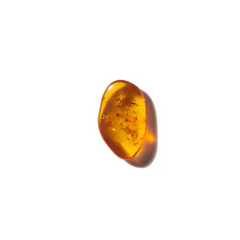
Opoponax is derived primarily from the resin of Commiphora erythraea (syn. Commiphora glabrescens), a small tree native to the arid and semi-arid regions of Somalia, Ethiopia, Eritrea, and parts of Kenya. Somalia is the leading producer, accounting for the majority of global supply, with annual exports estimated at several hundred metric tons. The resin is obtained by making incisions in the bark, from which a viscous, reddish-brown gum exudes and hardens upon exposure to air. High-quality crude resin is dark red and translucent, while lower grades are brown.
Extraction for perfumery involves two main processes: solvent extraction (using ethanol or hexane) yields opoponax resinoid, while steam distillation of the dried resin produces the essential oil. Steam distillation is typically conducted at 100–120°C for several hours, resulting in a yield of 2–4% essential oil by weight. The essential oil is rich in sesquiterpenes and exhibits a yellow, slightly viscous appearance. Solvent extraction produces a more complete aromatic profile but is costlier and less common in large-scale production.
Natural opoponax resinoid commands prices of $200–400 per kg, while the essential oil ranges from $300–600 per kg, depending on purity and origin. Synthetic substitutes are less expensive but lack the full olfactory complexity of the natural material. Sustainability concerns include overharvesting and habitat degradation in Somalia and Ethiopia; wild harvesting remains the norm, but some initiatives are exploring managed cultivation and resin tapping to ensure long-term viability. The resin’s trade is deeply intertwined with local economies, and efforts to promote sustainable sourcing are ongoing within the fragrance industry.
Famous Fragrances That Define Opoponax in Perfumery
Opoponax has played a defining role in some of the most celebrated fragrances of the 20th and 21st centuries. In Guerlain Shalimar Eau de Parfum (1990, Jacques Guerlain), opoponax is a core component of the amber base, lending a sweet, balsamic richness that bridges citrus top notes and vanilla base. Chanel Coco (1984, Jacques Polge) uses opoponax as a dominant note in its spicy-oriental structure, paired with clove, rose, and sandalwood. Amouage Interlude Man (2012, Pierre Negrin) showcases opoponax in a smoky, resinous context alongside frankincense and myrrh, creating a complex, incense-driven heart.
Etat Libre d’Orange Fat Electrician (2009, Antoine Maisondieu) demonstrates opoponax’s versatility in a modern, creamy vetiver composition, where it extends sweetness and depth into the drydown. Les Néréides Imperial Oppoponax (2006) is a niche fragrance built almost entirely around opoponax, amber, and vanilla, evoking the classic Guerlain style. Santa Maria Novella Opoponax Eau de Cologne (year unknown) presents a fresh, aromatic take, blending opoponax with patchouli, musk, and citrus for a barbershop-inspired profile.
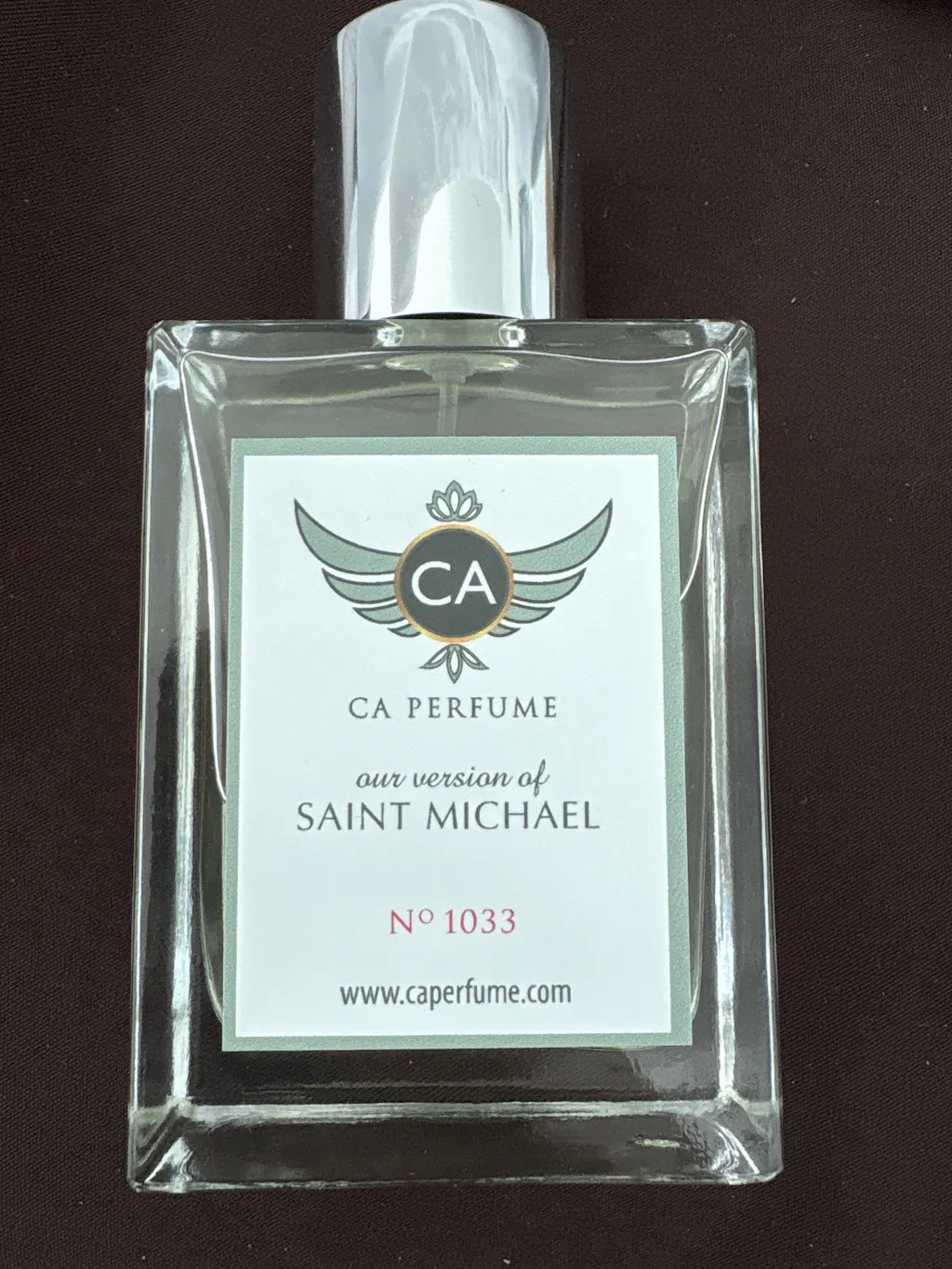
These fragrances illustrate opoponax’s capacity to function as a dominant note, bridge, or fixative, often paired with vanilla, amber, patchouli, myrrh, and citrus. CA Perfume’s collection draws inspiration from this lineage, offering opoponax-centered scents that honor both tradition and innovation.
Natural vs Synthetic Opoponax in Perfumery
Natural opoponax is composed of a complex mixture of sesquiterpenes and aromatic resins, with α-bisabolene (CAS 495-61-4), α-santalene (CAS 512-61-8), and β-ocimene (CAS 13877-91-3) as key odorants. The natural material offers a nuanced, evolving scent profile—sweet, balsamic, slightly animalic, and earthy—that synthetic versions struggle to fully replicate. Synthetic opoponax bases, often built from aroma chemicals such as para-methoxybenzyl acetate, isoeugenol (CAS 97-54-1), and synthetic benzoin, provide greater batch consistency and stability but tend to lack the savory, broth-like depth and subtle honeyed warmth of the natural resin.
Performance-wise, natural opoponax resinoid and oil exhibit strong fixative properties and excellent longevity, lasting over 100 hours on a smelling strip. Synthetic analogs may offer similar tenacity but can appear flatter and less complex in the drydown. Cost is a major factor: synthetics are available at $30–80 per kg, compared to $300–600 per kg for natural oil. Notable fragrances such as Guerlain Shalimar and Chanel Coco have historically used natural opoponax, though reformulations may incorporate synthetic bases to comply with IFRA restrictions and ensure supply chain stability.
Sustainability and transparency are increasingly important; the HumanSafe™ platform at CA Perfume verifies the origin and purity of opoponax materials, prioritizing wild-harvested resin from managed sources. Synthetic options support large-scale manufacturing and reduce pressure on wild populations but are chosen for cost and consistency rather than olfactory superiority. The choice between natural and synthetic opoponax ultimately depends on the desired complexity, ethical considerations, and regulatory compliance in modern perfumery.