Ingredient Guide · Resins and Balsams
Resins and Balsams Family · Perfumery Note

Opoponax

Ancient resin, modern fixative—opoponax anchors iconic scents.

Opoponax is a classic base note in perfumery, prized for its sweet balsamic, resinous character and fixative properties. Its main aroma compounds, including α-bisabolene and α-santalene, define its warm, honeyed scent and exceptional longevity.

Opoponax
Ingredient Profile

Opoponax

Resins and Balsams Family
Family Resins and Balsams
Note Position Heart Note
Usage Level 0.3–1% in formula
Key Origins Somalia, Ethiopia, Eritrea
Iconic In Shalimar Eau de Parfum, Coco
The Ingredient

What does Opoponax smell like and why is it so significant in perfumery?

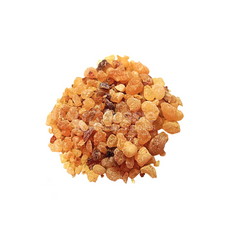
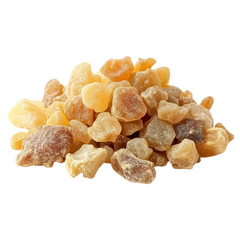
Opoponax, also known as sweet myrrh, is the oleo-gum-resin obtained from Commiphora erythraea and related species native to the Horn of Africa. Its scent profile is defined by a sweet, balsamic, and warm aroma, underpinned by honeyed, slightly spicy, and faintly animalic undertones. Key molecules such as α-bisabolene (up to 25%), α-santalene (21%), and β-ocimene (14%) contribute to its characteristic warmth and lingering depth. The resin’s complex scent is often described as velvety, with earthy and woody nuances, and a subtle, savory, broth-like richness distinct from the sharper, more medicinal myrrh. This multifaceted aroma is why the question "what does opoponax smell like" is central to understanding its role in perfumery. In perfumery, opoponax is classified as a base note, typically used at concentrations of 0.3–1% in the fragrance compound. Its molecular weight and low volatility make it ideal for anchoring compositions, enhancing longevity, and acting as a fixative for more volatile top and heart notes. Opoponax interacts with skin chemistry by amplifying warmth and depth, often revealing more pronounced balsamic and honeyed facets on warmer, slightly acidic skin. Its resinous tenacity ensures that it persists for hours, subtly evolving as it melds with other ingredients. Opoponax in perfumery is exemplified in iconic fragrances such as Guerlain Shalimar Eau de Parfum (1990, Jacques Guerlain), where it forms the backbone of the amber accord, and Amouage Interlude Man (2012, Pierre Negrin), where it is paired with frankincense and myrrh for a smoky, resinous signature. In Chanel Coco (1984, Jacques Polge), opoponax provides a sweet, spicy foundation beneath florals and spices. These examples highlight opoponax’s versatility and enduring appeal in both classic and contemporary scent architecture.

0.3–1% in formula
Typical opoponax concentration in fine fragrance compounds, balancing fixative power with olfactory presence.
100+ hours
Longevity of natural opoponax oil on a smelling strip, reflecting its high molecular weight and low volatility.
$300–600/kg
Market price range for high-grade natural opoponax essential oil, compared to $30–80/kg for synthetic bases.
Origin & Extraction

Where Opoponax Comes From — Origin & Extraction

Opoponax’s scent is shaped by the arid, mineral-rich soils and intense sun of East Africa. Resin from Somalia’s dry plateaus is especially prized for its depth and balsamic sweetness, while Ethiopian and Eritrean origins offer subtle variations in warmth and earthiness.

Opoponax is derived primarily from the resin of Commiphora erythraea (syn. Commiphora glabrescens), a small tree native to the arid and semi-arid regions of Somalia, Ethiopia, Eritrea, and parts of Kenya. Somalia is the leading producer, accounting for the majority of global supply, with annual exports estimated at several hundred metric tons. The resin is obtained by making incisions in the bark, from which a viscous, reddish-brown gum exudes and hardens upon exposure to air. High-quality crude resin is dark red and translucent, while lower grades are brown. Extraction for perfumery involves two main processes: solvent extraction (using ethanol or hexane) yields opoponax resinoid, while steam distillation of the dried resin produces the essential oil. Steam distillation is typically conducted at 100–120°C for several hours, resulting in a yield of 2–4% essential oil by weight. The essential oil is rich in sesquiterpenes and exhibits a yellow, slightly viscous appearance. Solvent extraction produces a more complete aromatic profile but is costlier and less common in large-scale production. Natural opoponax resinoid commands prices of $200–400 per kg, while the essential oil ranges from $300–600 per kg, depending on purity and origin. Synthetic substitutes are less expensive but lack the full olfactory complexity of the natural material. Sustainability concerns include overharvesting and habitat degradation in Somalia and Ethiopia; wild harvesting remains the norm, but some initiatives are exploring managed cultivation and resin tapping to ensure long-term viability. The resin’s trade is deeply intertwined with local economies, and efforts to promote sustainable sourcing are ongoing within the fragrance industry.

SO

Somalia

Somalia’s Bari and Sanaag regions produce over 70% of global opoponax. The resin is wild-harvested from Commiphora erythraea trees growing on rocky, limestone soils at 500–1000m altitude. Somali opoponax is renowned for its deep red color, high α-bisabolene content, and rich, honeyed aroma.

ET

Ethiopia

Ethiopian opoponax comes mainly from the Ogaden and Somali regions. The resin is slightly lighter in color and has a softer, more powdery balsamic scent, reflecting the region’s sandy soils and lower rainfall. Ethiopia supplies 10–15% of the market.

ER

Eritrea

Eritrean opoponax is harvested in the Gash-Barka region. The resin is noted for its earthy, slightly smoky undertones, a result of the area’s volcanic soils and traditional sun-drying methods. Eritrea accounts for 5–10% of production.

KE

Kenya

Northern Kenya produces small quantities of opoponax, mainly for local use. The resin is lighter and less viscous, with a fresher, greener balsamic profile due to the region’s higher rainfall and clay-rich soils.

Chemistry

Natural vs Synthetic Opoponax in Perfumery

Natural opoponax is composed of a complex mixture of sesquiterpenes and aromatic resins, with α-bisabolene (CAS 495-61-4), α-santalene (CAS 512-61-8), and β-ocimene (CAS 13877-91-3) as key odorants. The natural material offers a nuanced, evolving scent profile—sweet, balsamic, slightly animalic, and earthy—that synthetic versions struggle to fully replicate. Synthetic opoponax bases, often built from aroma chemicals such as para-methoxybenzyl acetate, isoeugenol (CAS 97-54-1), and synthetic benzoin, provide greater batch consistency and stability but tend to lack the savory, broth-like depth and subtle honeyed warmth of the natural resin. Performance-wise, natural opoponax resinoid and oil exhibit strong fixative properties and excellent longevity, lasting over 100 hours on a smelling strip. Synthetic analogs may offer similar tenacity but can appear flatter and less complex in the drydown. Cost is a major factor: synthetics are available at $30–80 per kg, compared to $300–600 per kg for natural oil. Notable fragrances such as Guerlain Shalimar and Chanel Coco have historically used natural opoponax, though reformulations may incorporate synthetic bases to comply with IFRA restrictions and ensure supply chain stability. Sustainability and transparency are increasingly important; the HumanSafe™ platform at CA Perfume verifies the origin and purity of opoponax materials, prioritizing wild-harvested resin from managed sources. Synthetic options support large-scale manufacturing and reduce pressure on wild populations but are chosen for cost and consistency rather than olfactory superiority. The choice between natural and synthetic opoponax ultimately depends on the desired complexity, ethical considerations, and regulatory compliance in modern perfumery.

Natural
Opoponax Absolute
Cost $3,000–6,000/kg
Method Solvent / CO₂
Character Complex, variable
vs
Synthetic
Safranal & Analogues
Cost $50–200/kg
Method Lab synthesis
Character Consistent, stable
Hall of Fame

Famous Fragrances That Define Opoponax in Perfumery

1990
core base note

Shalimar Eau de Parfum

Guerlain
by Jacques Guerlain
citrusvanillatonka beaniris
1984
dominant note

Coco

Chanel
by Jacques Polge
cloverosesandalwoodamber
2012
bridge note

Interlude Man

Amouage
by Pierre Negrin
frankincensemyrrhamberoud
2009
fixative and sweetener

Fat Electrician

Etat Libre d’Orange
by Antoine Maisondieu
vetivermyrrhvanillachestnut cream
2006
dominant note

Imperial Oppoponax

Les Néréides
ambervanillasandalwoodbenzoin
accent and base

Opoponax Eau de Cologne

Santa Maria Novella
patchoulicitrusmusktolu balsam

Opoponax has played a defining role in some of the most celebrated fragrances of the 20th and 21st centuries. In Guerlain Shalimar Eau de Parfum (1990, Jacques Guerlain), opoponax is a core component of the amber base, lending a sweet, balsamic richness that bridges citrus top notes and vanilla base. Chanel Coco (1984, Jacques Polge) uses opoponax as a dominant note in its spicy-oriental structure, paired with clove, rose, and sandalwood. Amouage Interlude Man (2012, Pierre Negrin) showcases opoponax in a smoky, resinous context alongside frankincense and myrrh, creating a complex, incense-driven heart. Etat Libre d’Orange Fat Electrician (2009, Antoine Maisondieu) demonstrates opoponax’s versatility in a modern, creamy vetiver composition, where it extends sweetness and depth into the drydown. Les Néréides Imperial Oppoponax (2006) is a niche fragrance built almost entirely around opoponax, amber, and vanilla, evoking the classic Guerlain style. Santa Maria Novella Opoponax Eau de Cologne (year unknown) presents a fresh, aromatic take, blending opoponax with patchouli, musk, and citrus for a barbershop-inspired profile. These fragrances illustrate opoponax’s capacity to function as a dominant note, bridge, or fixative, often paired with vanilla, amber, patchouli, myrrh, and citrus. CA Perfume’s collection draws inspiration from this lineage, offering opoponax-centered scents that honor both tradition and innovation.

The Accord

How is a captivating Opoponax accord crafted?

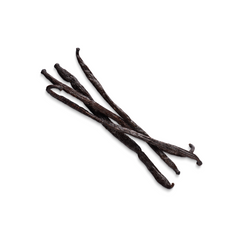
A classic opoponax accord blends 30–35% opoponax resinoid for its sweet balsamic core, 25–30% vanilla absolute to amplify honeyed warmth, 20–25% patchouli for earthy depth, and 15–20% sandalwood for creamy, woody smoothness. Vanilla’s vanillin softens opoponax’s resinous edge, patchouli’s sesquiterpenes reinforce longevity, and sandalwood’s santalols create a velvety, diffusive base.

35%

Opoponax

30–35% of blend

Provides the sweet, balsamic, and honeyed backbone; sesquiterpenes like α-bisabolene ensure fixative power and depth.

30%

Vanilla

25–30% of blend

Vanillin interacts with opoponax’s balsamic notes, amplifying sweetness and masking any sharp resinous facets.

25%

Patchouli

20–25% of blend

Patchoulol and related molecules reinforce earthy, woody undertones and extend the accord’s longevity.

20%

Sandalwood

15–20% of blend

Santalols provide creamy, woody smoothness, rounding the accord and enhancing diffusion.

The Olfactory Layers

How Opoponax Evolves on Skin

Opoponax’s olfactory evolution is gradual, with low-volatility sesquiterpenes ensuring a slow, persistent diffusion. The top is subtle, giving way to a warm, sweet heart and a long-lasting, resinous base over several hours.

I
Top notes
0–15 min
Subtle Spice

The opening is gentle—faintly spicy and sweet, with volatile monoterpenes and traces of β-ocimene providing a fleeting, fresh lift before the resinous core emerges. The initial impression is soft, never sharp.

subtle spicegentle sweetnessfresh resin
II
Heart notes
20–60 min
Honeyed Balsam

As evaporation slows, α-bisabolene and α-santalene dominate, producing a warm, honeyed, balsamic heart. The scent becomes richer and more velvety, with earthy and slightly animalic undertones unfolding.

balsamichoneyedvelvety
III
Base notes
Several hours
Resinous Depth

In the drydown, opoponax’s fixative molecules persist—deep, sweet, and resinous. The base is marked by savory, broth-like nuances and a lingering warmth, with patchouli and sandalwood often enhancing its longevity.

resinoussavorylong-lasting
TOP NOTES Subtle Spice 0–15 minutes HEART NOTES Honeyed Balsam 20–60 minutes BASE NOTES Resinous Depth Several hours
Through the Ages

The Story of Opoponax in Perfumery

Opoponax’s journey in perfumery spans millennia, from ancient incense rituals to its role in modern amber and oriental fragrances.

Antiquity

Ritual Incense in Egypt and Rome

Opoponax resin is used in Egyptian temple rituals and Roman incense blends for its aromatic, purifying properties. Trade routes from the Horn of Africa establish its value as a luxury commodity.

19th Century

Introduction to Western Perfumery

French perfumers begin importing opoponax for use in early amber and fougère compositions, recognizing its fixative power and sweet balsamic scent.

1925

Guerlain Shalimar Launches

Jacques Guerlain incorporates opoponax as a key base note in Shalimar, establishing its signature role in amber-oriental perfumery.

1984

Chanel Coco Debuts

Jacques Polge’s Chanel Coco features opoponax as a dominant note, paired with clove and rose, influencing the spicy-oriental trend of the 1980s.

2000s–Present

Niche and Modern Interpretations

Opoponax is embraced by niche brands (Amouage, Etat Libre d’Orange, Les Néréides) and continues to anchor contemporary amber, incense, and gourmand fragrances.

The Art of Layering

How to Layer Opoponax

Understanding how to layer opoponax is key to maximizing its fixative and blending properties. At a molecular level, opoponax’s sesquiterpenes and balsamic esters create bridges with vanilla, amber, and patchouli, enhancing both sweetness and longevity.

01

Enhance Sweetness

Layer opoponax with vanilla or tonka bean fragrances. Vanillin and coumarin molecules interact with opoponax’s balsamic esters, amplifying honeyed warmth and masking any sharp resinous edges. Guerlain Shalimar and Les Néréides Imperial Oppoponax exemplify this synergy.

02

Add Depth

Combine opoponax with patchouli or sandalwood. Patchoulol and santalols reinforce earthy and woody undertones, while opoponax’s fixative molecules extend the base. Amouage Interlude Man and Chanel Coco demonstrate this deep, resinous layering.

03

Lighten the Glow

Pair opoponax with citrus or herbal notes. Limonene and linalool in citrus oils create a fresh, uplifting contrast to opoponax’s sweetness, resulting in a more diffusive, balanced scent. Santa Maria Novella Opoponax Eau de Cologne uses this approach for a brighter profile.

Wear It Right

How to Wear Opoponax Like a Pro

Seasonal Guide

Fall & Winter

Cooler temperatures slow the evaporation of opoponax’s heavier molecules, resulting in a denser, more intimate scent. Apply to pulse points and under clothing for a warming, enveloping effect. The resin’s balsamic sweetness is especially comforting in cold, dry air.

Spring

In mild weather, opoponax’s honeyed and floral facets are more apparent, especially when paired with citrus or light florals. Apply lightly to avoid overpowering delicate spring notes. Layer with green or herbal scents for a balanced, uplifting profile.

Summer

High temperatures increase volatility, making opoponax more diffusive and potentially overwhelming. Use in moderation, focusing on wrists or hair for subtle sillage. Pair with citrus or aquatic notes to lighten the resin’s intensity.

Year-Round Tip

Adjust application based on humidity and temperature. In humid climates, opoponax projects more strongly; in dry conditions, it lingers closer to the skin. Experiment with layering to tailor its warmth and sweetness to your environment.

Application Points

Strategic application enhances opoponax’s longevity and diffusion, allowing its resinous warmth to evolve gradually.

1

Neck

Pulse points on the neck emit heat, accelerating the release of opoponax’s top and heart notes for immediate warmth and projection.

2

Behind the Ears

This area is slightly cooler, slowing evaporation and extending the balsamic drydown. Ideal for a subtle, lingering scent.

3

Inner Wrists

Frequent movement and warmth here help diffuse opoponax’s sweet, spicy facets throughout the day. Avoid rubbing to preserve molecular integrity.

4

Hair

Spraying on hair provides a slow, sustained release of opoponax’s aroma, especially effective for its fixative qualities in layered scents.

Pro Tip

Layer opoponax-based fragrances over unscented moisturizer to enhance adherence and slow evaporation, maximizing longevity.

Mood Architecture™

Top Opoponax Fragrances by Mood Score

These Opoponax-based fragrances scored highest on the MEI™ Mood Architecture Framework — measuring how a scent may influence your emotional state.

Highest MEI Score
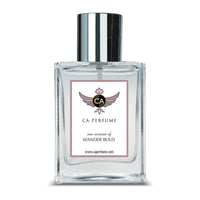
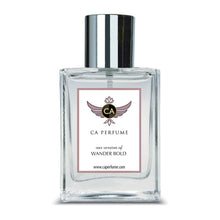
Wander Bold — Vanderbilt Alternative Perfume
8.61
MEI™
Primary Romantic
Secondary Confident
Confidence
7.86
Presence
8.37
Mood Lift
9.5
Identity
8.21
Warmth
9.5
Social Ease
8.79
Energy
4.9
" I am beautiful.
View full mood profile →
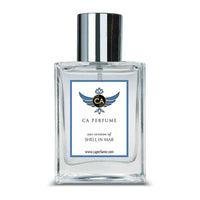
Shell in Mar — Shalimar Alternative Perfume
8.26
MEI™
Primary Romantic
Secondary Confident
Confidence
7.16
Presence
6.91
Mood Lift
9.5
Identity
7.66
Warmth
9.5
Social Ease
9.01
Energy
3.7
" I am beautiful.
View full mood profile →
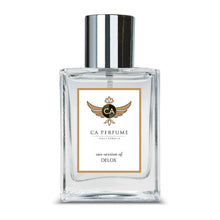
Delox — Tiziana Terenzi Delox Alternative Perfume
8.26
MEI™
Primary Romantic
Secondary Confident
Confidence
7.07
Presence
7.2
Mood Lift
9.45
Identity
7.55
Warmth
9.5
Social Ease
9.06
Energy
4.1
" I am beautiful.
View full mood profile →
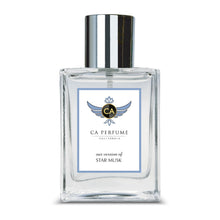
Star Musk — Xerjoff Star Musk Alternative Perfume
7.95
MEI™
Primary Romantic
Secondary Confident
Confidence
7.26
Presence
7.16
Mood Lift
8.48
Identity
7.37
Warmth
9.5
Social Ease
8.26
Energy
4.4
" I am beautiful.
View full mood profile →
HumanSafe™

Top Opoponax Fragrances by HumanSafe™ Score

These Opoponax-based fragrances have the highest product-level HumanSafe™ scores in this ingredient collection.

Highest HumanSafe™ Score
Delox — Tiziana Terenzi Delox Alternative Perfume
A
HumanSafe™ Score Very Safe
Safest Evaluated Ingredients EDP
AQUA Solvent / Carrier ISS 10.0
1,4-DIOXACYCLOHEPTADECANE-5,17-DIONE Evaluated ingredient ISS 10.0
N° TURKISH REACH: 01-0000453802-44- Evaluated ingredient ISS 7.0
CITRONELLOL Evaluated ingredient ISS 7.0
BENZENEMETHANOL, 4-METHOXY-, ACETATE Evaluated ingredient ISS 7.0
View full safety profile →
Wander Bold — Vanderbilt Alternative Perfume
A-
HumanSafe™ Score Generally Safe
Safest Evaluated Ingredients EDP
AQUA Solvent / Carrier ISS 10.0
ACETIC ACID, PHENYLMETHYL ESTER Evaluated ingredient ISS 10.0
BENZYL SALICYLATE Evaluated ingredient ISS 9.0
3-BUTEN-2-ONE, 3-METHYL-4-(2,6,6-TRIMETHYL-2- Evaluated ingredient ISS 8.0
LINALYL ACETATE Evaluated ingredient ISS 7.0
View full safety profile →
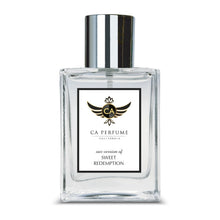
Sweet Redemption — Sweet Redemption The End Alternative Perfume
A-
HumanSafe™ Score Generally Safe
Safest Evaluated Ingredients EDP
AQUA Solvent / Carrier ISS 10.0
BENZOIC ACID, 2-AMINO-, METHYL ESTER Evaluated ingredient ISS 9.0
LINALYL ACETATE Evaluated ingredient ISS 7.0
LINALOOL Evaluated ingredient ISS 7.0
ALCOHOL DENAT. Solvent / Carrier ISS 7.0
2,6-OCTADIEN-1-OL, 3,7-DIMETHYL-, ACETATE, (E)- Evaluated ingredient ISS 7.0
View full safety profile →
Star Musk — Xerjoff Star Musk Alternative Perfume
A-
HumanSafe™ Score Generally Safe
Safest Evaluated Ingredients EDP
AQUA Solvent / Carrier ISS 10.0
AMBROXID Evaluated ingredient ISS 10.0
AMBROXIDE Evaluated ingredient ISS 9.0
3-BUTEN-2-ONE, 3-METHYL-4-(2,6,6-TRIMETHYL-2- Evaluated ingredient ISS 8.0
2H-1-BENZOPYRAN-2-ONE Evaluated ingredient ISS 8.0
CITRONELLOL Evaluated ingredient ISS 7.0
View full safety profile →
Expert Voices

What Masters Say About Opoponax

"Opoponax oil is a useful material in perfumery which is sweet, balsamic and almost effervescent in character. It is mainly used in oriental accords and also gives a sweet lift to chypre fragrances as a top note. Whereas, its absolute is used as base note."
Naheed Sho, Fragrantica
Opoponax’s unique blend of honeyed sweetness and resinous depth makes it indispensable for modern amber and incense compositions, providing both fixative strength and olfactory complexity.
CA Perfume Editorial
Common Questions

Frequently Asked Questions

Answers to common questions about opoponax in perfumery.

Opoponax in perfume is characterized by a sweet, balsamic, and honeyed aroma with earthy, spicy, and faintly animalic undertones. Its scent is often described as velvety and warm, with a savory, broth-like richness that distinguishes it from sharper resins like myrrh. In classic fragrances such as Guerlain Shalimar and Chanel Coco, opoponax provides a deep, lingering base that anchors lighter notes and enhances longevity.

Opoponax is primarily used as a base note in perfumery due to its high molecular weight and low volatility. It provides fixative properties, anchoring the composition and extending the life of more volatile top and heart notes. In rare cases, opoponax oil may be used in small amounts as a top or heart note for a sweet lift, but its main function is in the base.

Niche perfumers value opoponax for its complex, multifaceted scent and strong fixative power. Its ability to blend seamlessly with vanilla, amber, patchouli, and woods allows for the creation of rich, long-lasting compositions. Opoponax’s unique balsamic sweetness and savory undertones offer depth and character, making it a favorite for modern amber, incense, and gourmand fragrances.

Opoponax fragrance uses include pairing with vanilla, amber, patchouli, sandalwood, myrrh, and benzoin for classic amber and oriental accords. It also complements rose, cinnamon, and citrus notes, creating a balanced interplay of sweetness, warmth, and freshness. These pairings are evident in fragrances like Amouage Interlude Man and Les Néréides Imperial Oppoponax.

Opoponax can be worn in summer, but its dense, resinous character is best suited to cooler evenings or air-conditioned environments. In hot weather, its volatility increases, making the scent more diffusive and potentially overwhelming if overapplied. To adapt, use sparingly and layer with lighter, citrus or herbal notes for a fresher effect.

Opoponax’s fixative molecules ensure excellent longevity—often 8–12 hours on skin and over 100 hours on a smelling strip. Its persistence is due to sesquiterpenes and resin acids, which evaporate slowly and anchor other notes in the composition.

Yes, opoponax is highly versatile for layering. Its molecular structure allows it to blend seamlessly with vanilla, amber, patchouli, and woods, enhancing both sweetness and longevity. Layering opoponax with citrus or herbal scents can lighten its profile, while pairing with other resins or spices deepens its warmth.

For those new to opoponax, Guerlain Shalimar Eau de Parfum, Chanel Coco, and Les Néréides Imperial Oppoponax are excellent starting points. These fragrances showcase opoponax’s sweet, balsamic qualities in accessible, well-balanced compositions. Santa Maria Novella Opoponax Eau de Cologne offers a fresher, lighter interpretation.

Consider your preferred scent profile—whether you enjoy sweet, amber, or resinous fragrances. Opoponax-based scents at CA Perfume range from classic amber-oriental to modern gourmand and incense styles. Sampling is recommended to experience how opoponax interacts with your skin chemistry and personal style.

While opoponax is known for its honeyed sweetness, its complexity and earthy undertones prevent it from becoming cloying. In well-balanced compositions, it provides warmth and depth suitable for daily wear, especially in cooler months. For a lighter effect, choose fragrances where opoponax is paired with citrus or herbal notes.

Resins and Balsams Collection

Explore Our Top Opoponax Fragrances

Discover opoponax’s signature warmth in our curated collection, featuring both classic and modern interpretations for every season and style.

Shop all opoponax fragrances at CA Perfume →

Where Opoponax Comes From — Origin & Extraction

Opoponax is derived primarily from the resin of Commiphora erythraea (syn. Commiphora glabrescens), a small tree native to the arid and semi-arid regions of Somalia, Ethiopia, Eritrea, and parts of Kenya. Somalia is the leading producer, accounting for the majority of global supply, with annual exports estimated at several hundred metric tons. The resin is obtained by making incisions in the bark, from which a viscous, reddish-brown gum exudes and hardens upon exposure to air. High-quality crude resin is dark red and translucent, while lower grades are brown. Extraction for perfumery involves two main processes: solvent extraction (using ethanol or hexane) yields opoponax resinoid, while steam distillation of the dried resin produces the essential oil. Steam distillation is typically conducted at 100–120°C for several hours, resulting in a yield of 2–4% essential oil by weight. The essential oil is rich in sesquiterpenes and exhibits a yellow, slightly viscous appearance. Solvent extraction produces a more complete aromatic profile but is costlier and less common in large-scale production. Natural opoponax resinoid commands prices of $200–400 per kg, while the essential oil ranges from $300–600 per kg, depending on purity and origin. Synthetic substitutes are less expensive but lack the full olfactory complexity of the natural material. Sustainability concerns include overharvesting and habitat degradation in Somalia and Ethiopia; wild harvesting remains the norm, but some initiatives are exploring managed cultivation and resin tapping to ensure long-term viability. The resin’s trade is deeply intertwined with local economies, and efforts to promote sustainable sourcing are ongoing within the fragrance industry.

Famous Fragrances That Define Opoponax in Perfumery

Opoponax has played a defining role in some of the most celebrated fragrances of the 20th and 21st centuries. In Guerlain Shalimar Eau de Parfum (1990, Jacques Guerlain), opoponax is a core component of the amber base, lending a sweet, balsamic richness that bridges citrus top notes and vanilla base. Chanel Coco (1984, Jacques Polge) uses opoponax as a dominant note in its spicy-oriental structure, paired with clove, rose, and sandalwood. Amouage Interlude Man (2012, Pierre Negrin) showcases opoponax in a smoky, resinous context alongside frankincense and myrrh, creating a complex, incense-driven heart. Etat Libre d’Orange Fat Electrician (2009, Antoine Maisondieu) demonstrates opoponax’s versatility in a modern, creamy vetiver composition, where it extends sweetness and depth into the drydown. Les Néréides Imperial Oppoponax (2006) is a niche fragrance built almost entirely around opoponax, amber, and vanilla, evoking the classic Guerlain style. Santa Maria Novella Opoponax Eau de Cologne (year unknown) presents a fresh, aromatic take, blending opoponax with patchouli, musk, and citrus for a barbershop-inspired profile. These fragrances illustrate opoponax’s capacity to function as a dominant note, bridge, or fixative, often paired with vanilla, amber, patchouli, myrrh, and citrus. CA Perfume’s collection draws inspiration from this lineage, offering opoponax-centered scents that honor both tradition and innovation.

Natural vs Synthetic Opoponax in Perfumery

Natural opoponax is composed of a complex mixture of sesquiterpenes and aromatic resins, with α-bisabolene (CAS 495-61-4), α-santalene (CAS 512-61-8), and β-ocimene (CAS 13877-91-3) as key odorants. The natural material offers a nuanced, evolving scent profile—sweet, balsamic, slightly animalic, and earthy—that synthetic versions struggle to fully replicate. Synthetic opoponax bases, often built from aroma chemicals such as para-methoxybenzyl acetate, isoeugenol (CAS 97-54-1), and synthetic benzoin, provide greater batch consistency and stability but tend to lack the savory, broth-like depth and subtle honeyed warmth of the natural resin. Performance-wise, natural opoponax resinoid and oil exhibit strong fixative properties and excellent longevity, lasting over 100 hours on a smelling strip. Synthetic analogs may offer similar tenacity but can appear flatter and less complex in the drydown. Cost is a major factor: synthetics are available at $30–80 per kg, compared to $300–600 per kg for natural oil. Notable fragrances such as Guerlain Shalimar and Chanel Coco have historically used natural opoponax, though reformulations may incorporate synthetic bases to comply with IFRA restrictions and ensure supply chain stability. Sustainability and transparency are increasingly important; the HumanSafe™ platform at CA Perfume verifies the origin and purity of opoponax materials, prioritizing wild-harvested resin from managed sources. Synthetic options support large-scale manufacturing and reduce pressure on wild populations but are chosen for cost and consistency rather than olfactory superiority. The choice between natural and synthetic opoponax ultimately depends on the desired complexity, ethical considerations, and regulatory compliance in modern perfumery.