Where Oak Moss Comes From — Origin & Extraction
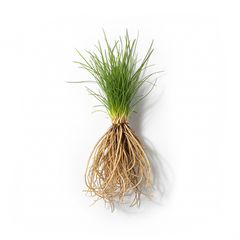
Oak moss is derived from the lichen Evernia prunastri, a symbiotic organism of fungus and algae that colonizes the bark of oak (Quercus spp.), beech, and conifer trees. The primary commercial sources are the mountainous forests of North Macedonia, Bulgaria, Croatia, Slovenia, and Morocco, with North Macedonia providing the majority of global supply. Annual production is estimated at several hundred metric tons of raw lichen, most of which is exported to Grasse, France, for extraction.
The extraction of oak moss for perfumery is performed primarily via solvent extraction using ethanol or hexane, yielding oak moss absolute—a dark green, viscous liquid with a deep, earthy-mossy scent. Supercritical CO₂ extraction is also employed for high-purity, allergen-reduced extracts, while vacuum distillation produces a paler, drier aromatic material. The yield is low: approximately 1 kg of absolute from 100 kg of dried lichen. Key odorants include evernic acid, usnic acid, atranorin, and methyl β-orcinol carboxylate. Due to the presence of potent allergens atranol (CAS 526-37-4) and chloroatranol (CAS 57074-21-2), EU regulations since 2017 mandate that oak moss absolute used in perfumery must contain less than 100 ppm of each compound.
Natural oak moss absolute costs $500–1,200 per kg, depending on purity and allergen content, while synthetic substitutes such as Evernyl (Veramoss, CAS 4707-47-5) are available at $50–150 per kg. Sustainability concerns include overharvesting, habitat loss, and the energy-intensive nature of solvent extraction. Modern producers increasingly employ sustainable harvesting and fractionation techniques to reduce environmental impact and comply with IFRA and EU safety standards.
Famous Fragrances That Define Oak Moss in Perfumery
Oak moss has defined the chypre and fougère fragrance families for over a century. François Coty’s Chypre (1917) established the classic chypre structure—bergamot, floral heart, and oak moss-labdanum base—making oak moss the architectural foundation of the genre. Guerlain Mitsouko (1919, Jacques Guerlain) further cemented its role, blending peach, spices, and a mossy base for a timeless effect. Chanel No. 19 (1970, Henri Robert) uses oak moss to ground galbanum and iris, producing a green, powdery, and elegant signature. In the masculine domain, Paco Rabanne Pour Homme (1973, Jean Martel) and Azzaro Pour Homme (1978, Gérard Anthony) both feature oak moss as a bridge note, pairing it with lavender, patchouli, and coumarin in the fougère style.
Contemporary fragrances continue to reinterpret oak moss: Chloé Nomade (2018, Quentin Bisch) employs a modern, IFRA-compliant moss accord, while Dior Gris Dior (2013, François Demachy) uses both natural and synthetic oak moss to evoke a sophisticated, mossy-rose drydown. These compositions demonstrate oak moss’s enduring versatility, from vintage classics to modern niche releases. CA Perfume’s collection draws inspiration from this lineage, offering oak moss-centered fragrances that honor both tradition and innovation.
Natural vs Synthetic Oak Moss in Perfumery
Natural oak moss absolute, derived from Evernia prunastri, contains a complex mixture of depsides and phenolic compounds, notably evernic acid, usnic acid, atranorin, and the potent allergens atranol (CAS 526-37-4) and chloroatranol (CAS 57074-21-2). Due to IFRA and EU restrictions, natural oak moss is now limited to 0.1% in leave-on products, and only allergen-reduced fractions are permitted in commercial perfumery.
Synthetic substitutes, most notably Evernyl (also known as Veramoss, CAS 4707-47-5), replicate the mossy, woody, and slightly bitter facets of oak moss without the allergenic risk. Other supporting aroma chemicals include Orcinyl 3-methyl ether (CAS 2396-77-2) and methyl β-orcinol carboxylate. Synthetic oak moss offers superior batch-to-batch consistency, greater stability, and can be used at higher concentrations (up to 2–3%) for enhanced longevity and projection. Cost is a major differentiator: Evernyl is priced at $50–150/kg versus $500–1,200/kg for natural oak moss absolute.
Famous fragrances such as Chanel No. 19 (pre-2000s) and Guerlain Mitsouko originally relied on natural oak moss, but modern reformulations use a blend of fractionated natural and synthetic substitutes. Sustainability and supply chain transparency are increasingly important; CA Perfume utilizes HumanSafe™-verified oak moss sources, ensuring compliance with allergen limits and ethical harvesting practices.