Ingredient Guide · Gourmand
Gourmand Family · Perfumery Note

Nutty Notes

Warm, creamy, and inviting nutty accords in perfumery

Nutty Notes in perfumery are warm, rich, and slightly sweet accords derived from almonds, hazelnuts, pistachios, and other nuts. Key molecules like filbertone define their characteristic creamy and toasted aroma, typically used in concentrations of 0.1–1%.

Nutty Notes
Ingredient Profile

Nutty Notes

Gourmand Family
Family Gourmand
Note Position Heart Note
Usage Level 0.1–1%
Key Origins Italy, United States, Iran
Iconic In Guidance, Devotion EDP Intense
The Ingredient

What does Nutty Notes smell like and why are they significant in perfumery?

Nutty Notes in perfumery evoke warm, creamy, and slightly sweet aromas reminiscent of various nuts such as almonds, hazelnuts, pistachios, and chestnuts. These scents are primarily characterized by molecules like filbertone (CAS 1191-62-4) and pyrazines, which contribute to the roasted, toasted, and creamy nuances. The scent profile ranges from powdery and marzipan-like almond to the rich, woody facets of hazelnut and the green creaminess of pistachio. In perfumery, nutty notes are predominantly used as heart or base notes, providing depth, warmth, and gourmand qualities to compositions. They are typically incorporated at concentrations between 0.1% and 1%, depending on the desired intensity and blend. Nutty accords interact with skin chemistry by blending harmoniously with floral, woody, and gourmand elements, often enhancing the longevity and richness of the fragrance. Examples of nutty notes in perfumery include the hazelnut-driven Amouage Guidance (2020, perfumer: Daniel Maurel), which showcases a powerful nutty accord bolstered by woody materials, and Dolce & Gabbana Devotion EDP Intense (perfumer: Olivier Cresp), where roasted hazelnut adds gourmand depth alongside orange blossom and vanilla. Pistachio is featured in Ataratma Chakra Champaca (perfumer: Caroline Dumur), lending a creamy, green nuttiness to a white floriental composition.

0.1–1%
Typical concentration range of nutty notes in fragrance formulations, balancing intensity and blend harmony.
$3,000–6,000/kg
Approximate cost range for natural nut absolutes, reflecting extraction complexity and raw material value.
25–30%
Relative proportion of nutty ingredients in a typical nutty accord blend, ensuring dominant yet balanced aroma.
Origin & Extraction

Where Nutty Notes Come From — Origin & Extraction

Nutty Notes originate from nuts grown in diverse regions where soil, climate, and cultivation methods influence aroma nuances. Mediterranean soils with mild winters produce hazelnuts with woody, toasted facets, while Californian almonds offer creamy, sweet profiles. Pistachios from Iran and the US present a green, buttery nuttiness. These geographic factors shape the scent character and quality of nutty absolutes used in perfumery.

Nutty Notes in perfumery derive from various botanical sources, primarily nuts such as almonds (Prunus dulcis), hazelnuts (Corylus avellana), pistachios (Pistacia vera), and chestnuts (Castanea sativa). These nuts are cultivated globally, with major production regions including the Mediterranean basin (Italy, Spain, Turkey), California in the United States, and parts of the Middle East and Central Asia. Extraction of natural nutty notes is challenging due to the delicate and complex aroma compounds. Common methods include solvent extraction (using hexane or ethanol) to obtain nut absolutes or concretes, and supercritical CO2 extraction, which preserves the aromatic integrity without heat degradation. Steam distillation is generally avoided as heat can degrade key odorants like filbertone. Synthetic aroma chemicals such as filbertone (CAS 1191-62-4), pyrazines, and lactones are widely used to replicate nutty scents in perfumery, offering cost-effective and stable alternatives. Natural nut absolutes can cost upwards of $3,000–6,000 per kilogram, while synthetic molecules range from $50–200 per kilogram. Sustainability considerations include the environmental impact of nut farming, solvent use in extraction, and the ethical sourcing of raw materials. Synthetic alternatives reduce pressure on natural resources and ensure consistent supply. Filbertone was first isolated and synthesized in the mid-20th century, becoming a staple in nutty fragrance accords.

IT

Italy

Italy's Piedmont region is renowned for hazelnuts with woody, toasted aromas due to its calcareous soil and temperate climate. It accounts for approximately 30% of global hazelnut production. Traditional hand-harvesting preserves nut integrity, supporting high-quality extraction.

US

United States

California produces over 80% of the world's almonds, characterized by creamy, sweet profiles influenced by Mediterranean-like climate and sandy loam soils. Modern mechanized harvesting ensures consistent quality for extraction.

IR

Iran

Iran is a leading pistachio producer, with nuts exhibiting green, buttery nuances shaped by arid climate and mineral-rich soils. Pistachios are handpicked and sun-dried, preserving aromatic compounds critical for perfumery.

TR

Turkey

Turkey's Black Sea region produces hazelnuts with robust, woody notes due to humid climate and fertile volcanic soils. The region supplies about 70% of global hazelnuts, harvested traditionally to maintain aromatic quality.

Chemistry

Natural vs Synthetic Nutty Notes in Perfumery

Natural nutty notes are extracted from nuts like almonds, hazelnuts, and pistachios through solvent extraction or CO2 methods, preserving complex aromatic profiles with hundreds of volatile compounds. These natural extracts offer depth, evolving nuances, and authenticity but are costly and subject to variability due to agricultural factors. Synthetic nutty molecules such as filbertone (CAS 1191-62-4), 2-methoxy-3-isopropylpyrazine (CAS 13617-52-6), and gamma-nonalactone (CAS 104-61-0) replicate nutty aromas with high stability, longevity, and diffusion. They are more affordable and consistent, allowing perfumers to achieve precise effects. For example, filbertone provides the characteristic hazelnut aroma with woody undertones. Famous fragrances like Amouage Guidance use a high concentration of filbertone for a powerful hazelnut effect, while others blend natural and synthetic elements for complexity. The HumanSafe™ platform ensures transparency and safety in ingredient sourcing and usage, with CA Perfume prioritizing verified natural and synthetic components for balanced artistry and sustainability.

Natural
Nutty Notes Absolute
Cost $3,000–6,000/kg
Method Solvent / CO₂
Character Complex, variable
vs
Synthetic
Safranal & Analogues
Cost $50–200/kg
Method Lab synthesis
Character Consistent, stable
Hall of Fame

Famous Fragrances That Define Nutty Notes in Perfumery

2020
dominant note

Guidance

Amouage
by Daniel Maurel
woody notesbalsamic accords
accent

Devotion EDP Intense

Dolce & Gabbana
by Olivier Cresp
orange blossomvanilla
supporting note

Chakra Champaca

Ataratma
by Caroline Dumur
orange flower absoluteneroliylang ylang
1997
supporting note

Méchant Loup

L'Artisan Parfumeur
by Bertrand Duchaufour
woody notesleathery accords
2015
supporting note

Baccarat Rouge 540

Maison Francis Kurkdjian
by Francis Kurkdjian
amberjasmine
2010
accent

Tonka Impériale

Guerlain
almondmarzipan

Nutty notes have become increasingly prominent in modern perfumery, especially within gourmand and oriental families. Landmark fragrances showcase the versatility of nutty accords, from creamy almond to toasted hazelnut and green pistachio. Amouage Guidance (2020, perfumer Daniel Maurel) is renowned for its dominant hazelnut note, achieved through high levels of filbertone, supported by woody and balsamic accords, creating a lasting and powerful nutty effect. Dolce & Gabbana Devotion EDP Intense (perfumer Olivier Cresp) uses roasted hazelnut as an accent, enriching the composition with gourmand warmth alongside orange blossom and vanilla. Ataratma Chakra Champaca (perfumer Caroline Dumur) highlights pistachio as a supporting note, adding creamy green nuttiness to a white floriental heart of orange flower and ylang ylang. L'Artisan Parfumeur's Méchant Loup (1997, perfumer Bertrand Duchaufour) features woody hazelnut nuances, pioneering nutty notes in niche perfumery. Maison Francis Kurkdjian Baccarat Rouge 540 (2015, Francis Kurkdjian) incorporates subtle nutty facets within its amber and jasmine blend, contributing to its gourmand allure. Guerlain Tonka Impériale (2010) folds almondy marzipan notes into a baroque gourmand accord. CA Perfume's collection draws inspiration from this lineage, offering nuanced nutty accords that balance gourmand richness with floral and woody elements.

The Accord

How is a captivating Nutty Notes accord crafted?

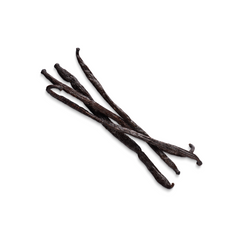
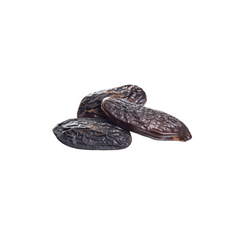
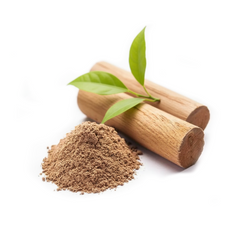
A balanced nutty accord typically combines 25-30% Nutty Notes (hazelnut or almond absolute or filbertone), 20-25% Vanilla for sweetness and softening, 20-25% Sandalwood or Cashmere Wood to provide creamy woody depth, and 20-25% Tonka Bean or Benzoin for balsamic warmth and longevity. Each ingredient complements the others at a molecular level: vanilla's vanillin masks harsh edges of nutty pyrazines, sandalwood's lactones enhance creaminess, and tonka bean's coumarin adds sweet warmth, creating a rich, edible gourmand accord.

30%

Nutty Notes

25–30% of blend

Provides the core nutty aroma through molecules like filbertone and pyrazines, delivering roasted, creamy, and toasted nuances.

25%

Vanilla

20–25% of blend

Vanillin softens the nutty edge via olfactory masking, adding sweetness and enhancing gourmand richness.

25%

Sandalwood

20–25% of blend

Lactones in sandalwood contribute creamy woody depth, complementing the nutty facets.

25%

Tonka Bean

20–25% of blend

Coumarin-rich tonka bean adds balsamic warmth and longevity, enhancing the accord's edible appeal.

The Olfactory Layers

How Nutty Notes Evolves on Skin

Nutty Notes evolve through the fragrance pyramid with initial creamy and toasted nuances emerging in the heart phase as mid-volatility molecules like filbertone and lactones dominate. The top notes are typically lighter, with subtle nutty hints blending with florals or spices. Base notes retain the warm, balsamic, and woody facets, anchored by long-lasting coumarin and vanillin derivatives, providing enduring gourmand warmth over several hours.

I
Top notes
0–15 min
Fresh Nutty Hints

The top phase features light, slightly green or powdery nutty facets, often from volatile aldehydes or green pyrazines. These impart a fresh, crisp impression that quickly transitions to the heart.

LightGreenPowdery
II
Heart notes
20–60 min
Creamy Roasted Warmth

Heart notes reveal the creamy, roasted character of nutty molecules such as filbertone and lactones. These mid-volatility compounds provide the signature warm, toasted, and slightly sweet aroma typical of nutty accords.

CreamyToastedWarm
III
Base notes
Several hours
Balsamic Woody Depth

Base notes consist of long-lasting vanillin, coumarin, and woody lactones that sustain the gourmand warmth and depth. These low-volatility molecules ensure the nutty accord remains rich and comforting over time.

WarmBalsamicWoody
TOP NOTES Fresh Nutty Hints 0–15 minutes HEART NOTES Creamy Roasted Warmth 20–60 minutes BASE NOTES Balsamic Woody Depth Several hours
Through the Ages

The Story of Nutty Notes in Perfumery

The history of nutty notes in perfumery traces from early gourmand inspirations to modern synthetic mastery, highlighting key milestones that shaped their use and popularity.

Antiquity

Early Use of Nuts in Fragrance and Ritual

Almonds and other nuts were valued in ancient cultures such as Egypt and Persia for both culinary and aromatic uses, often included in incense and ointments for their warm, edible qualities.

1997

Introduction of Nutty Notes in Niche Perfumery

L'Artisan Parfumeur released Méchant Loup, composed by Bertrand Duchaufour, pioneering woody hazelnut accords in niche fragrance, blending nutty and leathery facets.

2010

Guerlain Tonka Impériale Launch

Guerlain introduced Tonka Impériale, integrating almondy marzipan notes into a rich gourmand accord, influencing subsequent nutty fragrance trends.

2015

Baccarat Rouge 540 Popularizes Gourmand Nutty Facets

Maison Francis Kurkdjian's Baccarat Rouge 540 featured subtle nutty undertones within its amber and jasmine blend, elevating edible gourmand scents in mainstream perfumery.

2020

Amouage Guidance Highlights Hazelnut Accord

Amouage Guidance, by Daniel Maurel, showcased a dominant hazelnut note using filbertone, setting a new standard for nutty accords with exceptional longevity and intensity.

The Art of Layering

How to Layer Nutty Notes

Understanding how to layer nutty notes involves molecular compatibility and olfactory synergy. Nutty accords share lactones and pyrazines with woody and gourmand notes, allowing seamless blending. Layering with vanilla softens nutty sharpness via vanillin's olfactory masking, while pairing with tonka bean's coumarin enhances warmth and longevity. Combining nutty notes with florals like iris or orris creates molecular bridges through shared compounds such as damascenone, enriching complexity. How to layer nutty notes effectively requires balancing sweetness, creaminess, and woody depth for a harmonious scent experience.

01

Enhance Sweetness

Layer nutty notes with vanilla and tonka bean to soften sharp pyrazines and amplify creamy gourmand warmth. This molecular synergy creates a smooth, edible aroma, as seen in Dolce & Gabbana Devotion EDP Intense.

02

Add Depth

Combine nutty accords with sandalwood or cashmere wood, whose lactones complement nutty creaminess and add woody depth. This pairing extends longevity and anchors the fragrance, exemplified by Amouage Guidance.

03

Lighten the Glow

Pair nutty notes with florals like iris or orris, which share damascenone compounds, creating a seamless bridge that adds powdery elegance and complexity. This technique is used in Maison Francis Kurkdjian Baccarat Rouge 540.

Wear It Right

How to Wear Nutty Notes Like a Pro

Seasonal Guide

Fall & Winter

Cooler temperatures slow molecular evaporation, enhancing the rich, toasted, and balsamic facets of nutty notes. Apply more liberally for cozy, enveloping warmth that complements seasonal layering.

Spring

Mild temperatures allow nutty notes to balance creamy warmth with fresher floral or citrus elements. Layer with light florals to maintain vibrancy without heaviness.

Summer

Heat increases volatility, which can cause nutty notes to dissipate quickly or become sharper. Use sparingly or blend with fresh, aquatic notes to maintain balance and prevent overwhelming sweetness.

Year-Round Tip

Adjust application based on climate and personal preference, layering nutty accords with complementary notes to modulate intensity and diffusion throughout the year.

Application Points

Strategic application of nutty fragrances enhances their warm, creamy character and longevity.

1

Neck

Pulse points like the neck provide warmth that activates nutty molecules, enhancing diffusion and richness.

2

Behind the Ears

This area offers subtle heat and proximity to the nose, allowing intimate release of creamy, toasted nuances.

3

Inner Wrists

Wrists provide moderate heat and movement, promoting gradual scent evolution and projection of nutty accords.

4

Hair

Hair fibers retain fragrance oils, releasing nutty notes softly over time with natural movement and warmth.

Pro Tip

Apply an unscented moisturizer before fragrance to lock in scent molecules and extend the creamy gourmand experience.

HumanSafe™

Nutty Notes Safety Profile in Our Fragrances

No ingredient collection was found for nutty-notes.

Create or connect a collection with the same handle as this ingredient, then add products that contain this ingredient.

Expert Voices

What Masters Say About Nutty Notes

Nutty accords really match well with flowers, go extremely well with woody aromas and also with coffee and chocolate; they are in fantastic harmony with orris, and are an excellent combination alongside tonka beans with a balsamic oud accord.
Sandrina, Fragrantica Editor
The trend for hazelnut has been highlighted by the use of filbertone, a captive molecule rendering powerful nutty effects, bolstered by woody materials and facets which make the sensation lasting and powerful.
CA Perfume Editorial
Common Questions

Frequently Asked Questions

Common questions about nutty notes in perfumery answered with detailed insights.

Nutty notes in perfume smell warm, creamy, and slightly sweet, reminiscent of roasted almonds, toasted hazelnuts, and buttery pistachios. Key molecules such as filbertone and pyrazines contribute to their characteristic roasted and toasted nuances. These notes often evoke edible gourmand qualities, blending well with vanilla, tonka bean, and woody accords. Examples include the hazelnut prominence in Amouage Guidance and the creamy pistachio in Ataratma Chakra Champaca.

Nutty notes generally function as heart or base notes in fragrance compositions. Their mid to low volatility molecules, such as filbertone and lactones, provide creamy, toasted warmth that develops after the initial top notes fade. They contribute depth and longevity, anchoring gourmand and woody accords in the base phase.

Nutty notes are favored in niche perfumery for their complex, edible warmth and nostalgic qualities. Advances in synthetic molecules like filbertone allow perfumers to create realistic, long-lasting nutty accords that blend well with florals, woods, and gourmands. Their versatility and ability to evoke comfort and indulgence make them popular in sophisticated, artisanal fragrances.

Nutty notes pair excellently with vanilla, tonka bean, sandalwood, orris, coffee, chocolate, and spices like cinnamon. These combinations enhance the creamy, sweet, and woody facets of nutty accords, creating rich gourmand or warm oriental compositions. Such pairings are common in fragrances like Dolce & Gabbana Devotion and Amouage Guidance.

Nutty notes can be challenging in hot weather as increased heat accelerates evaporation, potentially making the scent sharper or fleeting. However, when blended with fresh or citrus notes and applied sparingly, nutty accords can provide a subtle gourmand touch suitable for summer. Lighter formulations like Eau de Toilettes or body mists are preferable in heat.

Nutty notes, especially when supported by fixatives like vanillin and coumarin, can last several hours to a full day in parfum and oil formats. Synthetic molecules such as filbertone contribute to exceptional longevity, as seen in Amouage Guidance, which reportedly lasts up to a week on skin with repeated exposure.

Yes, layering nutty notes with complementary fragrances enhances complexity and longevity. Pairing with vanilla or tonka bean softens edges, while woody or floral layers add depth and brightness. Layering techniques involve starting with heavier nutty or gourmand bases and adding lighter florals or fresh notes on top for balanced, multi-dimensional scent profiles.

Beginner-friendly nutty perfumes often feature softer, sweeter nutty accords blended with familiar gourmand notes like vanilla and caramel. Examples include Dolce & Gabbana Devotion EDP Intense for roasted hazelnut warmth and Ataratma Chakra Champaca for creamy pistachio. These offer approachable, comforting nutty scents without overpowering intensity.

Choosing the right nutty notes fragrance involves considering your preference for specific nuts (almond, hazelnut, pistachio), desired intensity, and complementary notes. CA Perfume offers detailed ingredient transparency via the HumanSafe™ platform, helping you select fragrances with authentic nutty accords balanced with florals, woods, or gourmands to suit your style and occasion.

Nutty notes primarily smell sweet and creamy, with nuances ranging from powdery almond marzipan to roasted hazelnut warmth. While generally not spicy, nutty accords often blend with spices like cinnamon or clove to add warmth and complexity, enhancing the gourmand profile without dominating the nutty character.

Gourmand Collection

Explore Our Top Nutty Notes Fragrances

Discover a curated selection of fragrances featuring rich nutty accords, from creamy almond to toasted hazelnut and pistachio.

Shop all nutty-notes fragrances at CA Perfume →

Where Nutty Notes Come From — Origin & Extraction

Nutty Notes in perfumery derive from various botanical sources, primarily nuts such as almonds (Prunus dulcis), hazelnuts (Corylus avellana), pistachios (Pistacia vera), and chestnuts (Castanea sativa). These nuts are cultivated globally, with major production regions including the Mediterranean basin (Italy, Spain, Turkey), California in the United States, and parts of the Middle East and Central Asia. Extraction of natural nutty notes is challenging due to the delicate and complex aroma compounds. Common methods include solvent extraction (using hexane or ethanol) to obtain nut absolutes or concretes, and supercritical CO2 extraction, which preserves the aromatic integrity without heat degradation. Steam distillation is generally avoided as heat can degrade key odorants like filbertone. Synthetic aroma chemicals such as filbertone (CAS 1191-62-4), pyrazines, and lactones are widely used to replicate nutty scents in perfumery, offering cost-effective and stable alternatives. Natural nut absolutes can cost upwards of $3,000–6,000 per kilogram, while synthetic molecules range from $50–200 per kilogram. Sustainability considerations include the environmental impact of nut farming, solvent use in extraction, and the ethical sourcing of raw materials. Synthetic alternatives reduce pressure on natural resources and ensure consistent supply. Filbertone was first isolated and synthesized in the mid-20th century, becoming a staple in nutty fragrance accords.

Famous Fragrances That Define Nutty Notes in Perfumery

Nutty notes have become increasingly prominent in modern perfumery, especially within gourmand and oriental families. Landmark fragrances showcase the versatility of nutty accords, from creamy almond to toasted hazelnut and green pistachio. Amouage Guidance (2020, perfumer Daniel Maurel) is renowned for its dominant hazelnut note, achieved through high levels of filbertone, supported by woody and balsamic accords, creating a lasting and powerful nutty effect. Dolce & Gabbana Devotion EDP Intense (perfumer Olivier Cresp) uses roasted hazelnut as an accent, enriching the composition with gourmand warmth alongside orange blossom and vanilla. Ataratma Chakra Champaca (perfumer Caroline Dumur) highlights pistachio as a supporting note, adding creamy green nuttiness to a white floriental heart of orange flower and ylang ylang. L'Artisan Parfumeur's Méchant Loup (1997, perfumer Bertrand Duchaufour) features woody hazelnut nuances, pioneering nutty notes in niche perfumery. Maison Francis Kurkdjian Baccarat Rouge 540 (2015, Francis Kurkdjian) incorporates subtle nutty facets within its amber and jasmine blend, contributing to its gourmand allure. Guerlain Tonka Impériale (2010) folds almondy marzipan notes into a baroque gourmand accord. CA Perfume's collection draws inspiration from this lineage, offering nuanced nutty accords that balance gourmand richness with floral and woody elements.

Natural vs Synthetic Nutty Notes in Perfumery

Natural nutty notes are extracted from nuts like almonds, hazelnuts, and pistachios through solvent extraction or CO2 methods, preserving complex aromatic profiles with hundreds of volatile compounds. These natural extracts offer depth, evolving nuances, and authenticity but are costly and subject to variability due to agricultural factors. Synthetic nutty molecules such as filbertone (CAS 1191-62-4), 2-methoxy-3-isopropylpyrazine (CAS 13617-52-6), and gamma-nonalactone (CAS 104-61-0) replicate nutty aromas with high stability, longevity, and diffusion. They are more affordable and consistent, allowing perfumers to achieve precise effects. For example, filbertone provides the characteristic hazelnut aroma with woody undertones. Famous fragrances like Amouage Guidance use a high concentration of filbertone for a powerful hazelnut effect, while others blend natural and synthetic elements for complexity. The HumanSafe™ platform ensures transparency and safety in ingredient sourcing and usage, with CA Perfume prioritizing verified natural and synthetic components for balanced artistry and sustainability.