Ingredient Guide · Aromatic Green
Aromatic Green Family · Perfumery Note

Myrtle

Aromatic, camphoraceous, and green—Mediterranean maquis in a bottle.

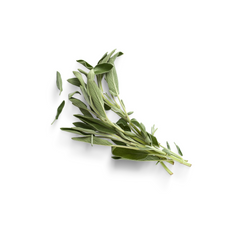
Myrtle is a top-to-heart note in perfumery, prized for its green, camphoraceous, and subtly fruity character. Its defining molecules—alpha-pinene, 1,8-cineole, and myrtenyl acetate—shape its fresh, herbal, and Mediterranean identity.

Myrtle
Ingredient Profile

Myrtle

Aromatic Green Family
Family Aromatic Green
Note Position Heart Note
Usage Level 0.2–0.5% Yield
Key Origins France (Corsica), Italy (Sardinia), Tunisia
Iconic In Neroli Portofino, Blu Mediterraneo Mirto di Panarea
The Ingredient

What does Myrtle smell like and why is it significant in perfumery?

Myrtle (Myrtus communis) in perfumery is defined by a green, camphoraceous, and subtly fruity scent profile. Its olfactory character is shaped by a high content of alpha-pinene (48–60%), which imparts piney clarity, and 1,8-cineole (20–28%), responsible for the camphoraceous, eucalyptus-like freshness. Myrtenyl acetate (21–36%) provides a distinctive fruity-herbal nuance, setting myrtle apart from more medicinal or resinous aromatics. Additional contributors include linalool, myrtenol, and trace rose alcohols, which lend a faint floral undertone. The overall impression is of crushed green leaves on sun-warmed stone, with a clean, herbal transparency and a subtle sweetness reminiscent of the Mediterranean maquis. In perfumery, myrtle functions as a top-to-heart note, with volatility that allows it to bridge citrus openings and herbal or woody hearts. Typical usage concentrations range from 0.1% to 1% in fine fragrance compositions, depending on the desired intensity and the chemotype (green or red myrtle). Myrtle’s moderate odor strength and rapid evaporation make it ideal for fresh colognes, aromatic fougères, and Mediterranean-inspired blends. Its interaction with skin chemistry is notable: on warmer, more acidic skin, the camphoraceous and piney facets become more pronounced, while on cooler or more alkaline skin, the fruity and floral aspects are enhanced. This variability makes myrtle a versatile modifier, able to naturalize synthetic freshness or add geographic specificity to a composition. Myrtle in perfumery is exemplified by fragrances such as Tom Ford Neroli Portofino (2011, perfumer Rodrigo Flores-Roux), where it bridges citrus and herbal notes, and Acqua di Parma Blu Mediterraneo Mirto di Panarea (2008, perfumer François Demachy), which showcases myrtle’s Mediterranean identity alongside basil, juniper, and sea breeze accords. Serge Lutens Ambre Sultan (2000, perfumer Christopher Sheldrake) uses myrtle as a supporting herbal accent, paired with bay leaf and spices. These examples illustrate myrtle’s role as both a freshening top note and a subtle aromatic modifier in modern perfumery.

0.2–0.5% Yield
Steam distillation of fresh myrtle leaves produces 0.2–0.5% essential oil by weight. This low yield contributes to the oil’s value and aromatic intensity.
3–5 Hours
Myrtle’s scent typically persists for 3–5 hours on a blotter, reflecting its high volatility and role as a top-to-heart note in fragrance pyramids.
0.1–1% Usage
In fine fragrance, myrtle oil is used at 0.1–1% concentration. This range balances aromatic impact with safety and minimizes allergen risk.
Origin & Extraction

Where Myrtle Comes From — Origin & Extraction

Myrtle’s Mediterranean origins shape its scent profile: sun-exposed, mineral-rich soils and coastal climates yield oils with heightened aromatic clarity and subtle fruitiness.

Myrtle (Myrtus communis) is an evergreen shrub native to the Mediterranean basin, thriving in the maquis scrublands of Corsica, Sardinia, Tunisia, Morocco, Turkey, and Albania. The plant is deeply rooted in Mediterranean culture, symbolizing love and fidelity since antiquity and featuring in Greek, Roman, and Jewish traditions. The essential oil used in perfumery is extracted primarily from the leaves and twigs, though flowers and berries may be included for higher aromatic complexity. Extraction is performed via steam distillation, with optimal yields achieved through 75 minutes of distillation at 100°C. Oil yield from fresh leaves ranges from 0.2–0.5% (up to 1.75% on a dry weight basis). The resulting oil is a pale amber liquid with medium odor strength. Corsican and Sardinian myrtle oils are highly prized for their balanced chemotype—rich in alpha-pinene, 1,8-cineole, and myrtenyl acetate—while Moroccan and Albanian oils (red myrtle) are softer and fruitier due to higher myrtenyl acetate content. Tunisia and Turkey are also major producers, with Turkey supplying significant volumes for both aromatherapy and fine fragrance. Natural myrtle oil commands prices of $200–400/kg for high-quality Corsican or Tunisian material, while lower-grade or rectified oils may be available for $80–150/kg. Synthetic substitutes (see next section) are less expensive but lack the nuanced complexity of true myrtle oil. Sustainability is generally favorable: myrtle is not endangered, and wild harvesting is regulated in many regions. However, overharvesting for essential oil production can threaten local populations, so certified sustainable sources are preferred. No major synthetic analogs dominate the market, as myrtle’s unique profile is difficult to replicate fully with single molecules.

FR

France (Corsica)

Corsican myrtle, especially from the Balagne region, is prized for its balanced chemotype—high in alpha-pinene and myrtenyl acetate. The maquis scrubland, with granitic soils and maritime winds, produces oil with a nuanced, green-fruity profile. Corsica supplies a significant share of high-end perfumery myrtle, with annual production estimated at 2–5 metric tons.

IT

Italy (Sardinia)

Sardinian myrtle, especially from the Nuoro and Ogliastra provinces, is known for its aromatic intensity and subtle floral undertones. The Mediterranean climate and limestone soils contribute to a sweeter, more rounded oil. Sardinia is also famous for Mirto liqueur, reflecting the cultural importance of the plant.

TN

Tunisia

Tunisian myrtle, mainly from the Kroumirie and Cap Bon regions, yields oil with a sharper, more camphoraceous profile due to higher alpha-pinene and cineole content. Tunisia is a major exporter, supplying both aromatherapy and perfumery markets.

MA

Morocco

Moroccan myrtle, especially from the Rif and Middle Atlas, is valued for its red chemotype—rich in myrtenyl acetate, giving a softer, fruitier aroma. Morocco’s production is smaller but highly regarded in niche perfumery.

Chemistry

Natural vs Synthetic Myrtle in Perfumery

Natural myrtle oil is a complex mixture of monoterpenes and esters, with alpha-pinene (CAS 80-56-8), 1,8-cineole (CAS 470-82-6), and myrtenyl acetate (CAS 1079-01-2) as principal aroma compounds. Synthetic perfumery often employs these molecules individually to recreate facets of myrtle’s scent. For example, 1,8-cineole provides the camphoraceous lift, while myrtenyl acetate delivers the fruity-herbal nuance. Linalool (CAS 78-70-6) and limonene (CAS 138-86-3) are also used to enhance the green and citrus dimensions. Performance-wise, natural myrtle oil is relatively volatile, with low persistence (typically 3–5 hours on a blotter). Synthetic blends can extend longevity and offer batch-to-batch consistency, but may lack the subtle interplay of floral and resinous notes found in high-quality natural oils. Cost is a differentiator: natural myrtle oil ranges from $200–400/kg, while synthetic blends of the main aroma chemicals can be produced for $40–80/kg. Notable fragrances using natural myrtle include Acqua di Parma Blu Mediterraneo Mirto di Panarea and L’Occitane en Provence Notre Flore Myrte; synthetic myrtle accords are more common in functional perfumery and mass-market colognes. Sustainability and transparency are increasingly important. The HumanSafe™ platform enables traceability of natural myrtle sources, ensuring ethical harvesting and compliance with IFRA safety standards. Synthetic myrtle aroma chemicals reduce pressure on wild populations but may have higher environmental impact depending on feedstock and manufacturing process. CA Perfume prioritizes HumanSafe™ verified natural myrtle where possible, balancing olfactory authenticity with environmental responsibility.

Natural
Myrtle Absolute
Cost $3,000–6,000/kg
Method Solvent / CO₂
Character Complex, variable
vs
Synthetic
Safranal & Analogues
Cost $50–200/kg
Method Lab synthesis
Character Consistent, stable
Hall of Fame

Famous Fragrances That Define Myrtle in Perfumery

2011
bridge note

Neroli Portofino

Tom Ford
by Rodrigo Flores-Roux
nerolibergamotrosemaryamber
2008
dominant note

Blu Mediterraneo Mirto di Panarea

Acqua di Parma
by François Demachy
basiljunipercitrussea breeze
2000
accent

Ambre Sultan

Serge Lutens
by Christopher Sheldrake
bay leafcorianderambercistus
2009
bridge note

Epic Man

Amouage
by Randa Hammami
incensespicesoudsandalwood
1975
dominant note

L’Eau Trois

Diptyque
by Desmond Knox-Leet
thymecistuspineherbs

Myrtle has played a supporting but distinctive role in several landmark fragrances, particularly those evoking Mediterranean landscapes or fresh aromatic profiles. In Tom Ford Neroli Portofino (2011, perfumer Rodrigo Flores-Roux), myrtle bridges the citrus and herbal notes, providing a green, camphoraceous lift that enhances the cologne’s Mediterranean freshness. Acqua di Parma Blu Mediterraneo Mirto di Panarea (2008, François Demachy) places myrtle at the heart of its composition, pairing it with basil, juniper, and sea breeze accords to evoke the aromatic maquis of Panarea. Serge Lutens Ambre Sultan (2000, Christopher Sheldrake) uses myrtle as an accent within a spicy, resinous amber structure, where it is paired with bay leaf, coriander, and cistus. Amouage Epic Man (2009, Randa Hammami) features myrtle as a bridge note, connecting incense, spices, and woods in a complex oriental composition. Diptyque L’Eau Trois (1975, Desmond Knox-Leet) is an early example of myrtle’s use as a dominant herbal note, evoking the wild scrub of the Greek Peloponnese. Other notable fragrances include Tiziana Terenzi Laudano Nero (2014), where myrtle supports a smoky, herbal heart, and L’Occitane en Provence Notre Flore Myrte (2006), which highlights myrtle’s green and fruity facets. CA Perfume’s collection draws inspiration from these benchmarks, offering myrtle-forward compositions that reflect both historical and contemporary uses of this aromatic note.

The Accord

How is a captivating Myrtle accord crafted?

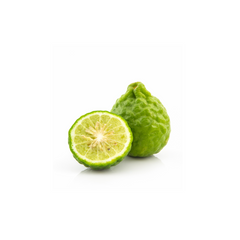
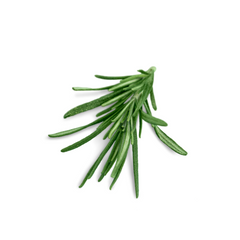
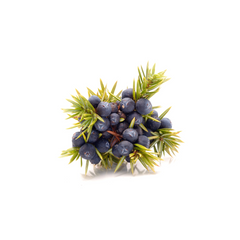
A balanced myrtle accord typically includes Myrtle Oil (25–30%), Bergamot (20–25%), Rosemary (20–25%), and Juniper Berry (25–30%). Myrtle provides the core green-camphoraceous signature via alpha-pinene and myrtenyl acetate. Bergamot introduces fresh, citrusy top notes through limonene and linalyl acetate, enhancing diffusion. Rosemary adds herbal, slightly resinous depth via 1,8-cineole and camphor. Juniper Berry supplies a crisp, piney, and subtly peppery nuance, reinforcing the Mediterranean character and extending the aromatic heart.

30%

Myrtle Oil

25–30% of blend

Provides the green, camphoraceous, and fruity-herbal signature via alpha-pinene, 1,8-cineole, and myrtenyl acetate. Forms the aromatic backbone.

25%

Bergamot

20–25% of blend

Adds citrus freshness and diffusive lift through limonene and linalyl acetate, complementing myrtle’s herbal facets and enhancing top note volatility.

25%

Rosemary

20–25% of blend

Contributes herbal, resinous depth via 1,8-cineole and camphor, reinforcing the Mediterranean aromatic theme and extending the accord’s heart.

30%

Juniper Berry

25–30% of blend

Supplies crisp, piney, and subtly peppery nuances through alpha-pinene and sabinene, supporting the green and aromatic complexity of the accord.

The Olfactory Layers

How Myrtle Evolves on Skin

Myrtle’s olfactory evolution is rapid: top notes evaporate within 15 minutes, revealing a green, camphoraceous opening that transitions to a softer, fruity-herbal heart. Volatile monoterpenes dominate early, while esters and minor alcohols persist into the heart and base.

I
Top notes
0–15 min
Crushed Green Clarity

The initial impression is sharp, green, and camphoraceous, dominated by alpha-pinene and 1,8-cineole. This phase is highly volatile, with rapid evaporation and a clean, herbal transparency reminiscent of crushed leaves and Mediterranean air.

GreenCamphoraceousFresh
II
Heart notes
20–60 min
Fruity-Herbal Softness

As the top fades, myrtenyl acetate and linalool emerge, introducing a fruity-herbal sweetness and subtle floral undertones. The heart is less medicinal, more rounded, and slightly violet-adjacent, with a dry, aromatic character.

Fruity-HerbalAromaticSoft
III
Base notes
Several hours
Woody-Resinous Echo

The base is quiet and fleeting, with faint woody and resinous traces from myrtenol and minor sesquiterpenes. The green freshness lingers as a ghostly echo, blending into the skin’s natural scent.

WoodyResinousSubtle
TOP NOTES Crushed Green Clarity 0–15 minutes HEART NOTES Fruity-Herbal Softness 20–60 minutes BASE NOTES Woody-Resinous Echo Several hours
Through the Ages

The Story of Myrtle in Perfumery

Myrtle’s history in perfumery spans from ancient Mediterranean rituals to modern aromatic compositions, reflecting both cultural symbolism and technical evolution.

Antiquity

Sacred Symbolism and Ritual Use

Myrtle is revered in Greek, Roman, and Jewish traditions as a symbol of love, fidelity, and peace. Used in bridal wreaths and sacred ceremonies, its aromatic branches were valued for both fragrance and spiritual significance.

Middle Ages

Eau d’Anges and Early Distillation

Myrtle flowers and leaves are distilled to produce 'Eau d’Anges' (Angels’ Water), a cosmetic and medicinal preparation popular in medieval Europe. The process marks one of the earliest uses of steam distillation for aromatic plants.

1753

Botanical Classification by Linnaeus

Carl Linnaeus formally describes the genus Myrtus, establishing its place in botanical taxonomy and distinguishing it from related aromatic species.

1975

Myrtle in Modern Niche Perfumery

Diptyque L’Eau Trois (1975, Desmond Knox-Leet) introduces myrtle as a dominant note in a fragrance inspired by the Greek Peloponnese, highlighting its aromatic and herbal facets.

2008–2011

Mediterranean Renaissance

Acqua di Parma Blu Mediterraneo Mirto di Panarea (2008, François Demachy) and Tom Ford Neroli Portofino (2011, Rodrigo Flores-Roux) bring myrtle to prominence in luxury perfumery, emphasizing its role in fresh, Mediterranean-inspired compositions.

The Art of Layering

How to Layer Myrtle

Understanding how to layer myrtle involves pairing it with notes that share or complement its molecular structure—such as citrus, herbs, or woods—to create harmonious, multidimensional blends.

01

Enhance Citrus Freshness

Layer myrtle with bergamot or lime to amplify the fresh, green facets. Both myrtle and citrus oils contain limonene and linalool, which create a seamless molecular bridge. This pairing is exemplified in Tom Ford Neroli Portofino, where myrtle and citrus top notes interact for a bright, Mediterranean effect.

02

Add Aromatic Depth

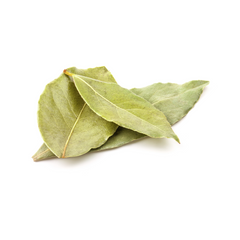
Combine myrtle with rosemary, sage, or bay leaf to reinforce the herbal, camphoraceous dimension. Shared monoterpenes like 1,8-cineole and alpha-pinene enhance aromatic complexity and longevity. Serge Lutens Ambre Sultan demonstrates this synergy, with myrtle and bay leaf supporting a spicy, resinous core.

03

Soften with Woods or Florals

Pair myrtle with sandalwood or violet for a smoother, more rounded drydown. Myrtenyl acetate’s fruity-herbal sweetness blends well with the creamy facets of sandalwood and the ionones in violet, as seen in Acqua di Parma Blu Mediterraneo Mirto di Panarea. This approach balances myrtle’s sharpness and extends its wear.

Wear It Right

How to Wear Myrtle Like a Pro

Seasonal Guide

Fall & Winter

In cooler temperatures, myrtle’s projection is reduced as volatility decreases. Layer with spicy or woody notes (e.g., cinnamon, cedar) to add warmth and depth. Apply to pulse points under clothing to enhance longevity and create a subtle aromatic aura.

Spring

Spring’s moderate temperatures highlight myrtle’s green and fruity facets. Pair with citrus or floral notes for a fresh, uplifting effect. Apply lightly to exposed skin for a crisp, invigorating scent that complements the season’s renewal.

Summer

Heat amplifies myrtle’s volatility, increasing projection but shortening longevity. Use as a top note in light colognes or layer with aquatic and citrus accords for a breezy, Mediterranean feel. Reapply as needed to maintain freshness.

Year-Round Tip

For consistent performance, layer myrtle-based fragrances with longer-lasting base notes (e.g., amber, musk) or use a matching body lotion. This anchors the volatile top notes and extends the aromatic experience across all seasons.

Application Points

Strategic application enhances myrtle’s aromatic impact and optimizes its volatility for lasting freshness.

1

Neck

The neck’s warmth accelerates myrtle’s evaporation, intensifying the initial green freshness. Ideal for a strong first impression, but reapplication may be needed as the scent fades.

2

Behind the Ears

Cooler than the neck, this area moderates volatility, allowing myrtle’s fruity-herbal heart to linger. Suitable for subtle, close-to-skin diffusion.

3

Inner Wrists

Pulse points on the wrists amplify myrtle’s top notes, but frequent hand washing can diminish longevity. Layer with a fixative or moisturizer to prolong the scent.

4

Hair

Spraying myrtle-based fragrance on hair provides a gentle, continuous release as the hair moves. The lower temperature preserves the herbal freshness, but avoid overapplication to prevent dryness.

★

Pro Tip

Apply myrtle fragrance to clothing made of natural fibers (e.g., cotton, linen) for extended projection. The fabric retains volatile molecules, allowing the scent to evolve gradually throughout the day.

Mood Architecture™

Top Myrtle Fragrances by Mood Score

These Myrtle-based fragrances scored highest on the MEI™ Mood Architecture Framework — measuring how a scent may influence your emotional state.

Highest MEI Score
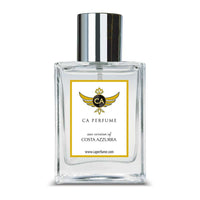
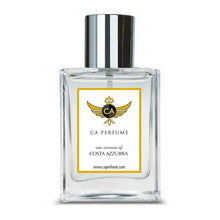
Costa Azzurra — Tom Ford Costa Azzurra Alternative Perfume
7.2
MEI™
Primary Fresh
Secondary Romantic
Confidence
6.66
Presence
7.2
Mood Lift
7.85
Identity
7.2
Warmth
7.45
Social Ease
7.29
Energy
5.37
" I am radiant.
View full mood profile →
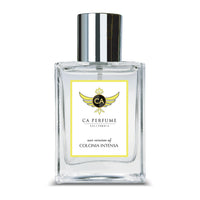
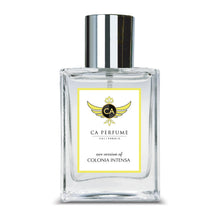
Colonia Intensa — Acqua Di Parma Colonia Intensa Alternative Cologne
6.8
MEI™
Primary Romantic
Secondary Confident
Confidence
6.6
Presence
7.2
Mood Lift
7.05
Identity
7.05
Warmth
7.35
Social Ease
6.52
Energy
3.98
" I am beautiful.
View full mood profile →
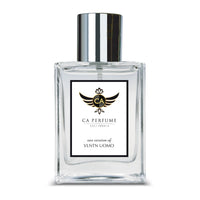
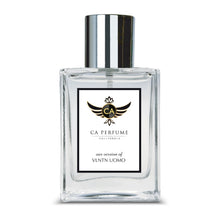
Vlntn Uomo — Uomo Alternative Cologne
#3
Vlntn Uomo — Uomo Alternative Cologne
Starting from $14.99
6.6
MEI™
Primary Romantic
Secondary Confident
Confidence
6.11
Presence
6.35
Mood Lift
7.22
Identity
6.6
Warmth
7.05
Social Ease
6.66
Energy
3.9
" I am beautiful.
View full mood profile →
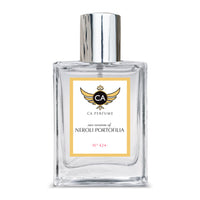
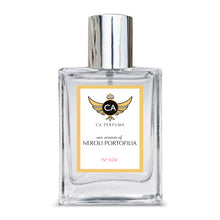
Neroli Portofilia — Neroli Portofino Alternative Perfume
6.5
MEI™
Primary Fresh
Secondary Romantic
Confidence
5.93
Presence
6.12
Mood Lift
7.58
Identity
6.03
Warmth
6.23
Social Ease
6.9
Energy
5.0
" I am radiant.
View full mood profile →
HumanSafe™

Top Myrtle Fragrances by HumanSafe™ Score

These Myrtle-based fragrances have the highest product-level HumanSafe™ scores in this ingredient collection.

Highest HumanSafe™ Score
Vlntn Uomo — Uomo Alternative Cologne
#1
Vlntn Uomo — Uomo Alternative Cologne
Starting from $14.99
A-
HumanSafe™ Score Generally Safe
Safest Evaluated Ingredients EDP
AQUA Solvent / Carrier ISS 10.0
2-OXABICYCLO[2.2.2]OCTANE, 1,3,3-TRIMETHYL- Evaluated ingredient ISS 9.0
1H-3A,7-METHANOAZULEN-6-OL, OCTAHYDRO-3,6,8,8- Evaluated ingredient ISS 9.0
3-BUTEN-2-ONE, 3-METHYL-4-(2,6,6-TRIMETHYL-2- Evaluated ingredient ISS 8.0
2H-1-BENZOPYRAN-2-ONE Evaluated ingredient ISS 8.0
2-HEXENE, 6,6-DIMETHOXY-2,5,5-TRIMETHYL- Evaluated ingredient ISS 8.0
View full safety profile →
Neroli Portofilia — Neroli Portofino Alternative Perfume
A-
HumanSafe™ Score Generally Safe
Safest Evaluated Ingredients EDP
AQUA Solvent / Carrier ISS 10.0
1,4-DIOXACYCLOHEPTADECANE-5,17-DIONE Evaluated ingredient ISS 10.0
2,6-OCTADIEN-1-OL, 3,7-DIMETHYL-, ACETATE, (Z)- Evaluated ingredient ISS 9.0
CITRAL Evaluated ingredient ISS 8.0
LINALYL ACETATE Evaluated ingredient ISS 7.0
LINALOOL Evaluated ingredient ISS 7.0
View full safety profile →
Costa Azzurra — Tom Ford Costa Azzurra Alternative Perfume
A-
HumanSafe™ Score Generally Safe
Safest Evaluated Ingredients EDP
AQUA Solvent / Carrier ISS 10.0
4H-INDEN-4-ONE, 1,2,3,5,6,7-HEXAHYDRO-1,1,2,3,3- Evaluated ingredient ISS 9.0
2-OXABICYCLO[2.2.2]OCTANE, 1,3,3-TRIMETHYL- Evaluated ingredient ISS 9.0
LINALYL ACETATE Evaluated ingredient ISS 7.0
LINALOOL Evaluated ingredient ISS 7.0
ALCOHOL DENAT. Solvent / Carrier ISS 7.0
View full safety profile →
Colonia Intensa — Acqua Di Parma Colonia Intensa Alternative Cologne
A-
HumanSafe™ Score Generally Safe
Safest Evaluated Ingredients EDP
AQUA Solvent / Carrier ISS 10.0
1,4-DIOXACYCLOHEPTADECANE-5,17-DIONE Evaluated ingredient ISS 10.0
7-OCTEN-2-OL, 2,6-DIMETHYL- Evaluated ingredient ISS 9.0
TRICYCLO[6.3.1.02,5]DODECAN-1-OL, 4,4,8-TRIMETHYL-, Evaluated ingredient ISS 8.0
LINALYL ACETATE Evaluated ingredient ISS 7.0
LINALOOL Evaluated ingredient ISS 7.0
View full safety profile →
Expert Voices

What Masters Say About Myrtle

“
Myrtle oil functions as a fresh herbal top-to-heart note, bridging green and aromatic families. The 1,8-cineole provides camphoraceous lift; alpha-pinene adds piney clarity; myrtenyl acetate contributes the distinctive fruity-herbal facet that separates myrtle from generic eucalyptus-type materials.
Première Peau Editorial
“
Myrtle provides a Mediterranean-specific herbal note—less generic than eucalyptus, less culinary than rosemary, less austere than cypress. It reads as coastal air filtered through aromatic scrub.
CA Perfume Editorial
Common Questions

Frequently Asked Questions

Answers to common questions about myrtle’s scent, usage, and performance in perfumery.

Myrtle in perfume smells green, camphoraceous, and subtly fruity. Its scent is shaped by alpha-pinene (piney clarity), 1,8-cineole (eucalyptus-like freshness), and myrtenyl acetate (fruity-herbal nuance). The result is a clean, herbal aroma reminiscent of Mediterranean scrubland, with a soft, slightly floral drydown. Myrtle’s profile is less medicinal than eucalyptus and less sweet than lavender, making it ideal for fresh, aromatic compositions.

Myrtle is primarily used as a top-to-heart note in perfumery. Its high volatility means it is most noticeable in the opening and early heart of a fragrance, typically within the first hour. While it can persist as a subtle accent in the base, myrtle’s main impact is in the fresh, green introduction of aromatic and Mediterranean-inspired blends.

Myrtle is valued in niche perfumery for its ability to evoke a sense of place—specifically, the Mediterranean maquis. Its unique combination of green, camphoraceous, and fruity-herbal notes offers complexity and geographic specificity. Myrtle also acts as a naturalizer, softening synthetic freshness and bridging citrus and herbal accords, making it a versatile tool for perfumers seeking authenticity and aromatic depth.

Myrtle fragrance uses often involve pairing with citrus (bergamot, lemon), herbs (rosemary, sage, bay leaf), and woods (juniper, cypress, sandalwood). These combinations leverage shared monoterpenes and esters, creating harmonious, multidimensional accords. Myrtle also blends well with florals like violet and spicy notes such as cinnamon or clove for added depth.

Yes, myrtle’s volatility and fresh, herbal character make it ideal for summer and hot weather. The scent projects well in heat, delivering a clean, invigorating impression. However, higher temperatures may shorten longevity, so reapplication or layering with fixatives is recommended for all-day wear.

Myrtle’s scent typically lasts 3–5 hours on skin, reflecting its role as a top-to-heart note. Longevity depends on concentration, skin chemistry, and environmental conditions. In Eau de Parfum formats, myrtle can persist as a subtle accent for up to 6 hours, especially when anchored by woody or resinous base notes.

Yes, myrtle is highly compatible for layering. It can be combined with citrus, herbal, or woody fragrances to enhance freshness or add aromatic complexity. Layering myrtle with bergamot or rosemary creates a seamless green accord, while pairing with sandalwood or violet softens the overall profile. Always test combinations on skin to ensure olfactory harmony.

For those new to myrtle, recommended entry points include Acqua di Parma Blu Mediterraneo Mirto di Panarea (fresh, Mediterranean), Tom Ford Neroli Portofino (citrus-aromatic), and Diptyque L’Eau Trois (herbal, niche classic). These fragrances showcase myrtle’s versatility and are widely appreciated for their balanced compositions.

When selecting a myrtle fragrance at CA Perfume, consider the desired style—fresh cologne, aromatic fougère, or Mediterranean-inspired blend. Review scent pyramids for complementary notes such as citrus, herbs, or woods. Sampling on skin is recommended, as myrtle’s profile can shift with individual chemistry. CA Perfume’s collection offers HumanSafe™ verified options for transparency and safety.

Myrtle’s scent is primarily green and camphoraceous, with a subtle fruity-herbal sweetness from myrtenyl acetate and minor esters. It is less spicy than bay leaf or clove, but can take on a mild spicy nuance when paired with cinnamon or nutmeg. Overall, myrtle is more fresh and aromatic than overtly sweet or spicy.

Aromatic Green Collection

Explore Our Top Myrtle Fragrances

Discover CA Perfume’s curated selection of myrtle-forward fragrances, each highlighting the ingredient’s aromatic clarity and Mediterranean heritage.

Shop all myrtle fragrances at CA Perfume →

Where Myrtle Comes From — Origin & Extraction

Myrtle (Myrtus communis) is an evergreen shrub native to the Mediterranean basin, thriving in the maquis scrublands of Corsica, Sardinia, Tunisia, Morocco, Turkey, and Albania. The plant is deeply rooted in Mediterranean culture, symbolizing love and fidelity since antiquity and featuring in Greek, Roman, and Jewish traditions. The essential oil used in perfumery is extracted primarily from the leaves and twigs, though flowers and berries may be included for higher aromatic complexity. Extraction is performed via steam distillation, with optimal yields achieved through 75 minutes of distillation at 100°C. Oil yield from fresh leaves ranges from 0.2–0.5% (up to 1.75% on a dry weight basis). The resulting oil is a pale amber liquid with medium odor strength. Corsican and Sardinian myrtle oils are highly prized for their balanced chemotype—rich in alpha-pinene, 1,8-cineole, and myrtenyl acetate—while Moroccan and Albanian oils (red myrtle) are softer and fruitier due to higher myrtenyl acetate content. Tunisia and Turkey are also major producers, with Turkey supplying significant volumes for both aromatherapy and fine fragrance. Natural myrtle oil commands prices of $200–400/kg for high-quality Corsican or Tunisian material, while lower-grade or rectified oils may be available for $80–150/kg. Synthetic substitutes (see next section) are less expensive but lack the nuanced complexity of true myrtle oil. Sustainability is generally favorable: myrtle is not endangered, and wild harvesting is regulated in many regions. However, overharvesting for essential oil production can threaten local populations, so certified sustainable sources are preferred. No major synthetic analogs dominate the market, as myrtle’s unique profile is difficult to replicate fully with single molecules.

Famous Fragrances That Define Myrtle in Perfumery

Myrtle has played a supporting but distinctive role in several landmark fragrances, particularly those evoking Mediterranean landscapes or fresh aromatic profiles. In Tom Ford Neroli Portofino (2011, perfumer Rodrigo Flores-Roux), myrtle bridges the citrus and herbal notes, providing a green, camphoraceous lift that enhances the cologne’s Mediterranean freshness. Acqua di Parma Blu Mediterraneo Mirto di Panarea (2008, François Demachy) places myrtle at the heart of its composition, pairing it with basil, juniper, and sea breeze accords to evoke the aromatic maquis of Panarea. Serge Lutens Ambre Sultan (2000, Christopher Sheldrake) uses myrtle as an accent within a spicy, resinous amber structure, where it is paired with bay leaf, coriander, and cistus. Amouage Epic Man (2009, Randa Hammami) features myrtle as a bridge note, connecting incense, spices, and woods in a complex oriental composition. Diptyque L’Eau Trois (1975, Desmond Knox-Leet) is an early example of myrtle’s use as a dominant herbal note, evoking the wild scrub of the Greek Peloponnese. Other notable fragrances include Tiziana Terenzi Laudano Nero (2014), where myrtle supports a smoky, herbal heart, and L’Occitane en Provence Notre Flore Myrte (2006), which highlights myrtle’s green and fruity facets. CA Perfume’s collection draws inspiration from these benchmarks, offering myrtle-forward compositions that reflect both historical and contemporary uses of this aromatic note.

Natural vs Synthetic Myrtle in Perfumery

Natural myrtle oil is a complex mixture of monoterpenes and esters, with alpha-pinene (CAS 80-56-8), 1,8-cineole (CAS 470-82-6), and myrtenyl acetate (CAS 1079-01-2) as principal aroma compounds. Synthetic perfumery often employs these molecules individually to recreate facets of myrtle’s scent. For example, 1,8-cineole provides the camphoraceous lift, while myrtenyl acetate delivers the fruity-herbal nuance. Linalool (CAS 78-70-6) and limonene (CAS 138-86-3) are also used to enhance the green and citrus dimensions. Performance-wise, natural myrtle oil is relatively volatile, with low persistence (typically 3–5 hours on a blotter). Synthetic blends can extend longevity and offer batch-to-batch consistency, but may lack the subtle interplay of floral and resinous notes found in high-quality natural oils. Cost is a differentiator: natural myrtle oil ranges from $200–400/kg, while synthetic blends of the main aroma chemicals can be produced for $40–80/kg. Notable fragrances using natural myrtle include Acqua di Parma Blu Mediterraneo Mirto di Panarea and L’Occitane en Provence Notre Flore Myrte; synthetic myrtle accords are more common in functional perfumery and mass-market colognes. Sustainability and transparency are increasingly important. The HumanSafe™ platform enables traceability of natural myrtle sources, ensuring ethical harvesting and compliance with IFRA safety standards. Synthetic myrtle aroma chemicals reduce pressure on wild populations but may have higher environmental impact depending on feedstock and manufacturing process. CA Perfume prioritizes HumanSafe™ verified natural myrtle where possible, balancing olfactory authenticity with environmental responsibility.