Ingredient Guide · Woody Aromatic
Woody Aromatic Family · Perfumery Note

Juniper

The piney, invigorating top note of modern fougère and citrus scents.

Juniper is a top note in perfumery, prized for its fresh, piney, and aromatic character. Its distinctive scent derives from high levels of alpha-pinene and myrcene, with essential oil concentrations in perfume typically ranging from 0.2–1%.

Juniper
Ingredient Profile

Juniper

Woody Aromatic Family
Family Woody Aromatic
Note Position Top Note
Usage Level 0.2–1%
Key Origins Bulgaria, Albania, Italy
Iconic In Gypsy Water, Light Blue Eau Intense Pour Homme
The Ingredient

What does Juniper smell like and why is it a staple in modern perfumery?

Juniper, botanically Juniperus communis, is renowned in perfumery for its crisp, pine-like, and aromatic scent profile. The primary odorants are alpha-pinene (20–50%), myrcene (up to 35%), sabinene, and limonene, which collectively produce a sharp, coniferous freshness with a peppery, resinous undertone. Juniper’s scent is often described as a blend of evergreen needles, gin, and subtle woody spice, with a fleeting berry-like sweetness distinct from other conifers. This complexity is due to the interplay of monoterpenes and sesquiterpenes, which evaporate at different rates and interact with skin chemistry to reveal nuanced facets over time. In perfumery, juniper is classified as a top note, contributing immediate freshness and aromatic lift to fougère, citrus, and woody compositions. Typical usage levels are 0.2–1% of the formula, as higher concentrations can overwhelm with terpenic sharpness. On skin, juniper’s volatility means it projects strongly at first but fades within 2–3 hours, leaving behind faint balsamic and woody traces. Its interaction with skin pH can accentuate either the green, sappy facets or the peppery, spicy undertones, making the experience subtly unique for each wearer. Juniper in perfumery is exemplified by Byredo Gypsy Water (2008, Jérôme Epinette), where it forms the aromatic backbone alongside pine needle and sandalwood, and Dolce & Gabbana Light Blue Eau Intense Pour Homme (2017, Alberto Morillas), where juniper’s crispness is paired with citrus and aquatic notes. These fragrances showcase juniper’s ability to bridge freshness and depth, making it indispensable in both classic and contemporary scent architectures.

0.2–1%
Typical concentration of juniper berry oil in fine fragrance formulas. Higher levels risk overpowering the composition with terpenic sharpness.
2–3 Hours
Average longevity of juniper’s aromatic effect on skin. High volatility means the piney-green freshness fades quickly, leaving a subtle woody trace.
$180–300/kg
Market price range for natural juniper berry oil, depending on origin and chemotype. Synthetic analogs cost $20–50/kg, offering consistency but less olfactory complexity.
Origin & Extraction

Where Juniper Comes From — Origin & Extraction

Juniper’s aromatic profile is shaped by the terroir—soil, altitude, and climate—of its growing regions. Balkan juniper is prized for its high alpha-pinene content and crisp, piney scent, while Italian and French origins yield softer, fruitier oils.

Juniper used in perfumery is primarily derived from the berries (technically fleshy seed cones) of Juniperus communis, an evergreen conifer in the Cupressaceae family. The species is native to the Northern Hemisphere, with major commercial production centered in the Balkans—Bulgaria, Albania, North Macedonia, and Croatia—supplying the bulk of perfumery-grade oil. Annual global production is estimated at 100–150 metric tons of essential oil, with Bulgaria alone accounting for over 40% of the market. Extraction is typically performed via steam distillation of ripe, crushed berries, yielding a pale yellow oil at approximately 1.5–2% by weight (50–65 kg of berries per 1 kg of oil). The process operates at 100°C for 3–5 hours, with careful temperature control to preserve volatile monoterpenes such as alpha-pinene and myrcene. CO2 extraction is also used, especially for high-end applications, as it retains a broader spectrum of sesquiterpenes and delivers a richer, more balsamic profile. Juniper leaf and branch oils are less common in fine perfumery but are produced via similar methods. Natural juniper berry oil commands prices of $180–300/kg, depending on origin and chemotype, while synthetic substitutes (e.g., dihydromyrcenol, CAS 18479-58-8) cost $20–50/kg. Sustainability concerns include overharvesting of wild populations and habitat loss; certified organic and wild-harvested sources are increasingly preferred. Synthetic analogs offer consistency and reduce pressure on natural stocks, but lack the full olfactory complexity of the natural oil.

BG

Bulgaria

Bulgarian juniper is sourced from the Rhodope and Balkan Mountains, where calcareous soils and cool, humid conditions favor berries rich in alpha-pinene (up to 51%). Bulgaria supplies over 40% of global juniper oil, with strict wild-harvest standards ensuring quality and sustainability.

AL

Albania

Albanian juniper grows in the mountainous regions of Korçë and Shkodër. Oils from this origin display notable chemotypic diversity, with some populations yielding up to 44% myrcene. Albania contributes 15–20% of the market, with hand-harvesting and traditional drying methods.

IT

Italy

Italian juniper, especially from Tuscany and Sardinia, is valued for its softer, more citrusy profile due to higher limonene content. Production is smaller (5–10% of global supply), but Italian oil is favored for niche perfumery and culinary applications.

FR

France

French juniper, primarily from Provence, is characterized by a balanced alpha-pinene and sabinene profile, yielding a rounded, aromatic oil. French production is boutique-scale, with PDO/PGI designations ensuring traceability and artisanal quality.

Chemistry

Natural vs Synthetic Juniper in Perfumery

Natural juniper oil is a complex mixture dominated by alpha-pinene (CAS 80-56-8), myrcene (CAS 123-35-3), and sabinene (CAS 3387-41-5), with minor constituents like limonene and terpinen-4-ol. Synthetic alternatives, such as dihydromyrcenol (CAS 18479-58-8), are used to replicate the fresh, citrusy-metallic aspects of juniper but lack its peppery, resinous depth. Other aroma chemicals like cis-3-hexenol (CAS 928-96-1) and linalool (CAS 78-70-6) are sometimes blended to mimic the green and floral nuances. Performance-wise, natural juniper oil has moderate longevity (2–3 hours on skin) and medium diffusion, while synthetics can extend the fresh effect and increase stability in functional products. Cost is a significant factor: natural oil is 4–10 times more expensive than synthetics. Notable fragrances using natural juniper include Byredo Gypsy Water and Diptyque Eau Duelle, while many mass-market colognes rely on dihydromyrcenol for a consistent, long-lasting freshness. Sustainability and allergenicity are key considerations: natural oils can vary by harvest and may contain sensitizing compounds, while synthetics offer batch-to-batch uniformity and reduced environmental impact. CA Perfume’s HumanSafe™ platform ensures full transparency in sourcing and allergen disclosure for all juniper-based compositions.

Natural
Juniper Absolute
Cost $3,000–6,000/kg
Method Solvent / CO₂
Character Complex, variable
vs
Synthetic
Safranal & Analogues
Cost $50–200/kg
Method Lab synthesis
Character Consistent, stable
Hall of Fame

Famous Fragrances That Define Juniper in Perfumery

2008
dominant note

Gypsy Water

Byredo
by Jérôme Epinette
pine needlesandalwoodlemonvanilla
2017
bridge note

Light Blue Eau Intense Pour Homme

Dolce & Gabbana
by Alberto Morillas
citrusaquatic notesamberwood
2010
accent

Eau Duelle Eau de Toilette

Diptyque
by Fabrice Pellegrin
vanillablack teacardamom
2013
supporting note

Irish Leather

Memo Paris
by Aliénor Massenet
mate absoluteleatheramber
2023
accent

Elysium Eau Intense

Roja Parfums
by Roja Dove
rhubarbcitrusvetiverambergris

Juniper’s aromatic signature has shaped both classic and contemporary perfumery. In Byredo Gypsy Water (2008, Jérôme Epinette), juniper is the dominant top note, imparting a crisp, piney freshness that defines the fragrance’s opening. Dolce & Gabbana Light Blue Eau Intense Pour Homme (2017, Alberto Morillas) uses juniper to bridge citrus and aquatic notes, creating a vibrant, invigorating effect. Diptyque Eau Duelle Eau de Toilette (2010, Fabrice Pellegrin) features juniper as a spicy-green accent, complementing vanilla and black tea for a nuanced aromatic heart. Memo Paris Irish Leather (2013, Aliénor Massenet) employs juniper essence to evoke the wild, green landscapes of Ireland, pairing it with mate absolute and leather. Roja Parfums Elysium Eau Intense (2023, Roja Dove) highlights juniper berry in a bright, citrus-woody context, with rhubarb and vetiver. These compositions illustrate juniper’s versatility—as a dominant note, a bridge, or an accent—often paired with citrus, woods, herbs, and spices. CA Perfume’s collection draws inspiration from this lineage, offering modern interpretations that honor both the aromatic clarity and the complexity of juniper.

The Accord

How is a captivating Juniper accord crafted?

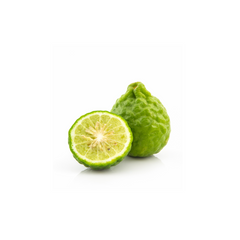
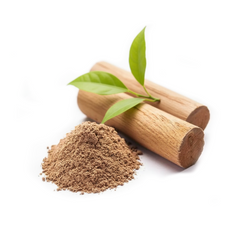
A classic juniper accord balances freshness, spice, and woody depth: Juniper Berry Oil 25–30%, Bergamot 20–25%, Clary Sage 20–25%, Cedarwood 25–30%. Juniper provides the piney, aromatic core via alpha-pinene and myrcene. Bergamot adds citrusy brightness through limonene, enhancing volatility. Clary Sage introduces herbal-green facets with linalyl acetate, while Cedarwood anchors the blend with sesquiterpenes for woody persistence.

30%

Juniper Berry Oil

25–30% of blend

Supplies the piney, resinous freshness and aromatic clarity, driven by alpha-pinene and myrcene. Core to the accord’s coniferous identity.

25%

Bergamot

20–25% of blend

Limonene-rich bergamot brightens the opening and enhances the volatility of juniper, creating a sparkling citrus-green lift.

25%

Clary Sage

20–25% of blend

Linalyl acetate and sclareol in clary sage reinforce the herbal-green axis, complementing juniper’s terpenic sharpness and extending aromatic persistence.

30%

Cedarwood

25–30% of blend

Cedarwood’s sesquiterpenes (cedrol, himachalene) provide a dry, woody foundation, stabilizing the accord and prolonging the scent’s evolution.

The Olfactory Layers

How Juniper Evolves on Skin

Juniper’s olfactory evolution is rapid and dynamic. The top notes—dominated by alpha-pinene and myrcene—evaporate within 15 minutes, delivering a burst of piney-green freshness. As these volatiles dissipate, the heart reveals herbal and spicy facets, while the base leaves a faint woody-balsamic trace from sesquiterpenes.

I
Top notes
0–15 min
Pine-Fresh Burst

A sharp, piney-green opening driven by high-volatility monoterpenes—alpha-pinene and myrcene—delivers immediate freshness and aromatic clarity. Limonene adds a citrusy lift, while subtle berry sweetness rounds out the initial impression. This stage is fleeting, as the most volatile compounds evaporate quickly.

PineyAromaticCrisp
II
Heart notes
20–60 min
Herbal-Spicy Warmth

As the top fades, sabinene and terpinen-4-ol emerge, imparting a spicy, herbal warmth with a peppery undertone. The scent becomes rounder and slightly woody, with green and resinous nuances persisting. This phase is shaped by slower-evaporating monoterpenes and oxygenated compounds.

HerbalSpicyGreen
III
Base notes
Several hours
Woody-Balsamic Drydown

The drydown is subtle, marked by sesquiterpenes such as germacrene D and beta-caryophyllene. These provide a faint balsamic-woody residue, anchoring the composition but never dominating. Juniper’s base is light and transparent, supporting other notes rather than lingering as a soloist.

WoodyBalsamicSubtle
TOP NOTES Pine-Fresh Burst 0–15 minutes HEART NOTES Herbal-Spicy Warmth 20–60 minutes BASE NOTES Woody-Balsamic Drydown Several hours
Through the Ages

The Story of Juniper in Perfumery

Juniper’s history in perfumery spans from ancient ritual use to modern aromatic signatures, with each era contributing new extraction methods and olfactory roles.

Antiquity

Juniper in Ritual and Medicine

Juniper berries and branches were burned as incense in ancient Rome and Egypt for purification and medicinal purposes. The aromatic smoke was believed to ward off disease and evil spirits, foreshadowing its later use in aromatic blends.

Middle Ages

Juniper in Brewing and Early Distillation

Juniper is documented as a flavoring in medieval European brewing, with archaeological evidence of its use in gin precursors as early as the 13th century in the Low Countries. Early distillers recognized its aromatic potential.

1880s

Fougère Royale and the Birth of Modern Perfumery

The launch of Houbigant Fougère Royale (1882, Paul Parquet) established the fougère family, with juniper as a key aromatic-green accent alongside lavender, oakmoss, and coumarin. This set the template for countless masculine fragrances.

2008

Juniper as a Signature Note in Niche Perfumery

Byredo Gypsy Water (2008, Jérôme Epinette) brought juniper to the forefront as a dominant note, influencing a wave of modern fragrances that celebrate its piney, aromatic freshness in both unisex and masculine contexts.

2020s

CO2 Extraction and Sustainability Innovations

Advances in CO2 extraction enable richer, more complex juniper extracts with lower environmental impact. Sustainable wild-harvesting and traceability initiatives in the Balkans and Italy ensure continued supply for fine perfumery.

The Art of Layering

How to Layer Juniper

Understanding how to layer juniper involves molecular compatibility—pairing with notes that share or complement its terpenic, citrus, or woody facets. This enhances complexity and tailors projection and longevity.

01

Enhance Freshness

Layer juniper with citrus notes like bergamot or grapefruit. Shared limonene content creates a seamless, sparkling freshness. For example, Dolce & Gabbana Light Blue Eau Intense Pour Homme demonstrates how citrus and juniper amplify each other’s brightness.

02

Add Depth

Pair juniper with woody notes such as cedarwood or vetiver. Sesquiterpenes in these woods anchor juniper’s volatility, extending the aromatic effect. Byredo Gypsy Water blends juniper with sandalwood for a balanced, long-lasting composition.

03

Introduce Herbal Complexity

Combine juniper with herbal notes like clary sage or rosemary. Shared terpenoids (e.g., linalool, camphor) create a green, aromatic synergy. Diptyque Eau Duelle uses juniper and cardamom to bridge spice and freshness.

Wear It Right

How to Wear Juniper Like a Pro

Seasonal Guide

Fall & Winter

Cooler temperatures suppress juniper’s volatility, resulting in a softer, more subdued projection. Layer with woody and spicy notes to enhance warmth and persistence. Apply to pulse points under clothing for a longer-lasting aromatic effect.

Spring

Spring’s moderate temperatures allow juniper’s piney-green freshness to shine. Pair with citrus and herbal notes for a vibrant, uplifting effect. Apply lightly to exposed skin for a clean, invigorating aura.

Summer

Heat increases juniper’s volatility, intensifying projection but shortening longevity. Use in lighter concentrations or as a cologne splash. Combine with aquatic or citrus notes for a refreshing, cooling sensation.

Year-Round Tip

Juniper’s aromatic clarity makes it versatile year-round. Adjust application based on weather—less in heat, more in cold. Layer with complementary notes to tailor the scent’s evolution to your environment.

Application Points

Strategic application maximizes juniper’s aromatic impact and longevity.

1

Neck

Pulse points on the neck radiate heat, amplifying juniper’s initial projection and freshness. Apply lightly to avoid overwhelming the senses with the sharp top note.

2

Behind the Ears

This area maintains moderate warmth, allowing juniper’s piney-green facets to diffuse gently. Ideal for a subtle, lingering aromatic presence.

3

Inner Wrists

Body heat and movement on the wrists enhance evaporation, showcasing juniper’s dynamic evolution from crisp to herbal. Avoid rubbing to preserve molecular integrity.

4

Hair

Spraying on hair provides a sustained release of juniper’s aromatic compounds, as the oils bind to hair fibers. This prolongs the freshness and adds a subtle sillage trail.

Pro Tip

Layer juniper-based scents with woody or citrus perfumes on clothing for extended projection. Fabric holds volatile molecules longer than skin, preserving the piney-green freshness.

Mood Architecture™

Top Juniper Fragrances by Mood Score

These Juniper-based fragrances scored highest on the MEI™ Mood Architecture Framework — measuring how a scent may influence your emotional state.

Highest MEI Score
Parfums Gypsy Aqua — Gypsy Water Alternative Perfume
8.69
MEI™
Primary Romantic
Secondary Confident
Confidence
7.99
Presence
8.46
Mood Lift
9.5
Identity
8.39
Warmth
9.5
Social Ease
8.81
Energy
5.8
" I am beautiful.
View full mood profile →
By The Fireplace — Maison Martin Margiela By the Fireplace Impression Alternative Perfume
7.71
MEI™
Primary Romantic
Secondary Confident
Confidence
7.23
Presence
7.13
Mood Lift
7.89
Identity
7.07
Warmth
9.5
Social Ease
7.8
Energy
4.7
" I am beautiful.
View full mood profile →
Drakkar Dark — Drakkar Noir Alternative Cologne
7.57
MEI™
Primary Magnetic
Secondary Confident
Confidence
7.43
Presence
8.19
Mood Lift
7.92
Identity
7.68
Warmth
7.51
Social Ease
7.3
Energy
6.0
" I am bold.
View full mood profile →
Ilhan De Mel — Ilha Do Mel Alternative Perfume
7.56
MEI™
Primary Fresh
Secondary Romantic
Confidence
6.41
Presence
6.54
Mood Lift
9.23
Identity
6.45
Warmth
8.26
Social Ease
8.22
Energy
3.1
" I am radiant.
View full mood profile →
HumanSafe™

Top Juniper Fragrances by HumanSafe™ Score

These Juniper-based fragrances have the highest product-level HumanSafe™ scores in this ingredient collection.

Highest HumanSafe™ Score
Parfums Gypsy Aqua — Gypsy Water Alternative Perfume
A-
HumanSafe™ Score Generally Safe
Safest Evaluated Ingredients EDP
AQUA Solvent / Carrier ISS 10.0
CITRAL Evaluated ingredient ISS 8.0
LINALYL ACETATE Evaluated ingredient ISS 7.0
LINALOOL Evaluated ingredient ISS 7.0
ALCOHOL DENAT. Solvent / Carrier ISS 7.0
2-BUTEN-1-OL, 2-ETHYL-4-(2,2,3-TRIMETHYL-3- Evaluated ingredient ISS 7.0
View full safety profile →
Oud Wood Intense — Tom Ford Impression Oud Wood Intense Alternative Perfume
A-
HumanSafe™ Score Generally Safe
Safest Evaluated Ingredients EDP
AQUA Solvent / Carrier ISS 10.0
3-BUTEN-2-ONE, 3-METHYL-4-(2,6,6-TRIMETHYL-2- Evaluated ingredient ISS 8.0
OILS, GUAIACWOOD, ACETATES Evaluated ingredient ISS 7.0
LINALOOL Evaluated ingredient ISS 7.0
CITRONELLOL Evaluated ingredient ISS 7.0
ALPHA-CEDRENE Evaluated ingredient ISS 7.0
View full safety profile →
Light Blue For Men — Light Blue Men Alternative Cologne
A-
HumanSafe™ Score Generally Safe
Safest Evaluated Ingredients EDP
AQUA Solvent / Carrier ISS 10.0
1,4-DIOXACYCLOHEPTADECANE-5,17-DIONE Evaluated ingredient ISS 10.0
7-OCTEN-2-OL, 2,6-DIMETHYL- Evaluated ingredient ISS 9.0
AMBERKETAL Evaluated ingredient ISS 8.0
3-BUTEN-2-ONE, 3-METHYL-4-(2,6,6-TRIMETHYL-2- Evaluated ingredient ISS 8.0
LINALYL ACETATE Evaluated ingredient ISS 7.0
View full safety profile →
Light Blue Eau Intense — Dolce & Gabbana Light Blue Eau Intense Alternative Cologne
A-
HumanSafe™ Score Generally Safe
Safest Evaluated Ingredients EDP
AQUA Solvent / Carrier ISS 10.0
1,4-DIOXACYCLOHEPTADECANE-5,17-DIONE Evaluated ingredient ISS 10.0
AMBROXIDE Evaluated ingredient ISS 9.0
1,3,4,6,7,8-HEXAHYDRO-4,6,6,7,8,8- Evaluated ingredient ISS 8.0
ALPHA-CEDRENE Evaluated ingredient ISS 7.0
View full safety profile →
Expert Voices

What Masters Say About Juniper

Juniper’s scent is often described as a blend of evergreen needles, gin, and subtle woody spice, with a fleeting berry-like sweetness distinct from other conifers.
CA Perfume Editorial
The oil is dominated by monoterpene hydrocarbons, primarily alpha-pinene (20–50%), myrcene (1–35.5%), sabinene (up to 20%), limonene (2–12%), and beta-pinene (1–12%), which collectively produce a sharp, coniferous freshness.
CA Perfume Editorial
Common Questions

Frequently Asked Questions

Answers to common questions about juniper’s scent, usage, and performance in perfumery.

Juniper in perfume smells piney, crisp, and aromatic, with a sharp green freshness reminiscent of gin and evergreen forests. The scent is dominated by alpha-pinene and myrcene, which create a coniferous, slightly spicy profile. Subtle berry sweetness and woody undertones add complexity, making juniper both invigorating and grounding. Its aromatic effect is most pronounced in the opening moments of a fragrance.

Juniper is classified as a top note in perfumery due to its high volatility and rapid evaporation. It delivers immediate freshness and aromatic lift but fades within 2–3 hours, leaving behind faint woody traces. In some compositions, juniper’s green-spicy facets can persist into the heart, but it is rarely used as a base note.

Juniper’s unique blend of piney, aromatic, and spicy-green facets provides complexity and freshness without overwhelming other notes. Its association with gin and natural landscapes appeals to modern niche perfumers seeking authenticity and olfactory clarity. Juniper also bridges citrus and woody elements, making it versatile for both masculine and unisex fragrances.

Juniper fragrance uses often involve pairing with citrus (bergamot, lemon), woods (cedarwood, sandalwood), herbs (clary sage, rosemary), and spices (cardamom, black pepper). These combinations enhance juniper’s freshness, add depth, or introduce herbal complexity. Notable examples include Gypsy Water (juniper and sandalwood) and Eau Duelle (juniper and vanilla).

Yes, juniper’s crisp, piney freshness is well suited for summer and hot weather. Its high volatility means it projects strongly in heat but fades quickly, providing a refreshing, invigorating effect without becoming cloying. Layer with citrus or aquatic notes for maximum cooling impact.

Juniper’s aromatic effect typically lasts 2–3 hours on skin, as its main odorants are highly volatile. The initial projection is strong, but the scent fades rapidly, leaving only a faint woody-balsamic residue. Longevity can be extended by layering with fixative notes or applying to fabric.

Yes, juniper is highly compatible for layering. Its terpenic freshness pairs well with citrus, woods, and herbs, allowing for custom blends that enhance complexity or tailor projection. For example, layering with cedarwood extends woody depth, while citrus amplifies brightness. Always test combinations to ensure harmonious evolution.

Beginner-friendly juniper perfumes include Byredo Gypsy Water, Dolce & Gabbana Light Blue Eau Intense Pour Homme, and Diptyque Eau Duelle. These fragrances showcase juniper’s aromatic freshness in balanced compositions, making them accessible entry points for exploring the note.

To choose the right juniper fragrance at CA Perfume, consider your preferred scent profile—whether you favor fresh-citrus, woody-aromatic, or herbal-spicy blends. Review the fragrance pyramid and note pairings in each composition. Sampling is recommended, as juniper’s evolution can vary based on skin chemistry and concentration.

Juniper in fragrance is primarily piney and aromatic, with a subtle peppery spice and only a faint, fleeting berry-like sweetness. The overall effect is more fresh and green than sweet, though some compositions highlight the spicy or woody facets depending on pairings and concentration.

Woody Aromatic Collection

Explore Our Top Juniper Fragrances

Discover CA Perfume’s curated selection of juniper-forward scents, showcasing the note’s aromatic freshness and versatility in both classic and modern compositions.

Shop all juniper fragrances at CA Perfume →

Where Juniper Comes From — Origin & Extraction

Juniper used in perfumery is primarily derived from the berries (technically fleshy seed cones) of Juniperus communis, an evergreen conifer in the Cupressaceae family. The species is native to the Northern Hemisphere, with major commercial production centered in the Balkans—Bulgaria, Albania, North Macedonia, and Croatia—supplying the bulk of perfumery-grade oil. Annual global production is estimated at 100–150 metric tons of essential oil, with Bulgaria alone accounting for over 40% of the market. Extraction is typically performed via steam distillation of ripe, crushed berries, yielding a pale yellow oil at approximately 1.5–2% by weight (50–65 kg of berries per 1 kg of oil). The process operates at 100°C for 3–5 hours, with careful temperature control to preserve volatile monoterpenes such as alpha-pinene and myrcene. CO2 extraction is also used, especially for high-end applications, as it retains a broader spectrum of sesquiterpenes and delivers a richer, more balsamic profile. Juniper leaf and branch oils are less common in fine perfumery but are produced via similar methods. Natural juniper berry oil commands prices of $180–300/kg, depending on origin and chemotype, while synthetic substitutes (e.g., dihydromyrcenol, CAS 18479-58-8) cost $20–50/kg. Sustainability concerns include overharvesting of wild populations and habitat loss; certified organic and wild-harvested sources are increasingly preferred. Synthetic analogs offer consistency and reduce pressure on natural stocks, but lack the full olfactory complexity of the natural oil.

Famous Fragrances That Define Juniper in Perfumery

Juniper’s aromatic signature has shaped both classic and contemporary perfumery. In Byredo Gypsy Water (2008, Jérôme Epinette), juniper is the dominant top note, imparting a crisp, piney freshness that defines the fragrance’s opening. Dolce & Gabbana Light Blue Eau Intense Pour Homme (2017, Alberto Morillas) uses juniper to bridge citrus and aquatic notes, creating a vibrant, invigorating effect. Diptyque Eau Duelle Eau de Toilette (2010, Fabrice Pellegrin) features juniper as a spicy-green accent, complementing vanilla and black tea for a nuanced aromatic heart. Memo Paris Irish Leather (2013, Aliénor Massenet) employs juniper essence to evoke the wild, green landscapes of Ireland, pairing it with mate absolute and leather. Roja Parfums Elysium Eau Intense (2023, Roja Dove) highlights juniper berry in a bright, citrus-woody context, with rhubarb and vetiver. These compositions illustrate juniper’s versatility—as a dominant note, a bridge, or an accent—often paired with citrus, woods, herbs, and spices. CA Perfume’s collection draws inspiration from this lineage, offering modern interpretations that honor both the aromatic clarity and the complexity of juniper.

Natural vs Synthetic Juniper in Perfumery

Natural juniper oil is a complex mixture dominated by alpha-pinene (CAS 80-56-8), myrcene (CAS 123-35-3), and sabinene (CAS 3387-41-5), with minor constituents like limonene and terpinen-4-ol. Synthetic alternatives, such as dihydromyrcenol (CAS 18479-58-8), are used to replicate the fresh, citrusy-metallic aspects of juniper but lack its peppery, resinous depth. Other aroma chemicals like cis-3-hexenol (CAS 928-96-1) and linalool (CAS 78-70-6) are sometimes blended to mimic the green and floral nuances. Performance-wise, natural juniper oil has moderate longevity (2–3 hours on skin) and medium diffusion, while synthetics can extend the fresh effect and increase stability in functional products. Cost is a significant factor: natural oil is 4–10 times more expensive than synthetics. Notable fragrances using natural juniper include Byredo Gypsy Water and Diptyque Eau Duelle, while many mass-market colognes rely on dihydromyrcenol for a consistent, long-lasting freshness. Sustainability and allergenicity are key considerations: natural oils can vary by harvest and may contain sensitizing compounds, while synthetics offer batch-to-batch uniformity and reduced environmental impact. CA Perfume’s HumanSafe™ platform ensures full transparency in sourcing and allergen disclosure for all juniper-based compositions.