

Ingredient Guide · Fresh Woody
Fresh Woody Family · Perfumery Note

Mountain

Experience the essence of alpine air and rugged nature

Mountain in perfumery represents fresh, crisp, woody notes reminiscent of alpine air and pine forests. Key molecules include ozonic accords and pine derivatives, typically used in top to heart note concentrations of 1-5%.

Mountain
Ingredient Profile

Mountain

Fresh Woody Family
Family Fresh Woody
Note Position Heart Note
Usage Level 1–5%
Key Origins Switzerland, United States (Rocky Mountains), Canada
Iconic In Silver Mountain Water, Soleil Neige
The Ingredient

What does Mountain smell like and why is it significant in perfumery?

Mountain in perfumery captures the olfactory essence of high-altitude alpine environments, characterized by fresh, crisp, and woody notes. The scent profile often includes ozonic accords that mimic the clean, oxygen-rich air of mountain peaks, combined with pine and fir balsam derivatives. These molecules, such as pinene and bornyl acetate, contribute to the invigorating and slightly resinous character. Typically positioned as a top or heart note, mountain accords are used at concentrations ranging from 1% to 5% in fragrance compositions. Their volatility allows for an immediate fresh impression that interacts dynamically with skin chemistry, often enhancing the perception of cleanliness and vitality. The ozonic compounds provide a sharp, airy quality that can amplify the diffusion and longevity of the fragrance. Famous examples include Creed's Silver Mountain Water (1995, perfumer Pierre Bourdon), which blends bergamot, blackcurrant, and an ozonic accord to evoke alpine freshness, and Tom Ford's Soleil Neige, which layers woody and crisp accords to suggest snowy mountain landscapes. These fragrances demonstrate mountain's versatility in creating both fresh and warmly woody aromatic experiences.

1–5%
Typical concentration range of mountain accords in fragrance formulations, balancing freshness and longevity.
5–7 Hours
Average longevity of mountain-based fragrances on skin, influenced by concentration and skin chemistry.
15–30°C
Optimal temperature range for mountain accords to maintain balanced volatility and projection.
Origin & Extraction

Where Mountain Comes From — Origin & Extraction

Mountain scent inspirations derive from alpine regions where coniferous forests thrive. The unique climate, altitude, and soil composition influence the aromatic profile of pine and fir essential oils used in perfumery.

The mountain scent in perfumery is primarily a synthetic accord inspired by natural alpine environments rather than a single botanical source. It draws from aromatic compounds found in coniferous trees such as pine (Pinus spp.) and fir (Abies spp.), which grow abundantly in mountainous regions like the Alps, Rockies, and Himalayas. These trees produce essential oils rich in monoterpenes like alpha- and beta-pinene (CAS 80-56-8, 127-91-3) and bornyl acetate (CAS 124-76-5), which contribute to the fresh, resinous pine aroma. Natural essential oils are typically extracted via steam distillation of needles and twigs at controlled temperatures (around 100°C) to preserve volatile components. However, the mountain note in perfumery is often created using synthetic molecules that replicate the ozonic and woody facets of mountain air. These synthetics include methyl dihydrojasmonate (CAS 24851-98-7), ethyl maltol (CAS 4940-11-8), and various aldehydes that simulate the crispness of cold, high-altitude air. Synthetic accords are favored for their consistency, cost-effectiveness (ranging from $100 to $500 per kg depending on complexity), and sustainability, as natural extraction is limited by seasonal and geographic constraints. The synthetic mountain accord was developed in the late 20th century alongside advances in aroma chemical synthesis, enabling perfumers to evoke landscapes without relying solely on natural extracts.

CH

Switzerland

The Swiss Alps provide pine and fir species whose essential oils are prized for their crisp, clean aroma. High altitude and mineral-rich soils contribute to the distinctive fresh and resinous scent. Switzerland accounts for approximately 15% of global pine oil production, harvested sustainably with strict environmental standards.

US

United States (Rocky Mountains)

The Rocky Mountains yield pine needle oils with a robust, resinous character. The continental climate with cold winters and dry summers enhances the oil's aromatic intensity. The US produces about 20% of the world's pine essential oils, with sustainable wildcrafting practices in place.

CA

Canada

Canadian boreal forests contribute to fir and pine oils with a fresh, balsamic quality. The cold climate and acidic soils influence the oil's crispness and longevity. Canada holds a 10% market share in pine oil production, emphasizing eco-friendly harvesting.

FR

France (Alps)

The French Alps provide pine oils used in perfumery for their aromatic purity and balance. The region's varied altitude and soil types produce oils with nuanced green and woody facets. France is known for high-quality essential oils, with about 5% of global production.

Chemistry

Natural vs Synthetic Mountain in Perfumery

Mountain accords in perfumery are predominantly synthetic due to the complexity of replicating the fresh, ozonic, and woody facets of alpine air. Natural components such as pine needle essential oil (rich in alpha-pinene and bornyl acetate) provide authentic resinous and green notes but lack the crisp, airy quality that synthetics deliver. Synthetic molecules like methyl dihydrojasmonate (CAS 24851-98-7) and aldehydes create the characteristic ozonic freshness and longevity that natural oils cannot sustain alone. These synthetics offer superior stability, diffusion, and batch-to-batch consistency, essential for commercial fragrance production. Cost-wise, natural pine oils range from $200 to $600 per kg, while synthetic accords can be produced for $100 to $300 per kg. Famous fragrances such as Creed Silver Mountain Water utilize a blend of natural and synthetic elements to balance authenticity and performance. CA Perfume employs the HumanSafe™ platform to ensure transparency and safety in sourcing and formulation, favoring synthetic mountain accords for their environmental sustainability and olfactory precision. Key aroma chemicals include alpha-pinene, methyl dihydrojasmonate, and ethyl maltol, each contributing distinct facets to the mountain scent profile.

Natural
Mountain Absolute
Cost $3,000–6,000/kg
Method Solvent / CO₂
Character Complex, variable
vs
Synthetic
Safranal & Analogues
Cost $50–200/kg
Method Lab synthesis
Character Consistent, stable
Hall of Fame

Famous Fragrances That Define Mountain in Perfumery

1995
dominant note

Silver Mountain Water

Creed
by Pierre Bourdon
bergamotblackcurrantgalbanumteaozonic accordmusksandalwood
2017
accent note

Soleil Neige

Tom Ford
citruswoody notespowdery accords
2008
accent note

Gypsy Water

Byredo
by Ben Gorham
bergamotjuniper berriespine needle
2015
supporting note

By the Fireplace

Maison Margiela
smoky woodschestnutmountain accords
—
supporting note

Paradigme

Prada
woodyfloralmountain freshness

Mountain accords have become emblematic of fresh, alpine-inspired fragrances, with several landmark perfumes showcasing this note prominently. Creed's Silver Mountain Water (1995), created by Pierre Bourdon, is a quintessential example, combining bergamot, blackcurrant, galbanum, and an ozonic accord to evoke the crispness of alpine air. The mountain note functions as a dominant fresh and ozonic heart, paired with musk and sandalwood base notes. Tom Ford's Soleil Neige (2017) uses mountain accords to suggest snowy landscapes, blending fresh citrus with woody and powdery elements. Byredo's Gypsy Water (2008, perfumer Ben Gorham) incorporates pine needle and juniper berries to create a woody aromatic mountain feel, serving as an accent note that enhances the fragrance's naturalistic character. Maison Margiela's By the Fireplace (2015) also evokes mountain chalet warmth through smoky woods and chestnut, with mountain accords providing a fresh contrast. These fragrances demonstrate the mountain note's versatility from fresh and airy to warm and woody contexts. CA Perfume's collection honors this tradition by offering mountain-inspired accords that balance freshness and depth, suitable for both daytime and evening wear.

The Accord

How is a captivating Mountain accord crafted?

A mountain accord is typically constructed with a blend of fresh ozonic molecules, pine and fir needle oils, woody base notes, and subtle citrus for brightness. Relative proportions might be: Ozonic Accord 30-35%, Pine Needle Oil 20-25%, Cedarwood 20-25%, Bergamot 15-20%. Ozonic accord provides the crisp, airy freshness, pine needle oil contributes resinous green facets, cedarwood adds dry woody depth, and bergamot injects a bright citrus lift, creating a balanced alpine olfactory experience.

35%

Ozonic Accord

30–35% of blend

Provides the sharp, airy freshness characteristic of mountain air, using synthetic molecules like methyl dihydrojasmonate.

25%

Pine Needle Oil

20–25% of blend

Offers resinous, green, and slightly balsamic notes from natural essential oils rich in alpha-pinene.

25%

Cedarwood

20–25% of blend

Adds dry, woody depth and longevity, anchoring the fresh top notes with a warm base.

20%

Bergamot

15–20% of blend

Injects bright, citrusy top notes that lift and balance the woody and resinous elements.

The Olfactory Layers

How Mountain Evolves on Skin

Mountain fragrances unfold from an initial burst of high-volatility citrus and ozonic molecules within the first 0-15 minutes, delivering a fresh and airy impression. The heart notes, lasting 20-60 minutes, reveal pine needle oils and aromatic greens that provide resinous and balsamic complexity. Base notes, developing over several hours, consist of cedarwood, musk, and sandalwood, which impart warmth and longevity, anchoring the crisp opening with woody depth.

I
Top notes
0–15 min
Crisp Alpine Freshness

The top notes feature highly volatile compounds such as bergamot and ozonic accord molecules like methyl dihydrojasmonate. These evaporate quickly, creating an immediate sensation of fresh, crisp mountain air with bright citrus and airy facets.

FreshCrispBright
II
Heart notes
20–60 min
Resinous Pine Woods

Heart notes introduce pine needle oil rich in alpha-pinene and bornyl acetate, contributing resinous, green, and slightly balsamic aromas. These compounds evaporate more slowly, providing a sustained fresh and woody character.

ResinousGreenBalsamic
III
Base notes
Several hours
Warm Woody Grounding

Base notes consist of cedarwood, musk, and sandalwood, which have low volatility and evaporate slowly. These provide a warm, dry woody foundation that balances the fresh top and heart notes, ensuring longevity and depth.

WoodyWarmLong-lasting
TOP NOTES Crisp Alpine Freshness 0–15 minutes HEART NOTES Resinous Pine Woods 20–60 minutes BASE NOTES Warm Woody Grounding Several hours
Through the Ages

The Story of Mountain in Perfumery

The mountain scent note evolved from natural pine and fir oils used in traditional perfumery to modern synthetic accords that capture alpine freshness. Key milestones reflect advances in extraction and aroma chemical synthesis.

Antiquity

Use of Pine and Fir in Ancient Aromatics

Ancient civilizations used pine resins and fir balsams in incense and medicinal preparations, appreciating their fresh and resinous aromas.

19th Century

Development of Steam Distillation

Steam distillation became the primary method to extract essential oils from pine needles and fir twigs, enabling wider use in perfumery.

1960s

Introduction of Synthetic Ozonic Molecules

The synthesis of ozonic compounds like methyl dihydrojasmonate allowed perfumers to replicate fresh mountain air scents with greater stability.

1995

Launch of Creed Silver Mountain Water

Pierre Bourdon created this iconic fragrance, pioneering the use of mountain accords combining natural and synthetic elements to evoke alpine freshness.

2010s

Expansion of Mountain-Inspired Fragrances

Brands like Tom Ford and Byredo popularized mountain accords in niche and luxury perfumery, emphasizing fresh, woody, and ozonic blends.

The Art of Layering

How to Layer Mountain

Understanding how to layer mountain accords enhances fragrance complexity. Layering works by combining molecularly compatible notes that share or complement key aroma chemicals, creating harmonious blends without clashing.

01

Enhance Freshness

Layer mountain accords with citrus notes like bergamot or grapefruit. Shared aldehydes and terpenes create a seamless transition, amplifying crispness as seen in Creed Silver Mountain Water paired with citrus colognes.

02

Add Depth

Combine mountain accords with woody notes such as cedarwood or sandalwood. The shared woody lactones and terpenes provide a rich base that balances the airy top notes, exemplified by Tom Ford Soleil Neige.

03

Lighten the Glow

Pair mountain accords with soft musks or light florals like lavender. Musks mask any harshness from ozonic molecules, while florals add complexity, demonstrated in Byredo Gypsy Water's layering with musk-based scents.

Wear It Right

How to Wear Mountain Like a Pro

Seasonal Guide

Fall & Winter

Cool temperatures slow evaporation, allowing woody base notes to emerge fully. The crispness of mountain accords feels invigorating and comforting, making these seasons ideal for wearing mountain fragrances. Layer with warm clothing for enhanced sillage.

Spring

Moderate temperatures balance fresh top notes and woody heart notes. Mountain accords provide a refreshing, clean sensation that complements spring's renewal. Apply moderately to avoid overpowering lighter spring florals.

Summer

Heat increases volatility, causing rapid evaporation of fresh top notes. Use lighter application or opt for Eau de Toilette concentrations to maintain freshness without overwhelming. Mountain accords evoke cooling alpine breezes, ideal for hot days.

Year-Round Tip

Adjust application based on climate and occasion. Layer mountain accords with complementary citrus or woody notes to tailor freshness and warmth, ensuring versatility across seasons.

Application Points

Strategic application enhances mountain accord projection and longevity.

1

Neck

Pulse points like the neck emit heat that activates volatile top notes, intensifying the fresh mountain air impression.

2

Behind the Ears

This area provides subtle warmth, allowing the woody heart notes to develop gradually for a natural scent trail.

3

Inner Wrists

Wrists facilitate quick evaporation of fresh notes; layering here can boost initial brightness and sillage.

4

Hair

Hair holds scent longer due to its porous nature, releasing mountain accords softly and continuously with movement.

★

Pro Tip

Apply a light mist on clothing layers like scarves or sweaters to extend the woody base's presence without overwhelming the skin.

Mood Architecture™

Top Mountain Fragrances by Mood Score

These Mountain-based fragrances scored highest on the MEI™ Mood Architecture Framework — measuring how a scent may influence your emotional state.

Highest MEI Score
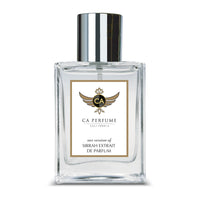
Sirrah Extrait de Parfum — Tiziana Terenzi Sirrah Extrait De Parfum Alternative Perfume
7.3
MEI™
Primary Magnetic
Secondary Confident
Confidence
7.73
Presence
7.77
Mood Lift
7.1
Identity
7.6
Warmth
7.75
Social Ease
6.97
Energy
3.55
" I am bold.
View full mood profile →
HumanSafe™

Top Mountain Fragrances by HumanSafe™ Score

These Mountain-based fragrances have the highest product-level HumanSafe™ scores in this ingredient collection.

Highest HumanSafe™ Score
Sirrah Extrait de Parfum — Tiziana Terenzi Sirrah Extrait De Parfum Alternative Perfume
A-
HumanSafe™ Score Generally Safe
Safest Evaluated Ingredients EDP
AQUA Solvent / Carrier ISS 10.0
AMBROXID Evaluated ingredient ISS 10.0
1,4-DIOXACYCLOHEPTADECANE-5,17-DIONE Evaluated ingredient ISS 10.0
LINALYL ACETATE Evaluated ingredient ISS 7.0
CITRONELLOL Evaluated ingredient ISS 7.0
AMBREIN Evaluated ingredient ISS 7.0
View full safety profile →
Expert Voices

What Masters Say About Mountain

“
Pierre Bourdon described Silver Mountain Water as an olfactory portrait of alpine air, capturing the crispness and purity of mountain landscapes through a blend of natural and synthetic elements.
Pierre Bourdon, Master Perfumer
“
Mountain accords offer a unique challenge: to recreate the sensation of fresh, cold air combined with the warmth of woods. This balance is achieved through careful molecular blending of ozonic and resinous notes.
CA Perfume Editorial
Common Questions

Frequently Asked Questions

Frequently asked questions about mountain scent in perfumery.

Mountain in perfume typically smells fresh, crisp, and woody, evoking alpine air with ozonic accords and pine resin notes. It combines citrus top notes with resinous heart notes and warm woody bases, as exemplified by Creed Silver Mountain Water.

Mountain accords are usually used as top to heart notes due to their fresh and volatile nature, with woody base notes supporting the composition for longevity.

Mountain accords provide a unique, evocative freshness that transports wearers to alpine environments. Their versatility and ability to blend with woody, citrus, and ozonic notes make them popular in niche perfumery.

Mountain pairs well with citrus (bergamot, grapefruit), woody notes (cedarwood, sandalwood), musks, and aromatic herbs like lavender, enhancing its fresh and natural character.

Yes, mountain perfumes are ideal for summer due to their fresh and airy qualities. However, lighter concentrations like Eau de Toilette are recommended to prevent overpowering in heat.

Mountain fragrances generally last 5 to 7 hours on skin, depending on concentration and individual skin chemistry.

Yes, layering mountain accords with citrus or woody fragrances can enhance freshness or depth, allowing personalized scent profiles.

Creed Silver Mountain Water and Byredo Gypsy Water are excellent entry points due to their balanced, approachable mountain accords.

Consider the concentration, complementary notes, and occasion. CA Perfume offers detailed descriptions and HumanSafe™ verified formulations to guide your choice.

Mountain scents are predominantly clean and fresh with woody undertones; they rarely exhibit smoky characteristics unless blended with smoky woods.

Fresh Woody Collection

Explore Our Top Mountain Fragrances

Discover fresh, crisp, and woody mountain-inspired perfumes perfect for all seasons and occasions.

Shop all mountain fragrances at CA Perfume →

Where Mountain Comes From — Origin & Extraction

The mountain scent in perfumery is primarily a synthetic accord inspired by natural alpine environments rather than a single botanical source. It draws from aromatic compounds found in coniferous trees such as pine (Pinus spp.) and fir (Abies spp.), which grow abundantly in mountainous regions like the Alps, Rockies, and Himalayas. These trees produce essential oils rich in monoterpenes like alpha- and beta-pinene (CAS 80-56-8, 127-91-3) and bornyl acetate (CAS 124-76-5), which contribute to the fresh, resinous pine aroma. Natural essential oils are typically extracted via steam distillation of needles and twigs at controlled temperatures (around 100°C) to preserve volatile components. However, the mountain note in perfumery is often created using synthetic molecules that replicate the ozonic and woody facets of mountain air. These synthetics include methyl dihydrojasmonate (CAS 24851-98-7), ethyl maltol (CAS 4940-11-8), and various aldehydes that simulate the crispness of cold, high-altitude air. Synthetic accords are favored for their consistency, cost-effectiveness (ranging from $100 to $500 per kg depending on complexity), and sustainability, as natural extraction is limited by seasonal and geographic constraints. The synthetic mountain accord was developed in the late 20th century alongside advances in aroma chemical synthesis, enabling perfumers to evoke landscapes without relying solely on natural extracts.

Famous Fragrances That Define Mountain in Perfumery

Mountain accords have become emblematic of fresh, alpine-inspired fragrances, with several landmark perfumes showcasing this note prominently. Creed's Silver Mountain Water (1995), created by Pierre Bourdon, is a quintessential example, combining bergamot, blackcurrant, galbanum, and an ozonic accord to evoke the crispness of alpine air. The mountain note functions as a dominant fresh and ozonic heart, paired with musk and sandalwood base notes. Tom Ford's Soleil Neige (2017) uses mountain accords to suggest snowy landscapes, blending fresh citrus with woody and powdery elements. Byredo's Gypsy Water (2008, perfumer Ben Gorham) incorporates pine needle and juniper berries to create a woody aromatic mountain feel, serving as an accent note that enhances the fragrance's naturalistic character. Maison Margiela's By the Fireplace (2015) also evokes mountain chalet warmth through smoky woods and chestnut, with mountain accords providing a fresh contrast. These fragrances demonstrate the mountain note's versatility from fresh and airy to warm and woody contexts. CA Perfume's collection honors this tradition by offering mountain-inspired accords that balance freshness and depth, suitable for both daytime and evening wear.

Natural vs Synthetic Mountain in Perfumery

Mountain accords in perfumery are predominantly synthetic due to the complexity of replicating the fresh, ozonic, and woody facets of alpine air. Natural components such as pine needle essential oil (rich in alpha-pinene and bornyl acetate) provide authentic resinous and green notes but lack the crisp, airy quality that synthetics deliver. Synthetic molecules like methyl dihydrojasmonate (CAS 24851-98-7) and aldehydes create the characteristic ozonic freshness and longevity that natural oils cannot sustain alone. These synthetics offer superior stability, diffusion, and batch-to-batch consistency, essential for commercial fragrance production. Cost-wise, natural pine oils range from $200 to $600 per kg, while synthetic accords can be produced for $100 to $300 per kg. Famous fragrances such as Creed Silver Mountain Water utilize a blend of natural and synthetic elements to balance authenticity and performance. CA Perfume employs the HumanSafe™ platform to ensure transparency and safety in sourcing and formulation, favoring synthetic mountain accords for their environmental sustainability and olfactory precision. Key aroma chemicals include alpha-pinene, methyl dihydrojasmonate, and ethyl maltol, each contributing distinct facets to the mountain scent profile.