Ingredient Guide · Woods and Mosses
Woods and Mosses Family · Perfumery Note

Moss

A green, earthy base note shaping chypre and fougère classics.

Moss in perfumery is typically a base note, prized for its earthy, green, and slightly leathery character. The defining molecules—depsides and terpenes—anchor chypre and fougère compositions and are used at concentrations up to 2% in finished fragrances.

Moss
Ingredient Profile

Moss

Woods and Mosses Family
Family Woods and Mosses
Note Position Base Note
Usage Level <0.1%
Key Origins North Macedonia, France, Bulgaria
Iconic In Chypre, Mitsouko
The Ingredient

What does Moss smell like and why is it vital in perfumery?

Moss, especially oakmoss (Evernia prunastri), is renowned in perfumery for its earthy, green, and slightly leathery aroma. The moss scent profile is defined by a combination of aromatic carboxylic acids known as depsides (notably evernic acid and atranorin), and a supporting cast of terpenes, such as linalool, bornyl acetate, and β-caryophyllene. These molecules yield a scent reminiscent of a damp forest floor—woody, inky, and faintly animalic, with nuances of wet bark and subtle bitterness. Moss in perfumery is not a true moss but a lichen, and its olfactory character is complex, with phenolic and cured undertones that evoke the sensation of walking through a shaded, moss-laden woodland. In perfumery, moss is classified as a base note due to its low volatility and fixative properties. It is typically used at concentrations ranging from 0.1% to 2% in finished compositions, depending on IFRA restrictions and desired intensity. Moss interacts with skin chemistry by binding to both hydrophilic and lipophilic compounds, which can influence the longevity and evolution of the fragrance on different skin types. Its ability to anchor more volatile notes makes it indispensable in the construction of chypre and fougère accords, where it provides depth, complexity, and a naturalistic grounding effect. The significance of moss in perfumery is exemplified by its role in iconic fragrances such as Guerlain Mitsouko (1919, Jacques Guerlain), where oakmoss forms the backbone of the chypre structure, and Goldfield & Banks Pacific Rock Moss (2016, François Merle-Baudoin and Hamid Merati-Kashani), which showcases a modern, airy interpretation of moss paired with citrus and marine notes. Moss in perfumery is thus both a technical and creative cornerstone, shaping the identity of entire fragrance families.

<0.1%
Maximum IFRA-allowed concentration of natural oakmoss absolute in leave-on products, due to atranol and chloroatranol allergenicity.
5–8 Hours
Typical longevity of moss-dominant fragrances on skin, reflecting the persistence of high-molecular-weight depsides and fixatives.
$400–800/kg
Market price for natural oakmoss absolute, compared to $50–200/kg for synthetic substitutes such as Evernyl and Veramoss.
Origin & Extraction

Where Moss Comes From — Origin & Extraction

The scent character of moss is shaped by its growing environment—altitude, humidity, and host tree species all influence the final aroma. Macedonian oakmoss is prized for its dense, earthy intensity, while French tree moss offers a lighter, more aromatic profile.

In perfumery, 'moss' most commonly refers to oakmoss (Evernia prunastri) and, to a lesser extent, tree moss (Pseudevernia furfuracea). Both are lichens—symbiotic organisms of fungi and algae—rather than true mosses (Bryophyta). Oakmoss thrives on the trunks and branches of oak trees in temperate forests, with primary harvesting regions including Macedonia, France (notably Lozère), Bulgaria, and the Balkans. Annual global production of oakmoss for perfumery is estimated at several hundred metric tons, with Macedonia historically supplying up to 70% of the market. Extraction begins with manual harvesting, followed by drying and soaking the lichen in warm water. Solvent extraction (using ethanol or hexane) is the standard method, yielding a dark green or brown absolute rich in aromatic depsides and terpenes. The process involves hydrolysis and trans-esterification, which generate key odorants such as evernic acid and atranorin. Hot extraction produces traditional absolutes with earthy, smoky facets, while cold extraction yields fresher, marine-like notes. Yields are typically 1–2% by weight of raw lichen. Oakmoss absolute commands prices of $400–800/kg, whereas synthetic substitutes can be produced for $50–200/kg. Due to the presence of potent allergens (atranol, chloroatranol), IFRA regulations have severely restricted the use of natural oakmoss since 2001. This has led to the development of low-atranol extracts and increased reliance on synthetic alternatives. Sustainability concerns include overharvesting and slow regrowth rates (1–2 cm/year), prompting efforts to cultivate lichen and develop biotechnological production methods. Synthetic moss notes, based on molecules such as Evernyl (Veramoss, CAS 56100-20-8), offer greater consistency, safety, and environmental sustainability.

MK

North Macedonia

Samokov and western Macedonian mountains produce dense, high-quality oakmoss with a robust, earthy aroma. Cool, humid climate and traditional hand-harvesting yield 70% of global supply.

FR

France

Lozère region’s high-altitude Scots pine forests foster tree moss (Evernia furfuracea) with a lighter, more aromatic scent. Margeride’s pure air and wet springs support sustainable harvesting.

BG

Bulgaria

Balkan forests supply both oakmoss and tree moss, with a balanced, slightly smoky profile. Bulgarian moss is valued for its versatility in both chypre and fougère bases.

MA

Morocco

Atlas Mountains provide a small but distinctive crop, with mosses exhibiting dry, sun-warmed facets due to higher altitude and Mediterranean influence.

Chemistry

Natural vs Synthetic Moss in Perfumery

Natural moss extracts, primarily oakmoss absolute, contain a complex mixture of over 200 compounds, including evernic acid, atranorin, and usnic acid. These provide the characteristic earthy, woody, and slightly animalic scent profile. However, natural oakmoss is heavily restricted by IFRA due to the presence of atranol and chloroatranol, which are potent allergens. As a result, most modern fragrances use low-atranol oakmoss or synthetic substitutes. Key synthetic aroma chemicals include Evernyl (methyl 2,4-dihydroxy-3,6-dimethylbenzoate, CAS 56100-20-8), which replicates the mossy, woody aspect; Veramoss (CAS 4707-47-5), which provides a dry, earthy note; and Iso E Super (CAS 54464-57-2), which adds a transparent, woody-amber nuance. Synthetic moss notes offer improved stability, batch consistency, and safety, with costs typically 5–10 times lower than natural absolutes. Famous fragrances such as Dior Sauvage (2015) and many post-2001 reformulations of classics (e.g., Chanel No. 19) rely on synthetic moss materials to comply with regulations. From a sustainability perspective, synthetic moss ingredients reduce pressure on wild lichen populations and enable precise control over allergen content. CA Perfume uses HumanSafe™ verified sourcing for both natural and synthetic moss notes, ensuring transparency and compliance with global safety standards.

Natural
Moss Absolute
Cost $3,000–6,000/kg
Method Solvent / CO₂
Character Complex, variable
vs
Synthetic
Safranal & Analogues
Cost $50–200/kg
Method Lab synthesis
Character Consistent, stable
Hall of Fame

Famous Fragrances That Define Moss in Perfumery

1917
dominant note

Chypre

François Coty
by François Coty
bergamotlabdanumpatchoulirose
1919
base note

Mitsouko

Guerlain
by Jacques Guerlain
peachrosejasminelabdanum
1971
supporting note

No. 19

Chanel
by Henri Robert
galbanumirisroseleather
2016
dominant note

Pacific Rock Moss

Goldfield & Banks Australia
by François Merle-Baudoin, Hamid Merati-Kashani
lemonsagecedargeranium
2021
dominant note

Moss

Commodity
bergamotpetitgrainmuskjuniper berry

Moss has played a foundational role in perfumery, particularly in the chypre and fougère families. François Coty's Chypre (1917) established the archetype, using oakmoss at up to 8% to create a new olfactory family. Guerlain Mitsouko (1919, Jacques Guerlain) is another landmark, with oakmoss forming the base of its peachy-chypre structure. Chanel No. 19 (1971, Henri Robert) features moss as a key base note, lending a green, earthy sophistication. In the modern era, Goldfield & Banks Pacific Rock Moss (2016, François Merle-Baudoin and Hamid Merati-Kashani) offers a fresh, aquatic interpretation, while Commodity Moss (2021) demonstrates a contemporary, weightless take on the note. Reformulations of classics, such as Dior Eau Sauvage and Chanel Pour Monsieur, have adapted to IFRA restrictions by incorporating synthetic moss notes. CA Perfume's collection draws on this lineage, offering both classic and modern moss-inspired creations.

The Accord

How is a captivating Moss accord crafted?

A classic moss accord balances earthy, green, and woody facets. Typical proportions: Moss absolute 25–30%, Patchouli 20–25%, Bergamot 20–25%, Cedarwood 25–30%. Moss provides the earthy, forest-floor base (depsides and terpenes), patchouli adds earthy-woody depth (patchoulol), bergamot introduces a bright, citrusy top (linalyl acetate), and cedarwood supplies dry, resinous structure (cedrol, thujopsene).

30%

Moss Absolute

25–30% of blend

Supplies the earthy, green, and slightly leathery core via depsides (evernic acid, atranorin) and terpenes. Anchors the accord and enhances longevity.

25%

Patchouli

20–25% of blend

Adds earthy-woody richness through patchoulol and norpatchoulenol, reinforcing the forest-floor effect and boosting fixative power.

25%

Bergamot

20–25% of blend

Provides a bright, citrusy lift with linalyl acetate and limonene, counterbalancing moss’s bitterness and enhancing top note diffusion.

30%

Cedarwood

25–30% of blend

Contributes dry, resinous structure with cedrol and thujopsene, supporting moss’s earthy base and extending the accord’s woody facets.

The Olfactory Layers

How Moss Evolves on Skin

Moss evolves slowly on skin, opening with green, citrusy freshness before revealing earthy, woody depth. High-molecular-weight depsides and terpenes evaporate gradually, ensuring a persistent, complex drydown.

I
Top notes
0–15 min
Green Citrus Burst

Initial impressions are green and citrusy, often from bergamot and petitgrain paired with moss. Volatile terpenes like linalool and limonene provide brightness, while moss’s own aldehydes contribute a subtle, earthy-green lift.

GreenCitrusyFresh
II
Heart notes
20–60 min
Earthy Forest Floor

The heart reveals a deeper, earthy complexity as depsides (evernic acid, atranorin) and patchoulol emerge. Moss’s phenolic and woody facets become more pronounced, blending with florals or woods for a rich, forest-floor effect.

EarthyWoodyPhenolic
III
Base notes
Several hours
Leathery Persistence

Long-lasting base notes feature moss’s leathery, slightly animalic undertones. High-molecular-weight depsides and fixatives (patchouli, cedarwood) ensure persistence, with a lingering impression of damp bark and forest soil.

LeatheryAnimalicPersistent
TOP NOTES Green Citrus Burst 0–15 minutes HEART NOTES Earthy Forest Floor 20–60 minutes BASE NOTES Leathery Persistence Several hours
Through the Ages

The Story of Moss in Perfumery

Moss has shaped perfumery for over a century, from ancient uses in embalming to its central role in modern chypre and fougère fragrances.

Ancient Egypt

Lichen in Rituals

Lichens, including mosses, used in embalming and medicinal preparations, valued for preservative and aromatic qualities.

1850

Eau de Chypre by Guerlain

One of the earliest documented uses of oakmoss in a commercial fragrance, establishing the mossy chypre base.

1917

Chypre by François Coty

Coty’s Chypre launches the chypre family, using oakmoss at high concentration to define a new olfactory structure.

2001

IFRA Restrictions

IFRA imposes severe limits on natural oakmoss due to allergenicity, prompting reformulation of classic fragrances and rise of synthetic moss notes.

2016

Pacific Rock Moss Launch

Goldfield & Banks Australia releases Pacific Rock Moss, a modern, marine interpretation of moss, showcasing its versatility in contemporary perfumery.

The Art of Layering

How to Layer Moss

Understanding how to layer moss is key to maximizing its olfactory impact. Moss’s molecular structure (depsides, terpenes) interacts synergistically with citrus, woods, and florals, enabling complex, evolving accords.

01

Enhance Freshness

Layer moss with citrus notes (bergamot, lemon) to amplify its green, sparkling facets. Shared terpenes (linalool, limonene) create a seamless molecular bridge. Pacific Rock Moss by Goldfield & Banks demonstrates this synergy, pairing moss with Italian lemon and sage.

02

Add Depth

Combine moss with patchouli or vetiver to deepen its earthy, woody base. Patchoulol and vetiverol reinforce moss’s forest-floor effect, as seen in Guerlain Mitsouko and classic chypre structures.

03

Soften the Edge

Pair moss with floral notes (rose, jasmine) to mellow its bitterness. Shared aldehydes and esters create olfactory masking, yielding a smoother, more wearable profile. Chanel No. 19 exemplifies this approach.

Wear It Right

How to Wear Moss Like a Pro

Seasonal Guide

Fall & Winter

Cool temperatures slow moss’s evaporation, enhancing its earthy, leathery base. Apply to pulse points and under clothing for a persistent, grounding effect. Layer with woods or spices for added warmth.

Spring

Rising humidity and mild warmth accentuate moss’s green, fresh facets. Use lighter concentrations or pair with citrus and florals for a revitalizing, outdoorsy impression.

Summer

Heat increases volatility, bringing moss’s green and citrus top notes to the fore. Apply sparingly to avoid overpowering, and consider layering with aquatic or marine notes for a breezy effect.

Year-Round Tip

Adjust application to climate: more in cool, dry air; less in heat and humidity. Moss’s fixative properties ensure longevity, but its projection is best managed by layering and strategic placement.

Application Points

Strategic application enhances moss’s longevity and evolution. Pulse points and hair maximize projection and complexity.

1

Neck

Body heat at the neck accelerates moss’s top note diffusion, revealing green and citrus facets quickly. Ideal for immediate freshness and moderate projection.

2

Behind the Ears

A cooler, less exposed area that slows evaporation, allowing moss’s earthy base to linger. Subtle sillage for close encounters.

3

Inner Wrists

Pulse points here enhance moss’s evolution, shifting from green to leathery over time. Frequent movement aids diffusion.

4

Hair

Hair fibers trap moss molecules, releasing scent gradually. Moss’s fixative nature ensures a persistent, earthy trail throughout the day.

Pro Tip

Layer moss-based fragrances over unscented moisturizer to extend longevity and enhance projection, especially in dry climates.

Mood Architecture™

Top Moss Fragrances by Mood Score

These Moss-based fragrances scored highest on the MEI™ Mood Architecture Framework — measuring how a scent may influence your emotional state.

Highest MEI Score
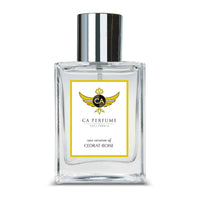
Cedrat Boise — Mancera Cedrat Boise Alternative Perfume
8.31
MEI™
Primary Romantic
Secondary Confident
Confidence
7.85
Presence
8.35
Mood Lift
9.05
Identity
7.96
Warmth
9.14
Social Ease
8.03
Energy
5.3
" I am beautiful.
View full mood profile →
Voce Viva Intensa — Valentino Voce Viva Intensa Alternative Perfume
8.23
MEI™
Primary Fresh
Secondary Romantic
Confidence
7.29
Presence
7.51
Mood Lift
9.42
Identity
7.45
Warmth
8.99
Social Ease
8.91
Energy
3.7
" I am radiant.
View full mood profile →
Lipstick Rose — Frederic Malle Lipstick Rose Alternative Perfume
8.02
MEI™
Primary Romantic
Secondary Confident
Confidence
7.3
Presence
7.31
Mood Lift
8.71
Identity
8.01
Warmth
9.14
Social Ease
8.51
Energy
3.4
" I am beautiful.
View full mood profile →
Fleur Narcotique — Ex Nihilo Fleur Narcotique Alternative Perfume
7.64
MEI™
Primary Fresh
Secondary Romantic
Confidence
6.68
Presence
6.86
Mood Lift
9.31
Identity
6.95
Warmth
7.34
Social Ease
8.47
Energy
3.5
" I am radiant.
View full mood profile →
HumanSafe™

Top Moss Fragrances by HumanSafe™ Score

These Moss-based fragrances have the highest product-level HumanSafe™ scores in this ingredient collection.

Highest HumanSafe™ Score
Voce Viva Intensa — Valentino Voce Viva Intensa Alternative Perfume
A-
HumanSafe™ Score Generally Safe
Safest Evaluated Ingredients EDP
AQUA Solvent / Carrier ISS 10.0
2-(1-(3',3'-DIMETHYL-1'-CYCLOHEXYL)ETHOXY)-2-METHYL PROPYL Evaluated ingredient ISS 10.0
1,4-DIOXACYCLOHEPTADECANE-5,17-DIONE Evaluated ingredient ISS 10.0
BENZYL SALICYLATE EYE IRRITATION - CAT. 2B [H320] Evaluated ingredient ISS 9.0
4H-INDEN-4-ONE, 1,2,3,5,6,7-HEXAHYDRO-1,1,2,3,3- Evaluated ingredient ISS 9.0
REACTION MASS OF: (E)-OXACYCLOHEXADEC-12-EN-2-ONE, (E)- Evaluated ingredient ISS 7.0
View full safety profile →
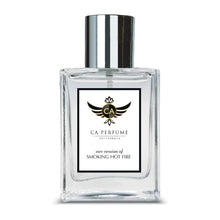
Smoking Hot Fire — Smoking Hot Alternative Perfume
A-
HumanSafe™ Score Generally Safe
Safest Evaluated Ingredients EDP
AQUA Solvent / Carrier ISS 10.0
1,4-DIOXACYCLOHEPTADECANE-5,17-DIONE Evaluated ingredient ISS 10.0
BENZENE, 1-METHOXY-4-(1-PROPENYL)-, (E)- Evaluated ingredient ISS 9.0
2H-1-BENZOPYRAN-2-ONE Evaluated ingredient ISS 8.0
LINALYL ACETATE Evaluated ingredient ISS 7.0
BENZOIC ACID, 2,4-DIHYDROXY-3,6-DIMETHYL-, METHYL Evaluated ingredient ISS 7.0
View full safety profile →
Patchouli Absolu — Tom Ford Impression Patchouli Absolu Alternative Perfume
A-
HumanSafe™ Score Generally Safe
Safest Evaluated Ingredients EDP
AQUA Solvent / Carrier ISS 10.0
4H-INDEN-4-ONE, 1,2,3,5,6,7-HEXAHYDRO-1,1,2,3,3- Evaluated ingredient ISS 9.0
3-BUTEN-2-ONE, 3-METHYL-4-(2,6,6-TRIMETHYL-2- Evaluated ingredient ISS 8.0
2H-1-BENZOPYRAN-2-ONE Evaluated ingredient ISS 8.0
BENZOIC ACID, 2,4-DIHYDROXY-3,6-DIMETHYL-, METHYL Evaluated ingredient ISS 7.0
ALCOHOL DENAT. Solvent / Carrier ISS 7.0
View full safety profile →
Ombre Leather 2018 — Tom Ford Ombre Leather 2018 Alternative Perfume
A-
HumanSafe™ Score Generally Safe
Safest Evaluated Ingredients EDP
AQUA Solvent / Carrier ISS 10.0
1,4-DIOXACYCLOHEPTADECANE-5,17-DIONE Evaluated ingredient ISS 10.0
BENZYL SALICYLATE Evaluated ingredient ISS 9.0
LINALOOL Evaluated ingredient ISS 7.0
CYCLOHEXANEPROPANOL, 2,2,6-TRIMETHYL-.ALPHA.-PROPYL- Evaluated ingredient ISS 7.0
BENZOIC ACID, 2,4-DIHYDROXY-3,6-DIMETHYL-, METHYL Evaluated ingredient ISS 7.0
View full safety profile →
Expert Voices

What Masters Say About Moss

The characteristic peculiar scent of moss extracts—'mossy', woody, earthy, wet, a bit oily, with a distinct phenolic, rather cured note and some animalic accords—is achieved thanks to the so-called depsides and their derivatives.
Fragrantica Editorial
Moss in perfumery is both a technical fixative and a creative signature, anchoring chypre and fougère structures with its earthy, leathery depth.
CA Perfume Editorial
Common Questions

Frequently Asked Questions

Common questions about moss in perfumery, with technical and practical answers.

Moss in perfume delivers an earthy, green, and slightly leathery aroma, reminiscent of a damp forest floor. The scent profile is shaped by aromatic depsides (evernic acid, atranorin) and terpenes, resulting in a persistent, naturalistic base. Moss is often paired with citrus, woods, and florals to create chypre and fougère structures, as seen in classics like Guerlain Mitsouko and modern scents like Pacific Rock Moss.

Moss is classified as a base note in perfumery due to its low volatility and fixative properties. It anchors the composition, providing depth and longevity. Moss is typically used at concentrations of 0.1–2%, depending on regulatory limits and desired intensity.

Moss is favored in niche perfumery for its complex, naturalistic scent profile and its ability to anchor and extend the evolution of a fragrance. Its earthy, leathery depth supports creative accords, especially in chypre and fougère families. Regulatory restrictions have led to innovative uses of both natural and synthetic moss notes in modern niche compositions.

Moss fragrance uses include pairing with patchouli, vetiver, bergamot, rose, and cedarwood. These ingredients share molecular affinities (terpenes, aldehydes) that enhance moss’s green, earthy, or woody facets. Classic chypres combine moss with citrus and florals, while modern scents may add marine or amber notes.

Moss-based fragrances can be worn year-round, but their earthy, persistent base is especially suited to cooler weather. In summer, lighter concentrations or pairing with citrus and aquatic notes can highlight moss’s green freshness without overwhelming. Pacific Rock Moss exemplifies a warm-weather, moss-forward scent.

Moss-heavy fragrances typically last 5–8 hours on skin, due to the persistence of high-molecular-weight depsides and fixatives. Longevity may vary based on concentration, skin chemistry, and environmental conditions.

Yes, moss is highly versatile for layering. It can be combined with citrus for freshness, woods for depth, or florals for softness. Layering at a molecular level allows for complex, evolving accords. Notable combinations include moss with bergamot (as in chypres) or with vetiver and patchouli for earthy blends.

Beginner-friendly moss fragrances include Goldfield & Banks Pacific Rock Moss (2016), Commodity Moss (2021), and Guerlain Mitsouko (1919, in its modern reformulation). These offer accessible interpretations of the moss note, balancing green freshness with earthy depth.

To select the right moss fragrance at CA Perfume, consider your preferred style (classic chypre, modern green, or aquatic), desired intensity, and seasonality. Explore the collection’s scent profiles and layering options, and sample different concentrations to find your ideal match.

Moss can exhibit both smoky and clean facets, depending on its extraction and pairing. Traditional oakmoss absolutes have a slightly smoky, phenolic undertone, while modern, low-atranol or synthetic moss notes tend to be cleaner and more transparent. The overall impression is shaped by accompanying notes and the fragrance’s structure.

Woods and Mosses Collection

Explore Our Top Moss Fragrances

Discover CA Perfume’s curated selection of moss-inspired scents, from classic chypre bases to modern green interpretations.

Shop all moss fragrances at CA Perfume →

Where Moss Comes From — Origin & Extraction

In perfumery, 'moss' most commonly refers to oakmoss (Evernia prunastri) and, to a lesser extent, tree moss (Pseudevernia furfuracea). Both are lichens—symbiotic organisms of fungi and algae—rather than true mosses (Bryophyta). Oakmoss thrives on the trunks and branches of oak trees in temperate forests, with primary harvesting regions including Macedonia, France (notably Lozère), Bulgaria, and the Balkans. Annual global production of oakmoss for perfumery is estimated at several hundred metric tons, with Macedonia historically supplying up to 70% of the market. Extraction begins with manual harvesting, followed by drying and soaking the lichen in warm water. Solvent extraction (using ethanol or hexane) is the standard method, yielding a dark green or brown absolute rich in aromatic depsides and terpenes. The process involves hydrolysis and trans-esterification, which generate key odorants such as evernic acid and atranorin. Hot extraction produces traditional absolutes with earthy, smoky facets, while cold extraction yields fresher, marine-like notes. Yields are typically 1–2% by weight of raw lichen. Oakmoss absolute commands prices of $400–800/kg, whereas synthetic substitutes can be produced for $50–200/kg. Due to the presence of potent allergens (atranol, chloroatranol), IFRA regulations have severely restricted the use of natural oakmoss since 2001. This has led to the development of low-atranol extracts and increased reliance on synthetic alternatives. Sustainability concerns include overharvesting and slow regrowth rates (1–2 cm/year), prompting efforts to cultivate lichen and develop biotechnological production methods. Synthetic moss notes, based on molecules such as Evernyl (Veramoss, CAS 56100-20-8), offer greater consistency, safety, and environmental sustainability.

Famous Fragrances That Define Moss in Perfumery

Moss has played a foundational role in perfumery, particularly in the chypre and fougère families. François Coty's Chypre (1917) established the archetype, using oakmoss at up to 8% to create a new olfactory family. Guerlain Mitsouko (1919, Jacques Guerlain) is another landmark, with oakmoss forming the base of its peachy-chypre structure. Chanel No. 19 (1971, Henri Robert) features moss as a key base note, lending a green, earthy sophistication. In the modern era, Goldfield & Banks Pacific Rock Moss (2016, François Merle-Baudoin and Hamid Merati-Kashani) offers a fresh, aquatic interpretation, while Commodity Moss (2021) demonstrates a contemporary, weightless take on the note. Reformulations of classics, such as Dior Eau Sauvage and Chanel Pour Monsieur, have adapted to IFRA restrictions by incorporating synthetic moss notes. CA Perfume's collection draws on this lineage, offering both classic and modern moss-inspired creations.

Natural vs Synthetic Moss in Perfumery

Natural moss extracts, primarily oakmoss absolute, contain a complex mixture of over 200 compounds, including evernic acid, atranorin, and usnic acid. These provide the characteristic earthy, woody, and slightly animalic scent profile. However, natural oakmoss is heavily restricted by IFRA due to the presence of atranol and chloroatranol, which are potent allergens. As a result, most modern fragrances use low-atranol oakmoss or synthetic substitutes. Key synthetic aroma chemicals include Evernyl (methyl 2,4-dihydroxy-3,6-dimethylbenzoate, CAS 56100-20-8), which replicates the mossy, woody aspect; Veramoss (CAS 4707-47-5), which provides a dry, earthy note; and Iso E Super (CAS 54464-57-2), which adds a transparent, woody-amber nuance. Synthetic moss notes offer improved stability, batch consistency, and safety, with costs typically 5–10 times lower than natural absolutes. Famous fragrances such as Dior Sauvage (2015) and many post-2001 reformulations of classics (e.g., Chanel No. 19) rely on synthetic moss materials to comply with regulations. From a sustainability perspective, synthetic moss ingredients reduce pressure on wild lichen populations and enable precise control over allergen content. CA Perfume uses HumanSafe™ verified sourcing for both natural and synthetic moss notes, ensuring transparency and compliance with global safety standards.