Ingredient Guide · Floral
Floral Family · Perfumery Note

Moroccan Rose

Discover the rich aroma and applications of Moroccan Rose in perfumery.

Moroccan Rose serves as a heart note in floral compositions, offering a rich, floral, and honeyed aroma. Its complex scent profile is due to compounds like citronellol and geraniol, which contribute to its distinctive fragrance.

Moroccan Rose
Ingredient Profile

Moroccan Rose

Floral Family
Family Floral
Note Position Heart Note
Usage Level 26.58%
Key Origins Morocco
The Ingredient

What does Moroccan Rose smell like and why is it significant in perfumery?

Moroccan Rose, primarily derived from *Rosa damascena* cultivated in Morocco, is renowned for its rich, floral, and honeyed aroma. This distinctive scent profile is attributed to key compounds such as citronellol (26.58%) and geraniol (13.41%), which impart the characteristic rosy fragrance. ([arabjchem.org](https://arabjchem.org/?article=0ed619c383566cb1675024cc93f3dbc0f940mA1Pd0Eyrw%3D%3D&embedded=true&view-pdf=1&utm_source=openai)) In perfumery, Moroccan Rose functions as a heart note, typically used at concentrations ranging from 10% to 30% in floral compositions. Its complex aroma adds depth and richness to fragrances, making it a staple in many high-end perfumes. The interaction with skin chemistry can enhance the honeyed facets of the scent, providing a warm and inviting experience. Notable fragrances that exemplify the use of Moroccan Rose include Chanel's *No. 5* (1921), where it serves as a central floral element, and Frederic Malle's *Portrait of a Lady* (2010), where it adds depth and complexity to the composition.

300+
Number of compounds present in natural Moroccan Rose oil, contributing to its complex aroma.
26.58%
Percentage of citronellol, a key compound in Moroccan Rose oil, contributing to its characteristic scent.
$23,000/kg
Approximate cost of high-quality natural Moroccan Rose oil per kilogram, reflecting its rarity and labor-intensive production.
Origin & Extraction

Where Moroccan Rose Comes From — Origin & Extraction

Moroccan Rose, derived from *Rosa damascena*, is predominantly cultivated in Morocco's Daddès Valley, renowned for its unique climate and soil conditions that contribute to the rose's distinctive aroma.

Moroccan Rose, scientifically known as *Rosa damascena*, is predominantly cultivated in Morocco's Daddès Valley, renowned for its unique climate and soil conditions that contribute to the rose's distinctive aroma. The region's altitude and specific harvesting methods, such as hand-picking the flowers at dawn to prevent fermentation, are crucial for producing high-quality rose oil. ([wikiparfum.com](https://www.wikiparfum.com/en/ingredients/rose-morocco-4/?utm_source=openai)) The extraction of Moroccan Rose oil involves two primary methods: 1. **Steam Distillation**: Fresh rose petals are subjected to steam, causing the volatile aromatic compounds to vaporize. The steam is then condensed, and the resulting liquid is separated, yielding rose otto, a highly concentrated and aromatic oil. This method preserves the more heat-stable components of the fragrance profile. ([en.wikipedia.org](https://en.wikipedia.org/wiki/Rose_oil?utm_source=openai)) 2. **Solvent Extraction**: This method employs solvents, such as hexane or ethanol, to dissolve the aromatic compounds from the rose petals. The solvent is then evaporated, leaving behind a waxy substance called rose concrete. The concrete is further processed with alcohol to extract the pure fragrance, resulting in rose absolute. Solvent extraction often captures a wider range of aromatic compounds, including those more sensitive to heat, resulting in a fragrance that more closely resembles the scent of the fresh rose. ([en.wikipedia.org](https://en.wikipedia.org/wiki/Rose_oil?utm_source=openai)) Natural Moroccan Rose oil is highly valued but can be costly and challenging to produce due to the labor-intensive harvesting process and low oil yield. Thus, synthetic variants are often employed to replicate its rich scent in a more cost-effective manner. ([findascent.com](https://www.findascent.com/notes/m/moroccan-rose.php?utm_source=openai))

MA

Morocco

The Daddès Valley in Morocco is known for its unique climate and soil conditions, contributing to the rose's distinctive aroma.

Chemistry

Natural vs Synthetic Moroccan Rose in Perfumery

Natural Moroccan Rose oil is a complex mixture of over 300 compounds, with citronellol (26.58%) and geraniol (13.41%) being the most abundant. ([arabjchem.org](https://arabjchem.org/?article=0ed619c383566cb1675024cc93f3dbc0f940mA1Pd0Eyrw%3D%3D&embedded=true&view-pdf=1&utm_source=openai)) However, it also contains furocoumarins (bergapten, CAS 484-20-8; bergamottin, CAS 7380-40-7), which are phototoxic. ([caperfume.com](https://caperfume.com/pages/discover-ingredient/bergamot?utm_source=openai)) To address safety concerns, perfumers increasingly use bergapten-free (FCF) rose oil or synthetic analogs. Key synthetic molecules include citronellol (CAS 106-22-9), geraniol (CAS 106-24-1), and phenylethyl alcohol (CAS 60-12-8). These offer excellent olfactory fidelity, batch-to-batch consistency, and eliminate phototoxicity. ([caperfume.com](https://caperfume.com/pages/discover-ingredient/bergamot?utm_source=openai)) Synthetic rose fragrances can replicate the scent profile of natural Moroccan Rose oil, providing greater longevity and stability. The cost differential is significant: natural rose oil at $23,000 per kilogram versus $50–$200 per kilogram for synthetics. ([stockfragrance.com](https://www.stockfragrance.com/blogs/learn-about-fragrance/rose-in-perfumery?utm_source=openai)) Sustainability considerations also play a role, as natural rose oil production is labor-intensive and requires large quantities of petals, whereas synthetic versions can be produced more efficiently. At CA Perfume, we ensure full transparency regarding the origin, allergen content, and IFRA compliance of all rose materials used, adhering to the HumanSafe™ platform for safety and sustainability.

Natural
Moroccan Rose Absolute
Cost $3,000–6,000/kg
Method Solvent / CO₂
Character Complex, variable
vs
Synthetic
Safranal & Analogues
Cost $50–200/kg
Method Lab synthesis
Character Consistent, stable
Hall of Fame

Famous Fragrances That Define Moroccan Rose in Perfumery

Moroccan Rose has been a cornerstone in perfumery, featured in numerous iconic fragrances: 1. **Chanel No. 5 (1921)**: Created by Ernest Beaux, this classic fragrance incorporates Moroccan Rose as a central floral element, contributing to its timeless appeal. 2. **Frederic Malle Portrait of a Lady (2010)**: Developed by Dominique Ropion, this modern masterpiece uses Moroccan Rose to add depth and complexity, blending it with spices and woods. 3. **Yves Saint Laurent Paris (1983)**: Crafted by Sophia Grojsman, this fragrance features Moroccan Rose as a dominant note, evoking the romantic essence of the city. 4. **Diptyque Eau Rose (1983)**: This fragrance highlights Moroccan Rose, capturing the essence of a blooming rose garden. 5. **Jo Malone Red Roses (1994)**: A modern take on the classic rose scent, incorporating Moroccan Rose for its rich and honeyed facets. At CA Perfume, we honor the legacy of Moroccan Rose by incorporating it into our floral compositions, offering fragrances that celebrate its rich heritage and timeless appeal.

The Accord

How is a captivating Moroccan Rose accord crafted?

A captivating Moroccan Rose accord can be crafted by blending the following ingredients: - **Moroccan Rose Absolute**: 50–60% of blend. Provides the rich, floral, and honeyed aroma characteristic of Moroccan Rose. - **Geranium Essential Oil**: 20–25% of blend. Adds a green, rosy note that complements the Moroccan Rose. - **Patchouli Essential Oil**: 10–15% of blend. Introduces an earthy, woody base that anchors the accord. - **Bergamot Essential Oil**: 5–10% of blend. Offers a citrusy top note that adds brightness and balances the richness. This blend creates a harmonious and complex rose accord, suitable for use as a heart note in floral compositions.

The Olfactory Layers

How Moroccan Rose Evolves on Skin

The olfactory evolution of Moroccan Rose unfolds in three stages:

I
Top notes
0–15 min
Fresh and Citrusy

Upon application, Moroccan Rose presents a fresh, green, and slightly citrusy aroma, attributed to compounds like citronellol and geraniol.

FreshGreenCitrusy
II
Heart notes
20–60 min
Rich and Floral

As the fragrance develops, the rich, floral, and honeyed facets emerge, characteristic of Moroccan Rose's complex aroma.

RichFloralHoneyed
III
Base notes
Several hours
Warm and Spicy

The fragrance settles into a warm, slightly spicy, and woody base, providing depth and longevity to the scent.

WarmSpicyWoody
TOP NOTES Fresh and Citrusy 0–15 minutes HEART NOTES Rich and Floral 20–60 minutes BASE NOTES Warm and Spicy Several hours
Through the Ages

The Story of Moroccan Rose in Perfumery

Moroccan Rose has a rich history in perfumery, with its cultivation and use dating back centuries.

10th Century

Rose Water Production in Persia

Rose water production in Persia dates to the 10th century, marking the early use of rose in perfumery.

1921

Launch of Chanel No. 5

Chanel No. 5, created by Ernest Beaux, incorporates Moroccan Rose as a central floral element.

1983

Launch of Yves Saint Laurent Paris

Yves Saint Laurent Paris, crafted by Sophia Grojsman, features Moroccan Rose as a dominant note.

2010

Launch of Frederic Malle Portrait of a Lady

Frederic Malle's Portrait of a Lady, developed by Dominique Ropion, uses Moroccan Rose to add depth and complexity.

2026

CA Perfume's Moroccan Rose Collection

CA Perfume honors the legacy of Moroccan Rose by incorporating it into our floral compositions, offering fragrances that celebrate its rich heritage and timeless appeal.

The Art of Layering

How to Layer Moroccan Rose

Layering Moroccan Rose with complementary notes can enhance its complexity and longevity.

01

Enhance Freshness

Combining Moroccan Rose with citrus notes like bergamot or lemon accentuates its fresh and uplifting facets, ideal for daytime wear.

02

Add Depth

Pairing Moroccan Rose with woody notes such as sandalwood or patchouli introduces an earthy base, providing a balanced and enduring scent.

03

Sweeten the Aroma

Blending Moroccan Rose with gourmand notes like vanilla or honey enhances its sweet and honeyed nuances, perfect for evening occasions.

Wear It Right

How to Wear Moroccan Rose Like a Pro

Seasonal Guide

Fall & Winter

In cooler months, Moroccan Rose's warm, honeyed facets provide a comforting and enveloping scent, making it ideal for evening wear.

Spring

During spring, the fresh and floral notes of Moroccan Rose evoke the blooming season, suitable for daytime wear.

Summer

In summer, the green and citrusy top notes of Moroccan Rose offer a refreshing and uplifting aroma, perfect for casual outings.

Year-Round Tip

Moroccan Rose's versatility allows it to be worn year-round, with its complex aroma adapting to various occasions and settings.

Application Points

Strategic application of Moroccan Rose enhances its olfactory impact, with certain areas amplifying its scent profile.

1

Neck

Applying Moroccan Rose to the neck allows the fragrance to diffuse with body heat, creating a subtle and intimate scent trail.

2

Behind the Ears

The warmth behind the ears enhances the projection of Moroccan Rose, making it noticeable yet not overpowering.

3

Inner Wrists

Dabbing Moroccan Rose on the inner wrists allows for a personal scent experience, with the fragrance evolving as you move.

4

Hair

Spraying Moroccan Rose lightly on hair provides a lingering scent that releases gradually, leaving a trail as you move.

Pro Tip

For a more intense aroma, apply Moroccan Rose to pulse points and layer with complementary notes like sandalwood or vanilla.

Mood Architecture™

Top Moroccan Rose Fragrances by Mood Score

These Moroccan Rose-based fragrances scored highest on the MEI™ Mood Architecture Framework — measuring how a scent may influence your emotional state.

Highest MEI Score
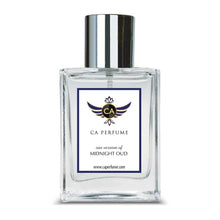
Midnight Oud — Juliette Has A Gun Midnight Oud Alternative Perfume
7.64
MEI™
Primary Confident
Secondary Magnetic
Confidence
9.03
Presence
8.87
Mood Lift
6.74
Identity
8.59
Warmth
8.37
Social Ease
5.71
Energy
4.6
" I am confident.
View full mood profile →
Sahara Noir — Tom Ford Sahara Noir Alternative Perfume
6.5
MEI™
Primary Romantic
Secondary Confident
Confidence
6.44
Presence
6.94
Mood Lift
6.55
Identity
7.07
Warmth
7.69
Social Ease
5.75
Energy
3.2
" I am beautiful.
View full mood profile →
HumanSafe™

Top Moroccan Rose Fragrances by HumanSafe™ Score

These Moroccan Rose-based fragrances have the highest product-level HumanSafe™ scores in this ingredient collection.

Highest HumanSafe™ Score
Sahara Noir — Tom Ford Sahara Noir Alternative Perfume
A-
HumanSafe™ Score Generally Safe
Safest Evaluated Ingredients EDP
AQUA Solvent / Carrier ISS 10.0
1,4-DIOXACYCLOHEPTADECANE-5,17-DIONE Evaluated ingredient ISS 10.0
1H-3A,7-METHANOAZULEN-6-OL, OCTAHYDRO-3,6,8,8- Evaluated ingredient ISS 9.0
TRICYCLO[6.3.1.02,5]DODECAN-1-OL, 4,4,8-TRIMETHYL-, ACETATE, Evaluated ingredient ISS 8.0
1,4-METHANOAZULENE, DECAHYDRO-4,8,8-TRIMETHYL-9- Evaluated ingredient ISS 8.0
REACTION MASS OF: (E)-OXACYCLOHEXADEC-12-EN-2-ONE, (E)- Evaluated ingredient ISS 7.0
View full safety profile →
Midnight Oud — Juliette Has A Gun Midnight Oud Alternative Perfume
A-
HumanSafe™ Score Generally Safe
Safest Evaluated Ingredients EDP
AQUA Solvent / Carrier ISS 10.0
1,4-DIOXACYCLOHEPTADECANE-5,17-DIONE Evaluated ingredient ISS 10.0
CITRONELLOL Evaluated ingredient ISS 7.0
ALCOHOL DENAT. Solvent / Carrier ISS 7.0
1,4-DIOXACYCLOHEXADECANE-5,16-DIONE Evaluated ingredient ISS 7.0
View full safety profile →
Expert Voices

What Masters Say About Moroccan Rose

Moroccan Rose's rich and multifaceted aroma makes it a cornerstone in many high-end fragrances.
CA Perfume Editorial
The unique climate and soil conditions of Morocco's Daddès Valley contribute to the distinctive scent profile of Moroccan Rose.
CA Perfume Editorial
Common Questions

Frequently Asked Questions

Frequently asked questions about Moroccan Rose in perfumery.

Moroccan Rose imparts a rich, floral, and honeyed aroma in perfumes, serving as a heart note in floral compositions.

Moroccan Rose is typically used as a heart note in fragrances, providing depth and complexity.

Its complex aroma and rarity make Moroccan Rose a prized ingredient in niche perfumes, adding sophistication and depth.

Moroccan Rose pairs well with notes like sandalwood, patchouli, bergamot, vanilla, and jasmine, creating harmonious and complex fragrances.

Yes, Moroccan Rose's fresh and floral top notes make it suitable for summer wear, offering a refreshing and uplifting aroma.

Fragrances featuring Moroccan Rose can last several hours, with the scent evolving from fresh and floral to warm and spicy.

Yes, layering Moroccan Rose with complementary notes like sandalwood or vanilla can enhance its complexity and longevity.

Fragrances like Chanel No. 5 and Frederic Malle's Portrait of a Lady are excellent introductions to Moroccan Rose's rich aroma.

Consider the fragrance's composition, concentration, and how Moroccan Rose is blended with other notes to find a scent that suits your preferences.

Moroccan Rose has a rich, floral, and honeyed aroma, with warm, spicy base notes providing depth and complexity.

Floral Collection

Explore Our Top Moroccan Rose Fragrances

Discover our curated selection of fragrances featuring Moroccan Rose, each offering a unique interpretation of its rich aroma.

Shop all Moroccan Rose fragrances at CA Perfume →

Where Moroccan Rose Comes From — Origin & Extraction

Moroccan Rose, scientifically known as *Rosa damascena*, is predominantly cultivated in Morocco's Daddès Valley, renowned for its unique climate and soil conditions that contribute to the rose's distinctive aroma. The region's altitude and specific harvesting methods, such as hand-picking the flowers at dawn to prevent fermentation, are crucial for producing high-quality rose oil. ([wikiparfum.com](https://www.wikiparfum.com/en/ingredients/rose-morocco-4/?utm_source=openai)) The extraction of Moroccan Rose oil involves two primary methods: 1. **Steam Distillation**: Fresh rose petals are subjected to steam, causing the volatile aromatic compounds to vaporize. The steam is then condensed, and the resulting liquid is separated, yielding rose otto, a highly concentrated and aromatic oil. This method preserves the more heat-stable components of the fragrance profile. ([en.wikipedia.org](https://en.wikipedia.org/wiki/Rose_oil?utm_source=openai)) 2. **Solvent Extraction**: This method employs solvents, such as hexane or ethanol, to dissolve the aromatic compounds from the rose petals. The solvent is then evaporated, leaving behind a waxy substance called rose concrete. The concrete is further processed with alcohol to extract the pure fragrance, resulting in rose absolute. Solvent extraction often captures a wider range of aromatic compounds, including those more sensitive to heat, resulting in a fragrance that more closely resembles the scent of the fresh rose. ([en.wikipedia.org](https://en.wikipedia.org/wiki/Rose_oil?utm_source=openai)) Natural Moroccan Rose oil is highly valued but can be costly and challenging to produce due to the labor-intensive harvesting process and low oil yield. Thus, synthetic variants are often employed to replicate its rich scent in a more cost-effective manner. ([findascent.com](https://www.findascent.com/notes/m/moroccan-rose.php?utm_source=openai))

Famous Fragrances That Define Moroccan Rose in Perfumery

Moroccan Rose has been a cornerstone in perfumery, featured in numerous iconic fragrances: 1. **Chanel No. 5 (1921)**: Created by Ernest Beaux, this classic fragrance incorporates Moroccan Rose as a central floral element, contributing to its timeless appeal. 2. **Frederic Malle Portrait of a Lady (2010)**: Developed by Dominique Ropion, this modern masterpiece uses Moroccan Rose to add depth and complexity, blending it with spices and woods. 3. **Yves Saint Laurent Paris (1983)**: Crafted by Sophia Grojsman, this fragrance features Moroccan Rose as a dominant note, evoking the romantic essence of the city. 4. **Diptyque Eau Rose (1983)**: This fragrance highlights Moroccan Rose, capturing the essence of a blooming rose garden. 5. **Jo Malone Red Roses (1994)**: A modern take on the classic rose scent, incorporating Moroccan Rose for its rich and honeyed facets. At CA Perfume, we honor the legacy of Moroccan Rose by incorporating it into our floral compositions, offering fragrances that celebrate its rich heritage and timeless appeal.

Natural vs Synthetic Moroccan Rose in Perfumery

Natural Moroccan Rose oil is a complex mixture of over 300 compounds, with citronellol (26.58%) and geraniol (13.41%) being the most abundant. ([arabjchem.org](https://arabjchem.org/?article=0ed619c383566cb1675024cc93f3dbc0f940mA1Pd0Eyrw%3D%3D&embedded=true&view-pdf=1&utm_source=openai)) However, it also contains furocoumarins (bergapten, CAS 484-20-8; bergamottin, CAS 7380-40-7), which are phototoxic. ([caperfume.com](https://caperfume.com/pages/discover-ingredient/bergamot?utm_source=openai)) To address safety concerns, perfumers increasingly use bergapten-free (FCF) rose oil or synthetic analogs. Key synthetic molecules include citronellol (CAS 106-22-9), geraniol (CAS 106-24-1), and phenylethyl alcohol (CAS 60-12-8). These offer excellent olfactory fidelity, batch-to-batch consistency, and eliminate phototoxicity. ([caperfume.com](https://caperfume.com/pages/discover-ingredient/bergamot?utm_source=openai)) Synthetic rose fragrances can replicate the scent profile of natural Moroccan Rose oil, providing greater longevity and stability. The cost differential is significant: natural rose oil at $23,000 per kilogram versus $50–$200 per kilogram for synthetics. ([stockfragrance.com](https://www.stockfragrance.com/blogs/learn-about-fragrance/rose-in-perfumery?utm_source=openai)) Sustainability considerations also play a role, as natural rose oil production is labor-intensive and requires large quantities of petals, whereas synthetic versions can be produced more efficiently. At CA Perfume, we ensure full transparency regarding the origin, allergen content, and IFRA compliance of all rose materials used, adhering to the HumanSafe™ platform for safety and sustainability.