Ingredient Guide · Floral Woody
Floral Woody Family · Perfumery Note

Moepel

A serene botanical warmth from Southern Africa

Moepel is a heart note in perfumery derived from Mimusops zeyheri, blending sweet floral and woody qualities. Its complex scent includes honeyed blossoms and earthy warmth, typically used below 5% concentration.

Ingredient Profile

Moepel

Floral Woody Family
Family Floral Woody
Note Position Heart Note
Usage Level <5%
Key Origins South Africa, Malawi, Mozambique
Iconic In Dolce&Gabbana Pour Homme Intenso, Suspenso
The Ingredient

What does Moepel smell like and why is it so special?

Moepel, derived from the blossoms and foliage of the Mimusops zeyheri tree native to southern Africa, is characterized by a sweet, earthy scent profile reminiscent of honeyed blossoms and lush greenery. Its fragrance balances floral and woody qualities, delivering a soft, inviting aroma that is both refreshing and calming. The scent profile includes complex molecular components that contribute to its multifaceted warmth and depth. In perfumery, Moepel primarily serves as a heart note, used at concentrations below 5%. It bridges top notes with warmer base notes, providing a lush floral core that enhances olfactory richness. Moepel interacts with skin chemistry by offering a notable lightness and approachability, making it suitable for various fragrance compositions. Notable fragrances featuring Moepel include Dolce&Gabbana Pour Homme Intenso (2014), where Moepel wood imparts floral, balsamic, and honey accents in the heart, paired with tobacco and hay, and Fragrance World's Suspenso (2021), which blends Moepel accord with tobacco, bran, and clary sage. These examples demonstrate Moepel's versatility and distinctive character in modern perfumery.

2–3 Sprays
Optimal application amount to achieve a balanced, inviting scent without overwhelming the wearer, based on typical concentration and projection.
3–5 Hours
Average longevity of Moepel-containing fragrances on skin, reflecting the balance of volatile lactones and longer-lasting woody and musky components.
<5%
Typical maximum concentration of Moepel absolute or accord in fragrance formulations to maintain olfactory balance and skin safety.
Origin & Extraction

Where Moepel Comes From — Origin & Extraction

Moepel’s aromatic character is shaped by its Southern African origins, where the Mimusops zeyheri tree thrives in diverse ecosystems. Soil composition, altitude, and climate influence the scent profile, contributing to its honeyed floral and woody nuances.

Moepel is sourced from the Mimusops zeyheri tree, commonly known as wild medlar or red milkwood, indigenous to southern Africa. This medium-sized tree thrives in the bushveld and woodland savanna regions of South Africa and Malawi, where it is valued for its edible golden-orange fruits and dense shade. The tree is protected under South African law due to its ecological and cultural significance. The aromatic profile of Moepel arises from both its blossoms and heartwood. The fruits have a sweet, slightly astringent flavor reminiscent of apricot and date, while the bark and heartwood emit a warm, earthy, and resinous fragrance. Extraction of natural Moepel absolute is performed using solvent extraction or supercritical CO₂ methods to preserve its complex scent molecules. These processes yield a complex and variable absolute, with costs ranging from $3,000 to $6,000 per kilogram. No commercial extraction exists for the fruit itself due to protection status and limited availability. Consequently, the Moepel accord used in perfumery is often a synthetic reconstruction based on lactones such as gamma-decalactone and gamma-undecalactone, combined with tropical fruit materials and soft musks to emulate the creamy, custard-like, and tropical-fruity facets. Sustainability considerations emphasize the protection of Mimusops zeyheri populations and the ethical sourcing of natural materials. Synthetic alternatives offer consistent quality and reduce environmental impact while maintaining olfactory fidelity.

ZA

South Africa

In South Africa, Moepel trees grow in bushveld and woodland savannas with well-drained soils and moderate rainfall. The region’s biodiversity and ecological stability produce Moepel with rich honeyed blossoms and resinous heartwood. The tree is culturally significant and legally protected, with local harvests supporting traditional uses.

MW

Malawi

Malawi’s warmer, humid climate nurtures Moepel trees that yield fruits and blossoms with sweeter, verdant aromatic qualities. The local environment enhances the tropical-fruity facets, contributing to a softer, more floral scent profile valued in regional perfumery.

MZ

Mozambique

Mozambique’s coastal and inland woodlands provide a habitat for Moepel trees where the interplay of humidity and soil minerals enriches the woody and earthy notes of the tree’s heartwood and bark, influencing the overall fragrance character.

Chemistry

Natural vs Synthetic Moepel in Perfumery

Natural Moepel absolute is extracted from the blossoms and heartwood of Mimusops zeyheri using solvent or CO₂ extraction methods. It is chemically complex and variable, reflecting the natural diversity of the source material. Natural Moepel absolute costs approximately $3,000 to $6,000 per kilogram and is prized for its depth and irregularity. Synthetic Moepel accords are laboratory reconstructions that replicate the fruit's creamy, tropical, and musky facets. Key synthetic molecules include gamma-decalactone and gamma-undecalactone (lactones responsible for creamy, custard-like notes) and safranal analogues that provide subtle earthy and honeyed nuances. These synthetics cost between $50 and $200 per kilogram and offer consistent, stable performance with predictable longevity and diffusion. Famous fragrances such as Dolce&Gabbana Pour Homme Intenso and Fragrance World's Suspenso employ both natural and synthetic Moepel elements to achieve their signature scents. The synthetic approach ensures supply chain stability and sustainability, while natural extracts contribute complexity and authenticity. CA Perfume utilizes the HumanSafe™ platform to transparently source and verify both natural and synthetic ingredients, balancing olfactory quality with environmental and ethical considerations.

Natural
Moepel Absolute
Cost $3,000–6,000/kg
Method Solvent / CO₂
Character Complex, variable
vs
Synthetic
Safranal & Analogues
Cost $50–200/kg
Method Lab synthesis
Character Consistent, stable
Hall of Fame

Famous Fragrances That Define Moepel in Perfumery

2014
heart note

Dolce&Gabbana Pour Homme Intenso

Dolce&Gabbana
by Alberto Morillas, Annick Menardo
tobaccohaybranlabdanumsandalwood
2021
heart note

Suspenso

Fragrance World
tobaccobranhayclary sagelabdanumamber
2021
heart note

Suspenso Intense

Fragrance World
tobaccobranhayclary sagelabdanumamber
—
supporting note

Shunkoin

Xerjoff
woodyfruity
—
accent

Oajan

Parfums de Marly
amberspiceswoody

Moepel has been featured prominently in several notable fragrances over the past decade, showcasing its unique floral woody character and versatility as a heart note. Dolce&Gabbana Pour Homme Intenso (2014), crafted by perfumers Alberto Morillas and Annick Menardo, uses Moepel wood as a central heart note, imparting floral, balsamic, and honeyed accents. It is paired with tobacco, hay, and bran, creating a rich and elegant masculine scent. Fragrance World's Suspenso (2021) incorporates Moepel accord in the heart alongside tobacco, bran, hay, and clary sage, supported by a base of labdanum, amber, sandalwood, musk, and cypress. This composition highlights Moepel's ability to bridge fruity and woody elements effectively. Other fragrances featuring Moepel include Suspenso Intense (2021) by Fragrance World, and niche creations such as Xerjoff's Shunkoin and Parfums de Marly's Oajan, where Moepel contributes to the complex woody and fruity accords. These examples demonstrate Moepel's role as a distinctive ingredient in modern perfumery, offering a balance of sweetness, earthiness, and floral warmth. CA Perfume's collection respects this lineage by emphasizing natural richness and sophisticated blending techniques.

The Accord

How is a captivating Moepel accord crafted?

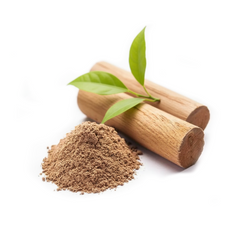
A Moepel accord is crafted by balancing floral sweetness with woody and balsamic elements to evoke a tranquil, rich olfactory experience. White honey (20–25%) introduces luscious sweetness that enhances Moepel’s floral facets. Benzoin (10–15%) adds warm, balsamic depth, complementing the floral notes. Woody elements like sandalwood (15–20%) provide grounding and longevity, while soft musks (20–25%) smooth the blend and extend diffusion. This combination totals approximately 90–100%, creating a harmonious accord that highlights Moepel’s complexity.

25%

White Honey

20–25% of blend

White Honey imparts a ripe, honeyed sweetness that accentuates Moepel’s floral character through shared lactone compounds.

15%

Benzoin

10–15% of blend

Benzoin contributes warm, balsamic resinous notes that complement Moepel’s woody and earthy facets, enhancing depth.

20%

Sandalwood

15–20% of blend

Sandalwood provides a creamy, long-lasting woody base that anchors the accord and balances the sweeter elements.

25%

Soft Musk

20–25% of blend

Soft musks smooth the accord, enhancing diffusion and creating a subtle skin-like warmth that blends with Moepel’s complexity.

The Olfactory Layers

How Moepel Evolves on Skin

Moepel’s olfactory evolution progresses from a bright floral opening to a warm, woody heart and a soft, musky base. Initial volatile lactones provide creamy fruity nuances that transition into deeper balsamic and resinous molecules, which evaporate slowly to leave a lingering earthy warmth.

I
Top notes
0–15 min
Bright Floral Creaminess

The opening features light floral and green aldehydic notes with lactones such as gamma-decalactone contributing creamy, custard-like fruity impressions. These high-volatility molecules evaporate quickly, creating a fresh and inviting introduction.

FloralCreamyFruity
II
Heart notes
20–60 min
Warm Honeyed Floral

The heart reveals Moepel’s core floral woody character with warm, balsamic benzoin and honeyed white honey notes. Medium-volatility compounds provide a rich, comforting warmth that bridges the top and base layers.

WarmBalsamicHoneyed
III
Base notes
Several hours
Earthy Woody Musk

The base settles into soft musks and sandalwood, with low-volatility molecules that ensure longevity and diffusion. These notes provide an earthy, woody foundation that supports the accord’s complexity and depth.

WoodyMuskyEarthy
TOP NOTES Bright Floral Creaminess 0–15 minutes HEART NOTES Warm Honeyed Floral 20–60 minutes BASE NOTES Earthy Woody Musk Several hours
Through the Ages

The Story of Moepel in Perfumery

Moepel’s journey in perfumery spans from traditional use in Southern Africa to its modern reinterpretation as a unique heart note in contemporary fragrances.

Antiquity

Traditional Use of Mimusops zeyheri

Indigenous communities in Southern Africa have long valued the Moepel tree for its edible fruits, shade, and aromatic properties, integrating it into cultural and herbal practices.

Early 20th Century

Botanical Classification

Mimusops zeyheri was formally classified botanically, establishing its identity and differentiating it from related species like Mimusops elengi.

2000s

Emergence in Niche Perfumery

Natural perfumers began exploring Moepel’s aromatic potential, extracting absolutes and incorporating its unique scent into natural and nature-inspired compositions.

2014

Dolce&Gabbana Pour Homme Intenso Launch

Moepel wood was introduced as a distinctive heart note in this fragrance, marking its entry into mainstream luxury perfumery.

2021

Fragrance World Suspenso Release

Moepel accord featured prominently in this woody aromatic fragrance, highlighting its versatility and appeal in modern masculine scents.

The Art of Layering

How to Layer Moepel

Understanding how to layer Moepel involves molecular compatibility and olfactory synergy. Its floral and woody facets harmonize with sweet vanillas and warm woods through shared lactone and resin compounds, enhancing depth and smoothness. Layering with white honey amplifies sweetness via complementary sugar-derived molecules, while benzoin adds balsamic warmth that bridges Moepel’s floral and woody elements. This approach creates a balanced, nuanced scent profile that evolves gracefully on the skin.

01

Enhance Sweetness

Pair Moepel with white honey to amplify its floral sweetness through shared lactone compounds, creating a richer, more luscious heart. This combination is exemplified in accords used by niche perfumers focusing on natural sweetness.

02

Add Depth

Combine Moepel with benzoin to introduce warm, balsamic resinous notes that complement its woody facets. The molecular interaction between benzoin’s benzoic acid derivatives and Moepel’s earthy compounds enhances longevity and complexity.

03

Lighten the Glow

Layer Moepel with soft sandalwood and musks to smooth its edges and extend diffusion. Sandalwood’s creamy sesquiterpenes and musk’s low-volatility molecules create a skin-like warmth that balances Moepel’s brightness.

Wear It Right

How to Wear Moepel Like a Pro

Seasonal Guide

Fall & Winter

Cooler temperatures slow molecular diffusion, enhancing Moepel’s woody and balsamic base notes. Apply more liberally to boost projection and enjoy its comforting warmth during colder months.

Spring

Moderate warmth highlights Moepel’s floral and honeyed heart, making it ideal for daytime wear. Layer with fresh green or citrus notes to enhance brightness and freshness.

Summer

Heat increases volatility, emphasizing the creamy lactone top notes while potentially reducing longevity. Use lighter applications or pair with aquatic or citrus accords for a refreshing effect.

Year-Round Tip

Adjust application based on temperature and occasion. Moepel’s versatility allows it to serve as a standalone heart note or as a layering base with complementary woody or sweet notes.

Application Points

Strategic application enhances Moepel’s olfactory impact and longevity.

1

Neck

Pulse points like the neck provide warmth that activates Moepel’s floral and woody molecules, enhancing projection and scent evolution.

2

Behind the Ears

This area offers subtle heat and movement, allowing Moepel’s nuanced heart notes to unfold gently throughout the day.

3

Inner Wrists

The inner wrists are ideal for intimate scent release, where Moepel’s creamy and honeyed facets can be appreciated up close.

4

Hair

Hair holds fragrance molecules longer due to its texture, providing a soft, lingering trail of Moepel’s earthy and floral notes.

★

Pro Tip

Layer Moepel with complementary vanilla or sandalwood fragrances on clothing or skin to extend longevity and add depth.

HumanSafe™

Moepel Safety Profile in Our Fragrances

No ingredient collection was found for moepel.

Create or connect a collection with the same handle as this ingredient, then add products that contain this ingredient.

Expert Voices

What Masters Say About Moepel

“
Moepel’s scent profile is a rare combination of sweet floral and earthy woody notes that evoke a serene botanical warmth, making it a valuable heart note in contemporary perfumery.
CA Perfume Editorial
“
The use of Moepel wood in Dolce&Gabbana Pour Homme Intenso introduced a distinctive floral, balsamic, and honeyed accord that enriches the fragrance’s heart with regional specificity and olfactory depth.
Sanja Pekić, Fragrantica Editor
Common Questions

Frequently Asked Questions

Answers to common questions about Moepel in perfume, its scent, usage, and layering.

Moepel in perfume smells sweet, floral, and earthy, with honeyed blossoms and woody warmth. It balances creamy lactone-driven fruity notes with balsamic and resinous undertones, creating a soft, inviting heart note. Notable examples include Dolce&Gabbana Pour Homme Intenso and Fragrance World's Suspenso, where Moepel adds complexity and regional character.

Moepel is primarily used as a heart note in perfumery. It bridges the fresh top notes and the deeper base notes, providing floral and woody richness. Its typical usage concentration is below 5%, allowing it to contribute warmth and depth without overpowering the composition.

Moepel’s unique sweet floral and earthy woody profile offers niche perfumers a distinctive ingredient that evokes Southern African biodiversity and cultural heritage. Its complex scent adds authenticity and regional specificity, making it a favored choice for natural and nature-inspired compositions seeking originality.

Moepel fragrance uses best pair with white honey, benzoin, sandalwood, vanilla, and musk. These ingredients complement Moepel’s floral sweetness and woody earthiness by enhancing warmth, depth, and diffusion. Citrus and green notes can also brighten Moepel’s creamy facets for fresh layering effects.

Yes, Moepel perfumes can be worn in summer, but heat increases volatility, emphasizing the creamy lactone top notes and potentially reducing longevity. Lighter applications or pairing with aquatic or citrus accords can enhance freshness and prevent overwhelming the senses in hot weather.

Fragrances featuring Moepel typically last 3 to 5 hours on the skin. The combination of volatile lactones and longer-lasting woody and musky base notes provides moderate longevity suitable for daytime and evening wear.

Yes, layering Moepel is effective when combined with complementary notes like vanilla, sandalwood, white honey, and benzoin. These combinations enhance Moepel’s floral and woody facets through molecular synergy, creating personalized and complex scent profiles.

Beginner-friendly Moepel perfumes include Dolce&Gabbana Pour Homme Intenso and Fragrance World's Suspenso, which showcase Moepel’s floral woody character in balanced, accessible compositions. These fragrances provide a good introduction to Moepel’s scent profile without overwhelming complexity.

When selecting a Moepel fragrance at CA Perfume, consider your preference for floral sweetness versus woody earthiness and the intended occasion. Our curated collection offers options that highlight different facets of Moepel, supported by detailed descriptions and layering advice to help you find your signature scent.

Moepel smells predominantly sweet and floral with earthy woody undertones rather than spicy. Its sweetness is nuanced, drawn from honeyed blossoms and creamy lactones, while the woody base provides warmth without overt spice.

Floral Woody Collection

Explore Our Top Moepel Fragrances

Discover a curated selection of fragrances featuring Moepel’s unique floral woody character, perfect for those seeking elegant and distinctive scents.

Shop all moepel fragrances at CA Perfume →

Where Moepel Comes From — Origin & Extraction

Moepel is sourced from the Mimusops zeyheri tree, commonly known as wild medlar or red milkwood, indigenous to southern Africa. This medium-sized tree thrives in the bushveld and woodland savanna regions of South Africa and Malawi, where it is valued for its edible golden-orange fruits and dense shade. The tree is protected under South African law due to its ecological and cultural significance. The aromatic profile of Moepel arises from both its blossoms and heartwood. The fruits have a sweet, slightly astringent flavor reminiscent of apricot and date, while the bark and heartwood emit a warm, earthy, and resinous fragrance. Extraction of natural Moepel absolute is performed using solvent extraction or supercritical CO₂ methods to preserve its complex scent molecules. These processes yield a complex and variable absolute, with costs ranging from $3,000 to $6,000 per kilogram. No commercial extraction exists for the fruit itself due to protection status and limited availability. Consequently, the Moepel accord used in perfumery is often a synthetic reconstruction based on lactones such as gamma-decalactone and gamma-undecalactone, combined with tropical fruit materials and soft musks to emulate the creamy, custard-like, and tropical-fruity facets. Sustainability considerations emphasize the protection of Mimusops zeyheri populations and the ethical sourcing of natural materials. Synthetic alternatives offer consistent quality and reduce environmental impact while maintaining olfactory fidelity.

Famous Fragrances That Define Moepel in Perfumery

Moepel has been featured prominently in several notable fragrances over the past decade, showcasing its unique floral woody character and versatility as a heart note. Dolce&Gabbana Pour Homme Intenso (2014), crafted by perfumers Alberto Morillas and Annick Menardo, uses Moepel wood as a central heart note, imparting floral, balsamic, and honeyed accents. It is paired with tobacco, hay, and bran, creating a rich and elegant masculine scent. Fragrance World's Suspenso (2021) incorporates Moepel accord in the heart alongside tobacco, bran, hay, and clary sage, supported by a base of labdanum, amber, sandalwood, musk, and cypress. This composition highlights Moepel's ability to bridge fruity and woody elements effectively. Other fragrances featuring Moepel include Suspenso Intense (2021) by Fragrance World, and niche creations such as Xerjoff's Shunkoin and Parfums de Marly's Oajan, where Moepel contributes to the complex woody and fruity accords. These examples demonstrate Moepel's role as a distinctive ingredient in modern perfumery, offering a balance of sweetness, earthiness, and floral warmth. CA Perfume's collection respects this lineage by emphasizing natural richness and sophisticated blending techniques.

Natural vs Synthetic Moepel in Perfumery

Natural Moepel absolute is extracted from the blossoms and heartwood of Mimusops zeyheri using solvent or CO₂ extraction methods. It is chemically complex and variable, reflecting the natural diversity of the source material. Natural Moepel absolute costs approximately $3,000 to $6,000 per kilogram and is prized for its depth and irregularity. Synthetic Moepel accords are laboratory reconstructions that replicate the fruit's creamy, tropical, and musky facets. Key synthetic molecules include gamma-decalactone and gamma-undecalactone (lactones responsible for creamy, custard-like notes) and safranal analogues that provide subtle earthy and honeyed nuances. These synthetics cost between $50 and $200 per kilogram and offer consistent, stable performance with predictable longevity and diffusion. Famous fragrances such as Dolce&Gabbana Pour Homme Intenso and Fragrance World's Suspenso employ both natural and synthetic Moepel elements to achieve their signature scents. The synthetic approach ensures supply chain stability and sustainability, while natural extracts contribute complexity and authenticity. CA Perfume utilizes the HumanSafe™ platform to transparently source and verify both natural and synthetic ingredients, balancing olfactory quality with environmental and ethical considerations.