Ingredient Guide · Fruity Floral
Fruity Floral Family · Perfumery Note

Mirabelle Plum

A golden fruit note, vivid and uplifting in modern perfumery.

Mirabelle Plum is a heart note in the fruity fragrance family, prized for its sweet, juicy, and slightly tart character. Its scent profile is synthetically reconstructed using key molecules like gamma-decalactone and cinnamyl butyrate, typically at concentrations below 3%.

Mirabelle Plum
Ingredient Profile

Mirabelle Plum

Fruity Floral Family
Family Fruity Floral
Note Position Heart Note
Usage Level <3%
Key Origins France, Germany, Italy
Iconic In Chloé Nomade Eau de Parfum, Your Turn II
The Ingredient

What does Mirabelle Plum smell like and why is it significant in perfumery?

Mirabelle Plum, botanically Prunus domestica subsp. syriaca, is celebrated in perfumery for its sweet, juicy, and luminous scent profile. What does Mirabelle Plum smell like? The answer lies in its vibrant blend of yellow plum sweetness, a subtle floral undertone, and a gentle tartness. This olfactory character is driven by a combination of aroma molecules—gamma-decalactone (peachy, creamy), benzaldehyde (almond-marzipan), linalool (floral-terpenic), and cinnamate esters (balsamic-fruity warmth). These compounds are identified in the fruit’s headspace but do not exist in extractable form for perfumery, so the note is always a synthetic reconstruction. Mirabelle Plum in perfumery is classified as a heart note, typically used at concentrations below 3% of a fragrance formula. Its role is to impart a radiant, juicy sweetness that bridges the transition from sparkling citrus top notes to deeper woody or gourmand bases. Because it is synthetically constructed, perfumers can fine-tune its intensity and complexity, ensuring consistency and stability across batches. The note interacts with skin chemistry by accentuating the wearer’s natural warmth, with lactonic and aldehydic facets that may appear more creamy or tart depending on skin pH and moisture. Notable fragrances that exemplify the Mirabelle Plum note include Chloé Nomade Eau de Parfum (2018, perfumer Quentin Bisch), where it forms the signature opening alongside freesia and oakmoss, and Billie Eilish Your Turn II (2025, perfumer Frank Voelkl), which uses Mirabelle Plum to create a bright, fruity contrast against black tea and vetiver. In both cases, Mirabelle Plum is not merely an accent but a structural element that defines the fragrance’s character.

<3%
Typical usage level of Mirabelle Plum accord in a fragrance formula. Higher concentrations can overwhelm, while lower levels provide subtle sweetness.
4–6 Hours
Average longevity of Mirabelle Plum as a heart note. The synthetic accord maintains projection for several hours before softening into the base.
$50–200/kg
Cost range for synthetic Mirabelle Plum aroma chemicals, making it accessible and sustainable compared to hypothetical natural extracts.
Origin & Extraction

Where Mirabelle Plum Comes From — Origin & Extraction

Mirabelle Plum’s scent is shaped by the terroir of Lorraine, France, and other European regions. Rich soils, temperate climates, and traditional harvesting methods yield fruit with high aromatic complexity, which perfumers reference when constructing the synthetic accord.

Mirabelle Plum, Prunus domestica subsp. syriaca, is a subspecies of the European plum, native to the Lorraine region of France, and cultivated in Germany and northern Italy. Lorraine alone accounts for over 70% of global Mirabelle production, with annual yields exceeding 15,000 metric tons. The fruit is renowned for its golden color, high sugar content, and aromatic complexity, making it a staple in regional cuisine and spirits (notably Mirabelle de Lorraine, IGP since 1996). Despite its agricultural abundance, there is no commercial essential oil, absolute, or CO₂ extract of Mirabelle Plum for perfumery. The volatile aroma compounds—benzaldehyde, gamma-decalactone, linalool, ethyl cinnamate, methyl cinnamate—are too dilute and too tightly bound to the fruit’s sugar-water matrix to yield a viable extract. Headspace analysis and GC-MS provide the blueprint for the note, but all Mirabelle Plum in perfumery is a fantasy accord, not a direct natural product. The synthetic Mirabelle Plum accord is typically built around cinnamyl butyrate (CAS 103-61-7) for its balsamic-fruity warmth, gamma-decalactone for lactonic creaminess, and supporting esters like ethyl cinnamate and methyl cinnamate for a spicy, fruity edge. Allyl ionone may be added for violet-fruity depth. These aroma chemicals are produced by major fragrance houses (Firmenich, Givaudan, Symrise) and cost between $50–200/kg, compared to the hypothetical $3,000–6,000/kg for a natural absolute (if it existed). Sustainability is high, as all components are synthesized from renewable feedstocks with minimal environmental impact.

FR

France

Lorraine is the global center for Mirabelle Plum, producing over 70% of the world’s supply. The region’s clay-limestone soils, moderate rainfall, and cool nights yield plums with exceptional sweetness and aromatic intensity. Mirabelle de Lorraine holds IGP status since 1996.

DE

Germany

Southwest Germany (Rhineland-Palatinate, Saarland) cultivates Mirabelle plums with a slightly more tart profile due to higher rainfall and cooler summers. German Mirabelle is prized for jams and spirits, with annual production around 3,000–5,000 metric tons.

IT

Italy

Northern Italy (Trentino-Alto Adige, Emilia-Romagna) grows Mirabelle plums with a delicate, floral sweetness, influenced by alpine soils and warm days. Italian Mirabelle is often used in desserts and liqueurs, with smaller but high-quality yields.

Chemistry

Natural vs Synthetic Mirabelle Plum in Perfumery

There is no natural Mirabelle Plum extract used in perfumery. All Mirabelle Plum notes are synthetic reconstructions, as the fruit’s volatile fraction is too dilute for practical extraction. Key synthetic molecules include cinnamyl butyrate (CAS 103-61-7), gamma-decalactone (CAS 706-14-9), and allyl ionone (CAS 2759-10-4). These provide the creamy, fruity, and floral facets characteristic of Mirabelle Plum. Synthetic Mirabelle Plum accords offer superior performance in terms of stability, batch consistency, and longevity (typically 4–6 hours in the heart of a composition). They are less prone to oxidation or spoilage compared to hypothetical natural extracts. Cost is also a major advantage: synthetic Mirabelle Plum aroma chemicals range from $50–200/kg, whereas a natural absolute (if it could be produced) would be prohibitively expensive and variable in quality. Famous fragrances such as Chloé Nomade (2018), Billie Eilish Your Turn II (2025), and Thymes Mirabelle Plum (2014) all employ synthetic Mirabelle Plum accords. From a sustainability perspective, synthetic production reduces pressure on agricultural resources and ensures a transparent, traceable supply chain. The HumanSafe™ platform provides ingredient transparency and allergen data for all CA Perfume Mirabelle Plum fragrances.

Natural
Mirabelle Plum Absolute
Cost $3,000–6,000/kg
Method Solvent / CO₂
Character Complex, variable
vs
Synthetic
Safranal & Analogues
Cost $50–200/kg
Method Lab synthesis
Character Consistent, stable
Hall of Fame

Famous Fragrances That Define Mirabelle Plum in Perfumery

2018
dominant note

Chloé Nomade Eau de Parfum

Chloé
by Quentin Bisch
FreesiaOakmossMirabelle Plum
2025
dominant note

Your Turn II

Billie Eilish
by Frank Voelkl
PimentoCassisBlack TeaFig NectarVetiver
2014
dominant note

Mirabelle Plum

Thymes
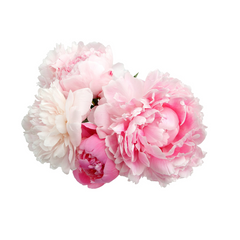
Black CurrantJasminePeonySandalwoodAmber
2017
accent

Bibliothèque

Byredo
by Jérôme Epinette
PeachPeonyPatchouliLeather
2015
accent

Floriental

Comme des Garçons
by Emilie Coppermann
Pink PepperIncenseSandalwood

Mirabelle Plum has become a signature note in contemporary perfumery, especially in modern chypre, fruity-floral, and woody compositions. One of the most influential examples is Chloé Nomade Eau de Parfum (2018, perfumer Quentin Bisch), where Mirabelle Plum is the luminous opening that segues into freesia and oakmoss, creating a free-spirited, adventurous character. Billie Eilish Your Turn II (2025, perfumer Frank Voelkl) features Mirabelle Plum as a top note, contrasted with pimento and cassis, and evolving into a heart of black tea and fig nectar, with a woody-resinous base. Thymes Mirabelle Plum (2014) is a floral-fruity fragrance where Mirabelle Plum is paired with black currant, jasmine, peony, sandalwood, and amber, resulting in a cheerful, ephemeral sweetness. Byredo Bibliothèque (2017, perfumer Jérôme Epinette) uses plum (including Mirabelle nuances) with peach, peony, patchouli, and leather to evoke the scent of a vintage library. Comme des Garçons Floriental (2015, perfumer Emilie Coppermann) reimagines the plum note in an abstract, spicy-woody context, blending it with pink pepper, incense, and sandalwood. CA Perfume’s collection draws on this lineage, offering Mirabelle Plum-centered fragrances that highlight the note’s versatility in both luminous and gourmand compositions.

The Accord

How is a captivating Mirabelle Plum accord crafted?

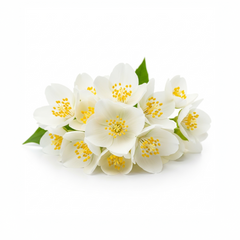
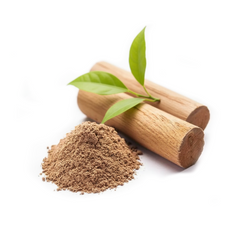
A Mirabelle Plum accord balances juicy, fruity sweetness with creamy, floral, and woody facets. Typical proportions: Mirabelle Plum (30–35%), Jasmine (20–25%), Black Currant (20–25%), Sandalwood (20–25%). Jasmine provides floral lift via linalool, black currant adds tartness and depth through beta-damascenone, and sandalwood anchors the accord with lactonic, woody smoothness.

35%

Mirabelle Plum

30–35% of blend

Provides the core juicy, sweet, and slightly tart character, built from gamma-decalactone, cinnamyl butyrate, and benzaldehyde for a golden, creamy-fruity effect.

25%

Jasmine

20–25% of blend

Adds floral lift and radiance via linalool and indole, enhancing the fruity facets and bridging to the heart of the composition.

25%

Black Currant

20–25% of blend

Contributes tartness and depth through beta-damascenone and green facets, amplifying the juiciness and complexity of the plum note.

25%

Sandalwood

20–25% of blend

Anchors the accord with creamy, lactonic, and woody notes, providing longevity and a smooth transition to the base.

The Olfactory Layers

How Mirabelle Plum Evolves on Skin

Mirabelle Plum fragrances evolve from a bright, juicy opening to a creamy, floral heart and a soft, woody base. High-volatility esters and aldehydes create the initial burst, while lactones and cinnamate esters linger through the drydown.

I
Top notes
0–15 min
Juicy Orchard Burst

The opening features high-volatility esters (ethyl butyrate, methyl cinnamate) and aldehydes, delivering a burst of juicy, tart, and slightly green facets reminiscent of freshly cut yellow plums. These molecules evaporate quickly, creating an immediate sense of brightness.

JuicyTartBright
II
Heart notes
20–60 min
Creamy Floral Radiance

The heart is dominated by gamma-decalactone and linalool, providing creamy, peach-like sweetness and a subtle floral lift. This stage is where the Mirabelle Plum note is most prominent, blending with jasmine and black currant for a complex, radiant effect.

SweetFloralRadiant
III
Base notes
Several hours
Soft Woody Trail

The base reveals sandalwood, amber, and soft musks, with lactonic and balsamic undertones from residual gamma-decalactone and cinnamate esters. The sweetness softens, leaving a gentle, creamy trail that persists on skin and fabric.

CreamyWoodySoft
TOP NOTES Juicy Orchard Burst 0–15 minutes HEART NOTES Creamy Floral Radiance 20–60 minutes BASE NOTES Soft Woody Trail Several hours
Through the Ages

The Story of Mirabelle Plum in Perfumery

Mirabelle Plum’s journey in perfumery reflects advances in aroma chemistry and the rise of modern fruity-floral compositions.

Bronze Age

Early Cultivation in Lorraine

Archaeological evidence shows Mirabelle-type plum stones in Lorraine, France, dating to the Bronze Age, indicating early domestication and appreciation for the fruit’s aroma.

1996

IGP Status for Mirabelle de Lorraine

The European Union grants Indication Géographique Protégée (IGP) to Mirabelle de Lorraine, protecting regional production and quality standards for this iconic golden plum.

2000s

Headspace Analysis and Synthetic Reconstruction

Advances in GC-MS and headspace analysis enable perfumers to catalog Mirabelle Plum’s volatile compounds, leading to the first accurate synthetic accords for use in fine fragrance.

2014

Thymes Mirabelle Plum Launch

Thymes introduces Mirabelle Plum, a floral-fruity fragrance that brings the note to mainstream attention, blending it with black currant, jasmine, and peony.

2018

Chloé Nomade Popularizes Mirabelle Plum

Chloé Nomade Eau de Parfum, composed by Quentin Bisch, features Mirabelle Plum as its signature opening, inspiring a wave of modern fruity-chypre fragrances.

2025

Billie Eilish Your Turn II

Perfumer Frank Voelkl uses Mirabelle Plum to create a vibrant, contemporary top note in Billie Eilish Your Turn II, demonstrating the note’s versatility in woody and gourmand contexts.

The Art of Layering

How to Layer Mirabelle Plum

Understanding how to layer Mirabelle Plum is key to maximizing its scent profile. At a molecular level, its esters and lactones blend seamlessly with florals, woods, and green notes, allowing for creative, multifaceted combinations.

01

Enhance Sweetness

Layer Mirabelle Plum with vanilla or tonka bean fragrances. Vanillin and coumarin molecules amplify the creamy, gourmand facets of gamma-decalactone, creating a dessert-like effect. Chloé Nomade and Guerlain Mon Guerlain demonstrate this synergy.

02

Add Depth

Pair with woody or amber notes such as sandalwood or patchouli. The lactonic and balsamic molecules in Mirabelle Plum interact with sandalwood’s santalol and patchouli’s patchoulol, producing a richer, longer-lasting base. Byredo Bibliothèque and Comme des Garçons Floriental are examples.

03

Brighten the Aura

Combine with citrus or green notes—bergamot, petitgrain, or galbanum. Shared aldehydes and esters create a sparkling, fresh opening, while the plum’s sweetness rounds out any sharpness. This approach is ideal for summer layering.

Wear It Right

How to Wear Mirabelle Plum Like a Pro

Seasonal Guide

Fall & Winter

In colder months, Mirabelle Plum’s creamy and lactonic notes are more pronounced, blending seamlessly with amber, sandalwood, and gourmand bases. Apply to pulse points under clothing to maximize warmth and projection, and consider layering with spicy or woody fragrances for added depth.

Spring

Spring’s mild temperatures allow the floral and fruity facets of Mirabelle Plum to shine. The note pairs well with green or citrus top notes, creating a fresh, uplifting effect. Apply lightly to exposed skin for a radiant, cheerful aura.

Summer

Heat increases the volatility of Mirabelle Plum’s esters, amplifying its juicy, tart opening. Use sparingly (1–2 sprays) to avoid overwhelming sweetness, and layer with light florals or aquatic notes for a refreshing, playful summer scent.

Year-Round Tip

Mirabelle Plum’s versatility makes it suitable year-round. Adjust application and layering partners based on temperature and humidity. In humid climates, its projection is enhanced, so opt for lighter concentrations or combine with green notes for balance.

Application Points

Strategic application of Mirabelle Plum fragrances enhances their evolution and longevity. Focus on pulse points and areas with moderate warmth.

1

Neck

Applying to the neck maximizes the diffusion of top esters and aldehydes, allowing the juicy opening to project as body heat rises.

2

Behind the Ears

This area is slightly cooler, which helps preserve the creamy, floral heart notes and extends the scent’s evolution.

3

Inner Wrists

Pulse points on the wrists intensify the fruity facets, but frequent hand washing may reduce longevity. Reapply as needed.

4

Hair

Spraying lightly on hair provides a subtle, long-lasting trail, as the fibers retain lactonic and floral molecules without rapid evaporation.

★

Pro Tip

Layer Mirabelle Plum with a sandalwood or amber base on clothing for extended wear, as fabric holds the creamy, woody drydown longer than skin.

Mood Architecture™

Top Mirabelle Plum Fragrances by Mood Score

These Mirabelle Plum-based fragrances scored highest on the MEI™ Mood Architecture Framework — measuring how a scent may influence your emotional state.

Highest MEI Score
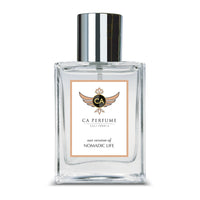
Nomadic Life — Nomade Alternative Perfume
7.2
MEI™
Primary Romantic
Secondary Confident
Confidence
6.9
Presence
7.6
Mood Lift
7.62
Identity
7.3
Warmth
7.8
Social Ease
6.92
Energy
3.35
" I am beautiful.
View full mood profile →
HumanSafe™

Top Mirabelle Plum Fragrances by HumanSafe™ Score

These Mirabelle Plum-based fragrances have the highest product-level HumanSafe™ scores in this ingredient collection.

Highest HumanSafe™ Score
Nomadic Life — Nomade Alternative Perfume
A-
HumanSafe™ Score Generally Safe
Safest Evaluated Ingredients EDP
AQUA Solvent / Carrier ISS 10.0
1,4-DIOXACYCLOHEPTADECANE-5,17-DIONE Evaluated ingredient ISS 10.0
BENZYL SALICYLATE Evaluated ingredient ISS 9.0
3-BUTEN-2-ONE, 3-METHYL-4-(2,6,6-TRIMETHYL-2- Evaluated ingredient ISS 8.0
2H-1-BENZOPYRAN-2-ONE Evaluated ingredient ISS 8.0
LINALYL ACETATE Evaluated ingredient ISS 7.0
View full safety profile →
Expert Voices

What Masters Say About Mirabelle Plum

“
The aroma of ripe mirabelle is driven by a characteristic set of volatiles identified by GC-MS: benzaldehyde (almond-marzipan sharpness), linalool (floral-terpy lift), gamma-decalactone (peach-skin lactonic creaminess), ethyl cinnamate and methyl cinnamate (warm, balsamic-fruity), and nonadienal (green-cucumber freshness).
Première Peau Editorial
“
Mirabelle Plum in perfumery is always a synthetic reconstruction, allowing perfumers to tailor its sweetness, tartness, and floral facets for maximum versatility.
CA Perfume Editorial
Common Questions

Frequently Asked Questions

Answers to common questions about Mirabelle Plum in perfumery.

Mirabelle Plum in perfume smells juicy, sweet, and slightly tart, with creamy and floral undertones. The scent is constructed from molecules like gamma-decalactone, benzaldehyde, and cinnamate esters, resulting in a vibrant, golden-fruit aroma. It is most prominent as a heart note and is often paired with jasmine, black currant, and sandalwood for added complexity. Notable examples include Chloé Nomade and Billie Eilish Your Turn II.

Mirabelle Plum is typically used as a heart note in fragrance compositions. Its molecular structure—dominated by lactones and esters—gives it moderate volatility, allowing it to bridge the transition from sparkling top notes to deeper base notes. This positioning ensures that its juicy, sweet character is most prominent during the main evolution of the scent.

Mirabelle Plum’s synthetic reconstruction allows for precise control over its olfactory facets, making it highly versatile in modern niche perfumery. It imparts a unique combination of juiciness, floral lift, and creamy sweetness, which can be tailored to suit both fresh and gourmand compositions. Its ability to evoke both nostalgia and modernity makes it a popular choice for innovative perfumers.

Mirabelle Plum fragrance uses often involve pairing with jasmine, black currant, peony, sandalwood, and amber. These notes share complementary molecules—such as linalool, beta-damascenone, and santalol—that enhance the plum’s fruity, floral, and creamy aspects. Green notes like galbanum or citrus can also add freshness and brightness to the accord.

Yes, Mirabelle Plum is well-suited for summer and warm climates due to its bright, juicy, and uplifting scent profile. The volatility of its esters and aldehydes is enhanced by heat, making the fragrance more radiant and diffusive. For hot weather, lighter concentrations or pairing with citrus and green notes is recommended to avoid excessive sweetness.

Mirabelle Plum fragrances generally last 4–6 hours, with the heart note being most prominent during the first 2–3 hours. The longevity depends on the concentration and the presence of fixatives like sandalwood or amber in the base. Oil-based or higher-concentration formats may extend the creamy, woody drydown.

Yes, Mirabelle Plum is highly layerable due to its molecular compatibility with florals, woods, and gourmand notes. Layering with vanilla, sandalwood, or green notes can accentuate different facets of the plum accord. For example, pairing with jasmine enhances floral radiance, while sandalwood deepens the creamy base.

For those new to Mirabelle Plum, Chloé Nomade Eau de Parfum and Thymes Mirabelle Plum are excellent starting points. Both showcase the note’s juicy, sweet character in accessible, balanced compositions. Billie Eilish Your Turn II offers a more contemporary, woody-fruity interpretation.

When selecting a Mirabelle Plum fragrance at CA Perfume, consider the composition’s supporting notes—floral, woody, or gourmand—and the desired intensity. Review ingredient transparency and allergen data via the HumanSafe™ platform to ensure suitability for your preferences and sensitivities.

Mirabelle Plum’s sweetness can be balanced by pairing with green, citrus, or woody notes. In well-constructed fragrances, the tart and floral facets prevent it from becoming cloying, making it suitable for everyday wear. Adjust application and layering partners to match your personal taste and seasonal conditions.

Fruity Floral Collection

Explore Our Top Mirabelle Plum Fragrances

Discover CA Perfume’s curated selection of Mirabelle Plum-centered fragrances, each highlighting the note’s juicy, radiant, and versatile character.

Shop all mirabelle plum fragrances at CA Perfume →

Where Mirabelle Plum Comes From — Origin & Extraction

Mirabelle Plum, Prunus domestica subsp. syriaca, is a subspecies of the European plum, native to the Lorraine region of France, and cultivated in Germany and northern Italy. Lorraine alone accounts for over 70% of global Mirabelle production, with annual yields exceeding 15,000 metric tons. The fruit is renowned for its golden color, high sugar content, and aromatic complexity, making it a staple in regional cuisine and spirits (notably Mirabelle de Lorraine, IGP since 1996). Despite its agricultural abundance, there is no commercial essential oil, absolute, or CO₂ extract of Mirabelle Plum for perfumery. The volatile aroma compounds—benzaldehyde, gamma-decalactone, linalool, ethyl cinnamate, methyl cinnamate—are too dilute and too tightly bound to the fruit’s sugar-water matrix to yield a viable extract. Headspace analysis and GC-MS provide the blueprint for the note, but all Mirabelle Plum in perfumery is a fantasy accord, not a direct natural product. The synthetic Mirabelle Plum accord is typically built around cinnamyl butyrate (CAS 103-61-7) for its balsamic-fruity warmth, gamma-decalactone for lactonic creaminess, and supporting esters like ethyl cinnamate and methyl cinnamate for a spicy, fruity edge. Allyl ionone may be added for violet-fruity depth. These aroma chemicals are produced by major fragrance houses (Firmenich, Givaudan, Symrise) and cost between $50–200/kg, compared to the hypothetical $3,000–6,000/kg for a natural absolute (if it existed). Sustainability is high, as all components are synthesized from renewable feedstocks with minimal environmental impact.

Famous Fragrances That Define Mirabelle Plum in Perfumery

Mirabelle Plum has become a signature note in contemporary perfumery, especially in modern chypre, fruity-floral, and woody compositions. One of the most influential examples is Chloé Nomade Eau de Parfum (2018, perfumer Quentin Bisch), where Mirabelle Plum is the luminous opening that segues into freesia and oakmoss, creating a free-spirited, adventurous character. Billie Eilish Your Turn II (2025, perfumer Frank Voelkl) features Mirabelle Plum as a top note, contrasted with pimento and cassis, and evolving into a heart of black tea and fig nectar, with a woody-resinous base. Thymes Mirabelle Plum (2014) is a floral-fruity fragrance where Mirabelle Plum is paired with black currant, jasmine, peony, sandalwood, and amber, resulting in a cheerful, ephemeral sweetness. Byredo Bibliothèque (2017, perfumer Jérôme Epinette) uses plum (including Mirabelle nuances) with peach, peony, patchouli, and leather to evoke the scent of a vintage library. Comme des Garçons Floriental (2015, perfumer Emilie Coppermann) reimagines the plum note in an abstract, spicy-woody context, blending it with pink pepper, incense, and sandalwood. CA Perfume’s collection draws on this lineage, offering Mirabelle Plum-centered fragrances that highlight the note’s versatility in both luminous and gourmand compositions.

Natural vs Synthetic Mirabelle Plum in Perfumery

There is no natural Mirabelle Plum extract used in perfumery. All Mirabelle Plum notes are synthetic reconstructions, as the fruit’s volatile fraction is too dilute for practical extraction. Key synthetic molecules include cinnamyl butyrate (CAS 103-61-7), gamma-decalactone (CAS 706-14-9), and allyl ionone (CAS 2759-10-4). These provide the creamy, fruity, and floral facets characteristic of Mirabelle Plum. Synthetic Mirabelle Plum accords offer superior performance in terms of stability, batch consistency, and longevity (typically 4–6 hours in the heart of a composition). They are less prone to oxidation or spoilage compared to hypothetical natural extracts. Cost is also a major advantage: synthetic Mirabelle Plum aroma chemicals range from $50–200/kg, whereas a natural absolute (if it could be produced) would be prohibitively expensive and variable in quality. Famous fragrances such as Chloé Nomade (2018), Billie Eilish Your Turn II (2025), and Thymes Mirabelle Plum (2014) all employ synthetic Mirabelle Plum accords. From a sustainability perspective, synthetic production reduces pressure on agricultural resources and ensures a transparent, traceable supply chain. The HumanSafe™ platform provides ingredient transparency and allergen data for all CA Perfume Mirabelle Plum fragrances.