Ingredient Guide · Greens, Herbs and Fougeres
Greens, Herbs and Fougeres Family · Perfumery Note

Mate

Earthy, smoky, and green — mate bridges citrus and woods.

In perfumery, mate is a heart note extracted from Ilex paraguariensis leaves, prized for its green, smoky, and bitter character. Its defining aroma comes from pyrazines, linalool, and guaiacol, with typical use at 0.2–1% of a composition.

Mate
Ingredient Profile

Mate

Greens, Herbs and Fougeres Family
Family Greens, Herbs and Fougeres
Note Position Heart Note
Usage Level 0.2–1% in formula
Key Origins Argentina, Brazil, Paraguay
Iconic In Irish Leather, Mixed Emotions
The Ingredient

What does Mate smell like and why is it significant in perfumery?

Mate, derived from the leaves of Ilex paraguariensis, is renowned in perfumery for its multifaceted scent profile. What does mate smell like? The answer is a layered combination of green, smoky, and bitter notes, often described as sitting between green tea and pipe tobacco. The scent profile is shaped by key molecules: linalool (providing a green-herbaceous lift), alpha-terpineol (herbal nuance), pyrazines (roasted, earthy quality), and guaiacol (smoky, phenolic undertone). These compounds create an aroma that is greener and more assertive than traditional tea notes, with a tannic, almost mineral astringency and a subtle hay-like sweetness. Mate in perfumery is typically classified as a heart note due to its moderate volatility and tenacity. It is used in concentrations ranging from 0.2% to 1% in fine fragrance compositions, where it acts as a bridge between fresh citrus top notes and deeper woody or resinous bases. Its bitterness and dryness can counterbalance sweetness in gourmand or oriental structures, while its green facet prevents heavier materials from becoming cloying. Mate’s interaction with skin chemistry is notable: on acidic skin, its green and bitter facets intensify, while on warmer, oilier skin, the smoky and leathery undertones are more pronounced. Several contemporary fragrances exemplify mate’s unique role. Memo Paris Irish Leather (2013, perfumer Aliénor Massenet) uses mate as a central motif, threading green energy between juniper, leather, and tonka bean. Byredo Mixed Emotions (2020, Jérôme Epinette) employs mate to evoke the bittersweet, herbal complexity of South American tea, paired with birch woods and black currant. These examples highlight mate’s versatility and its growing importance in modern perfumery.

0.2–1% in formula
Mate absolute is typically used at 0.2–1% of a fragrance composition due to its intensity and complex aroma. Higher concentrations can overpower other notes.
4–7 hours longevity
Mate’s moderate volatility yields a wear time of 4–7 hours, with the green and smoky heart persisting longest on skin and fabric.
$1,200–$2,500/kg
Natural mate absolute commands a high price due to low extraction yields and labor-intensive processing. Synthetic accords cost $80–$300/kg.
Origin & Extraction

Where Mate Comes From — Origin & Extraction

Mate’s scent character is deeply influenced by its South American origins, where soil composition, altitude, and curing methods impart unique aromatic qualities. The terroir shapes the balance of green, smoky, and bitter notes.

Mate is sourced from the leaves of Ilex paraguariensis, a holly species native to the Paraná basin of South America. The primary producing countries are Argentina (accounting for approximately 60% of global production), Brazil (30%), and Paraguay (10%). Annual mate leaf harvests in Argentina alone exceed 300,000 metric tons, with a significant portion dedicated to beverage use and a small fraction processed for perfumery. For perfumery, mate absolute is obtained through solvent extraction of dried, often smoke-cured leaves. The process involves soaking the leaves in volatile solvents (typically hexane or ethanol) at ambient temperatures to preserve delicate aroma compounds. The resulting concrete is then washed with alcohol to yield a dark green to brown absolute, with yields averaging 0.5–1% by dry weight. Some producers use supercritical CO2 extraction to obtain a purer, more nuanced extract, while steam distillation is rare due to the risk of thermal degradation of key odorants like linalool and pyrazines. Natural mate absolute is costly, with prices ranging from $1,200 to $2,500 per kg, reflecting its low yield and labor-intensive processing. Synthetic mate accords, constructed from pyrazines (e.g., 2,3,5-trimethylpyrazine, CAS 14667-55-1), cis-3-hexenol (CAS 928-96-1), and guaiacol (CAS 90-05-1), are more affordable at $80–$300 per kg. Sustainability concerns focus on deforestation and monoculture plantations in South America, but mate crops are generally less destructive than other cash crops. Certified organic and fair-trade mate absolutes are increasingly available, and the HumanSafe™ platform tracks sourcing transparency for CA Perfume’s mate supply.

AR

Argentina

The Misiones region is the world’s largest mate producer, with red clay soils and humid subtropical climate. Leaves are often smoke-cured, yielding a robust, smoky-green absolute. Argentina supplies over 60% of global mate, with annual production exceeding 300,000 metric tons. No PDO/PGI, but strict quality standards apply.

BR

Brazil

Southern states like Paraná and Rio Grande do Sul produce mate with a lighter, fresher profile due to air-drying and lower smoke exposure. Brazil accounts for about 30% of global production, with increasing organic and sustainable certifications.

PY

Paraguay

Paraguayan mate is known for its intense, bitter flavor and high caffeine content. The Alto Paraná region’s sandy soils and traditional smoke-curing impart a pronounced smoky-phenolic aroma. Paraguay produces about 10% of the world’s mate.

FR

France

While not a producer of raw mate, France is a major site for mate absolute production, using imported leaves and advanced solvent extraction. French mate absolutes are prized for their purity and batch consistency.

Chemistry

Natural vs Synthetic Mate in Perfumery

Natural mate absolute is a complex extract containing dozens of volatile and semi-volatile compounds, including linalool (approx. 8%), alpha-terpineol (2%), geranyl acetone, hexanoic acid, and phenolic molecules like guaiacol and 4-vinylguaiacol. Its performance in fragrance is marked by moderate diffusion, medium longevity (4–7 hours), and a distinctive evolution from green to smoky to leathery. However, natural mate is expensive, batch-variable, and can introduce trace allergens. Synthetic mate accords are built from a combination of aroma chemicals: pyrazines (such as 2,3,5-trimethylpyrazine, CAS 14667-55-1) for roasted, earthy notes; cis-3-hexenol (CAS 928-96-1) for green freshness; and guaiacol (CAS 90-05-1) for smoky, phenolic character. These synthetics offer greater consistency, stability, and IFRA-compliant safety profiles, with costs typically 5–10 times lower than natural absolute. Notable fragrances using synthetic mate include Maison Martin Margiela Matcha Meditation and Byredo Mixed Emotions. From a sustainability perspective, synthetics reduce pressure on South American ecosystems and offer a more reliable supply chain. CA Perfume’s HumanSafe™ platform ensures full transparency on mate sourcing, whether natural or synthetic, and verifies IFRA compliance for all formulae. The choice between natural and synthetic mate depends on the desired olfactory effect, cost constraints, and sustainability priorities.

Natural
Mate Absolute
Cost $3,000–6,000/kg
Method Solvent / CO₂
Character Complex, variable
vs
Synthetic
Safranal & Analogues
Cost $50–200/kg
Method Lab synthesis
Character Consistent, stable
Hall of Fame

Famous Fragrances That Define Mate in Perfumery

2013
dominant note

Irish Leather

Memo Paris
by Aliénor Massenet
juniperleathertonka bean
2020
dominant note

Mixed Emotions

Byredo
by Jérôme Epinette
black currantbirch woodsviolet leaf
2021
accent

Matcha Meditation

Maison Martin Margiela
by Maurice Roucel, Alexandra Carlin
matcha teawhite chocolatebergamot
2007
bridge note

Inlé

Memo Paris
by Olivia Giacobetti
osmanthusmintjasmine
2017
supporting note

White Tea

Elizabeth Arden
by Rodrigo Flores-Roux, Guillaume Flavigny, Caroline Sabas
white teasagesea breeze accord
2001
dominant note

Yerbamate

Lorenzo Villoresi
by Lorenzo Villoresi
minthaygalbanum

Mate has become a defining note in several influential fragrances, especially in the last two decades. Memo Paris Irish Leather (2013, perfumer Aliénor Massenet) is widely recognized for its use of mate as a dominant, green-leathery heart, paired with juniper, leather, and tonka bean to evoke the open grasslands of South America. Byredo Mixed Emotions (2020, Jérôme Epinette) explores the bittersweet, herbal complexity of mate, blending it with black currant, birch woods, and violet leaf for a modern, introspective scent. Maison Martin Margiela Matcha Meditation (2021, Maurice Roucel and Alexandra Carlin) uses mate alongside matcha tea and white chocolate, highlighting its green, smoky, and slightly bitter qualities. Memo Paris Inlé (2007, Olivia Giacobetti) employs mate to bridge osmanthus, mint, and jasmine in a delicate, tea-inspired composition. Elizabeth Arden White Tea (2017, Rodrigo Flores-Roux, Guillaume Flavigny, and Caroline Sabas) features mate as a supporting note, adding depth and a subtle green bitterness to the white tea accord. Earlier, Lorenzo Villoresi Yerbamate (2001, Lorenzo Villoresi) showcased mate’s green and herbal facets, blending it with mint, hay, and galbanum. These fragrances illustrate mate’s versatility as both a dominant and supporting note, often paired with citrus, woods, florals, and spices. CA Perfume’s mate-based collection draws inspiration from this lineage, offering both classic and contemporary interpretations.

The Accord

How is a captivating Mate accord crafted?

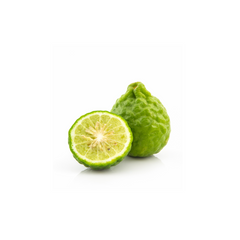
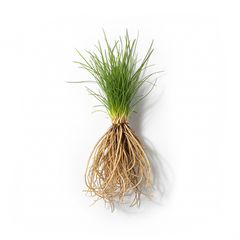
A classic mate accord is constructed by blending Mate Absolute (25–30%), Bergamot (20–25%), Vetiver (20–25%), and Violet Leaf (20–25%). Mate provides the green, smoky backbone; bergamot introduces a bright, citrusy lift via limonene and linalyl acetate; vetiver adds earthy, woody depth through vetiverol and vetiveryl acetate; and violet leaf imparts a fresh, leafy nuance with ionones, enhancing the green complexity. This combination creates a balanced, multifaceted accord.

30%

Mate Absolute

25–30% of blend

Provides the core green, smoky, and bitter character, driven by pyrazines, linalool, and guaiacol.

25%

Bergamot

20–25% of blend

Adds a bright, citrusy top via limonene and linalyl acetate, counterbalancing mate’s bitterness.

25%

Vetiver

20–25% of blend

Contributes earthy, woody depth through vetiverol and vetiveryl acetate, anchoring the accord.

25%

Violet Leaf

20–25% of blend

Imparts fresh, leafy-green nuances with ionones, enhancing the accord’s complexity and lift.

The Olfactory Layers

How Mate Evolves on Skin

Mate’s olfactory evolution begins with a sharp green-herbaceous burst, transitions to a smoky, hay-like heart, and settles into a leathery, earthy base. Volatility decreases as heavier phenolic and fatty acid components persist.

I
Top notes
0–15 min
Herbal Green Burst

The opening is marked by high-volatility green molecules such as cis-3-hexenol and linalool, delivering a crushed-stem freshness and herbal sharpness. This phase is fleeting, lasting 10–15 minutes as these compounds evaporate quickly.

GreenHerbaceousFresh
II
Heart notes
20–60 min
Smoky Hay Drydown

As the top fades, mate’s core emerges: smoky, roasted, and slightly bitter, driven by pyrazines and guaiacol. The hay-like sweetness and tannic dryness become prominent, lasting through the heart’s moderate volatility window.

SmokyBitterHay-like
III
Base notes
Several hours
Leathery Earth Finish

The base is defined by persistent phenolic and fatty acid components, leaving a leathery, earthy, and subtly woody trail. Hexanoic acid and geranyl acetone contribute to the lingering mineral and tobacco-like undertones.

LeatheryEarthyWoody
TOP NOTES Herbal Green Burst 0–15 minutes HEART NOTES Smoky Hay Drydown 20–60 minutes BASE NOTES Leathery Earth Finish Several hours
Through the Ages

The Story of Mate in Perfumery

Mate’s journey in perfumery spans from indigenous South American traditions to its emergence as a modern green note in niche fragrances.

Pre-Columbian

Guarani Use of Yerba Mate

Indigenous Guarani peoples of Paraguay and Argentina cultivate and consume yerba mate as a ritual beverage, laying the foundation for its cultural and aromatic significance.

1645

Jesuit Commercialization

Pope Innocent X grants the Jesuits of Paraguay formal permission to trade yerba mate, making it one of the first plant commodities with papal commercial sanction.

19th Century

Expansion of Mate Cultivation

Large-scale mate plantations are established in Argentina and Brazil, with innovations in smoke-curing and drying techniques that shape the modern aromatic profile.

1990s

Mate Enters Modern Perfumery

Perfumers begin using mate absolute to add green, smoky complexity to masculine fragrances, notably in neo-cologne and fougère structures.

2013

Memo Paris Irish Leather Launch

Memo Paris Irish Leather, by Aliénor Massenet, brings mate to prominence as a dominant note, inspiring a wave of green-leathery compositions.

2020s

Mate in Niche and Mainstream Scents

Mate becomes a staple in both niche and designer fragrances, valued for its versatility and unique scent profile.

The Art of Layering

How to Layer Mate

Understanding how to layer mate is essential for creating harmonious, multidimensional fragrances. Mate’s molecular structure—rich in pyrazines, linalool, and guaiacol—makes it compatible with citrus, woods, and florals, enabling olfactory bridges and masking effects.

01

Enhance Freshness

Layer mate with bergamot or lemon-based fragrances. The shared presence of linalool and limonene creates a molecular bridge, amplifying green and citrus freshness. Memo Paris Irish Leather demonstrates this synergy, where mate and citrus notes intertwine seamlessly.

02

Deepen Earthiness

Combine mate with vetiver or patchouli. Vetiverol and pyrazines interact to reinforce earthy, woody undertones, while patchouli’s patchoulol softens mate’s bitterness. Byredo Mixed Emotions uses this pairing to ground the herbal complexity.

03

Soften Bitterness

Layer mate with violet leaf or jasmine. Ionones from violet leaf mask mate’s tannic edge, while jasmine’s indoles add a floral lift. Maison Martin Margiela Matcha Meditation blends mate with white florals for a balanced, soothing effect.

Wear It Right

How to Wear Mate Like a Pro

Seasonal Guide

Fall & Winter

Cooler temperatures slow mate’s volatility, allowing the smoky, leathery base to linger. Apply to pulse points under clothing for a subtle, warming effect. The earthy bitterness pairs well with woods and spices in layered compositions.

Spring

Spring’s moderate warmth enhances mate’s green and herbal facets. Layer with citrus or floral notes to emphasize freshness. Apply lightly to avoid overpowering delicate spring florals.

Summer

Heat increases mate’s volatility, intensifying its green top notes but shortening longevity. Use sparingly and pair with citrus or aquatic notes for a refreshing, brisk effect. Avoid heavy application to prevent bitterness from dominating.

Year-Round Tip

Mate adapts well to changing climates. Adjust application and layering partners seasonally: woods and spices in winter, citrus and florals in summer. Always test on skin to gauge projection and evolution.

Application Points

Strategic application of mate fragrances maximizes their green, smoky complexity and ensures balanced projection.

1

Neck

Pulse points on the neck radiate heat, intensifying mate’s green and smoky top notes for immediate impact. This area helps the scent evolve quickly.

2

Behind the Ears

Application here allows the fragrance to interact with natural oils, extending the longevity of mate’s earthy, leathery base notes.

3

Inner Wrists

Wrist warmth accelerates mate’s transition from green to smoky, making it ideal for experiencing the full evolution of the note.

4

Hair

Spraying mate-infused fragrance on hair provides a gentle, sustained release of green and herbal facets throughout the day.

★

Pro Tip

Layer mate with a citrus or floral scent on separate pulse points for a multidimensional effect, or apply to clothing for a longer-lasting, less skin-dependent projection.

Mood Architecture™

Top Mate Fragrances by Mood Score

These Mate-based fragrances scored highest on the MEI™ Mood Architecture Framework — measuring how a scent may influence your emotional state.

Highest MEI Score
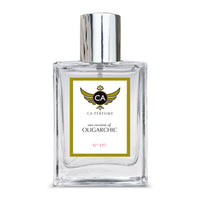
Oligarchic — Oligarch Alternative Cologne
7.4
MEI™
Primary Romantic
Secondary Confident
Confidence
6.75
Presence
7.71
Mood Lift
7.82
Identity
7.35
Warmth
8.25
Social Ease
7.36
Energy
5.17
" I am beautiful.
View full mood profile →
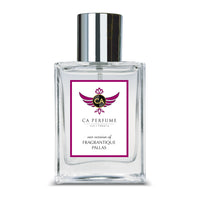
Fragrantique Pallas — PERFUMISTA AVENUE Alternative Perfume
7.1
MEI™
Primary Romantic
Secondary Confident
Confidence
7.2
Presence
7.21
Mood Lift
7.52
Identity
6.91
Warmth
7.3
Social Ease
6.78
Energy
3.85
" I am beautiful.
View full mood profile →
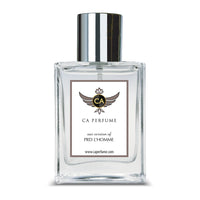
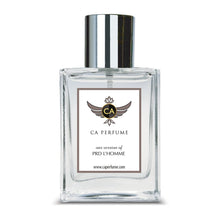
PRD L'homme — L Alternative Cologne
#3
PRD L'homme — L Alternative Cologne
Starting from $14.99
6.9
MEI™
Primary Confident
Secondary Romantic
Confidence
6.9
Presence
7.35
Mood Lift
6.8
Identity
7.2
Warmth
7.8
Social Ease
6.4
Energy
4.03
" I am powerful.
View full mood profile →
Godolphin — Parfums De Marly Godolphin Alternative Cologne
6.9
MEI™
Primary Fresh
Secondary Romantic
Confidence
6.25
Presence
6.75
Mood Lift
8.25
Identity
6.75
Warmth
6.25
Social Ease
7.25
Energy
4.08
" I am radiant.
View full mood profile →
HumanSafe™

Top Mate Fragrances by HumanSafe™ Score

These Mate-based fragrances have the highest product-level HumanSafe™ scores in this ingredient collection.

Highest HumanSafe™ Score
Winter Place — Winter Palace Alternative Perfume
A-
HumanSafe™ Score Generally Safe
Safest Evaluated Ingredients EDP
AQUA Solvent / Carrier ISS 10.0
1,4-DIOXACYCLOHEPTADECANE-5,17-DIONE Evaluated ingredient ISS 10.0
CITRAL Evaluated ingredient ISS 8.0
2H-1-BENZOPYRAN-2-ONE Evaluated ingredient ISS 8.0
LINALYL ACETATE Evaluated ingredient ISS 7.0
LINALOOL Evaluated ingredient ISS 7.0
View full safety profile →
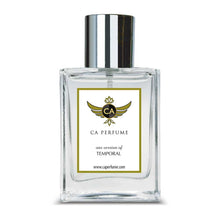
Temporal — Tempo Alternative Perfume
#2
Temporal — Tempo Alternative Perfume
Starting from $14.99
A-
HumanSafe™ Score Generally Safe
Safest Evaluated Ingredients EDP
AQUA Solvent / Carrier ISS 10.0
1,4-DIOXACYCLOHEPTADECANE-5,17-DIONE Evaluated ingredient ISS 10.0
3-BUTEN-2-ONE, 3-METHYL-4-(2,6,6-TRIMETHYL-2- Evaluated ingredient ISS 8.0
LINALYL ACETATE Evaluated ingredient ISS 7.0
LINALOOL Evaluated ingredient ISS 7.0
ALCOHOL DENAT. Solvent / Carrier ISS 7.0
View full safety profile →
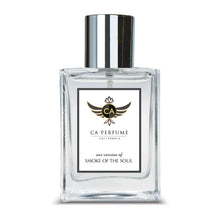
Smoke Of The Soul — Smoke For The Soul Alternative Perfume
A-
HumanSafe™ Score Generally Safe
Safest Evaluated Ingredients EDP
AQUA Solvent / Carrier ISS 10.0
4H-INDEN-4-ONE, 1,2,3,5,6,7-HEXAHYDRO-1,1,2,3,3- Evaluated ingredient ISS 9.0
2-OXABICYCLO[2.2.2]OCTANE, 1,3,3-TRIMETHYL- Evaluated ingredient ISS 9.0
CEDROL Evaluated ingredient ISS 7.0
ALPHA-CEDRENE Evaluated ingredient ISS 7.0
ALCOHOL DENAT. Solvent / Carrier ISS 7.0
View full safety profile →
PRD L'homme — L Alternative Cologne
#4
PRD L'homme — L Alternative Cologne
Starting from $14.99
A-
HumanSafe™ Score Generally Safe
Safest Evaluated Ingredients EDP
AQUA Solvent / Carrier ISS 10.0
1,4-DIOXACYCLOHEPTADECANE-5,17-DIONE Evaluated ingredient ISS 10.0
2-OXABICYCLO[2.2.2]OCTANE, 1,3,3-TRIMETHYL- Evaluated ingredient ISS 9.0
2H-1-BENZOPYRAN-2-ONE Evaluated ingredient ISS 8.0
LINALYL ACETATE Evaluated ingredient ISS 7.0
LINALOOL Evaluated ingredient ISS 7.0
View full safety profile →
Expert Voices

What Masters Say About Mate

“
Mate absolute functions as a bridge between fresh citrus heads and resinous or woody bases. Its phenolic backbone anchors volatile top notes while its green facet keeps heavier materials from clogging.
Première Peau Editorial
“
Mate’s scent profile is a complex blend of green, herbaceous, and smoky notes, with a subtle hint of a sweet, tea-like quality.
CA Perfume Editorial
Common Questions

Frequently Asked Questions

Answers to the most common questions about mate in perfumery.

Mate in perfume smells green, smoky, and bitter, with nuances of dried hay, roasted tea, and subtle tobacco. The scent profile is shaped by pyrazines, linalool, and guaiacol, creating a layered aroma that evolves from fresh herbaceousness to earthy, leathery undertones. Fragrances like Memo Paris Irish Leather and Byredo Mixed Emotions showcase mate’s unique complexity.

Mate is classified as a heart (middle) note in perfumery. Its moderate volatility allows it to bridge the transition between fleeting top notes and long-lasting base notes, providing green, smoky, and bitter character throughout the heart of a composition.

Mate is favored in niche perfumery for its ability to add complexity and individuality. Its green, smoky, and slightly bitter profile offers a distinctive alternative to more common green notes like galbanum or violet leaf, and it pairs well with woods, spices, and citrus. Its versatility is evident in fragrances such as Memo Paris Irish Leather and Maison Martin Margiela Matcha Meditation.

Mate fragrance uses often involve pairing with citrus (bergamot, lemon), woods (vetiver, sandalwood), florals (violet leaf, jasmine), and spices. These combinations enhance mate’s green, smoky, or earthy facets, as seen in Byredo Mixed Emotions and Memo Paris Inlé.

Mate’s green, herbal freshness makes it suitable for summer, especially when blended with citrus or aquatic notes. However, its smoky and bitter undertones can become more pronounced in heat, so lighter application and pairing with fresh notes are recommended for hot weather.

Mate fragrances generally last 4–7 hours on skin, depending on concentration and formulation. The green and smoky heart persists longest, while the initial freshness fades within 30 minutes. Longevity is enhanced in oil-based or higher-concentration formats.

Yes, mate is highly versatile for layering. It can be combined with citrus to enhance freshness, with woods to deepen earthiness, or with florals to soften bitterness. Layering mate with complementary notes creates a multidimensional, personalized scent.

For those new to mate, try Memo Paris Irish Leather, Maison Martin Margiela Matcha Meditation, or Elizabeth Arden White Tea. These fragrances showcase mate’s green, smoky, and tea-like qualities in accessible, balanced compositions.

Explore CA Perfume’s mate collection by sampling different blends—look for compositions that highlight the facets you prefer (green, smoky, or earthy). Consider your seasonal preferences and layering habits, and consult the HumanSafe™ platform for sourcing transparency.

Mate is primarily bitter and green, with subtle hay-like sweetness emerging in the heart. Its bitterness is balanced by pairing with citrus, florals, or woods. The overall impression is more herbal and smoky than sweet, making it ideal for those seeking a complex, non-gourmand green note.

Greens, Herbs and Fougeres Collection

Explore Our Top Mate Fragrances

Discover mate’s green, smoky complexity in our curated collection. Each fragrance highlights a different facet, from herbal freshness to earthy depth.

Shop all mate fragrances at CA Perfume →

Where Mate Comes From — Origin & Extraction

Mate is sourced from the leaves of Ilex paraguariensis, a holly species native to the Paraná basin of South America. The primary producing countries are Argentina (accounting for approximately 60% of global production), Brazil (30%), and Paraguay (10%). Annual mate leaf harvests in Argentina alone exceed 300,000 metric tons, with a significant portion dedicated to beverage use and a small fraction processed for perfumery. For perfumery, mate absolute is obtained through solvent extraction of dried, often smoke-cured leaves. The process involves soaking the leaves in volatile solvents (typically hexane or ethanol) at ambient temperatures to preserve delicate aroma compounds. The resulting concrete is then washed with alcohol to yield a dark green to brown absolute, with yields averaging 0.5–1% by dry weight. Some producers use supercritical CO2 extraction to obtain a purer, more nuanced extract, while steam distillation is rare due to the risk of thermal degradation of key odorants like linalool and pyrazines. Natural mate absolute is costly, with prices ranging from $1,200 to $2,500 per kg, reflecting its low yield and labor-intensive processing. Synthetic mate accords, constructed from pyrazines (e.g., 2,3,5-trimethylpyrazine, CAS 14667-55-1), cis-3-hexenol (CAS 928-96-1), and guaiacol (CAS 90-05-1), are more affordable at $80–$300 per kg. Sustainability concerns focus on deforestation and monoculture plantations in South America, but mate crops are generally less destructive than other cash crops. Certified organic and fair-trade mate absolutes are increasingly available, and the HumanSafe™ platform tracks sourcing transparency for CA Perfume’s mate supply.

Famous Fragrances That Define Mate in Perfumery

Mate has become a defining note in several influential fragrances, especially in the last two decades. Memo Paris Irish Leather (2013, perfumer Aliénor Massenet) is widely recognized for its use of mate as a dominant, green-leathery heart, paired with juniper, leather, and tonka bean to evoke the open grasslands of South America. Byredo Mixed Emotions (2020, Jérôme Epinette) explores the bittersweet, herbal complexity of mate, blending it with black currant, birch woods, and violet leaf for a modern, introspective scent. Maison Martin Margiela Matcha Meditation (2021, Maurice Roucel and Alexandra Carlin) uses mate alongside matcha tea and white chocolate, highlighting its green, smoky, and slightly bitter qualities. Memo Paris Inlé (2007, Olivia Giacobetti) employs mate to bridge osmanthus, mint, and jasmine in a delicate, tea-inspired composition. Elizabeth Arden White Tea (2017, Rodrigo Flores-Roux, Guillaume Flavigny, and Caroline Sabas) features mate as a supporting note, adding depth and a subtle green bitterness to the white tea accord. Earlier, Lorenzo Villoresi Yerbamate (2001, Lorenzo Villoresi) showcased mate’s green and herbal facets, blending it with mint, hay, and galbanum. These fragrances illustrate mate’s versatility as both a dominant and supporting note, often paired with citrus, woods, florals, and spices. CA Perfume’s mate-based collection draws inspiration from this lineage, offering both classic and contemporary interpretations.

Natural vs Synthetic Mate in Perfumery

Natural mate absolute is a complex extract containing dozens of volatile and semi-volatile compounds, including linalool (approx. 8%), alpha-terpineol (2%), geranyl acetone, hexanoic acid, and phenolic molecules like guaiacol and 4-vinylguaiacol. Its performance in fragrance is marked by moderate diffusion, medium longevity (4–7 hours), and a distinctive evolution from green to smoky to leathery. However, natural mate is expensive, batch-variable, and can introduce trace allergens. Synthetic mate accords are built from a combination of aroma chemicals: pyrazines (such as 2,3,5-trimethylpyrazine, CAS 14667-55-1) for roasted, earthy notes; cis-3-hexenol (CAS 928-96-1) for green freshness; and guaiacol (CAS 90-05-1) for smoky, phenolic character. These synthetics offer greater consistency, stability, and IFRA-compliant safety profiles, with costs typically 5–10 times lower than natural absolute. Notable fragrances using synthetic mate include Maison Martin Margiela Matcha Meditation and Byredo Mixed Emotions. From a sustainability perspective, synthetics reduce pressure on South American ecosystems and offer a more reliable supply chain. CA Perfume’s HumanSafe™ platform ensures full transparency on mate sourcing, whether natural or synthetic, and verifies IFRA compliance for all formulae. The choice between natural and synthetic mate depends on the desired olfactory effect, cost constraints, and sustainability priorities.