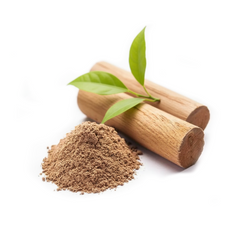
Ingredient Guide · Woody Spicy
Woody Spicy Family · Perfumery Note

Mastic

Mediterranean resin with pine, balsamic, and mineral facets.

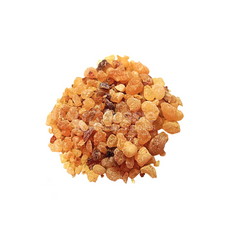
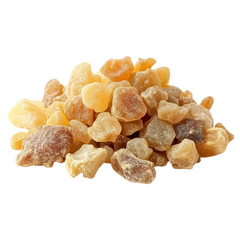
Mastic is a base note in perfumery, prized for its resinous, pine-like, and subtly sweet aroma. Its defining quality comes from terpenic and balsamic molecules, lending complexity and fixative strength at concentrations below 5%.

Ingredient Profile

Mastic

Woody Spicy Family
Family Woody Spicy
Note Position Base Note
Usage Level <5%
Key Origins Greece, Turkey, Cyprus
Iconic In Acqua di Giò Profondo, Noir Extreme
The Ingredient

What does Mastic smell like and why is it prized in perfumery?

Mastic, derived from the resin of Pistacia lentiscus, is recognized in perfumery for its unique scent profile—a blend of fresh balsamic, pine, and turpentine-like notes, underpinned by subtle sweetness and mineral nuances. The primary odorants include α-pinene, β-myrcene, limonene, and verbenone, which together create a radiant, sparkling green opening reminiscent of sun-warmed pine needles. This is followed by a sophisticated balsamic-woody heart and a persistent, slightly sweet, resinous drydown. The mastic scent profile is often described as calming, grounding, and evocative of Mediterranean landscapes. In perfumery, mastic is classified as a base note due to its low volatility and excellent fixative properties. It is typically used at concentrations below 5%, where even minimal amounts can impart a profound richness and complexity to a fragrance. Mastic in perfumery acts as both a modifier and a fixative, anchoring lighter notes and extending longevity. Its interaction with skin chemistry is notable—on warmer, more acidic skin, the piney and green aspects are accentuated, while on drier or more alkaline skin, the balsamic and mineral undertones become more prominent. This variability makes mastic a versatile tool for perfumers seeking depth and naturalistic texture. Several modern and classic fragrances showcase mastic’s unique character. In Giorgio Armani’s Acqua di Giò Profondo (2020), mastic is used to enhance the marine and mineral facets, while in Tom Ford’s Noir Extreme (2015), it supports spicy and woody notes. Prada’s Infusion d’Iris (2007) employs mastic for its fixative power and subtle green undertones, and Parfum d’Empire’s Corsica Furiosa (2014) uses it as a dominant note to evoke the wild, herbal landscape of Corsica. These examples demonstrate how mastic in perfumery can serve as both a subtle enhancer and a signature note.

1–3 Sprays
Due to mastic’s potency and fixative strength, only 1–3 sprays are needed for a noticeable, long-lasting effect. Overapplication can overwhelm lighter notes.
6–8 Hours
Mastic’s resinous, low-volatility molecules provide typical longevity of 6–8 hours on skin, anchoring the fragrance’s drydown.
<5%
In finished fragrances, mastic is used at concentrations below 5% to avoid overpowering the blend while maximizing fixative and resinous qualities.
Origin & Extraction

Where Mastic Comes From — Origin & Extraction

Mastic’s scent is shaped by Mediterranean terroir—sun, limestone soils, and coastal winds yield resin with piney, mineral, and balsamic nuances. Each origin imparts subtle differences in aroma and yield.

Mastic is a natural resin obtained from Pistacia lentiscus, a shrub native to the Mediterranean basin. The most renowned mastic comes from the southern region of Chios, Greece, where the trees are cultivated under Protected Designation of Origin (PDO) status. Chios mastic accounts for the majority of global production, with annual yields ranging from 60 to 400 grams per tree and a total output of several hundred metric tons per year. Other significant sources include regions in Turkey (notably the Aegean coast) and Cyprus, with smaller-scale production in Morocco and the South of France. Extraction of mastic resin involves scoring the bark of mature trees during the dry summer months, allowing the resin to exude and solidify into translucent 'tears.' The raw resin is collected manually, cleaned, and sorted by size and clarity. For perfumery, mastic absolute is typically obtained via solvent extraction (using hexane or ethanol) or supercritical CO₂ extraction. Steam distillation is used primarily for mastic leaf oil, which is more herbaceous and green, but less prized for its fixative properties. Extraction yields are relatively low, contributing to the high cost of natural mastic absolute—typically $3,000–6,000 per kg. In contrast, synthetic analogues such as safranal or terpenic blends can be produced for $50–200 per kg, offering consistency but less olfactory complexity. Sustainability is a key consideration in mastic production. Chios mastic is harvested using traditional, low-impact methods, and the PDO system ensures traceability and ecological stewardship. However, climate change and disease (notably the 2012 wildfires in Chios) have threatened supply, prompting research into disease-resistant cultivars and improved harvesting practices. Synthetic substitutes help relieve pressure on wild populations, but the unique terroir of Chios remains irreplaceable for high-grade mastic in perfumery.

GR

Greece

Chios island, especially the Mastichochoria villages, produces PDO-certified mastic with a dense, oleaginous, piney aroma. Annual output: 150–200 metric tons. Harvested by hand, sun-cured, and prized for clarity and purity.

TR

Turkey

Aegean coastal regions (notably Çeşme) yield mastic with a slightly greener, less balsamic profile. Production is smaller—tens of tons per year—often used in both culinary and perfumery applications.

CY

Cyprus

Southern Cyprus produces mastic with a more mineral, slightly herbal scent. Used historically in incense and perfumery, output is modest but valued for its traditional extraction methods.

MA

Morocco

Northern Morocco, especially the Rif mountains, supplies mastic leaf oil via steam distillation. The oil is greener and more herbaceous, used as a modifier in niche perfumery.

Chemistry

Natural vs Synthetic Mastic in Perfumery

Natural mastic absolute is a complex mixture of monoterpenes and sesquiterpenes, including α-pinene (CAS 80-56-8), β-myrcene (CAS 123-35-3), and limonene (CAS 138-86-3). These molecules provide the characteristic piney, balsamic, and slightly sweet aroma. Natural mastic is prized for its variability and depth, but this complexity also leads to batch-to-batch variation and potential allergenicity. Synthetic mastic substitutes are typically constructed from key aroma chemicals such as safranal (CAS 116-26-7), verbenone (CAS 1196-01-6), and isophorone (CAS 78-59-1). These synthetics offer greater consistency, stability, and cost-effectiveness—$50–200/kg compared to $3,000–6,000/kg for natural absolute. Performance-wise, synthetics can provide longer-lasting, more linear diffusion, but may lack the nuanced evolution and fixative power of genuine mastic resin. Notable fragrances using synthetic mastic analogues include Escentric Molecules Escentric 05 and various mainstream designer scents where cost and IFRA compliance are priorities. Sustainability and transparency are central to CA Perfume’s approach, with all mastic-containing formulas verified through the HumanSafe™ platform. This ensures traceable sourcing, allergen disclosure, and a balance between natural and synthetic components to minimize ecological impact while preserving olfactory authenticity.

Natural
Mastic Absolute
Cost $3,000–6,000/kg
Method Solvent / CO₂
Character Complex, variable
vs
Synthetic
Safranal & Analogues
Cost $50–200/kg
Method Lab synthesis
Character Consistent, stable
Hall of Fame

Famous Fragrances That Define Mastic in Perfumery

2020
supporting note

Acqua di Giò Profondo

Giorgio Armani
by Alberto Morillas
marine notespatchoulimineral accord
2015
bridge note

Noir Extreme

Tom Ford
by Sonia Constant
cardamomsandalwoodvanilla
2007
fixative and accent

Infusion d’Iris

Prada
by Daniela Andrier
irisnerolibenzoin
2014
dominant note

Corsica Furiosa

Parfum d’Empire
by Marc-Antoine Corticchiato
tomato leafgalbanumoakmoss
2012
fixative and accent

Habanita Eau de Parfum

Molinard
by Thomas Fontaine
vetiverleathervanilla

Mastic has played a subtle yet influential role in both niche and mainstream perfumery. In Giorgio Armani’s Acqua di Giò Profondo (2020, perfumer Alberto Morillas), mastic is used to reinforce the mineral, aquatic heart, blending seamlessly with marine notes and patchouli. Tom Ford’s Noir Extreme (2015, Sonia Constant) employs mastic as a bridge between spicy cardamom and creamy sandalwood, lending a balsamic undertone. Prada’s Infusion d’Iris (2007, Daniela Andrier) features mastic as a fixative and green accent, supporting iris and neroli. Parfum d’Empire’s Corsica Furiosa (2014, Marc-Antoine Corticchiato) is a modern showcase of mastic’s dominant, wild herbal character, paired with tomato leaf and galbanum to evoke the Corsican maquis. Molinard’s Habanita Eau de Parfum (2012 reformulation, Thomas Fontaine) uses mastic for its fixative and slightly smoky, resinous qualities, enhancing the blend of vetiver, leather, and vanilla. CA Perfume’s collection draws inspiration from these landmark uses, offering both classic and contemporary interpretations of mastic’s Mediterranean signature.

The Accord

How is a captivating Mastic accord crafted?

A classic mastic accord balances resinous warmth with green, creamy, and balsamic elements. Typical proportions: Mastic 25–30%, Myrrh 20–25%, Galbanum 20–25%, Sandalwood 25–30%. Myrrh amplifies the earthy, mystical depth; galbanum provides a sharp, green lift; sandalwood smooths the blend with lactonic, woody softness. This synergy highlights mastic’s complexity and fixative power.

30%

Mastic

25–30% of blend

Provides the resinous, piney, and balsamic backbone; α-pinene and β-myrcene deliver fixative power and Mediterranean character.

25%

Myrrh

20–25% of blend

Adds warm, earthy, and smoky facets via furanoeudesma-1,3-diene, deepening the accord’s mystical, ancient resin signature.

25%

Galbanum

20–25% of blend

Contributes sharp, green, and slightly bitter notes through isoamyl acetate and galbanol, lifting the mastic’s balsamic core.

30%

Sandalwood

25–30% of blend

Smooths and rounds the accord with creamy, lactonic santalol molecules, enhancing longevity and softening the resinous edges.

The Olfactory Layers

How Mastic Evolves on Skin

Mastic’s olfactory evolution begins with a radiant, terpenic green burst (0–15 min), transitions to a balsamic-woody heart (20–60 min), and settles into a persistent, resinous-mineral base (several hours). Volatility decreases as heavier sesquiterpenes anchor the scent.

I
Top notes
0–15 min
Pine-Green Radiance

The initial impression is sparkling, green, and piney, dominated by α-pinene and limonene. These high-volatility monoterpenes evaporate quickly, creating a fresh, almost camphoraceous lift reminiscent of sun-warmed pine needles and Mediterranean breezes.

PineyGreenTerpenic
II
Heart notes
20–60 min
Balsamic Depth

As the top notes dissipate, the heart reveals a balsamic, slightly sweet, and woody character. β-myrcene and verbenone emerge, providing depth and a subtle mineral undertone. The scent becomes rounder, with hints of herbal and earthy facets.

BalsamicWoodyHerbal
III
Base notes
Several hours
Resinous Persistence

The drydown is resinous, mineral, and persistent, anchored by heavier sesquiterpenes and resin acids. The fixative quality of mastic ensures a long-lasting, subtly sweet, and grounding scent that lingers on skin and fabric.

ResinousMineralPersistent
TOP NOTES Pine-Green Radiance 0–15 minutes HEART NOTES Balsamic Depth 20–60 minutes BASE NOTES Resinous Persistence Several hours
Through the Ages

The Story of Mastic in Perfumery

Mastic’s history in perfumery spans millennia, from ancient incense to modern niche compositions. Its Mediterranean legacy and fixative power have made it a valued ingredient across eras.

Antiquity

Mastic in Ancient Incense and Medicine

Mastic resin was used in ancient Egypt and Greece for incense, medicine, and cosmetics. Chios mastic was called 'the fragrance that pleases the gods' and was a key ingredient in Kyphi incense.

16th Century

Venetian Trade and European Perfume

Venetian merchants imported Chios mastic to Europe, where it was used in pomanders and early alcohol-based perfumes. Its fixative properties were prized by Renaissance perfumers.

1921

Mastic in Modern Perfume Bases

French and Italian perfumers began incorporating mastic absolute into chypre and fougère bases, exploiting its green, balsamic qualities for structure and longevity.

2007

Prada Infusion d’Iris Launch

Daniela Andrier’s Infusion d’Iris (Prada) used mastic as a subtle fixative and green accent, marking its return to contemporary designer perfumery.

2014–2020

Niche Renaissance and Signature Roles

Corsica Furiosa (2014) and Acqua di Giò Profondo (2020) showcased mastic as a dominant or supporting note, cementing its status in modern niche and luxury perfumery.

The Art of Layering

How to Layer Mastic

Understanding how to layer mastic is key to maximizing its fixative and resinous qualities. Molecular compatibility with citrus, woods, and herbs allows for versatile, nuanced blends.

01

Enhance Green Freshness

Layer mastic with galbanum or vetiver to amplify green, terpenic facets. Both share high levels of isoprene derivatives, creating a seamless molecular bridge. Prada Infusion d’Iris and Parfum d’Empire Corsica Furiosa demonstrate this synergy, yielding a crisp, Mediterranean freshness.

02

Add Balsamic Warmth

Pair mastic with myrrh or frankincense to deepen the balsamic and resinous core. These resins share sesquiterpene and resin acid content, enhancing longevity and complexity. Amouage Jubilation XXV and Molinard Habanita showcase this layered warmth.

03

Brighten with Citrus

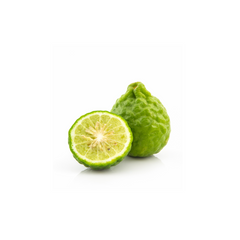
Combine mastic with bergamot or grapefruit for a radiant, uplifting effect. Shared monoterpenes (limonene, α-pinene) enable olfactory masking, softening mastic’s density and highlighting its Mediterranean character. Acqua di Giò Profondo exemplifies this approach.

Wear It Right

How to Wear Mastic Like a Pro

Seasonal Guide

Fall & Winter

In cooler months, mastic’s resinous and balsamic qualities are more subdued, resulting in a softer, longer-lasting scent. Apply to pulse points and under clothing to maximize warmth and diffusion. The fixative nature of mastic ensures a persistent, comforting trail even in dry air.

Spring

Rising temperatures and humidity enhance mastic’s green, piney top notes. Layer with citrus or herbal fragrances to amplify freshness. Apply sparingly to avoid overwhelming lighter spring scents—mastic’s fixative power can easily dominate in moderate climates.

Summer

Heat increases the volatility of mastic’s terpenes, boosting projection but shortening the duration of the top notes. Use lighter formulations or layer with aquatic and citrus notes for a breezy, Mediterranean effect. Apply to cooler body areas (inner elbows, behind knees) for a more gradual release.

Year-Round Tip

Adjust application based on humidity and temperature: more in dry, cold weather; less in heat or high humidity. Mastic’s versatility makes it suitable for both day and night, but always consider its fixative strength when layering.

Application Points

Strategic application enhances mastic’s projection and longevity. Target pulse points and textured areas for optimal diffusion.

1

Neck

Applying mastic-rich fragrances to the neck leverages body heat, accelerating the release of piney and balsamic top notes. The area’s warmth enhances projection during the first hour.

2

Behind the Ears

This area retains scent longer due to lower sebaceous activity. Mastic’s fixative molecules linger, allowing the resinous drydown to persist throughout the day.

3

Inner Wrists

Pulse points on the wrists amplify mastic’s initial green radiance. Frequent movement aids diffusion, but increased friction may accelerate evaporation of lighter terpenes.

4

Hair

Spraying lightly on hair captures mastic’s volatile terpenes, providing a subtle, long-lasting scent trail. Hair’s porous structure holds the resinous aroma without rapid dissipation.

Pro Tip

Layer mastic with unscented moisturizer on skin before application to slow evaporation and enhance longevity. This technique is especially effective in dry climates.

HumanSafe™

Mastic Safety Profile in Our Fragrances

No ingredient collection was found for mastic.

Create or connect a collection with the same handle as this ingredient, then add products that contain this ingredient.

Expert Voices

What Masters Say About Mastic

Chios mastic is a dense and oleaginous resin, yet very fresh-smelling, almost turpenic in scent, with a pine top note and a liquorish aftertaste that is memorable.
Elena Vosnaki, Fragrantica Editor
Mastic’s fixative power and resinous complexity make it a uniquely Mediterranean signature in both classic and modern perfumery.
CA Perfume Editorial
Common Questions

Frequently Asked Questions

Answers to common technical and practical questions about mastic in perfumery.

Mastic in perfume smells resinous, piney, and slightly sweet, with a balsamic and mineral undertone. Its scent profile is shaped by α-pinene, β-myrcene, and limonene, creating a fresh, green opening that evolves into a warm, persistent drydown. Mastic is often described as evocative of Mediterranean landscapes and is valued for its fixative power and subtle complexity.

Mastic is primarily used as a base note in perfumery due to its low volatility and excellent fixative properties. It anchors lighter notes and provides longevity, though mastic leaf oil can sometimes function as a heart note in green, aromatic compositions.

Mastic is favored in niche perfumery for its unique resinous, piney, and mineral profile, which adds complexity and naturalistic texture to compositions. Its Mediterranean heritage and fixative strength make it a signature note in many artisanal and luxury fragrances.

Mastic fragrance uses include pairing with galbanum, myrrh, frankincense, sandalwood, and citrus notes like bergamot. These combinations enhance mastic’s green, balsamic, or woody facets and are demonstrated in fragrances such as Corsica Furiosa and Acqua di Giò Profondo.

Yes, mastic can be worn in summer, especially in lighter formulations or when paired with citrus and aquatic notes. Its piney, green facets are invigorating in heat, but apply sparingly to avoid overwhelming projection.

Mastic’s resinous molecules provide excellent longevity, typically lasting 6–8 hours on skin. Its fixative properties help anchor other notes, ensuring a persistent drydown even in lighter concentrations.

Yes, mastic is highly versatile for layering. It blends well with green, woody, and citrus notes, enhancing complexity and longevity. For best results, layer with complementary molecules such as galbanum or bergamot, as seen in Prada Infusion d’Iris and Parfum d’Empire Corsica Furiosa.

Beginner-friendly mastic fragrances include Giorgio Armani Acqua di Giò Profondo, Prada Infusion d’Iris, and Tom Ford Noir Extreme. These scents showcase mastic’s resinous and green qualities in balanced, accessible blends.

Consider your preferred scent profile—if you enjoy green, resinous, or Mediterranean-inspired fragrances, explore CA Perfume’s mastic collection. Each fragrance is HumanSafe™ verified for transparency and allergen disclosure.

Mastic’s scent is primarily clean, piney, and balsamic, with only subtle smoky undertones when paired with myrrh or frankincense. Its overall impression is fresh and mineral rather than heavy or smoky.

Woody Spicy Collection

Explore Our Top Mastic Fragrances

Discover mastic’s resinous, piney, and balsamic signature in CA Perfume’s curated collection—each blend highlights Mediterranean complexity.

Shop all mastic fragrances at CA Perfume →

Where Mastic Comes From — Origin & Extraction

Mastic is a natural resin obtained from Pistacia lentiscus, a shrub native to the Mediterranean basin. The most renowned mastic comes from the southern region of Chios, Greece, where the trees are cultivated under Protected Designation of Origin (PDO) status. Chios mastic accounts for the majority of global production, with annual yields ranging from 60 to 400 grams per tree and a total output of several hundred metric tons per year. Other significant sources include regions in Turkey (notably the Aegean coast) and Cyprus, with smaller-scale production in Morocco and the South of France. Extraction of mastic resin involves scoring the bark of mature trees during the dry summer months, allowing the resin to exude and solidify into translucent 'tears.' The raw resin is collected manually, cleaned, and sorted by size and clarity. For perfumery, mastic absolute is typically obtained via solvent extraction (using hexane or ethanol) or supercritical CO₂ extraction. Steam distillation is used primarily for mastic leaf oil, which is more herbaceous and green, but less prized for its fixative properties. Extraction yields are relatively low, contributing to the high cost of natural mastic absolute—typically $3,000–6,000 per kg. In contrast, synthetic analogues such as safranal or terpenic blends can be produced for $50–200 per kg, offering consistency but less olfactory complexity. Sustainability is a key consideration in mastic production. Chios mastic is harvested using traditional, low-impact methods, and the PDO system ensures traceability and ecological stewardship. However, climate change and disease (notably the 2012 wildfires in Chios) have threatened supply, prompting research into disease-resistant cultivars and improved harvesting practices. Synthetic substitutes help relieve pressure on wild populations, but the unique terroir of Chios remains irreplaceable for high-grade mastic in perfumery.

Famous Fragrances That Define Mastic in Perfumery

Mastic has played a subtle yet influential role in both niche and mainstream perfumery. In Giorgio Armani’s Acqua di Giò Profondo (2020, perfumer Alberto Morillas), mastic is used to reinforce the mineral, aquatic heart, blending seamlessly with marine notes and patchouli. Tom Ford’s Noir Extreme (2015, Sonia Constant) employs mastic as a bridge between spicy cardamom and creamy sandalwood, lending a balsamic undertone. Prada’s Infusion d’Iris (2007, Daniela Andrier) features mastic as a fixative and green accent, supporting iris and neroli. Parfum d’Empire’s Corsica Furiosa (2014, Marc-Antoine Corticchiato) is a modern showcase of mastic’s dominant, wild herbal character, paired with tomato leaf and galbanum to evoke the Corsican maquis. Molinard’s Habanita Eau de Parfum (2012 reformulation, Thomas Fontaine) uses mastic for its fixative and slightly smoky, resinous qualities, enhancing the blend of vetiver, leather, and vanilla. CA Perfume’s collection draws inspiration from these landmark uses, offering both classic and contemporary interpretations of mastic’s Mediterranean signature.

Natural vs Synthetic Mastic in Perfumery

Natural mastic absolute is a complex mixture of monoterpenes and sesquiterpenes, including α-pinene (CAS 80-56-8), β-myrcene (CAS 123-35-3), and limonene (CAS 138-86-3). These molecules provide the characteristic piney, balsamic, and slightly sweet aroma. Natural mastic is prized for its variability and depth, but this complexity also leads to batch-to-batch variation and potential allergenicity. Synthetic mastic substitutes are typically constructed from key aroma chemicals such as safranal (CAS 116-26-7), verbenone (CAS 1196-01-6), and isophorone (CAS 78-59-1). These synthetics offer greater consistency, stability, and cost-effectiveness—$50–200/kg compared to $3,000–6,000/kg for natural absolute. Performance-wise, synthetics can provide longer-lasting, more linear diffusion, but may lack the nuanced evolution and fixative power of genuine mastic resin. Notable fragrances using synthetic mastic analogues include Escentric Molecules Escentric 05 and various mainstream designer scents where cost and IFRA compliance are priorities. Sustainability and transparency are central to CA Perfume’s approach, with all mastic-containing formulas verified through the HumanSafe™ platform. This ensures traceable sourcing, allergen disclosure, and a balance between natural and synthetic components to minimize ecological impact while preserving olfactory authenticity.