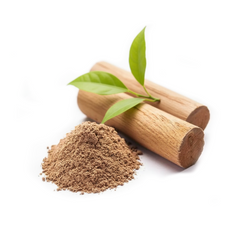
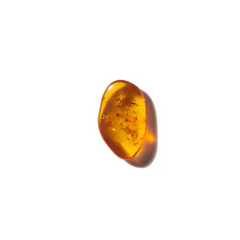
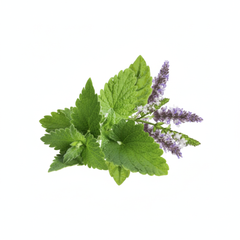
Ingredient Guide · Amber Spicy
Amber Spicy Family · Perfumery Note

Liquor

Exploring spirited notes in modern perfumery

Liquor in perfumery refers to fragrance notes derived from distilled spirits such as rum, cognac, and whiskey, used primarily as heart or base notes. These notes are characterized by warm, boozy, and spicy facets, often extracted via hydrodistillation or tincture methods.

Liquor
Ingredient Profile

Liquor

Amber Spicy Family
Family Amber Spicy
Note Position Heart Note
Usage Level 0.1–1%
Key Origins France (Cognac), Barbados (Rum), Scotland (Whiskey)
Iconic In Spiritueuse Double Vanille, Aqua Celestia
The Ingredient

What does Liquor smell like and why is it significant in perfumery?

Liquor in perfumery encompasses fragrance notes inspired by distilled alcoholic beverages such as rum, cognac, whiskey, absinthe, and gin. These notes typically present a complex scent profile combining boozy warmth, spicy undertones, woody richness, and sometimes sweet or caramelized nuances. Chemically, these accords are often recreated or enhanced using aroma chemicals that mimic the volatile esters, aldehydes, and phenolic compounds found in aged spirits. In perfumery, liquor notes are generally positioned in the heart or base of a fragrance composition, contributing depth and sensual warmth. Concentrations vary but typically range from 0.1% to 1% in fine fragrances, enough to evoke the essence of the spirit without overpowering. The interaction with skin chemistry can enhance the perception of warmth and sweetness due to ethanol's volatility and the molecular interplay with vanillin, tonka bean, and woody molecules. Notable examples include Guerlain's Spiritueuse Double Vanille (2011) where rum-like warmth blends with vanilla, and Maison Francis Kurkdjian's Aqua Celestia (2017), which features a vodka soda accord with lime and mint. These illustrate liquor's versatility from gourmand to fresh aromatic contexts.

0.1–1%
Typical concentration range of liquor accords in fine fragrance compositions to achieve balanced boozy character without overpowering.
2–7 hours
Average longevity of liquor notes on skin, influenced by formulation and skin chemistry.
$50–3,000/kg
Price range for liquor raw materials and aroma chemicals, with natural extracts at the higher end and synthetics more affordable.
Origin & Extraction

Where Liquor Comes From — Origin & Extraction

Liquor fragrance notes trace their origins to diverse geographical regions, each imparting unique olfactory characteristics influenced by local climate, soil, and production methods.

Liquor fragrance notes derive from various distilled spirits, each with distinct botanical or agricultural origins. Rum originates from sugarcane, primarily produced in the Caribbean and Central America, with Barbados historically noted since 1688. Cognac is a wine brandy from the Cognac region in France, made from white grape varietals such as Ugni Blanc and aged in oak barrels for at least two years. Whiskey, often malted barley-based, is traditionally produced in Scotland and Ireland, with complex distillation and aging processes. Extraction of liquor notes for perfumery involves hydrodistillation of wine lees or spirit residues, solvent extraction, or tincturing (maceration in ethanol). For example, cognac essential oil is obtained by hydrodistillation of cognac lees, yielding a warm, vanilla-tinged aroma. Rum notes may be extracted using volatile solvents to capture gourmand nuances like hazelnut, vanilla, and burnt leather. The cost of natural liquor absolutes or tinctures varies widely, often ranging from $500 to $3,000 per kilogram depending on purity and source. Synthetic aroma chemicals replicating liquor facets are more affordable, costing $50 to $200 per kilogram. Sustainability considerations include the environmental impact of spirit production and ethical sourcing of raw materials. Synthetic molecules offer a more consistent and eco-friendly alternative. Synthetic liquor notes emerged with advances in aroma chemistry in the late 20th century, enabling perfumers to recreate complex spirit accords without relying solely on natural extracts.

FR

France (Cognac)

The Cognac region produces wine brandy from Ugni Blanc grapes, distilled twice and aged in oak barrels for at least two years. The terroir's chalky soils and temperate climate contribute to the smooth, vanilla-tinged cognac notes prized in perfumery. Cognac accounts for a significant share of global brandy production, with strict AOC regulations ensuring quality.

BB

Barbados (Rum)

Barbados is one of the oldest rum-producing regions, with distilleries dating back to the 17th century. The island's tropical climate and fertile volcanic soils yield sugarcane with rich aromatic potential. Rum from Barbados is known for its sweet, spicy, and sometimes smoky notes, which are captured in perfumery extracts.

GB

Scotland (Whiskey)

Scottish malt whiskey is distilled from malted barley and aged in oak casks, often imparting smoky, peaty, and woody aromas. The cool, moist climate and peat-rich soils influence the whiskey's distinctive scent profile, which perfumers replicate to evoke rugged warmth and complexity.

IT

Italy (Limoncello)

Limoncello, a lemon liqueur from Southern Italy, is produced by macerating lemon peels in alcohol. The Mediterranean climate and volcanic soils of regions like Capri contribute to the bright, zesty citrus notes used in perfumery to mimic limoncello's fresh, spirited character.

Chemistry

Natural vs Synthetic Liquor in Perfumery

Natural liquor notes in perfumery come from distillation or tincturing of actual spirits or their residues, such as cognac lees or rum extracts. These natural extracts contain a broad spectrum of molecules including esters, aldehydes, and phenolics, contributing to their complex and authentic aroma. However, natural liquor absolutes can be costly, variable in quality, and sometimes unstable. Synthetic liquor notes rely on aroma chemicals like ethyl maltol (CAS 4940-11-8) for sweet caramelized facets, vanillin (CAS 121-33-5) for creamy vanilla warmth, and isoamyl acetate (CAS 123-92-2) for fruity banana-like notes reminiscent of certain spirits. These synthetics offer enhanced longevity, stability, and batch-to-batch consistency. They also allow perfumers to craft boozy accords without the regulatory and supply challenges of natural extracts. Famous fragrances such as By Kilian's Black Phantom use synthetic rum accords, while Guerlain's Spiritueuse Double Vanille blends natural and synthetic elements. Sustainability concerns favor synthetic molecules due to reduced environmental impact and ethical sourcing. CA Perfume employs the HumanSafe™ platform to ensure transparency and safety in the use of both natural and synthetic liquor ingredients, balancing authenticity with performance and sustainability.

Natural
Liquor Absolute
Cost $3,000–6,000/kg
Method Solvent / CO₂
Character Complex, variable
vs
Synthetic
Safranal & Analogues
Cost $50–200/kg
Method Lab synthesis
Character Consistent, stable
Hall of Fame

Famous Fragrances That Define Liquor in Perfumery

2011
dominant note

Spiritueuse Double Vanille

Guerlain
by Thierry Wasser
VanillaBenzoinRum Accord
2017
accent note

Aqua Celestia

Maison Francis Kurkdjian
by Francis Kurkdjian
MimosaMuskLimeMintVodka Accord
2016
heart note

Memoir Man

Amouage
by Daniel Maurel
AbsintheWormwoodBasilTobaccoLeather
2019
dominant note

Fan Your Flames

Nishane
by Alper Turan
RumCoconutTonka BeanTobaccoCedar
2020
accent note

Creation-E Parfum Cologne

Roja Parfums
by Roja Dove
CognacCitrusSpicesTobaccoVanilla

Liquor notes have been embraced by perfumers to evoke warmth, sensuality, and complexity. Guerlain's Spiritueuse Double Vanille (2011), crafted by Thierry Wasser, prominently features a rum accord blended with vanilla and benzoin, creating a rich gourmand experience. Maison Francis Kurkdjian's Aqua Celestia (2017) uses a vodka soda-inspired accord with lime and mint, delivering a fresh, spirited scent. Amouage's Memoir Man (2016) incorporates absinthe and wormwood, adding an aromatic green and herbal boozy character. Nishane's Fan Your Flames (2019) blends rum with coconut, tonka bean, and tobacco, evoking cozy warmth. Roja Parfums' Creation-E Parfum Cologne (2020) uses cognac accord with citrus and spices for a smooth, elegant nuance. These examples showcase liquor's versatility from gourmand to aromatic and woody contexts. CA Perfume's collection draws inspiration from this lineage, offering nuanced interpretations of liquor notes in contemporary perfumery.

The Accord

How is a captivating Liquor accord crafted?

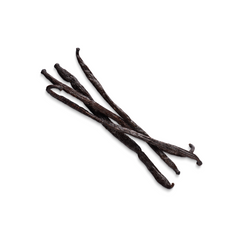
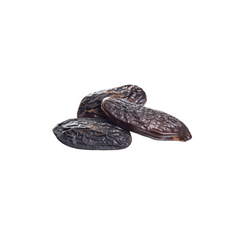
A well-balanced liquor accord typically combines 25-30% liquor note (rum, cognac, or whiskey accord) to provide the characteristic boozy warmth. Around 20-25% vanilla or tonka bean softens the sharpness and adds creamy sweetness. 20-25% woody notes such as sandalwood or cedar contribute depth and longevity. Finally, 20-25% spicy or resinous notes like cinnamon, benzoin, or amber enhance complexity and richness.

30%

Liquor Accord

25–30% of blend

Provides the core boozy warmth and complexity, mimicking aged spirits with esters and aldehydes.

25%

Vanilla

20–25% of blend

Softens the liquor's sharp edges with creamy vanillin molecules, enhancing sweetness and smoothness.

25%

Sandalwood

20–25% of blend

Adds woody depth and fixative properties, prolonging the accord's longevity on skin.

25%

Cinnamon

20–25% of blend

Introduces spicy warmth and resinous facets that complement the liquor's aromatic profile.

The Olfactory Layers

How Liquor Evolves on Skin

Liquor notes in a fragrance unfold from an initial subtle alcoholic sharpness to a warm, rich heart and a lingering woody-spicy base. The top phase lasts about 10-15 minutes, dominated by volatile esters and aldehydes. The heart (20-60 minutes) reveals the boozy warmth and sweet nuances, while the base (several hours) anchors with woody, resinous molecules that provide depth and longevity.

I
Top notes
0–15 min
Sharp & Effervescent

The initial impression features sharp, volatile alcohol-like esters and aldehydes that provide a fresh, slightly pungent boozy facet. These molecules evaporate quickly, creating a sparkling and effervescent opening reminiscent of freshly poured spirits.

BoozyFreshSharp
II
Heart notes
20–60 min
Warm & Spicy

The heart reveals the warm, sweet, and spicy character of liquor notes, with vanillin and tonka bean molecules softening the sharpness. Spices like cinnamon and clove add complexity, while subtle fruity esters evoke aged rum or cognac nuances.

WarmSpicySweet
III
Base notes
Several hours
Woody & Resinous

The base anchors the fragrance with woody and resinous molecules such as sandalwood, amberwood, and patchouli. These compounds provide a lasting depth and a smooth, creamy finish that balances the initial boozy brightness.

WoodyResinousCreamy
TOP NOTES Sharp & Effervescent 0–15 minutes HEART NOTES Warm & Spicy 20–60 minutes BASE NOTES Woody & Resinous Several hours
Through the Ages

The Story of Liquor in Perfumery

The use of liquor-inspired notes in perfumery has evolved from traditional tinctures to sophisticated synthetic accords, reflecting cultural and technological advances.

15th Century

Origins of Cognac Distillation

The distillation of Charentes wine to produce cognac began in the 15th century, laying the foundation for liquor notes in perfumery through the extraction of wine lees.

17th Century

Rum Production in Barbados

Barbados established some of the earliest rum distilleries, creating a spirit whose aromatic complexity later inspired perfumery accords.

18th Century

Double Distillation and Aging Techniques

Refinements in distillation and barrel aging enhanced the aroma profiles of spirits like cognac and whiskey, influencing their olfactory representation in fragrance.

Late 20th Century

Synthetic Liquor Aroma Chemicals Developed

Advances in aroma chemistry enabled the creation of synthetic molecules replicating liquor notes, facilitating their widespread use in perfumery.

2000s–Present

Rise of Boozy Notes in Niche Perfumery

Niche perfumers began prominently featuring liquor accords, with fragrances like Guerlain Spiritueuse Double Vanille (2011) and Amouage Memoir (2016) showcasing boozy warmth.

The Art of Layering

How to Layer Liquor

Understanding how to layer liquor notes involves molecular compatibility and olfactory synergy. Liquor accords blend well with vanilla and tonka bean due to shared sweet vanillin compounds, which soften harsh edges. Woody notes like sandalwood provide a fixative base that anchors volatile liquor esters, enhancing longevity. Spices such as cinnamon and clove share phenolic compounds that harmonize with liquor's warmth. How to layer liquor effectively involves balancing these elements to create a seamless, evolving fragrance experience.

01

Enhance Sweetness

Layer liquor notes with vanilla or tonka bean to amplify creamy sweetness via vanillin molecules, masking sharp alcohol edges. This is exemplified in Guerlain's Spiritueuse Double Vanille.

02

Add Depth

Combine liquor accords with sandalwood or cedar to introduce woody fixatives that prolong scent life and add complexity, as seen in Nishane's Fan Your Flames.

03

Lighten the Glow

Pair liquor notes with fresh citrus or mint to brighten and add freshness, balancing the warmth. Maison Francis Kurkdjian's Aqua Celestia demonstrates this with vodka soda accords.

Wear It Right

How to Wear Liquor Like a Pro

Seasonal Guide

Fall & Winter

Cooler temperatures slow evaporation, allowing liquor notes to unfold slowly, emphasizing warm, spicy, and woody facets. Apply moderately for cozy, enveloping scent experiences.

Spring

Mild temperatures balance volatility and warmth, making liquor notes vibrant yet smooth. Layer with fresh florals or citrus to brighten the composition.

Summer

Heat increases volatility, potentially making liquor notes sharper and more transient. Use lighter applications or combine with aquatic or green notes for freshness.

Year-Round Tip

Adjust application based on climate and personal preference. Use moisturizers to enhance longevity and consider layering with complementary notes to customize warmth and brightness.

Application Points

Strategic application of liquor fragrances enhances their olfactory impact and longevity.

1

Neck

Pulse points like the neck emit heat that activates liquor notes, enhancing their warmth and projection.

2

Behind the Ears

This discreet area allows the liquor scent to gently diffuse, creating an intimate aura.

3

Inner Wrists

Wrists provide warmth and mobility, helping the liquor notes evolve naturally throughout the day.

4

Hair

Hair holds fragrance longer due to lower heat and evaporation, releasing liquor notes softly with movement.

Pro Tip

Layer liquor fragrances over unscented moisturizers to enhance scent longevity and smoothness.

Mood Architecture™

Top Liquor Fragrances by Mood Score

These Liquor-based fragrances scored highest on the MEI™ Mood Architecture Framework — measuring how a scent may influence your emotional state.

Highest MEI Score
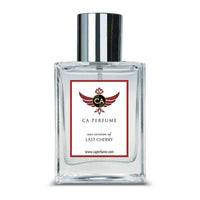
Last Cherry — Tom Ford Lost Cherry Alternative Perfume
6.8
MEI™
Primary Romantic
Secondary Grounding
Confidence
6.37
Presence
6.27
Mood Lift
7.11
Identity
6.08
Warmth
8.38
Social Ease
6.62
Energy
4.9
" I am beautiful.
View full mood profile →
HumanSafe™

Top Liquor Fragrances by HumanSafe™ Score

These Liquor-based fragrances have the highest product-level HumanSafe™ scores in this ingredient collection.

Highest HumanSafe™ Score
Last Cherry — Tom Ford Lost Cherry Alternative Perfume
A-
HumanSafe™ Score Generally Safe
Safest Evaluated Ingredients EDP
AQUA Solvent / Carrier ISS 10.0
3-CYCLOPENTENE-1-ACETALDEHYDE, 2,2,3-TRIMETHYL-, Evaluated ingredient ISS 9.0
2H-1-BENZOPYRAN-2-ONE Evaluated ingredient ISS 8.0
ALCOHOL DENAT. Solvent / Carrier ISS 7.0
1-[(2-TERT-BUTYL)CYCLOHEXYLOXY]-2-BUTANOL Evaluated ingredient ISS 7.0
1,3-BENZODIOXOLE-5-CARBOXALDEHYDE Evaluated ingredient ISS 7.0
View full safety profile →
Expert Voices

What Masters Say About Liquor

Alcohol is the unsung hero of the perfume industry, quietly yet profoundly shaping the scents we love.
House of Monac Fragrance Article
Both wine and scent come from the earth and are perfected with the labor of love.
Krishore Iengar, Parfumerie Nasreen
Common Questions

Frequently Asked Questions

Frequently asked questions about liquor notes in perfumery provide detailed insights.

Liquor in perfume typically smells warm, boozy, and spicy, evoking the aroma of aged spirits like rum, cognac, or whiskey. These notes combine sweet vanilla, caramel, and woody undertones with sharp alcoholic esters, creating a complex, sensual scent. Examples include Guerlain's Spiritueuse Double Vanille and Maison Francis Kurkdjian's Aqua Celestia.

Liquor notes usually function as heart or base notes in fragrance compositions. Their molecular weight and warm, rich character make them suitable for mid to long-lasting phases, providing depth and complexity rather than the fleeting freshness typical of top notes.

Liquor notes add unique warmth, sensuality, and complexity that appeal to niche perfumers seeking distinctive, sophisticated scents. Their versatility allows blending with gourmand, woody, or aromatic families, enhancing olfactory storytelling and emotional resonance.

Liquor fragrance uses often pair well with vanilla, tonka bean, sandalwood, amber, cinnamon, patchouli, and leather. These complementary notes share molecular compounds that harmonize with liquor's boozy warmth, enhancing sweetness, depth, and longevity.

Liquor perfumes can be worn in summer but may feel heavier due to increased volatility and warmth. Lighter applications or blending with fresh citrus or mint notes can create a refreshing balance suitable for warmer climates.

Liquor fragrances generally last between 2 to 7 hours on skin, depending on concentration, formulation, and individual skin chemistry. Parfum and eau de parfum formats tend to offer longer longevity.

Yes, layering liquor perfumes with complementary notes like vanilla, sandalwood, or fresh citrus can enhance complexity and personalize the scent. Understanding molecular compatibility helps achieve harmonious blends.

Beginners might start with softer, gourmand-leaning liquor perfumes such as Guerlain Spiritueuse Double Vanille or Maison Francis Kurkdjian Aqua Celestia, which balance boozy warmth with approachable sweetness and freshness.

Consider your preference for warmth, sweetness, and intensity. CA Perfume offers a curated selection of liquor-inspired fragrances with detailed descriptions and layering advice to help you find a scent that suits your style and occasion.

Liquor notes in fragrance often combine both sweet and spicy facets. Sweetness arises from vanillin and caramelized sugars, while spices like cinnamon and clove contribute warmth and complexity, creating a balanced boozy profile.

Amber Spicy Collection

Explore Our Top Liquor Fragrances

Discover a curated selection of fragrances featuring rich, boozy liquor notes for every occasion.

Shop all liquor fragrances at CA Perfume →

Where Liquor Comes From — Origin & Extraction

Liquor fragrance notes derive from various distilled spirits, each with distinct botanical or agricultural origins. Rum originates from sugarcane, primarily produced in the Caribbean and Central America, with Barbados historically noted since 1688. Cognac is a wine brandy from the Cognac region in France, made from white grape varietals such as Ugni Blanc and aged in oak barrels for at least two years. Whiskey, often malted barley-based, is traditionally produced in Scotland and Ireland, with complex distillation and aging processes. Extraction of liquor notes for perfumery involves hydrodistillation of wine lees or spirit residues, solvent extraction, or tincturing (maceration in ethanol). For example, cognac essential oil is obtained by hydrodistillation of cognac lees, yielding a warm, vanilla-tinged aroma. Rum notes may be extracted using volatile solvents to capture gourmand nuances like hazelnut, vanilla, and burnt leather. The cost of natural liquor absolutes or tinctures varies widely, often ranging from $500 to $3,000 per kilogram depending on purity and source. Synthetic aroma chemicals replicating liquor facets are more affordable, costing $50 to $200 per kilogram. Sustainability considerations include the environmental impact of spirit production and ethical sourcing of raw materials. Synthetic molecules offer a more consistent and eco-friendly alternative. Synthetic liquor notes emerged with advances in aroma chemistry in the late 20th century, enabling perfumers to recreate complex spirit accords without relying solely on natural extracts.

Famous Fragrances That Define Liquor in Perfumery

Liquor notes have been embraced by perfumers to evoke warmth, sensuality, and complexity. Guerlain's Spiritueuse Double Vanille (2011), crafted by Thierry Wasser, prominently features a rum accord blended with vanilla and benzoin, creating a rich gourmand experience. Maison Francis Kurkdjian's Aqua Celestia (2017) uses a vodka soda-inspired accord with lime and mint, delivering a fresh, spirited scent. Amouage's Memoir Man (2016) incorporates absinthe and wormwood, adding an aromatic green and herbal boozy character. Nishane's Fan Your Flames (2019) blends rum with coconut, tonka bean, and tobacco, evoking cozy warmth. Roja Parfums' Creation-E Parfum Cologne (2020) uses cognac accord with citrus and spices for a smooth, elegant nuance. These examples showcase liquor's versatility from gourmand to aromatic and woody contexts. CA Perfume's collection draws inspiration from this lineage, offering nuanced interpretations of liquor notes in contemporary perfumery.

Natural vs Synthetic Liquor in Perfumery

Natural liquor notes in perfumery come from distillation or tincturing of actual spirits or their residues, such as cognac lees or rum extracts. These natural extracts contain a broad spectrum of molecules including esters, aldehydes, and phenolics, contributing to their complex and authentic aroma. However, natural liquor absolutes can be costly, variable in quality, and sometimes unstable. Synthetic liquor notes rely on aroma chemicals like ethyl maltol (CAS 4940-11-8) for sweet caramelized facets, vanillin (CAS 121-33-5) for creamy vanilla warmth, and isoamyl acetate (CAS 123-92-2) for fruity banana-like notes reminiscent of certain spirits. These synthetics offer enhanced longevity, stability, and batch-to-batch consistency. They also allow perfumers to craft boozy accords without the regulatory and supply challenges of natural extracts. Famous fragrances such as By Kilian's Black Phantom use synthetic rum accords, while Guerlain's Spiritueuse Double Vanille blends natural and synthetic elements. Sustainability concerns favor synthetic molecules due to reduced environmental impact and ethical sourcing. CA Perfume employs the HumanSafe™ platform to ensure transparency and safety in the use of both natural and synthetic liquor ingredients, balancing authenticity with performance and sustainability.