Ingredient Guide · Spices
Spices Family · Perfumery Note

Licorice

Licorice: sweet, spicy, and darkly rooty in modern perfumery.

Licorice is a heart-to-base note in perfumery, prized for its sweet, spicy, and anisic character. Its defining aroma comes from anethole and glycyrrhizin, with natural extracts rarely used and most accords built from star anise and synthetics.

Licorice
Ingredient Profile

Licorice

Spices Family
Family Spices
Note Position Base Note
Usage Level 0.1–2%
Key Origins Turkey, Iran, China
Iconic In Lolita Lempicka, Dior Sauvage Elixir
The Ingredient

What does Licorice smell like and why is it a unique note in perfumery?

Licorice (Glycyrrhiza glabra) in perfumery is defined by its sweet, anisic, and slightly spicy aroma, underpinned by a dark, rooty earthiness. The primary molecule responsible for this scent is anethole (C10H12O, CAS 104-46-1), which is also found in anise and fennel. Glycyrrhizin, a triterpene saponin, imparts a lingering, almost medicinal sweetness—about 50 times sweeter than sucrose. Licorice’s scent profile also includes estragole, coumarins, and woody terpenes, giving it a denser, more complex character than pure anise. This complexity is why the question 'what does licorice smell like' is nuanced: it is not just sweet, but also herbal, peppery, and faintly bitter, with a medicinal undertone. In perfumery, licorice is typically classified as a heart-to-base note, offering high tenacity and moderate diffusion. Natural licorice extract (CO2 or absolute) is rarely used due to solubility and supply constraints; instead, the note is reconstructed using star anise essential oil, synthetic anethole, and supporting molecules like methylcyclopentenolone and coumarin. Typical concentrations in fine fragrance range from 0.1% (as an accent) to 2% (in licorice-dominant compositions), with higher levels in niche or gourmand blends. Licorice interacts with skin chemistry by amplifying its sweet-anisic facets on warmer, more acidic skin, while alkaline skin may accentuate its woody-bitter undertones. Licorice in perfumery has been showcased in several landmark fragrances. Lolita Lempicka (1997, Annick Menardo) brought the licorice note to mainstream attention, combining it with violet, cherry, and heliotrope for a whimsical, powdery effect. Dior Sauvage Elixir (2021, François Demachy) uses licorice as a base note, adding a dark, spicy depth to the aromatic fougère structure. These examples illustrate how licorice’s scent profile can be adapted across genres, from gourmand to woody-spicy compositions.

0.1–2%
Licorice note is typically used at 0.1–2% in fine fragrance compositions, with higher levels in gourmand or niche blends to achieve a dominant effect.
5–8 Hours
Licorice-based fragrances often last 5–8 hours on skin, as glycyrrhizin and coumarins provide persistent sweetness and woody depth.
50x
Glycyrrhizin, the main sweet compound in licorice root, is approximately 50 times sweeter than sucrose, contributing to the note’s lingering, candy-like quality.
Origin & Extraction

Where Licorice Comes From — Origin & Extraction

Licorice’s scent is shaped by the terroir of its origin. Roots from Turkey and Iran are denser and more anisic due to high anethole content, while Chinese licorice is milder and sweeter. Soil composition, rainfall, and harvesting methods all influence the final aroma.

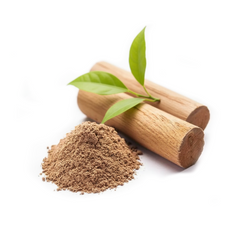
Licorice is derived from the roots of Glycyrrhiza glabra, a leguminous plant native to southern Europe and western Asia. Major producing countries include Turkey, Iran, China, Spain, and Italy. Turkey and Iran are leading exporters, with global licorice root production exceeding 100,000 metric tons annually, though only a small fraction is used in perfumery. Natural licorice extract is obtained via CO2 extraction or solvent extraction (ethanol or methanol) of dried roots, yielding a dark, viscous absolute rich in anethole and glycyrrhizin. Steam distillation is rarely used, as it produces minimal essential oil and loses much of the root’s complexity. The CO2 extract preserves the full spectrum of sweet, anisic, and woody-bitter notes. However, natural licorice extract is water-soluble and not readily compatible with alcohol-based perfumery, limiting its direct use. Due to these constraints, most licorice notes in fragrance are reconstructed using star anise essential oil (Illicium verum), synthetic anethole, and supporting aroma chemicals such as methylcyclopentenolone (CAS 80-71-7) and coumarin (CAS 91-64-5). The cost of natural licorice absolute can reach $1,000–2,000/kg, while synthetic anethole is available for $30–50/kg, making the latter the industry standard. Sustainability concerns include overharvesting of wild licorice populations and the environmental impact of solvent extraction. Synthetic alternatives reduce pressure on natural resources and offer greater batch-to-batch consistency.

TR

Turkey

Anatolian regions produce licorice roots with high anethole and glycyrrhizin content, yielding a robust, sweet-anisic profile. Turkey accounts for a significant share of global licorice exports, with annual production exceeding 30,000 metric tons. Roots are typically wild-harvested from alluvial soils, resulting in a dense, aromatic extract.

IR

Iran

Iranian licorice, especially from Kermanshah province, is prized for its intense sweetness and pronounced rooty depth. The region’s semi-arid climate and mineral-rich soils contribute to a more complex, earthy aroma. Iran is a major exporter, with strict quality controls for pharmaceutical and flavor use.

CN

China

Chinese licorice (mainly from Xinjiang and Gansu) is cultivated on a large scale, supplying both the flavor and pharmaceutical industries. The roots are lighter in color and milder in flavor, with a softer, less bitter profile. China leads in global licorice root production, but perfumery use is limited.

ES

Spain

Spanish licorice, grown in the Ebro valley, is known for its balanced sweetness and subtle woody undertones. The Mediterranean climate and calcareous soils yield roots with moderate glycyrrhizin content. Spain’s licorice is often used for confectionery and traditional liqueurs.

Chemistry

Natural vs Synthetic Licorice in Perfumery

Natural licorice extract, obtained from Glycyrrhiza glabra roots, is prized for its complexity—combining anethole, glycyrrhizin, estragole, and woody terpenes. However, its use in perfumery is limited by poor solubility in alcohol and inconsistent supply. The main synthetic molecule used to recreate the licorice note is anethole (CAS 104-46-1), which provides the sweet, anisic character. Other key aroma chemicals include methylcyclopentenolone (CAS 80-71-7), which imparts a caramellic, maple-like nuance, and coumarin (CAS 91-64-5), which adds creamy, almond-like warmth. Synthetic licorice accords offer superior stability, longevity, and batch consistency compared to natural extracts. They are also significantly less expensive—anethole costs $30–50/kg, while natural licorice absolute can exceed $1,000/kg. Most modern fragrances, including Dior Sauvage Elixir and Lolita Lempicka, rely on synthetic or reconstructed licorice notes for performance and sustainability reasons. From a supply chain perspective, synthetics reduce overharvesting and ensure a steady, traceable source. The HumanSafe™ platform at CA Perfume verifies the origin and safety of all licorice-related materials, prioritizing transparency and minimizing allergen risk. While natural licorice extract is IFRA-approved with no major restrictions, synthetic anethole and related molecules are preferred for their purity and environmental profile.

Natural
Licorice Absolute
Cost $3,000–6,000/kg
Method Solvent / CO₂
Character Complex, variable
vs
Synthetic
Safranal & Analogues
Cost $50–200/kg
Method Lab synthesis
Character Consistent, stable
Hall of Fame

Famous Fragrances That Define Licorice in Perfumery

1997
dominant note

Lolita Lempicka

Lolita Lempicka
by Annick Menardo
violetcherryheliotropeanise
2021
base note

Dior Sauvage Elixir

Dior
by François Demachy
lavendercinnamonnutmegamber
2016
middle note

Amouroud Licorice Woods

Amouroud
by John Mastracola
woodsambervanilla
2022
heart note

Penhaligon's Legacy of Petra

Penhaligon's
by Natalie Gracia-Cetto
spicesresinssmoky notes
2007
dominant note

1000 Flowers Reglisse Noire

1000 Flowers
by Jessica Buchanan
black pepperpatchoulivanilla

Licorice has played a pivotal role in several influential fragrances, often as a bridge between gourmand, floral, and spicy notes. Lolita Lempicka (1997, Annick Menardo) is perhaps the most iconic licorice fragrance, combining the note with violet, cherry, and heliotrope to create a whimsical, powdery effect. Dior Sauvage Elixir (2021, François Demachy) uses licorice as a base note, lending a dark, spicy depth to its aromatic fougère structure. Amouroud Licorice Woods (2016, John Mastracola) showcases licorice as a middle note, entwined with rich woods and amber for a sophisticated, enduring aroma. Penhaligon's Legacy of Petra (2022, Natalie Gracia-Cetto) features licorice in the heart, paired with spices and resins to evoke an exotic, smoky sweetness. 1000 Flowers Reglisse Noire (2007, Jessica Buchanan) is a niche example, opening with black pepper and evolving into a classic licorice accord with patchouli and vanilla in the drydown. These fragrances demonstrate the versatility of licorice—whether as a dominant note, a supporting accent, or a bridge between contrasting elements. CA Perfume’s collection draws inspiration from this lineage, offering licorice-centered compositions that explore both its sweet and dark facets.

The Accord

How is a captivating Licorice accord crafted?

A classic licorice accord blends 25–30% star anise (for anisic sweetness), 20–25% methylcyclopentenolone (caramellic warmth), 20–25% vanilla absolute (for creamy depth), and 25–30% patchouli (rooty, earthy backbone). Star anise provides the primary anethole-driven aroma, while methylcyclopentenolone adds a maple-caramel nuance. Vanilla softens the sharpness and enhances longevity, and patchouli grounds the accord with woody, earthy complexity.

30%

Star Anise

25–30% of blend

Star anise is rich in anethole, providing the core sweet, anisic character that defines the licorice accord.

25%

Methylcyclopentenolone

20–25% of blend

This synthetic molecule imparts a caramellic, maple-like warmth, enhancing the gourmand aspect of licorice.

25%

Vanilla Absolute

20–25% of blend

Vanilla’s vanillin content softens the anisic sharpness and increases the accord’s longevity through olfactory masking.

30%

Patchouli

25–30% of blend

Patchouli adds earthy, woody depth, echoing the rooty undertones of natural licorice and anchoring the accord.

The Olfactory Layers

How Licorice Evolves on Skin

Licorice evolves from a sharp, sweet-anisic opening to a denser, rooty heart and a lingering, woody-bitter base. High-volatility compounds like anethole dominate the top, while glycyrrhizin and coumarins persist in the drydown, providing lasting sweetness.

I
Top notes
0–15 min
Anisic Spark

The initial impression is dominated by anethole, producing a bright, sweet, and slightly peppery anisic aroma. Minor contributions from estragole and green aldehydes add a fleeting herbal freshness. These high-volatility molecules evaporate quickly, giving way to deeper facets.

anisicpepperyherbal
II
Heart notes
20–60 min
Rooty Depth

As the top fades, the heart reveals the rooty, earthy depth of glycyrrhizin and coumarins, with a denser, almost medicinal sweetness. Woody terpenes and faint bitterness emerge, distinguishing licorice from pure anise. This stage is persistent and enveloping.

rootyearthymedicinal
III
Base notes
Several hours
Woody-Bitter Trail

The drydown is anchored by lingering glycyrrhizin and woody terpenes, leaving a soft, sweet, and faintly bitter trail. Coumarin and patchouli-like molecules provide creamy, balsamic warmth, ensuring the licorice note endures for hours on skin.

woodybalsamicsweet
TOP NOTES Anisic Spark 0–15 minutes HEART NOTES Rooty Depth 20–60 minutes BASE NOTES Woody-Bitter Trail Several hours
Through the Ages

The Story of Licorice in Perfumery

Licorice’s journey in perfumery spans from ancient medicinal use to modern niche fragrances, with key milestones in extraction and synthetic reconstruction.

Antiquity

Medicinal and Culinary Use

Licorice root (Glycyrrhiza glabra) is used in ancient Egypt, Greece, and Rome for its sweet flavor and medicinal properties. Archaeological finds confirm its presence in Egyptian tombs and Roman outposts.

Middle Ages

Licorice in Confectionery and Liqueurs

Licorice becomes a staple in European confectionery and herbal liqueurs, valued for its intense sweetness and ability to mask bitterness in medicines and spirits.

20th Century

Synthetic Licorice Accords in Perfumery

Perfumers begin reconstructing the licorice note using star anise oil and synthetic anethole, as natural extracts prove impractical for alcohol-based perfumery.

1997

Lolita Lempicka Launches

Annick Menardo’s Lolita Lempicka brings licorice to the mainstream, blending it with violet and cherry for a whimsical, gourmand signature.

2021

Dior Sauvage Elixir Redefines Licorice in Modern Masculine Fragrance

François Demachy incorporates licorice as a base note in Sauvage Elixir, demonstrating its versatility in contemporary aromatic-spicy compositions.

The Art of Layering

How to Layer Licorice

Understanding how to layer licorice involves pairing it with notes that share molecular affinities or provide olfactory contrast. Anethole-rich notes (anise, fennel) amplify sweetness, while vanilla and patchouli create a creamy, earthy bridge. Layering with citrus or coffee introduces freshness or bitterness, balancing licorice’s intensity.

01

Amplify Sweetness

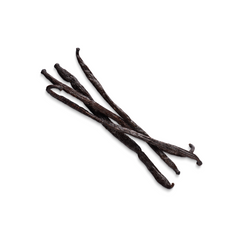
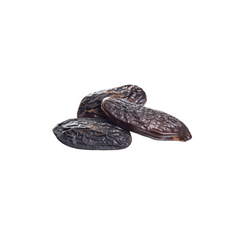
Layer licorice with vanilla or tonka bean fragrances. Vanillin and coumarin share sweet, creamy facets that mask licorice’s sharpness, creating a dessert-like effect. Lolita Lempicka and Pink Sugar (Aquolina) both demonstrate this synergy.

02

Add Earthy Depth

Pair licorice with patchouli or vetiver. Patchouli’s earthy, woody molecules (patchoulol, norpatchoulenol) echo the rooty undertones of licorice, while vetiver adds a smoky, green contrast. Amouroud Licorice Woods exemplifies this approach.

03

Brighten with Citrus

Combine licorice with bergamot or lemon-based scents. Citrus aldehydes and terpenes cut through the sweetness, adding freshness and lift. Caron Eau de Reglisse pairs licorice with lemon and coffee for a morning-cologne effect.

Wear It Right

How to Wear Licorice Like a Pro

Seasonal Guide

Fall & Winter

Cool air slows the evaporation of volatile anethole, allowing licorice’s rooty, balsamic heart to linger. The sweet, spicy profile is comforting in cold weather, and higher concentrations (EDP, Parfum) perform best. Apply to pulse points under clothing for sustained warmth.

Spring

Moderate temperatures allow both the anisic top and earthy base to shine. Licorice pairs well with green, floral, or citrus notes for a fresh, uplifting effect. Apply lightly to avoid overwhelming lighter spring compositions.

Summer

Heat increases volatility, causing the sweet-anisic top to project strongly but fade quickly. Choose EDT concentrations or layer with citrus and aquatic notes for a refreshing twist. Apply sparingly to avoid cloying effects in high humidity.

Year-Round Tip

Adjust application based on climate and concentration. In dry environments, moisturize skin before applying to extend longevity. For humid conditions, focus on lighter, anisic blends and avoid overapplication.

Application Points

Strategic application enhances licorice’s evolution and projection, with pulse points and hair offering distinct effects.

1

Neck

The warmth of the neck accelerates the release of anethole, amplifying the anisic top and ensuring immediate projection. Ideal for showcasing licorice’s sweet, spicy opening.

2

Behind the Ears

This area maintains moderate heat and moisture, helping the rooty, balsamic heart notes develop gradually. It also allows for subtle sillage as you move.

3

Inner Wrists

Pulse points on the wrists enhance volatility, but frequent hand washing may reduce longevity. The evolving scent is easily sampled throughout the day.

4

Hair

Spraying licorice-based fragrance on hair provides a slow, sustained release of the sweet, woody base, as hair fibers trap heavier molecules like glycyrrhizin and coumarin.

Pro Tip

Layer licorice with a vanilla or patchouli-based lotion to extend longevity and smooth the transition from anisic top to woody base.

Mood Architecture™

Top Licorice Fragrances by Mood Score

These Licorice-based fragrances scored highest on the MEI™ Mood Architecture Framework — measuring how a scent may influence your emotional state.

Highest MEI Score
Black Musk — The Body Shop Black Musk Alternative Perfume
8.21
MEI™
Primary Romantic
Secondary Confident
Confidence
7.38
Presence
7.54
Mood Lift
9.15
Identity
7.96
Warmth
9.5
Social Ease
8.47
Energy
3.5
" I am beautiful.
View full mood profile →
Mr. Spartan Elixir — Sauvage Elixir Alternative Cologne
7.83
MEI™
Primary Romantic
Secondary Grounding
Confidence
6.85
Presence
7.35
Mood Lift
8.64
Identity
7.14
Warmth
9.21
Social Ease
8.12
Energy
5.1
" I am beautiful.
View full mood profile →
Casamorati 1888 Lira — Xerjoff Casamorati 1888 Lira Alternative Perfume
7.6
MEI™
Primary Romantic
Secondary Grounding
Confidence
6.5
Presence
6.3
Mood Lift
8.73
Identity
6.28
Warmth
9.5
Social Ease
8.04
Energy
4.0
" I am beautiful.
View full mood profile →
Decibel — Azzaro Decibel Alternative Cologne
7.17
MEI™
Primary Romantic
Secondary Confident
Confidence
6.76
Presence
7.03
Mood Lift
7.75
Identity
7.23
Warmth
8.17
Social Ease
6.96
Energy
3.4
" I am beautiful.
View full mood profile →
HumanSafe™

Top Licorice Fragrances by HumanSafe™ Score

These Licorice-based fragrances have the highest product-level HumanSafe™ scores in this ingredient collection.

Highest HumanSafe™ Score
Smoking Hot Fire — Smoking Hot Alternative Perfume
A-
HumanSafe™ Score Generally Safe
Safest Evaluated Ingredients EDP
AQUA Solvent / Carrier ISS 10.0
1,4-DIOXACYCLOHEPTADECANE-5,17-DIONE Evaluated ingredient ISS 10.0
BENZENE, 1-METHOXY-4-(1-PROPENYL)-, (E)- Evaluated ingredient ISS 9.0
2H-1-BENZOPYRAN-2-ONE Evaluated ingredient ISS 8.0
LINALYL ACETATE Evaluated ingredient ISS 7.0
BENZOIC ACID, 2,4-DIHYDROXY-3,6-DIMETHYL-, METHYL Evaluated ingredient ISS 7.0
View full safety profile →
Scandalous Women — Scandal Alternative Perfume
A-
HumanSafe™ Score Generally Safe
Safest Evaluated Ingredients EDP
AQUA Solvent / Carrier ISS 10.0
ACETIC ACID, PHENYLMETHYL ESTER Evaluated ingredient ISS 10.0
BENZYL SALICYLATE Evaluated ingredient ISS 9.0
7-OCTEN-2-OL, 2,6-DIMETHYL- Evaluated ingredient ISS 9.0
LINALYL ACETATE Evaluated ingredient ISS 7.0
View full safety profile →
Mr. Spartan Elixir — Sauvage Elixir Alternative Cologne
A-
HumanSafe™ Score Generally Safe
Safest Evaluated Ingredients EDP
AQUA Solvent / Carrier ISS 10.0
7-OCTEN-2-OL, 2,6-DIMETHYL- Evaluated ingredient ISS 9.0
4H-INDEN-4-ONE, 1,2,3,5,6,7-HEXAHYDRO-1,1,2,3,3- Evaluated ingredient ISS 9.0
2H-1-BENZOPYRAN-2-ONE Evaluated ingredient ISS 8.0
2-HEXENE, 6,6-DIMETHOXY-2,5,5-TRIMETHYL- Evaluated ingredient ISS 8.0
LINALYL ACETATE Evaluated ingredient ISS 7.0
View full safety profile →
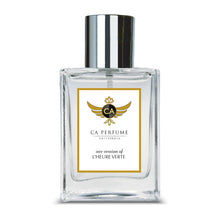
L'heure Verte — By Kilian L'heure Verte Alternative Perfume
A-
HumanSafe™ Score Generally Safe
Safest Evaluated Ingredients EDP
AQUA Solvent / Carrier ISS 10.0
1,4-DIOXACYCLOHEPTADECANE-5,17-DIONE Evaluated ingredient ISS 10.0
BENZENE, 1-METHOXY-4-(1-PROPENYL)-, (E)- Evaluated ingredient ISS 9.0
2H-1-BENZOPYRAN-2-ONE Evaluated ingredient ISS 8.0
ALCOHOL DENAT. Solvent / Carrier ISS 7.0
1-[(2-TERT-BUTYL)CYCLOHEXYLOXY]-2-BUTANOL Evaluated ingredient ISS 7.0
View full safety profile →
Expert Voices

What Masters Say About Licorice

The fact that licorice smells like anise is roughly as true as saying chocolate smells like vanilla. In licorice itself, besides the already mentioned sweet-anise components of anethole and estragole, one can detect a whole array of scents: green violet-cucumber nonadienal, camphor-thyme carvacrol and thymol, ubiquitous linalool, fresh aldehydic-fatty-green hexanal, roasted-nutty methoxy pyrazines, clove-like eugenol, ricey acetyl pyrroline, coconut-waxy γ-nonalactone, eucalyptus 1,8-cineole, almond benzaldehyde, floral-fruity β-ionone and β-damascenone, coumarin, truffle dimethyl trisulfide, and even trans-4,5-epoxy-(E)-2-decenal which smells of fresh blood. As we see, the licorice profile extends far beyond 'just anise.'
Matvey Yudov, Fragrantica
Licorice in perfumery is rarely a direct extract, but rather a carefully constructed accord built from anethole, methylcyclopentenolone, and supporting molecules. This approach allows perfumers to balance sweetness, spice, and woody depth with precision.
CA Perfume Editorial
Common Questions

Frequently Asked Questions

Frequently asked questions about licorice in perfumery, covering scent, usage, and performance.

Licorice in perfume smells sweet, anisic, and slightly spicy, with a rooty, earthy undertone and a lingering woody-bitter base. The scent is primarily defined by anethole, but also includes glycyrrhizin, coumarins, and terpenes, resulting in a complex profile that is denser and darker than pure anise. Fragrances like Lolita Lempicka and Dior Sauvage Elixir showcase licorice’s versatility, from whimsical gourmand to dark, spicy base.

Licorice is typically classified as a heart-to-base note in perfumery. Its main molecules, such as anethole and glycyrrhizin, have moderate to high molecular weight, giving the note good tenacity and persistence. The anisic brightness appears early, but the rooty, woody facets linger for hours, anchoring the composition.

Licorice is favored in niche perfumery for its unique combination of sweetness, spice, and earthy depth. Its ability to bridge gourmand, floral, and woody notes allows for creative, unconventional compositions. The note’s complexity and polarizing character make it a signature element in many modern niche fragrances.

Licorice fragrance uses often involve pairing with vanilla, tonka bean, patchouli, amber, and star anise. These notes share molecular affinities or provide olfactory contrast, enhancing licorice’s sweetness or grounding its intensity. Citrus, coffee, and myrrh can also add freshness or smoky depth.

Licorice can be worn in summer, but its sweet, dense character is best balanced with citrus or aquatic notes in lighter concentrations (EDT). Heat increases volatility, causing the anisic top to project more strongly but fade quickly. Apply sparingly and consider layering with fresher notes.

Licorice-based fragrances typically last 5–8 hours on skin. The longevity is due to glycyrrhizin and coumarins, which persist in the base. Higher concentrations (EDP, Parfum) and oil-based formats can extend wear time even further.

Yes, licorice is highly versatile for layering. It pairs well with vanilla, patchouli, citrus, and woody notes. Layering with vanilla or tonka bean amplifies sweetness, while patchouli or vetiver adds earthy depth. For a fresher effect, combine with citrus-based scents.

For those new to licorice, Lolita Lempicka offers a balanced, whimsical introduction, blending licorice with violet and cherry. Pink Sugar (Aquolina) provides a sweeter, more accessible take, while Dior Sauvage Elixir showcases licorice in a modern, masculine context.

Consider your preferred style—gourmand, woody, or spicy. If you enjoy sweet, dessert-like scents, look for licorice paired with vanilla or tonka bean. For a darker, more complex effect, seek out blends with patchouli, amber, or coffee. CA Perfume’s collection covers a range of licorice interpretations, from playful to sophisticated.

Licorice in fragrance is both sweet and spicy. The sweetness comes from glycyrrhizin and vanillin in supporting notes, while the spicy, anisic quality is due to anethole. The balance depends on the composition—gourmand blends emphasize sweetness, while woody-spicy fragrances highlight licorice’s peppery, rooty edge.

Spices Collection

Explore Our Top Licorice Fragrances

Discover CA Perfume’s curated selection of licorice-forward fragrances, from whimsical gourmands to dark, spicy blends.

Shop all licorice fragrances at CA Perfume →

Where Licorice Comes From — Origin & Extraction

Licorice is derived from the roots of Glycyrrhiza glabra, a leguminous plant native to southern Europe and western Asia. Major producing countries include Turkey, Iran, China, Spain, and Italy. Turkey and Iran are leading exporters, with global licorice root production exceeding 100,000 metric tons annually, though only a small fraction is used in perfumery. Natural licorice extract is obtained via CO2 extraction or solvent extraction (ethanol or methanol) of dried roots, yielding a dark, viscous absolute rich in anethole and glycyrrhizin. Steam distillation is rarely used, as it produces minimal essential oil and loses much of the root’s complexity. The CO2 extract preserves the full spectrum of sweet, anisic, and woody-bitter notes. However, natural licorice extract is water-soluble and not readily compatible with alcohol-based perfumery, limiting its direct use. Due to these constraints, most licorice notes in fragrance are reconstructed using star anise essential oil (Illicium verum), synthetic anethole, and supporting aroma chemicals such as methylcyclopentenolone (CAS 80-71-7) and coumarin (CAS 91-64-5). The cost of natural licorice absolute can reach $1,000–2,000/kg, while synthetic anethole is available for $30–50/kg, making the latter the industry standard. Sustainability concerns include overharvesting of wild licorice populations and the environmental impact of solvent extraction. Synthetic alternatives reduce pressure on natural resources and offer greater batch-to-batch consistency.

Famous Fragrances That Define Licorice in Perfumery

Licorice has played a pivotal role in several influential fragrances, often as a bridge between gourmand, floral, and spicy notes. Lolita Lempicka (1997, Annick Menardo) is perhaps the most iconic licorice fragrance, combining the note with violet, cherry, and heliotrope to create a whimsical, powdery effect. Dior Sauvage Elixir (2021, François Demachy) uses licorice as a base note, lending a dark, spicy depth to its aromatic fougère structure. Amouroud Licorice Woods (2016, John Mastracola) showcases licorice as a middle note, entwined with rich woods and amber for a sophisticated, enduring aroma. Penhaligon's Legacy of Petra (2022, Natalie Gracia-Cetto) features licorice in the heart, paired with spices and resins to evoke an exotic, smoky sweetness. 1000 Flowers Reglisse Noire (2007, Jessica Buchanan) is a niche example, opening with black pepper and evolving into a classic licorice accord with patchouli and vanilla in the drydown. These fragrances demonstrate the versatility of licorice—whether as a dominant note, a supporting accent, or a bridge between contrasting elements. CA Perfume’s collection draws inspiration from this lineage, offering licorice-centered compositions that explore both its sweet and dark facets.

Natural vs Synthetic Licorice in Perfumery

Natural licorice extract, obtained from Glycyrrhiza glabra roots, is prized for its complexity—combining anethole, glycyrrhizin, estragole, and woody terpenes. However, its use in perfumery is limited by poor solubility in alcohol and inconsistent supply. The main synthetic molecule used to recreate the licorice note is anethole (CAS 104-46-1), which provides the sweet, anisic character. Other key aroma chemicals include methylcyclopentenolone (CAS 80-71-7), which imparts a caramellic, maple-like nuance, and coumarin (CAS 91-64-5), which adds creamy, almond-like warmth. Synthetic licorice accords offer superior stability, longevity, and batch consistency compared to natural extracts. They are also significantly less expensive—anethole costs $30–50/kg, while natural licorice absolute can exceed $1,000/kg. Most modern fragrances, including Dior Sauvage Elixir and Lolita Lempicka, rely on synthetic or reconstructed licorice notes for performance and sustainability reasons. From a supply chain perspective, synthetics reduce overharvesting and ensure a steady, traceable source. The HumanSafe™ platform at CA Perfume verifies the origin and safety of all licorice-related materials, prioritizing transparency and minimizing allergen risk. While natural licorice extract is IFRA-approved with no major restrictions, synthetic anethole and related molecules are preferred for their purity and environmental profile.