Ingredient Guide · Citrus Aromatic
Citrus Aromatic Family · Perfumery Note

Lemongrass

A zesty, green top note with a unique citrus-ginger twist.

Lemongrass is a top note in perfumery, prized for its intensely lemony, green, and slightly spicy aroma. Its signature scent is driven by high concentrations of citral (geranial and neral), typically used at 0.2–1% in compositions for a vivid, uplifting effect.

Lemongrass
Ingredient Profile

Lemongrass

Citrus Aromatic Family
Family Citrus Aromatic
Note Position Top Note
Usage Level 0.7% IFRA limit
Key Origins India, Indonesia, Brazil
Iconic In L’Eau Bleue d’Issey Pour Homme, Karma
The Ingredient

What does Lemongrass smell like and why is it significant in perfumery?

Lemongrass (Cymbopogon citratus and Cymbopogon flexuosus) is botanically a tropical grass, and in perfumery, it is valued for its essential oil, which exudes a sharp, lemony, and green aroma with subtle earthy and herbaceous undertones. The primary molecular contributors to the lemongrass scent profile are citral (a mixture of the isomers geranial and neral), which together comprise 60–80% of the essential oil. Additional minor constituents include geranyl acetate, geraniol, and limonene, which add a faintly floral and slightly sweet nuance. Unlike pure lemon oil, lemongrass is less sweet and more grassy, with a ginger-like freshness due to its unique aldehyde content. In perfumery, lemongrass is classified as a top note, owing to its high volatility and immediate olfactory impact. It is typically used at concentrations of 0.2–1% in fine fragrance formulas, where it imparts a bright, invigorating opening. Lemongrass interacts dynamically with skin chemistry: its aldehydic components can be accentuated or softened depending on skin pH and moisture, sometimes revealing more of its green or earthy facets as the scent develops. Its strong projection and rapid evaporation make it ideal for energizing citrus, fougère, and aromatic compositions. Lemongrass in perfumery is exemplified by fragrances such as Issey Miyake L’Eau Bleue d’Issey Pour Homme (2004, Jacques Cavallier Belletrud), where it is paired with rosemary and mandarin for a vibrant, herbal-citrus opening, and Lush Karma (1995), which uses lemongrass alongside patchouli and orange for a distinctive, bohemian signature. These examples highlight how lemongrass can function both as a dominant note and as a supporting accent, bridging citrus, herbal, and woody elements.

0.7% IFRA limit
Lemongrass oil is restricted to 0.7% in leave-on products due to the sensitizing potential of citral. This ensures safety while preserving olfactory impact.
15–30 minutes
The primary lemony top note of lemongrass typically lasts 15–30 minutes on skin, after which herbal and earthy nuances become more prominent.
$30–60/kg (natural oil)
Natural lemongrass oil is priced at $30–60 per kilogram, reflecting its agricultural origin and labor-intensive extraction.
Origin & Extraction

Where Lemongrass Comes From — Origin & Extraction

Lemongrass’s aroma is shaped by its growing region, with soil type, rainfall, and sunlight influencing citral content and green nuances. Tropical climates with well-drained, sandy soils yield the most vibrant, lemony oils.

Lemongrass essential oil is derived from two main species: Cymbopogon citratus (West Indian lemongrass) and Cymbopogon flexuosus (East Indian lemongrass), both members of the Poaceae family. The plant is native to South and Southeast Asia, with primary commercial cultivation in India (notably in Kerala, Karnataka, and Assam), Sri Lanka, Indonesia, and Guatemala. India is the leading producer, accounting for approximately 80% of global lemongrass oil output, with annual production exceeding 1,000 metric tons. The essential oil is extracted from the fresh or partially dried leaves and stems using steam distillation, a process that preserves the volatile aldehydes responsible for the characteristic scent. Typical distillation parameters involve temperatures of 100–105°C and a duration of 2–3 hours, yielding an oil content of 0.5–1.0% by weight of fresh plant material. Solvent extraction and hydrodistillation are also used for specialty applications. The resulting oil is pale to vivid yellow and contains 60–80% citral (geranial and neral), with minor constituents such as geraniol, limonene, and myrcene. Natural lemongrass oil is priced at $30–60/kg, depending on origin and quality, while synthetic citral (the main aroma chemical) is available for $10–20/kg. Sustainability concerns include land use for monoculture, potential impacts on biodiversity, and the need for responsible water management. However, lemongrass is a hardy, fast-growing crop with relatively low pesticide requirements. The essential oil is not currently listed as threatened by the IUCN. Synthetic citral (CAS 5392-40-5) was first isolated in the late 19th century and is now widely produced via chemical synthesis from turpentine or other precursors.

IN

India

Kerala and Assam are leading regions, producing over 80% of global lemongrass oil. High rainfall and loamy soils yield oil with citral content above 75%, prized for its vivid lemony aroma.

ID

Indonesia

Java and Sumatra cultivate lemongrass with a slightly greener, earthier profile due to volcanic soils and humid conditions. Annual production is significant for both domestic and export markets.

BR

Brazil

Bahia and Minas Gerais regions produce lemongrass with a softer, sweeter scent, influenced by subtropical climate and clay-rich soils. Brazil supplies both culinary and perfumery grades.

LK

Sri Lanka

Central Province is known for artisanal lemongrass oil, with hand-harvesting and small-batch distillation. The oil has a delicate, floral-citrus nuance and is favored for high-end perfumery.

Chemistry

Natural vs Synthetic Lemongrass in Perfumery

Natural lemongrass oil is a complex mixture, dominated by citral (geranial and neral, CAS 5392-40-5), but also containing geranyl acetate (CAS 105-87-3), geraniol (CAS 106-24-1), and limonene (CAS 138-86-3). Synthetic versions typically use isolated citral, sometimes blended with other aroma chemicals to mimic the full spectrum of the natural oil. Synthetic citral offers greater batch-to-batch consistency, improved stability, and reduced allergen risk, but lacks the subtle green and earthy undertones of the natural extract. Performance-wise, synthetic citral is more stable under light and heat, and provides longer-lasting top notes, while natural lemongrass oil may evolve more rapidly on skin, revealing grassy or earthy nuances. Cost is a significant factor: synthetic citral is 2–3 times less expensive than high-grade natural oil. Notable fragrances using natural lemongrass include Lush Karma and Casamorati Fiero, while many mainstream citrus fragrances rely on synthetic citral for consistency and regulatory compliance. From a sustainability perspective, natural lemongrass cultivation is generally low-impact, but large-scale monoculture can stress local ecosystems. Synthetic citral production, while energy-intensive, can reduce pressure on agricultural land. The HumanSafe™ platform ensures full traceability and IFRA compliance for both natural and synthetic lemongrass sources, prioritizing consumer safety and environmental stewardship.

Natural
Lemongrass Absolute
Cost $3,000–6,000/kg
Method Solvent / CO₂
Character Complex, variable
vs
Synthetic
Safranal & Analogues
Cost $50–200/kg
Method Lab synthesis
Character Consistent, stable
Hall of Fame

Famous Fragrances That Define Lemongrass in Perfumery

2004
dominant note

L’Eau Bleue d’Issey Pour Homme

Issey Miyake
by Jacques Cavallier Belletrud
rosemarylimemandarinwoody notes
1995
dominant note

Karma

Lush
patchoulisweet orangepinelavender
2010
accent

Fiero

Casamorati 1888 (Xerjoff)
bergamotnerolitarragonvetiver
2014
dominant note

Capim-Limão

L’Occitane au Brésil
verbenalimegreen notes
1955
accent

Pour Monsieur

Chanel
by Henri Robert
nerolicardamomoakmossvetiver

Lemongrass has played a pivotal role in both niche and mainstream perfumery, especially in compositions seeking a vibrant, natural citrus effect. Notable examples include: - L’Eau Bleue d’Issey Pour Homme (Issey Miyake, 2004, Jacques Cavallier Belletrud): Lemongrass is a prominent top note, paired with rosemary, lime, and mandarin for a fresh, aromatic opening. It bridges the transition to a woody-fougère heart. - Karma (Lush, 1995): Lemongrass is central, combined with patchouli and sweet orange for a bohemian, earthy-citrus signature. The natural oil is used for its complexity and projection. - Fiero (Casamorati 1888, Xerjoff, 2010): Lemongrass is used as an accent in the opening, supporting bergamot, neroli, and tarragon, and adding a green, spicy lift to the citrus top. - Capim-Limão (L’Occitane au Brésil, 2014): Lemongrass is the dominant note, with a focus on its green, herbal facets, complemented by verbena and lime. - Pour Monsieur (Chanel, 1955, Henri Robert): Lemongrass appears in the citrus top, enhancing neroli and cardamom for a refined, classic chypre structure. Lemongrass is also found in contemporary unisex blends such as Louis Vuitton Cactus Garden (2019) and To Summer Triple Tea (2021), where it provides a crisp, modern freshness. CA Perfume’s collection draws on this lineage, offering lemongrass-centered compositions that highlight its versatility across citrus, herbal, and woody genres.

The Accord

How is a captivating Lemongrass accord crafted?

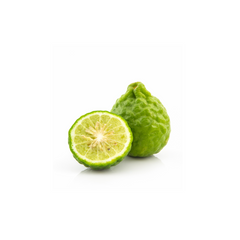
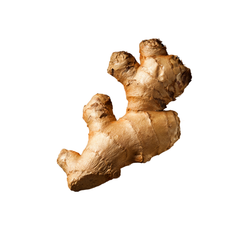
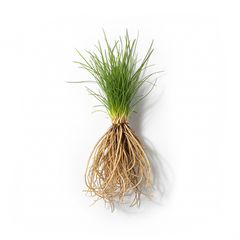
A classic lemongrass accord balances citrus vibrancy with herbal and woody depth. Lemongrass essential oil (30–35%) provides the core lemony-green freshness, while bergamot (20–25%) enhances the citrus top through shared aldehydes. Ginger (20–25%) introduces a spicy, zesty nuance via gingerol and zingiberene, and vetiver (20–25%) anchors the blend with earthy, woody facets, stabilizing the volatility of the top notes. This combination creates a multidimensional, long-lasting citrus-herbal accord.

35%

Lemongrass

30–35% of blend

Provides the primary lemony-green aroma via citral (geranial and neral), forming the accord’s signature brightness and sharpness.

25%

Bergamot

20–25% of blend

Enhances citrus freshness through limonene and linalyl acetate, creating a seamless transition with lemongrass’s aldehydic top.

25%

Ginger

20–25% of blend

Adds spicy, zesty warmth via gingerol and zingiberene, echoing the natural spicy undertone of lemongrass and boosting longevity.

25%

Vetiver

20–25% of blend

Anchors the accord with earthy, woody facets (vetiverol, khusimol), counterbalancing the volatility of the citrus and extending the drydown.

The Olfactory Layers

How Lemongrass Evolves on Skin

Lemongrass evolves rapidly from a sharp, lemony-green top to a softer, herbal drydown. High-volatility aldehydes (citral) dominate the initial impression, while minor terpenes and alcohols linger in the heart and base.

I
Top notes
0–15 min
Lemony Zest

The opening is intensely lemony, bright, and grassy, driven by citral (geranial and neral) and supported by limonene. These high-volatility aldehydes evaporate quickly, creating an immediate, uplifting impact.

lemonygreenzesty
II
Heart notes
20–60 min
Green Herbaceous

As the citral dissipates, subtle herbaceous and slightly spicy facets emerge, contributed by geraniol and myrcene. The scent becomes rounder, with hints of ginger and soft florals.

herbaceousspicysoft citrus
III
Base notes
Several hours
Earthy Residue

A faint earthy-green residue remains, with grassy and woody undertones from minor sesquiterpenes and alcohols. The drydown is subtle, clean, and slightly sweet.

earthycleansubtle
TOP NOTES Lemony Zest 0–15 minutes HEART NOTES Green Herbaceous 20–60 minutes BASE NOTES Earthy Residue Several hours
Through the Ages

The Story of Lemongrass in Perfumery

Lemongrass has a long history in traditional medicine and cuisine, but its use in perfumery accelerated in the 20th century, paralleling advances in essential oil extraction and global trade.

Ancient

Traditional Use in Southeast Asia

Lemongrass was used in Ayurvedic and Chinese medicine for its aromatic and therapeutic properties, and as a flavoring in food and drink.

17th Century

First Documented Export

Historical records from the Philippines and India note the export of lemongrass oil for medicinal and aromatic uses.

1917

Introduction to the Americas

Lemongrass cultivation begins in Jamaica and Haiti, expanding its global reach and commercial potential.

1955

Lemongrass in Classic French Perfumery

Chanel Pour Monsieur (Henri Robert) incorporates lemongrass in its citrus top, marking its entry into mainstream Western perfumery.

1995–2004

Modern Niche and Unisex Fragrances

Lush Karma (1995) and Issey Miyake L’Eau Bleue d’Issey Pour Homme (2004) showcase lemongrass as a dominant note, influencing contemporary citrus and herbal fragrance trends.

The Art of Layering

How to Layer Lemongrass

Understanding how to layer lemongrass involves pairing it with notes that complement its citral-driven brightness and control its volatility. Molecular compatibility is key for seamless blends.

01

Enhance Citrus Brightness

Layer lemongrass with bergamot or grapefruit to amplify the aldehydic, lemony facets. Shared molecules like limonene and citral create a unified, sparkling effect. Fragrances such as Issey Miyake L’Eau Bleue d’Issey Pour Homme demonstrate this synergy.

02

Add Herbal Depth

Pair with lavender or rosemary to introduce aromatic complexity. Linalool and camphor in these herbs interact with citral, softening sharpness and extending the herbal heart. Karma by Lush is a classic example.

03

Ground with Woods

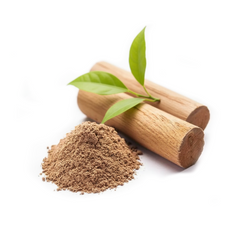
Combine lemongrass with vetiver or sandalwood to anchor the volatile top. Vetiverol and santalol molecules slow evaporation and add earthy, woody depth, as seen in Casamorati Fiero and Capim-Limão by L’Occitane.

Wear It Right

How to Wear Lemongrass Like a Pro

Seasonal Guide

Fall & Winter

In cooler months, lemongrass’s sharp top is subdued, allowing its herbal and earthy undertones to emerge. Apply to pulse points and layer with woods or spices for added warmth and depth. Lower volatility means a more subtle, skin-close effect.

Spring

Spring’s moderate temperatures enhance lemongrass’s green, uplifting qualities. The scent projects well without becoming overpowering. Combine with florals or soft musks for a fresh, revitalizing impression.

Summer

Heat amplifies lemongrass’s citrus brightness and increases volatility, resulting in strong initial projection but faster fade. Apply lightly and reapply as needed. Layer with aquatic or mint notes for cooling freshness.

Year-Round Tip

Adjust application based on climate: use lighter doses in heat, and blend with fixatives (such as vetiver or sandalwood) in cooler weather to extend longevity. Lemongrass’s clean profile suits daily wear across all seasons.

Application Points

Strategic application of lemongrass fragrances maximizes their fresh impact and controls volatility.

1

Neck

The warmth of the neck accelerates lemongrass’s top note diffusion, creating a vivid, immediate impression. Ideal for quick bursts of freshness.

2

Behind the Ears

This area maintains moderate heat and humidity, allowing lemongrass’s herbal and green nuances to linger as the scent evolves.

3

Inner Wrists

Pulse points on the wrists intensify the citrus top, but frequent movement can lead to faster evaporation. Reapply for sustained freshness.

4

Hair

Spraying on hair provides a gentle, prolonged release of lemongrass’s aroma, as the oil binds to hair fibers and diffuses gradually.

Pro Tip

Layer lemongrass with a fixative base (such as vetiver or sandalwood) on skin before applying to extend longevity and balance the volatility of the top note.

Mood Architecture™

Top Lemongrass Fragrances by Mood Score

These Lemongrass-based fragrances scored highest on the MEI™ Mood Architecture Framework — measuring how a scent may influence your emotional state.

Highest MEI Score
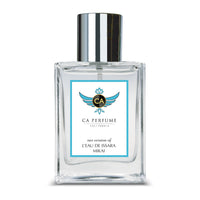
L'eau De Issara Mikai — L'eau Bleue D'issey Alternative Cologne
6.13
MEI™
Primary Fresh
Secondary Romantic
Confidence
5.13
Presence
5.39
Mood Lift
7.47
Identity
5.74
Warmth
6.05
Social Ease
7.06
Energy
2.8
" I am radiant.
View full mood profile →
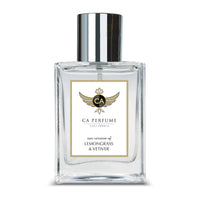
Lemongrass & Vetiver — Zielinski & Rozen Alternative Perfume
5.7
MEI™
Primary Magnetic
Secondary Confident
Confidence
5.9
Presence
6.1
Mood Lift
6.0
Identity
5.73
Warmth
5.53
Social Ease
5.3
Energy
3.5
" I am bold.
View full mood profile →
HumanSafe™

Top Lemongrass Fragrances by HumanSafe™ Score

These Lemongrass-based fragrances have the highest product-level HumanSafe™ scores in this ingredient collection.

Highest HumanSafe™ Score
Lemongrass & Vetiver — Zielinski & Rozen Alternative Perfume
A-
HumanSafe™ Score Generally Safe
Safest Evaluated Ingredients EDP
AQUA Solvent / Carrier ISS 10.0
HEXYL SALICYLATE Evaluated ingredient ISS 9.0
7-OCTEN-2-OL, 2,6-DIMETHYL- Evaluated ingredient ISS 9.0
4H-INDEN-4-ONE, 1,2,3,5,6,7-HEXAHYDRO-1,1,2,3,3- Evaluated ingredient ISS 9.0
CITRAL Evaluated ingredient ISS 8.0
2H-1-BENZOPYRAN-2-ONE Evaluated ingredient ISS 8.0
View full safety profile →
L'eau De Issara Mikai — L'eau Bleue D'issey Alternative Cologne
B
HumanSafe™ Score Use With Caution
Safest Evaluated Ingredients EDP
1-methyl-4-(4-methylpent-3-enyl)cyclohex-3-ene-1-carbaldehyde Fragrance ingredient ISS 10.0
AMBREIN Fragrance ingredient ISS 8.5
(4-propan-2-ylcyclohexyl)methanol Fragrance ingredient ISS 7.5
TETRAHYDRO-METHYL-METHYLPROPYL)-PYRAN-4-OL Fragrance ingredient ISS 7.0
LINALOOL Fragrance ingredient ISS 7.0
AMBROXAN Fragrance ingredient ISS 7.0
View full safety profile →
Expert Voices

What Masters Say About Lemongrass

Lemongrass essential oil is abundant in citral (geranial and neral). It can pose a significant risk of skin sensitization when used over 0.7% in topical applications. A little goes a very long way in topical formulations.
AromaWeb Editorial
Lemongrass’s scent profile is intensely lemon-like with ginger freshness, unmatched by any other perfume ingredient. Its essential oil adds a distinct, invigorating tone to any fragrance.
CA Perfume Editorial
Common Questions

Frequently Asked Questions

Answers to common questions about lemongrass in perfumery.

Lemongrass in perfume smells intensely lemony, fresh, and green, with a sharp aldehydic brightness from citral (geranial and neral). Unlike pure lemon, it has grassy, herbal, and slightly spicy undertones, sometimes with a faint earthy or ginger nuance. The scent is immediately uplifting and clean, but less sweet than other citrus notes. Notable examples include L’Eau Bleue d’Issey Pour Homme and Lush Karma.

Lemongrass is classified as a top note in perfumery due to its high volatility and immediate olfactory impact. Its primary components, citral isomers, evaporate quickly, providing a vivid opening that typically lasts 15–30 minutes before softer, herbal facets emerge.

Lemongrass is favored in niche perfumery for its natural, vibrant citrus profile and its ability to add a fresh, green dimension to compositions. Its unique aldehydic sharpness and herbal undertones offer complexity and a modern twist to citrus, aromatic, and fougère blends, distinguishing them from mainstream citrus notes.

Lemongrass fragrance uses often involve pairing with other citrus notes (bergamot, lemon), aromatic herbs (lavender, rosemary), and woody bases (vetiver, sandalwood). These combinations enhance freshness, balance volatility, and add depth, as seen in Karma by Lush and Fiero by Casamorati.

Yes, lemongrass’s volatility and refreshing citrus profile make it ideal for summer and hot climates. Its bright, clean scent projects well in heat, though it may fade faster. Layering with fixatives or reapplying can help maintain its presence throughout the day.

The primary lemony top note of lemongrass lasts about 15–30 minutes on skin, after which herbal and earthy nuances persist for 1–2 hours. Longevity can be extended by layering with woody or resinous notes, or by using oil-based formats.

Yes, lemongrass layers well with citrus, herbal, floral, and woody notes. Its citral content creates molecular bridges with limonene, linalool, and santalol, enabling seamless blends. Layering with vetiver or sandalwood can ground the volatility, while pairing with bergamot or lavender enhances freshness.

Recommended entry points include L’Eau Bleue d’Issey Pour Homme (Issey Miyake), Capim-Limão (L’Occitane au Brésil), and Lush Karma. These fragrances showcase lemongrass’s signature brightness in accessible, well-balanced compositions.

Consider your preferred style: for a vivid citrus opening, select blends where lemongrass is dominant; for a more complex, herbal effect, look for compositions pairing lemongrass with woods or aromatics. CA Perfume’s collection offers options across these profiles, all HumanSafe™ verified for ingredient transparency.

Lemongrass is primarily lemony and green, with a sharp, aldehydic freshness. It is less sweet than lemon or orange, and has subtle spicy and earthy undertones from minor terpenes and alcohols. The overall effect is clean, uplifting, and slightly piquant rather than overtly sweet.

Citrus Aromatic Collection

Explore Our Top Lemongrass Fragrances

Discover CA Perfume’s most popular lemongrass-centered scents, each highlighting the ingredient’s lemony-green freshness and versatility across citrus, herbal, and woody blends.

Shop all lemongrass fragrances at CA Perfume →

Where Lemongrass Comes From — Origin & Extraction

Lemongrass essential oil is derived from two main species: Cymbopogon citratus (West Indian lemongrass) and Cymbopogon flexuosus (East Indian lemongrass), both members of the Poaceae family. The plant is native to South and Southeast Asia, with primary commercial cultivation in India (notably in Kerala, Karnataka, and Assam), Sri Lanka, Indonesia, and Guatemala. India is the leading producer, accounting for approximately 80% of global lemongrass oil output, with annual production exceeding 1,000 metric tons. The essential oil is extracted from the fresh or partially dried leaves and stems using steam distillation, a process that preserves the volatile aldehydes responsible for the characteristic scent. Typical distillation parameters involve temperatures of 100–105°C and a duration of 2–3 hours, yielding an oil content of 0.5–1.0% by weight of fresh plant material. Solvent extraction and hydrodistillation are also used for specialty applications. The resulting oil is pale to vivid yellow and contains 60–80% citral (geranial and neral), with minor constituents such as geraniol, limonene, and myrcene. Natural lemongrass oil is priced at $30–60/kg, depending on origin and quality, while synthetic citral (the main aroma chemical) is available for $10–20/kg. Sustainability concerns include land use for monoculture, potential impacts on biodiversity, and the need for responsible water management. However, lemongrass is a hardy, fast-growing crop with relatively low pesticide requirements. The essential oil is not currently listed as threatened by the IUCN. Synthetic citral (CAS 5392-40-5) was first isolated in the late 19th century and is now widely produced via chemical synthesis from turpentine or other precursors.

Famous Fragrances That Define Lemongrass in Perfumery

Lemongrass has played a pivotal role in both niche and mainstream perfumery, especially in compositions seeking a vibrant, natural citrus effect. Notable examples include: - L’Eau Bleue d’Issey Pour Homme (Issey Miyake, 2004, Jacques Cavallier Belletrud): Lemongrass is a prominent top note, paired with rosemary, lime, and mandarin for a fresh, aromatic opening. It bridges the transition to a woody-fougère heart. - Karma (Lush, 1995): Lemongrass is central, combined with patchouli and sweet orange for a bohemian, earthy-citrus signature. The natural oil is used for its complexity and projection. - Fiero (Casamorati 1888, Xerjoff, 2010): Lemongrass is used as an accent in the opening, supporting bergamot, neroli, and tarragon, and adding a green, spicy lift to the citrus top. - Capim-Limão (L’Occitane au Brésil, 2014): Lemongrass is the dominant note, with a focus on its green, herbal facets, complemented by verbena and lime. - Pour Monsieur (Chanel, 1955, Henri Robert): Lemongrass appears in the citrus top, enhancing neroli and cardamom for a refined, classic chypre structure. Lemongrass is also found in contemporary unisex blends such as Louis Vuitton Cactus Garden (2019) and To Summer Triple Tea (2021), where it provides a crisp, modern freshness. CA Perfume’s collection draws on this lineage, offering lemongrass-centered compositions that highlight its versatility across citrus, herbal, and woody genres.

Natural vs Synthetic Lemongrass in Perfumery

Natural lemongrass oil is a complex mixture, dominated by citral (geranial and neral, CAS 5392-40-5), but also containing geranyl acetate (CAS 105-87-3), geraniol (CAS 106-24-1), and limonene (CAS 138-86-3). Synthetic versions typically use isolated citral, sometimes blended with other aroma chemicals to mimic the full spectrum of the natural oil. Synthetic citral offers greater batch-to-batch consistency, improved stability, and reduced allergen risk, but lacks the subtle green and earthy undertones of the natural extract. Performance-wise, synthetic citral is more stable under light and heat, and provides longer-lasting top notes, while natural lemongrass oil may evolve more rapidly on skin, revealing grassy or earthy nuances. Cost is a significant factor: synthetic citral is 2–3 times less expensive than high-grade natural oil. Notable fragrances using natural lemongrass include Lush Karma and Casamorati Fiero, while many mainstream citrus fragrances rely on synthetic citral for consistency and regulatory compliance. From a sustainability perspective, natural lemongrass cultivation is generally low-impact, but large-scale monoculture can stress local ecosystems. Synthetic citral production, while energy-intensive, can reduce pressure on agricultural land. The HumanSafe™ platform ensures full traceability and IFRA compliance for both natural and synthetic lemongrass sources, prioritizing consumer safety and environmental stewardship.