Ingredient Guide · Woody Oriental
Woody Oriental Family · Perfumery Note

Laotian Oud

Explore the unique scent of Laotian Oud

Laotian Oud is a base note extracted from Aquilaria crassna heartwood, prized for its smoky, woody, and balsamic character. It features sesquiterpenes and unique chromone compounds that define its complex aroma.

Laotian Oud
Ingredient Profile

Laotian Oud

Woody Oriental Family
Family Woody Oriental
Note Position Base Note
Usage Level 0.02–0.4%
Key Origins Laos, Cambodia, Vietnam
Iconic In Lao Oud, Alexandria II Parfum
The Ingredient

What does Laotian Oud smell like and why is it significant in perfumery?

Laotian Oud is derived from the resinous heartwood of Aquilaria crassna trees native to Laos and neighboring regions. Its scent profile is characterized by a smoky, woody, and balsamic aroma with subtle hints of dried fruit, leather, and old incense. This complexity arises from dominant sesquiterpenes such as agarospirol (CAS 1460-73-7), jinkoh-eremol, hinesol, and eudesmols, alongside unique 2-(2-phenylethyl)chromone derivatives that chemically distinguish it from other oud varieties. In perfumery, Laotian Oud functions primarily as a base note, used at concentrations ranging from 0.1% to 0.5% in luxury compositions. It anchors fragrances with its warm, resinous sweetness and exhibits notable tenacity, often persisting on skin and blotters for days. Its less aggressive animalic profile compared to Indian oud makes it more wearable and versatile, interacting with skin chemistry to reveal a syrupy woodiness and musky dry-down. Notable fragrances featuring Laotian Oud include Bortnikoff's Lao Oud (2021) by Dmitry Bortnikoff, where it forms a dark, smooth, and refined core with cocoa and coffee nuances, and Xerjoff's Alexandria II Parfum, which showcases its resinous depth paired with amber and spices.

0.02–0.4%
Typical oil yield from hydrodistillation of infected Aquilaria crassna wood, reflecting the rarity and extraction difficulty.
0.1–0.5%
Common concentration range of Laotian Oud oil in perfume formulations, balancing scent impact and IFRA safety limits.
48–72 hours
Duration of traditional hydrodistillation required to extract Laotian Oud oil, necessary to capture heavy sesquiterpenoids.
Origin & Extraction

Where Laotian Oud Comes From — Origin & Extraction

Laotian Oud originates from the tropical rainforests of Laos, where Aquilaria crassna trees grow in humid, fertile soils. The terroir's climate and soil contribute to the resin's unique smoky, woody, and balsamic scent profile, distinguishing it from other regional ouds.

Laotian Oud is extracted from the infected heartwood of Aquilaria crassna Pierre ex Lecomte, a tree species native to Laos, Cambodia, Vietnam, and Thailand. The formation of oud resin occurs when the tree is infected by a specific fungus, triggering the production of a dark, fragrant resin as a defense mechanism. This resin saturates the wood, creating the prized agarwood. Laos is a key producer of this rare oud, though wild Aquilaria crassna populations are severely depleted due to overharvesting. Plantation cultivation exists but is limited compared to Indonesian operations. Production yields are extremely low; industrial hydrodistillation of infected wood typically runs 48–72 hours at atmospheric pressure, extracting 0.02% to 0.4% oil by weight depending on resin content and wood grade. Steam distillation under pressure (120–150°C) can reduce extraction time but may alter the aromatic profile. Supercritical CO2 extraction is used for premium oils to capture a broader spectrum of chromone derivatives. The cost of natural Laotian Oud oil ranges from $13,000 to $60,000+ per kilogram, reflecting its rarity and labor-intensive harvesting. Synthetic alternatives are significantly cheaper but lack the full aromatic complexity. Aquilaria species are listed under CITES Appendix II since 2004, requiring export permits and strict chain-of-custody documentation to ensure sustainability.

LA

Laos

The Borikhamxay region in central Laos produces high-grade Aquilaria crassna oud with a clean, incense-like aroma. The humid tropical climate and rich soil foster resin development. Wild tree populations are depleted, so plantation cultivation is emerging but limited. Production volume is low, with yields of 0.02–0.4% oil by weight from hydrodistillation.

KH

Cambodia

Cambodian Aquilaria crassna yields oud with a fruitier, less animalic profile than Indian varieties. The region's wet tropical climate and forest soil contribute to resin quality. Production is higher than Laos, with more extensive plantation cultivation.

VN

Vietnam

Vietnamese Aquilaria crassna produces oud with a damp green earthiness and resinous sweetness. The mountainous terrain and monsoon climate influence resin characteristics. Cultivation is increasing to meet demand.

TH

Thailand

Northern Thailand's Aquilaria crassna trees produce oud with a balance of smoky and woody notes. The region's tropical climate and soil composition affect resin development. Production is moderate with a mix of wild and cultivated sources.

Chemistry

Natural vs Synthetic Laotian Oud in Perfumery

Natural Laotian Oud oil is composed primarily of sesquiterpenes such as agarospirol (CAS 1460-73-7), jinkoh-eremol, hinesol, and eudesmols, along with distinctive 2-(2-phenylethyl)chromone derivatives unique to Aquilaria crassna from Laos. These compounds contribute to its complex, smoky, woody, and balsamic scent with subtle fruity and leathery nuances. Synthetic oud molecules commonly used to replicate or extend oud notes include Iso E Super (woody-amber halo), Cashmeran (warm musky-woody), and Georgywood (dry cedarwood-oud facet). These synthetics offer greater stability, consistency, and affordability (around $100/kg) compared to natural oud, which can cost upwards of $13,000/kg. However, synthetics lack the full aromatic complexity and longevity of genuine Laotian Oud. Famous fragrances like Maison Francis Kurkdjian's Baccarat Rouge 540 use synthetic oud accords, while niche perfumes such as Bortnikoff's Lao Oud rely on natural Laotian Oud oil for authenticity. Sustainability concerns and supply chain transparency are critical; the HumanSafe™ platform verifies ingredient sourcing and safety. CA Perfume prioritizes natural Laotian Oud with verified provenance while responsibly incorporating synthetics to balance cost and performance.

Natural
Laotian Oud Absolute
Cost $3,000–6,000/kg
Method Solvent / CO₂
Character Complex, variable
vs
Synthetic
Safranal & Analogues
Cost $50–200/kg
Method Lab synthesis
Character Consistent, stable
Hall of Fame

Famous Fragrances That Define Laotian Oud in Perfumery

2021
dominant note

Lao Oud

Bortnikoff
by Dmitry Bortnikoff
cocoacoffeebeeswaxchamomile
—
base note

Alexandria II Parfum

Xerjoff
amberspicesleather
—
base note

Oud & Spice

Acqua Di Parma
spicesamber
2015
oud accord

Baccarat Rouge 540

Maison Francis Kurkdjian
by Francis Kurkdjian
amberwoodjasmine
—
dominant note

Laos Oud

Zoha Aroma
saffronvanillapatchouli

Laotian Oud has been featured prominently in several landmark fragrances over the past decade, showcasing its unique smoky, woody, and balsamic profile. 1. Bortnikoff - Lao Oud (2021), perfumer Dmitry Bortnikoff: Laotian Oud serves as the dominant note, blended with cocoa, coffee, beeswax, and chamomile to create a dark, smooth, and refined oriental woody fragrance. 2. Xerjoff - Alexandria II Parfum (year unknown), perfumer unknown: Laotian Oud anchors this extrait with rich resinous depth, paired with amber, spices, and leather for a luxurious woody oriental. 3. Acqua Di Parma - Oud & Spice (year unknown), perfumer unknown: Laotian Oud provides a warm, sensual base note, complemented by spices and amber for a sophisticated oriental composition. 4. Maison Francis Kurkdjian - Baccarat Rouge 540 (2015), perfumer Francis Kurkdjian: While not exclusively Laotian Oud, the fragrance uses oud accords inspired by Laotian profiles, blending oud with amberwood and jasmine. 5. Zoha Aroma - Laos Oud (year unknown), perfumer unknown: This fragrance highlights Laotian Oud's clean saffron sweetness balanced by deep, smooth oud, vanilla, and patchouli. CA Perfume recognizes Laotian Oud's role in these compositions, emphasizing its refined character and versatility in both masculine and feminine fragrances.

The Accord

How is a captivating Laotian Oud accord crafted?

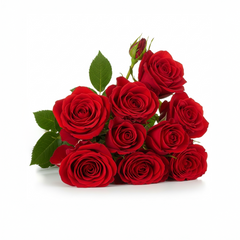
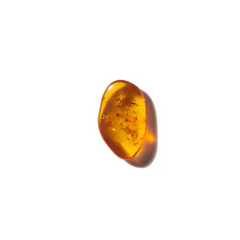
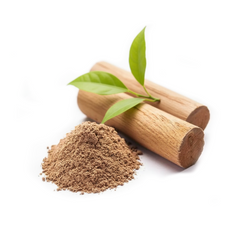
A Laotian Oud accord typically blends 30-35% Laotian Oud oil for its smoky, woody, and balsamic core. 25-30% Amber adds warmth and resinous sweetness, enhancing longevity. 20-25% Rose provides floral elegance and complements chromone compounds in oud, creating a seamless olfactory bridge. 15-20% Sandalwood contributes creamy, soft woody facets that smooth oud's edges and extend dry-down complexity. The blend totals 90-100%, balancing depth, warmth, and floral nuances for a sophisticated base accord.

35%

Laotian Oud

30–35% of blend

Provides the smoky, woody, and balsamic foundation with unique chromone molecules that define the accord's character.

30%

Amber

25–30% of blend

Adds resinous sweetness and warmth, enhancing longevity and harmonizing with oud's natural sweetness.

25%

Rose

20–25% of blend

Introduces floral elegance and shares chromone compounds with oud, creating molecular harmony and bridging scent layers.

20%

Sandalwood

15–20% of blend

Softens oud's smoky facets with creamy woody notes, extending the accord's smooth dry-down and depth.

The Olfactory Layers

How Laotian Oud Evolves on Skin

Laotian Oud unfolds over hours, starting with a pungent, animalic opening dominated by volatile sesquiterpenes. As the top notes evaporate within 15 minutes, the heart reveals smoky, syrupy woodiness with dried fruit facets. The base emerges after several hours, showcasing a warm, musky, and balsamic dry-down that lingers for days due to low-volatility chromone compounds.

I
Top notes
0–15 min
Pungent and Animalic Opening

The initial impression is pungent and animalic, with barnyard leather and fermented fruit aromas caused by high-volatility sesquiterpenes like agarospirol and hinesol. These compounds evaporate quickly, creating a sharp, intense opening.

PungentAnimalicFermented
II
Heart notes
20–60 min
Smoky and Syrupy Woodiness

The heart softens into a smoky-sweet woodiness laced with dried apricot and raw honey nuances. The creamy, balsamic quality reminiscent of aged sandalwood arises from mid-volatility sesquiterpenoids and chromone derivatives.

SmokySweetBalsamic
III
Base notes
Several hours
Warm, Musky, and Resinous Dry-Down

The dry-down is warm, musky, and quietly persistent, featuring a low hum of incense and aged wood. Low-volatility chromones and resinous compounds provide long-lasting tenacity and depth.

WarmMuskyResinous
TOP NOTES Pungent and Animalic Opening 0–15 minutes HEART NOTES Smoky and Syrupy Woodiness 20–60 minutes BASE NOTES Warm, Musky, and Resinous Dry-Down Several hours
Through the Ages

The Story of Laotian Oud in Perfumery

Laotian Oud's history in perfumery traces from ancient resin use in Southeast Asia to its modern status as a luxury ingredient, with key milestones in extraction techniques and global recognition.

Antiquity

Early Use of Agarwood Resin

Agarwood resin was used in Southeast Asian and Middle Eastern cultures for incense and spiritual rituals, valued for its aromatic and symbolic properties.

2004

CITES Appendix II Listing

Aquilaria species, including Aquilaria crassna, were listed under CITES Appendix II to regulate trade and protect wild populations from overharvesting.

2015

Baccarat Rouge 540 Launch

Maison Francis Kurkdjian released Baccarat Rouge 540, featuring oud accords inspired by Laotian oud profiles, raising global awareness of oud in niche perfumery.

2021

Bortnikoff Lao Oud Release

Dmitry Bortnikoff launched Lao Oud, a fragrance centered on authentic Laotian oud oil, highlighting its unique smoky, woody, and balsamic character.

2025

Advances in Extraction Techniques

Supercritical CO2 extraction and refined hydrodistillation methods improved yield and aromatic fidelity of Laotian oud oil, supporting premium perfumery applications.

The Art of Layering

How to Layer Laotian Oud

Understanding how to layer Laotian Oud involves molecular compatibility and olfactory synergy. Layering can enhance or soften oud's facets, creating personalized scent profiles.

01

Enhance Sweetness

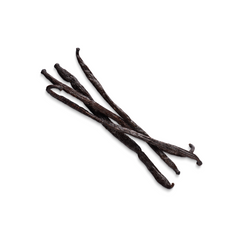
Layering Laotian Oud with vanilla introduces vanillin, which masks metallic edges and softens animalic notes, producing a creamy, gourmand warmth. This pairing is exemplified in Zoha Aroma's Laos Oud, where vanilla balances oud's resinous depth.

02

Add Depth

Combining Laotian Oud with amber enriches the base with warm sesquiterpenes and resinous molecules, intensifying longevity and complexity. Amber's labdanum compounds complement oud's chromones, as seen in Acqua Di Parma's Oud & Spice.

03

Lighten the Glow

Pairing Laotian Oud with rose exploits shared trace chromone compounds, creating a molecular bridge that harmonizes smoky woodiness with floral elegance. This classic combination is central to Bortnikoff's Lao Oud.

Wear It Right

How to Wear Laotian Oud Like a Pro

Seasonal Guide

Fall & Winter

Cooler temperatures slow molecular evaporation, enhancing Laotian Oud's longevity and projection. Apply moderately to pulse points for a warm, enveloping scent ideal for evening wear.

Spring

Moderate temperatures allow balanced diffusion of smoky and balsamic notes. Layer with light florals or citrus to freshen the composition for daytime use.

Summer

Heat increases volatility, potentially making the oud sharper and more animalic. Use sparingly or blend with cooling aquatic or citrus notes to maintain wearability.

Year-Round Tip

Adjust application amount and layering partners according to temperature and humidity to optimize scent experience without overwhelming.

Application Points

Strategic application enhances Laotian Oud's scent projection and longevity.

1

Neck

Pulse points at the neck provide warmth that activates the oud's complex molecules, enhancing projection and evolution.

2

Behind the Ears

This area offers subtle diffusion, ideal for intimate scent release and prolonged dry-down.

3

Inner Wrists

High blood flow warms the fragrance, accelerating top note evaporation and revealing heart notes.

4

Hair

Hair fibers retain scent molecules longer, releasing oud gradually with movement, extending sillage.

★

Pro Tip

Apply a small amount on clothing or scarf for a longer-lasting scent trail without direct skin interaction.

Mood Architecture™

Top Laotian Oud Fragrances by Mood Score

These Laotian Oud-based fragrances scored highest on the MEI™ Mood Architecture Framework — measuring how a scent may influence your emotional state.

Highest MEI Score
The Compromising Sohana — The Uncompromising Sohan Alternative Cologne
6.8
MEI™
Primary Confident
Secondary Magnetic
Confidence
7.35
Presence
7.77
Mood Lift
6.25
Identity
7.65
Warmth
7.95
Social Ease
5.62
Energy
2.8
" I am powerful.
View full mood profile →
Oud Palao — Diptyque Oud Palao Alternative Perfume
5.5
MEI™
Primary Serene
Secondary Romantic
Confidence
5.1
Presence
5.4
Mood Lift
5.8
Identity
5.5
Warmth
6.71
Social Ease
5.54
Energy
2.5
" I am at peace.
View full mood profile →
HumanSafe™

Top Laotian Oud Fragrances by HumanSafe™ Score

These Laotian Oud-based fragrances have the highest product-level HumanSafe™ scores in this ingredient collection.

Highest HumanSafe™ Score
The Compromising Sohana — The Uncompromising Sohan Alternative Cologne
A-
HumanSafe™ Score Generally Safe
Safest Evaluated Ingredients EDP
AQUA Solvent / Carrier ISS 10.0
4H-INDEN-4-ONE, 1,2,3,5,6,7-HEXAHYDRO-1,1,2,3,3- Evaluated ingredient ISS 9.0
1H-BENZOCYCLOHEPTENE, 2,4A,5,6,7,8-HEXAHYDRO-3,5,5,9- Evaluated ingredient ISS 9.0
1H-3A,7-METHANOAZULENE, OCTAHYDRO-6-METHOXY-3,6,8,8- Evaluated ingredient ISS 9.0
OCTANAL, 2-(PHENYLMETHYLENE)- Evaluated ingredient ISS 8.0
2H-1-BENZOPYRAN-2-ONE Evaluated ingredient ISS 8.0
View full safety profile →
Oud Palao — Diptyque Oud Palao Alternative Perfume
A-
HumanSafe™ Score Generally Safe
Safest Evaluated Ingredients EDP
AQUA Solvent / Carrier ISS 10.0
1,4-DIOXACYCLOHEPTADECANE-5,17-DIONE Evaluated ingredient ISS 10.0
3-BUTEN-2-ONE, 3-METHYL-4-(2,6,6-TRIMETHYL-2- Evaluated ingredient ISS 8.0
2H-1-BENZOPYRAN-2-ONE Evaluated ingredient ISS 8.0
CITRONELLOL Evaluated ingredient ISS 7.0
ALPHA-CEDRENE Evaluated ingredient ISS 7.0
View full safety profile →
Expert Voices

What Masters Say About Laotian Oud

“
Laotian oud oil sits between the stark animalism of Indian oud and the damp green earthiness of Indonesian oud. It opens pungent and leathery, then resolves into a syrupy, woody sweetness with dried-fruit and faintly floral facets.
Première Peau
“
Natural Laotian Oud is unique among agarwood varieties. The top notes often present an initial smoky, fruity and balsamic intensity, followed by a heart of leathery spice, musky citrus, and warm florals.
Firmenich
Common Questions

Frequently Asked Questions

Frequently asked questions about Laotian Oud in perfumery.

Laotian Oud in perfume smells smoky, woody, and balsamic with animalic and leathery undertones. It opens with pungent barnyard leather and fermented fruit notes, softening into a syrupy woodiness with dried apricot and honey facets. The dry-down is warm, musky, and resinous, lasting for hours. This profile is less harsh than Indian oud, making it versatile and wearable in fragrances like Bortnikoff's Lao Oud.

Laotian Oud is primarily used as a base note in perfumery due to its low volatility and long-lasting nature. It anchors compositions with its deep, resinous, and smoky character, providing longevity and depth to the fragrance's dry-down.

Laotian Oud is favored in niche perfumery for its unique balance of smoky, woody, and balsamic facets combined with a less aggressive animalic profile compared to Indian oud. Its complexity and rarity allow perfumers to create sophisticated, long-lasting compositions that appeal to discerning fragrance enthusiasts.

Laotian Oud fragrance uses often include rose, amber, vanilla, sandalwood, and spices. Rose shares chromone compounds with oud, creating molecular harmony, while amber and vanilla add warmth and sweetness. Sandalwood softens smoky edges, and spices enhance exotic richness, making these ideal layering partners.

Laotian Oud can be worn in summer but should be applied sparingly due to increased volatility in heat, which can amplify animalic and pungent notes. Layering with fresh citrus or aquatic accords can improve wearability in hot weather.

Due to its sesquiterpene and chromone composition, Laotian Oud fragrances typically last 6 to 12 hours or more on skin, with some dry-down notes persisting for days on clothing or blotters.

Yes, layering Laotian Oud with complementary notes like vanilla, rose, amber, sandalwood, or citrus can enhance its complexity and tailor the scent profile. Molecular compatibility, such as shared chromones with rose, facilitates seamless blending.

For beginners, fragrances like Bortnikoff's Lao Oud and Zoha Aroma's Laos Oud offer approachable, smooth interpretations of Laotian Oud with balanced sweetness and moderate animalic character, making them suitable entry points.

Consider the fragrance concentration, complementary notes, and your personal preference for oud intensity and animalic facets. CA Perfume offers detailed descriptions and HumanSafe™ verified sourcing to help select authentic, high-quality Laotian Oud perfumes.

Laotian Oud exhibits both sweet and spicy facets. Its mid and dry-down reveal syrupy woodiness with dried fruit sweetness and warm spices like cinnamon and pink pepper, contributing to a balanced, complex scent.

Woody Oriental Collection

Explore Our Top Laotian Oud Fragrances

Discover curated selections featuring authentic Laotian Oud in rich, complex compositions.

Shop all laotian oud fragrances at CA Perfume →

Where Laotian Oud Comes From — Origin & Extraction

Laotian Oud is extracted from the infected heartwood of Aquilaria crassna Pierre ex Lecomte, a tree species native to Laos, Cambodia, Vietnam, and Thailand. The formation of oud resin occurs when the tree is infected by a specific fungus, triggering the production of a dark, fragrant resin as a defense mechanism. This resin saturates the wood, creating the prized agarwood. Laos is a key producer of this rare oud, though wild Aquilaria crassna populations are severely depleted due to overharvesting. Plantation cultivation exists but is limited compared to Indonesian operations. Production yields are extremely low; industrial hydrodistillation of infected wood typically runs 48–72 hours at atmospheric pressure, extracting 0.02% to 0.4% oil by weight depending on resin content and wood grade. Steam distillation under pressure (120–150°C) can reduce extraction time but may alter the aromatic profile. Supercritical CO2 extraction is used for premium oils to capture a broader spectrum of chromone derivatives. The cost of natural Laotian Oud oil ranges from $13,000 to $60,000+ per kilogram, reflecting its rarity and labor-intensive harvesting. Synthetic alternatives are significantly cheaper but lack the full aromatic complexity. Aquilaria species are listed under CITES Appendix II since 2004, requiring export permits and strict chain-of-custody documentation to ensure sustainability.

Famous Fragrances That Define Laotian Oud in Perfumery

Laotian Oud has been featured prominently in several landmark fragrances over the past decade, showcasing its unique smoky, woody, and balsamic profile. 1. Bortnikoff - Lao Oud (2021), perfumer Dmitry Bortnikoff: Laotian Oud serves as the dominant note, blended with cocoa, coffee, beeswax, and chamomile to create a dark, smooth, and refined oriental woody fragrance. 2. Xerjoff - Alexandria II Parfum (year unknown), perfumer unknown: Laotian Oud anchors this extrait with rich resinous depth, paired with amber, spices, and leather for a luxurious woody oriental. 3. Acqua Di Parma - Oud & Spice (year unknown), perfumer unknown: Laotian Oud provides a warm, sensual base note, complemented by spices and amber for a sophisticated oriental composition. 4. Maison Francis Kurkdjian - Baccarat Rouge 540 (2015), perfumer Francis Kurkdjian: While not exclusively Laotian Oud, the fragrance uses oud accords inspired by Laotian profiles, blending oud with amberwood and jasmine. 5. Zoha Aroma - Laos Oud (year unknown), perfumer unknown: This fragrance highlights Laotian Oud's clean saffron sweetness balanced by deep, smooth oud, vanilla, and patchouli. CA Perfume recognizes Laotian Oud's role in these compositions, emphasizing its refined character and versatility in both masculine and feminine fragrances.

Natural vs Synthetic Laotian Oud in Perfumery

Natural Laotian Oud oil is composed primarily of sesquiterpenes such as agarospirol (CAS 1460-73-7), jinkoh-eremol, hinesol, and eudesmols, along with distinctive 2-(2-phenylethyl)chromone derivatives unique to Aquilaria crassna from Laos. These compounds contribute to its complex, smoky, woody, and balsamic scent with subtle fruity and leathery nuances. Synthetic oud molecules commonly used to replicate or extend oud notes include Iso E Super (woody-amber halo), Cashmeran (warm musky-woody), and Georgywood (dry cedarwood-oud facet). These synthetics offer greater stability, consistency, and affordability (around $100/kg) compared to natural oud, which can cost upwards of $13,000/kg. However, synthetics lack the full aromatic complexity and longevity of genuine Laotian Oud. Famous fragrances like Maison Francis Kurkdjian's Baccarat Rouge 540 use synthetic oud accords, while niche perfumes such as Bortnikoff's Lao Oud rely on natural Laotian Oud oil for authenticity. Sustainability concerns and supply chain transparency are critical; the HumanSafe™ platform verifies ingredient sourcing and safety. CA Perfume prioritizes natural Laotian Oud with verified provenance while responsibly incorporating synthetics to balance cost and performance.