Where Labdanum Comes From — Origin & Extraction
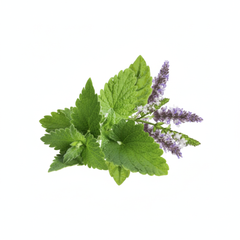
Labdanum is a natural resin extracted from the Cistus ladanifer and Cistus creticus shrubs, commonly known as rockrose, native to the Mediterranean region. The primary producing countries are Spain, Portugal, and Morocco, with Spain being the leading source due to its favorable climate and traditional harvesting methods. The Mediterranean's dry, rocky soils and warm temperatures promote the production of high-quality resin with rich aromatic profiles.
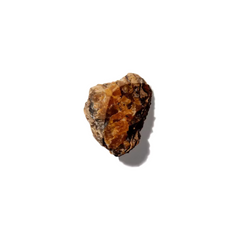
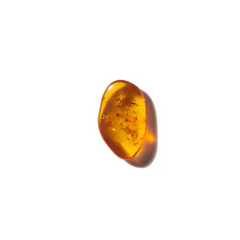
Historically, labdanum was collected by combing the resinous hairs from the coats of goats and sheep that grazed on the shrubs, but modern harvesting involves cutting the branches and leaves, which are then boiled in water. This process causes the sticky resin to float to the surface, where it is collected as crude oleoresin or gum. Further refinement is achieved through solvent extraction (using hexane or ethanol) or supercritical CO2 extraction, yielding labdanum absolute, a viscous, golden-amber substance with intense aromatic qualities.
The yield of labdanum resin is relatively low, contributing to its high cost, which ranges from approximately $3,000 to $6,000 per kilogram for natural absolute. Synthetic alternatives are significantly cheaper, costing between $50 and $200 per kilogram. Sustainability efforts focus on responsible harvesting to avoid overexploitation of wild shrubs and promote cultivation practices that maintain soil health and biodiversity.
Famous Fragrances That Define Labdanum in Perfumery
Labdanum has been a cornerstone in perfumery, especially within amber, oriental, and woody fragrance families. Its rich, resinous warmth provides a luxurious base that enhances longevity and complexity. Notable fragrances featuring labdanum include:
1. Le Labo Labdanum 18 (2006) – Maurice Roucel crafted this unisex oriental fragrance with labdanum as a dominant note, paired with tonka bean, vanilla, musk, and patchouli to create a leathery, resinous amber accord.
2. Hermès L’Ambre des Merveilles (2004) – This fragrance uses labdanum as a supporting base note, blending it with amber, vanilla, and benzoin to produce a warm, ambergris-inspired scent.
3. Hugo Boss Boss Bottled Elixir (2018) – Labdanum functions as an accent note, adding depth and resinous warmth to the woody-spicy composition.
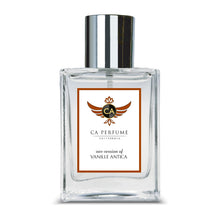
4. Byredo Vanille Antique (2010) – Labdanum enriches the amber-vanilla accord, providing a balsamic and slightly leathery foundation.
5. Giorgio Armani Acqua di Giò Profondo Parfum (2020) – Labdanum is used as a base note, complementing aquatic and woody elements to add richness and persistence.
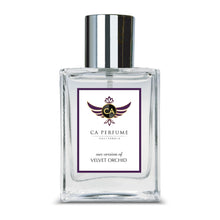
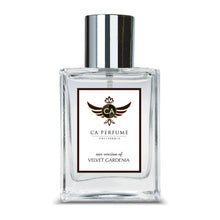
These fragrances exemplify labdanum’s versatility and its role in creating sophisticated, enduring scent profiles. CA Perfume’s collection reflects this heritage by offering fragrances that explore labdanum’s depth and warmth with modern interpretations.
Natural vs Synthetic Labdanum in Perfumery
Natural labdanum absolute is obtained through solvent or CO2 extraction from the resin of Cistus ladanifer, resulting in a complex, variable aroma rich in balsamic, amber, and woody notes. Its chemical composition includes labdanes and diterpenes, which contribute to its multifaceted scent. The cost of natural labdanum ranges from $3,000 to $6,000 per kilogram, reflecting its labor-intensive harvesting and extraction process.
Synthetic labdanum substitutes are created via laboratory synthesis of key aroma chemicals such as safranal (CAS 116-26-7) and related analogues, which replicate the warm, resinous, and slightly sweet facets of natural labdanum. Synthetic versions offer consistent quality, greater stability, and lower cost (approximately $50–200/kg), making them attractive for large-scale production. However, they may lack some of the nuanced complexity found in natural extracts.
Famous fragrances such as Le Labo Labdanum 18 use natural labdanum absolute for its rich texture, while others may incorporate synthetic analogues for cost-effectiveness and stability. The HumanSafe™ platform ensures transparency regarding ingredient sourcing and safety, with CA Perfume committed to balancing natural authenticity and synthetic innovation to optimize fragrance quality and sustainability.