Where Labdanum Comes From — Origin & Extraction
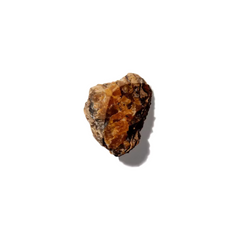
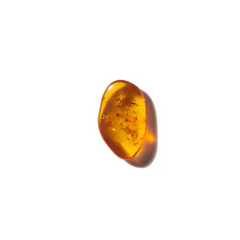
Labdanum is a resinous exudate harvested from the Mediterranean rockrose plants, primarily Cistus ladanifer and Cistus creticus. These shrubs thrive in dry, rocky soils typical of the western Mediterranean basin, including regions in Spain (notably Andalusia), Portugal, Morocco, France (Corsica), Greece, and Mediterranean islands. The plants secrete the sticky resin as a protective mechanism against heat and water loss.
Traditional harvesting involved combing the resin from the beards of goats and sheep grazing on the bushes, using a wooden tool called a lambadistrion with leather strips. Modern extraction methods primarily use solvent extraction: fresh cistus branches are bundled and boiled in soda solution to dissolve the resin, yielding 3-5% crude labdanum gum. This gum is then acid-treated, skimmed, dried, and washed with ethanol to remove waxes, producing labdanum absolute. Alternatively, hydrocarbon solvent extraction followed by alcohol washing produces labdanum resinoid. Steam distillation yields a lighter essential oil with less complexity.
Global production of cistus faggots is approximately 10,000 tonnes annually, with about 80% sourced from Andalusia, Spain. The cost of natural labdanum absolute ranges from $3,000 to $6,000 per kilogram, reflecting its labor-intensive harvest and complex extraction. Synthetic substitutes exist but cannot fully replicate its multi-layered aroma. Sustainability efforts focus on ethical wild harvesting and maintaining biodiversity in native habitats.
Famous Fragrances That Define Labdanum in Perfumery
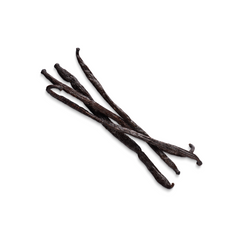
Labdanum has been a cornerstone of perfumery since ancient times, featuring prominently in numerous landmark fragrances. Le Labo's Labdanum 18 (2006), crafted by Maurice Roucel, highlights labdanum as a dominant note, blending it with vanilla, musk, and patchouli to create a warm, leathery amber accord. Amouage Jubilation for Women (1997), by perfumer Guy Robert, uses labdanum as a rich base note, adding depth and sensuality alongside frankincense and myrrh.
Chanel Coco Eau de Parfum (1984), by Jacques Polge, incorporates labdanum as a supporting base note, contributing to its leathery and balsamic dry down. Yves Saint Laurent M7 (2002), by Alberto Morillas, features labdanum as a bridge note linking woody and amber accords. Prada Amber (2011), by Daniela Andrier, uses labdanum to enrich its oriental amber composition.
These fragrances demonstrate labdanum's versatility in creating complex, long-lasting bases that support and enhance floral, citrus, and woody notes. CA Perfume's collection respects this lineage by incorporating labdanum in accords that emphasize depth and structure without overpowering.
Natural vs Synthetic Labdanum in Perfumery
Labdanum's complex scent profile, dominated by labdane-type diterpenoid acids (CAS 531-69-3) and phenolic compounds, is challenging to replicate synthetically. Synthetic aroma chemicals such as Ambroxide (CAS 6790-58-5), Ambrarome, and Ambrain are used to mimic facets of labdanum's amber, animalic, and leathery notes. However, these synthetics lack the full depth and multi-dimensionality of natural labdanum.
Natural labdanum offers superior longevity and diffusion due to its complex molecular composition, contributing to a richer and more nuanced fragrance experience. Synthetic molecules provide greater consistency, stability, and cost-effectiveness, with prices around $50–200/kg compared to natural labdanum's $3,000–6,000/kg. Synthetics also support allergen-free and cruelty-free formulations.
Famous fragrances like Le Labo Labdanum 18 and Amouage Jubilation for Women use natural labdanum for its authentic depth, while some modern amber accords rely on synthetic analogues for economic and regulatory reasons. The HumanSafe™ platform emphasizes transparency and safety, encouraging balanced use of natural and synthetic ingredients to optimize performance, sustainability, and consumer safety.