Ingredient Guide · Fruity Floral
Fruity Floral Family · Perfumery Note

Japanese Plum

Bright, fresh, and invigorating top note

Japanese Plum is a fruity floral top note known for its bright, juicy sweetness and tangy undertones. It is typically used at less than 5% concentration in perfumes. The key aroma compounds include complex natural absolutes extracted via solvent or CO₂ methods.

Japanese Plum
Ingredient Profile

Japanese Plum

Fruity Floral Family
Family Fruity Floral
Note Position Top Note
Usage Level <5%
Key Origins Japan, China
Iconic In Plum Japonais, Ume
The Ingredient

What does Japanese Plum smell like and why is it significant in perfumery?

Japanese Plum (Prunus mume) is a fruit note characterized by its bright, juicy sweetness combined with subtle tangy undertones, often described as uplifting and nostalgic. Its scent profile includes fruity esters and complex aromatic compounds that evoke the sensation of biting into a ripe plum, making it a vibrant and refreshing top note. The note is classified within the fruity floral family and is predominantly used as a top note in fragrance compositions, typically at concentrations below 5%. Its volatility allows it to impart an immediate burst of freshness, which interacts with skin chemistry to produce a youthful and invigorating aura. Japanese Plum's scent can last between 4 to 6 hours on the skin, making it suitable for casual and daytime wear. Notable fragrances featuring Japanese Plum include Tom Ford's Plum Japonais (2013), where it is paired with saffron and agarwood to create a warm, spiced fruity accord, and Keiko Mecheri's Ume (2015), which highlights the plum's jammy sweetness alongside osmanthus and patchouli. These examples demonstrate Japanese Plum's versatility in both fresh and rich fragrance contexts, underscoring its importance in modern perfumery.

1–3 Sprays
Recommended application amount to achieve a balanced fragrance presence without overwhelming the senses, suitable for casual or daily wear.
4–6 Hours
Typical longevity of Japanese Plum's scent on skin, reflecting the volatility of its key aromatic esters and aldehydes.
<5%
Usual concentration range of Japanese Plum in perfume formulations to maintain freshness and prevent overpowering sweetness.
Origin & Extraction

Where Japanese Plum Comes From — Origin & Extraction

Japanese Plum's scent character is deeply influenced by its geographic origins, where soil composition, climate, and cultivation practices shape its aromatic profile. The cool temperate climates of East Asia produce plums with balanced sweetness and acidity, essential for perfumery.

Japanese Plum, scientifically known as Prunus mume, is native to East Asia, primarily cultivated in Japan and China. In Japan, the plum holds cultural significance, celebrated in harvest festivals and seasonal traditions. The fruit is grown in temperate regions with climates conducive to producing sweet, juicy plums, such as the Musashino Plateau. China also contributes significantly to the global supply, with various plum varieties enhancing the aromatic profiles used in perfumery. Extraction of Japanese Plum absolute is typically achieved through solvent extraction or supercritical CO₂ extraction, methods that preserve the delicate fruity and floral aromatic compounds. These processes involve careful temperature control to avoid degradation of key molecules, yielding a complex and variable natural absolute. The cost of natural Japanese Plum absolute ranges from $3,000 to $6,000 per kilogram, reflecting the labor-intensive cultivation and extraction processes. Synthetic analogues, primarily based on safranal and related compounds, offer a consistent and stable character at a lower cost of $50 to $200 per kilogram. Sustainability considerations focus on responsible agricultural practices and solvent recycling in extraction to minimize environmental impact.

JP

Japan

The Musashino Plateau and surrounding regions in Japan cultivate native Prunus mume varieties prized for their bright, juicy sweetness and cultural significance. The soil is well-drained volcanic loam, and the climate features cold winters that enhance fruit aroma. Production is moderate, with traditional harvesting methods preserving quality.

CN

China

China produces diverse plum varieties contributing to the aromatic complexity of Japanese Plum notes. Regions like Zhejiang and Sichuan offer humid subtropical climates and fertile alluvial soils that yield plums with rich fruity and floral nuances. Large-scale cultivation supports global fragrance ingredient supply.

Chemistry

Natural vs Synthetic Japanese Plum in Perfumery

Natural Japanese Plum absolute is extracted via solvent or CO₂ methods, producing a complex and variable aroma profile that captures the authentic juiciness and floral nuances of the fruit. This natural form contains a range of volatile esters and aldehydes that contribute to its fresh and vibrant character. Synthetic substitutes primarily utilize safranal (CAS 116-26-7) and its analogues, which replicate the plum's sweet, slightly tangy facets with greater consistency and stability. Synthetic versions offer improved longevity and diffusion in fragrance compositions and cost significantly less, approximately $50–200 per kilogram compared to $3,000–6,000 per kilogram for natural absolute. Famous fragrances like Tom Ford's Plum Japonais use natural Japanese Plum absolute for its nuanced complexity, while more affordable formulations may rely on synthetic molecules for cost-effectiveness and stability. The HumanSafe™ platform verifies ingredient transparency and safety, ensuring that both natural and synthetic forms meet regulatory standards and consumer expectations for sustainability and skin compatibility.

Natural
Japanese Plum Absolute
Cost $3,000–6,000/kg
Method Solvent / CO₂
Character Complex, variable
vs
Synthetic
Safranal & Analogues
Cost $50–200/kg
Method Lab synthesis
Character Consistent, stable
Hall of Fame

Famous Fragrances That Define Japanese Plum in Perfumery

2013
dominant note

Plum Japonais

Tom Ford
by Rodrigo Flores-Roux
SaffronCinnamonAgarwoodBenzoin
2015
heart note

Ume

Keiko Mecheri
OsmanthusPatchouliMahogany Wood
1992
accent

Feminité du Bois

Serge Lutens
by Christopher Sheldrake
SandalwoodPeachWhite Flowers
2023
top note

Plum Harajuku

Insider Parfums
CinnamonSaffronAgarwoodImmortelle
2013
heart note

Japanese Plum Blossom

Voluspa
OrchidBlack CurrantPlum Blossom

Japanese Plum has been featured prominently in several landmark fragrances, illustrating its versatility and appeal. Tom Ford's Plum Japonais (2013), crafted by perfumer Rodrigo Flores-Roux, uses Japanese Plum as a dominant note, blending it with saffron, cinnamon, agarwood, and benzoin to create a warm, spicy, and fruity oriental composition. Keiko Mecheri's Ume (2015) highlights the jammy sweetness of Japanese Plum, complemented by osmanthus and patchouli, offering a balanced floral-fruity scent with subtle spice. Serge Lutens' Feminité du Bois (1992) incorporates plum blossom nuances to evoke a delicate, second-skin effect with woody and floral undertones. Insider Parfums' Plum Harajuku (2023) presents a modern interpretation combining Japanese Plum with cinnamon, saffron, agarwood, and immortelle for a unisex, fresh yet warm fragrance. Voluspa's Japanese Plum Blossom (2013) features plum alongside orchid and black currant, creating a floral-fruity bouquet. These fragrances demonstrate Japanese Plum's role as both a vibrant top note and a nuanced heart note, contributing to compositions ranging from fresh and bright to warm and sensual. CA Perfume's collection respects this lineage by offering fragrances that explore Japanese Plum's multifaceted character with modern craftsmanship.

The Accord

How is a captivating Japanese Plum accord crafted?

A harmonious Japanese Plum accord balances the fruit's juicy sweetness with complementary notes that enhance its vibrancy and freshness. The relative proportions within the accord blend are carefully chosen to maintain the plum's mouthwatering character while adding depth and warmth.

45%

Japanese Plum

40–45% of blend

Provides the core juicy, sweet, and tangy fruity character, rich in esters and aldehydes that evoke ripe plum aroma.

25%

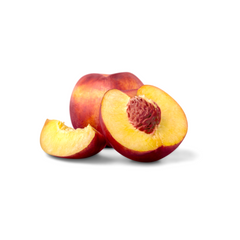
Peach

20–25% of blend

Adds a soft, velvety fruitiness with lactones that enhance the plum's sweetness and create a luscious mouthfeel.

20%

Benzoin

15–20% of blend

Contributes warm, balsamic sweetness with vanillin-like compounds that smooth and round the fruity facets.

15%

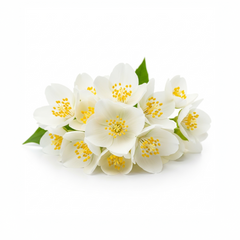
Jasmine

10–15% of blend

Introduces floral indoles and benzyl acetate, providing a fresh, bright floral layer that complements the plum's vibrancy.

The Olfactory Layers

How Japanese Plum Evolves on Skin

Japanese Plum's olfactory evolution begins with a bright, juicy burst of fruity esters and aldehydes in the top notes, lasting 0–15 minutes. The heart unfolds with floral and soft fruity nuances between 20–60 minutes, while the base notes provide a subtle warm, balsamic foundation over several hours, ensuring a balanced and enduring scent experience.

I
Top notes
0–15 min
Bright Juicy Burst

The initial impression is dominated by high-volatility fruity esters such as ethyl butyrate and hexyl acetate, which impart a fresh, juicy, and sweet plum aroma with tangy undertones. This stage delivers an uplifting and invigorating sensation.

BrightJuicySweet
II
Heart notes
20–60 min
Floral Fruity Blend

Mid-volatility compounds including floral benzyl acetate and fruity lactones emerge, blending plum with soft floral notes like jasmine and peony. This phase adds complexity and a rounded, velvety texture to the fragrance.

FloralFruityVelvety
III
Base notes
Several hours
Warm Balsamic Foundation

Low-volatility molecules such as vanillin from benzoin and woody agarwood derivatives provide a warm, balsamic, and resinous foundation that supports and extends the plum's presence, contributing to longevity and depth.

WarmBalsamicResinous
TOP NOTES Bright Juicy Burst 0–15 minutes HEART NOTES Floral Fruity Blend 20–60 minutes BASE NOTES Warm Balsamic Foundation Several hours
Through the Ages

The Story of Japanese Plum in Perfumery

Japanese Plum has a rich history in perfumery, evolving from cultural symbolism in East Asia to a modern fragrance staple. Key milestones highlight its integration into niche and luxury perfumes, reflecting its enduring appeal.

Antiquity

Cultural significance in East Asia

Japanese Plum (Prunus mume) has been revered in Japan and China for centuries, symbolizing endurance and renewal, with early uses in traditional incense and cosmetics.

1992

Feminité du Bois by Serge Lutens

One of the earliest modern fragrances to incorporate plum blossom nuances, blending floral and woody notes to evoke delicate plum scents.

2013

Launch of Tom Ford Plum Japonais

Rodrigo Flores-Roux created a landmark fragrance featuring Japanese Plum as a dominant note, combining it with saffron and agarwood for a warm, spiced fruity accord.

2015

Keiko Mecheri Ume

A niche perfume emphasizing the jammy sweetness of Japanese Plum, paired with osmanthus and patchouli, showcasing plum's versatility in floral-fruity compositions.

2023

Plum Harajuku by Insider Parfums

A contemporary unisex fragrance highlighting Japanese Plum with cinnamon, saffron, and agarwood, reflecting the note's growing popularity in modern perfumery.

The Art of Layering

How to Layer Japanese Plum

Understanding how to layer Japanese Plum at a molecular level enhances fragrance complexity and wearability. Layering exploits shared aroma compounds and olfactory masking to balance sweetness and freshness.

01

Enhance Sweetness

Layer Japanese Plum with peach or apricot, which share lactones and fruity esters, amplifying the juicy sweetness and creating a lush, mouthwatering effect. This technique is exemplified in compositions like Tom Ford's Plum Japonais.

02

Add Floral Depth

Combining Japanese Plum with jasmine or peony introduces benzyl acetate and indole compounds that complement the plum's fruity esters, enriching the bouquet with fresh floral nuances without overpowering the fruitiness.

03

Lift with Citrus

Pairing with citrus notes such as bergamot or lime enhances the plum's brightness through shared aldehydes and terpenes, providing a refreshing twist that balances sweetness and adds vibrancy, ideal for daytime wear.

Wear It Right

How to Wear Japanese Plum Like a Pro

Seasonal Guide

Fall & Winter

In cooler weather, Japanese Plum's fruity brightness is subdued; layering with warm spices like cinnamon or amber enhances its richness and longevity.

Spring

Spring's mild temperatures highlight the plum's fresh and floral facets, making it ideal for standalone wear or light layering with florals.

Summer

Heat amplifies the note's juicy and vibrant character, perfect for refreshing daytime wear; apply lightly to avoid overwhelming sweetness.

Year-Round Tip

Combine Japanese Plum with woody or musky base notes to extend wear and balance its volatility in any season.

Application Points

Strategic application of Japanese Plum fragrances enhances their freshness and longevity.

1

Neck

Pulse points like the neck provide warmth that activates the volatile esters, enhancing the note's juicy brightness.

2

Behind the Ears

This area allows subtle diffusion of the plum's sweet and tangy facets, creating an intimate scent aura.

3

Inner Wrists

Applying here ensures the note's freshness is experienced up close, ideal for casual wear.

4

Hair

Hair holds fragrance oils well, releasing the plum's fruity aroma gradually with movement.

Pro Tip

Layer Japanese Plum with complementary floral or citrus scents on different pulse points to create a multidimensional fragrance experience.

HumanSafe™

Japanese Plum Safety Profile in Our Fragrances

No ingredient collection was found for japanese-plum.

Create or connect a collection with the same handle as this ingredient, then add products that contain this ingredient.

Expert Voices

What Masters Say About Japanese Plum

Japanese Plum's bright and juicy character provides a unique freshness that is both uplifting and nostalgic, making it a valuable top note in modern fragrance compositions.
CA Perfume Editorial
The complexity of natural Japanese Plum absolute, with its variable aromatic profile, offers perfumers a versatile ingredient that can convey both youthful vibrancy and subtle elegance.
CA Perfume Editorial
Common Questions

Frequently Asked Questions

Common questions about Japanese Plum in perfumery answered with detailed insights.

Japanese Plum in perfume smells bright, juicy, and sweet with tangy undertones. It offers a fresh, uplifting fruity aroma reminiscent of ripe plums, often combined with floral nuances. It serves as a vibrant top note that lasts 4 to 6 hours, providing a youthful and invigorating scent experience. Notable fragrances featuring this note include Tom Ford's Plum Japonais and Keiko Mecheri's Ume.

Japanese Plum is primarily used as a top note in fragrance compositions due to its high volatility and fresh, juicy character. It imparts an immediate burst of fruity sweetness that gradually transitions into floral and warm base notes.

Japanese Plum is favored in niche perfumery for its unique combination of bright fruity sweetness and subtle floral undertones. Its cultural significance and complex aromatic profile allow perfumers to create distinctive, evocative fragrances that stand out in the market.

Japanese Plum fragrance uses best pair with complementary notes such as peach, benzoin, jasmine, saffron, cinnamon, agarwood, vanilla, rose, and orange blossom. These combinations enhance the plum's juicy sweetness, add floral depth, or provide warm balsamic support.

Yes, Japanese Plum is ideal for summer and hot weather due to its fresh, juicy, and vibrant scent profile. Heat enhances the note's volatility, making it a refreshing and uplifting choice for warm climates.

Japanese Plum fragrances typically last between 4 to 6 hours on the skin, depending on formulation and concentration. The note's volatile esters provide an initial bright freshness that gradually softens into floral and warm base notes.

Yes, layering Japanese Plum with other fragrances is effective for creating multidimensional scent profiles. It pairs well with fruity, floral, and warm spicy notes, allowing for personalized combinations that enhance its juicy sweetness and vibrancy.

For beginners, lighter formulations featuring Japanese Plum alongside floral or fruity notes are recommended. Scents like Voluspa's Japanese Plum Blossom or Keiko Mecheri's Ume offer approachable, balanced experiences that highlight the plum's joyful essence without overwhelming intensity.

At CA Perfume, selecting the right Japanese Plum fragrance involves considering your preference for freshness, sweetness, and longevity. Explore our curated collection to find options that blend Japanese Plum with complementary notes, ensuring a fragrance that suits your style and occasion.

Japanese Plum primarily smells sweet and fruity with bright, juicy facets. However, in compositions like Tom Ford's Plum Japonais, it is often paired with spicy notes such as cinnamon and saffron, which add warmth and complexity without overpowering the plum's inherent sweetness.

Fruity Floral Collection

Explore Our Top Japanese Plum Fragrances

Discover a curated selection of fragrances featuring Japanese Plum, showcasing its versatility and vibrant character.

Shop all japanese-plum fragrances at CA Perfume →

Where Japanese Plum Comes From — Origin & Extraction

Japanese Plum, scientifically known as Prunus mume, is native to East Asia, primarily cultivated in Japan and China. In Japan, the plum holds cultural significance, celebrated in harvest festivals and seasonal traditions. The fruit is grown in temperate regions with climates conducive to producing sweet, juicy plums, such as the Musashino Plateau. China also contributes significantly to the global supply, with various plum varieties enhancing the aromatic profiles used in perfumery. Extraction of Japanese Plum absolute is typically achieved through solvent extraction or supercritical CO₂ extraction, methods that preserve the delicate fruity and floral aromatic compounds. These processes involve careful temperature control to avoid degradation of key molecules, yielding a complex and variable natural absolute. The cost of natural Japanese Plum absolute ranges from $3,000 to $6,000 per kilogram, reflecting the labor-intensive cultivation and extraction processes. Synthetic analogues, primarily based on safranal and related compounds, offer a consistent and stable character at a lower cost of $50 to $200 per kilogram. Sustainability considerations focus on responsible agricultural practices and solvent recycling in extraction to minimize environmental impact.

Famous Fragrances That Define Japanese Plum in Perfumery

Japanese Plum has been featured prominently in several landmark fragrances, illustrating its versatility and appeal. Tom Ford's Plum Japonais (2013), crafted by perfumer Rodrigo Flores-Roux, uses Japanese Plum as a dominant note, blending it with saffron, cinnamon, agarwood, and benzoin to create a warm, spicy, and fruity oriental composition. Keiko Mecheri's Ume (2015) highlights the jammy sweetness of Japanese Plum, complemented by osmanthus and patchouli, offering a balanced floral-fruity scent with subtle spice. Serge Lutens' Feminité du Bois (1992) incorporates plum blossom nuances to evoke a delicate, second-skin effect with woody and floral undertones. Insider Parfums' Plum Harajuku (2023) presents a modern interpretation combining Japanese Plum with cinnamon, saffron, agarwood, and immortelle for a unisex, fresh yet warm fragrance. Voluspa's Japanese Plum Blossom (2013) features plum alongside orchid and black currant, creating a floral-fruity bouquet. These fragrances demonstrate Japanese Plum's role as both a vibrant top note and a nuanced heart note, contributing to compositions ranging from fresh and bright to warm and sensual. CA Perfume's collection respects this lineage by offering fragrances that explore Japanese Plum's multifaceted character with modern craftsmanship.

Natural vs Synthetic Japanese Plum in Perfumery

Natural Japanese Plum absolute is extracted via solvent or CO₂ methods, producing a complex and variable aroma profile that captures the authentic juiciness and floral nuances of the fruit. This natural form contains a range of volatile esters and aldehydes that contribute to its fresh and vibrant character. Synthetic substitutes primarily utilize safranal (CAS 116-26-7) and its analogues, which replicate the plum's sweet, slightly tangy facets with greater consistency and stability. Synthetic versions offer improved longevity and diffusion in fragrance compositions and cost significantly less, approximately $50–200 per kilogram compared to $3,000–6,000 per kilogram for natural absolute. Famous fragrances like Tom Ford's Plum Japonais use natural Japanese Plum absolute for its nuanced complexity, while more affordable formulations may rely on synthetic molecules for cost-effectiveness and stability. The HumanSafe™ platform verifies ingredient transparency and safety, ensuring that both natural and synthetic forms meet regulatory standards and consumer expectations for sustainability and skin compatibility.