
Ingredient Guide · Woody Aromatic
Woody Aromatic Family · Perfumery Note

Italian Cypress

Explore the aromatic allure of Italian Cypress.

Italian Cypress is a woody note that brings a fresh, green character to fragrances. Its essential oil is extracted from the leaves and branches, capturing its distinctive scent.

Italian Cypress
Ingredient Profile

Italian Cypress

Woody Aromatic Family
Family Woody Aromatic
Note Position Heart Note
Usage Level 5-15%
Key Origins France, Italy, Spain
Iconic In Italian Cypress, Cipresso di Toscana
The Ingredient

What does Italian Cypress smell like and why is it significant in perfumery?

Italian Cypress, derived from the *Cupressus sempervirens* tree, presents a multifaceted scent profile characterized by fresh, woody, and subtly resinous notes. The primary compounds contributing to its aroma include alpha-pinene and beta-pinene, which impart a crisp, invigorating quality. In perfumery, it is classified as a heart note, typically used at concentrations of 5-15%. Its interaction with skin chemistry can enhance its woody facets, making it a versatile component in both masculine and unisex fragrances. Italian Cypress is often found in Mediterranean-inspired compositions, where it serves as a grounding element, providing structure and depth. Notable fragrances include Tom Ford's Italian Cypress and Acqua di Parma's Cipresso di Toscana, both showcasing its elegant character.

5-15%
This percentage range represents the typical concentration of Italian Cypress in perfumery, allowing for its fresh and woody character to shine through.
1-2%
The yield of essential oil from Italian Cypress trees is approximately 1-2%, highlighting the labor-intensive process of extraction.
6-8 hours
The longevity of Italian Cypress fragrances typically ranges from 6 to 8 hours, depending on skin chemistry and environmental factors.
Origin & Extraction

Where Italian Cypress Comes From — Origin & Extraction

Italian Cypress thrives in the Mediterranean climate, characterized by hot, dry summers and mild, wet winters. This environment enhances the aromatic qualities of the cypress trees, resulting in a rich, complex essential oil.

Italian Cypress is native to the Mediterranean basin, thriving in dry, sunny environments. Major producing regions include southern France, Italy, Spain, and Greece, where the climate is ideal for its growth. The essential oil is primarily extracted through steam distillation of the tree's leaves and branches, capturing its aromatic compounds. This process typically yields around 1-2% essential oil from the plant material. Cypress trees are cultivated not only for their aromatic properties but also for their durable wood, which is used in construction and furniture. The oil is often used in luxury perfumes, soaps, and cosmetics, reflecting its high market value and demand.

FR

France

In Provence, the cypress trees flourish in well-drained soils, contributing to the production of high-quality essential oil. The region's climate and traditional cultivation methods enhance the aromatic profile of the oil, making it a sought-after ingredient in perfumery.

IT

Italy

Tuscany is renowned for its cypress trees, which are often associated with the picturesque landscapes of the region. The essential oil extracted here is prized for its fresh, woody scent, making it a staple in luxury fragrances.

ES

Spain

In Spain, particularly in the Mediterranean coastal areas, cypress is cultivated for both its wood and essential oil. The warm climate contributes to the oil's aromatic richness, making it popular in various perfumery applications.

GR

Greece

Cypress trees are abundant in Greece, where they are often found in historical sites and landscapes. The essential oil from Greek cypress is known for its distinctive scent, which is used in traditional and modern perfumery.

Chemistry

Natural vs Synthetic Italian Cypress in Perfumery

Natural Italian Cypress essential oil is highly valued for its authentic scent profile, which includes complex notes of wood and resin. The primary synthetic alternatives include compounds like alpha-pinene (CAS 80-56-8) and beta-pinene (CAS 127-91-3), which mimic the fresh, woody characteristics of the natural oil. While synthetic versions can be more cost-effective and stable, they may lack the depth and complexity of the natural oil. Natural cypress essential oil typically costs around $300-500 per kilogram, while synthetic versions can be priced at approximately $50-100 per kilogram. The choice between natural and synthetic often depends on the desired fragrance profile and ethical considerations in sourcing.

Natural
Italian Cypress Absolute
Cost $3,000–6,000/kg
Method Solvent / CO₂
Character Complex, variable
vs
Synthetic
Safranal & Analogues
Cost $50–200/kg
Method Lab synthesis
Character Consistent, stable
Hall of Fame

Famous Fragrances That Define Italian Cypress in Perfumery

2007
dominant note

Italian Cypress

Tom Ford
by Tom Ford
BergamotPatchouliLabdanum
2005
dominant note

Cipresso di Toscana

Acqua di Parma
by Acqua di Parma
CitrusLavender
—
supporting note

Wazamba

Parfum d'Empire
FruitsFloral
—
accent

Blue Cypress

Xerjoff
Woody Notes
—
dominant note

Italian Cypress

Atelier des Ors
FloralSpicy Notes

Italian Cypress has been featured in numerous notable fragrances, showcasing its versatility and appeal. Here are some key examples: 1. **Tom Ford Italian Cypress (2007)** - This fragrance highlights cypress as a central note, paired with bergamot and patchouli, creating a sophisticated and woody scent. 2. **Acqua di Parma Cipresso di Toscana (2005)** - A refreshing blend that combines cypress with citrus and lavender, evoking the essence of the Tuscan landscape. 3. **Atelier des Ors Italian Cypress** - This fragrance emphasizes the green, woody character of cypress, complemented by floral and spicy notes. 4. **Parfum d'Empire Wazamba** - A unique composition that incorporates cypress alongside fruity and floral elements, creating a vibrant scent experience. 5. **Xerjoff Blue Cypress** - A luxurious interpretation that highlights the fresh and woody aspects of cypress in a rich, complex formulation.

The Accord

How is a captivating Italian Cypress accord crafted?

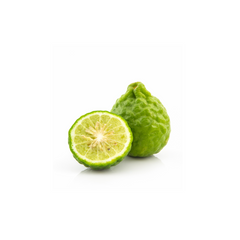
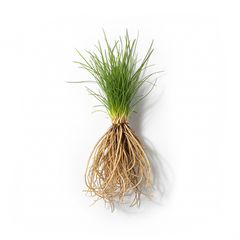
Creating an Italian Cypress accord involves a harmonious blend of complementary notes that enhance its woody and fresh character. A typical formulation might include: - Italian Cypress 30-35%: The core woody note that provides depth and structure. - Bergamot 20-25%: Adds a bright, citrusy top note that lifts the composition. - Vetiver 15-20%: Introduces an earthy, grounding element that complements the cypress. - Lavender 15-20%: Offers a floral softness that balances the woody aspects.

30-35%

Italian Cypress

30-35% of blend

The primary note that provides a fresh, woody character.

20-25%

Bergamot

20-25% of blend

Brightens the accord with its citrusy freshness.

15-20%

Vetiver

15-20% of blend

Adds an earthy depth that complements the cypress.

15-20%

Lavender

15-20% of blend

Provides a floral softness that balances the woody notes.

The Olfactory Layers

How Italian Cypress Evolves on Skin

The olfactory evolution of Italian Cypress unfolds in three distinct stages, showcasing its fresh and woody character.

I
Top notes
0–15 min
Bright Citrus Burst

Initially, the fragrance presents a bright and zesty profile, dominated by bergamot and galbanum. These high-volatility compounds evaporate quickly, creating an invigorating opening that captures attention.

CitrusyFreshInvigorating
II
Heart notes
20–60 min
Woody Elegance

As the top notes fade, the heart reveals the woody and aromatic qualities of cypress, complemented by basil and carnation. This stage offers a balanced, sophisticated character that is both grounding and uplifting.

WoodyAromaticSophisticated
III
Base notes
Several hours
Earthy Depth

The fragrance settles into a warm, earthy base, featuring labdanum and moss. This lasting impression provides depth and richness, ensuring the scent lingers on the skin for hours.

EarthyRichLong-lasting
TOP NOTES Bright Citrus Burst 0–15 minutes HEART NOTES Woody Elegance 20–60 minutes BASE NOTES Earthy Depth Several hours
Through the Ages

The Story of Italian Cypress in Perfumery

The history of Italian Cypress in perfumery dates back to ancient times, where it was revered for its aromatic properties and used in various cultural rituals.

Ancient Egypt

Symbol of Eternal Life

Cypress trees were planted in cemeteries as symbols of eternal life, often used in the construction of sarcophagi.

Ancient Greece

Mythological Significance

The cypress tree was associated with the myth of Cyparissus, symbolizing grief and transformation.

Middle Ages

Funerary Practices

Cypress was commonly planted in graveyards, reflecting its association with death and protection against evil spirits.

18th Century

Introduction to Perfumery

Cypress began to be used in perfumery, valued for its fresh and woody scent, often included in fougère compositions.

2005

Cipresso di Toscana Launch

Acqua di Parma launched Cipresso di Toscana, highlighting cypress as a key note in a luxurious Mediterranean fragrance.

The Art of Layering

How to Layer Italian Cypress

Italian Cypress is an excellent note for layering due to its ability to add structure and a refined green-woody facet. It pairs beautifully with zesty citrus notes for a fresher feel, with aromatic herbs for added complexity, or with warmer woods for a deeper, cozier effect.

01

Enhance Freshness

Layering Italian Cypress with bergamot creates a vibrant, citrusy profile that invigorates the senses. This combination is ideal for daytime wear, providing a refreshing burst.

02

Add Depth

Combining Italian Cypress with vetiver introduces an earthy richness, making it suitable for evening wear. This pairing creates a sophisticated and grounded scent.

03

Lighten the Glow

Pairing Italian Cypress with floral notes like lavender softens its woody character, creating a balanced and harmonious fragrance perfect for any occasion.

Wear It Right

How to Wear Italian Cypress Like a Pro

Seasonal Guide

Fall & Winter

In cooler months, the warmth of Italian Cypress shines, making it ideal for cozy evenings. Its earthy notes provide comfort and depth.

Spring

As temperatures rise, the fresh, green aspects of cypress become more pronounced, creating a vibrant and uplifting scent experience.

Summer

In hot weather, Italian Cypress can be refreshing, especially when layered with citrus notes, providing a light and invigorating fragrance.

Year-Round Tip

Italian Cypress is suitable for all seasons, but its versatility allows it to adapt beautifully to any occasion, from casual to formal.

Application Points

Strategic application enhances the impact of Italian Cypress.

1

Neck

Applying to the neck allows the fragrance to warm up, enhancing its projection and longevity.

2

Behind the Ears

This pulse point is ideal for a subtle scent that develops over time, creating a personal aura.

3

Inner Wrists

Wrist application allows for easy reapplication throughout the day, maintaining the fragrance's freshness.

4

Hair

Spraying on hair provides a long-lasting scent trail, as hair retains fragrance well.

★

Pro Tip

Layer Italian Cypress with a complementary scent to create a unique signature fragrance that reflects your personality.

Mood Architecture™

Top Italian Cypress Fragrances by Mood Score

These Italian Cypress-based fragrances scored highest on the MEI™ Mood Architecture Framework — measuring how a scent may influence your emotional state.

Highest MEI Score
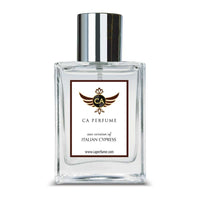
Italian Cypress — Tom Ford Italian Cypress Alternative Perfume
5.4
MEI™
Primary Fresh
Secondary Energizing
Confidence
5.32
Presence
5.15
Mood Lift
7.03
Identity
4.0
Warmth
3.05
Social Ease
5.62
Energy
6.03
" I am free.
View full mood profile →
HumanSafe™

Top Italian Cypress Fragrances by HumanSafe™ Score

These Italian Cypress-based fragrances have the highest product-level HumanSafe™ scores in this ingredient collection.

Highest HumanSafe™ Score
Italian Cypress — Tom Ford Italian Cypress Alternative Perfume
A-
HumanSafe™ Score Generally Safe
Safest Evaluated Ingredients EDP
AQUA Solvent / Carrier ISS 10.0
1,4-DIOXACYCLOHEPTADECANE-5,17-DIONE Evaluated ingredient ISS 10.0
4H-INDEN-4-ONE, 1,2,3,5,6,7-HEXAHYDRO-1,1,2,3,3- Evaluated ingredient ISS 9.0
2H-1-BENZOPYRAN-2-ONE Evaluated ingredient ISS 8.0
LINALYL ACETATE Evaluated ingredient ISS 7.0
LINALOOL Evaluated ingredient ISS 7.0
View full safety profile →
Expert Voices

What Masters Say About Italian Cypress

“
Cypress is a note that whispers sophistication, grounding scents with its crisp, coniferous character.
CA Perfume Editorial
“
The versatility of cypress makes it an excellent candidate for gender-neutral fragrances that offer universal appeal.
CA Perfume Editorial
Common Questions

Frequently Asked Questions

Frequently asked questions about Italian Cypress.

Italian Cypress in perfume is characterized by its fresh, woody, and slightly resinous aroma. It evokes images of sun-drenched Mediterranean landscapes, providing a sophisticated and elegant scent profile.

Italian Cypress is primarily a heart note in fragrances, providing a fresh and woody character that supports other notes in the composition.

Italian Cypress is favored in niche perfumes for its unique ability to impart natural freshness and sophistication, making it a versatile ingredient in various scent profiles.

Italian Cypress pairs well with citrus notes like bergamot and lemon, as well as aromatic herbs such as basil and lavender. It also complements warmer woods like sandalwood and vetiver.

Yes, Italian Cypress is suitable for summer wear due to its fresh and invigorating scent profile, making it a great choice for warm weather.

Italian Cypress fragrances typically last between 6 to 8 hours, depending on individual skin chemistry and environmental factors.

Absolutely! Italian Cypress is an excellent note for layering, as it can add structure and a refined green-woody facet to various scent combinations.

For beginners, Tom Ford's Italian Cypress and Acqua di Parma's Cipresso di Toscana are excellent choices, showcasing the note's versatility and appeal.

To choose the right Italian Cypress fragrance, consider your personal scent preferences and how you want the fragrance to evolve on your skin. Sampling different options can help you find your perfect match.

Italian Cypress primarily presents a fresh and woody aroma, with subtle resinous notes. It does not have a pronounced sweetness or spiciness, making it a clean and elegant choice.

Woody Aromatic Collection

Explore Our Top Italian Cypress Fragrances

Discover the best fragrances featuring Italian Cypress, showcasing its unique aromatic profile.

Shop all Italian Cypress fragrances at CA Perfume →

Where Italian Cypress Comes From — Origin & Extraction

Italian Cypress is native to the Mediterranean basin, thriving in dry, sunny environments. Major producing regions include southern France, Italy, Spain, and Greece, where the climate is ideal for its growth. The essential oil is primarily extracted through steam distillation of the tree's leaves and branches, capturing its aromatic compounds. This process typically yields around 1-2% essential oil from the plant material. Cypress trees are cultivated not only for their aromatic properties but also for their durable wood, which is used in construction and furniture. The oil is often used in luxury perfumes, soaps, and cosmetics, reflecting its high market value and demand.

Famous Fragrances That Define Italian Cypress in Perfumery

Italian Cypress has been featured in numerous notable fragrances, showcasing its versatility and appeal. Here are some key examples: 1. **Tom Ford Italian Cypress (2007)** - This fragrance highlights cypress as a central note, paired with bergamot and patchouli, creating a sophisticated and woody scent. 2. **Acqua di Parma Cipresso di Toscana (2005)** - A refreshing blend that combines cypress with citrus and lavender, evoking the essence of the Tuscan landscape. 3. **Atelier des Ors Italian Cypress** - This fragrance emphasizes the green, woody character of cypress, complemented by floral and spicy notes. 4. **Parfum d'Empire Wazamba** - A unique composition that incorporates cypress alongside fruity and floral elements, creating a vibrant scent experience. 5. **Xerjoff Blue Cypress** - A luxurious interpretation that highlights the fresh and woody aspects of cypress in a rich, complex formulation.

Natural vs Synthetic Italian Cypress in Perfumery

Natural Italian Cypress essential oil is highly valued for its authentic scent profile, which includes complex notes of wood and resin. The primary synthetic alternatives include compounds like alpha-pinene (CAS 80-56-8) and beta-pinene (CAS 127-91-3), which mimic the fresh, woody characteristics of the natural oil. While synthetic versions can be more cost-effective and stable, they may lack the depth and complexity of the natural oil. Natural cypress essential oil typically costs around $300-500 per kilogram, while synthetic versions can be priced at approximately $50-100 per kilogram. The choice between natural and synthetic often depends on the desired fragrance profile and ethical considerations in sourcing.