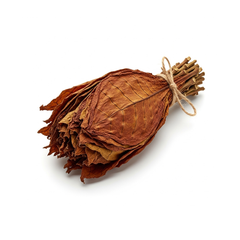
Ingredient Guide · Floral Woody
Floral Woody Family · Perfumery Note

Immortelle

The golden sun of Mediterranean perfumery

Immortelle, or Helichrysum, is a heart/base note prized for its warm, honeyed, herbaceous scent profile. Extracted mainly by solvent or steam distillation, it is used below 5% concentration.

Immortelle
Ingredient Profile

Immortelle

Floral Woody Family
Family Floral Woody
Note Position Heart Note
Usage Level <5%
Key Origins France (Corsica), Italy (Tuscany), Portugal
Iconic In Sables, Like This
The Ingredient

What does Immortelle smell like and why is it so special?

Immortelle, botanically known as Helichrysum italicum or Helichrysum angustifolium, is a perennial Mediterranean shrub of the Asteraceae family. Its fragrance is characterized by a complex warm, honeyed, and herbaceous scent profile, with molecular contributors including beta-diketones and sesquiterpenes that impart caramel, hay, tobacco, and spicy curry-like nuances. This distinctive scent profile defines immortelle's unique olfactory signature. In perfumery, immortelle functions primarily as a heart or base note due to its rich and tenacious aroma. It is typically used at concentrations below 5%, where it bridges bright top notes and deeper resinous bases, creating a seamless transition in fragrance pyramids. The note interacts variably with skin chemistry, often revealing its honeyed and slightly smoky facets more prominently on warmer or drier skin. Notable fragrances exemplifying immortelle's use include Annick Goutal's Sables (1985), where it forms a warm, sun-baked heart, and Etat Libre d'Orange's Like This (2010), which highlights its spicy, maple syrup-like facets. These compositions demonstrate immortelle's versatility in adding depth and nostalgic warmth to both floral and oriental accords.

<5%
Typical concentration range in fragrance formulations to balance potency and blendability.
2–3 Sprays
Recommended application amount to enjoy immortelle's presence without overpowering.
4–6 Hours
Average longevity of immortelle-containing fragrances on skin, reflecting its tenacious base note qualities.
Origin & Extraction

Where Immortelle Comes From — Origin & Extraction

Immortelle's scent is deeply influenced by its Mediterranean origins, where soil composition, climate, and altitude shape its aromatic profile. The warm, dry, sun-baked conditions foster the development of its characteristic honeyed and herbaceous notes.

Immortelle is primarily sourced from the Mediterranean basin, with key producing countries including France (notably Corsica), Italy (especially Tuscany), and Portugal. The plant, Helichrysum italicum, thrives in sun-drenched, rocky, and sandy soils, often found in wild maquis landscapes. Corsican immortelle is prized for its intense, sweet aromatic profile, while Italian varieties contribute a richer, herbaceous complexity, and Portuguese origins offer a vibrant, citrusy facet. Extraction methods vary: Immortelle absolute is obtained through solvent extraction of dried flowers, typically using volatile solvents like hexane or ethanol, yielding a viscous, dark brown paste rich in caramel, tobacco, and honey notes. Essential oil is produced via steam distillation of fresh flowering tops, resulting in a lighter, fresher aroma with more pronounced hay and clove facets. Solvent extraction preserves heavier molecules such as beta-diketones, which contribute to the absolute's depth and longevity. Natural immortelle absolute costs approximately $3,000–6,000 per kilogram, reflecting its labor-intensive harvest and extraction. Synthetic analogues, based on molecules like safranal, cost significantly less ($50–200/kg) but lack the full complexity of the natural extract. Sustainability efforts focus on wild harvesting management and cultivation to prevent overexploitation, with Corsican producers pioneering sustainable harvest techniques.

FR

France (Corsica)

Corsica's coastal climate and rocky, nutrient-poor soils produce immortelle with intense, sweet, and resinous aromatics. The island's PDO status supports sustainable wild harvesting, contributing approximately 30% of the global supply.

IT

Italy (Tuscany)

Tuscany's sun-drenched hills yield immortelle with a richer, slightly herbaceous aroma. Cultivation practices here focus on optimizing yield at lower altitudes, where essential oil content is higher.

PT

Portugal

Portugal's sun-kissed landscapes impart a vibrant, citrusy facet to immortelle, complementing its warm character. Harvesting is primarily wild, with emerging cultivation efforts to meet growing demand.

ES

Spain (Balearic Islands)

The Balearic Islands provide a habitat for Helichrysum italicum subsp. microphyllum, producing immortelle with a balanced spicy and herbal profile, favored for niche perfumery.

Chemistry

Natural vs Synthetic Immortelle in Perfumery

Natural immortelle absolute (INCI: Helichrysum italicum extract) is a complex, variable material extracted mainly by solvent methods, containing key aroma compounds such as beta-diketones, sesquiterpenes, and phenols. It offers a rich, warm, honeyed, and herbaceous scent with facets of caramel, tobacco, and spicy curry. Its longevity on smelling strips exceeds 170 hours, making it a powerful base note and fixative in gourmand, oriental, and amber compositions. Synthetic substitutes focus on molecules like safranal (CAS 116-26-7) and analogues that replicate immortelle's spicy and honeyed facets. These synthetics provide consistent, stable aroma profiles at a fraction of the cost ($50–200/kg) compared to natural absolute ($3,000–6,000/kg). However, synthetics lack the full olfactory complexity and tenacity of natural extracts. Famous fragrances such as Annick Goutal's Sables and Guerlain's L'Heure Bleue utilize natural immortelle absolute, while some modern niche perfumes may incorporate synthetic molecules for cost or stability reasons. The HumanSafe™ platform ensures transparency and safety data for both natural and synthetic ingredients, guiding formulators in responsible use and consumer safety.

Natural
Immortelle Absolute
Cost $3,000–6,000/kg
Method Solvent / CO₂
Character Complex, variable
vs
Synthetic
Safranal & Analogues
Cost $50–200/kg
Method Lab synthesis
Character Consistent, stable
Hall of Fame

Famous Fragrances That Define Immortelle in Perfumery

1985
dominant note

Sables

Annick Goutal
by Isabelle Doyen
amberwoody notes
2010
heart note

Like This

Etat Libre d'Orange
by Mathilde Bijaoui
gingerpumpkin
2019
supporting note

Ganymede

Marc-Antoine Barrois
Italian mandarinsaffronviolet
2023
supporting note

Ganymede Extrait

Marc-Antoine Barrois
Italian mandarinsaffronviolet
2017
dominant note

Immortelle

Manos Gerakinis
brown sugarcinnamonvanillatobacco

Immortelle has been a defining note in several landmark fragrances, often used to impart warmth, complexity, and a nostalgic aura. Annick Goutal's Sables (1985), crafted by perfumer Isabelle Doyen, is a seminal immortelle fragrance where the note forms a sun-baked, honeyed heart, paired with amber and woody accords. Etat Libre d'Orange's Like This (2010), by Mathilde Bijaoui, uses immortelle to evoke Thanksgiving desserts, blending it with ginger and pumpkin for a rich, gourmand effect. Marc-Antoine Barrois' Ganymede (2019) and its Extrait (2023) showcase immortelle's versatility, pairing it with Italian mandarin, saffron, and violet to create a transparent yet textured scent. Manos Gerakinis Immortelle (2017) highlights the note's burnt brown sugar and cinnamon facets, combined with vanilla and tobacco for a gourmand warmth. Other notable uses include Guerlain's Cuir Béluga, Kilian's Old Fashioned, and Amouage's Interlude Woman, where immortelle acts as a bridge between spicy, woody, and amber notes. CA Perfume's collection draws inspiration from this lineage, exploring immortelle's multifaceted character in contemporary compositions.

The Accord

How is a captivating Immortelle accord crafted?

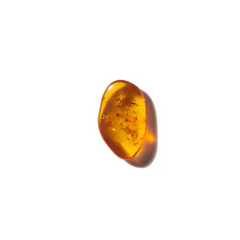
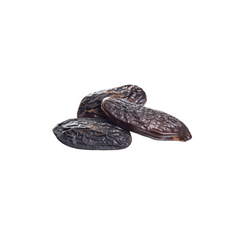
A balanced immortelle accord typically comprises Immortelle absolute (25–30%) for its warm, honeyed, and herbaceous core; Patchouli (20–25%) to provide earthy depth and enhance longevity; Tonka Bean (20–25%) to introduce creamy, sweet nuances that soften immortelle's herbal edges; and Amber (20–25%) to add resinous warmth and fixative properties. This blend totals approximately 90–100%, creating a rich, multi-dimensional accord where molecular interactions between beta-diketones in immortelle and vanillin in tonka bean produce a harmonious sweetness, while patchouli's sesquiterpenes reinforce the accord's tenacity.

30%

Immortelle Absolute

25–30% of blend

Provides the accord's signature warm, honeyed, and herbaceous character through complex beta-diketones and sesquiterpenes.

25%

Patchouli

20–25% of blend

Adds earthy depth and enhances longevity via its rich sesquiterpene content, complementing immortelle's warmth.

25%

Tonka Bean

20–25% of blend

Contributes creamy, sweet vanillin notes that soften immortelle's herbal facets through olfactory masking.

25%

Amber

20–25% of blend

Provides resinous warmth and fixative properties, enhancing accord tenacity and depth.

The Olfactory Layers

How Immortelle Evolves on Skin

Immortelle evolves over time from its initial warm, herbaceous heart to a deep, resinous base, driven by the evaporation rates of its complex molecular constituents. Early notes reveal volatile terpenes, while long-lasting beta-diketones and phenols sustain its rich honeyed and tobacco facets.

I
Top notes
0–15 min
Fresh Herbal Opening

Initial impressions feature lighter, more volatile compounds such as monoterpenes (alpha-pinene, limonene) contributing fresh, slightly green and citrusy facets that prepare the olfactory palate.

FreshGreenCitrusy
II
Heart notes
20–60 min
Warm Honeyed Core

The heart reveals immortelle's signature warm, honeyed, and herbaceous character, dominated by beta-diketones and sesquiterpenes that impart caramel, hay, and spicy curry-like nuances.

WarmHoneyedHerbaceous
III
Base notes
Several hours
Resinous and Tobacco Undertones

Base notes are sustained by heavier molecules such as phenols and resinous compounds, delivering tobacco, woody, and slightly animalic undertones that provide depth and longevity.

TobaccoWoodyResinous
TOP NOTES Fresh Herbal Opening 0–15 minutes HEART NOTES Warm Honeyed Core 20–60 minutes BASE NOTES Resinous and Tobacco Undertones Several hours
Through the Ages

The Story of Immortelle in Perfumery

Immortelle's journey in perfumery spans centuries, from ancient Greek and Roman uses to modern niche fragrance innovations, reflecting evolving extraction techniques and olfactory appreciation.

Antiquity

Ancient Greek and Roman Reverence

Helichrysum flowers were used to crown gods and symbolize eternal life, as noted by Pliny the Elder and in Greek mythology, highlighting early cultural significance.

1912

L'Heure Bleue by Guerlain

Jacques Guerlain incorporated immortelle absolute, marking one of the earliest uses of the note in fine perfumery, contributing to the fragrance's warm, powdery heart.

1985

Sables by Annick Goutal

Isabelle Doyen crafted a landmark immortelle fragrance, showcasing the note's sun-baked, honeyed character in a dominant role.

2010

Like This by Etat Libre d'Orange

Mathilde Bijaoui used immortelle to evoke rich gourmand accords, blending it with ginger and pumpkin, popularizing the note in modern niche perfumery.

2019

Ganymede by Marc-Antoine Barrois

This fragrance demonstrated immortelle's versatility, pairing it with citrus and floral notes, influencing a resurgence of interest in the note.

The Art of Layering

How to Layer Immortelle

Understanding how to layer immortelle involves molecular compatibility and olfactory synergy. Its beta-diketones harmonize with vanillin in vanilla to soften herbal edges, while patchouli's sesquiterpenes deepen the accord's earthiness. Citrus top notes like bergamot provide a fresh contrast that lifts immortelle's warmth. Layering with woody notes enhances longevity and adds complexity, as seen in fragrances like Annick Goutal's Sables and Etat Libre d'Orange's Like This.

01

Enhance Sweetness

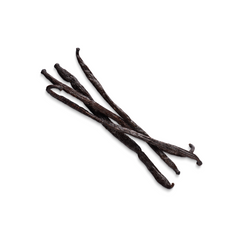
Pair immortelle with vanilla and tonka bean to create a creamy, sweet accord. Vanillin masks immortelle's medicinal facets, producing a smooth, warm sweetness.

02

Add Depth

Combine immortelle with patchouli and amber to reinforce earthy and resinous qualities. Sesquiterpenes in patchouli synergize with immortelle's beta-diketones for lasting depth.

03

Lighten the Glow

Layer immortelle with bergamot or citrus notes to introduce brightness and counterbalance its dense warmth. The fresh top notes enhance overall balance and wearability.

Wear It Right

How to Wear Immortelle Like a Pro

Seasonal Guide

Fall & Winter

Cooler temperatures slow evaporation, allowing immortelle's warm, resinous, and spicy facets to linger longer. Apply moderately to pulse points for cozy, enveloping warmth.

Spring

Moderate warmth enhances immortelle's honeyed and herbal notes. Layer with fresh florals or citrus to balance its richness for daytime wear.

Summer

Heat increases volatility, emphasizing fresh and spicy top notes but potentially reducing longevity. Use lighter application or blend with aquatic notes to maintain freshness.

Year-Round Tip

Adjust application based on climate and occasion; immortelle's complexity suits layering with woods or vanilla to tailor warmth and sweetness.

Application Points

Strategic application enhances immortelle's scent projection and longevity.

1

Neck

Pulse points here provide warmth that activates immortelle's rich heart notes, enhancing sillage.

2

Behind the Ears

This discreet area allows subtle diffusion of immortelle's complex facets throughout the day.

3

Inner Wrists

Warmth and movement here help release immortelle's spicy and honeyed nuances effectively.

4

Hair

Hair holds fragrance oils well, offering a gentle, prolonged release of immortelle's aroma.

Pro Tip

Layer immortelle-based fragrances with complementary notes like vanilla or patchouli on moisturized skin for enhanced depth and longevity.

Mood Architecture™

Top Immortelle Fragrances by Mood Score

These Immortelle-based fragrances scored highest on the MEI™ Mood Architecture Framework — measuring how a scent may influence your emotional state.

Highest MEI Score
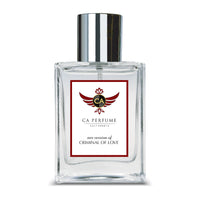
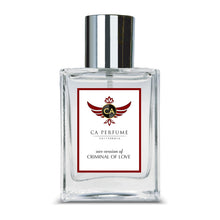
Criminal Of Love — By Kilian Criminal Of Love Alternative Perfume
8.38
MEI™
Primary Magnetic
Secondary Confident
Confidence
8.65
Presence
9.5
Mood Lift
8.56
Identity
9.5
Warmth
9.04
Social Ease
7.2
Energy
3.4
" I am bold.
View full mood profile →
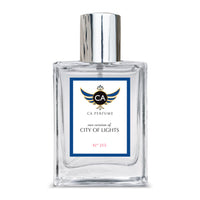
City Of Lights — Manhattan Alternative Perfume
8.17
MEI™
Primary Romantic
Secondary Confident
Confidence
7.48
Presence
8.12
Mood Lift
8.9
Identity
8.17
Warmth
9.5
Social Ease
7.97
Energy
4.0
" I am beautiful.
View full mood profile →
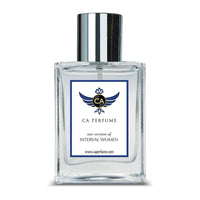
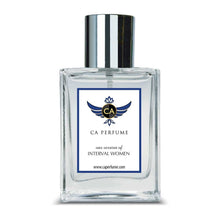
Interval Women — Interlude Women Alternative Perfume
7.45
MEI™
Primary Romantic
Secondary Confident
Confidence
7.29
Presence
8.02
Mood Lift
7.62
Identity
7.83
Warmth
8.8
Social Ease
6.51
Energy
4.8
" I am beautiful.
View full mood profile →
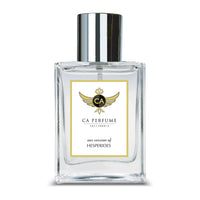
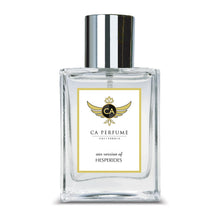
Hesperides — L'eau Des Hesperides Alternative Perfume
6.3
MEI™
Primary Fresh
Secondary Energizing
Confidence
6.11
Presence
6.14
Mood Lift
7.18
Identity
5.06
Warmth
5.82
Social Ease
6.21
Energy
6.8
" I am radiant.
View full mood profile →
HumanSafe™

Top Immortelle Fragrances by HumanSafe™ Score

These Immortelle-based fragrances have the highest product-level HumanSafe™ scores in this ingredient collection.

Highest HumanSafe™ Score
Interval Women — Interlude Women Alternative Perfume
A-
HumanSafe™ Score Generally Safe
Safest Evaluated Ingredients EDP
AQUA Solvent / Carrier ISS 10.0
LINALYL ACETATE Evaluated ingredient ISS 7.0
LINALOOL Evaluated ingredient ISS 7.0
ALCOHOL DENAT. Solvent / Carrier ISS 7.0
1,3,4,6,7,8-HEXAHYDRO-4,6,6,7,8,8- Evaluated ingredient ISS 7.0
D-LIMONENE Evaluated ingredient ISS 6.8
View full safety profile →
Hesperides — L'eau Des Hesperides Alternative Perfume
A-
HumanSafe™ Score Generally Safe
Safest Evaluated Ingredients EDP
AQUA Solvent / Carrier ISS 10.0
3-CYCLOPENTENE-1-ACETALDEHYDE, 2,2,3-TRIMETHYL-, Evaluated ingredient ISS 9.0
2-OXABICYCLO[2.2.2]OCTANE, 1,3,3-TRIMETHYL- Evaluated ingredient ISS 9.0
CYCLOHEXANOL, 5-METHYL-2-(1-METHYLETHYL)-, (1R,2S,5R)- Evaluated ingredient ISS 8.0
CITRAL Evaluated ingredient ISS 8.0
LINALOOL Evaluated ingredient ISS 7.0
View full safety profile →
580- Fleur Universelle Perfume Spray
#3
580- Fleur Universelle Perfume Spray
Starting from $12.99
A-
HumanSafe™ Score Generally Safe
Safest Evaluated Ingredients EDP
OXACYCLOHEPTADEC-10-EN-2-ONE Evaluated ingredient ISS 10.0
AQUA Solvent / Carrier ISS 10.0
1,4-DIOXACYCLOHEPTADECANE-5,17-DIONE Evaluated ingredient ISS 10.0
BENZYL SALICYLATE Evaluated ingredient ISS 9.0
2H-1-BENZOPYRAN-2-ONE Evaluated ingredient ISS 8.0
View full safety profile →
Criminal Of Love — By Kilian Criminal Of Love Alternative Perfume
A-
HumanSafe™ Score Generally Safe
Safest Evaluated Ingredients EDP
AQUA Solvent / Carrier ISS 10.0
1,4-DIOXACYCLOHEPTADECANE-5,17-DIONE Evaluated ingredient ISS 10.0
1H-BENZOCYCLOHEPTENE, 2,4A,5,6,7,8-HEXAHYDRO- Evaluated ingredient ISS 9.0
2H-1-BENZOPYRAN-2-ONE Evaluated ingredient ISS 8.0
BULNESIA SARMIENTI, EXT., ACETATE Evaluated ingredient ISS 7.0
ALCOHOL DENAT. Solvent / Carrier ISS 7.0
View full safety profile →
Expert Voices

What Masters Say About Immortelle

Immortelle absolute is akin to the assoluta voice with the rich darkness of a contralto and the ringing bells of a soprano – it simply pierces through the thickest of compositions.
Perfume Blogger N.
Immortelle is a powerful ingredient in the perfumer’s palette which expresses, over the hours, the richness of its aromas, oscillating between honeyed hay, fresh thyme, tobacco, and spicy curry facets.
CA Perfume Editorial
Common Questions

Frequently Asked Questions

Common questions about immortelle in perfumery answered with detailed, factual information.

Immortelle in perfume smells warm, honeyed, and herbaceous with complex nuances of caramel, hay, tobacco, and spicy curry. It is often described as sweet yet dry, with a slightly medicinal and powdery character. This multifaceted scent profile is due to compounds like beta-diketones and sesquiterpenes present in the absolute and essential oil forms.

Immortelle is primarily used as a heart or base note in perfumery. Its rich, warm, and tenacious aroma bridges the brighter top notes and deeper base notes, contributing to the fragrance's longevity and depth. Concentrations typically remain below 5% to maintain balance.

Immortelle's complex and distinctive scent profile, combining warm honeyed sweetness with herbaceous and spicy facets, appeals to niche perfumers seeking unique, textured compositions. Its ability to add depth, nostalgia, and a sun-baked Mediterranean character makes it a prized ingredient in sophisticated, artisanal fragrances.

Immortelle fragrance uses commonly include pairing with vanilla and tonka bean to soften its herbal edges, patchouli and amber to add depth and longevity, and bergamot or other citrus notes to introduce brightness. These combinations create harmonious accords that balance immortelle's warmth and complexity.

Immortelle can be worn in summer, but its warm and rich character may be more pronounced in cooler weather. In hot climates, lighter application or blending with fresh, aquatic, or citrus notes can maintain freshness and prevent the scent from becoming overpowering.

Fragrances featuring immortelle typically last 4 to 6 hours on skin, with some formulations extending longevity due to the note's tenacious base qualities. Its absolute form can persist even longer on smelling strips, exceeding 170 hours.

Yes, layering immortelle with complementary notes like vanilla, patchouli, amber, or citrus can enhance its facets and create personalized scent profiles. Understanding how to layer immortelle involves recognizing molecular compatibilities and olfactory masking effects.

For those new to immortelle, fragrances like Etat Libre d'Orange's Like This, Annick Goutal's Sables, and Marc-Antoine Barrois' Ganymede offer approachable introductions, showcasing immortelle's warmth and complexity in balanced compositions.

Selecting an immortelle fragrance involves considering the note's treatment—whether dominant or supporting—and the overall composition style. CA Perfume offers a curated collection emphasizing transparency and quality, guided by the HumanSafe™ platform to ensure safety and authenticity.

Immortelle exhibits both sweet and spicy facets in fragrance. Its sweetness arises from honeyed and caramel notes, while its spiciness is reminiscent of curry, clove, and cinnamon. This duality contributes to its complex and intriguing olfactory character.

Floral Woody Collection

Explore Our Top Immortelle Fragrances

Discover a curated selection of perfumes featuring immortelle's warm, honeyed, and herbaceous signature.

Shop all immortelle fragrances at CA Perfume →

Where Immortelle Comes From — Origin & Extraction

Immortelle is primarily sourced from the Mediterranean basin, with key producing countries including France (notably Corsica), Italy (especially Tuscany), and Portugal. The plant, Helichrysum italicum, thrives in sun-drenched, rocky, and sandy soils, often found in wild maquis landscapes. Corsican immortelle is prized for its intense, sweet aromatic profile, while Italian varieties contribute a richer, herbaceous complexity, and Portuguese origins offer a vibrant, citrusy facet. Extraction methods vary: Immortelle absolute is obtained through solvent extraction of dried flowers, typically using volatile solvents like hexane or ethanol, yielding a viscous, dark brown paste rich in caramel, tobacco, and honey notes. Essential oil is produced via steam distillation of fresh flowering tops, resulting in a lighter, fresher aroma with more pronounced hay and clove facets. Solvent extraction preserves heavier molecules such as beta-diketones, which contribute to the absolute's depth and longevity. Natural immortelle absolute costs approximately $3,000–6,000 per kilogram, reflecting its labor-intensive harvest and extraction. Synthetic analogues, based on molecules like safranal, cost significantly less ($50–200/kg) but lack the full complexity of the natural extract. Sustainability efforts focus on wild harvesting management and cultivation to prevent overexploitation, with Corsican producers pioneering sustainable harvest techniques.

Famous Fragrances That Define Immortelle in Perfumery

Immortelle has been a defining note in several landmark fragrances, often used to impart warmth, complexity, and a nostalgic aura. Annick Goutal's Sables (1985), crafted by perfumer Isabelle Doyen, is a seminal immortelle fragrance where the note forms a sun-baked, honeyed heart, paired with amber and woody accords. Etat Libre d'Orange's Like This (2010), by Mathilde Bijaoui, uses immortelle to evoke Thanksgiving desserts, blending it with ginger and pumpkin for a rich, gourmand effect. Marc-Antoine Barrois' Ganymede (2019) and its Extrait (2023) showcase immortelle's versatility, pairing it with Italian mandarin, saffron, and violet to create a transparent yet textured scent. Manos Gerakinis Immortelle (2017) highlights the note's burnt brown sugar and cinnamon facets, combined with vanilla and tobacco for a gourmand warmth. Other notable uses include Guerlain's Cuir Béluga, Kilian's Old Fashioned, and Amouage's Interlude Woman, where immortelle acts as a bridge between spicy, woody, and amber notes. CA Perfume's collection draws inspiration from this lineage, exploring immortelle's multifaceted character in contemporary compositions.

Natural vs Synthetic Immortelle in Perfumery

Natural immortelle absolute (INCI: Helichrysum italicum extract) is a complex, variable material extracted mainly by solvent methods, containing key aroma compounds such as beta-diketones, sesquiterpenes, and phenols. It offers a rich, warm, honeyed, and herbaceous scent with facets of caramel, tobacco, and spicy curry. Its longevity on smelling strips exceeds 170 hours, making it a powerful base note and fixative in gourmand, oriental, and amber compositions. Synthetic substitutes focus on molecules like safranal (CAS 116-26-7) and analogues that replicate immortelle's spicy and honeyed facets. These synthetics provide consistent, stable aroma profiles at a fraction of the cost ($50–200/kg) compared to natural absolute ($3,000–6,000/kg). However, synthetics lack the full olfactory complexity and tenacity of natural extracts. Famous fragrances such as Annick Goutal's Sables and Guerlain's L'Heure Bleue utilize natural immortelle absolute, while some modern niche perfumes may incorporate synthetic molecules for cost or stability reasons. The HumanSafe™ platform ensures transparency and safety data for both natural and synthetic ingredients, guiding formulators in responsible use and consumer safety.