Ingredient Guide · Floral Green
Floral Green Family · Perfumery Note

Holly

A refreshing evergreen note with festive charm

Holly is a green, crisp fragrance note derived from the evergreen Ilex aquifolium, known for its glossy leaves and bright red berries. It is used primarily as a heart or top note in perfumery at concentrations of 0.1–1%. Its scent features bright green facets with sweet and slightly tart nuances.

Holly
Ingredient Profile

Holly

Floral Green Family
Family Floral Green
Note Position Heart Note
Usage Level 0.1–1%
Key Origins United Kingdom, United States, France
Iconic In Baccarat Rouge 540, Rehab
The Ingredient

What does Holly smell like and why is it cherished in perfumery?

Holly, botanically known as Ilex aquifolium, is an evergreen plant whose glossy green leaves and red berries inspire its crisp, green scent profile in perfumery. The olfactory character of holly is fresh and brisk, with bright green notes complemented by subtle sweet and slightly tart undertones that evoke the festive spirit of winter. This scent profile is largely due to volatile green aldehydes and esters that mimic the plant’s fresh foliage and berries. In perfumery, holly is typically used as a top or heart note, often at concentrations ranging from 0.1% to 1%, depending on the composition. Its bright and lively green facets make it ideal for adding freshness and vibrancy to floral, citrus, and aromatic accords. Holly’s scent interacts with skin chemistry by enhancing the perception of freshness and brightness, often blending seamlessly with other green and fruity notes. Notable examples of holly’s use in fragrance include Maison Francis Kurkdjian’s Baccarat Rouge 540, where it adds a crisp green contrast to amber and jasmine, and Initio Parfums Prives’ Rehab, which uses holly to soften and brighten its spicy accords. These fragrances demonstrate holly’s versatility and its ability to bring a refreshing, festive character to modern perfumery.

0.1–1%
Typical concentration range of holly extract or accord in fragrance compositions, balancing freshness with blend stability.
15–60 minutes
Duration of holly’s heart note phase, where floral and green facets harmonize before transitioning to warm base notes.
>$3,000/kg
Approximate cost of natural holly extract per kilogram due to low yield and labor-intensive extraction methods.
Origin & Extraction

Where Holly Comes From — Origin & Extraction

Holly’s scent character is influenced by its temperate growing regions, where seasonal climate and soil conditions affect the aromatic profile. The UK and US are primary producers, with holly thriving in well-drained soils and moderate rainfall, producing leaves with bright green freshness and berry notes.

Holly (Ilex aquifolium) is native to temperate regions of the Northern Hemisphere, particularly Europe and parts of North America. The United Kingdom is renowned for its diverse holly varieties, often associated with traditional winter holiday decorations. In the United States, holly is similarly cultivated and harvested mainly for ornamental use during the festive season. The extraction of holly’s fragrance note for perfumery is typically achieved through solvent extraction or reconstitution techniques rather than direct distillation, as the plant’s aromatic compounds are delicate and present in low concentrations. Solvent extraction uses volatile solvents such as hexane or ethanol at controlled temperatures (usually below 50°C) to preserve the green and slightly sweet aromatic molecules. The yield is relatively low, making natural holly extracts rare and valued. Synthetic recreations of holly scent are common, using green aldehydes and esters to replicate its crisp, fresh character. Natural holly extracts can cost several thousand dollars per kilogram due to labor-intensive harvesting and low yield. Sustainability considerations include responsible harvesting to avoid overexploitation of wild holly populations and preference for cultivated sources to ensure ecological balance.

GB

United Kingdom

The UK is known for diverse holly varieties, cultivated mainly in temperate woodlands. The soil’s loamy texture and seasonal climate contribute to holly’s crisp, green aroma. The UK holds a significant market share in holly cultivation for ornamental and fragrance uses, with traditional harvesting methods supporting sustainability.

US

United States

In the US, holly is cultivated primarily in the eastern states with temperate climates. The region’s varied soil types and seasonal temperature shifts influence the berry’s tartness and leaf’s green intensity. Holly is widely harvested for holiday decoration and fragrance extraction, with increasing focus on sustainable agricultural practices.

FR

France

France contributes to holly extraction through advanced solvent extraction facilities, sourcing cultivated holly from temperate regions. The controlled agricultural environment ensures consistent aromatic quality, supporting perfumery demand for natural green notes.

Chemistry

Natural vs Synthetic Holly in Perfumery

Natural holly fragrance is derived mainly from solvent extraction of holly leaves and berries, capturing its fresh, green, and slightly sweet aroma. However, the natural extract is scarce and expensive due to low yield and delicate extraction requirements. Synthetic molecules commonly used to replicate holly’s scent include cis-3-hexenol (CAS 928-96-1), which imparts a freshly cut grass and green leaf aroma, and aldehyde C14 (CAS 18829-55-5), which adds creamy, citrusy facets. Synthetic holly accords offer greater consistency, longevity, and diffusion compared to natural extracts, which can vary by harvest and degrade more quickly. Cost-wise, synthetic aroma chemicals are significantly more affordable, typically priced between $50–200/kg, whereas natural holly extracts can exceed $3,000/kg. Famous fragrances such as Maison Francis Kurkdjian’s Baccarat Rouge 540 and Initio Parfums Prives’ Rehab utilize synthetic holly molecules to achieve a stable and vibrant green note. The HumanSafe™ platform emphasizes transparency and sustainability, encouraging the use of ethically sourced natural extracts combined with high-quality synthetics to balance ecological impact and fragrance performance.

Natural
Holly Absolute
Cost $3,000–6,000/kg
Method Solvent / CO₂
Character Complex, variable
vs
Synthetic
Safranal & Analogues
Cost $50–200/kg
Method Lab synthesis
Character Consistent, stable
Hall of Fame

Famous Fragrances That Define Holly in Perfumery

2015
accent note

Baccarat Rouge 540

Maison Francis Kurkdjian
by Francis Kurkdjian
AmberwoodJasmine
2018
heart note

Rehab

Initio Parfums Prives
SpicesPowdery Notes
2016
supporting note

Oltremare

Bois 1920
Marine NotesCitrus
2013
heart note

Nina Fantasy

Nina Ricci
Fruity NotesFloral Notes
—
supporting note

Valentino Donna Born In Roma

Valentino
RoseVanilla

Holly has been featured in several notable contemporary fragrances, where it functions as a refreshing green or heart note that bridges floral, citrus, and aromatic accords. Maison Francis Kurkdjian’s Baccarat Rouge 540 (2015), crafted by Francis Kurkdjian, uses holly to add a crisp green contrast to its amber and jasmine facets, enhancing the fragrance’s luminous character. Initio Parfums Prives’ Rehab (2018) employs holly as a brightening element within a spicy, powdery composition, softening the intensity and adding vivacity. Other significant uses include Bois 1920’s Oltremare (2016), where holly supports marine and citrus notes, and Nina Ricci’s Nina Fantasy (2013), which integrates holly in a fruity-floral context. These examples showcase holly’s versatility across fragrance families and its ability to impart freshness and seasonal cheer. CA Perfume’s collection honors this lineage by offering fragrances that highlight holly’s crisp green qualities, emphasizing sustainable sourcing and modern olfactory innovation.

The Accord

How is a captivating Holly accord crafted?

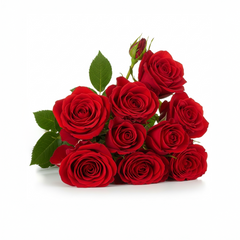
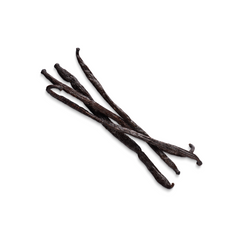
A vibrant holly accord is constructed by blending crisp green facets with complementary fruity, floral, and warm elements to balance freshness and depth. The relative proportions within the accord typically range from 20–25% holly, 15–20% rose, 25–30% vanilla, and 25–30% benzoin. Holly provides the bright, green backbone through aldehydic and ester compounds, while rose adds a floral softness via phenyl ethyl alcohol and geraniol. Vanilla’s vanillin molecule softens the metallic edge of holly through olfactory masking, and benzoin contributes a balsamic sweetness that rounds the accord with warmth and longevity.

25%

Holly

20–25% of blend

Provides the fresh, crisp green character through aldehydes and esters, forming the accord’s vibrant core.

20%

Rose

15–20% of blend

Adds floral softness and complexity via phenyl ethyl alcohol and geraniol, complementing holly’s brightness.

30%

Vanilla

25–30% of blend

Introduces comforting sweetness and masks holly’s metallic notes through vanillin’s olfactory effects.

30%

Benzoin

25–30% of blend

Contributes a warm, balsamic sweetness that enhances depth and longevity of the accord.

The Olfactory Layers

How Holly Evolves on Skin

Holly’s olfactory journey begins with bright, volatile green aldehydes that evaporate rapidly within the first 15 minutes, imparting a fresh and invigorating top note. The heart phase unfolds over 20 to 60 minutes, where floral and slightly sweet molecules emerge, softening the initial crispness. The base notes, lasting several hours, reveal warm, balsamic undertones from vanilla and benzoin compounds that anchor the fragrance with a cozy finish.

I
Top notes
0–15 min
Bright Green Freshness

The initial impression is dominated by high-volatility green aldehydes and esters, creating a crisp, fresh, and slightly tart aroma reminiscent of holly leaves and berries. These molecules evaporate quickly, providing an uplifting and brisk opening.

CrispGreenFresh
II
Heart notes
20–60 min
Floral Softness

Floral compounds such as phenyl ethyl alcohol and geraniol emerge, blending with the green facets to produce a balanced, soft, and slightly sweet floral heart. This phase feels harmonious and vibrant, bridging freshness and warmth.

FloralSoftBalanced
III
Base notes
Several hours
Warm Balsamic Comfort

Warm, resinous molecules like vanillin and benzoin provide a sweet, balsamic foundation that stabilizes the accord. These lower-volatility compounds ensure longevity and impart a cozy, inviting finish to the fragrance.

WarmSweetBalsamic
TOP NOTES Bright Green Freshness 0–15 minutes HEART NOTES Floral Softness 20–60 minutes BASE NOTES Warm Balsamic Comfort Several hours
Through the Ages

The Story of Holly in Perfumery

Holly’s use in perfumery has evolved from traditional holiday symbolism to a modern green fragrance note, embraced for its fresh and festive character in contemporary compositions.

Antiquity

Holly as a Symbol in Ancient Cultures

Holly was revered in ancient European cultures for its evergreen leaves and red berries, symbolizing protection and winter vitality. Though not directly used in perfumery, its cultural significance laid the groundwork for later aromatic associations.

19th Century

Early Aromatic Uses of Holly

Holly leaves and berries were occasionally used in folk remedies and aromatic applications, inspiring early attempts to capture its scent through infusions and tinctures.

Mid 20th Century

Holly in Holiday Fragrances

Holly became a popular motif in Christmas-themed room sprays and candles, especially in the US and UK, evoking festive green and berry notes associated with winter celebrations.

2010s

Holly’s Emergence in Niche Perfumery

Fragrance houses began incorporating holly accords into fine perfumes, using synthetic and natural blends to evoke crisp green freshness, notably in Maison Francis Kurkdjian’s Baccarat Rouge 540 (2015).

2020s

Sustainable Sourcing and Synthetic Innovation

The perfume industry increased focus on sustainable holly extraction and synthetic aroma chemicals to replicate holly’s scent, balancing ecological concerns with fragrance performance.

The Art of Layering

How to Layer Holly

Understanding how to layer holly involves molecular compatibility and olfactory synergy. Holly’s green aldehydes blend well with floral notes like rose due to shared phenyl ethyl compounds, creating a seamless transition. Vanilla’s vanillin masks holly’s metallic edges, softening the scent and adding warmth. Citrus notes elevate holly’s brightness through complementary ester molecules, enhancing freshness. Layering holly with warm woods introduces depth by balancing volatile green molecules with stable sesquiterpenes, as demonstrated in fragrances like Baccarat Rouge 540 and Rehab.

01

Enhance Sweetness

Layering holly with vanilla introduces vanillin, which masks the metallic aldehydes in holly, creating a smoother, sweeter scent. This molecular masking softens sharp edges, making the fragrance more inviting, as seen in Maison Francis Kurkdjian’s Baccarat Rouge 540.

02

Add Depth

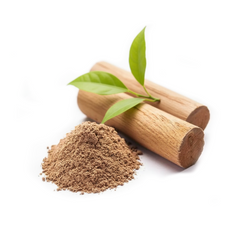
Combining holly with warm woods like sandalwood introduces sesquiterpenes that stabilize volatile green aldehydes. This synergy extends longevity and adds complexity, exemplified in Initio Parfums Prives’ Rehab.

03

Lighten the Glow

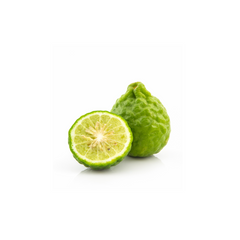
Pairing holly with citrus notes such as bergamot enhances the ester content, boosting brightness and freshness. The molecular similarity between esters in citrus and holly creates a harmonious, uplifting effect, perfect for spring and summer compositions.

Wear It Right

How to Wear Holly Like a Pro

Seasonal Guide

Fall & Winter

Cooler temperatures slow molecular evaporation, allowing holly’s crisp green and warm balsamic base to linger longer. Layering with vanilla or amber enhances cozy warmth, making it ideal for festive occasions.

Spring

Moderate warmth accentuates holly’s floral heart and bright green freshness, complementing blooming florals and fresh citrus for an uplifting springtime scent.

Summer

Higher heat increases volatility, emphasizing the brisk top notes of holly. Pair with light citrus or aquatic notes to maintain freshness without overwhelming the senses.

Year-Round Tip

Adjust application intensity based on temperature: lighter sprays in heat, richer layering in cold to balance holly’s green vibrancy.

Application Points

Strategic application enhances holly’s fresh and green facets for optimal scent experience.

1

Neck

Pulse points at the neck provide warmth that activates holly’s green aldehydes, enhancing projection and freshness.

2

Behind the Ears

This area offers subtle heat that helps release holly’s crisp top notes gradually, creating an inviting aura.

3

Inner Wrists

Wrists are ideal for layering holly with complementary scents, allowing easy blending and scent modulation.

4

Hair

Hair holds fragrance well, releasing holly’s fresh green facets softly with movement, extending scent longevity.

★

Pro Tip

Apply a light moisturizer before fragrance to enhance holly’s diffusion and longevity, especially in dry climates.

Mood Architecture™

Top Holly Fragrances by Mood Score

These Holly-based fragrances scored highest on the MEI™ Mood Architecture Framework — measuring how a scent may influence your emotional state.

Highest MEI Score
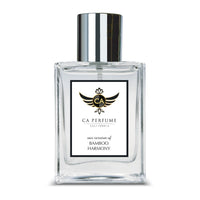
Bamboo Harmony — By Kilian Bamboo Harmony Alternative Perfume
5.7
MEI™
Primary Fresh
Secondary Romantic
Confidence
5.2
Presence
5.22
Mood Lift
6.65
Identity
5.4
Warmth
5.62
Social Ease
5.8
Energy
3.35
" I am radiant.
View full mood profile →
HumanSafe™

Top Holly Fragrances by HumanSafe™ Score

These Holly-based fragrances have the highest product-level HumanSafe™ scores in this ingredient collection.

Highest HumanSafe™ Score
Bamboo Harmony — By Kilian Bamboo Harmony Alternative Perfume
A-
HumanSafe™ Score Generally Safe
Safest Evaluated Ingredients EDP
AQUA Solvent / Carrier ISS 10.0
1,4-DIOXACYCLOHEPTADECANE-5,17-DIONE Evaluated ingredient ISS 10.0
2H-1-BENZOPYRAN-2-ONE Evaluated ingredient ISS 8.0
LINALYL ACETATE Evaluated ingredient ISS 7.0
LINALOOL Evaluated ingredient ISS 7.0
ALCOHOL DENAT. Solvent / Carrier ISS 7.0
View full safety profile →
Expert Voices

What Masters Say About Holly

“
Holly’s crisp green facets and bright berry nuances create a refreshing note that brings life and vivacity to various compositions, enhancing the overall olfactory experience.
CA Perfume Editorial
“
The duality of holly lies in its colorful, juicy fruity notes contrasted with deeper, mystical accords, providing an irresistible vibration in fragrance compositions.
Tanguy Guesnet, Perfumer
Common Questions

Frequently Asked Questions

Common questions about holly in perfumery answered with technical detail.

Holly in perfume smells crisp and green with subtle sweet and slightly tart undertones. Its scent evokes fresh evergreen leaves and bright berries, often used to impart a lively, festive freshness in floral and citrus compositions. Notable fragrances featuring holly include Baccarat Rouge 540 and Rehab, where it adds brightness and vivacity.

Holly is primarily used as a top or heart note in perfumery. Its green aldehydes and esters provide a fresh, bright opening that typically lasts 15 to 60 minutes before transitioning to warmer base notes like vanilla and benzoin.

Holly’s unique crisp green scent profile offers a refreshing and festive character that niche perfumers value for adding vibrancy and complexity. Its ability to bridge floral, citrus, and aromatic accords makes it versatile and appealing in modern compositions.

Holly fragrance uses include pairing with rose for floral softness, vanilla for sweetness and masking metallic edges, benzoin for warmth, and citrus notes like bergamot to enhance brightness. These combinations create balanced accords that highlight holly’s fresh character.

Yes, holly’s fresh and bright green notes perform well in summer and hot weather. Its high volatility means it projects well in heat, especially when paired with citrus or aquatic notes to maintain freshness without overwhelming the senses.

Holly’s top and heart notes last approximately 15 to 60 minutes, with the base notes extending the overall longevity to several hours depending on the composition and concentration.

Absolutely. Holly layers well with warm notes like vanilla and amber to add depth, floral notes like rose for softness, and citrus for brightness. Understanding how to layer holly enhances its green freshness and creates a personalized scent.

Fragrances like Baccarat Rouge 540 by Maison Francis Kurkdjian and Rehab by Initio Parfums Prives are excellent introductions to holly’s scent profile, showcasing its versatility in accessible and well-balanced compositions.

Consider your preference for freshness versus warmth. CA Perfume offers holly fragrances that range from bright and crisp to rich and cozy, all sustainably sourced and crafted with transparency through the HumanSafe™ platform.

Holly primarily smells crisp and green with subtle sweet undertones from its berry nuances. It is not inherently spicy but can be blended with spices in compositions to add complexity.

Floral Green Collection

Explore Our Top Holly Fragrances

Discover a curated selection of fragrances that highlight holly’s crisp green charm and festive spirit.

Shop all holly fragrances at CA Perfume →

Where Holly Comes From — Origin & Extraction

Holly (Ilex aquifolium) is native to temperate regions of the Northern Hemisphere, particularly Europe and parts of North America. The United Kingdom is renowned for its diverse holly varieties, often associated with traditional winter holiday decorations. In the United States, holly is similarly cultivated and harvested mainly for ornamental use during the festive season. The extraction of holly’s fragrance note for perfumery is typically achieved through solvent extraction or reconstitution techniques rather than direct distillation, as the plant’s aromatic compounds are delicate and present in low concentrations. Solvent extraction uses volatile solvents such as hexane or ethanol at controlled temperatures (usually below 50°C) to preserve the green and slightly sweet aromatic molecules. The yield is relatively low, making natural holly extracts rare and valued. Synthetic recreations of holly scent are common, using green aldehydes and esters to replicate its crisp, fresh character. Natural holly extracts can cost several thousand dollars per kilogram due to labor-intensive harvesting and low yield. Sustainability considerations include responsible harvesting to avoid overexploitation of wild holly populations and preference for cultivated sources to ensure ecological balance.

Famous Fragrances That Define Holly in Perfumery

Holly has been featured in several notable contemporary fragrances, where it functions as a refreshing green or heart note that bridges floral, citrus, and aromatic accords. Maison Francis Kurkdjian’s Baccarat Rouge 540 (2015), crafted by Francis Kurkdjian, uses holly to add a crisp green contrast to its amber and jasmine facets, enhancing the fragrance’s luminous character. Initio Parfums Prives’ Rehab (2018) employs holly as a brightening element within a spicy, powdery composition, softening the intensity and adding vivacity. Other significant uses include Bois 1920’s Oltremare (2016), where holly supports marine and citrus notes, and Nina Ricci’s Nina Fantasy (2013), which integrates holly in a fruity-floral context. These examples showcase holly’s versatility across fragrance families and its ability to impart freshness and seasonal cheer. CA Perfume’s collection honors this lineage by offering fragrances that highlight holly’s crisp green qualities, emphasizing sustainable sourcing and modern olfactory innovation.

Natural vs Synthetic Holly in Perfumery

Natural holly fragrance is derived mainly from solvent extraction of holly leaves and berries, capturing its fresh, green, and slightly sweet aroma. However, the natural extract is scarce and expensive due to low yield and delicate extraction requirements. Synthetic molecules commonly used to replicate holly’s scent include cis-3-hexenol (CAS 928-96-1), which imparts a freshly cut grass and green leaf aroma, and aldehyde C14 (CAS 18829-55-5), which adds creamy, citrusy facets. Synthetic holly accords offer greater consistency, longevity, and diffusion compared to natural extracts, which can vary by harvest and degrade more quickly. Cost-wise, synthetic aroma chemicals are significantly more affordable, typically priced between $50–200/kg, whereas natural holly extracts can exceed $3,000/kg. Famous fragrances such as Maison Francis Kurkdjian’s Baccarat Rouge 540 and Initio Parfums Prives’ Rehab utilize synthetic holly molecules to achieve a stable and vibrant green note. The HumanSafe™ platform emphasizes transparency and sustainability, encouraging the use of ethically sourced natural extracts combined with high-quality synthetics to balance ecological impact and fragrance performance.