Ingredient Guide · Woody Balsamic
Woody Balsamic Family · Perfumery Note

Gurjan Balsam

A resinous base note with soothing, woody depth.

Gurjan Balsam is a woody balsamic base note in perfumery, valued for its resinous, earthy aroma and fixative power. Its scent is defined by sesquiterpenes like α-gurjunene, imparting a subtly sweet, grounding character.

Gurjan Balsam
Ingredient Profile

Gurjan Balsam

Woody Balsamic Family
Family Woody Balsamic
Note Position Heart Note
Usage Level <5%
Key Origins Malaysia, India, Thailand
Iconic In Black Afgano, Black Orchid
The Ingredient

What does Gurjan Balsam smell like and why is it prized in perfumery?

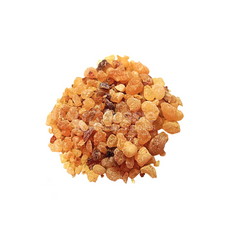
Gurjan Balsam, derived from Dipterocarpus species native to Southeast Asia, is a natural resin with a scent profile that is warm, woody, and subtly sweet. Its aroma is shaped by a complex mixture of sesquiterpenes, primarily α-gurjunene and β-gurjunene, which provide a dry, balsamic, and faintly violet-like softness. The presence of delta-guaiene and copaene further contributes to its earthy, resinous, and slightly spicy undertones. This molecular complexity results in a scent that is less overtly sweet than Peru or Tolu balsam, and more grounded than frankincense or myrrh. In perfumery, Gurjan Balsam is classified as a base note, typically used at concentrations below 5%. Its high molecular weight and resinous nature make it an excellent fixative, extending the longevity of volatile top and heart notes. It interacts with skin chemistry by adhering well to the skin’s lipid layer, releasing its aroma gradually over several hours. The subtle sweetness and woody depth of Gurjan Balsam allow it to bridge transitions between floral, spicy, and woody accords, making it a versatile ingredient in both oriental and woody balsamic compositions. Notable fragrances that exemplify the use of Gurjan Balsam include Nasomatto Black Afgano (Alessandro Gualtieri, 2009), where it anchors the composition’s smoky, resinous heart, and Tom Ford Black Orchid (Givaudan, 2006), where it provides a balsamic, grounding counterpoint to floral and chocolate notes. In Scent Trunk’s Gurjun Balsam (2022), the ingredient is paired with frankincense, cedar, and amber, demonstrating its ability to evoke a mystical, forested atmosphere. Gurjan Balsam in perfumery is thus valued for its unique scent profile and technical performance.

<5%
Typical concentration of Gurjan Balsam in fine fragrance compositions. Higher levels risk overpowering other notes and exceeding IFRA safety limits.
4–6 Hours
Average longevity of Gurjan Balsam as a base note, due to its high molecular weight and resinous structure. It acts as a fixative, extending the wear of lighter notes.
$3,000–6,000/kg
Market price for natural Gurjan Balsam absolute, reflecting labor-intensive harvesting and limited supply. Synthetic analogues cost $50–200/kg.
Origin & Extraction

Where Gurjan Balsam Comes From — Origin & Extraction

Gurjan Balsam’s scent is shaped by the tropical rainforests of Southeast Asia, where high humidity, rich soils, and diverse flora yield a resin with nuanced woody and balsamic facets.

Gurjan Balsam is sourced from the resin of Dipterocarpus species, particularly Dipterocarpus turbinatus, native to the rainforests of Southeast Asia. Major producing countries include Malaysia, India (notably the Andaman Islands and northeastern states), Thailand, and Indonesia. Malaysia is recognized for high-quality balsam with a smooth, warm aroma, while Indian Gurjan is noted for its deeply resinous, incense-like quality. Thailand’s output is slightly sweeter and softer, reflecting local flora and climate. The resin is harvested by making incisions in the tree bark, often using a triangular blaze followed by the application of heat to stimulate resin flow. A mature Dipterocarpus tree can yield over 100 liters of oleoresin per year. The crude balsam is then subjected to steam distillation (at 100–120°C) or solvent extraction (using ethanol or supercritical CO₂) to obtain Gurjan Balsam oil or absolute. Steam distillation yields 40–70% oil from crude balsam, while solvent extraction is preferred for perfumery-grade absolute due to its preservation of delicate aromatic compounds. Natural Gurjan Balsam absolute commands a price of $3,000–6,000/kg, reflecting the labor-intensive harvesting and limited supply. Synthetic analogues, such as safranal and related sesquiterpenes, are produced via lab synthesis at $50–200/kg, offering cost and supply stability. Sustainability concerns include deforestation and overharvesting; however, Dipterocarpus trees are dominant in managed forests, and some regions employ rotational tapping to minimize ecological impact. No major PDO/PGI designations exist, but sustainable sourcing is increasingly prioritized by the fragrance industry.

MY

Malaysia

Malaysia’s Dipterocarpus forests (notably in Sabah and Sarawak) produce Gurjan Balsam with a smooth, warm aroma. The region’s high rainfall and lateritic soils foster trees yielding up to 100 liters of oleoresin annually. Malaysia accounts for a significant share of global production, with meticulous, sustainable tapping methods.

IN

India

Indian Gurjan Balsam, especially from the Andaman Islands and northeast, is deeply resinous and incense-like. Lateritic soils and monsoon climate contribute to its intensity. India supplies both perfumery and Ayurvedic markets, with annual production estimated at several hundred metric tons.

TH

Thailand

Thailand’s Gurjan Balsam is slightly sweeter and softer, reflecting the influence of local flora and gentle harvesting. The Chao Phraya basin is a key region, with output favored for holistic and perfumery uses. Thailand’s share is smaller but highly regarded for quality.

ID

Indonesia

Indonesia’s Sumatra and Kalimantan forests yield Gurjan Balsam with pronounced earthy and spicy facets. Volcanic soils and equatorial climate shape its profile. Indonesia is a major exporter, with increasing focus on sustainable, certified production.

Chemistry

Natural vs Synthetic Gurjan Balsam in Perfumery

Natural Gurjan Balsam is composed of a complex mixture of sesquiterpenes, with α-gurjunene (CAS 489-40-7), β-gurjunene, and delta-guaiene (CAS 495-61-4) as primary odorants. The natural absolute is valued for its nuanced, variable character and exceptional fixative properties, but its supply is limited and subject to ecological pressures. Natural Gurjan Balsam absolute is extracted via solvent or CO₂ methods and costs $3,000–6,000/kg. Synthetic substitutes, including safranal (CAS 116-26-7), copaene (CAS 3856-25-5), and isocaryophyllene, are used to replicate the resin’s woody-balsamic facets. These molecules offer consistent olfactory performance, greater stability, and lower cost ($50–200/kg). Synthetic Gurjan Balsam is favored in large-scale production for its batch-to-batch reliability and reduced allergenicity. Notable fragrances such as Tom Ford Black Orchid and Nasomatto Black Afgano use both natural and synthetic balsamic notes to achieve depth and longevity. Sustainability is a key consideration: synthetic analogues reduce pressure on wild Dipterocarpus populations and offer a transparent, traceable supply chain. CA Perfume’s HumanSafe™ platform ensures ingredient transparency and prioritizes sustainable sourcing, whether natural or synthetic. In summary, both forms have distinct roles—natural for artisanal, nuanced blends; synthetic for scalable, consistent formulations.

Natural
Gurjan Balsam Absolute
Cost $3,000–6,000/kg
Method Solvent / CO₂
Character Complex, variable
vs
Synthetic
Safranal & Analogues
Cost $50–200/kg
Method Lab synthesis
Character Consistent, stable
Hall of Fame

Famous Fragrances That Define Gurjan Balsam in Perfumery

2009
dominant note

Black Afgano

Nasomatto
by Alessandro Gualtieri
CannabisOudIncenseWoods
2006
bridge note

Black Orchid

Tom Ford
by Givaudan
TruffleYlang-YlangChocolatePatchouli
2022
dominant note

Gurjun Balsam

Scent Trunk
FrankincenseCedarAmberVanilla
2024
heart note

7

Sora Dora
by Margaux Le Paih Guérin
NutmegMyrrhPatchouliSandalwoodOudVanilla
2010
supporting note

Sartorial

Penhaligon's
by Bertrand Duchaufour
AldehydesLavenderOakmossTonka Bean

Gurjan Balsam has been featured in a range of influential fragrances, particularly in the woody, oriental, and incense genres. In Nasomatto Black Afgano (Alessandro Gualtieri, 2009), Gurjan Balsam is a dominant note, imparting a smoky, resinous depth that underpins the composition’s dark, mysterious character. Tom Ford Black Orchid (Givaudan, 2006) uses Gurjan Balsam as a bridge note, balancing floral, chocolate, and patchouli elements with a balsamic, woody undertone. Scent Trunk’s Gurjun Balsam (2022) highlights the ingredient as the central theme, pairing it with frankincense, cedar, and amber to evoke a mystical, forested atmosphere. In Sora Dora 7 (Margaux Le Paih Guérin, 2024), Gurjan Balsam is used as a heart note, linking spicy nutmeg and myrrh to a base of patchouli, sandalwood, and oud. Penhaligon’s Sartorial (Bertrand Duchaufour, 2010) employs Gurjan Balsam as a supporting note, enhancing the fragrance’s metallic, fougère structure with a subtle, woody-balsamic finish. These examples illustrate Gurjan Balsam’s versatility as a dominant, bridge, or supporting note. CA Perfume’s collection draws inspiration from this lineage, offering compositions that showcase Gurjan Balsam’s earthy, resinous complexity in both classic and contemporary contexts.

The Accord

How is a captivating Gurjan Balsam accord crafted?

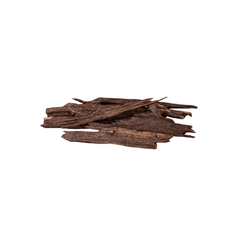
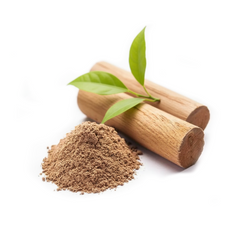
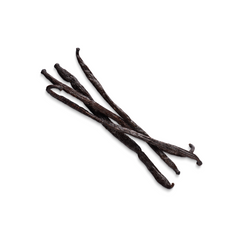
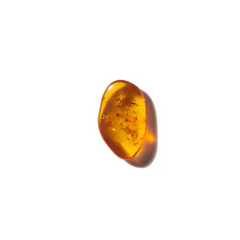
A classic Gurjan Balsam accord blends 25% Gurjan Balsam for its resinous, woody depth; 25% Oud for its dry, smoky complexity (agarwood’s sesquiterpenes reinforce Gurjan’s core); 25% Sandalwood for lactonic, creamy smoothness (santalols soften the balsam’s edges); and 25% Vanilla for sweet, coumarin-rich warmth (vanillin provides olfactory masking, rounding the accord). This structure creates a balanced, long-lasting woody-balsamic base.

25%

Gurjan Balsam

25% of blend

Provides the core resinous, woody-balsamic character through α-gurjunene and related sesquiterpenes.

25%

Oud (Agarwood)

25% of blend

Adds dry, smoky, and leathery facets; agarwood’s sesquiterpenes synergize with Gurjan’s for depth and longevity.

25%

Sandalwood

25% of blend

Lactonic santalols impart creamy smoothness, softening Gurjan’s dryness and enhancing diffusion.

25%

Vanilla

25% of blend

Vanillin and coumarin provide sweetness and olfactory masking, rounding the accord and extending wear.

The Olfactory Layers

How Gurjan Balsam Evolves on Skin

Gurjan Balsam’s olfactory evolution is gradual, with slow-release sesquiterpenes providing a persistent, resinous base. Top notes fade within 15 minutes, revealing a woody-balsamic heart that endures for hours before settling into a sweet, earthy base.

I
Top notes
0–15 min
Subtle Spice

Initial impression is mild, with faintly spicy and piney nuances from volatile monoterpenes and lighter sesquiterpenes. These evaporate quickly, giving way to the denser, resinous core. The top phase is subtle, never sharp.

SpicyPineyMild
II
Heart notes
20–60 min
Woody Balsamic

The heart is dominated by α-gurjunene, β-gurjunene, and delta-guaiene, producing a dry, woody, and balsamic character. Violet-like softness emerges, with a faint sweetness and earthy undertone. This stage is persistent and defines the fragrance’s identity.

WoodyBalsamicEarthy
III
Base notes
Several hours
Resinous Depth

The base is resinous, sweet, and grounding, with copaene and heavier sesquiterpenes providing longevity and fixative power. Subtle patchouli and amber nuances may appear if present in the blend, ensuring a warm, lingering trail.

ResinousSweetGrounding
TOP NOTES Subtle Spice 0–15 minutes HEART NOTES Woody Balsamic 20–60 minutes BASE NOTES Resinous Depth Several hours
Through the Ages

The Story of Gurjan Balsam in Perfumery

Gurjan Balsam’s history in perfumery spans centuries, from traditional incense to modern niche compositions, reflecting evolving extraction and blending techniques.

Ancient

Traditional Use in Ayurveda and Incense

Gurjan Balsam (Dipterocarpus turbinatus) is documented in Ayurvedic texts as a remedy for respiratory and skin ailments, and as a key ingredient in temple incense throughout India and Southeast Asia.

19th Century

Introduction to European Perfumery

European perfumers begin importing Gurjan Balsam for use as a fixative in woody and oriental blends, valued for its cost-effectiveness and subtle, resinous aroma.

1960s

Expansion in Modern Perfumery

Gurjan Balsam gains popularity as a natural fixative and blender, especially in fougère and chypre compositions, coinciding with increased interest in balsamic notes.

2006

Landmark Use in Tom Ford Black Orchid

Givaudan incorporates Gurjan Balsam as a bridge note in Black Orchid, demonstrating its ability to balance floral, chocolate, and patchouli accords in a contemporary luxury fragrance.

2022

Niche Highlight in Scent Trunk Gurjun Balsam

Scent Trunk releases a fragrance centered on Gurjan Balsam, showcasing its versatility as a dominant note and its ability to evoke mystical, forested atmospheres.

The Art of Layering

How to Layer Gurjan Balsam

Understanding how to layer Gurjan Balsam involves pairing it with notes that share molecular affinities or provide olfactory contrast. This approach ensures harmonious blends and optimizes performance.

01

Enhance Sweetness

Layer Gurjan Balsam with vanilla or honey-based fragrances. Vanillin and coumarin molecules interact with Gurjan’s sesquiterpenes, masking dryness and amplifying the sweet, balsamic facets. Example: Sora Dora 7 pairs Gurjan Balsam with vanilla and sandalwood for a creamy, gourmand effect.

02

Add Depth

Combine Gurjan Balsam with oud or patchouli. Shared sesquiterpenes (e.g., patchoulol, agarofuran) create molecular bridges, reinforcing woody and earthy notes. Black Afgano demonstrates this synergy, with Gurjan Balsam deepening the oud and incense core.

03

Lighten the Glow

Pair with citrus or bergamot top notes. Limonene and citral provide brightness, while Gurjan Balsam anchors the blend, preventing rapid evaporation. Sartorial by Penhaligon’s uses aldehydes and citrus to lift the woody-balsamic base.

Wear It Right

How to Wear Gurjan Balsam Like a Pro

Seasonal Guide

Fall & Winter

Cooler temperatures slow molecular diffusion, allowing Gurjan Balsam’s warmth and depth to linger. Apply to pulse points and layer with spices or amber for a cozy, enveloping effect. Its fixative nature ensures projection even in dry air.

Spring

In spring, Gurjan Balsam pairs well with lighter florals or citrus notes. Moderate temperatures enhance its woody-balsamic facets without overwhelming. Apply sparingly and consider layering with green or herbal notes for freshness.

Summer

Heat increases volatility, causing Gurjan Balsam to project more strongly. Use minimal application and blend with citrus or white musk to prevent heaviness. Its earthy warmth can add interest to evening wear in humid climates.

Year-Round Tip

Gurjan Balsam’s versatility allows for year-round use. Adjust application and layering partners based on temperature and humidity to optimize projection and longevity.

Application Points

Strategic application of Gurjan Balsam fragrances maximizes longevity and olfactory evolution.

1

Neck

Pulse points on the neck generate heat, accelerating the release of Gurjan Balsam’s top and heart notes. This area enhances projection and ensures the resin’s warmth is perceptible.

2

Behind the Ears

The skin here is thinner and warmer, allowing for gradual diffusion. Gurjan Balsam’s fixative properties ensure a lingering, subtle trail when applied behind the ears.

3

Inner Wrists

Wrist application exposes the fragrance to movement and warmth, promoting olfactory evolution. Gurjan Balsam’s resinous base is revealed as lighter notes evaporate.

4

Hair

Hair retains scent molecules well, providing a sustained, gentle release. Gurjan Balsam’s woody-balsamic aroma persists, especially when applied to clean, dry hair.

★

Pro Tip

Layer Gurjan Balsam-based fragrances with lighter top notes on clothing or scarves for extended wear. Fabric holds the resin’s scent, enhancing longevity and sillage.

Mood Architecture™

Top Gurjan Balsam Fragrances by Mood Score

These Gurjan Balsam-based fragrances scored highest on the MEI™ Mood Architecture Framework — measuring how a scent may influence your emotional state.

Highest MEI Score
Dubai Amber — Bond No 9 Dubai Amber Alternative Perfume
7.3
MEI™
Primary Romantic
Secondary Confident
Confidence
7.26
Presence
6.67
Mood Lift
7.92
Identity
6.7
Warmth
7.9
Social Ease
7.28
Energy
3.37
" I am beautiful.
View full mood profile →
Amber Star — Xerjoff Amber Star Alternative Perfume
6.8
MEI™
Primary Romantic
Secondary Confident
Confidence
6.14
Presence
6.5
Mood Lift
7.05
Identity
6.35
Warmth
9.4
Social Ease
6.61
Energy
2.85
" I am beautiful.
View full mood profile →
HumanSafe™

Top Gurjan Balsam Fragrances by HumanSafe™ Score

These Gurjan Balsam-based fragrances have the highest product-level HumanSafe™ scores in this ingredient collection.

Highest HumanSafe™ Score
Dubai Amber — Bond No 9 Dubai Amber Alternative Perfume
A-
HumanSafe™ Score Generally Safe
Safest Evaluated Ingredients EDP
AQUA Solvent / Carrier ISS 10.0
4H-INDEN-4-ONE, 1,2,3,5,6,7-HEXAHYDRO-1,1,2,3,3- Evaluated ingredient ISS 9.0
TRICYCLO[6.3.1.02,5]DODECAN-1-OL, 4,4,8-TRIMETHYL-, Evaluated ingredient ISS 8.0
CYCLOHEXANEPROPANOL, 2,2,6-TRIMETHYL-.ALPHA.-PROPYL- Evaluated ingredient ISS 7.0
BULNESIA SARMIENTI, EXT., ACETATE Evaluated ingredient ISS 7.0
ALPHA-CEDRENE Evaluated ingredient ISS 7.0
View full safety profile →
Amber Star — Xerjoff Amber Star Alternative Perfume
A-
HumanSafe™ Score Generally Safe
Safest Evaluated Ingredients EDP
AQUA Solvent / Carrier ISS 10.0
1,4-DIOXACYCLOHEPTADECANE-5,17-DIONE Evaluated ingredient ISS 10.0
TRICYCLO[6.3.1.02,5]DODECAN-1-OL, 4,4,8-TRIMETHYL-, Evaluated ingredient ISS 8.0
3-BUTEN-2-ONE, 3-METHYL-4-(2,6,6-TRIMETHYL-2- Evaluated ingredient ISS 8.0
CEDROL Evaluated ingredient ISS 7.0
AMBREIN Evaluated ingredient ISS 7.0
View full safety profile →
Expert Voices

What Masters Say About Gurjan Balsam

“
Gurjun Balsam grounds this fragrance and evokes the energetic atmosphere of a Twilight Ritual. This bewitching scent stirs the soul. Botanical herbs awaken the nose. A magical concoction of florals and spices twinkle with the ethers. A warm mysterious amber musk opens the portal for conjuring spells.
Christi Meshell, Perfumer (Scent Trunk Gurjun Balsam, 2022)
“
Gurjan Balsam’s resinous warmth and woody depth make it a versatile fixative and blender, valued for its ability to anchor complex compositions and extend the life of volatile notes.
CA Perfume Editorial
Common Questions

Frequently Asked Questions

Frequently asked questions about Gurjan Balsam in perfumery, covering scent, usage, performance, and safety.

Gurjan Balsam in perfume exhibits a warm, woody, and balsamic aroma with subtle sweetness and earthy undertones. Its scent is shaped by sesquiterpenes such as α-gurjunene and delta-guaiene, resulting in a dry, resinous, and slightly spicy profile. Unlike Peru or Tolu balsam, it is less overtly sweet and more grounded, providing a soothing, natural presence in both oriental and woody compositions.

Gurjan Balsam is classified as a base note in perfumery. Its high molecular weight and resinous structure ensure slow evaporation, allowing it to persist for several hours and act as a fixative. It anchors lighter top and heart notes, contributing depth and longevity to the overall fragrance.

Niche perfumers favor Gurjan Balsam for its complex, earthy scent profile and exceptional fixative properties. Its ability to blend seamlessly with woody, spicy, and sweet notes allows for creative, long-lasting compositions. The ingredient’s natural origin and nuanced aroma appeal to consumers seeking authenticity and depth in fragrance.

Gurjan Balsam fragrance uses often involve pairing with oud, sandalwood, patchouli, vanilla, amber, and spices. These notes share molecular affinities or provide olfactory contrast, enhancing the resin’s woody-balsamic character and creating balanced, layered accords.

Gurjan Balsam can be worn in summer, especially when blended with lighter florals or citrus notes. Its earthy warmth adds interest to evening wear, but application should be minimal in high heat to prevent heaviness. Layering with bright, volatile notes helps maintain freshness.

Fragrances containing Gurjan Balsam typically last 4–6 hours or longer, depending on concentration and skin chemistry. Its resinous, high-molecular structure ensures slow, sustained release, making it an effective fixative for extending the wear of lighter notes.

Yes, Gurjan Balsam is highly layerable. It pairs well with vanilla, amber, oud, and citrus-based fragrances. Layering enhances sweetness, adds depth, or lightens the overall composition, depending on the chosen partners. Experimentation allows for personalized scent experiences.

For those new to Gurjan Balsam, try Scent Trunk Gurjun Balsam (2022) for a focused, resinous experience, or Tom Ford Black Orchid (2006) for a complex, modern blend. Both highlight the ingredient’s versatility and appeal in contemporary perfumery.

Explore CA Perfume’s collection by considering your preferred scent profile—woody, sweet, or spicy. Review ingredient breakdowns and layering suggestions to find a Gurjan Balsam fragrance that matches your taste and desired performance. The HumanSafe™ platform ensures transparency and ingredient safety.

Gurjan Balsam’s scent is primarily woody and balsamic, with subtle smoky undertones from sesquiterpenes like copaene. It is not overtly smoky like birch tar, nor is it sharply clean; instead, it offers a balanced, resinous warmth that anchors compositions without dominating them.

Woody Balsamic Collection

Explore Our Top Gurjan Balsam Fragrances

Discover CA Perfume’s curated selection of Gurjan Balsam fragrances, each showcasing the resin’s earthy, woody-balsamic character in modern and classic compositions.

Shop all gurjan balsam fragrances at CA Perfume →

Where Gurjan Balsam Comes From — Origin & Extraction

Gurjan Balsam is sourced from the resin of Dipterocarpus species, particularly Dipterocarpus turbinatus, native to the rainforests of Southeast Asia. Major producing countries include Malaysia, India (notably the Andaman Islands and northeastern states), Thailand, and Indonesia. Malaysia is recognized for high-quality balsam with a smooth, warm aroma, while Indian Gurjan is noted for its deeply resinous, incense-like quality. Thailand’s output is slightly sweeter and softer, reflecting local flora and climate. The resin is harvested by making incisions in the tree bark, often using a triangular blaze followed by the application of heat to stimulate resin flow. A mature Dipterocarpus tree can yield over 100 liters of oleoresin per year. The crude balsam is then subjected to steam distillation (at 100–120°C) or solvent extraction (using ethanol or supercritical CO₂) to obtain Gurjan Balsam oil or absolute. Steam distillation yields 40–70% oil from crude balsam, while solvent extraction is preferred for perfumery-grade absolute due to its preservation of delicate aromatic compounds. Natural Gurjan Balsam absolute commands a price of $3,000–6,000/kg, reflecting the labor-intensive harvesting and limited supply. Synthetic analogues, such as safranal and related sesquiterpenes, are produced via lab synthesis at $50–200/kg, offering cost and supply stability. Sustainability concerns include deforestation and overharvesting; however, Dipterocarpus trees are dominant in managed forests, and some regions employ rotational tapping to minimize ecological impact. No major PDO/PGI designations exist, but sustainable sourcing is increasingly prioritized by the fragrance industry.

Famous Fragrances That Define Gurjan Balsam in Perfumery

Gurjan Balsam has been featured in a range of influential fragrances, particularly in the woody, oriental, and incense genres. In Nasomatto Black Afgano (Alessandro Gualtieri, 2009), Gurjan Balsam is a dominant note, imparting a smoky, resinous depth that underpins the composition’s dark, mysterious character. Tom Ford Black Orchid (Givaudan, 2006) uses Gurjan Balsam as a bridge note, balancing floral, chocolate, and patchouli elements with a balsamic, woody undertone. Scent Trunk’s Gurjun Balsam (2022) highlights the ingredient as the central theme, pairing it with frankincense, cedar, and amber to evoke a mystical, forested atmosphere. In Sora Dora 7 (Margaux Le Paih Guérin, 2024), Gurjan Balsam is used as a heart note, linking spicy nutmeg and myrrh to a base of patchouli, sandalwood, and oud. Penhaligon’s Sartorial (Bertrand Duchaufour, 2010) employs Gurjan Balsam as a supporting note, enhancing the fragrance’s metallic, fougère structure with a subtle, woody-balsamic finish. These examples illustrate Gurjan Balsam’s versatility as a dominant, bridge, or supporting note. CA Perfume’s collection draws inspiration from this lineage, offering compositions that showcase Gurjan Balsam’s earthy, resinous complexity in both classic and contemporary contexts.

Natural vs Synthetic Gurjan Balsam in Perfumery

Natural Gurjan Balsam is composed of a complex mixture of sesquiterpenes, with α-gurjunene (CAS 489-40-7), β-gurjunene, and delta-guaiene (CAS 495-61-4) as primary odorants. The natural absolute is valued for its nuanced, variable character and exceptional fixative properties, but its supply is limited and subject to ecological pressures. Natural Gurjan Balsam absolute is extracted via solvent or CO₂ methods and costs $3,000–6,000/kg. Synthetic substitutes, including safranal (CAS 116-26-7), copaene (CAS 3856-25-5), and isocaryophyllene, are used to replicate the resin’s woody-balsamic facets. These molecules offer consistent olfactory performance, greater stability, and lower cost ($50–200/kg). Synthetic Gurjan Balsam is favored in large-scale production for its batch-to-batch reliability and reduced allergenicity. Notable fragrances such as Tom Ford Black Orchid and Nasomatto Black Afgano use both natural and synthetic balsamic notes to achieve depth and longevity. Sustainability is a key consideration: synthetic analogues reduce pressure on wild Dipterocarpus populations and offer a transparent, traceable supply chain. CA Perfume’s HumanSafe™ platform ensures ingredient transparency and prioritizes sustainable sourcing, whether natural or synthetic. In summary, both forms have distinct roles—natural for artisanal, nuanced blends; synthetic for scalable, consistent formulations.