
Ingredient Guide · Natural and Synthetic, Popular and Weird
Natural and Synthetic, Popular and Weird Family · Perfumery Note

Gunpowder

A smoky, mineral heart note with peppery and pyrocaustic facets

Gunpowder in perfumery is a heart-to-base note characterized by peppery, sulfurous, and smoky accords. It is a constructed accord from smoky naturals like cade oil and birch tar, mineral modifiers, and sulfurous chemicals.

Gunpowder
Ingredient Profile

Gunpowder

Natural and Synthetic, Popular and Weird Family
Family Natural and Synthetic, Popular and Weird
Note Position Heart Note
Usage Level 1–5%
Key Origins Spain (Mediterranean), Russia (Northern Europe), China (Gunpowder Tea)
Iconic In Fantomas, La Fin Du Monde
The Ingredient

What does Gunpowder smell like and what is its significance in perfumery?

Gunpowder in perfumery evokes the scent of black powder combustion products, a mixture of charcoal (15%), sulfur (10%), and potassium nitrate (75%). Its scent profile is peppery, sulfurous, and pyrocaustic, with smoky and mineral dust facets. The note is a fantasy accord rather than a natural extract, constructed from smoky materials such as cade oil and birch tar, mineral modifiers, and trace sulfurous chemicals. As a heart note, gunpowder is used at moderate concentrations in niche perfumery, typically in the 1-5% range within compositions. It interacts with skin chemistry by evolving from acrid sulfurous smoke to a dry, mineral-ash finish, influenced by body heat and pH. Gunpowder provides a dramatic, atmospheric effect with lasting presence beyond fleeting gun-smoke notes. Notable fragrances featuring gunpowder include Nasomatto's Fantomas (2020), where it adds a smoky, metallic depth; Etat Libre d'Orange's La Fin Du Monde (2013), which uses it to evoke apocalyptic smoky drama; and Zoologist's Portuguese Man O' War (2025), blending gunpowder with aquatic and spicy accords.

1–5%
Typical concentration range of gunpowder accord in niche perfumery, balancing impact and blendability.
20–60 minutes
Duration of gunpowder's smoky heart note before transitioning to dry mineral base.
5%
Maximum IFRA usage level for gunpowder accord components in creams and lotions due to sulfurous content.
Origin & Extraction

Where Gunpowder Comes From — Origin & Extraction

Gunpowder as an olfactory concept is not tied to a single geographic origin but is constructed from natural smoky extracts sourced from various regions. The Mediterranean produces cade oil from Juniperus oxycedrus, characterized by its tarry, smoky aroma. Birch tar is primarily harvested in Northern Europe and Russia, known for its medicinal and leathery qualities. These regional differences influence the smoky nuances in gunpowder accords.

Gunpowder is not derived from a botanical source but is an olfactory accord inspired by the chemical explosive black powder, historically composed of potassium nitrate (saltpeter), charcoal, and sulfur. The scent captures the combustion and aftermath of this mixture, including sulfurous, smoky, and mineral dust facets. In perfumery, gunpowder is created synthetically by blending natural smoky materials such as cade oil and birch tar with mineral modifiers and trace sulfurous aroma chemicals. Occasionally, CO2 extracts or absolutes of Chinese gunpowder tea (Camellia sinensis) contribute a smoky-vegetal green facet, linking the note to a natural source. Extraction of individual components involves solvent extraction and distillation of smoky woods and resins. The overall gunpowder accord is assembled in the lab rather than extracted as a single natural ingredient. Natural smoky ingredients like cade oil are produced mainly in the Mediterranean region, while birch tar is sourced from Northern Europe and Russia. Synthetic sulfurous molecules are manufactured industrially with CAS numbers specific to each compound. Cost-wise, natural smoky ingredients range from $100 to $500 per kilogram, while synthetic sulfurous aroma chemicals are more affordable and consistent. Gunpowder accords are sustainable as they rely on renewable natural extracts combined with synthetic modifiers, reducing pressure on any single natural resource.

ES

Spain (Mediterranean)

Spain's Mediterranean climate supports Juniperus oxycedrus growth, yielding cade oil with rich smoky and tarry notes. Production is artisanal with limited volumes, emphasizing quality and traditional harvesting.

RU

Russia (Northern Europe)

Northern European and Russian birch forests provide raw material for birch tar extraction. The cold climate and soil composition impart a medicinal, leathery character to the tar, with moderate production volumes.

CN

China (Gunpowder Tea)

Chinese gunpowder tea (Camellia sinensis) is produced mainly in Zhejiang province. The rolled pellets provide a smoky-vegetal facet used occasionally in gunpowder accords via CO2 extraction, adding green-smoky complexity.

Chemistry

Natural vs Synthetic Gunpowder in Perfumery

Gunpowder as a fragrance note is inherently a synthetic accord, composed from natural smoky extracts and synthetic aroma chemicals. Key synthetic molecules include sulfurous compounds such as thiols and sulfides (CAS numbers vary), which provide the characteristic acrid and mineral facets. Natural components like cade oil and birch tar contribute smoky, woody, and leathery nuances but lack the full sulfurous sharpness of the complete gunpowder accord. Synthetic molecules enhance longevity, diffusion, and stability, ensuring the note persists as a heart to base element. Cost differentials favor synthetic aroma chemicals, which are produced at industrial scale for approximately $50–200/kg, compared to natural smoky extracts costing several hundred dollars per kilogram. Famous fragrances using natural smoky elements include Comme des Garçons' Amazingreen (2012), while fully synthetic or hybrid gunpowder accords appear in Nasomatto's Fantomas (2020) and Toskovat's Inexcusable Evil (2022). The HumanSafe™ platform verifies ingredient transparency and safety, guiding CA Perfume's approach to responsibly using both natural and synthetic components in gunpowder accords.

Natural
Gunpowder Absolute
Cost $3,000–6,000/kg
Method Solvent / CO₂
Character Complex, variable
vs
Synthetic
Safranal & Analogues
Cost $50–200/kg
Method Lab synthesis
Character Consistent, stable
Hall of Fame

Famous Fragrances That Define Gunpowder in Perfumery

2020
dominant note

Fantomas

Nasomatto
by Alessandro Gualtieri
metallic notessmoky accordsleather
2013
accent

La Fin Du Monde

Etat Libre d'Orange
by Fabrice Pellegrin
irisgourmandpowdery notes
2025
supporting note

Portuguese Man O' War

Zoologist Perfumes
aquaticspicymetallic
2022
bridge note

Inexcusable Evil

Toskovat'
smokysulfurouswoody
2012
supporting note

Amazingreen

Comme des Garçons
greenwoodysmoky

Gunpowder has been used in a variety of niche and artistic fragrances as a dramatic, smoky, and mineral heart note. Nasomatto's Fantomas (2020), crafted by perfumer Alessandro Gualtieri, uses gunpowder to create a metallic, smoky depth that anchors the composition's dark, mysterious character. Etat Libre d'Orange's La Fin Du Monde (2013), by perfumer Fabrice Pellegrin, employs gunpowder to evoke apocalyptic and cinematic smoky accords, blending it with iris and gourmand notes. Zoologist's Portuguese Man O' War (2025) integrates gunpowder with aquatic and spicy notes, producing a unique marine-metallic effect. Toskovat's Inexcusable Evil (2022) features gunpowder as a bold, artistic note, enhancing the fragrance's edgy and challenging aura. Comme des Garçons' Amazingreen (2012) uses smoky natural elements to complement its green and woody accords. CA Perfume's collection embraces this lineage by exploring gunpowder's multifaceted smoky and mineral character in contemporary compositions that balance natural and synthetic elements.

The Accord

How is a captivating Gunpowder accord crafted?

A typical gunpowder accord blend consists of approximately 30-35% cade oil, 25-30% birch tar, 20-25% mineral modifiers, and 15-20% sulfurous aroma chemicals. Cade oil provides leathery, smoky, and tarry facets due to its phenolic compounds. Birch tar adds a smoky, leathery, and slightly medicinal character from its complex phenols and cresols. Mineral modifiers contribute dry, crystalline, and dusty notes that mimic potassium nitrate residues. Sulfurous chemicals, such as thiols and sulfides, impart the sharp, acrid, and explosive sulfur facets essential to the gunpowder scent profile.

35%

Cade Oil

30–35% of blend

Cade oil contains phenolic compounds that provide smoky, leathery, and tar-like notes, foundational to the gunpowder accord.

30%

Birch Tar

25–30% of blend

Birch tar contributes smoky, medicinal, and leathery nuances from its complex phenolic and cresol molecules.

25%

Mineral Modifiers

20–25% of blend

Mineral modifiers simulate dry, crystalline, and dusty potassium nitrate residues, adding a mineralic dimension.

20%

Sulfurous Aroma Chemicals

15–20% of blend

Sulfurous molecules such as thiols and sulfides provide the sharp, acrid, and explosive sulfur facets essential to gunpowder's character.

The Olfactory Layers

How Gunpowder Evolves on Skin

Gunpowder evolves from an initial sharp, acrid sulfurous blast to a smoky, mineral heart, finally settling into a dry, dusty mineral-ash base. The volatile sulfur compounds evaporate quickly within the first 15 minutes, giving a fiery impression, while the phenolic smoky notes persist for hours. Mineral modifiers provide a lasting dry, crystalline finish, stabilizing the accord over time.

I
Top notes
0–15 min
Sharp Ignition

The initial impression is dominated by volatile sulfurous compounds and peppery sparks, creating a sharp, acrid, and explosive sensation. These molecules evaporate rapidly, producing a pyrotechnic firecracker effect.

PepperyAcridExplosive
II
Heart notes
20–60 min
Smoky Depth

The heart reveals smoky, leathery, and tarry facets from cade oil and birch tar. Phenolic compounds dominate, providing a warm, smoky, and mineral character that lingers and deepens.

SmokyLeatheryMineral
III
Base notes
Several hours
Dry Mineral Ash

The base is a dry, dusty mineral-ash accord with subtle woody and resinous undertones. Mineral modifiers and low-volatility phenolics stabilize the scent, ensuring longevity and a dry finish.

DryDustyWoody
TOP NOTES Sharp Ignition 0–15 minutes HEART NOTES Smoky Depth 20–60 minutes BASE NOTES Dry Mineral Ash Several hours
Through the Ages

The Story of Gunpowder in Perfumery

Gunpowder's olfactory use in perfumery is a recent development, evolving from its historical role as the first chemical explosive to a complex smoky accord in niche fragrances.

9th Century

Invention of Gunpowder

Gunpowder was invented in China, composed of potassium nitrate, charcoal, and sulfur. Its explosive properties and distinctive sulfurous scent were noted but not used in perfumery.

Early 2000s

Emergence of Gunpowder Accord in Niche Perfumery

Perfumers began to explore smoky, sulfurous accords inspired by gunpowder, using cade oil, birch tar, and synthetic sulfurous molecules to create atmospheric notes.

2012

Comme des Garçons Amazingreen

This fragrance incorporated smoky natural elements, marking one of the early uses of smoky accords reminiscent of gunpowder in niche perfumery.

2013

Etat Libre d'Orange La Fin Du Monde

Fabrice Pellegrin used gunpowder-inspired smoky accords to evoke apocalyptic themes, popularizing the note in artistic perfumery.

2020–2025

Gunpowder Note Gains Popularity

Fragrances like Nasomatto Fantomas (2020), Toskovat' Inexcusable Evil (2022), and Zoologist Portuguese Man O' War (2025) showcased gunpowder as a key note, blending smoky, mineral, and sulfurous facets.

The Art of Layering

How to Layer Gunpowder

Understanding how to layer gunpowder involves molecular compatibility and olfactory synergy. Gunpowder's sulfurous and smoky molecules blend well with woody, leathery, and vanilla notes, which can mask harsh edges and add warmth. Layering with citrus or green notes introduces brightness that contrasts and balances the dry mineral facets. This molecular interplay creates complex, evolving scents that reveal different facets over time.

01

Enhance Sweetness

Pairing gunpowder with vanilla softens its sulfurous sharpness through olfactory masking, where vanillin's sweet threshold overrides acrid notes. This combination is exemplified in Viktor&Rolf's Flowerbomb Nectar.

02

Add Depth

Layering with leather and patchouli complements gunpowder's smoky and mineral facets by adding rich, earthy undertones, as seen in Nasomatto's Fantomas.

03

Lighten the Glow

Combining gunpowder with fresh citrus or green tea accords introduces volatile aldehydes and green molecules that brighten the composition, providing contrast and freshness, demonstrated in Zoologist's Portuguese Man O' War.

Wear It Right

How to Wear Gunpowder Like a Pro

Seasonal Guide

Fall & Winter

Cooler temperatures slow molecular evaporation, allowing gunpowder's smoky and mineral notes to linger longer with enhanced depth. Apply more liberally for stronger projection and warmth.

Spring

Moderate temperatures balance volatility and diffusion, highlighting gunpowder's peppery and smoky facets. Layer with fresh florals or green notes for seasonal freshness.

Summer

Heat increases volatility, causing rapid evaporation of sulfurous top notes and reducing longevity. Use sparingly or layer with aquatic or citrus notes to maintain freshness.

Year-Round Tip

Layer gunpowder with vanilla or musk to soften sharp sulfurous edges and enhance warmth, adapting the scent for diverse climates and occasions.

Application Points

Strategic application of gunpowder fragrances maximizes their olfactory impact and longevity.

1

Neck

Pulse points at the neck provide warmth that enhances the evaporation of volatile sulfur compounds, intensifying the initial gunpowder ignition scent.

2

Behind the Ears

This area offers moderate heat and subtle diffusion, ideal for balancing gunpowder's sharpness with smoky heart notes.

3

Inner Wrists

Wrists allow for frequent scent release through movement and warmth, emphasizing the peppery and smoky facets of gunpowder.

4

Hair

Hair fibers retain fragrance oils, providing a sustained, subtle release of smoky and mineral notes throughout the day.

★

Pro Tip

Layer gunpowder fragrances over unscented moisturizers to enhance longevity and soften sulfurous edges for a smoother scent experience.

Mood Architecture™

Top Gunpowder Fragrances by Mood Score

These Gunpowder-based fragrances scored highest on the MEI™ Mood Architecture Framework — measuring how a scent may influence your emotional state.

Highest MEI Score
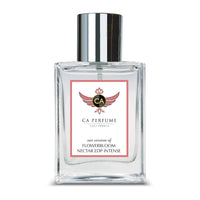
Flowerbloom Nectar Edp Intense — Flowerbomb Nectar Edp Intense Alternative Perfume
7.0
MEI™
Primary Romantic
Secondary Confident
Confidence
6.19
Presence
6.4
Mood Lift
7.77
Identity
6.45
Warmth
8.4
Social Ease
7.19
Energy
2.82
" I am beautiful.
View full mood profile →
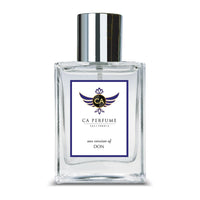
Don — Xerjoff Don Impression Alternative Perfume
4.9
MEI™
Primary Magnetic
Secondary Confident
Confidence
5.5
Presence
6.5
Mood Lift
4.5
Identity
6.0
Warmth
5.5
Social Ease
3.5
Energy
1.0
" I am bold.
View full mood profile →
HumanSafe™

Top Gunpowder Fragrances by HumanSafe™ Score

These Gunpowder-based fragrances have the highest product-level HumanSafe™ scores in this ingredient collection.

Highest HumanSafe™ Score
Flowerbloom Nectar Edp Intense — Flowerbomb Nectar Edp Intense Alternative Perfume
A-
HumanSafe™ Score Generally Safe
Safest Evaluated Ingredients EDP
AQUA Solvent / Carrier ISS 10.0
HEXYL SALICYLATE Evaluated ingredient ISS 9.0
BENZYL SALICYLATE Evaluated ingredient ISS 9.0
2H-1-BENZOPYRAN-2-ONE Evaluated ingredient ISS 8.0
LINALYL ACETATE Evaluated ingredient ISS 7.0
LINALOOL Evaluated ingredient ISS 7.0
View full safety profile →
Don — Xerjoff Don Impression Alternative Perfume
A-
HumanSafe™ Score Generally Safe
Safest Evaluated Ingredients EDP
AQUA Solvent / Carrier ISS 10.0
3-BUTEN-2-ONE, 3-METHYL-4-(2,6,6-TRIMETHYL-2- Evaluated ingredient ISS 8.0
1,6,10-DODECATRIEN-3-OL, 3,7,11-TRIMETHYL- Evaluated ingredient ISS 8.0
BULNESIA SARMIENTI, EXT., ACETATE Evaluated ingredient ISS 7.0
AMBREIN Evaluated ingredient ISS 7.0
ALPHA-CEDRENE Evaluated ingredient ISS 7.0
View full safety profile →
Expert Voices

What Masters Say About Gunpowder

“
Gunpowder as a fragrance note encompasses the full arc from raw powder through ignition to the dry mineral aftermath, creating a complex smoky and sulfurous accord rarely found in traditional perfumery.
CA Perfume Editorial
“
The gunpowder accord is built from smoky naturals like cade oil and birch tar, combined with mineral and sulfurous modifiers, allowing perfumers to evoke an atmospheric, dramatic effect with lasting presence.
CA Perfume Editorial
Common Questions

Frequently Asked Questions

Answers to common questions about gunpowder in perfumery.

Gunpowder in perfume smells peppery, sulfurous, and smoky with mineral and pyrocaustic facets. It evokes the combustion products of black powder—charcoal, sulfur, and potassium nitrate—resulting in a dry, dusty, and acrid aroma. This note is often constructed from smoky naturals like cade oil and birch tar combined with synthetic sulfurous molecules, creating a complex, atmospheric scent.

Gunpowder functions primarily as a heart to base note in perfumery. Its volatile sulfurous top facets appear briefly in the first 15 minutes, followed by a smoky, leathery heart and a dry, mineral-ash base that can last for several hours.

Gunpowder is favored in niche perfumery for its unique smoky, sulfurous, and mineral character that adds dramatic atmosphere and complexity. It provides a distinctive olfactory signature that stands out from traditional woody or floral notes, appealing to avant-garde and artistic fragrance creators.

Gunpowder fragrance uses include pairing with vanilla to soften sulfurous edges, leather and patchouli to add depth and earthiness, and citrus or green tea accords to introduce brightness and contrast. These combinations enhance gunpowder's complexity and balance its sharpness.

Gunpowder perfumes can be challenging in hot weather as heat increases volatility, causing rapid evaporation of sulfurous top notes and reducing longevity. They are better suited for cooler seasons, but layering with fresh or aquatic notes can adapt them for summer use.

Gunpowder fragrances typically last several hours, with the smoky heart persisting for 20–60 minutes and the dry mineral base lingering longer. Longevity depends on concentration and formulation.

Yes, layering gunpowder with complementary notes like vanilla, musk, leather, or citrus can create unique scent profiles. Understanding molecular compatibility helps avoid clashing and enhances the overall fragrance experience.

For beginners, fragrances like Etat Libre d'Orange La Fin Du Monde and Zoologist Portuguese Man O' War offer approachable introductions to gunpowder notes, balancing smoky facets with other familiar accords.

Consider the balance of smoky, sulfurous, and mineral facets, concentration, and complementary notes. CA Perfume offers detailed descriptions and layering advice to help select fragrances that suit your preferences and skin chemistry.

Gunpowder primarily smells smoky, sulfurous, and mineralic rather than sweet or spicy. However, it can be paired with spicy notes like black pepper or saffron to add warmth and complexity.

Natural and Synthetic, Popular and Weird Collection

Explore Our Top Gunpowder Fragrances

Discover a curated selection of fragrances featuring the distinctive gunpowder note, from smoky classics to modern interpretations.

Shop all gunpowder fragrances at CA Perfume →

Where Gunpowder Comes From — Origin & Extraction

Gunpowder is not derived from a botanical source but is an olfactory accord inspired by the chemical explosive black powder, historically composed of potassium nitrate (saltpeter), charcoal, and sulfur. The scent captures the combustion and aftermath of this mixture, including sulfurous, smoky, and mineral dust facets. In perfumery, gunpowder is created synthetically by blending natural smoky materials such as cade oil and birch tar with mineral modifiers and trace sulfurous aroma chemicals. Occasionally, CO2 extracts or absolutes of Chinese gunpowder tea (Camellia sinensis) contribute a smoky-vegetal green facet, linking the note to a natural source. Extraction of individual components involves solvent extraction and distillation of smoky woods and resins. The overall gunpowder accord is assembled in the lab rather than extracted as a single natural ingredient. Natural smoky ingredients like cade oil are produced mainly in the Mediterranean region, while birch tar is sourced from Northern Europe and Russia. Synthetic sulfurous molecules are manufactured industrially with CAS numbers specific to each compound. Cost-wise, natural smoky ingredients range from $100 to $500 per kilogram, while synthetic sulfurous aroma chemicals are more affordable and consistent. Gunpowder accords are sustainable as they rely on renewable natural extracts combined with synthetic modifiers, reducing pressure on any single natural resource.

Famous Fragrances That Define Gunpowder in Perfumery

Gunpowder has been used in a variety of niche and artistic fragrances as a dramatic, smoky, and mineral heart note. Nasomatto's Fantomas (2020), crafted by perfumer Alessandro Gualtieri, uses gunpowder to create a metallic, smoky depth that anchors the composition's dark, mysterious character. Etat Libre d'Orange's La Fin Du Monde (2013), by perfumer Fabrice Pellegrin, employs gunpowder to evoke apocalyptic and cinematic smoky accords, blending it with iris and gourmand notes. Zoologist's Portuguese Man O' War (2025) integrates gunpowder with aquatic and spicy notes, producing a unique marine-metallic effect. Toskovat's Inexcusable Evil (2022) features gunpowder as a bold, artistic note, enhancing the fragrance's edgy and challenging aura. Comme des Garçons' Amazingreen (2012) uses smoky natural elements to complement its green and woody accords. CA Perfume's collection embraces this lineage by exploring gunpowder's multifaceted smoky and mineral character in contemporary compositions that balance natural and synthetic elements.

Natural vs Synthetic Gunpowder in Perfumery

Gunpowder as a fragrance note is inherently a synthetic accord, composed from natural smoky extracts and synthetic aroma chemicals. Key synthetic molecules include sulfurous compounds such as thiols and sulfides (CAS numbers vary), which provide the characteristic acrid and mineral facets. Natural components like cade oil and birch tar contribute smoky, woody, and leathery nuances but lack the full sulfurous sharpness of the complete gunpowder accord. Synthetic molecules enhance longevity, diffusion, and stability, ensuring the note persists as a heart to base element. Cost differentials favor synthetic aroma chemicals, which are produced at industrial scale for approximately $50–200/kg, compared to natural smoky extracts costing several hundred dollars per kilogram. Famous fragrances using natural smoky elements include Comme des Garçons' Amazingreen (2012), while fully synthetic or hybrid gunpowder accords appear in Nasomatto's Fantomas (2020) and Toskovat's Inexcusable Evil (2022). The HumanSafe™ platform verifies ingredient transparency and safety, guiding CA Perfume's approach to responsibly using both natural and synthetic components in gunpowder accords.