Ingredient Guide · Floral Spicy
Floral Spicy Family · Perfumery Note

Ginger Flower

A lively interplay of spice and floral freshness in modern perfumery.

Ginger flower in perfumery is a heart note prized for its spicy-floral character and green vibrancy. Its defining quality is the interplay of zingiberene and floral aldehydes, typically used at 0.5–2% for a dynamic, uplifting effect.

Ginger Flower
Ingredient Profile

Ginger Flower

Floral Spicy Family
Family Floral Spicy
Note Position Heart Note
Usage Level 0.5–2%
Key Origins Thailand, India, Philippines
Iconic In KenzoKi Ginger Flower (Euphoric), Ingenious Ginger
The Ingredient

What does Ginger Flower smell like and why is it significant in perfumery?

Ginger flower (Etlingera elatior and related species) presents a unique olfactory signature in perfumery, distinct from the spicy, pungent aroma of ginger root. What does ginger flower smell like? Its scent profile is a lively fusion of fresh, green, and floral notes, underpinned by a warm, spicy heart. The primary molecular contributors include zingiberene (a sesquiterpene also found in ginger root), floral aldehydes, and minor amounts of linalool and geraniol, which together create a nuanced aroma that is both invigorating and subtly exotic. The result is a fragrance note that is not sharply spicy, but rather a gentle, almost creamy spiciness enveloped in a soft floral veil. In perfumery, ginger flower is typically classified as a heart note, though its volatility allows it to bridge the transition from top to mid stages. It is used at concentrations ranging from 0.5% to 2% in the fragrance composition, depending on the desired intensity. Ginger flower in perfumery interacts with skin chemistry in a way that can accentuate either its green freshness or its spicy warmth, influenced by individual skin pH and moisture. Its moderate diffusion and persistence make it ideal for modern compositions seeking a balance between freshness and complexity. Several contemporary fragrances exemplify the use of ginger flower. Goldfield & Banks Ingenious Ginger (2022, perfumer Hamid Merati-Kashani) constructs a ginger flower accord using native Australian ginger root, magnolia, and creamy woods to evoke the imagined scent of the unscented torch ginger lily. KenzoKi Ginger Flower (Euphoric) (2006) by Kenzo highlights ginger flower’s gently spicy and bitter facets, creating a vibrant, uplifting floral heart. These examples illustrate how ginger flower in perfumery adds a distinctive, versatile character that bridges freshness, spice, and floralcy.

0.5–2%
Typical concentration of ginger flower absolute or accord in fine fragrance compositions, balancing vibrancy with wearability.
2–5 Hours
Average longevity of ginger flower as a heart note, with spicy-floral character persisting before yielding to base notes.
$2,000–5,000/kg
Approximate cost of natural ginger flower absolute, reflecting low extraction yields and high demand for niche perfumery.
Origin & Extraction

Where Ginger Flower Comes From — Origin & Extraction

Ginger flower’s scent is shaped by tropical climates—high humidity, rich volcanic soils, and consistent warmth foster the development of its nuanced, spicy-floral aroma. Regional variations reflect differences in soil minerals and harvesting practices.

Ginger flower used in perfumery is primarily derived from species such as Etlingera elatior (torch ginger) and Hedychium coronarium (white ginger lily), both members of the Zingiberaceae family. The natural habitat for these plants spans tropical and subtropical regions, with major cultivation in Thailand, India, Malaysia, Indonesia, and the Philippines. While the ginger root (Zingiber officinale) is widely used for its essential oil, the flower is prized for its aromatic inflorescence, which is harvested at peak bloom for maximum fragrance yield. Extraction of ginger flower aroma is challenging due to the delicate nature of its volatiles. Traditional steam distillation is rarely used for the flower, as high temperatures degrade key floral aldehydes and sesquiterpenes. Instead, solvent extraction (using hexane or ethanol) and supercritical CO2 extraction are preferred, allowing for the preservation of the nuanced floral-spicy aroma. Yields are modest, typically less than 0.1% by weight of fresh petals. The resulting absolute is rare and costly, with prices ranging from $2,000 to $5,000 per kg, depending on origin and purity. Synthetic ginger flower accords are often constructed in the lab, using a blend of zingiberene, linalool, and floral aldehydes to mimic the natural scent. Sustainability considerations are increasingly important. Wild harvesting of torch ginger in Southeast Asia is being replaced by cultivated sources to prevent habitat depletion. Synthetic alternatives reduce pressure on wild populations and offer greater batch consistency. Notably, the ginger flower accord in Goldfield & Banks Ingenious Ginger is built from native Australian ginger root, as the actual flower is nearly unscented, requiring creative reconstruction by perfumers.

TH

Thailand

Central and southern Thailand cultivate torch ginger (Etlingera elatior) for both culinary and aromatic uses. The region’s volcanic soils and monsoon climate yield flowers with pronounced spicy-green facets. Thailand supplies a significant portion of Southeast Asia’s ginger flower for local perfumery and traditional ceremonies.

IN

India

Kerala and Assam are known for white ginger lily (Hedychium coronarium), harvested for its creamy, floral aroma. High rainfall and loamy soils produce flowers with softer, more indolic notes. India’s production is largely for domestic use, with some export for niche perfumery.

PH

Philippines

Luzon and Mindanao regions feature wild and cultivated ginger flower, often used in beauty products and local fragrances. The tropical maritime climate imparts a fresh, green vibrancy to the aroma, with annual yields supporting both local and export markets.

AU

Australia

The Atherton Tablelands in Queensland are home to native red back ginger, used as a starting point for ginger flower accords in perfumery. The region’s unique biodiversity and mineral-rich soils contribute to the distinctive, radiant qualities of Australian ginger flower-inspired fragrances.

Chemistry

Natural vs Synthetic Ginger Flower in Perfumery

Natural ginger flower extracts are rare in perfumery due to the low yield and instability of their volatile compounds. When available, natural ginger flower absolute is obtained via solvent extraction or CO2 extraction, preserving the delicate floral-spicy aroma. However, most ginger flower notes in modern fragrances are reconstructed synthetically. Key synthetic molecules used in ginger flower accords include zingiberene (CAS 495-60-3), linalool (CAS 78-70-6), and hexyl cinnamic aldehyde (CAS 101-86-0), which together replicate the green, spicy, and creamy floral facets. Synthetic ginger flower accords offer improved stability, batch consistency, and cost efficiency—typically $100–300/kg, compared to $2,000–5,000/kg for natural absolute. Performance-wise, synthetics provide better longevity and diffusion, as natural extracts can degrade rapidly upon exposure to light and air. Famous fragrances such as Goldfield & Banks Ingenious Ginger and KenzoKi Ginger Flower rely on synthetic or reconstructed accords, as the actual flower yields little to no extractable aroma. Sustainability is a driving factor: synthetic production reduces the ecological impact of harvesting wild ginger flowers and aligns with the HumanSafe™ platform’s transparency standards. CA Perfume prioritizes traceable, HumanSafe™ verified aroma chemicals in its ginger flower compositions, ensuring both safety and environmental responsibility.

Natural
Ginger Flower Absolute
Cost $3,000–6,000/kg
Method Solvent / CO₂
Character Complex, variable
vs
Synthetic
Safranal & Analogues
Cost $50–200/kg
Method Lab synthesis
Character Consistent, stable
Hall of Fame

Famous Fragrances That Define Ginger Flower in Perfumery

2006
dominant note

KenzoKi Ginger Flower (Euphoric)

Kenzo
spicesfloral notes
2022
bridge note

Ingenious Ginger

Goldfield & Banks Australia
by Hamid Merati-Kashani
magnoliavanillaambersandalwood
2012
heart note

Ginger Flower

Shanghai Tang
citrusfloral notes
2021
accent

Twilly d’Hermès Eau Ginger

Hermès
by Christine Nagel
peonycedar
2023
supporting note

Ginger Biscuit Cologne

Jo Malone London
hazelnuttonka bean

Ginger flower has inspired a number of notable fragrances, often serving as a bridge note or a vibrant heart. One of the earliest and most direct uses is KenzoKi Ginger Flower (Euphoric) by Kenzo (2006), which features ginger flower as a gently spicy, uplifting floral heart. In Goldfield & Banks Ingenious Ginger (2022), perfumer Hamid Merati-Kashani constructs an accord to evoke the imagined scent of the unscented torch ginger lily, blending native Australian ginger root with magnolia and creamy woods. Shanghai Tang Ginger Flower (2012) offers a fresh, citrusy opening followed by a mellow, floral ginger heart, demonstrating the note’s versatility in both personal and ambient fragrances. Other significant examples include Twilly d’Hermès Eau Ginger (2021, perfumer Christine Nagel), where candied ginger and peony are paired for a joyful, modern floral-spicy effect; and Jo Malone London Ginger Biscuit Cologne (2023), which uses ginger flower and ginger root to create a gourmand, spicy-floral profile. Diptyque Eau de Gingembre (2019) balances ginger flower with neroli and pink pepper for a crisp, clean, and genderless composition. These fragrances illustrate the diverse roles ginger flower can play, from dominant note to accent, and its compatibility with citrus, floral, and woody accords. CA Perfume’s collection draws inspiration from this lineage, offering ginger flower compositions that reflect both tradition and innovation.

The Accord

How is a captivating Ginger Flower accord crafted?

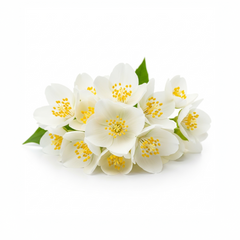
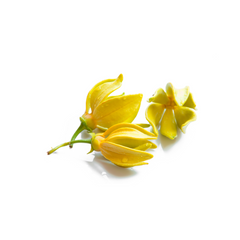
A ginger flower accord is constructed by blending spicy, green, and creamy floral notes. Typical proportions: Ginger Flower (20–25%), Jasmine (20–25%), Ylang-Ylang (20–25%), Cashmere Wood (30%). Jasmine and ylang-ylang supply indolic and benzenoid floralcy, while cashmere wood provides a creamy, musky base that supports the spicy vibrancy of ginger flower. This molecular interplay creates a balanced, multidimensional accord.

25%

Ginger Flower

20–25% of blend

Provides the spicy-green, floral core via zingiberene and floral aldehydes, setting the accord’s lively tone.

25%

Jasmine

20–25% of blend

Adds indolic, sweet floralcy; linalool and benzyl acetate bridge the green and spicy facets of ginger flower.

25%

Ylang-Ylang

20–25% of blend

Contributes creamy, exotic floral notes; rich in p-cresyl methyl ether, it enhances the lushness and depth.

30%

Cashmere Wood

30% of blend

Provides a musky, creamy base; lactonic and woody molecules stabilize the accord and extend its longevity.

The Olfactory Layers

How Ginger Flower Evolves on Skin

Ginger flower fragrances evolve from a sparkling, zesty opening to a creamy, spicy-floral heart, finishing with a soft, musky-woody base. The top notes dissipate within 15 minutes, while the heart persists for up to an hour before yielding to the base.

I
Top notes
0–15 min
Green Sparkle

The initial impression is bright and invigorating, dominated by high-volatility molecules such as citral and linalool, which provide a fresh, citrus-green lift. These evaporate quickly, setting the stage for the heart.

ZestyGreenSparkling
II
Heart notes
20–60 min
Spicy Floral Veil

The core of the fragrance features ginger flower’s signature spicy-floral character, driven by zingiberene and floral aldehydes. Jasmine and ylang-ylang molecules (benzyl acetate, p-cresyl methyl ether) add creamy, exotic depth.

Spicy-FloralCreamyExotic
III
Base notes
Several hours
Soft Woody Drydown

As the fragrance dries down, musky and woody molecules (such as cashmeran and lactones) emerge, providing a soft, lingering finish that anchors the composition and extends its wear.

MuskyWoodySoft
TOP NOTES Green Sparkle 0–15 minutes HEART NOTES Spicy Floral Veil 20–60 minutes BASE NOTES Soft Woody Drydown Several hours
Through the Ages

The Story of Ginger Flower in Perfumery

Ginger flower’s journey in perfumery spans from traditional Southeast Asian uses to modern synthetic reconstructions, reflecting both cultural heritage and technical innovation.

Antiquity

Traditional Uses in Southeast Asia

Ginger flowers are used in Thai, Indian, and Filipino ceremonies for their subtle fragrance and symbolic value, though not yet formally extracted for perfumery.

19th Century

Introduction to Western Botany

European botanists document Etlingera elatior and Hedychium coronarium, noting their aromatic potential and ornamental value in colonial botanical gardens.

1980s

Solvent Extraction of Ginger Flower

Advances in solvent extraction allow for the first ginger flower absolutes, though yields remain low and commercial use is limited.

2006

KenzoKi Ginger Flower (Euphoric) Launch

Kenzo introduces ginger flower as a named note in fine fragrance, highlighting its gently spicy and vibrant floral qualities.

2022

Goldfield & Banks Ingenious Ginger

Hamid Merati-Kashani creates a ginger flower accord using native Australian ginger root, magnolia, and creamy woods, setting a new standard for synthetic ginger flower in niche perfumery.

The Art of Layering

How to Layer Ginger Flower

Understanding how to layer ginger flower is key to unlocking its full olfactory potential. Molecular compatibility with citrus, woody, and floral notes enables synergistic effects, enhancing complexity and longevity.

01

Enhance Freshness

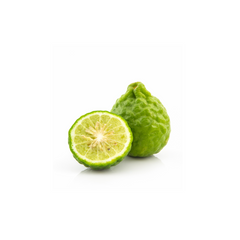
Layer ginger flower with citrus notes (bergamot, lemon) to amplify its green, zesty facets. Shared volatile aldehydes create a seamless, sparkling top accord, as demonstrated in Diptyque Eau de Gingembre.

02

Add Creamy Depth

Pair ginger flower with creamy woods (cashmere wood, sandalwood) to round out its spicy heart. Woody lactones and musks mask sharpness, resulting in a soft, enveloping drydown, as seen in Goldfield & Banks Ingenious Ginger.

03

Floral Synergy

Combine ginger flower with jasmine or ylang-ylang for a lush, exotic bouquet. Indolic and benzenoid molecules from these florals reinforce ginger flower’s creamy, spicy core, as in KenzoKi Ginger Flower (Euphoric).

Wear It Right

How to Wear Ginger Flower Like a Pro

Seasonal Guide

Fall & Winter

In cooler weather, ginger flower’s spicy and creamy notes become more prominent as lower temperatures suppress volatility. Apply to pulse points and under clothing for a subtle, warming effect that lingers.

Spring

Spring’s moderate temperatures highlight ginger flower’s green and floral facets. The note feels uplifting and vibrant, making it ideal for daytime wear and layering with other florals.

Summer

High heat increases volatility, amplifying the zesty, fresh top notes while shortening overall longevity. Apply lightly to avoid overpowering; consider layering with citrus or aquatic notes for a refreshing effect.

Year-Round Tip

Ginger flower’s versatility allows it to transition across seasons. Adjust application intensity and layering partners to suit climate and occasion, ensuring optimal performance and enjoyment.

Application Points

Strategic application enhances ginger flower’s evolution and sillage. Focus on pulse points and hair for optimal diffusion.

1

Neck

Pulse points on the neck generate heat, accelerating the release of ginger flower’s zesty top notes and spicy heart for immediate impact.

2

Behind the Ears

This area maintains warmth and is less exposed to air, allowing the creamy floral heart to linger and evolve gradually.

3

Inner Wrists

Frequent movement and warmth here boost projection, especially for the green, sparkling opening. Avoid rubbing to preserve molecular integrity.

4

Hair

Spraying on hair provides a slow, sustained release of ginger flower’s aroma as hair moves, enhancing longevity without rapid evaporation.

Pro Tip

Layer ginger flower with a complementary woody or citrus scent on clothing for extended wear and a multidimensional olfactory experience.

Mood Architecture™

Top Ginger Flower Fragrances by Mood Score

These Ginger Flower-based fragrances scored highest on the MEI™ Mood Architecture Framework — measuring how a scent may influence your emotional state.

Highest MEI Score
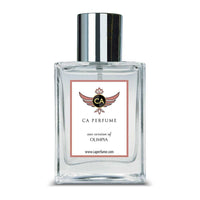
Olimpia — Olympea Alternative Perfume for Women
7.2
MEI™
Primary Romantic
Secondary Confident
Confidence
6.84
Presence
7.28
Mood Lift
7.3
Identity
6.57
Warmth
9.02
Social Ease
6.88
Energy
4.2
" I am beautiful.
View full mood profile →
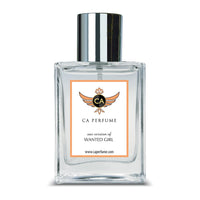
Wanted Girl — Azzaro Wanted Girl Alternative Perfume
5.52
MEI™
Primary Serene
Secondary Romantic
Confidence
4.73
Presence
4.89
Mood Lift
6.38
Identity
5.16
Warmth
6.66
Social Ease
5.65
Energy
2.5
" I am at peace.
View full mood profile →
HumanSafe™

Top Ginger Flower Fragrances by HumanSafe™ Score

These Ginger Flower-based fragrances have the highest product-level HumanSafe™ scores in this ingredient collection.

Highest HumanSafe™ Score
Wanted Girl — Azzaro Wanted Girl Alternative Perfume
A-
HumanSafe™ Score Generally Safe
Safest Evaluated Ingredients EDP
OXACYCLOHEPTADEC-10-EN-2-ONE Evaluated ingredient ISS 10.0
AQUA Solvent / Carrier ISS 10.0
1,4-DIOXACYCLOHEPTADECANE-5,17-DIONE Evaluated ingredient ISS 10.0
BENZYL SALICYLATE Evaluated ingredient ISS 9.0
BENZENEPROPANAL, 4-METHOXY-.ALPHA.-METHYL- Evaluated ingredient ISS 9.0
View full safety profile →
Olimpia — Olympea Alternative Perfume for Women
A-
HumanSafe™ Score Generally Safe
Safest Evaluated Ingredients EDP
AQUA Solvent / Carrier ISS 10.0
BENZYL SALICYLATE Evaluated ingredient ISS 9.0
BENZENEPROPANAL, 4-METHOXY-.ALPHA.-METHYL- Evaluated ingredient ISS 9.0
LINALOOL Evaluated ingredient ISS 7.0
CITRONELLOL Evaluated ingredient ISS 7.0
View full safety profile →
Expert Voices

What Masters Say About Ginger Flower

Ginger flower possesses gently spicy and bitter notes, which are pleasant and vibrant.
KenzoKi Ginger Flower (Euphoric) Fragrantica Editorial
Ginger flower in perfumery adds vibrancy and depth while evoking feelings of adventure and excitement.
CA Perfume Editorial
Common Questions

Frequently Asked Questions

Frequently asked questions address technical, sensory, and practical aspects of ginger flower in perfumery.

Ginger flower in perfume offers a lively, spicy-floral scent with green, zesty top notes and a creamy, gently spicy heart. Unlike ginger root, which is pungent and sharp, ginger flower is softer and more floral, with molecules like zingiberene and floral aldehydes creating a nuanced, uplifting aroma. It is often described as fresh, exotic, and subtly warm, making it suitable for both modern and traditional fragrance compositions.

Ginger flower is typically classified as a heart note in perfumery. Its volatility allows it to bridge the transition from the sparkling top notes to the richer base, but its primary impact is felt in the heart of the fragrance, where its spicy-floral character is most pronounced. In some compositions, it can also accentuate the top or base, depending on the formula.

Ginger flower is favored in niche perfumery for its unique duality—combining green freshness with creamy spice. Its ability to add vibrancy, complexity, and a sense of exoticism makes it a versatile ingredient for modern, genderless, and innovative fragrance compositions. It also pairs well with a wide range of notes, from citrus to woods.

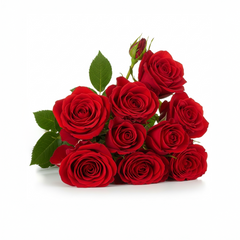
Ginger flower fragrance uses often involve pairing with jasmine, ylang-ylang, rose, bergamot, and creamy woods like sandalwood or cashmere wood. These ingredients share molecular affinities—such as linalool and benzyl acetate—that create seamless, multidimensional accords.

Yes, ginger flower’s fresh, zesty top notes and moderate diffusion make it ideal for summer and hot weather. High temperatures amplify its green, sparkling facets, while its creamy heart prevents the scent from becoming too sharp. Lighter application is recommended for optimal performance.

Ginger flower as a heart note typically lasts 2–5 hours on skin, depending on concentration and layering. Its top notes dissipate quickly, while the spicy-floral heart persists before yielding to the base. Longevity can be extended by layering with fixative notes or applying to hair and clothing.

Absolutely. Ginger flower is highly compatible with citrus, floral, and woody notes. Layering with bergamot or lemon enhances freshness, while pairing with creamy woods or musks adds depth and longevity. Molecular compatibility ensures a harmonious blend without olfactory clashes.

Recommended entry points include KenzoKi Ginger Flower (Euphoric) for its gentle, uplifting floral-spicy profile, and Goldfield & Banks Ingenious Ginger for a modern, radiant interpretation. Both balance vibrancy and wearability, making them accessible for those new to the note.

Consider your preferred scent profile—whether you favor fresh, green, or creamy-spicy interpretations. CA Perfume’s collection offers ginger flower fragrances across a range of concentrations and pairings, allowing you to select based on season, occasion, and personal style.

Ginger flower is primarily spicy-floral, with only subtle sweetness. Its creamy, green, and gently spicy character is more prominent than overt sweetness, making it suitable for those seeking a lively but not sugary scent.

Floral Spicy Collection

Explore Our Top Ginger Flower Fragrances

Discover the most sought-after ginger flower fragrances in the CA Perfume collection, each crafted to showcase the note’s vibrant, spicy-floral character.

Shop all ginger flower fragrances at CA Perfume →

Where Ginger Flower Comes From — Origin & Extraction

Ginger flower used in perfumery is primarily derived from species such as Etlingera elatior (torch ginger) and Hedychium coronarium (white ginger lily), both members of the Zingiberaceae family. The natural habitat for these plants spans tropical and subtropical regions, with major cultivation in Thailand, India, Malaysia, Indonesia, and the Philippines. While the ginger root (Zingiber officinale) is widely used for its essential oil, the flower is prized for its aromatic inflorescence, which is harvested at peak bloom for maximum fragrance yield. Extraction of ginger flower aroma is challenging due to the delicate nature of its volatiles. Traditional steam distillation is rarely used for the flower, as high temperatures degrade key floral aldehydes and sesquiterpenes. Instead, solvent extraction (using hexane or ethanol) and supercritical CO2 extraction are preferred, allowing for the preservation of the nuanced floral-spicy aroma. Yields are modest, typically less than 0.1% by weight of fresh petals. The resulting absolute is rare and costly, with prices ranging from $2,000 to $5,000 per kg, depending on origin and purity. Synthetic ginger flower accords are often constructed in the lab, using a blend of zingiberene, linalool, and floral aldehydes to mimic the natural scent. Sustainability considerations are increasingly important. Wild harvesting of torch ginger in Southeast Asia is being replaced by cultivated sources to prevent habitat depletion. Synthetic alternatives reduce pressure on wild populations and offer greater batch consistency. Notably, the ginger flower accord in Goldfield & Banks Ingenious Ginger is built from native Australian ginger root, as the actual flower is nearly unscented, requiring creative reconstruction by perfumers.

Famous Fragrances That Define Ginger Flower in Perfumery

Ginger flower has inspired a number of notable fragrances, often serving as a bridge note or a vibrant heart. One of the earliest and most direct uses is KenzoKi Ginger Flower (Euphoric) by Kenzo (2006), which features ginger flower as a gently spicy, uplifting floral heart. In Goldfield & Banks Ingenious Ginger (2022), perfumer Hamid Merati-Kashani constructs an accord to evoke the imagined scent of the unscented torch ginger lily, blending native Australian ginger root with magnolia and creamy woods. Shanghai Tang Ginger Flower (2012) offers a fresh, citrusy opening followed by a mellow, floral ginger heart, demonstrating the note’s versatility in both personal and ambient fragrances. Other significant examples include Twilly d’Hermès Eau Ginger (2021, perfumer Christine Nagel), where candied ginger and peony are paired for a joyful, modern floral-spicy effect; and Jo Malone London Ginger Biscuit Cologne (2023), which uses ginger flower and ginger root to create a gourmand, spicy-floral profile. Diptyque Eau de Gingembre (2019) balances ginger flower with neroli and pink pepper for a crisp, clean, and genderless composition. These fragrances illustrate the diverse roles ginger flower can play, from dominant note to accent, and its compatibility with citrus, floral, and woody accords. CA Perfume’s collection draws inspiration from this lineage, offering ginger flower compositions that reflect both tradition and innovation.

Natural vs Synthetic Ginger Flower in Perfumery

Natural ginger flower extracts are rare in perfumery due to the low yield and instability of their volatile compounds. When available, natural ginger flower absolute is obtained via solvent extraction or CO2 extraction, preserving the delicate floral-spicy aroma. However, most ginger flower notes in modern fragrances are reconstructed synthetically. Key synthetic molecules used in ginger flower accords include zingiberene (CAS 495-60-3), linalool (CAS 78-70-6), and hexyl cinnamic aldehyde (CAS 101-86-0), which together replicate the green, spicy, and creamy floral facets. Synthetic ginger flower accords offer improved stability, batch consistency, and cost efficiency—typically $100–300/kg, compared to $2,000–5,000/kg for natural absolute. Performance-wise, synthetics provide better longevity and diffusion, as natural extracts can degrade rapidly upon exposure to light and air. Famous fragrances such as Goldfield & Banks Ingenious Ginger and KenzoKi Ginger Flower rely on synthetic or reconstructed accords, as the actual flower yields little to no extractable aroma. Sustainability is a driving factor: synthetic production reduces the ecological impact of harvesting wild ginger flowers and aligns with the HumanSafe™ platform’s transparency standards. CA Perfume prioritizes traceable, HumanSafe™ verified aroma chemicals in its ginger flower compositions, ensuring both safety and environmental responsibility.