Ingredient Guide · Citrus Aromatic
Citrus Aromatic Family · Perfumery Note

Gin

Bright, invigorating, and herbaceous

Gin in perfumery is a heart note characterized by vibrant juniper and botanical infusions. Its scent profile includes bright citrus, herbaceous greenery, and subtle sweetness, typically used below 5% concentration.

Gin
Ingredient Profile

Gin

Citrus Aromatic Family
Family Citrus Aromatic
Note Position Heart Note
Usage Level <5%
Key Origins United Kingdom, Netherlands, United States
Iconic In Gentle Fluidity Silver, Juniper Sling
The Ingredient

What does Gin smell like and why is it significant in perfumery?

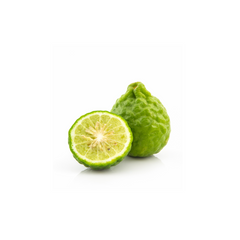
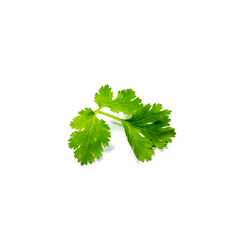
Gin is a distilled spirit note in perfumery, primarily defined by its botanical infusion dominated by juniper berries (Juniperus communis). Its scent profile is lively and refreshing, featuring bright citrus notes such as lime and bergamot, herbaceous greenery from botanicals like coriander and angelica, and a subtle sweetness that invites olfactory exploration. The molecular complexity arises from terpenes like alpha-pinene and limonene, which contribute piney and citrus facets respectively. In perfumery, gin is classified as a heart note, typically used at concentrations below 5%. It interacts with skin chemistry by providing an energizing and crisp clarity that contrasts well with richer base notes, enhancing freshness and vibrancy in compositions. Gin's volatility and aromatic profile make it ideal for uplifting fragrances that evoke revitalization. Notable examples include Maison Francis Kurkdjian's Gentle Fluidity Silver (2019), where juniper and nutmeg create a sophisticated gin aesthetic, and Penhaligon's Juniper Sling (2011) by perfumer Oliver Cresp, which features a pronounced juniper heart with spicy and woody undertones. These fragrances exemplify gin's role in bridging citrus and aromatic woody accords in modern perfumery.

1–3 Sprays
Optimal application quantity to capture gin's vibrant essence without overwhelming the senses, balancing impact and subtlety.
3–5 Hours
Typical longevity of gin-based fragrances on skin, reflecting the volatility of botanical compounds and formulation balance.
<5%
Common usage concentration of gin accords in perfume formulations, ensuring freshness and safety within IFRA guidelines.
Origin & Extraction

Where Gin Comes From — Origin & Extraction

Gin's aromatic profile is shaped by its geographic origins, where local botanicals and climate influence the scent character. The soil composition and harvesting methods of juniper berries and other botanicals in these regions contribute to subtle variations in aroma.

Gin's aromatic character originates from its botanical components, primarily juniper berries (Juniperus communis), along with coriander seeds, citrus peels (lemon, lime, bergamot), angelica root, and other herbs. The spirit itself was first distilled in the Netherlands in the 17th century as Genever and later popularized in the United Kingdom, which remains a key origin for gin production. The United Kingdom is renowned for London Dry Gin, produced using traditional distillation methods that infuse botanicals into neutral grain alcohol. The Netherlands produces Genever, a maltier style with a sweeter, herbal profile. The United States has emerged as a significant producer with craft distilleries experimenting with floral and herbaceous botanicals, contributing to diverse gin styles. In perfumery, gin absolute or accords are created through solvent extraction or supercritical CO2 extraction of these botanicals, capturing their volatile aromatic compounds without heat degradation. Extraction yields vary by botanical, with juniper berries yielding essential oils rich in alpha-pinene and sabinene. Natural gin absolute costs approximately $3,000–6,000 per kilogram due to the complexity and variability of botanical sources and extraction processes. Synthetic aroma chemicals that replicate gin's key facets, such as safranal analogues, cost significantly less, around $50–200 per kilogram. Sustainability considerations include the ethical sourcing of botanicals and minimizing environmental impact through controlled harvesting and solvent recycling.

GB

United Kingdom

The UK, birthplace of London Dry Gin, uses botanicals from the British Isles. The temperate climate and well-drained soils yield juniper berries with balanced piney and resinous notes. Traditional distillation methods preserve these characteristics. The UK holds a significant market share globally and maintains strict quality standards for gin production.

NL

Netherlands

Home to Genever, the original gin, Dutch distilleries use malted grain bases and botanicals that produce a maltier, sweeter, and more herbal gin. The maritime climate and fertile soils contribute to the botanical quality. Genever's distinct style influences perfumery interpretations of gin's scent.

US

United States

American craft distilleries innovate with diverse botanicals, including floral and herbaceous notes. Varied climates and soil types across regions allow for experimental botanical sourcing. The US market is growing rapidly, embracing both traditional and novel gin styles.

Chemistry

Natural vs Synthetic Gin in Perfumery

Natural gin accords are derived from solvent or supercritical CO2 extraction of botanicals like juniper berries, coriander, and citrus peels. These natural extracts are chemically complex and variable, containing hundreds of volatile compounds such as alpha-pinene, limonene, and sabinene, which contribute to the authentic gin scent profile. Natural gin absolute costs between $3,000 and $6,000 per kilogram and offers a nuanced, multi-dimensional aroma but can suffer from batch variability and limited supply. Synthetic alternatives focus on key aroma chemicals such as safranal (CAS 116-26-7), which imparts a dry, hay-like, slightly metallic facet, and analogues that mimic juniper's piney freshness. These synthetics provide consistency, stability, and cost-effectiveness, priced between $50 and $200 per kilogram. They exhibit longer longevity and diffusion in fragrance compositions. Famous fragrances like Maison Francis Kurkdjian's Gentle Fluidity Silver utilize natural gin accords, while others may blend synthetic molecules for stability. Sustainability concerns favor synthetic production due to reduced botanical harvesting. CA Perfume employs the HumanSafe™ platform to ensure transparency and safety in sourcing both natural and synthetic gin ingredients.

Natural
Gin Absolute
Cost $3,000–6,000/kg
Method Solvent / CO₂
Character Complex, variable
vs
Synthetic
Safranal & Analogues
Cost $50–200/kg
Method Lab synthesis
Character Consistent, stable
Hall of Fame

Famous Fragrances That Define Gin in Perfumery

2019
dominant note

Gentle Fluidity Silver

Maison Francis Kurkdjian
by Francis Kurkdjian
juniper berriesnutmegbergamotpineapplecoriander
2011
dominant note

Juniper Sling

Penhaligon's
by Oliver Cresp
juniper berriescardamomblack pepperbrown sugarvetiver
2021
dominant note

Blue Gin

Mizensir
by Alberto Morillas
juniper berry essenceSichuan peppermandarin zestironecetalox
accent

GNTONIC

M. Micallef
tonic waterlimepeppermintgingergin
accent

Gin & Tonic

Demeter Fragrance Library
quininejunipercitrusspices

Several landmark fragrances have incorporated gin or gin-inspired accords, showcasing its versatility and refreshing character. Maison Francis Kurkdjian's Gentle Fluidity Silver (2019), crafted by perfumer Francis Kurkdjian, features juniper berries balanced with nutmeg and bergamot, creating a sophisticated, crisp scent emblematic of gin's aromatic profile. Penhaligon's Juniper Sling (2011), by Oliver Cresp, captures the playful spirit of gin with a heart of juniper berries, cardamom, and black pepper, layered over a base of brown sugar and vetiver. Mizensir Blue Gin (2021), by Alberto Morillas, blends juniper berry essence with Sichuan pepper and mandarin zest, juxtaposed against irone and cetalox for a powdery, mineral finish. M. Micallef's GNTONIC (year not specified) combines tonic water, lime, peppermint, and ginger with gin to evoke the classic cocktail's freshness. Other notable examples include Demeter's Gin & Tonic (part of the Happy Hour collection), Lolita Lempicka's Green Lover, and Byredo's fragrances incorporating gin botanicals. CA Perfume's collection reflects this lineage by offering fragrances that emphasize botanical freshness and aromatic clarity, continuing the tradition of gin-inspired perfumery.

The Accord

How is an invigorating Gin accord created?

A captivating gin accord typically blends 25-30% juniper berry absolute for its piney, resinous character, 20-25% citrus oils (bergamot, lime) to provide bright, zesty freshness, 15-20% coriander and angelica root extracts for herbal and spicy complexity, and 20-25% aromatic herbs such as lavender or cardamom to add depth and nuance. This combination balances the crisp, invigorating facets of gin with a subtle sweetness and herbal warmth, creating a multi-dimensional accord that is both refreshing and sophisticated.

30%

Juniper Berry Absolute

25–30% of blend

Provides the signature piney, resinous, and slightly woody aroma central to gin's character, rich in alpha-pinene and sabinene.

25%

Bergamot Oil

20–25% of blend

Adds bright, zesty citrus freshness through limonene and linalyl acetate, enhancing the accord's vibrancy.

20%

Coriander Seed Extract

15–20% of blend

Contributes herbal, spicy, and slightly sweet notes via linalool and geranyl acetate, complementing juniper's sharpness.

25%

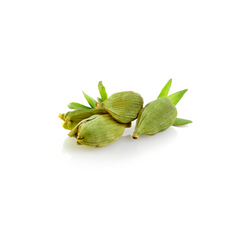
Cardamom Essential Oil

20–25% of blend

Introduces warm, aromatic spice with camphoraceous and citrusy nuances, balancing the accord's brightness.

The Olfactory Layers

How Gin Evolves on Skin

Gin fragrances evolve from bright, volatile citrus and herbal top notes to a complex heart dominated by juniper and aromatic botanicals, settling into a subtle, musky base. The evaporation rates of terpenes like limonene and alpha-pinene dictate the initial freshness, while heavier molecules like sesquiterpenes sustain the heart and base.

I
Top notes
0–15 min
Bright Citrus Sparkle

The opening features high-volatility citrus compounds such as limonene and linalyl acetate from bergamot and lime, delivering a zesty, sparkling freshness. Herbal top notes like coriander add a green, slightly spicy facet, creating an immediate invigorating impression.

CitrusyFreshHerbaceous
II
Heart notes
20–60 min
Juniper and Botanicals

The heart reveals the core juniper aroma, rich in alpha-pinene and sabinene, providing piney, resinous, and slightly woody facets. Complementary botanicals like angelica root and cardamom add spicy, warm, and aromatic complexity, sustaining the fragrance's lively character.

PineySpicyAromatic
III
Base notes
Several hours
Woody-Musky Depth

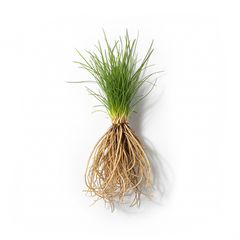
The base softens with musky and woody notes such as vetiver and labdanum, which provide depth and longevity. These heavier molecules evaporate slowly, anchoring the fragrance and balancing the initial brightness with a subtle warmth and earthiness.

WoodyMuskyEarthy
TOP NOTES Bright Citrus Sparkle 0–15 minutes HEART NOTES Juniper and Botanicals 20–60 minutes BASE NOTES Woody-Musky Depth Several hours
Through the Ages

The Story of Gin in Perfumery

The history of gin in perfumery traces back to the spirit's origins and its botanical inspirations, evolving into a modern fragrance note celebrated for its fresh, aromatic character.

17th Century

Origin of Gin as a Spirit

Gin originated in the Spanish Netherlands as Genever, distilled with juniper berries and botanicals. This laid the foundation for gin's botanical profile that later influenced perfumery.

18th Century

London Dry Gin Emerges

The UK popularized London Dry Gin, refining distillation methods and botanical blends, establishing a benchmark for gin's aromatic character used in fragrance creation.

1955

Gin Fizz Lubin Launch

One of the earliest perfumes explicitly inspired by gin, Lubin's Gin Fizz captured the spirit's fresh, citrusy, and botanical notes, marking gin's entry into perfumery.

2011

Penhaligon's Juniper Sling Release

Created by Oliver Cresp, this fragrance highlighted juniper and gin botanicals, influencing modern gin-inspired scents in niche perfumery.

2019

Gentle Fluidity Silver by Maison Francis Kurkdjian

Francis Kurkdjian introduced a sophisticated gin-inspired fragrance emphasizing juniper berries and spices, popularizing gin's fresh aromatic profile in contemporary perfumery.

The Art of Layering

How to Layer Gin

Understanding how to layer gin involves combining it with complementary notes that share molecular affinities or provide olfactory masking. This approach enhances complexity and balance without conflict.

01

Enhance Sweetness

Layer gin with vanilla or tonka bean to soften its sharp citrus and piney edges. Vanillin masks metallic notes, creating a smoother, warmer blend. This technique is exemplified in fragrances like Mizensir Blue Gin.

02

Add Depth

Combine gin with woody notes such as sandalwood or vetiver, which share sesquiterpene compounds that harmonize with juniper's resinous facets. This creates a grounded, sophisticated accord as seen in Penhaligon's Juniper Sling.

03

Lighten the Glow

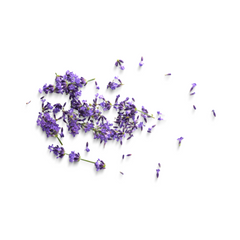
Pair gin with light florals like lavender or neroli, which contain linalool and linalyl acetate, molecular bridges that blend seamlessly with gin's herbal citrus profile. This layering produces a fresh, airy scent ideal for spring and summer.

Wear It Right

How to Wear Gin Like a Pro

Seasonal Guide

Fall & Winter

Cooler temperatures reduce volatility, muting gin's fresh top notes. Layer with warm spices or woody bases to add depth and maintain presence. Apply more generously to pulse points for better diffusion.

Spring

Moderate warmth enhances the citrus and herbal facets of gin. Ideal for daytime wear, providing a lively, uplifting scent. Light application suits fluctuating temperatures.

Summer

Heat amplifies gin's zesty and refreshing qualities, making it perfect for hot weather. Use light sprays for a crisp, energizing effect that evokes summer gatherings and outdoor activities.

Year-Round Tip

Combine gin with complementary notes like lavender or musk to adapt its freshness across seasons, balancing brightness with warmth as needed.

Application Points

Strategic application enhances gin's fresh and vibrant character, optimizing scent diffusion and longevity.

1

Neck

Pulse points at the neck generate heat, accelerating evaporation of gin's citrus and herbal notes for an immediate fresh impression.

2

Behind the Ears

This discreet area allows subtle scent release, ideal for maintaining a fresh aura without overwhelming projection.

3

Inner Wrists

Wrists provide warmth and mobility, enhancing the dynamic evolution of gin's aromatic compounds throughout the day.

4

Hair

Hair holds fragrance molecules longer, releasing the fresh gin accord gradually with movement, creating a natural, airy trail.

Pro Tip

Layer gin-based fragrances over unscented moisturizers to prolong scent longevity and prevent rapid evaporation.

Mood Architecture™

Top Gin Fragrances by Mood Score

These Gin-based fragrances scored highest on the MEI™ Mood Architecture Framework — measuring how a scent may influence your emotional state.

Highest MEI Score
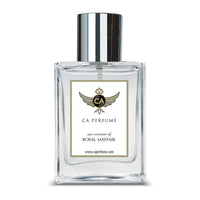
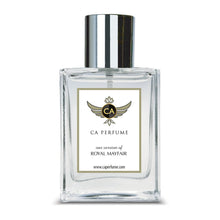
Royal Mayfair — Creed Royal Mayfair Alternative Perfume
7.06
MEI™
Primary Fresh
Secondary Energizing
Confidence
6.77
Presence
6.69
Mood Lift
8.53
Identity
6.17
Warmth
5.63
Social Ease
7.34
Energy
6.0
" I am radiant.
View full mood profile →
HumanSafe™

Top Gin Fragrances by HumanSafe™ Score

These Gin-based fragrances have the highest product-level HumanSafe™ scores in this ingredient collection.

Highest HumanSafe™ Score
Royal Mayfair — Creed Royal Mayfair Alternative Perfume
A-
HumanSafe™ Score Generally Safe
Safest Evaluated Ingredients EDP
AQUA Solvent / Carrier ISS 10.0
AMBROXID Evaluated ingredient ISS 10.0
BENZOIC ACID, 2-HYDROXY-, METHYL ESTER Evaluated ingredient ISS 9.0
2-OXABICYCLO[2.2.2]OCTANE, 1,3,3-TRIMETHYL- Evaluated ingredient ISS 9.0
LINALYL ACETATE Evaluated ingredient ISS 7.0
LINALOOL Evaluated ingredient ISS 7.0
View full safety profile →
Expert Voices

What Masters Say About Gin

What can a Blue Gin, the encounter between a pair of jeans and a glass of gin, smell like? The answer is given by the juniper and its black berries with which the spirit is prepared. Here, their lively note marks the whole composition by playing on balance and contrast with the other ingredients.
Alberto Morillas, Perfumer
The perfume industry has borrowed heavily from the world of gin in recent years, with many perfumers using gin botanicals as key ingredients in their fragrances. Juniper is a popular ingredient in men's colognes, while coriander and citrus peels are commonly used in women's perfumes.
CA Perfume Editorial
Common Questions

Frequently Asked Questions

Common questions about gin in perfumery answered with detailed, factual information.

Gin in perfume smells lively and fresh, dominated by juniper berries which provide a piney, resinous aroma. It features bright citrus notes such as lime and bergamot, herbaceous botanicals like coriander and angelica, and a subtle sweetness. This combination creates an invigorating, crisp scent often used as a heart note in fragrances such as Maison Francis Kurkdjian's Gentle Fluidity Silver and Penhaligon's Juniper Sling.

Gin is primarily used as a heart note in perfumery, typically at concentrations below 5%. Its fresh, zesty qualities make it ideal for the middle phase of a fragrance, where it bridges bright top notes and richer base notes, providing aromatic complexity and freshness.

Gin's botanical complexity and refreshing character make it popular in niche perfumery. Its natural blend of juniper, citrus, and herbs offers versatility and a unique aromatic profile that stands out from conventional notes. Niche perfumers value gin for its ability to evoke sophistication and freshness, as seen in fragrances like Penhaligon's Juniper Sling and Mizensir Blue Gin.

Gin pairs well with citrus notes (bergamot, lime), warm spices (cardamom, ginger), aromatic herbs (lavender, coriander), and woody bases (sandalwood, vetiver). These combinations enhance gin's fresh and complex character, creating balanced and multi-dimensional fragrances.

Yes, gin perfumes are particularly well-suited for summer due to their fresh, zesty, and herbaceous qualities. The volatility of gin's botanical compounds provides a cooling and invigorating effect, making it ideal for warm weather wear.

Gin-based fragrances typically last between 3 to 5 hours on the skin. Their longevity depends on formulation and concentration, with lighter, fresher compositions tending to have moderate lasting power.

Yes, layering gin with complementary notes like vanilla, sandalwood, or lavender can enhance its complexity and longevity. Understanding molecular compatibility helps create harmonious blends without olfactory conflict.

Beginner-friendly gin perfumes include Maison Francis Kurkdjian Gentle Fluidity Silver for its balanced freshness, Penhaligon's Juniper Sling for its playful juniper heart, and Demeter's Gin & Tonic for a straightforward, refreshing scent.

Consider your preference for freshness, spice, or woody depth. CA Perfume offers gin fragrances with varied botanical profiles and concentrations. Sampling and consulting ingredient details help select a fragrance that matches your style and occasion.

Gin in fragrance balances both sweet and spicy facets. The sweetness comes from citrus and subtle herbal notes, while spices like cardamom and coriander add warmth and complexity, creating a lively and nuanced scent.

Citrus Aromatic Collection

Explore Our Top Gin Fragrances

Discover a curated selection of fragrances that highlight gin's fresh and botanical character.

Shop all gin fragrances at CA Perfume →

Where Gin Comes From — Origin & Extraction

Gin's aromatic character originates from its botanical components, primarily juniper berries (Juniperus communis), along with coriander seeds, citrus peels (lemon, lime, bergamot), angelica root, and other herbs. The spirit itself was first distilled in the Netherlands in the 17th century as Genever and later popularized in the United Kingdom, which remains a key origin for gin production. The United Kingdom is renowned for London Dry Gin, produced using traditional distillation methods that infuse botanicals into neutral grain alcohol. The Netherlands produces Genever, a maltier style with a sweeter, herbal profile. The United States has emerged as a significant producer with craft distilleries experimenting with floral and herbaceous botanicals, contributing to diverse gin styles. In perfumery, gin absolute or accords are created through solvent extraction or supercritical CO2 extraction of these botanicals, capturing their volatile aromatic compounds without heat degradation. Extraction yields vary by botanical, with juniper berries yielding essential oils rich in alpha-pinene and sabinene. Natural gin absolute costs approximately $3,000–6,000 per kilogram due to the complexity and variability of botanical sources and extraction processes. Synthetic aroma chemicals that replicate gin's key facets, such as safranal analogues, cost significantly less, around $50–200 per kilogram. Sustainability considerations include the ethical sourcing of botanicals and minimizing environmental impact through controlled harvesting and solvent recycling.

Famous Fragrances That Define Gin in Perfumery

Several landmark fragrances have incorporated gin or gin-inspired accords, showcasing its versatility and refreshing character. Maison Francis Kurkdjian's Gentle Fluidity Silver (2019), crafted by perfumer Francis Kurkdjian, features juniper berries balanced with nutmeg and bergamot, creating a sophisticated, crisp scent emblematic of gin's aromatic profile. Penhaligon's Juniper Sling (2011), by Oliver Cresp, captures the playful spirit of gin with a heart of juniper berries, cardamom, and black pepper, layered over a base of brown sugar and vetiver. Mizensir Blue Gin (2021), by Alberto Morillas, blends juniper berry essence with Sichuan pepper and mandarin zest, juxtaposed against irone and cetalox for a powdery, mineral finish. M. Micallef's GNTONIC (year not specified) combines tonic water, lime, peppermint, and ginger with gin to evoke the classic cocktail's freshness. Other notable examples include Demeter's Gin & Tonic (part of the Happy Hour collection), Lolita Lempicka's Green Lover, and Byredo's fragrances incorporating gin botanicals. CA Perfume's collection reflects this lineage by offering fragrances that emphasize botanical freshness and aromatic clarity, continuing the tradition of gin-inspired perfumery.

Natural vs Synthetic Gin in Perfumery

Natural gin accords are derived from solvent or supercritical CO2 extraction of botanicals like juniper berries, coriander, and citrus peels. These natural extracts are chemically complex and variable, containing hundreds of volatile compounds such as alpha-pinene, limonene, and sabinene, which contribute to the authentic gin scent profile. Natural gin absolute costs between $3,000 and $6,000 per kilogram and offers a nuanced, multi-dimensional aroma but can suffer from batch variability and limited supply. Synthetic alternatives focus on key aroma chemicals such as safranal (CAS 116-26-7), which imparts a dry, hay-like, slightly metallic facet, and analogues that mimic juniper's piney freshness. These synthetics provide consistency, stability, and cost-effectiveness, priced between $50 and $200 per kilogram. They exhibit longer longevity and diffusion in fragrance compositions. Famous fragrances like Maison Francis Kurkdjian's Gentle Fluidity Silver utilize natural gin accords, while others may blend synthetic molecules for stability. Sustainability concerns favor synthetic production due to reduced botanical harvesting. CA Perfume employs the HumanSafe™ platform to ensure transparency and safety in sourcing both natural and synthetic gin ingredients.