Ingredient Guide · Amber
Amber Family · Perfumery Note

French Labdanum

Amber, leather, and sun-warmed resin in a single note.

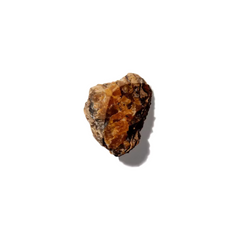
French Labdanum is a foundational base note in perfumery, prized for its ambery, leathery, and balsamic character. Its defining quality comes from the resin of Cistus ladanifer, with labdanum absolute typically used at 0.2–2% of a fragrance compound.

French Labdanum
Ingredient Profile

French Labdanum

Amber Family
Family Amber
Note Position Heart Note
Usage Level 0.2–2%
Key Origins France, Spain, Morocco
Iconic In Shalimar, Ambre Sultan
The Ingredient

What does French Labdanum smell like and why is it vital in perfumery?

French Labdanum, derived from the resin of Cistus ladanifer, is renowned in perfumery for its complex, ambery, leathery, and balsamic scent profile. The primary odorants responsible for its character include labdane diterpenes (notably labdanolic acid), along with norlabdanes, and a range of volatile phenolic compounds. Labdanum’s aroma is often described as warm, resinous, animalic, and slightly sweet, with facets of honey, dried fruit, and smoky leather. This multifaceted scent profile is why it is frequently referenced in discussions about what does French Labdanum smell like and why French labdanum in perfumery is so distinctive. In perfumery, French Labdanum is classified as a base note due to its high molecular weight and low volatility, which allows it to anchor and extend the longevity of compositions. Typical concentration in fine fragrance ranges from 0.2% to 2% of the total compound, though higher levels may be found in amber and chypre accords. Labdanum’s fixative properties stem from its resinous matrix, which slows evaporation and supports the diffusion of more volatile top and heart notes. Its interaction with skin chemistry can accentuate its animalic or honeyed facets, depending on individual pH and skin lipid content. French Labdanum’s versatility is exemplified in fragrances such as Le Labo Labdanum 18 (2006, Maurice Roucel), where it forms the backbone of a powdery, musky amber composition, and Maison Francis Kurkdjian Grand Soir (2016), which pairs labdanum with benzoin and tonka for a radiant, resinous drydown. These examples demonstrate how French labdanum in perfumery is both a structural and character-defining ingredient.

0.2–2%
Typical concentration of labdanum absolute in fine fragrance compounds. This range ensures a pronounced ambery-leathery effect without overwhelming the composition or exceeding IFRA guidelines.
8–12 Hours
Average longevity of labdanum-rich fragrances on skin, due to the low volatility and fixative properties of resin acids and diterpenes.
$250–600/kg
Current market price for high-quality natural labdanum absolute, reflecting labor-intensive extraction and regional scarcity. Synthetic substitutes cost $30–100/kg.
Origin & Extraction

Where French Labdanum Comes From — Origin & Extraction

The scent character of French Labdanum is shaped by Mediterranean soils, intense summer sun, and the unique microclimates of regions like Provence and Corsica. Resin yield and aroma vary with altitude, rainfall, and soil composition.

French Labdanum is sourced primarily from the shrub Cistus ladanifer (family Cistaceae), native to the western Mediterranean basin. While the term 'French' labdanum refers to material historically produced in southern France (notably Provence and the Esterel Massif), the majority of global production now comes from Spain (Andalusia, Huelva province), which accounts for approximately 80% of Cistus derivatives. France, Corsica, Portugal, and Morocco contribute smaller volumes, with French production now largely artisanal and niche. Extraction begins with the summer harvest of Cistus ladanifer branches, which are rich in exuded resin. Traditional collection once involved combing resin from the coats of grazing goats and sheep, but modern methods rely on solvent extraction (typically using hexane or ethanol) to produce labdanum concrete from chopped branches and leaves. The concrete is then further extracted with ethanol to yield labdanum absolute, a viscous, dark amber substance. Steam distillation of the plant material produces Cistus essential oil, which is lighter and more aromatic but lacks the deep balsamic density of the absolute. Extraction yields for labdanum absolute are typically 2–4% by weight of fresh plant material. Natural labdanum absolute commands prices of $250–600 per kilogram, depending on quality and origin, while synthetic alternatives (see below) are significantly less costly. Sustainability concerns center on overharvesting and land management; however, Cistus ladanifer is a resilient, rapidly regenerating shrub, and wild harvesting in France and Spain is regulated to prevent depletion. French labdanum is prized for its nuanced, sun-warmed, slightly floral undertone, attributed to the region’s siliceous soils and Mediterranean climate.

FR

France

Provence and the Esterel Massif produce artisanal labdanum with a nuanced, sun-warmed, slightly floral undertone. French output is now limited (<5% of global supply), but prized for its terroir-driven complexity and traditional harvesting methods.

ES

Spain

Andalusia (notably Huelva province) is the world’s leading producer, accounting for 80% of Cistus derivatives. Spanish labdanum is known for its powerful, balsamic-amber scent, with robust resin yields from wild-harvested shrubs.

MA

Morocco

Northern Morocco’s Rif and Middle Atlas regions yield labdanum with a slightly greener, herbal edge, reflecting local flora and higher rainfall. Moroccan supply is smaller but valued for its distinctive aromatic profile.

PT

Portugal

Alentejo and Algarve regions produce labdanum with a dry, woody-resinous scent, shaped by sandy soils and maritime climate. Portugal contributes a modest share to the global market, with increasing focus on sustainable wildcrafting.

Chemistry

Natural vs Synthetic French Labdanum in Perfumery

Natural French Labdanum absolute is a complex mixture of labdane diterpenes (notably labdanolic acid, CAS 479-41-4), norlabdanes, and minor phenolic volatiles. Synthetic substitutes are used to replicate specific facets of labdanum’s scent, with key aroma chemicals including Ambroxide (Ambroxan, CAS 6790-58-5), which mimics the ambergris-like warmth; Iso E Super (CAS 54464-57-2), for its smooth, woody-amber effect; and Cetalox (CAS 54464-57-2), another ambergris analog. Other synthetics such as Veramoss (a mossy-amber molecule) and various musks are used to build labdanum-like accords. Natural labdanum absolute is valued for its olfactory complexity and fixative power, but it is less consistent batch-to-batch and can be allergenic due to its resin acids. Synthetic analogs offer greater stability, lower cost ($30–100/kg), and IFRA-compliant allergen profiles. Many mainstream fragrances use a blend of natural and synthetic labdanum to balance cost, performance, and regulatory requirements. For example, Le Labo Labdanum 18 employs both natural absolute and synthetic musks, while Dior’s Oud Ispahan combines labdanum absolute with Ambroxan for longevity. From a sustainability perspective, synthetics reduce pressure on wild Cistus populations and offer supply chain transparency. The HumanSafe™ platform at CA Perfume ensures all labdanum-containing formulas are fully traceable, with clear disclosure of natural and synthetic components, supporting both safety and environmental stewardship.

Natural
French Labdanum Absolute
Cost $3,000–6,000/kg
Method Solvent / CO₂
Character Complex, variable
vs
Synthetic
Safranal & Analogues
Cost $50–200/kg
Method Lab synthesis
Character Consistent, stable
Hall of Fame

Famous Fragrances That Define French Labdanum in Perfumery

1925
bridge note

Shalimar

Guerlain
by Jacques Guerlain
vanillaopoponaxbergamot
2000
dominant note

Ambre Sultan

Serge Lutens
by Christopher Sheldrake
herbsspicesamber
2006
dominant note

Labdanum 18

Le Labo
by Maurice Roucel
vanillatonka beancivetmusk
2016
base note

Grand Soir

Maison Francis Kurkdjian
by Francis Kurkdjian
benzointonka beanamber
2020
bridge note

Le Lion

Chanel
by Olivier Polge
patchoulivanillamusk

French Labdanum has shaped the modern amber, chypre, and leather fragrance families. In Guerlain Shalimar (1925, Jacques Guerlain), labdanum forms the heart of the iconic amber accord, paired with vanilla and opoponax. Serge Lutens Ambre Sultan (2000, Christopher Sheldrake) showcases labdanum as a dominant, resinous note, layered with herbs and spices. Le Labo Labdanum 18 (2006, Maurice Roucel) reinterprets the note in a musky, powdery amber context, blending it with vanilla, civet, and tonka bean. Maison Francis Kurkdjian Grand Soir (2016, Francis Kurkdjian) features labdanum as a radiant, honeyed base, balanced by benzoin and tonka. Chanel Le Lion (2020, Olivier Polge) uses French labdanum to anchor a smoky, animalic amber composition, paired with patchouli and vanilla. These compositions demonstrate labdanum’s versatility: as a dominant note (Ambre Sultan), a bridge in complex bases (Shalimar, Le Lion), or a fixative accent (Grand Soir). CA Perfume’s collection draws inspiration from this lineage, offering labdanum-forward fragrances that honor both the classic and contemporary uses of this storied ingredient.

The Accord

How is a captivating French Labdanum accord crafted?

A classic French Labdanum accord balances resinous depth with amber, spice, and subtle floral notes: Labdanum Absolute 35–40%, Benzoin 20–25%, Patchouli 15–20%, Vanilla 20–25%. Labdanum provides the ambery-leathery core (labdane diterpenes), benzoin adds sweet balsamic warmth (benzoic acid), patchouli introduces earthy-woody facets (patchoulol), and vanilla (vanillin) rounds the blend with creamy sweetness, masking labdanum’s animalic edge.

40%

French Labdanum Absolute

35–40% of blend

Provides the core ambery, leathery, and resinous profile via labdane diterpenes and norlabdanes, anchoring the accord.

25%

Benzoin

20–25% of blend

Contributes sweet, balsamic warmth through benzoic acid and vanillin traces, enhancing labdanum’s honeyed facets.

20%

Patchouli

15–20% of blend

Adds earthy, woody depth via patchoulol and sesquiterpenes, reinforcing labdanum’s base note structure.

25%

Vanilla

20–25% of blend

Vanillin softens labdanum’s animalic and leathery aspects through olfactory masking, yielding a creamy, rounded finish.

The Olfactory Layers

How French Labdanum Evolves on Skin

French Labdanum evolves slowly on skin, with volatile terpenes and phenolics emerging in the first 15 minutes, followed by the gradual dominance of resin acids and balsamic components. Its olfactory evolution is marked by a shift from smoky, herbal top notes to a dense, ambery-leathery base, with longevity often exceeding 8 hours due to low volatility.

I
Top notes
0–15 min
Smoky Citrus Opening

Initial impression features volatile terpenes (α-pinene, limonene) and phenolics, imparting a smoky, herbal, slightly citrusy edge. These high-volatility molecules evaporate rapidly, giving way to the denser resinous heart.

smokyherbalcitrus
II
Heart notes
20–60 min
Amber-Leather Heart

Labdane diterpenes and norlabdanes dominate, producing the signature ambery, leathery, and balsamic character. Subtle honey and dried fruit nuances emerge as the resin warms on skin, with patchouli or benzoin often reinforcing the accord.

amberyleatherybalsamic
III
Base notes
Several hours
Animalic Amber Drydown

The drydown is defined by persistent resin acids and fixative molecules, yielding a dense, animalic, slightly smoky amber. The scent lingers for hours, with musky and woody undertones, especially when paired with vanilla or tonka.

animalicwoodymusky
TOP NOTES Smoky Citrus Opening 0–15 minutes HEART NOTES Amber-Leather Heart 20–60 minutes BASE NOTES Animalic Amber Drydown Several hours
Through the Ages

The Story of French Labdanum in Perfumery

French Labdanum’s history in perfumery spans millennia, from ancient incense to modern amber accords.

Antiquity

Ancient Mediterranean Use

Labdanum resin was collected in Egypt, Greece, and Canaan for use in incense and medicinal balms. Egyptian kyphi incense (c. 1500 BCE) featured labdanum as a key aromatic, while biblical references (Genesis 37:25) mention its trade to Egypt.

19th Century

French Artisanal Production

Labdanum harvesting in Provence and Corsica became an artisanal tradition, with resin collected from wild Cistus ladanifer shrubs. French perfumers began using labdanum in early amber and chypre compositions.

1925

Shalimar and the Amber Accord

Jacques Guerlain’s Shalimar established labdanum as a pillar of the amber fragrance family, blending it with vanilla and opoponax to create a new olfactory archetype.

2000

Modern Niche Renaissance

Serge Lutens Ambre Sultan (Christopher Sheldrake) redefined labdanum as a dominant, resinous note, inspiring a wave of niche amber and resin fragrances.

2020

Contemporary Amber Perfumes

Chanel Le Lion (Olivier Polge) and Maison Francis Kurkdjian Grand Soir (Francis Kurkdjian) showcase labdanum’s versatility in modern amber and oriental compositions, cementing its status as a perfumery essential.

The Art of Layering

How to Layer French Labdanum

Understanding how to layer French Labdanum involves molecular compatibility: its resin acids and balsamic volatiles pair best with notes that share fixative or masking properties. For optimal results, combine with ingredients that either bridge its ambery-leathery core or soften its animalic edge.

01

Enhance Sweetness

Layering French Labdanum with vanilla or tonka bean leverages vanillin’s olfactory masking effect, which softens labdanum’s animalic and leathery facets. This synergy is demonstrated in Maison Francis Kurkdjian Grand Soir, where tonka and benzoin round the resin’s density.

02

Add Depth

Pairing labdanum with patchouli or oud introduces shared sesquiterpenes and resinous molecules, amplifying earthy and woody undertones. Chanel Le Lion and Dior Oud Ispahan exemplify this approach, creating a smoky, complex base.

03

Lighten the Glow

Combining labdanum with citrus (bergamot, lemon) or aromatic herbs (sage, rosemary) introduces high-volatility terpenes that brighten the resin’s density. This technique is used in Guerlain Shalimar, where bergamot lifts the ambery base.

Wear It Right

How to Wear French Labdanum Like a Pro

Seasonal Guide

Fall & Winter

Cooler temperatures suppress volatility, allowing labdanum’s dense, ambery and leathery facets to linger. Apply to pulse points and under clothing for a warm, enveloping effect. Its fixative properties make it ideal for layering with spices and woods in cold weather.

Spring

Moderate warmth brings out labdanum’s honeyed and balsamic notes. Lighter application on wrists and neck balances projection, while pairing with citrus or floral notes can brighten the resin’s density for daytime wear.

Summer

High temperatures increase volatility, intensifying labdanum’s smoky and animalic qualities. Apply sparingly to avoid overpowering sillage, and consider layering with fresh, green notes to temper its richness in hot, humid conditions.

Year-Round Tip

Adjust application and layering partners based on climate and occasion. In dry climates, labdanum’s fixative power ensures longevity; in humid environments, lighter application and pairing with citrus or herbal notes prevent olfactory fatigue.

Application Points

Strategic application of French Labdanum fragrances maximizes their longevity and olfactory evolution.

1

Neck

Applying labdanum to the neck leverages body heat and arterial pulse, enhancing the diffusion of its ambery and leathery volatiles for a pronounced sillage.

2

Behind the Ears

This area is slightly cooler, allowing labdanum’s resinous molecules to evaporate more slowly, prolonging the scent’s evolution and preserving its balsamic core.

3

Inner Wrists

Pulse points on the wrists warm the fragrance, accelerating the release of top and heart notes. Labdanum’s resinous density ensures a gradual, complex drydown.

4

Hair

Spraying labdanum-infused fragrance on hair provides a slow, sustained release, as the resin molecules adhere to hair fibers and diffuse with movement.

Pro Tip

Layer labdanum-based scents with lighter top notes on clothing or scarves to modulate projection and extend longevity without overwhelming the senses.

Mood Architecture™

Top French Labdanum Fragrances by Mood Score

These French Labdanum-based fragrances scored highest on the MEI™ Mood Architecture Framework — measuring how a scent may influence your emotional state.

Highest MEI Score
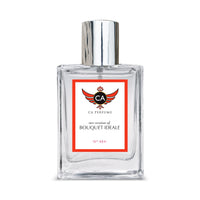
Bouquet Ideale — Casamorati 1888 Bouquet Ideale Alternative Perfume
8.03
MEI™
Primary Romantic
Secondary Confident
Confidence
7.59
Presence
7.72
Mood Lift
8.38
Identity
7.52
Warmth
9.5
Social Ease
8.05
Energy
4.1
" I am beautiful.
View full mood profile →
Adore Gold — J'adore L'or Alternative Perfume
7.97
MEI™
Primary Romantic
Secondary Confident
Confidence
7.2
Presence
7.38
Mood Lift
8.97
Identity
7.33
Warmth
9.11
Social Ease
8.31
Energy
3.0
" I am beautiful.
View full mood profile →
Jasmin Rouge — Tom Ford Jasmin Rouge Alternative Perfume
6.58
MEI™
Primary Fresh
Secondary Romantic
Confidence
5.79
Presence
6.5
Mood Lift
7.83
Identity
5.92
Warmth
6.67
Social Ease
6.98
Energy
2.8
" I am radiant.
View full mood profile →
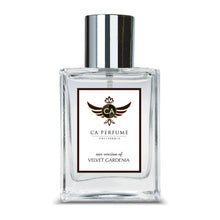
Velvet Gardenia — Tom Ford Velvet Gardenia Alternative Perfume
6.39
MEI™
Primary Fresh
Secondary Romantic
Confidence
5.69
Presence
6.52
Mood Lift
7.78
Identity
6.35
Warmth
6.69
Social Ease
6.08
Energy
2.4
" I am radiant.
View full mood profile →
HumanSafe™

Top French Labdanum Fragrances by HumanSafe™ Score

These French Labdanum-based fragrances have the highest product-level HumanSafe™ scores in this ingredient collection.

Highest HumanSafe™ Score
Velvet Gardenia — Tom Ford Velvet Gardenia Alternative Perfume
A-
HumanSafe™ Score Generally Safe
Safest Evaluated Ingredients EDP
AQUA Solvent / Carrier ISS 10.0
ACETIC ACID, PHENYLMETHYL ESTER Evaluated ingredient ISS 10.0
HEXYL SALICYLATE Evaluated ingredient ISS 9.0
BENZYL SALICYLATE Evaluated ingredient ISS 9.0
CITRAL Evaluated ingredient ISS 8.0
View full safety profile →
Jasmine Musk — Tom Ford Jasmine Musk Alternative Perfume
A-
HumanSafe™ Score Generally Safe
Safest Evaluated Ingredients EDP
AQUA Solvent / Carrier ISS 10.0
1,4-DIOXACYCLOHEPTADECANE-5,17-DIONE Evaluated ingredient ISS 10.0
BENZYL SALICYLATE Evaluated ingredient ISS 9.0
3-CYCLOPENTENE-1-ACETALDEHYDE, 2,2,3-TRIMETHYL-, Evaluated ingredient ISS 9.0
1-HEXADECEN-3-OL, 3,7,11,15-TETRAMETHYL- Evaluated ingredient ISS 9.0
View full safety profile →
Jasmin Rouge — Tom Ford Jasmin Rouge Alternative Perfume
A-
HumanSafe™ Score Generally Safe
Safest Evaluated Ingredients EDP
AQUA Solvent / Carrier ISS 10.0
ACETIC ACID, PHENYLMETHYL ESTER Evaluated ingredient ISS 10.0
BENZYL SALICYLATE Evaluated ingredient ISS 9.0
BENZOIC ACID, 2-AMINO-, METHYL ESTER Evaluated ingredient ISS 9.0
4H-INDEN-4-ONE, 1,2,3,5,6,7-HEXAHYDRO-1,1,2,3,3- Evaluated ingredient ISS 9.0
View full safety profile →
Bouquet Ideale — Casamorati 1888 Bouquet Ideale Alternative Perfume
A-
HumanSafe™ Score Generally Safe
Safest Evaluated Ingredients EDP
AQUA Solvent / Carrier ISS 10.0
4H-INDEN-4-ONE, 1,2,3,5,6,7-HEXAHYDRO-1,1,2,3,3- Evaluated ingredient ISS 9.0
BULNESIA SARMIENTI, EXT., ACETATE Evaluated ingredient ISS 7.0
ALPHA-CEDRENE Evaluated ingredient ISS 7.0
ALCOHOL DENAT. Solvent / Carrier ISS 7.0
2-BUTEN-1-OL, 2-ETHYL-4-(2,2,3-TRIMETHYL-3- Evaluated ingredient ISS 7.0
View full safety profile →
Expert Voices

What Masters Say About French Labdanum

Labdanum is the backbone of the modern amber accord, providing a resinous, leathery warmth that is both complex and long-lasting.
CA Perfume Editorial
Its unique scent profile—ambery, balsamic, and animalic—makes French Labdanum indispensable for perfumers seeking depth and longevity.
CA Perfume Editorial
Common Questions

Frequently Asked Questions

Frequently asked questions about French Labdanum’s scent, use, and performance in perfumery.

French Labdanum in perfume smells ambery, leathery, and balsamic, with honeyed, smoky, and slightly animalic undertones. Its complexity comes from labdane diterpenes and phenolic volatiles, which yield a warm, resinous, and enveloping scent. Notable fragrances such as Le Labo Labdanum 18 and Serge Lutens Ambre Sultan showcase its multifaceted character.

French Labdanum is classified as a base note due to its high molecular weight and low volatility. It anchors compositions, providing longevity and depth, and is typically used at 0.2–2% concentration in fine fragrance compounds.

French Labdanum is favored in niche perfumery for its complex, ambery-leathery scent profile and powerful fixative properties. Its ability to mimic ambergris and anchor both amber and chypre accords makes it indispensable for perfumers seeking depth and olfactory longevity.

French Labdanum fragrance uses include pairing with vanilla, benzoin, patchouli, oud, and amber. These notes share molecular affinities—such as vanillin and benzoic acid—that either bridge or soften labdanum’s resinous density, as seen in Grand Soir and Shalimar.

French Labdanum can be worn in summer, but its dense, resinous character becomes more pronounced in heat, increasing projection and intensifying animalic facets. Lighter application and layering with citrus or herbal notes can balance its richness in hot weather.

Labdanum-rich fragrances typically last 8–12 hours on skin, owing to the low volatility of resin acids and diterpenes. Its fixative properties help anchor more volatile notes, ensuring a persistent, evolving scent profile.

Yes, layering French Labdanum with vanilla, tonka, patchouli, or citrus notes can enhance or modulate its ambery-leathery core. The keyword how to layer French Labdanum is best addressed by considering molecular compatibility and olfactory masking effects.

For beginners, Le Labo Labdanum 18, Maison Francis Kurkdjian Grand Soir, and Chanel Le Lion offer accessible introductions to labdanum’s character. These fragrances balance labdanum’s density with sweet or musky notes for a versatile, wearable experience.

Explore CA Perfume’s labdanum-forward collection by considering your preferred scent profile—ambery, leathery, or sweet—and desired longevity. Our HumanSafe™ platform provides full transparency on natural and synthetic components, supporting informed selection.

French Labdanum is primarily ambery and leathery, with subtle sweetness from honeyed and dried fruit nuances. While not inherently spicy, it pairs well with cinnamon or clove to introduce warmth and complexity, as seen in Ambre Sultan and Le Lion.

Amber Collection

Explore Our Top French Labdanum Fragrances

Discover CA Perfume’s curated selection of labdanum-rich scents, each highlighting the resin’s ambery, leathery, and balsamic complexity.

Shop all french labdanum fragrances at CA Perfume →

Where French Labdanum Comes From — Origin & Extraction

French Labdanum is sourced primarily from the shrub Cistus ladanifer (family Cistaceae), native to the western Mediterranean basin. While the term 'French' labdanum refers to material historically produced in southern France (notably Provence and the Esterel Massif), the majority of global production now comes from Spain (Andalusia, Huelva province), which accounts for approximately 80% of Cistus derivatives. France, Corsica, Portugal, and Morocco contribute smaller volumes, with French production now largely artisanal and niche. Extraction begins with the summer harvest of Cistus ladanifer branches, which are rich in exuded resin. Traditional collection once involved combing resin from the coats of grazing goats and sheep, but modern methods rely on solvent extraction (typically using hexane or ethanol) to produce labdanum concrete from chopped branches and leaves. The concrete is then further extracted with ethanol to yield labdanum absolute, a viscous, dark amber substance. Steam distillation of the plant material produces Cistus essential oil, which is lighter and more aromatic but lacks the deep balsamic density of the absolute. Extraction yields for labdanum absolute are typically 2–4% by weight of fresh plant material. Natural labdanum absolute commands prices of $250–600 per kilogram, depending on quality and origin, while synthetic alternatives (see below) are significantly less costly. Sustainability concerns center on overharvesting and land management; however, Cistus ladanifer is a resilient, rapidly regenerating shrub, and wild harvesting in France and Spain is regulated to prevent depletion. French labdanum is prized for its nuanced, sun-warmed, slightly floral undertone, attributed to the region’s siliceous soils and Mediterranean climate.

Famous Fragrances That Define French Labdanum in Perfumery

French Labdanum has shaped the modern amber, chypre, and leather fragrance families. In Guerlain Shalimar (1925, Jacques Guerlain), labdanum forms the heart of the iconic amber accord, paired with vanilla and opoponax. Serge Lutens Ambre Sultan (2000, Christopher Sheldrake) showcases labdanum as a dominant, resinous note, layered with herbs and spices. Le Labo Labdanum 18 (2006, Maurice Roucel) reinterprets the note in a musky, powdery amber context, blending it with vanilla, civet, and tonka bean. Maison Francis Kurkdjian Grand Soir (2016, Francis Kurkdjian) features labdanum as a radiant, honeyed base, balanced by benzoin and tonka. Chanel Le Lion (2020, Olivier Polge) uses French labdanum to anchor a smoky, animalic amber composition, paired with patchouli and vanilla. These compositions demonstrate labdanum’s versatility: as a dominant note (Ambre Sultan), a bridge in complex bases (Shalimar, Le Lion), or a fixative accent (Grand Soir). CA Perfume’s collection draws inspiration from this lineage, offering labdanum-forward fragrances that honor both the classic and contemporary uses of this storied ingredient.

Natural vs Synthetic French Labdanum in Perfumery

Natural French Labdanum absolute is a complex mixture of labdane diterpenes (notably labdanolic acid, CAS 479-41-4), norlabdanes, and minor phenolic volatiles. Synthetic substitutes are used to replicate specific facets of labdanum’s scent, with key aroma chemicals including Ambroxide (Ambroxan, CAS 6790-58-5), which mimics the ambergris-like warmth; Iso E Super (CAS 54464-57-2), for its smooth, woody-amber effect; and Cetalox (CAS 54464-57-2), another ambergris analog. Other synthetics such as Veramoss (a mossy-amber molecule) and various musks are used to build labdanum-like accords. Natural labdanum absolute is valued for its olfactory complexity and fixative power, but it is less consistent batch-to-batch and can be allergenic due to its resin acids. Synthetic analogs offer greater stability, lower cost ($30–100/kg), and IFRA-compliant allergen profiles. Many mainstream fragrances use a blend of natural and synthetic labdanum to balance cost, performance, and regulatory requirements. For example, Le Labo Labdanum 18 employs both natural absolute and synthetic musks, while Dior’s Oud Ispahan combines labdanum absolute with Ambroxan for longevity. From a sustainability perspective, synthetics reduce pressure on wild Cistus populations and offer supply chain transparency. The HumanSafe™ platform at CA Perfume ensures all labdanum-containing formulas are fully traceable, with clear disclosure of natural and synthetic components, supporting both safety and environmental stewardship.