Where Fig Leaf Comes From — Origin & Extraction
Fig leaf is sourced from the leaves of Ficus carica (Moraceae), a species native to Western Asia and now widely cultivated throughout the Mediterranean basin, including France, Italy, Turkey, and Spain. The Mediterranean region remains the principal source for fig leaf material used in perfumery, with Turkey and Italy leading in fig cultivation for both fruit and leaf extraction. While no precise production volumes are published for fig leaf absolute, the global fig fruit market exceeds 1.1 million metric tons annually, with a small fraction of leaves diverted for fragrance extraction.
Natural fig leaf absolute is produced via solvent extraction—typically using hexane—of freshly harvested leaves. The resulting concrete is washed with ethanol to yield a dark green, viscous absolute. CO2 extraction is also employed to obtain a cleaner, wax-free extract, preserving delicate green and lactonic facets. Steam distillation is not used, as the heat degrades key odorants such as stemone and furanocoumarins. Yields are low, with 100–200 kg of fresh leaves needed to produce 1 kg of absolute. Natural fig leaf absolute is costly, ranging from $3,000–6,000/kg, and its use is restricted by IFRA due to phototoxic furanocoumarins (psoralen, bergapten).
Because of these constraints, most fig leaf notes in perfumery are constructed synthetically. Key aroma chemicals—stemone (introduced 1967, Givaudan), gamma-octalactone, labienoxime, and beta-damascone—are synthesized in laboratories, offering consistent quality and safety. Synthetic fig leaf accords cost $50–200/kg, a fraction of the natural material. Sustainability is improved through synthetics, as overharvesting of fig leaves is avoided, and supply chains are less vulnerable to agricultural fluctuations.
Famous Fragrances That Define Fig Leaf in Perfumery
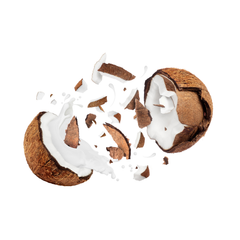
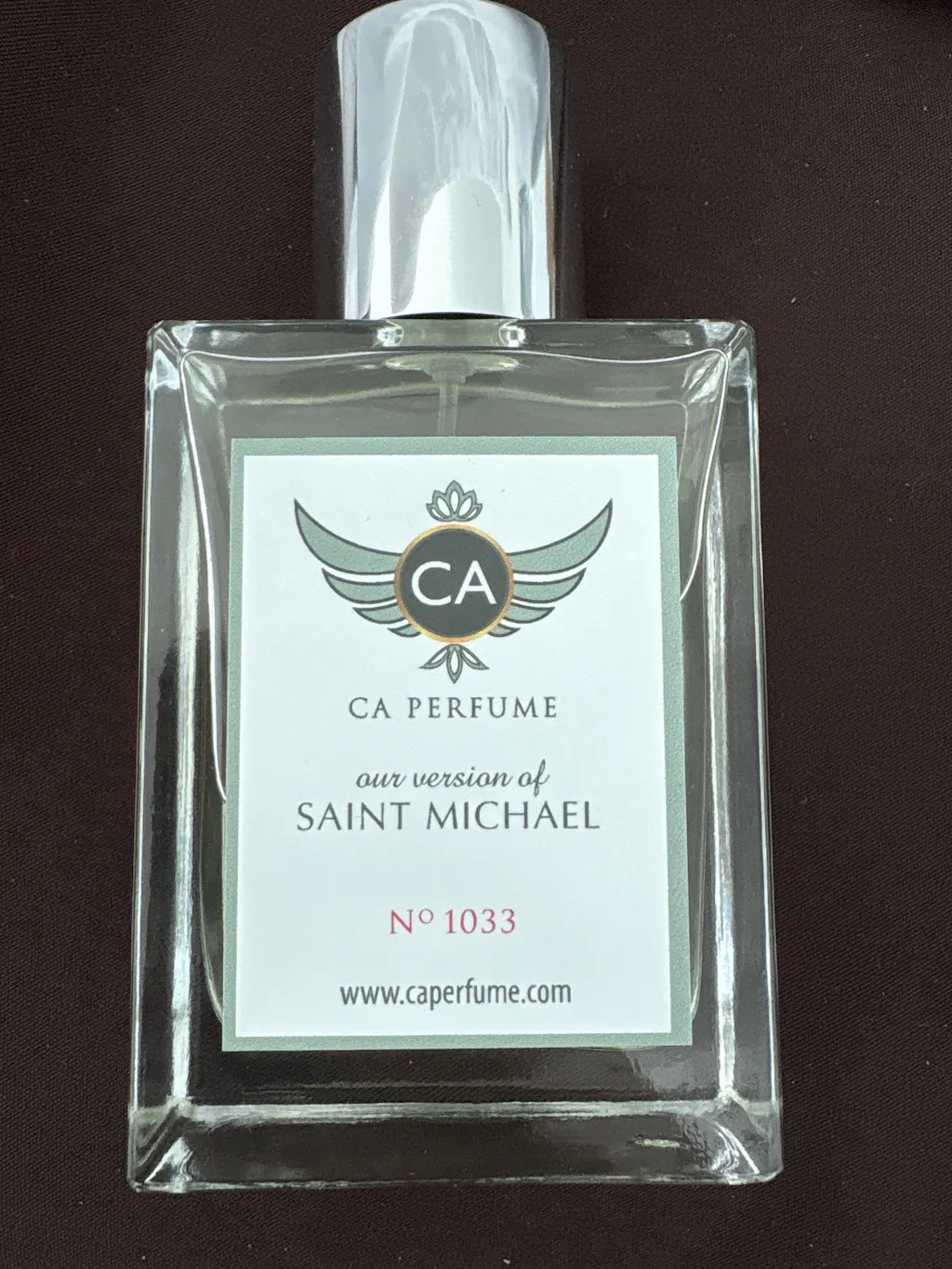
Fig leaf has become a signature note in modern perfumery, especially since the 1990s. Diptyque Philosykos (1996, Olivia Giacobetti) is widely credited with establishing the archetype, using a synthetic fig leaf accord to evoke the entire fig tree—leaf, sap, and wood. Hermès Un Jardin en Méditerranée (2003, Jean-Claude Ellena) followed, blending fig leaf with cypress and citrus for a Mediterranean landscape impression. Mugler Womanity (2010, Fabrice Pellegrin) introduced a more avant-garde take, pairing fig leaf with salty caviar and fruity fig pulp. Tom Ford Figue Érotique (2025) explores the creamy, lactonic side of fig leaf, while Mancera Fig Extasy (2024) combines fig leaf with sandalwood and musk for a polished, modern green-woody scent. These fragrances demonstrate fig leaf’s versatility as a dominant note, bridge, or accent, often paired with coconut, cedar, musk, and citrus. CA Perfume’s collection references this lineage by offering fig leaf-centric compositions that highlight both green and creamy facets.
Natural vs Synthetic Fig Leaf in Perfumery
Natural fig leaf absolute, when available, is a complex extract containing stemone, furanocoumarins, and various lactones, but its use is limited by IFRA regulations due to phototoxicity. The absolute offers a nuanced, variable scent with green, milky, and earthy facets, but is unstable and can oxidize rapidly. Synthetic fig leaf accords are now the industry standard, built from key molecules: stemone (CAS 22457-23-4) for green-leaf character, gamma-octalactone (CAS 104-50-7) for creamy lactonic notes, and labienoxime (CAS 4193-94-2) or beta-damascone (CAS 23726-93-4) for fruity-blackcurrant nuances. Coumarin (CAS 91-64-5) is often added for powdery depth.
Performance-wise, synthetics offer superior stability, longevity (typically 4–8 hours in EDP formats), and batch consistency. Natural absolute is more variable and can cause skin sensitivity. Cost is a major factor: natural absolute ranges $3,000–6,000/kg, while synthetic blends are $50–200/kg. Iconic fragrances such as Diptyque Philosykos and Hermès Un Jardin en Méditerranée use primarily synthetic fig leaf accords for safety and reliability. The HumanSafe™ platform at CA Perfume ensures full transparency for all fig leaf aroma chemicals, with IFRA compliance and traceability. Synthetics also reduce environmental impact by minimizing agricultural resource use and avoiding phototoxic compounds.