Where Fern Comes From — Origin & Extraction
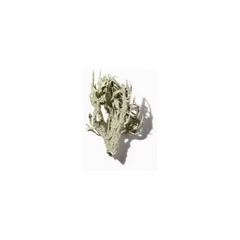
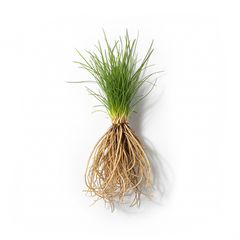
Fern as a fragrance note is not typically derived from direct botanical extraction of fern plants (Polypodiopsida), as true ferns produce negligible volatile compounds and have almost no natural scent. Instead, the 'fern' scent in perfumery is a constructed accord inspired by the imagined aroma of a fern-filled forest floor—fresh, green, mossy, and woody.
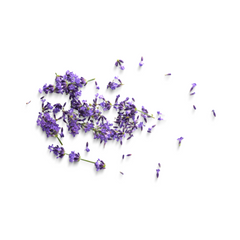
The fougère family, which means 'fern' in French, was pioneered by Paul Parquet in 1882 with the creation of Fougère Royale. This fragrance used synthetic coumarin (CAS 91-64-5), oakmoss absolute, and lavender essential oil to create the green, sweet, and mossy accord that defines the fern scent profile. Coumarin, synthesized first in 1868 by William Henry Perkin, is a key molecule providing the sweet hay-like facet.
Extraction methods for natural components in fern accords include steam distillation for lavender and solvent extraction for oakmoss absolute. Coumarin is produced synthetically via the Perkin synthesis from salicylaldehyde and acetic anhydride. The cost of natural oakmoss absolute ranges from $3000 to $6000 per kilogram, while synthetic coumarin costs approximately $50–200 per kilogram.
Sustainability considerations are significant, as oakmoss harvesting is regulated due to overharvesting risks, and synthetic coumarin offers a more sustainable alternative. The fern accord represents a blend of natural and synthetic ingredients crafted to evoke the green, fresh essence of fern without relying on direct botanical sources.
Famous Fragrances That Define Fern in Perfumery
Fern accords have been central to many landmark fragrances, particularly within the fougère family. The pioneering fragrance Fougère Royale by Houbigant (1882), created by Paul Parquet, established the fern accord using lavender, oakmoss, and synthetic coumarin. This fragrance set the blueprint for masculine fougères, combining fresh, green, and woody notes.
Helena Rubinstein's Wood Fern (1958) is a classic aromatic fougère for women, featuring citruses, cedar, oakmoss, musk, and green leaves, where fern provides a fresh green backbone.
More recently, Masque Milano's Sleight of Fern (2022), crafted by Stephanie Bakouche, offers a modern oriental fougère with minty, rosy geranium, tuberose, narcissus, birch, oakmoss, patchouli, and tonka bean, showcasing fern's versatility.
Ffern's Winter 26 (2025), by Elodie Durande, uses fern-like green notes such as violet leaf, oakmoss, and seaweed, creating a woody aquatic fragrance evocative of cold sea air and forest floor.
These fragrances illustrate fern's role as a fresh, green, and mossy note that bridges herbal, woody, and floral elements. CA Perfume's collection honors this lineage by exploring fern's green complexity in contemporary compositions.
Natural vs Synthetic Fern in Perfumery
The fern scent in perfumery is primarily a synthetic construct, as true ferns lack significant volatile aromatic compounds. Natural ingredients contributing to fern accords include lavender essential oil (Lavandula angustifolia), oakmoss absolute (Evernia prunastri), and other green botanicals. These natural components provide complexity but can vary in scent due to harvest conditions and extraction methods.
Synthetic molecules central to fern accords include coumarin (CAS 91-64-5), which imparts a sweet, hay-like aroma; cis-3-hexenol (CAS 928-96-1), providing fresh green cut grass notes; and isobutyl quinoline (CAS 136-34-7), adding a green, slightly smoky facet. These synthetics offer consistency, longevity, and stability superior to natural extracts.
Cost-wise, synthetic coumarin is significantly less expensive than natural oakmoss absolute. Synthetic ingredients also reduce environmental impact by minimizing resource-intensive harvesting. Famous fougère fragrances like Houbigant's Fougère Royale and Masque Milano's Sleight of Fern use a blend of natural and synthetic materials to achieve the fern accord.
CA Perfume embraces transparency through the HumanSafe™ platform, ensuring ingredient safety and sustainability, favoring natural ingredients where possible but utilizing synthetics to maintain quality and environmental responsibility.