Ingredient Guide · Spicy Oriental
Spicy Oriental Family · Perfumery Note

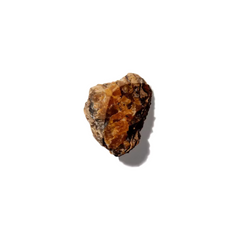
Fenugreek

A unique heart note blending sweet, nutty, and earthy facets

Fenugreek is a heart note in perfumery known for its warm, sweet, and slightly nutty character with herbal undertones. Its key molecule sotolone defines its maple-caramel scent, used typically below 3% concentration.

Fenugreek
Ingredient Profile

Fenugreek

Spicy Oriental Family
Family Spicy Oriental
Note Position Heart Note
Usage Level <3%
Key Origins India (Rajasthan), Egypt, Turkey
Iconic In Santal Blush, Opus XIV Royal Tobacco
The Ingredient

What does Fenugreek smell like and why is it unique in perfumery?

Fenugreek, derived from the seeds of Trigonella foenum-graecum, is a spice note characterized by a warm, sweet, and slightly nutty aroma with earthy and herbal undertones. The defining molecule sotolone (3-hydroxy-4,5-dimethyl-2(5H)-furanone, CAS 28664-35-9) imparts a maple syrup-like sweetness that shifts to a curry-spice facet at higher concentrations. This complex scent profile makes fenugreek distinctive among spices, bridging gourmand and oriental families. In perfumery, fenugreek is classified as a heart note, typically used at concentrations below 3%. It interacts with skin chemistry by revealing a comforting warmth that evolves into deeper nutty and roasted nuances. Its moderate volatility and longevity contribute to a lasting yet nuanced presence in compositions. Notable fragrances featuring fenugreek include Tom Ford's Santal Blush (2011), where it adds a spicy, maple-like nuance complementing sandalwood, and Amouage's Opus XIV Royal Tobacco (2022), which uses fenugreek to enrich tobacco and woody accords. These examples highlight fenugreek's role in adding depth and complexity to modern niche perfumes.

<3%
Typical maximum concentration of fenugreek absolute in perfume formulations to avoid overpowering curry-like notes and ensure balanced warmth.
0.005%
Average use level of fenugreek absolute in perfume compounds, reflecting its potency and impact at low concentrations.
4–6 Hours
Common longevity range for fenugreek-containing fragrances on skin, supported by its moderate volatility and molecular stability.
Origin & Extraction

Where Fenugreek Comes From — Origin & Extraction

Fenugreek's scent profile varies by origin, influenced by soil composition, climate, and cultivation methods. Regions with warm, dry climates and rich soils produce seeds with distinct aromatic nuances, from earthy and robust to sweet and herbal.

Fenugreek is sourced from the seeds of Trigonella foenum-graecum L., a leguminous annual herb widely cultivated in warm climates across India, Egypt, and Turkey. India, particularly the Rajasthan region, accounts for roughly half of global production, with annual yields exceeding 50,000 tonnes. Egyptian fenugreek is prized for its deep earthy tones, while Turkish fenugreek offers a sweeter, herbal profile influenced by diverse agricultural practices. Extraction methods include solvent extraction using hexane or ethanol, yielding a dark brown, viscous absolute with a potent sweet-spicy-curry aroma. Supercritical CO2 extraction at approximately 28 MPa and 40°C produces a cleaner extract with better retention of sotolone, with yields around 3.8% from dried seeds. Steam distillation is less favored due to poor partitioning of polar lactones like sotolone. Natural fenugreek absolute costs between $3,000 and $6,000 per kilogram, reflecting its complex extraction and limited yield. Synthetic analogues, primarily based on safranal and related molecules, cost significantly less, around $50 to $200 per kilogram. Sustainability efforts focus on optimizing seed sourcing and extraction efficiency to reduce environmental impact while maintaining quality.

IN

India (Rajasthan)

India is the largest producer, especially Rajasthan, where dry, arid soil and traditional farming yield bold, vibrant fenugreek with pronounced spicy and sweet notes. This region accounts for about 50% of global production.

EG

Egypt

Egyptian fenugreek seeds offer deep earthy tones with a rich, resinous aroma. The Mediterranean climate and harvesting methods contribute to a darker, more intense extract favored in perfumery.

TR

Turkey

Turkey produces fenugreek with a slightly sweeter and herbal scent profile, reflecting diverse agricultural practices and fertile soils. Turkish fenugreek is valued for its balanced aromatic complexity.

ET

Ethiopia

Ethiopian fenugreek, grown in highland regions, presents a unique blend of sweet and green facets, influenced by altitude and cooler temperatures, offering a distinctive aromatic character.

Chemistry

Natural vs Synthetic Fenugreek in Perfumery

Natural fenugreek absolute is a complex extract rich in sotolone (CAS 28664-35-9), the key molecule responsible for its characteristic maple-caramel and curry-spice aroma. It also contains secondary volatiles contributing to celery-like green facets and coumarinic hay nuances. Extraction methods such as solvent and supercritical CO2 preserve this complexity but come with higher costs and variability. Synthetic fenugreek aroma chemicals include safranal (CAS 116-26-7), which replicates the hay-metallic notes, and synthetic sotolone, which provides the maple-caramel sweetness. These synthetics offer greater stability, consistency, and cost-effectiveness, priced between $50 and $200 per kilogram compared to natural extracts costing $3,000 to $6,000 per kilogram. Famous fragrances like Tom Ford's Santal Blush utilize natural fenugreek for its nuanced depth, while synthetic versions are favored in mass-market perfumes for consistency. The HumanSafe™ platform ensures transparency in sourcing and formulation, with CA Perfume emphasizing responsible use of both natural and synthetic fenugreek to balance olfactory richness and sustainability.

Natural
Fenugreek Absolute
Cost $3,000–6,000/kg
Method Solvent / CO₂
Character Complex, variable
vs
Synthetic
Safranal & Analogues
Cost $50–200/kg
Method Lab synthesis
Character Consistent, stable
Hall of Fame

Famous Fragrances That Define Fenugreek in Perfumery

2011
accent

Santal Blush

Tom Ford
by Sonia Constant
sandalwoodamberspices
2022
supporting note

Opus XIV Royal Tobacco

Amouage
by Christopher Chong
tobaccowoody notesamber
2016
heart note

L’Ile Pourpre

Les Liquides Imaginaires
vanillatonka beanspices
2024
heart note

Chelsea Morning

Lush
toffeetonka beanmyrtle
2005
bridge note

Rose Barbare

Guerlain
rosespicesamber

Fenugreek has been employed by renowned perfumers to impart warmth, sweetness, and complexity to various compositions. Tom Ford's Santal Blush (2011), crafted by perfumer Sonia Constant, uses fenugreek as an accent note to enhance the sandalwood base with a maple-like spicy nuance. Amouage's Opus XIV Royal Tobacco (2022), by perfumer Christopher Chong, features fenugreek as a supporting note bridging tobacco and woody accords with its roasted, nutty facets. Les Liquides Imaginaires' L’Ile Pourpre (2016) integrates fenugreek to deepen its oriental gourmand profile, while Lush's Chelsea Morning (2024) uses fenugreek to add a savory-spicy touch to its sweet, toffee-like heart. Guerlain's Rose Barbare (2005) employs fenugreek as a bridge between floral and spicy elements, enriching the fragrance's depth. These examples illustrate fenugreek's versatility in modern perfumery, from dominant to accent roles, contributing to the evolving landscape of spicy oriental fragrances. CA Perfume's collection honors this lineage by featuring fenugreek in accords that balance gourmand sweetness with spicy complexity.

The Accord

How is a captivating Fenugreek accord crafted?

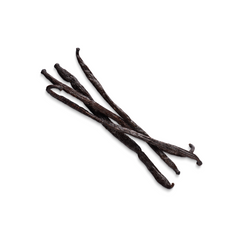
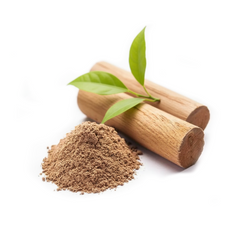
A balanced fenugreek accord blends Fenugreek absolute (20-25%) with Benzoin (10-15%), Vanilla (25-30%), and Sandalwood (25-30%). Fenugreek provides the warm, maple-caramel sweetness and spicy undertones. Benzoin adds balsamic richness that complements fenugreek's warmth. Vanilla softens the blend with creamy sweetness, masking fenugreek's sharper facets. Sandalwood contributes a woody, creamy base that anchors the accord, enhancing longevity and depth.

25%

Fenugreek

20–25% of blend

Fenugreek's sotolone molecule imparts the signature maple-caramel sweetness and spicy nuances, forming the accord's heart.

15%

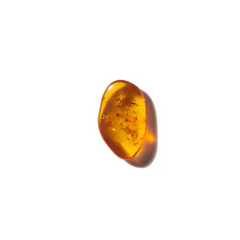
Benzoin

10–15% of blend

Benzoin's sweet, balsamic resinous aroma enhances fenugreek's warmth and adds depth to the composition.

30%

Vanilla

25–30% of blend

Vanilla's vanillin softens fenugreek's spicy edge through olfactory masking, providing creamy sweetness.

30%

Sandalwood

25–30% of blend

Sandalwood's woody, creamy facets anchor the accord, improving longevity and balancing fenugreek's complexity.

The Olfactory Layers

How Fenugreek Evolves on Skin

Fenugreek's olfactory evolution begins with its warm, sweet, and slightly spicy heart notes emerging after the top notes fade, sustained by its moderate volatility and molecular stability. Over several hours, the deeper nutty and roasted facets develop, supported by base notes that prolong the scent's warmth and complexity.

I
Top notes
0–15 min
Subtle Herbal Opening

Fenugreek's top impression is subtle, often overshadowed by accompanying citrus or floral notes. Initial volatile compounds contribute a faint herbal green and slightly spicy nuance, preparing the olfactory transition to the heart.

HerbalGreenSpicy
II
Heart notes
20–60 min
Warm Sweetness Emerges

The heart reveals fenugreek's signature warm, sweet, and nutty character dominated by sotolone. This stage features maple syrup-like sweetness with underlying curry-spice and roasted nut facets, creating a rich and comforting aroma.

WarmSweetNutty
III
Base notes
Several hours
Deep Caramel and Woody Depth

In the base, fenugreek's aroma deepens into toasted, caramelized sugar and coumarinic hay-like notes, blending seamlessly with woody and amber accords. These lower volatility molecules ensure long-lasting warmth and depth.

CaramelWoodyAmber
TOP NOTES Subtle Herbal Opening 0–15 minutes HEART NOTES Warm Sweetness Emerges 20–60 minutes BASE NOTES Deep Caramel and Woody Depth Several hours
Through the Ages

The Story of Fenugreek in Perfumery

Fenugreek's use in fragrance spans centuries, evolving from ancient medicinal and culinary applications to a prized ingredient in modern perfumery, recognized for its unique sweet-spicy aroma.

Antiquity

Ancient Use of Fenugreek

Fenugreek was used in ancient Egypt and the Mediterranean for medicinal and aromatic purposes, including Pliny's mention of fenugreek unguents.

Early Arab Perfumery

Fenugreek in Arab Fragrance Traditions

Roots and seeds of fenugreek were incorporated in early Arab perfumery, valued for their spicy and herbal notes.

20th Century

Introduction of Fenugreek Absolute

Advancements in solvent and CO2 extraction techniques allowed fenugreek absolute to be produced for flavor and fragrance industries.

2005

Fenugreek in Guerlain Rose Barbare

Fenugreek was used as a bridge note in Rose Barbare, highlighting its role in modern niche perfumery.

2011–2024

Fenugreek in Contemporary Fragrances

Notable uses include Tom Ford's Santal Blush (2011), Amouage Opus XIV Royal Tobacco (2022), and Lush Chelsea Morning (2024), showcasing fenugreek's versatility.

The Art of Layering

How to Layer Fenugreek

Understanding how to layer fenugreek involves molecular compatibility to enhance or balance its warm, sweet, and spicy facets without overpowering. Layering fenugreek with vanilla softens its spicy edge through olfactory masking, while pairing with woody notes like sandalwood anchors its warmth and extends longevity. Combining fenugreek with floral notes sharing coumarin-like compounds creates a seamless aromatic bridge, enriching the overall scent complexity.

01

Enhance Sweetness

Layer fenugreek with vanilla and benzoin to amplify its maple-caramel facets. Vanillin masks fenugreek's sharper spicy notes, creating a smooth gourmand accord as seen in Guerlain Rose Barbare.

02

Add Depth

Pair fenugreek with tobacco and amber to introduce roasted, warm undertones. The lactonic and coumarinic facets of fenugreek complement tobacco's richness, exemplified in Amouage Opus XIV Royal Tobacco.

03

Lighten the Glow

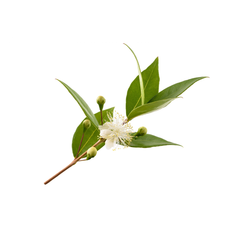
Combine fenugreek with fresh florals like myrtle or light spices to balance its intensity. Shared green and herbal molecules create a harmonious blend, as demonstrated in Lush Chelsea Morning.

Wear It Right

How to Wear Fenugreek Like a Pro

Seasonal Guide

Fall & Winter

Cooler temperatures enhance fenugreek's warm, sweet facets, increasing longevity and projection. Apply moderately on pulse points for cozy, enveloping warmth.

Spring

Moderate heat allows fenugreek's herbal and nutty notes to shine without overpowering. Layer with fresh florals to balance sweetness and maintain freshness.

Summer

Heat increases volatility, which can intensify fenugreek's spicier facets and reduce longevity. Use lighter concentrations and pair with citrus or aquatic notes for freshness.

Year-Round Tip

Adjust fenugreek concentration and layering according to temperature and humidity to maintain balanced warmth and avoid overpowering sweetness.

Application Points

Strategic application of fenugreek-based fragrances enhances their warm, sweet, and spicy character.

1

Neck

Pulse points like the neck provide warmth that activates fenugreek's complex aroma, enhancing projection and longevity.

2

Behind the Ears

This area offers subtle heat, releasing fenugreek's sweet and spicy nuances gradually for an intimate scent experience.

3

Inner Wrists

Applying fenugreek fragrances here allows for frequent scent refresh due to movement and warmth, highlighting its heart notes.

4

Hair

Hair holds scent molecules well, enabling a soft, lingering release of fenugreek's gourmand facets throughout the day.

★

Pro Tip

Layer fenugreek with complementary vanilla or woody notes on clothing or scarf edges to extend scent longevity and complexity.

Mood Architecture™

Top Fenugreek Fragrances by Mood Score

These Fenugreek-based fragrances scored highest on the MEI™ Mood Architecture Framework — measuring how a scent may influence your emotional state.

Highest MEI Score
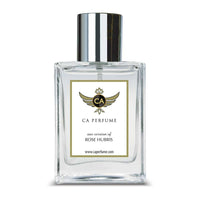
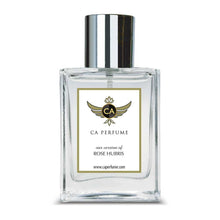
Rose Hubris — Ex Nihilo Rose Hubris Alternative Perfume
6.3
MEI™
Primary Magnetic
Secondary Confident
Confidence
6.3
Presence
6.88
Mood Lift
6.4
Identity
6.85
Warmth
6.85
Social Ease
5.93
Energy
2.12
" I am bold.
View full mood profile →
HumanSafe™

Top Fenugreek Fragrances by HumanSafe™ Score

These Fenugreek-based fragrances have the highest product-level HumanSafe™ scores in this ingredient collection.

Highest HumanSafe™ Score
Rose Hubris — Ex Nihilo Rose Hubris Alternative Perfume
A-
HumanSafe™ Score Generally Safe
Safest Evaluated Ingredients EDP
AQUA Solvent / Carrier ISS 10.0
1,4-DIOXACYCLOHEPTADECANE-5,17-DIONE Evaluated ingredient ISS 10.0
3-BUTEN-2-ONE, 3-METHYL-4-(2,6,6-TRIMETHYL-2- Evaluated ingredient ISS 8.0
REACTION MASS OF: (E)-OXACYCLOHEXADEC-12-EN-2-ONE, (E)- Evaluated ingredient ISS 7.0
LINALYL ACETATE Evaluated ingredient ISS 7.0
LINALOOL Evaluated ingredient ISS 7.0
View full safety profile →
Expert Voices

What Masters Say About Fenugreek

“
Fenugreek absolute transforms dramatically in dilution—from an intensely savory curry-like spice at high concentrations to a rich, maple syrup and burnt caramel sweetness at low concentrations.
Fraterworks Product Description
“
Fenugreek in perfume serves as a warm fragrance note, lending a unique dimension to compositions that make them both comforting and engaging.
CA Perfume Editorial
Common Questions

Frequently Asked Questions

Frequently asked questions about fenugreek in perfumery, addressing scent, usage, layering, and more.

Fenugreek in perfume smells warm, sweet, and slightly nutty with earthy and herbal undertones. Its signature molecule, sotolone, imparts a maple syrup-like sweetness that can shift to a curry-spice aroma at higher concentrations. This complex scent profile makes fenugreek a unique heart note in spicy oriental fragrances, adding depth and warmth without overwhelming sweetness.

Fenugreek is primarily used as a heart note in perfumery. Its moderate volatility allows it to emerge after the top notes fade, contributing warm, sweet, and spicy facets that enrich the fragrance's core. It is rarely used as a top or base note due to its complex aroma and molecular weight.

Fenugreek is favored in niche perfumery for its unique ability to bridge gourmand sweetness and spicy oriental warmth. Its complex aroma, dominated by sotolone, adds sophistication and depth to compositions, making fragrances stand out with a distinctive maple-caramel and curry-spice character not commonly found in mainstream scents.

Fenugreek fragrance uses often include pairing with vanilla, benzoin, sandalwood, tobacco, amber, and myrtle. Vanilla softens fenugreek's spicy edge through olfactory masking, benzoin adds balsamic richness, and sandalwood anchors the accord with woody creaminess. Tobacco and amber complement fenugreek's roasted and warm facets, while myrtle provides a fresh herbal balance.

Fenugreek perfumes can be worn in summer, but heat increases volatility, intensifying the spicier facets and potentially reducing longevity. Lighter concentrations and layering with fresh citrus or aquatic notes help maintain balance and freshness, making fenugreek suitable for warmer climates when used thoughtfully.

Fenugreek-containing fragrances typically last between 4 to 6 hours on the skin. Its moderate volatility and molecular stability contribute to a lasting presence, especially when supported by base notes like amber and sandalwood that extend overall longevity.

Yes, layering fenugreek perfume with complementary notes such as vanilla, benzoin, sandalwood, or fresh florals enhances its warmth and complexity. Understanding how to layer fenugreek involves molecular compatibility to balance its sweet, spicy, and nutty facets without overpowering the composition.

For beginners, fenugreek perfumes like Tom Ford's Santal Blush and Lush's Chelsea Morning offer approachable introductions to the note. These fragrances balance fenugreek's warmth with familiar accords like sandalwood and toffee, making the note accessible without overwhelming the senses.

Choosing the right fenugreek fragrance at CA Perfume involves considering concentration, complementary notes, and personal scent preferences. Opt for compositions where fenugreek is balanced with vanilla or woody accords for warmth, or with fresh florals for brightness. The HumanSafe™ platform ensures transparency and quality in all selections.

Fenugreek's scent in fragrance is both sweet and spicy, depending on concentration. At low levels, the maple-caramel sweetness dominates, while higher concentrations reveal a pronounced curry-like spiciness. This dual character allows fenugreek to add complexity and intrigue to perfume compositions.

Spicy Oriental Collection

Explore Our Top Fenugreek Fragrances

Discover expertly curated fenugreek perfumes that showcase its warm, sweet, and spicy character across diverse compositions.

Shop all fenugreek fragrances at CA Perfume →

Where Fenugreek Comes From — Origin & Extraction

Fenugreek is sourced from the seeds of Trigonella foenum-graecum L., a leguminous annual herb widely cultivated in warm climates across India, Egypt, and Turkey. India, particularly the Rajasthan region, accounts for roughly half of global production, with annual yields exceeding 50,000 tonnes. Egyptian fenugreek is prized for its deep earthy tones, while Turkish fenugreek offers a sweeter, herbal profile influenced by diverse agricultural practices. Extraction methods include solvent extraction using hexane or ethanol, yielding a dark brown, viscous absolute with a potent sweet-spicy-curry aroma. Supercritical CO2 extraction at approximately 28 MPa and 40°C produces a cleaner extract with better retention of sotolone, with yields around 3.8% from dried seeds. Steam distillation is less favored due to poor partitioning of polar lactones like sotolone. Natural fenugreek absolute costs between $3,000 and $6,000 per kilogram, reflecting its complex extraction and limited yield. Synthetic analogues, primarily based on safranal and related molecules, cost significantly less, around $50 to $200 per kilogram. Sustainability efforts focus on optimizing seed sourcing and extraction efficiency to reduce environmental impact while maintaining quality.

Famous Fragrances That Define Fenugreek in Perfumery

Fenugreek has been employed by renowned perfumers to impart warmth, sweetness, and complexity to various compositions. Tom Ford's Santal Blush (2011), crafted by perfumer Sonia Constant, uses fenugreek as an accent note to enhance the sandalwood base with a maple-like spicy nuance. Amouage's Opus XIV Royal Tobacco (2022), by perfumer Christopher Chong, features fenugreek as a supporting note bridging tobacco and woody accords with its roasted, nutty facets. Les Liquides Imaginaires' L’Ile Pourpre (2016) integrates fenugreek to deepen its oriental gourmand profile, while Lush's Chelsea Morning (2024) uses fenugreek to add a savory-spicy touch to its sweet, toffee-like heart. Guerlain's Rose Barbare (2005) employs fenugreek as a bridge between floral and spicy elements, enriching the fragrance's depth. These examples illustrate fenugreek's versatility in modern perfumery, from dominant to accent roles, contributing to the evolving landscape of spicy oriental fragrances. CA Perfume's collection honors this lineage by featuring fenugreek in accords that balance gourmand sweetness with spicy complexity.

Natural vs Synthetic Fenugreek in Perfumery

Natural fenugreek absolute is a complex extract rich in sotolone (CAS 28664-35-9), the key molecule responsible for its characteristic maple-caramel and curry-spice aroma. It also contains secondary volatiles contributing to celery-like green facets and coumarinic hay nuances. Extraction methods such as solvent and supercritical CO2 preserve this complexity but come with higher costs and variability. Synthetic fenugreek aroma chemicals include safranal (CAS 116-26-7), which replicates the hay-metallic notes, and synthetic sotolone, which provides the maple-caramel sweetness. These synthetics offer greater stability, consistency, and cost-effectiveness, priced between $50 and $200 per kilogram compared to natural extracts costing $3,000 to $6,000 per kilogram. Famous fragrances like Tom Ford's Santal Blush utilize natural fenugreek for its nuanced depth, while synthetic versions are favored in mass-market perfumes for consistency. The HumanSafe™ platform ensures transparency in sourcing and formulation, with CA Perfume emphasizing responsible use of both natural and synthetic fenugreek to balance olfactory richness and sustainability.