Ingredient Guide · Musk
Musk Family · Perfumery Note

Egyptian Musk

A subtle, skin-like musk with floral and woody nuances

Egyptian Musk in perfumery is a soft, powdery musk accord often blended with florals and woody notes. It is typically used as a close-to-skin base or heart note at 1–5% concentration. Its defining quality is a creamy, warm muskiness with delicate sweetness.

Egyptian Musk
Ingredient Profile

Egyptian Musk

Musk Family
Family Musk
Note Position Heart Note
Usage Level 1–5%
Key Origins Egypt, India, Morocco
Iconic In Egyptian Musk, Egyptian Musk
The Ingredient

What does Egyptian Musk smell like and why is it significant in perfumery?

Egyptian Musk is a fragrance accord characterized by a soft, powdery, and skin-like scent profile. Unlike traditional animalic musks, it is smooth, slightly sweet, and warm, often described as resembling fresh skin after a warm shower or delicate fabric resting in sunlight. This scent owes its character to refined macrocyclic musk molecules blended with floral and woody elements such as rose, lily of the valley, frankincense, and cedarwood. In perfumery, Egyptian Musk is primarily used as a heart or base note, typically at concentrations ranging from 1% to 5%. It is valued for its subtle sillage and close-to-skin presence, creating a halo effect rather than a strong projection. Its molecular composition allows it to interact gently with skin chemistry, evolving slowly to reveal powdery and woody nuances. Notable examples of Egyptian Musk in perfumery include Nemat International's Egyptian Musk (1991), which features powdery notes and citruses alongside the musk accord, and Kuumba Made's Egyptian Musk, known for its slightly sweet, woody, and floral character reminiscent of Russian olive blossom. These fragrances demonstrate Egyptian Musk’s versatility and enduring appeal in both men’s and women’s compositions.

1–5%
Typical concentration range of Egyptian Musk accord in perfume formulations, balancing presence and subtlety.
6–12 hours
Average longevity of Egyptian Musk in oil form on skin, due to slow evaporation of macrocyclic musks.
<2%
IFRA recommended maximum concentration for certain synthetic musk compounds in finished products to ensure safety.
Origin & Extraction

Where Egyptian Musk Comes From — Origin & Extraction

Egyptian Musk's scent character is influenced by the botanical and synthetic sources used in its composition, with key ingredients sourced from regions with distinct climates and soils. These origins contribute to subtle variations in the accord's warmth, floral nuances, and woody undertones.

Egyptian Musk, as known today, is not derived from a single botanical or animal source but is a composite accord inspired by ancient Egyptian perfumery traditions. Historically, natural musk was obtained from the musk deer (Moschus moschiferus), but due to ethical and conservation concerns, this practice is now obsolete. Instead, Egyptian Musk accords are crafted using synthetic macrocyclic musks combined with botanical ingredients such as patchouli (Pogostemon cablin), rose (Rosa damascena), myrrh (Commiphora myrrha), frankincense (Boswellia sacra), and cedarwood (Cedrus atlantica). The primary producing regions for these botanical components include Egypt, Morocco, India, and Somalia, with Egypt historically being a center for perfume production dating back to 3000 BCE. Extraction methods vary: patchouli and cedarwood oils are obtained by steam distillation, rose is extracted via solvent extraction or enfleurage, and resins like myrrh and frankincense are harvested by tapping the trees and then steam distilled or solvent extracted. Synthetic musks used in Egyptian Musk accords, such as muscone (CAS 541-91-3) and galaxolide (CAS 1222-05-5), are produced industrially in chemical plants, primarily in Europe and Asia. These synthetics offer consistent quality and ethical sourcing at a fraction of the cost of natural musk, with prices ranging from $50 to $200 per kilogram compared to thousands for natural musk. Sustainability considerations favor synthetic musks due to the protection of endangered species and reduced environmental impact. Modern Egyptian Musk products often blend these synthetic musks with natural botanical extracts to recreate the warm, complex scent profile associated with the historic Egyptian perfumes.

EG

Egypt

Egypt is historically central to the legacy of Egyptian Musk, with ancient perfume factories near temple gardens cultivating blue lotus and Nile lilies. The arid climate and mineral-rich soils contribute to the unique aromatic profile of local botanicals used in musk accords. Egypt remains a symbolic origin, though most ingredients are sourced globally.

IN

India

India produces significant quantities of patchouli and sandalwood oils, essential for Egyptian Musk accords. The tropical climate and monsoon rains influence the oil's richness and depth. Indian patchouli is prized for its earthy, woody facets, contributing to the musk's complexity.

MA

Morocco

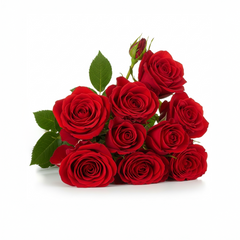
Morocco is a key producer of rose absolute and cedarwood oil, both vital to Egyptian Musk blends. The Atlas Mountains' altitude and Mediterranean climate yield rose petals with a distinct floral sweetness and cedarwood with a clean, dry woody character.

CN

China

China is a major manufacturer of synthetic musk compounds used in Egyptian Musk accords. Advanced chemical synthesis facilities produce high-purity macrocyclic musks that replicate natural musk's warmth and softness, ensuring ethical and sustainable supply.

Chemistry

Natural vs Synthetic Egyptian Musk in Perfumery

Natural musk, historically sourced from the musk deer, is now largely banned and ethically avoided in perfumery due to conservation and animal welfare concerns. Synthetic musks, such as muscone (CAS 541-91-3), galaxolide (CAS 1222-05-5), and ambrettolide (CAS 105-95-3), have replaced natural musk in Egyptian Musk accords. These synthetics replicate the warm, powdery, and skin-like qualities of natural musk while offering improved stability, longevity, and diffusion. Synthetic Egyptian Musk accords tend to be more consistent in scent and less prone to degradation than natural musk, which can vary due to biological factors. Cost differentials are significant: synthetic musks cost approximately $50–200/kg, whereas natural musk can exceed $3,000/kg. Famous fragrances such as Nemat International's Egyptian Musk rely on synthetic musks blended with botanical notes, while niche perfumers may use natural botanical extracts to evoke the traditional scent. Sustainability is a key factor favoring synthetic musks, as they avoid ethical issues and supply chain risks associated with animal-derived musk. The HumanSafe™ platform verifies ingredient transparency and safety for synthetic musks used in Egyptian Musk formulations. CA Perfume endorses synthetic musks for their ethical sourcing and consistent olfactory performance.

Natural
Egyptian Musk Absolute
Cost $3,000–6,000/kg
Method Solvent / CO₂
Character Complex, variable
vs
Synthetic
Safranal & Analogues
Cost $50–200/kg
Method Lab synthesis
Character Consistent, stable
Hall of Fame

Famous Fragrances That Define Egyptian Musk in Perfumery

1991
dominant note

Egyptian Musk

Nemat International
powdery notescitruseslily of the valleyfresh linen
dominant note

Egyptian Musk

Kuumba Made
woody notesfloral notesRussian olive blossom
dominant note

Egyptian Musk Perfume Oil Roll-On

Zoha Fragrances
Egyptian floral notessoft powdermusk
2025
dominant note

Egyptian Musk Oil 2025

Rising Phoenix Perfumery
oudresinssandalwoodblue lotus

Egyptian Musk has been a defining note in several notable fragrances, celebrated for its soft, powdery, and skin-like qualities. Nemat International's Egyptian Musk (1991) is a landmark fragrance featuring a blend of Egyptian Musk, powdery notes, and citruses. It uses synthetic musks alongside lily of the valley and fresh linen accords to create a subtle yet enduring scent, functioning as a dominant note. Kuumba Made's Egyptian Musk is another popular fragrance, known for its slightly sweet, woody, and floral character reminiscent of Russian olive blossom. It serves as a dominant note paired with woody and floral elements. Zoha Fragrances' Egyptian Musk Perfume Oil Roll-On blends Egyptian floral notes with soft powder and musk, designed for daily wear with a gentle, clean character. Rising Phoenix Perfumery's Egyptian Musk Oil 2025 is a niche interpretation combining sultry sweet, resinous, musky, and oud smoky facets, evoking the scent of ancient Egyptian royalty. These fragrances demonstrate Egyptian Musk's versatility as both a dominant and supporting note, often paired with rose, patchouli, frankincense, and cedarwood. CA Perfume's collection respects this lineage by offering nuanced musk accords that balance tradition with modern olfactory preferences.

The Accord

How is a captivating Egyptian Musk accord crafted?

A balanced Egyptian Musk accord typically includes 40-50% synthetic musk compounds to provide the soft, powdery, skin-like base. Patchouli (15-20%) adds an earthy richness and depth. Rose (15-20%) contributes floral sweetness and complexity, bridging the musk and woody elements. Cedarwood (15-20%) imparts a gentle woody grounding that enhances longevity and warmth. This blend totals approximately 90-100%, creating a harmonious accord that evolves smoothly on skin.

50%

Egyptian Musk (Synthetic Musk Accord)

40–50% of blend

Provides the core soft, powdery, and skin-like musk character essential to the accord.

20%

Patchouli

15–20% of blend

Adds earthy, rich depth and enhances the longevity of the musk accord.

20%

Rose

15–20% of blend

Contributes floral sweetness and complexity, creating a molecular bridge with musk.

20%

Cedarwood

15–20% of blend

Imparts a gentle woody base that grounds the accord and improves fixative properties.

The Olfactory Layers

How Egyptian Musk Evolves on Skin

Egyptian Musk's olfactory evolution unfolds gently over several hours. Initial evaporation of light floral and green notes occurs within 0–15 minutes, followed by the emergence of creamy musk and powdery facets in the heart (20–60 minutes). The base notes, dominated by woody and resinous molecules, provide a warm, lingering foundation lasting several hours.

I
Top notes
0–15 min
Fresh Floral Introduction

The opening features fresh, green floral notes such as lily of the valley and subtle citrus nuances. These high-volatility molecules evaporate quickly, providing an airy, clean impression that prepares the skin for the musk heart.

FreshGreen FloralAiry
II
Heart notes
20–60 min
Creamy Musk Heart

The heart reveals the creamy, powdery musk accord, blending macrocyclic musk molecules with soft florals like rose. This stage is characterized by a warm, skin-like softness with subtle sweetness and gentle floral complexity.

PowderyCreamyWarm
III
Base notes
Several hours
Woody and Resinous Base

The base settles into woody and resinous notes such as cedarwood, patchouli, frankincense, and myrrh. These low-volatility molecules provide depth, longevity, and a grounding warmth that anchors the fragrance close to the skin.

WoodyResinousLong-lasting
TOP NOTES Fresh Floral Introduction 0–15 minutes HEART NOTES Creamy Musk Heart 20–60 minutes BASE NOTES Woody and Resinous Base Several hours
Through the Ages

The Story of Egyptian Musk in Perfumery

Egyptian Musk's history spans from ancient Egyptian perfumery practices to modern synthetic formulations, reflecting evolving ethical standards and olfactory preferences.

3000 BCE

Ancient Egyptian Perfume Art

Hieroglyphics and archaeological finds show Egyptians used aromatic oils and resins, including early musk-like scents, in religious and daily rituals.

19th Century

Discovery of Ancient Perfume Factories

Excavations at Thmuis and other sites revealed advanced perfume production, blending myrrh, frankincense, and musk-like materials.

Early 20th Century

Decline of Natural Musk Use

Due to ethical concerns and musk deer population decline, natural musk harvesting decreased significantly.

1991

Launch of Nemat International Egyptian Musk

Nemat introduced a signature Egyptian Musk fragrance oil blending synthetic musks with florals, popularizing the modern musk accord.

2020s

Rise of Botanical and Synthetic Blends

Modern perfumers combine synthetic musks with natural botanicals like patchouli and rose to recreate authentic Egyptian Musk accords ethically.

The Art of Layering

How to Layer Egyptian Musk

Understanding how to layer Egyptian Musk involves recognizing molecular compatibility and olfactory synergy. Layering enhances complexity and personalizes the scent experience.

01

Enhance Sweetness

Layer Egyptian Musk with vanilla, whose vanillin molecule masks musk's metallic edge, softening the overall scent. This combination is exemplified in fragrances like Nemat's Amber Musk.

02

Add Depth

Pairing with patchouli introduces earthy, woody terpenes that complement musk's warmth and extend longevity, as seen in Rising Phoenix Perfumery's Egyptian Musk Oil.

03

Lighten the Glow

Combining Egyptian Musk with citrus notes like bergamot adds brightness and volatility contrast, lifting the accord without overpowering the musk base, a technique used in modern oriental compositions.

Wear It Right

How to Wear Egyptian Musk Like a Pro

Seasonal Guide

Fall & Winter

Cooler temperatures slow evaporation, allowing the warm, woody, and resinous base notes to dominate. Apply moderately for intimate sillage; layering with vanilla or amber enhances cozy richness.

Spring

Mild temperatures highlight the fresh floral and powdery musk heart. Light application suits daytime wear, with layering options including green or citrus notes to brighten the accord.

Summer

Heat increases volatility, causing top floral notes to evaporate quickly. Use sparingly to avoid overpowering freshness. Layering with aquatic or citrus notes can maintain balance and freshness.

Year-Round Tip

Egyptian Musk's subtle, skin-close character makes it suitable for year-round wear. Adjust application intensity and layering to suit temperature and occasion.

Application Points

Strategic application enhances Egyptian Musk's subtle and intimate nature, optimizing longevity and scent experience.

1

Neck

Pulse points like the neck provide warmth that gently diffuses the musk accord, enhancing its creamy softness and longevity.

2

Behind the Ears

This area allows for discreet scent release, ideal for the subtle projection characteristic of Egyptian Musk.

3

Inner Wrists

Applying here facilitates scent evolution with natural skin oils, emphasizing the powdery and floral heart notes.

4

Hair

Hair fibers hold scent molecules longer, releasing the musk softly over time, adding a delicate aura.

Pro Tip

Layer Egyptian Musk with complementary scents on clothing or skin to extend longevity and create personalized accords.

Mood Architecture™

Top Egyptian Musk Fragrances by Mood Score

These Egyptian Musk-based fragrances scored highest on the MEI™ Mood Architecture Framework — measuring how a scent may influence your emotional state.

Highest MEI Score
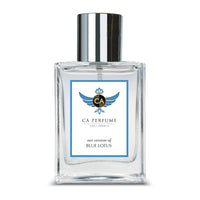
Blue Lotus — Musk Floral Perfume
#1
Blue Lotus — Musk Floral Perfume
Starting from $14.99
6.88
MEI™
Primary Fresh
Secondary Romantic
Confidence
6.4
Presence
6.78
Mood Lift
7.7
Identity
6.52
Warmth
7.45
Social Ease
6.88
Energy
3.4
" I am radiant.
View full mood profile →
HumanSafe™

Top Egyptian Musk Fragrances by HumanSafe™ Score

These Egyptian Musk-based fragrances have the highest product-level HumanSafe™ scores in this ingredient collection.

Highest HumanSafe™ Score
Blue Lotus — Musk Floral Perfume
#1
Blue Lotus — Musk Floral Perfume
Starting from $14.99
A-
HumanSafe™ Score Generally Safe
Safest Evaluated Ingredients EDP
AQUA Solvent / Carrier ISS 10.0
1,4-DIOXACYCLOHEPTADECANE-5,17-DIONE Evaluated ingredient ISS 10.0
BENZYL SALICYLATE Evaluated ingredient ISS 9.0
7-OCTEN-2-OL, 2,6-DIMETHYL- Evaluated ingredient ISS 9.0
LINALYL ACETATE Evaluated ingredient ISS 7.0
LINALOOL Evaluated ingredient ISS 7.0
View full safety profile →
Expert Voices

What Masters Say About Egyptian Musk

Egyptian Musk is not sharp or animalic; it is smooth, soft, slightly sweet, and skin-like, almost like warm cotton that has absorbed sunlight.
CA Perfume Editorial
The term 'Egyptian Musk' has become a canvas for many interpretations, often synthetic, blending musks with florals and resins to evoke the ancient scent's warmth and intimacy.
Rita Mobarak, Egyptian Botanicals
Common Questions

Frequently Asked Questions

Common questions about Egyptian Musk answered with detailed, factual information.

Egyptian Musk in perfume smells soft, powdery, and skin-like with subtle floral and woody undertones. It is smooth and slightly sweet, often described as fresh skin after a warm shower or delicate fabric in sunlight. This accords blends synthetic musks like muscone with botanicals such as rose and cedarwood to create a warm, intimate scent.

Egyptian Musk is primarily used as a heart or base note in fragrances. It provides a warm, powdery, and skin-close presence that develops after the initial top notes evaporate, typically appearing within 20 minutes and lasting for several hours.

Egyptian Musk is favored in niche perfumery for its soft, intimate character and versatility. It blends well with florals, woods, and resins, adding depth without overpowering. Its ethical synthetic composition aligns with modern sustainability values, making it a popular choice for sophisticated, long-lasting fragrances.

Egyptian Musk fragrance uses commonly pair with rose, patchouli, cedarwood, vanilla, amber, frankincense, and myrrh. These notes complement musk’s warmth and softness, enhancing longevity and creating balanced accords with floral, woody, and resinous facets.

Egyptian Musk’s subtle, skin-close nature makes it suitable for summer wear, though its powdery and woody base notes may be more pronounced in cooler weather. Light application and layering with fresh citrus or aquatic notes can enhance its freshness in hot climates.

Egyptian Musk fragrances, especially in oil form, typically last 6 to 12 hours on skin due to the slow evaporation of macrocyclic musks and fixative woody notes. Longevity varies with concentration and skin chemistry.

Yes, Egyptian Musk is excellent for layering. It enhances sweetness when paired with vanilla, adds depth with patchouli, and lightens with citrus notes. Its molecular compatibility allows it to blend seamlessly, personalizing fragrance experiences.

Beginner-friendly Egyptian Musk perfumes include Nemat International’s Egyptian Musk (1991) for its classic soft musk and Kuumba Made’s Egyptian Musk for a slightly sweet, woody floral experience. These offer approachable, versatile musk accords.

Choose Egyptian Musk fragrances based on desired intensity, note pairing, and format. Oils offer intimate longevity, while EDPs provide balanced projection. Consider layering options and seasonal suitability. CA Perfume offers detailed ingredient transparency via the HumanSafe™ platform.

Egyptian Musk typically smells soft and slightly sweet rather than spicy. Its sweetness comes from floral and powdery notes like rose and lily of the valley, balanced by warm woody and resinous undertones, creating a smooth, skin-like scent.

Musk Collection

Explore Our Top Egyptian Musk Fragrances

Discover classic and modern Egyptian Musk scents known for their soft, powdery warmth and intimate character.

Shop all egyptian-musk fragrances at CA Perfume →

Where Egyptian Musk Comes From — Origin & Extraction

Egyptian Musk, as known today, is not derived from a single botanical or animal source but is a composite accord inspired by ancient Egyptian perfumery traditions. Historically, natural musk was obtained from the musk deer (Moschus moschiferus), but due to ethical and conservation concerns, this practice is now obsolete. Instead, Egyptian Musk accords are crafted using synthetic macrocyclic musks combined with botanical ingredients such as patchouli (Pogostemon cablin), rose (Rosa damascena), myrrh (Commiphora myrrha), frankincense (Boswellia sacra), and cedarwood (Cedrus atlantica). The primary producing regions for these botanical components include Egypt, Morocco, India, and Somalia, with Egypt historically being a center for perfume production dating back to 3000 BCE. Extraction methods vary: patchouli and cedarwood oils are obtained by steam distillation, rose is extracted via solvent extraction or enfleurage, and resins like myrrh and frankincense are harvested by tapping the trees and then steam distilled or solvent extracted. Synthetic musks used in Egyptian Musk accords, such as muscone (CAS 541-91-3) and galaxolide (CAS 1222-05-5), are produced industrially in chemical plants, primarily in Europe and Asia. These synthetics offer consistent quality and ethical sourcing at a fraction of the cost of natural musk, with prices ranging from $50 to $200 per kilogram compared to thousands for natural musk. Sustainability considerations favor synthetic musks due to the protection of endangered species and reduced environmental impact. Modern Egyptian Musk products often blend these synthetic musks with natural botanical extracts to recreate the warm, complex scent profile associated with the historic Egyptian perfumes.

Famous Fragrances That Define Egyptian Musk in Perfumery

Egyptian Musk has been a defining note in several notable fragrances, celebrated for its soft, powdery, and skin-like qualities. Nemat International's Egyptian Musk (1991) is a landmark fragrance featuring a blend of Egyptian Musk, powdery notes, and citruses. It uses synthetic musks alongside lily of the valley and fresh linen accords to create a subtle yet enduring scent, functioning as a dominant note. Kuumba Made's Egyptian Musk is another popular fragrance, known for its slightly sweet, woody, and floral character reminiscent of Russian olive blossom. It serves as a dominant note paired with woody and floral elements. Zoha Fragrances' Egyptian Musk Perfume Oil Roll-On blends Egyptian floral notes with soft powder and musk, designed for daily wear with a gentle, clean character. Rising Phoenix Perfumery's Egyptian Musk Oil 2025 is a niche interpretation combining sultry sweet, resinous, musky, and oud smoky facets, evoking the scent of ancient Egyptian royalty. These fragrances demonstrate Egyptian Musk's versatility as both a dominant and supporting note, often paired with rose, patchouli, frankincense, and cedarwood. CA Perfume's collection respects this lineage by offering nuanced musk accords that balance tradition with modern olfactory preferences.

Natural vs Synthetic Egyptian Musk in Perfumery

Natural musk, historically sourced from the musk deer, is now largely banned and ethically avoided in perfumery due to conservation and animal welfare concerns. Synthetic musks, such as muscone (CAS 541-91-3), galaxolide (CAS 1222-05-5), and ambrettolide (CAS 105-95-3), have replaced natural musk in Egyptian Musk accords. These synthetics replicate the warm, powdery, and skin-like qualities of natural musk while offering improved stability, longevity, and diffusion. Synthetic Egyptian Musk accords tend to be more consistent in scent and less prone to degradation than natural musk, which can vary due to biological factors. Cost differentials are significant: synthetic musks cost approximately $50–200/kg, whereas natural musk can exceed $3,000/kg. Famous fragrances such as Nemat International's Egyptian Musk rely on synthetic musks blended with botanical notes, while niche perfumers may use natural botanical extracts to evoke the traditional scent. Sustainability is a key factor favoring synthetic musks, as they avoid ethical issues and supply chain risks associated with animal-derived musk. The HumanSafe™ platform verifies ingredient transparency and safety for synthetic musks used in Egyptian Musk formulations. CA Perfume endorses synthetic musks for their ethical sourcing and consistent olfactory performance.