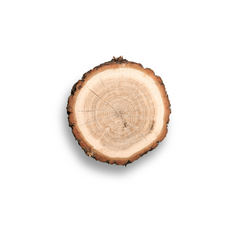
Ingredient Guide · Woody Spicy
Woody Spicy Family · Perfumery Note

Ebony

Discover the rich essence of ebony wood.

Ebony is a dark, dense wood known for its rich, warm aroma that adds depth to fragrances. Its complex profile includes woody characteristics with subtle hints of sweetness.

Ebony
Ingredient Profile

Ebony

Woody Spicy Family
Family Woody Spicy
Note Position Base Note
Usage Level <2%
Key Origins Indonesia, Ghana, Tanzania
Iconic In Ébène Fumé, Ebony Wood
The Ingredient

What does Ebony smell like and why is it significant in perfumery?

Ebony, derived from the Diospyros tree, is celebrated for its deep, rich aroma, often described as warm, woody, and slightly sweet. This complexity allows it to function primarily as a base note in perfumery, enhancing the longevity and richness of compositions. Typically used at concentrations below 2%, ebony serves as a luxurious foundation, anchoring lighter notes and creating lasting impressions. Notable fragrances that exemplify its use include Tom Ford's Ébène Fumé and Zara's Ebony Wood, both of which showcase the note's versatility and depth. Ebony's scent profile is characterized by its grounding quality, making it a favored choice in niche perfumery. Its exotic and alluring nature resonates with consumers, leaving a sophisticated aura that is both captivating and memorable.

1–2 Sprays
This amount provides a noticeable yet elegant ebony scent, allowing its character to shine without becoming overpowering.
5–6 Hours
Ebony-based fragrances typically last several hours, especially when blended with supportive resins that enhance warmth and depth.
<2%
Even minimal concentrations of ebony can offer significant impact in blends, making it a luxurious choice without dominating the entire composition.
Origin & Extraction

Where Ebony Comes From — Origin & Extraction

Ebony is primarily sourced from tropical regions, particularly Indonesia, Ghana, and Tanzania. Each region contributes unique characteristics to the wood's scent profile, influenced by local soil and climate conditions.

Ebony originates from various tropical regions, most notably Southeast Asia and parts of Africa, where its dense, dark wood is meticulously harvested. It holds cultural significance among indigenous peoples who regard it as a symbol of strength and stability. Each country contributes unique characteristics to this versatile wood, enhancing its multifaceted representation in perfumery. In Indonesia, ebony is celebrated for its high-quality, often reflecting a rich, smoky profile that captivates perfumers. Ghanaian ebony showcases a uniquely smooth and sweet character, resulting from the region's specific growing conditions and botanical diversity. Tanzanian ebony is renowned for its dark hues and complex aroma, making it highly sought after in both craftsmanship and fragrance formulation.

ID

Indonesia

Known for its high-quality ebony, often reflecting a rich, smoky profile that captivates perfumers. Traditional harvesting practices highlight the cultural reverence for this remarkable wood.

GH

Ghana

Showcases a uniquely smooth and sweet character, resulting from the region's specific growing conditions and botanical diversity.

TZ

Tanzania

Renowned for its dark hues and complex aroma, making it highly sought after in both craftsmanship and fragrance formulation.

Chemistry

Natural vs Synthetic Ebony in Perfumery

Natural ebony wood does not yield an extractable aromatic oil in viable quantities; thus, the note in perfumery is often a reconstructed accord. This blend typically includes synthetic molecules and natural wood extracts designed to evoke the dense, dark characteristics of ebony. The primary synthetic components used in these accords include guaiac wood and various woody aroma chemicals that replicate the rich, smoky, and slightly sweet scent profile of natural ebony. Synthetic versions offer consistency and longevity, making them a popular choice among perfumers. The cost differential between natural and synthetic forms is significant, with natural ebony being substantially more expensive. Additionally, synthetic ingredients can enhance the longevity and clarity of a scent, providing a stable alternative to natural materials that may vary in quality and scent from batch to batch.

Natural
Ebony Absolute
Cost $3,000–6,000/kg
Method Solvent / CO₂
Character Complex, variable
vs
Synthetic
Safranal & Analogues
Cost $50–200/kg
Method Lab synthesis
Character Consistent, stable
Hall of Fame

Famous Fragrances That Define Ebony in Perfumery

2021
dominant note

Ébène Fumé

Tom Ford
patchouliblack pepper
2021
heart note

Ebony Wood

Zara
by Jo Malone
spiceswoods
2018
supporting note

Narciso Rodriguez for Him Bleu Noir

Narciso Rodriguez
ambermusk
2015
base note

Andromeda

Tiziana Terenzi
amberfruity notes
2024
dominant note

Incense Ebony

Maison Alhambra
incensepalo santo

Ebony wood is a cherished note in various fragrances, often used to impart depth and sophistication. Here are some notable examples: 1. **Tom Ford Ébène Fumé (2021)** - This unisex fragrance features ebony as a central note, blending it with patchouli and black pepper to create a smoky, rich scent. 2. **Zara Ebony Wood (2021)** - Part of the Jo Malone curated collection, this fragrance combines ebony with spices and woods for a warm, inviting aroma. 3. **Narciso Rodriguez for Him Bleu Noir (2018)** - In this fragrance, ebony anchors the composition, enhancing its woody and aromatic qualities. 4. **Tiziana Terenzi Andromeda (2015)** - This luxurious scent showcases ebony alongside other rich notes, creating a complex and alluring profile. 5. **Maison Alhambra Incense Ebony (2024)** - A recent addition that highlights the smoky and woody characteristics of ebony, blended with incense and resins.

The Accord

How is a captivating Ebony accord crafted?

Creating an ebony accord involves blending complementary notes that enhance its woody and smoky characteristics. A typical formulation might include: - Ebony Wood 30-35%: The core note providing depth and richness. - Guaiac Wood 20-25%: Adds a smoky, resinous quality. - Patchouli 20-25%: Contributes earthiness and warmth. - Black Pepper 15-20%: Introduces a spicy kick that brightens the composition.

30-35%

Ebony Wood

30-35% of blend

The primary note, offering a rich, woody foundation.

20-25%

Guaiac Wood

20-25% of blend

Provides a smoky, resinous quality that complements ebony.

20-25%

Patchouli

20-25% of blend

Adds earthiness and warmth, enhancing the overall depth.

15-20%

Black Pepper

15-20% of blend

Introduces a spicy kick that brightens the composition.

The Olfactory Layers

How Ebony Evolves on Skin

The olfactory evolution of ebony unfolds through distinct phases, each revealing different facets of its complex character.

I
Top notes
0–15 min
Initial Impression

Initially, ebony presents a sharp, slightly smoky aroma, reminiscent of freshly cut wood. This phase is characterized by high-volatility compounds that evaporate quickly, leaving a rich, earthy impression.

smokyearthysharp
II
Heart notes
20–60 min
Developing Depth

As the fragrance develops, the heart reveals a deeper, more resinous quality, with hints of sweetness emerging. This stage is marked by the interplay of woody and floral notes, creating a harmonious balance.

resinoussweetharmonious
III
Base notes
Several hours
Lasting Impression

In the dry down, ebony settles into a warm, velvety base, enriched by complementary notes like patchouli and guaiac wood. This stage offers lasting depth and sophistication, anchoring the fragrance.

warmvelvetysophisticated
TOP NOTES Initial Impression 0–15 minutes HEART NOTES Developing Depth 20–60 minutes BASE NOTES Lasting Impression Several hours
Through the Ages

The Story of Ebony in Perfumery

Ebony has a rich history in perfumery, valued for its luxurious scent and cultural significance.

Ancient Egypt

Ebony in Rituals

Used in ancient Egyptian rituals, ebony was prized for its beauty and durability, often crafted into sacred objects.

19th Century

Rise in Perfumery

Ebony began to be recognized in Western perfumery, valued for its unique scent and ability to anchor compositions.

2000s

Modern Niche Perfumery

Ebony gained popularity in niche fragrances, often used to evoke luxury and sophistication.

2021

Tom Ford Ébène Fumé

This fragrance highlighted ebony's rich character, blending it with other luxurious notes.

2024

Maison Alhambra Incense Ebony

A modern interpretation that showcases the versatility of ebony in contemporary perfumery.

The Art of Layering

How to Layer Ebony

Ebony's strong, woody base makes it an excellent anchor for layering, allowing for creative combinations.

01

Pair with Sweet Gourmands

Layering ebony with sweet notes like vanilla or caramel adds sophistication and balances the richness of the wood.

02

Brighten with Citrus

Combining ebony with fresh citrus notes can lighten its profile, creating a vibrant and uplifting fragrance.

03

Enhance with Floral Accords

Floral fragrances can soften ebony's woody edge, adding a romantic touch while maintaining depth.

Wear It Right

How to Wear Ebony Like a Pro

Seasonal Guide

Fall & Winter

Ebony's warmth is perfect for colder months, providing a comforting and cozy scent that resonates with the season.

Spring

In spring, ebony can be layered with fresher notes to create a balanced fragrance that reflects the season's renewal.

Summer

While typically warm, ebony can be paired with citrus or aquatic notes to lighten its profile for summer wear.

Year-Round Tip

Ebony's versatility allows it to be worn year-round, adapting to various occasions and moods.

Application Points

Strategic application enhances the fragrance experience, allowing ebony to shine.

1

Neck

Applying to the neck allows body heat to amplify the fragrance, enhancing projection.

2

Behind the Ears

This pulse point radiates warmth, helping to diffuse the scent throughout the day.

3

Inner Wrists

A classic application spot, the wrists allow for easy reapplication and a subtle scent trail.

4

Hair

Applying to hair provides a long-lasting scent that releases with movement, creating a captivating aura.

Pro Tip

Layering with complementary scents can enhance ebony's complexity and create a signature fragrance.

HumanSafe™

Ebony Safety Profile in Our Fragrances

No ingredient collection was found for ebony.

Create or connect a collection with the same handle as this ingredient, then add products that contain this ingredient.

Expert Voices

What Masters Say About Ebony

Ebony wood offers a rich, smoky, and slightly sweet aroma that adds depth and sophistication to fragrances.
CA Perfume Editorial
The beauty of ebony lies in its ability to anchor lighter notes, creating a harmonious balance in any composition.
CA Perfume Editorial
Common Questions

Frequently Asked Questions

Frequently asked questions about ebony in perfumery.

Ebony in perfume typically smells rich, woody, and slightly sweet, providing a grounding quality that enhances the longevity of compositions.

Ebony is primarily used as a base note in fragrances, contributing depth and warmth to the overall scent profile.

Ebony is favored in niche perfumery for its luxurious and exotic character, which adds sophistication and depth to compositions.

Ebony pairs beautifully with notes like sandalwood, patchouli, and vanilla, enhancing its complex profile and creating harmonious blends.

While typically warm, ebony can be lightened with citrus or fresh notes for summer wear, making it versatile across seasons.

Ebony-based fragrances generally last between 5 to 6 hours, especially when blended with supportive resins.

Yes, ebony's strong woody base makes it an excellent anchor for layering with sweeter, fresher, or floral fragrances.

Beginner-friendly options include Zara's Ebony Wood and Tom Ford's Ébène Fumé, both showcasing the note's versatility.

Consider your personal scent preferences and how you want the fragrance to evolve on your skin; testing samples can help find the perfect match.

Ebony typically presents a rich, woody scent with subtle sweetness, making it more earthy than overtly sweet or spicy.

Woody Spicy Collection

Explore Our Top Ebony Fragrances

Discover the best selections featuring the captivating scent of ebony wood.

Shop all ebony fragrances at CA Perfume →

Where Ebony Comes From — Origin & Extraction

Ebony originates from various tropical regions, most notably Southeast Asia and parts of Africa, where its dense, dark wood is meticulously harvested. It holds cultural significance among indigenous peoples who regard it as a symbol of strength and stability. Each country contributes unique characteristics to this versatile wood, enhancing its multifaceted representation in perfumery. In Indonesia, ebony is celebrated for its high-quality, often reflecting a rich, smoky profile that captivates perfumers. Ghanaian ebony showcases a uniquely smooth and sweet character, resulting from the region's specific growing conditions and botanical diversity. Tanzanian ebony is renowned for its dark hues and complex aroma, making it highly sought after in both craftsmanship and fragrance formulation.

Famous Fragrances That Define Ebony in Perfumery

Ebony wood is a cherished note in various fragrances, often used to impart depth and sophistication. Here are some notable examples: 1. **Tom Ford Ébène Fumé (2021)** - This unisex fragrance features ebony as a central note, blending it with patchouli and black pepper to create a smoky, rich scent. 2. **Zara Ebony Wood (2021)** - Part of the Jo Malone curated collection, this fragrance combines ebony with spices and woods for a warm, inviting aroma. 3. **Narciso Rodriguez for Him Bleu Noir (2018)** - In this fragrance, ebony anchors the composition, enhancing its woody and aromatic qualities. 4. **Tiziana Terenzi Andromeda (2015)** - This luxurious scent showcases ebony alongside other rich notes, creating a complex and alluring profile. 5. **Maison Alhambra Incense Ebony (2024)** - A recent addition that highlights the smoky and woody characteristics of ebony, blended with incense and resins.

Natural vs Synthetic Ebony in Perfumery

Natural ebony wood does not yield an extractable aromatic oil in viable quantities; thus, the note in perfumery is often a reconstructed accord. This blend typically includes synthetic molecules and natural wood extracts designed to evoke the dense, dark characteristics of ebony. The primary synthetic components used in these accords include guaiac wood and various woody aroma chemicals that replicate the rich, smoky, and slightly sweet scent profile of natural ebony. Synthetic versions offer consistency and longevity, making them a popular choice among perfumers. The cost differential between natural and synthetic forms is significant, with natural ebony being substantially more expensive. Additionally, synthetic ingredients can enhance the longevity and clarity of a scent, providing a stable alternative to natural materials that may vary in quality and scent from batch to batch.