Ingredient Guide · Woody Spicy
Woody Spicy Family · Perfumery Note

Ebony Tree

Discover the dark, sophisticated essence of ebony wood

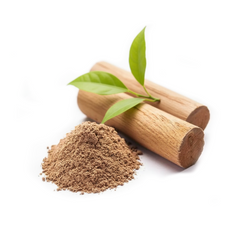
Ebony Tree is a woody base note prized for its rich, dark, and subtly sweet aroma in perfumery. It is a reconstructed accord combining smoky woods, musks, and resinous elements.

Ebony Tree
Ingredient Profile

Ebony Tree

Woody Spicy Family
Family Woody Spicy
Note Position Base Note
Usage Level <2%
Key Origins Sri Lanka, Ghana, Tanzania
Iconic In Ébène Fumé, Ebony Wood
The Ingredient

What does Ebony Tree smell like and why is it significant in perfumery?

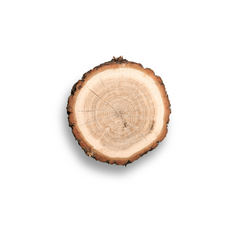
Ebony Tree, derived from the dense wood of Diospyros ebenum, is known in perfumery as a rich, woody note with subtle sweetness and smoky undertones. Its scent profile is a complex blend of resinous, leathery, and slightly nutty facets, often reconstructed from synthetic molecules and natural wood extracts since no commercial essential oil exists. This accords evoke the tactile sensation of polished black hardwood with a dry, balsamic depth. In perfumery, ebony tree functions primarily as a base note due to its dense, long-lasting character. It is typically used at concentrations below 2%, providing a grounding warmth and enhancing longevity in compositions. Ebony accords interact with skin chemistry by blending with natural oils to reveal nuanced smoky and sweet layers over time, contributing to a sophisticated, elegant aura. Notable fragrances featuring ebony include Tom Ford's Ébène Fumé (2021), where ebony forms a smoky woody backbone paired with leather and oud, and Zara's Ebony Wood (2019), which uses ebony to anchor spicy and coffee notes. These examples illustrate ebony's role as a luxurious, dark wood note in modern niche and designer perfumery.

<2%
Typical concentration of ebony accords in fragrance formulas to maintain balance without overpowering.
5–6 Hours
Average longevity of ebony-based fragrances on skin, enhanced by resinous and musky components.
30–35%
Relative proportion of ebony accord in a typical woody accord blend, ensuring its presence is prominent yet harmonious.
Origin & Extraction

Where Ebony Tree Comes From — Origin & Extraction

Ebony Tree's scent character is influenced by its tropical growing regions, where dense soils and humid climates contribute to the wood's resinous richness. The specific gravity and grain of ebony vary with origin, affecting the olfactory nuances perfumers seek to replicate.

Ebony Tree originates from species of the genus Diospyros, primarily Diospyros ebenum (Ceylon ebony) and Diospyros crassiflora (African ebony). The wood is harvested mainly in tropical regions including Sri Lanka, India, Ghana, Tanzania, and Indonesia. These trees produce heartwood so dense it sinks in water, with a jet-black color and fine grain prized for luxury timber. No commercial essential oil is extracted from ebony wood due to the absence of viable aromatic oil yields. Instead, the ebony fragrance note in perfumery is a reconstructed accord composed of synthetic molecules and natural wood extracts designed to evoke the dense, dark, and polished character of ebony wood. Extraction methods for components used in these accords include solvent extraction and supercritical CO2 extraction of related woods and resins. Natural ebony absolute costs approximately $3,000–6,000 per kilogram, reflecting the rarity and labor-intensive harvesting of the wood. Synthetic aroma chemicals used to recreate ebony accords are more cost-effective and sustainable, reducing pressure on endangered ebony species. The note is heavily regulated due to CITES restrictions on ebony timber trade, ensuring sustainable sourcing practices.

LK

Sri Lanka

Sri Lankan ebony (Diospyros ebenum) is prized for its dense, jet-black heartwood with a smoky, resinous aroma. The island's tropical climate and rich soil produce wood with a fine grain and high specific gravity. Sri Lanka is a key exporter, though harvesting is regulated under CITES.

GH

Ghana

Ghanaian ebony features a smooth, slightly sweet woody character influenced by the region's tropical rainforest climate. The wood is harvested sustainably under strict regulations to protect the species.

TZ

Tanzania

Tanzanian ebony is known for its dark hues and complex aroma profile, combining smoky and earthy facets. The region's diverse ecosystems contribute to the wood's unique olfactory qualities.

ID

Indonesia

Indonesian ebony offers a rich, smoky scent profile with dense wood prized for its fine grain. The humid equatorial climate and volcanic soils enhance the resinous qualities perfumers seek.

Chemistry

Natural vs Synthetic Ebony Tree in Perfumery

Ebony Tree is unique in perfumery as it lacks a commercially extractable essential oil; thus, the scent is entirely a reconstructed accord. Natural ebony wood is valued for its dense, black timber but does not yield aromatic oils in usable quantities. Synthetic molecules and natural extracts from other woods are blended to simulate ebony's characteristic smoky, woody, and slightly sweet aroma. Key synthetic aroma chemicals used in ebony accords include guaiac wood derivatives, vetiver lactones, and clean sandalwood-type molecules, combined with dark musks and resinous notes to suggest the wood's density and blackness. These synthetics offer greater consistency, longevity, and diffusion compared to natural extracts, which are unavailable. Cost-wise, synthetic ebony accords are significantly more affordable and sustainable, avoiding the ecological impact of harvesting endangered ebony trees. Famous fragrances like Tom Ford's Ébène Fumé utilize synthetic accords, while natural ebony absolute remains rare and costly. CA Perfume prioritizes transparency and sustainability by sourcing synthetic ebony accords verified through the HumanSafe™ platform.

Natural
Ebony Tree Absolute
Cost $3,000–6,000/kg
Method Solvent / CO₂
Character Complex, variable
vs
Synthetic
Safranal & Analogues
Cost $50–200/kg
Method Lab synthesis
Character Consistent, stable
Hall of Fame

Famous Fragrances That Define Ebony Tree in Perfumery

2021
dominant note

Ébène Fumé

Tom Ford
by Yann Vasnier
leatheroudincense
2019
supporting note

Ebony Wood

Zara
clovecoffeenutmeg
2018
accent

Bleu Noir Eau de Parfum

Narciso Rodriguez
muskamber
2000
supporting note

Iris Poudre

Frederic Malle
irisviolet
2022
base note

Eilish No 2

Billie Eilish
floralgourmand

Ebony Tree has become a defining woody note in contemporary perfumery, particularly in niche and luxury compositions. Tom Ford's Ébène Fumé (2021), crafted by perfumer Yann Vasnier, showcases ebony as a dominant smoky woody base, paired with leather, oud, and incense to create a mysterious and refined scent. Zara's Ebony Wood (2019) uses ebony as a supporting note anchoring spicy accords of clove, coffee, and nutmeg, offering an accessible woody spicy fragrance. Narciso Rodriguez for Him Bleu Noir Eau de Parfum (2018) incorporates ebony as an accent note, blending it with musk and amber for a modern masculine scent. Frederic Malle's Iris Poudre (2000) features ebony as a subtle woody element supporting iris and violet, adding depth and powdery elegance. Billie Eilish's Eilish No 2 (2022) uses ebony to enrich the base with dark wood nuances, complementing floral and gourmand notes. These fragrances illustrate ebony's versatility as a base and accent note, contributing richness, warmth, and sophistication. CA Perfume's collection reflects this lineage by emphasizing ebony's role in woody spicy accords without overshadowing complementary notes.

The Accord

How is a captivating Ebony Tree accord crafted?

An ebony tree accord typically blends 30-35% Ebony accord, 25-30% Guaiac Wood for smoky depth, 20-25% Sandalwood molecules for creamy smoothness, and 15-20% Dark Musk compounds to add warmth and tenacity. Guaiac wood shares smoky lactones with ebony, enhancing the resinous character. Sandalwood molecules provide a clean woody base that balances ebony's density. Dark musks extend longevity and add a subtle leathery nuance, creating a rich, complex accord evocative of polished ebony wood.

35%

Ebony Accord

30–35% of blend

Forms the core dark, resinous, and slightly sweet woody character, simulating ebony's dense heartwood.

30%

Guaiac Wood

25–30% of blend

Adds smoky lactones that complement ebony's resinous facets and enhance depth.

25%

Sandalwood

20–25% of blend

Provides creamy, smooth woody notes that balance ebony's density and add softness.

20%

Dark Musk

15–20% of blend

Contributes warmth, longevity, and subtle leathery nuances to the accord.

The Olfactory Layers

How Ebony Tree Evolves on Skin

Ebony Tree's olfactory evolution unfolds slowly due to its low volatility base note compounds. Initial impressions are dense and woody, with smoky and resinous molecules evaporating gradually over hours. The scent's dry sweetness and leathery undertones emerge as the top volatile components dissipate, leaving a long-lasting, grounding woody base.

I
Top notes
0–15 min
Subtle Dry Wood

Ebony accords typically begin with subtle dry woody and resinous facets, with faint nutty or leathery hints. High-volatility molecules like light resins and aldehydes provide a soft initial brightness but no sharp top notes.

DryResinousSubtle
II
Heart notes
20–60 min
Smoky and Creamy

The heart reveals smoky woody lactones from guaiac wood and vetiver components, combined with creamy sandalwood molecules. These mid-volatility compounds deepen the accord's complexity and warmth.

SmokyWoodyCreamy
III
Base notes
Several hours
Dense and Musky

Base notes consist of dark musks and resinous elements that provide longevity and a velvety finish. These low-volatility molecules anchor the fragrance with a dense, polished ebony wood impression.

DenseMuskyLong-lasting
TOP NOTES Subtle Dry Wood 0–15 minutes HEART NOTES Smoky and Creamy 20–60 minutes BASE NOTES Dense and Musky Several hours
Through the Ages

The Story of Ebony Tree in Perfumery

Ebony Tree's use in perfumery is a modern development, evolving from ancient appreciation of ebony wood's rarity and luxury to a reconstructed accord in contemporary fragrance.

Antiquity

Ebony Wood Valued in Ancient Civilizations

Ancient Egyptians prized ebony wood for sarcophagi and ritual objects, considering it as valuable as gold and ivory. The wood's dense black heartwood was used in luxury artifacts.

19th Century

Rise of Synthetic Aroma Molecules

The late 1800s saw the emergence of synthetic aroma chemicals, enabling perfumers to recreate rare scents like ebony wood, which lacks extractable essential oils.

2000

Frederic Malle's Iris Poudre Launch

Iris Poudre featured ebony as a supporting woody note, introducing the scent to niche perfumery audiences.

2019

Zara Launches Ebony Wood

Zara's Ebony Wood brought ebony accords to a broader market, combining woody and spicy notes in an accessible fragrance.

2021

Tom Ford Ébène Fumé Debuts

Tom Ford's Ébène Fumé prominently featured ebony as a dominant smoky woody base, solidifying ebony's status in luxury perfumery.

The Art of Layering

How to Layer Ebony Tree

Understanding how to layer ebony tree accords involves molecular compatibility and olfactory synergy. Ebony's smoky lactones and musks blend well with spices, florals, and resins, creating harmonious depth without clashing.

01

Enhance Sweetness

Pair ebony with vanilla or tonka bean; vanillin masks ebony's dry edges, softening the woodiness and adding gourmand warmth. This combination is seen in fragrances like Tom Ford's Ébène Fumé.

02

Add Depth

Layer ebony with smoky oud or leather notes. Shared resinous molecules create a seamless transition, enriching the composition's complexity and longevity.

03

Lighten the Glow

Combine ebony with fresh citrus or green notes like bergamot or vetiver. The bright top notes lift ebony's density, while molecular masking prevents harsh contrasts, producing a balanced, modern scent.

Wear It Right

How to Wear Ebony Tree Like a Pro

Seasonal Guide

Fall & Winter

Cooler temperatures slow evaporation, allowing ebony's smoky and resinous facets to linger longer. Apply moderately for cozy warmth and deep sillage.

Spring

Mild warmth enhances the wood's sweet undertones without overwhelming. Layer with fresh florals or spices for balanced complexity.

Summer

Heat increases volatility, which can soften ebony's depth. Use lighter applications or blend with citrus to maintain freshness.

Year-Round Tip

Adjust application based on climate; ebony's versatility allows it to anchor both warm and cool weather fragrances effectively.

Application Points

Strategic application enhances ebony's rich woody presence and longevity.

1

Neck

Pulse points here emit warmth, helping ebony's dense molecules diffuse slowly and richly.

2

Behind the Ears

This area provides subtle release of ebony's smoky and sweet nuances throughout the day.

3

Inner Wrists

Ideal for layering ebony with complementary scents, allowing gradual scent evolution.

4

Hair

Hair fibers hold fragrance molecules well, providing a soft, lingering ebony trail.

★

Pro Tip

Apply ebony-based fragrances after moisturizing skin to enhance scent adherence and longevity.

Mood Architecture™

Top Ebony Tree Fragrances by Mood Score

These Ebony Tree-based fragrances scored highest on the MEI™ Mood Architecture Framework — measuring how a scent may influence your emotional state.

Highest MEI Score
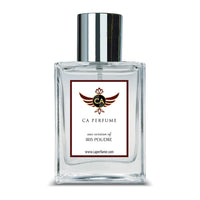
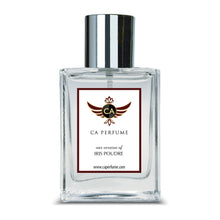
Iris Poudre — Frederic Malle Iris Poudre Alternative Perfume
7.7
MEI™
Primary Romantic
Secondary Confident
Confidence
7.05
Presence
7.8
Mood Lift
8.03
Identity
7.3
Warmth
9.5
Social Ease
7.44
Energy
3.5
" I am beautiful.
View full mood profile →
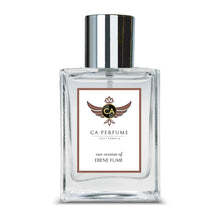
Ebene Fume — Tom Ford Ebene Fume Alternative Perfume
6.1
MEI™
Primary Magnetic
Secondary Confident
Confidence
6.3
Presence
7.12
Mood Lift
5.95
Identity
6.67
Warmth
6.7
Social Ease
5.62
Energy
2.88
" I am bold.
View full mood profile →
HumanSafe™

Top Ebony Tree Fragrances by HumanSafe™ Score

These Ebony Tree-based fragrances have the highest product-level HumanSafe™ scores in this ingredient collection.

Highest HumanSafe™ Score
Ebene Fume — Tom Ford Ebene Fume Alternative Perfume
A-
HumanSafe™ Score Generally Safe
Safest Evaluated Ingredients EDP
AQUA Solvent / Carrier ISS 10.0
1,4-DIOXACYCLOHEPTADECANE-5,17-DIONE Evaluated ingredient ISS 10.0
1H-3A,7-METHANOAZULEN-6-OL, OCTAHYDRO-3,6,8,8- Evaluated ingredient ISS 9.0
3-BUTEN-2-ONE, 3-METHYL-4-(2,6,6-TRIMETHYL-2- Evaluated ingredient ISS 8.0
REACTION MASS OF: (E)-OXACYCLOHEXADEC-12-EN-2-ONE, (E)- Evaluated ingredient ISS 7.0
LINALYL ACETATE Evaluated ingredient ISS 7.0
View full safety profile →
Iris Poudre — Frederic Malle Iris Poudre Alternative Perfume
—
HumanSafe™ Score Generally Safe
Safest Evaluated Ingredients EDP
BENZYL ACETATE Fragrance ingredient ISS 9.5
alpha-IONONE Fragrance ingredient ISS 8.5
UNDECENYL ACETATE Fragrance ingredient ISS 7.0
IONONE Fragrance ingredient ISS 7.0
CITRONELLOL Fragrance ingredient ISS 7.0
View full safety profile →
Expert Voices

What Masters Say About Ebony Tree

“
Ebony is a fantasy note in perfumery, reconstructed from synthetic molecules and natural wood extracts to evoke the dense, dark, concentrated wood's essence.
Premiere Peau
“
Ebony's scent profile combines rich, woody characteristics with subtle hints of sweetness and warmth, offering a grounding quality in fragrances.
CA Perfume Editorial
Common Questions

Frequently Asked Questions

Frequently asked questions about Ebony Tree in perfumery.

Ebony Tree in perfume smells rich, woody, and subtly sweet with smoky and resinous undertones. It evokes the scent of dense, polished black hardwood with dry balsamic depth. Since natural ebony oil is unavailable, perfumers use synthetic accords combining smoky woods, musks, and resinous notes to recreate its complex aroma. Notable examples include Tom Ford's Ébène Fumé and Zara's Ebony Wood.

Ebony Tree is primarily used as a base note in perfumery due to its dense, low-volatility molecules. It provides longevity and a rich woody foundation, typically used at concentrations below 2%. Its smoky, resinous character anchors compositions and enhances the lasting warmth of fragrances.

Ebony Tree is favored in niche perfumery for its luxurious, sophisticated woody profile that adds depth and mystery. Its reconstructed accord allows perfumers to evoke the tactile and visual qualities of rare ebony wood, creating unique, elegant compositions that stand out in the market.

Ebony Tree pairs well with spicy notes like clove and pink pepper, resinous elements such as amber and labdanum, and woody notes including sandalwood, guaiac wood, and vetiver. Floral notes like iris and subtle gourmand touches like coffee also complement ebony, enhancing its complexity and warmth.

Ebony Tree perfumes can be worn in summer but are best applied lightly due to increased volatility in heat, which can soften their depth. Layering ebony with fresh citrus or green notes can enhance freshness and balance its rich woody character for warm weather.

Ebony Tree-based fragrances typically last 5 to 6 hours on skin, benefiting from the note's dense, resinous molecules and supporting musks that extend longevity and provide a warm, velvety dry down.

Yes, layering ebony tree accords with complementary scents like vanilla, oud, leather, or citrus can create personalized, complex fragrances. Molecular compatibility ensures smooth blending, enhancing depth and freshness without clashing.

For beginners, Zara Ebony Wood (2019) offers an accessible introduction with its woody spicy profile anchored by ebony accords. Tom Ford's Ébène Fumé (2021) is a more luxurious option showcasing ebony's smoky depth in a refined composition.

Consider the fragrance's concentration, complementary notes, and occasion. CA Perfume offers detailed descriptions and layering advice to help select ebony-based scents that match your preferences and skin chemistry.

Ebony Tree's scent profile includes subtle sweetness balanced with dry, smoky, and resinous woody notes. It can be paired with spicy elements like clove or pink pepper to enhance warmth and complexity, but the note itself is primarily woody and slightly sweet rather than overtly spicy.

Woody Spicy Collection

Explore Our Top Ebony Tree Fragrances

Discover a curated selection of fragrances featuring the rich, woody essence of ebony tree, from niche exclusives to accessible classics.

Shop all ebony tree fragrances at CA Perfume →

Where Ebony Tree Comes From — Origin & Extraction

Ebony Tree originates from species of the genus Diospyros, primarily Diospyros ebenum (Ceylon ebony) and Diospyros crassiflora (African ebony). The wood is harvested mainly in tropical regions including Sri Lanka, India, Ghana, Tanzania, and Indonesia. These trees produce heartwood so dense it sinks in water, with a jet-black color and fine grain prized for luxury timber. No commercial essential oil is extracted from ebony wood due to the absence of viable aromatic oil yields. Instead, the ebony fragrance note in perfumery is a reconstructed accord composed of synthetic molecules and natural wood extracts designed to evoke the dense, dark, and polished character of ebony wood. Extraction methods for components used in these accords include solvent extraction and supercritical CO2 extraction of related woods and resins. Natural ebony absolute costs approximately $3,000–6,000 per kilogram, reflecting the rarity and labor-intensive harvesting of the wood. Synthetic aroma chemicals used to recreate ebony accords are more cost-effective and sustainable, reducing pressure on endangered ebony species. The note is heavily regulated due to CITES restrictions on ebony timber trade, ensuring sustainable sourcing practices.

Famous Fragrances That Define Ebony Tree in Perfumery

Ebony Tree has become a defining woody note in contemporary perfumery, particularly in niche and luxury compositions. Tom Ford's Ébène Fumé (2021), crafted by perfumer Yann Vasnier, showcases ebony as a dominant smoky woody base, paired with leather, oud, and incense to create a mysterious and refined scent. Zara's Ebony Wood (2019) uses ebony as a supporting note anchoring spicy accords of clove, coffee, and nutmeg, offering an accessible woody spicy fragrance. Narciso Rodriguez for Him Bleu Noir Eau de Parfum (2018) incorporates ebony as an accent note, blending it with musk and amber for a modern masculine scent. Frederic Malle's Iris Poudre (2000) features ebony as a subtle woody element supporting iris and violet, adding depth and powdery elegance. Billie Eilish's Eilish No 2 (2022) uses ebony to enrich the base with dark wood nuances, complementing floral and gourmand notes. These fragrances illustrate ebony's versatility as a base and accent note, contributing richness, warmth, and sophistication. CA Perfume's collection reflects this lineage by emphasizing ebony's role in woody spicy accords without overshadowing complementary notes.

Natural vs Synthetic Ebony Tree in Perfumery

Ebony Tree is unique in perfumery as it lacks a commercially extractable essential oil; thus, the scent is entirely a reconstructed accord. Natural ebony wood is valued for its dense, black timber but does not yield aromatic oils in usable quantities. Synthetic molecules and natural extracts from other woods are blended to simulate ebony's characteristic smoky, woody, and slightly sweet aroma. Key synthetic aroma chemicals used in ebony accords include guaiac wood derivatives, vetiver lactones, and clean sandalwood-type molecules, combined with dark musks and resinous notes to suggest the wood's density and blackness. These synthetics offer greater consistency, longevity, and diffusion compared to natural extracts, which are unavailable. Cost-wise, synthetic ebony accords are significantly more affordable and sustainable, avoiding the ecological impact of harvesting endangered ebony trees. Famous fragrances like Tom Ford's Ébène Fumé utilize synthetic accords, while natural ebony absolute remains rare and costly. CA Perfume prioritizes transparency and sustainability by sourcing synthetic ebony accords verified through the HumanSafe™ platform.