Ingredient Guide · Floral
Floral Family · Perfumery Note

Damask Rose

The queen of flowers, prized for its layered, honeyed aroma.

Damask Rose is a heart note in perfumery, celebrated for its rich, multifaceted floral character. Its scent is defined by phenylethyl alcohol, citronellol, and geraniol, with typical usage at 0.2–1% of a composition.

Damask Rose
Ingredient Profile

Damask Rose

Floral Family
Family Floral
Note Position Heart Note
Usage Level 0.02–0.04%
Key Origins Bulgaria, Turkey, Iran
Iconic In Chanel No. 5 Eau de Parfum, Paris
The Ingredient

What does Damask Rose smell like and why is it so revered in perfumery?

Damask Rose (Rosa damascena) is renowned in perfumery for its complex, layered scent profile, which is both immediately recognizable and remarkably nuanced. The primary olfactory impression is a rich, honeyed floral with subtle spicy, green, and fruity undertones. This complexity is driven by a diverse array of molecules, including phenylethyl alcohol (providing the sweet, rose-like core), citronellol (imparting a fresh, citrusy facet), geraniol (for green and slightly spicy notes), and minor components like nerol, eugenol, and beta-damascenone, which add depth and a faintly wine-like or fruity nuance. Damask Rose’s scent is often described as more robust, spicy, and honeyed compared to the lighter, fruitier May Rose (Rosa centifolia). In perfumery, Damask Rose is classified as a heart note due to its moderate volatility and ability to anchor the floral character of a composition. Typical concentrations in fine fragrance range from 0.2% to 1% for rose absolute, with lower levels for rose otto (essential oil). Its molecular complexity—over 300 volatile compounds—means that Damask Rose interacts dynamically with skin chemistry, sometimes amplifying its honeyed or spicy facets depending on the wearer’s pH and skin moisture. The note’s longevity and projection are enhanced by its richness in phenylethyl alcohol and citronellol, which are both substantive and diffusive. Damask Rose in perfumery is exemplified by iconic fragrances such as Yves Saint Laurent Paris (1983, perfumer Sophia Grojsman), where it forms the heart alongside violet and orange blossom, and Amouage Lyric Woman (2008, Daniel Maurel), which pairs Damask Rose with ylang-ylang, sandalwood, and spices for a dramatic, opulent effect. These examples demonstrate the versatility and enduring appeal of Damask Rose as a central floral note.

0.02–0.04%
Typical yield of rose otto from fresh petals via steam distillation—requiring 3,000–5,000 kg of petals for 1 kg of oil. This low yield drives the high cost and exclusivity of natural Damask Rose extracts.
8–12 Hours
Average longevity of Damask Rose in Parfum or EDP concentrations. Its high content of phenylethyl alcohol and citronellol ensures a persistent, evolving scent profile on skin.
$4,000–12,000/kg
Market price range for Damask Rose absolute and otto (2026). Synthetic rose aroma chemicals cost $20–100/kg, highlighting the value of natural extracts in fine perfumery.
Origin & Extraction

Where Damask Rose Comes From — Origin & Extraction

Damask Rose’s scent is shaped by geography—soil, altitude, and climate all influence its aromatic profile. The Rose Valley in Bulgaria, Isparta in Turkey, and Fars in Iran each impart subtle differences in oil composition, from honeyed to spicy-green nuances.

Damask Rose (Rosa damascena Mill.) is a hybrid species believed to have originated in the Middle East, with its name referencing Damascus, Syria. It is a cross between Rosa gallica, Rosa moschata, and Rosa fedtschenkoana. Today, the primary cultivation regions are Bulgaria’s Rose Valley (Kazanlak), Turkey’s Isparta region, and Iran’s Fars province, with Bulgaria and Turkey accounting for over 80% of global rose oil production. Annual yields are estimated at 1,500–2,000 metric tons of rose petals per region, with Bulgaria producing approximately 1.5–2 tons of rose oil per year. Extraction methods are highly specialized due to the delicate nature of rose volatiles. Rose otto (essential oil) is obtained via steam distillation of fresh petals, typically harvested at dawn when oil content peaks. The process involves gentle heating (below 100°C) for 2–3 hours, with yields as low as 0.02–0.04% (about 3,000–5,000 kg of petals for 1 kg of oil). Rose absolute is produced by solvent extraction (usually hexane, followed by ethanol), yielding a more complete aromatic profile and a higher yield (0.1–0.2%). Rose absolute is preferred in fine perfumery for its truer-to-flower scent. Natural Damask Rose extracts are among the most expensive perfumery materials, with rose otto priced at $7,000–12,000/kg and rose absolute at $4,000–8,000/kg (2026 market rates). Synthetic rose aroma chemicals (e.g., phenylethyl alcohol, citronellol) cost $20–100/kg, making them essential for mass-market formulations. Sustainability challenges include climate change impacts on yields, labor-intensive harvesting, and the need for traceability. Some producers are adopting organic certification and fair-trade practices to address these concerns.

BG

Bulgaria

The Kazanlak (Rose Valley) region is globally renowned for Damask Rose oil. Rich alluvial soils, cool nights, and morning mists yield oil with high phenylethyl alcohol and citronellol content. Bulgaria produces 1.5–2 tons of rose oil annually, with PGI status protecting its authenticity.

TR

Turkey

Isparta province forms part of the Anatolian 'rose triangle.' Volcanic soils and a continental climate produce oil with pronounced spicy and green facets. Turkey supplies over 40% of global rose oil, with harvests focused in May–June.

IR

Iran

Fars and Kashan regions are traditional centers for Damask Rose. Iranian oil is noted for its deep, honeyed aroma and high geraniol content. Annual production is smaller but highly prized for traditional attars and rosewater.

FR

France

Grasse cultivates Damask Rose on a smaller scale. The Mediterranean climate and limestone soils yield oil with a delicate, slightly fruity nuance, used in niche perfumery.

Chemistry

Natural vs Synthetic Damask Rose in Perfumery

Natural Damask Rose extracts (rose otto and absolute) contain over 300 volatile compounds, with phenylethyl alcohol (CAS 60-12-8), citronellol (CAS 106-22-9), and geraniol (CAS 106-24-1) as primary odorants. Synthetic rose notes are constructed from these and additional molecules: rose oxide (CAS 16409-43-1) for metallic-green facets, beta-damascenone (CAS 23726-93-4) for fruity-winey nuances, and beta-ionone (CAS 14901-07-6) for violet-like undertones. Naturals offer unmatched complexity and a unique evolution on skin, but are costly and variable in quality due to climate and harvest conditions. Synthetics provide consistency, stability, and enhanced longevity—essential for modern perfumery. For example, Chanel No. 5 (1921) uses both natural Damask Rose and synthetic aldehydes for its signature effect, while Diptyque Eau Rose (2012) relies on a blend of natural and synthetic rose materials for clarity and projection. Cost differences are significant: natural rose absolute can be 100 times more expensive than synthetic blends. Synthetics also reduce allergen load (by controlling concentrations of known sensitizers) and improve supply chain sustainability by reducing dependence on large-scale monoculture. The HumanSafe™ platform at CA Perfume ensures full traceability and IFRA compliance for both natural and synthetic rose materials, prioritizing transparency and consumer safety.

Natural
Damask Rose Absolute
Cost $3,000–6,000/kg
Method Solvent / CO₂
Character Complex, variable
vs
Synthetic
Safranal & Analogues
Cost $50–200/kg
Method Lab synthesis
Character Consistent, stable
Hall of Fame

Famous Fragrances That Define Damask Rose in Perfumery

1921
bridge note

Chanel No. 5 Eau de Parfum

Chanel
by Ernest Beaux
May RoseAldehydesJasmineSandalwood
1983
dominant note

Paris

Yves Saint Laurent
by Sophia Grojsman
VioletOrange BlossomBergamotIris
2008
dominant note

Lyric Woman

Amouage
by Daniel Maurel
Ylang-YlangJasmineSandalwoodOakmossMuskVanillaTonka Bean
2012
accent

Eau Rose

Diptyque
BlackcurrantLycheeWhite Musk
2020
dominant note

Rose Prick

Tom Ford
by Antoine Maisondieu
Bulgarian RoseTurkish RoseSichuan PepperPatchouli

Damask Rose has anchored some of perfumery’s most influential compositions. In Chanel No. 5 Eau de Parfum (1921, Ernest Beaux), Damask Rose is blended with May Rose and aldehydes to create a multifaceted floral heart. Yves Saint Laurent Paris (1983, Sophia Grojsman) places Damask Rose at the center, paired with violet and orange blossom for a powdery, romantic signature. Amouage Lyric Woman (2008, Daniel Maurel) showcases Damask Rose’s opulence, weaving it with ylang-ylang, jasmine, sandalwood, and spices for a dramatic, oriental effect. Diptyque Eau Rose (2012) offers a modern, luminous take, fusing Damask Rose with blackcurrant and lychee for freshness. Tom Ford Rose Prick (2020, Antoine Maisondieu) uses Damask Rose alongside Bulgarian and Turkish roses, layered with Sichuan pepper and patchouli for a bold, spicy interpretation. These fragrances illustrate Damask Rose’s versatility: as a dominant note (YSL Paris), a bridge between florals and woods (Amouage Lyric Woman), or an accent for freshness and vibrancy (Diptyque Eau Rose). CA Perfume’s rose-forward collection draws inspiration from this lineage, offering both classical and contemporary interpretations of Damask Rose.

The Accord

How is a captivating Damask Rose accord crafted?

A Damask Rose accord balances floral, green, and honeyed facets for realism and complexity. Typical proportions: Damask Rose Absolute 35–40%, Geranium 20–25%, Patchouli 15–20%, and Blackcurrant Bud 20–25%. Geranium reinforces rosy freshness via geraniol; patchouli anchors the accord with earthy depth; blackcurrant bud adds a fruity-green lift, mimicking the natural complexity of rose petals.

40%

Damask Rose Absolute

35–40% of blend

Provides the core floral, honeyed, and slightly spicy character via phenylethyl alcohol, citronellol, and geraniol.

25%

Geranium

20–25% of blend

Rich in geraniol, it amplifies the fresh, green-rosy facets and enhances the natural vibrancy of Damask Rose.

20%

Patchouli

15–20% of blend

Adds earthy, woody depth through patchoulol and sesquiterpenes, supporting the rose’s longevity and complexity.

25%

Blackcurrant Bud (Cassis)

20–25% of blend

Contains dimethyl sulfides and green aldehydes, introducing a fruity-green lift that mimics the natural freshness of rose petals.

The Olfactory Layers

How Damask Rose Evolves on Skin

Damask Rose’s olfactory evolution unfolds over hours. Top notes reveal fresh, green, and citrusy facets (high-volatility molecules), while the heart reveals the full floral-honeyed signature. The base lingers with subtle woody and spicy undertones, anchored by substantive alcohols and terpenoids.

I
Top notes
0–15 min
Dewy Green Freshness

Initial impression is fresh, dewy, and slightly green, driven by high-volatility aldehydes and monoterpenes (e.g., citronellol, nerol). Subtle citrus and leafy nuances emerge, mimicking the scent of rose petals at dawn.

FreshGreenDewy
II
Heart notes
20–60 min
Honeyed Floral Opulence

The core floral character develops as phenylethyl alcohol and geraniol dominate, creating a rich, honeyed, and spicy bouquet. Minor components like eugenol and beta-damascenone add depth and a faintly fruity, wine-like nuance.

FloralHoneyedSpicy
III
Base notes
Several hours
Warm Woody Softness

As volatility decreases, the scent becomes warmer and slightly woody, with lingering sweetness from phenylethyl alcohol and subtle earthy undertones from trace sesquiterpenes. The rose’s complexity persists, with a soft, powdery drydown.

WarmWoodyPowdery
TOP NOTES Dewy Green Freshness 0–15 minutes HEART NOTES Honeyed Floral Opulence 20–60 minutes BASE NOTES Warm Woody Softness Several hours
Through the Ages

The Story of Damask Rose in Perfumery

Damask Rose’s journey in perfumery spans millennia, from ancient rituals to modern masterpieces. Its cultivation, extraction, and use have evolved alongside advances in chemistry and artistry.

Antiquity

Origins in Persia and Syria

Damask Rose is believed to have originated in the Middle East, with early cultivation in Persia and Syria. Ancient Egyptians, Greeks, and Romans used rose petals and oils in rituals, medicine, and perfumery.

10th Century

Avicenna’s Steam Distillation

Persian polymath Avicenna perfects steam distillation of rose petals, enabling production of rosewater and essential oil—techniques still used today.

17th Century

Spread to Europe

Damask Rose is introduced to Bulgaria and Turkey, where specialized cultivation and extraction methods develop. The Rose Valley in Bulgaria becomes a global center for rose oil.

1921

Chanel No. 5 Launch

Ernest Beaux uses Damask Rose in Chanel No. 5, blending it with aldehydes and May Rose to create a new standard for floral perfumery.

2008–Present

Modern Niche Renaissance

Damask Rose anchors contemporary niche fragrances such as Amouage Lyric Woman (2008) and Tom Ford Rose Prick (2020), showcasing its versatility in both classical and avant-garde compositions.

The Art of Layering

How to Layer Damask Rose

Understanding how to layer Damask Rose is key to creating a multidimensional scent. Molecular compatibility—shared compounds and olfactory masking—enables seamless blends with woods, resins, and fruits.

01

Enhance Sweetness

Layer Damask Rose with vanilla or tonka bean fragrances. Vanillin and coumarin molecules mask the rose’s sharper facets, amplifying its honeyed, gourmand character. Example: Guerlain Shalimar Millésime Rose (2020) demonstrates this synergy.

02

Add Depth

Pair Damask Rose with oud, patchouli, or sandalwood. Shared sesquiterpenes and phenolic compounds create a bridge, deepening the rose’s woody and spicy aspects. Amouage Lyric Woman exemplifies this layering, with rose and sandalwood in harmony.

03

Brighten with Fruits

Combine Damask Rose with lychee, blackcurrant, or citrus notes. Beta-damascenone and fruity aldehydes in both rose and fruits produce a vibrant, juicy effect. Diptyque Eau Rose blends Damask Rose with lychee and blackcurrant for a fresh, modern twist.

Wear It Right

How to Wear Damask Rose Like a Pro

Seasonal Guide

Fall & Winter

Cooler temperatures slow the evaporation of Damask Rose’s lighter molecules, emphasizing its honeyed, spicy, and woody base. Apply to pulse points under clothing to maximize warmth and diffusion. Richer, denser compositions are ideal for cold weather.

Spring

Spring’s moderate temperatures highlight the fresh, green facets of Damask Rose. The floral heart blooms naturally, echoing the season’s renewal. Apply to exposed skin for optimal sillage, and consider layering with green or citrus notes.

Summer

Heat increases volatility, intensifying the rose’s projection but shortening longevity. The scent skews fresher and greener. Apply sparingly to avoid overwhelming sillage; consider layering with light citrus or aquatic notes for daytime wear.

Year-Round Tip

Humidity enhances the diffusion of Damask Rose, making it ideal for both dry and moist climates. Adjust application—lighter in summer, richer in winter—to maintain balance. Layer with complementary notes to tailor the scent to the season.

Application Points

Strategic application enhances Damask Rose’s evolution and longevity. Placement influences how the note unfolds on skin.

1

Neck

Pulse points on the neck radiate heat, accelerating the release of Damask Rose’s top notes. This area enhances projection and allows the floral heart to bloom close to the wearer.

2

Behind the Ears

Application here benefits from subtle warmth and less exposure to air, slowing evaporation and extending the honeyed, spicy facets of Damask Rose.

3

Inner Wrists

The thin skin and blood flow at the wrists amplify the initial freshness and green notes, providing a dynamic scent experience with every movement.

4

Hair

Spraying Damask Rose on hair or a hairbrush offers a gentle, lingering sillage. Hair retains scent molecules, allowing the floral and powdery notes to diffuse gradually.

Pro Tip

Layer Damask Rose with a neutral body lotion or unscented oil to lock in moisture and slow evaporation, enhancing both projection and longevity.

Mood Architecture™

Top Damask Rose Fragrances by Mood Score

These Damask Rose-based fragrances scored highest on the MEI™ Mood Architecture Framework — measuring how a scent may influence your emotional state.

Highest MEI Score
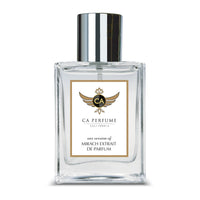
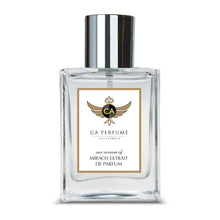
Mirach Extrait De Parfum— Mirach Extrait De Parfum Alternative Perfume
8.28
MEI™
Primary Romantic
Secondary Confident
Confidence
8.18
Presence
8.65
Mood Lift
8.33
Identity
8.85
Warmth
9.5
Social Ease
7.87
Energy
3.5
" I am beautiful.
View full mood profile →
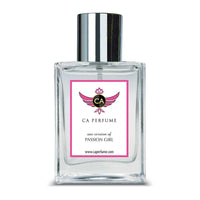
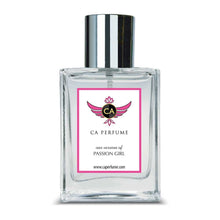
Passion Girl — Poison Girl Alternative Perfume
8.16
MEI™
Primary Romantic
Secondary Grounding
Confidence
6.96
Presence
6.74
Mood Lift
9.34
Identity
7.14
Warmth
9.5
Social Ease
8.93
Energy
5.3
" I am beautiful.
View full mood profile →
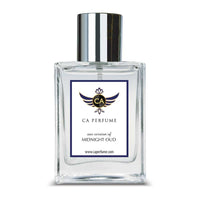
Midnight Oud — Juliette Has A Gun Midnight Oud Alternative Perfume
7.64
MEI™
Primary Confident
Secondary Magnetic
Confidence
9.03
Presence
8.87
Mood Lift
6.74
Identity
8.59
Warmth
8.37
Social Ease
5.71
Energy
4.6
" I am confident.
View full mood profile →
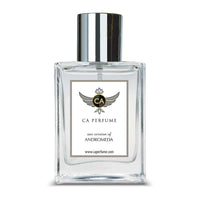
Andromeda — Tiziana Terenzi Andromeda Alternative Perfume
6.84
MEI™
Primary Romantic
Secondary Confident
Confidence
5.99
Presence
6.19
Mood Lift
7.52
Identity
6.24
Warmth
8.0
Social Ease
7.44
Energy
3.5
" I am beautiful.
View full mood profile →
HumanSafe™

Top Damask Rose Fragrances by HumanSafe™ Score

These Damask Rose-based fragrances have the highest product-level HumanSafe™ scores in this ingredient collection.

Highest HumanSafe™ Score
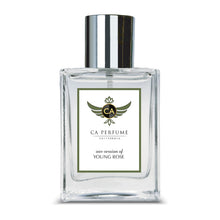
Young Rose — Byredo Young Rose Alternative Perfume
A-
HumanSafe™ Score Generally Safe
Safest Evaluated Ingredients EDP
AQUA Solvent / Carrier ISS 10.0
1,4-DIOXACYCLOHEPTADECANE-5,17-DIONE Evaluated ingredient ISS 10.0
CITRAL Evaluated ingredient ISS 8.0
CITRONELLOL Evaluated ingredient ISS 7.0
ALCOHOL DENAT. Solvent / Carrier ISS 7.0
View full safety profile →
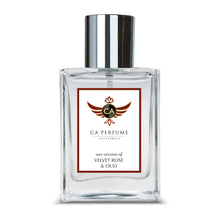
Velvet Rose & Oud — Jo Malone Alternative Cologne
A-
HumanSafe™ Score Generally Safe
Safest Evaluated Ingredients EDP
AQUA Solvent / Carrier ISS 10.0
BENZYL SALICYLATE Evaluated ingredient ISS 9.0
3-BUTEN-2-ONE, 3-METHYL-4-(2,6,6-TRIMETHYL-2- Evaluated ingredient ISS 8.0
LINALYL ACETATE Evaluated ingredient ISS 7.0
LINALOOL Evaluated ingredient ISS 7.0
View full safety profile →
Passion Girl — Poison Girl Alternative Perfume
A-
HumanSafe™ Score Generally Safe
Safest Evaluated Ingredients EDP
AQUA Solvent / Carrier ISS 10.0
4H-INDEN-4-ONE, 1,2,3,5,6,7-HEXAHYDRO-1,1,2,3,3- Evaluated ingredient ISS 9.0
3-CYCLOPENTENE-1-ACETALDEHYDE, 2,2,3-TRIMETHYL-, Evaluated ingredient ISS 9.0
LINALYL ACETATE Evaluated ingredient ISS 7.0
LINALOOL Evaluated ingredient ISS 7.0
ALCOHOL DENAT. Solvent / Carrier ISS 7.0
View full safety profile →
Mirach Extrait De Parfum— Mirach Extrait De Parfum Alternative Perfume
A-
HumanSafe™ Score Generally Safe
Safest Evaluated Ingredients EDP
AQUA Solvent / Carrier ISS 10.0
1,4-DIOXACYCLOHEPTADECANE-5,17-DIONE Evaluated ingredient ISS 10.0
BENZYL SALICYLATE Evaluated ingredient ISS 9.0
3-CYCLOPENTENE-1-ACETALDEHYDE, 2,2,3-TRIMETHYL-, Evaluated ingredient ISS 9.0
TRICYCLO[6.3.1.02,5]DODECAN-1-OL, 4,4,8-TRIMETHYL-, Evaluated ingredient ISS 8.0
View full safety profile →
Expert Voices

What Masters Say About Damask Rose

The Damask Rose is a hybrid of Rosa Gallica and Rosa moschata, used to produce rose absolute, whose scent lasts in time by its depth and richness of honeyed notes.
Robertet Group
Damask Rose’s scent profile is defined by phenylethyl alcohol, citronellol, and geraniol, producing a honeyed, spicy, and green floral signature that evolves beautifully on skin.
CA Perfume Editorial
Common Questions

Frequently Asked Questions

Frequently asked questions about Damask Rose in perfumery.

Damask Rose in perfume is characterized by a rich, honeyed floral scent with spicy, green, and fruity undertones. The primary molecules—phenylethyl alcohol, citronellol, and geraniol—create a layered profile that evolves from fresh and dewy to warm and powdery. This complexity distinguishes Damask Rose from lighter, fruitier rose varieties and makes it a favorite in both classical and modern fragrances.

Damask Rose is typically used as a heart (middle) note in fragrance compositions. Its moderate volatility allows it to anchor the floral core of a perfume, bridging the fresh top notes and the deeper base. In rare cases, it may appear in the top or base, but its full complexity is best expressed in the heart.

Damask Rose is prized in niche perfumery for its molecular complexity—over 300 volatile compounds—and its ability to evolve uniquely on each wearer’s skin. Its honeyed, spicy, and green facets provide both depth and versatility, allowing perfumers to create compositions that are both classical and avant-garde. Its rarity and high cost also signal luxury and craftsmanship.

Damask Rose fragrance uses often include pairing with oud, patchouli, sandalwood, vanilla, lychee, blackcurrant, and citrus. These notes share molecular bridges (e.g., damascenone, geraniol) or provide olfactory contrast, enhancing the rose’s complexity and longevity. Layering with woods and fruits is especially popular in modern niche perfumery.

Damask Rose can be worn year-round, but in hot weather, its fresh, green, and citrusy facets are more pronounced due to increased volatility. Lighter concentrations (EDT, EDP) and layering with citrus or aquatic notes help maintain balance and prevent the scent from becoming overwhelming in heat.

In Parfum or Eau de Parfum concentrations, Damask Rose fragrances typically last 8–12 hours on skin. Longevity is influenced by concentration, skin chemistry, and the presence of fixatives. Oil-based formats may extend wear time further by slowing evaporation.

Yes, Damask Rose is highly versatile for layering. It blends well with vanilla, oud, patchouli, sandalwood, lychee, and citrus notes. Molecular compatibility—shared compounds like damascenone and geraniol—ensures seamless integration and a multidimensional scent experience.

For those new to Damask Rose, recommended fragrances include Diptyque Eau Rose (2012) for a fresh, modern take; Yves Saint Laurent Paris (1983) for a classic floral; and Tom Ford Rose Prick (2020) for a bold, spicy interpretation. These showcase the note’s versatility and accessibility.

Consider your preferred style—fresh, woody, spicy, or gourmand. CA Perfume’s rose-forward collection offers both classical and contemporary interpretations, all HumanSafe™ verified for transparency and safety. Sampling different concentrations and layering options can help you find your ideal match.

Damask Rose’s sweetness is balanced by its green, spicy, and sometimes citrusy facets. In well-composed fragrances, it rarely becomes cloying. Layering with woods or citrus can further temper the sweetness, making it suitable for daily wear in a variety of contexts.

Floral Collection

Explore Our Top Damask Rose Fragrances

Discover CA Perfume’s curated selection of Damask Rose fragrances, spanning classical florals to modern, layered compositions—all HumanSafe™ verified for quality and safety.

Shop all damask rose fragrances at CA Perfume →

Where Damask Rose Comes From — Origin & Extraction

Damask Rose (Rosa damascena Mill.) is a hybrid species believed to have originated in the Middle East, with its name referencing Damascus, Syria. It is a cross between Rosa gallica, Rosa moschata, and Rosa fedtschenkoana. Today, the primary cultivation regions are Bulgaria’s Rose Valley (Kazanlak), Turkey’s Isparta region, and Iran’s Fars province, with Bulgaria and Turkey accounting for over 80% of global rose oil production. Annual yields are estimated at 1,500–2,000 metric tons of rose petals per region, with Bulgaria producing approximately 1.5–2 tons of rose oil per year. Extraction methods are highly specialized due to the delicate nature of rose volatiles. Rose otto (essential oil) is obtained via steam distillation of fresh petals, typically harvested at dawn when oil content peaks. The process involves gentle heating (below 100°C) for 2–3 hours, with yields as low as 0.02–0.04% (about 3,000–5,000 kg of petals for 1 kg of oil). Rose absolute is produced by solvent extraction (usually hexane, followed by ethanol), yielding a more complete aromatic profile and a higher yield (0.1–0.2%). Rose absolute is preferred in fine perfumery for its truer-to-flower scent. Natural Damask Rose extracts are among the most expensive perfumery materials, with rose otto priced at $7,000–12,000/kg and rose absolute at $4,000–8,000/kg (2026 market rates). Synthetic rose aroma chemicals (e.g., phenylethyl alcohol, citronellol) cost $20–100/kg, making them essential for mass-market formulations. Sustainability challenges include climate change impacts on yields, labor-intensive harvesting, and the need for traceability. Some producers are adopting organic certification and fair-trade practices to address these concerns.

Famous Fragrances That Define Damask Rose in Perfumery

Damask Rose has anchored some of perfumery’s most influential compositions. In Chanel No. 5 Eau de Parfum (1921, Ernest Beaux), Damask Rose is blended with May Rose and aldehydes to create a multifaceted floral heart. Yves Saint Laurent Paris (1983, Sophia Grojsman) places Damask Rose at the center, paired with violet and orange blossom for a powdery, romantic signature. Amouage Lyric Woman (2008, Daniel Maurel) showcases Damask Rose’s opulence, weaving it with ylang-ylang, jasmine, sandalwood, and spices for a dramatic, oriental effect. Diptyque Eau Rose (2012) offers a modern, luminous take, fusing Damask Rose with blackcurrant and lychee for freshness. Tom Ford Rose Prick (2020, Antoine Maisondieu) uses Damask Rose alongside Bulgarian and Turkish roses, layered with Sichuan pepper and patchouli for a bold, spicy interpretation. These fragrances illustrate Damask Rose’s versatility: as a dominant note (YSL Paris), a bridge between florals and woods (Amouage Lyric Woman), or an accent for freshness and vibrancy (Diptyque Eau Rose). CA Perfume’s rose-forward collection draws inspiration from this lineage, offering both classical and contemporary interpretations of Damask Rose.

Natural vs Synthetic Damask Rose in Perfumery

Natural Damask Rose extracts (rose otto and absolute) contain over 300 volatile compounds, with phenylethyl alcohol (CAS 60-12-8), citronellol (CAS 106-22-9), and geraniol (CAS 106-24-1) as primary odorants. Synthetic rose notes are constructed from these and additional molecules: rose oxide (CAS 16409-43-1) for metallic-green facets, beta-damascenone (CAS 23726-93-4) for fruity-winey nuances, and beta-ionone (CAS 14901-07-6) for violet-like undertones. Naturals offer unmatched complexity and a unique evolution on skin, but are costly and variable in quality due to climate and harvest conditions. Synthetics provide consistency, stability, and enhanced longevity—essential for modern perfumery. For example, Chanel No. 5 (1921) uses both natural Damask Rose and synthetic aldehydes for its signature effect, while Diptyque Eau Rose (2012) relies on a blend of natural and synthetic rose materials for clarity and projection. Cost differences are significant: natural rose absolute can be 100 times more expensive than synthetic blends. Synthetics also reduce allergen load (by controlling concentrations of known sensitizers) and improve supply chain sustainability by reducing dependence on large-scale monoculture. The HumanSafe™ platform at CA Perfume ensures full traceability and IFRA compliance for both natural and synthetic rose materials, prioritizing transparency and consumer safety.