
Ingredient Guide · Woody Aromatic
Woody Aromatic Family · Perfumery Note

Cypress Leaf

Invigorating green woods from Mediterranean heritage

Cypress Leaf is a heart note in perfumery, known for its fresh, woody, and slightly citrusy scent. Extracted primarily by steam distillation from Cupressus sempervirens leaves, it is used at concentrations below 5%.

Cypress Leaf
Ingredient Profile

Cypress Leaf

Woody Aromatic Family
Family Woody Aromatic
Note Position Heart Note
Usage Level <5%
Key Origins Italy, France, United States
Iconic In Halfeti, Parco Palladiano II: Cipresso
The Ingredient

What does Cypress Leaf smell like and why is it valued in perfumery?

Cypress Leaf is derived from the aromatic foliage of the cypress tree (Cupressus sempervirens), delivering a fresh, green scent profile characterized by bright woody notes with a subtle citrus nuance. The key molecular contributors include terpenes such as alpha-pinene and limonene, which provide its crisp, resinous, and slightly balsamic facets. This note is classified as a heart note in perfumery and is typically used at concentrations below 5% due to its potent aromatic impact. In perfumery, Cypress Leaf adds an invigorating quality that enhances the overall freshness and complexity of a fragrance composition. Its scent interacts dynamically with skin chemistry, often perceived as calming and uplifting, evoking natural forest landscapes. The note’s moderate volatility allows it to sustain freshness for 4–6 hours, making it a versatile ingredient in many scent structures. Notable fragrances exemplifying Cypress Leaf include Penhaligon's Halfeti (2010, perfumer: Jean-Claude Ellena), where it bridges rich spices and woods, and Bottega Veneta Parco Palladiano II: Cipresso (2016), which highlights its elegant green-woody character. These examples demonstrate Cypress Leaf’s ability to contribute both freshness and depth in modern perfumery.

<5%
Typical usage level in fragrance formulations to achieve a balanced fresh woody character without overpowering other notes.
4–6 Hours
Average longevity of Cypress Leaf on skin, sustained by its moderate volatility and resinous molecular components.
2–3 Sprays
Recommended application amount for noticeable yet refreshing scent impact without overwhelming the wearer or surroundings.
Origin & Extraction

Where Cypress Leaf Comes From — Origin & Extraction

Cypress Leaf’s scent profile is influenced by its geographic origin, with soil composition, climate, and cultivation practices shaping its aromatic nuances. Mediterranean regions provide dry, sunny environments with calcareous soils that enhance the resinous and balsamic qualities of the leaf oil.

Cypress Leaf is sourced primarily from the Mediterranean cypress tree, Cupressus sempervirens L., a conifer native to the Mediterranean basin including southern France, Italy, Spain, Greece, North Africa, and Turkey. The tree thrives in dry, sunny environments with well-drained soils and is drought-resistant, often growing in temperate regions such as the United States as well. The aromatic leaves and twigs are harvested typically in spring when new growth appears. Extraction is performed mainly through steam distillation, a process that carefully captures the volatile terpenic compounds without degrading them. The distillation involves passing steam through the plant material at temperatures around 100°C, yielding a colorless to pale yellow essential oil with a fresh, woody, resinous, and balsamic aroma. Extraction yields vary but are generally low, reflecting the potency of the oil. The natural Cypress Leaf absolute, obtained via solvent extraction or CO2 extraction, costs approximately $3,000 to $6,000 per kilogram due to the labor-intensive harvesting and processing. Synthetic counterparts, primarily based on safranal and analogues, are produced via laboratory synthesis at significantly lower costs ($50–200/kg). Sustainability considerations focus on responsible harvesting and cultivation to preserve wild populations and maintain quality. The Mediterranean regions maintain traditional cultivation practices, ensuring ecological balance and consistent supply.

IT

Italy

Italian Cypress (Cupressus sempervirens) grows in Tuscany and Lazio, where limestone-rich soils and Mediterranean climate yield leaf oils with refined, elegant woody-green aromas. Italy holds a significant market share in Cypress Leaf production, with traditional harvesting methods preserving aromatic integrity.

FR

France

French Cypress, cultivated mainly in Provence, benefits from well-drained, sunny terroirs. The resulting leaf oil is noted for its sophisticated, slightly balsamic character, favored in luxury perfumery. France emphasizes sustainable cultivation and quality standards.

US

United States

In temperate regions of the southern United States, native cypress species contribute fresh, vibrant leaf oils with a natural green-woody scent. Production volumes are smaller but valued for their unique aromatic profiles influenced by local soil and climate.

ES

Spain

Spanish Cypress grows in Mediterranean zones with dry, sunny conditions. The leaf oil is characterized by a robust pine-like freshness with resinous undertones, reflecting the region’s traditional distillation practices and ecological cultivation.

Chemistry

Natural vs Synthetic Cypress Leaf in Perfumery

Natural Cypress Leaf absolute is extracted from Cupressus sempervirens leaves and twigs using solvent or supercritical CO2 extraction methods. It is chemically complex and variable, containing terpenes such as alpha-pinene, limonene, and other monoterpenes responsible for its fresh, woody, and slightly citrusy character. Natural extracts cost between $3,000 and $6,000 per kilogram and provide a nuanced scent profile prized in artisanal and luxury perfumery. Synthetic alternatives replicate the key odorants, primarily safranal (CAS 116-26-7) and related analogues, offering consistent, stable, and cost-effective options priced between $50 and $200 per kilogram. These synthetics provide longevity and diffusion advantages but may lack the full complexity of natural extracts. Famous fragrances such as Penhaligon's Halfeti use natural Cypress Leaf to achieve depth and authenticity, while some modern formulations employ synthetic molecules to enhance stability and performance. From a sustainability perspective, synthetic production reduces pressure on natural resources, while natural sourcing requires careful ecological management. CA Perfume utilizes the HumanSafe™ platform to ensure transparency and safety in ingredient sourcing, balancing natural authenticity with synthetic innovation to deliver high-quality fragrances.

Natural
Cypress Leaf Absolute
Cost $3,000–6,000/kg
Method Solvent / CO₂
Character Complex, variable
vs
Synthetic
Safranal & Analogues
Cost $50–200/kg
Method Lab synthesis
Character Consistent, stable
Hall of Fame

Famous Fragrances That Define Cypress Leaf in Perfumery

2010
bridge note

Halfeti

Penhaligon's
by Jean-Claude Ellena
spiceswoods
2016
dominant note

Parco Palladiano II: Cipresso

Bottega Veneta
Mediterranean herbswoody notes
2001
accent

Python Uomo

Trussardi
leatheraromatic herbs
supporting note

Sublime Rose

Angel Schlesser
roseflorals
accent

Valentine

Aromas de Salazar
leatherincensetonka bean

Cypress Leaf has been a valued ingredient in numerous notable fragrances, often contributing fresh, woody, and green facets that enhance complexity and naturalness. Penhaligon's Halfeti (2010), crafted by Jean-Claude Ellena, uses Cypress Leaf as a bridge note between rich spices and deep woods, creating an exotic and sophisticated scent. Bottega Veneta's Parco Palladiano II: Cipresso (2016) prominently features Cypress Leaf, highlighting its elegant green-woody character in a refined Mediterranean-inspired composition. Trussardi's Python Uomo (2001) incorporates Cypress Leaf as a fresh woody accent, complementing leather and aromatic herbs in a masculine fragrance. Angel Schlesser's Sublime Rose combines Cypress Leaf with floral notes to soften and balance the composition, adding a natural freshness. Aromas de Salazar's Valentine blends Cypress Leaf with leather, incense, and tonka bean, using it as an accent to create a sensual and mysterious aura. These fragrances demonstrate Cypress Leaf’s versatility across masculine and unisex perfumes, from fresh and invigorating to warm and complex. CA Perfume’s collection reflects this lineage by offering fragrances that balance Cypress Leaf’s crispness with complementary notes for a modern aromatic experience.

The Accord

How is a refreshing Cypress Leaf accord crafted?

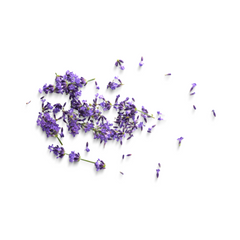
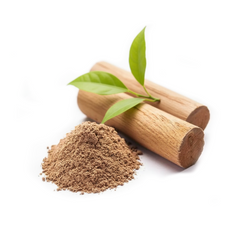
A Cypress Leaf accord is constructed by blending its fresh, green, and woody facets with complementary ingredients that enhance its natural character. Typically, Cypress Leaf constitutes 25-30% of the accord, providing the core aromatic identity. Bergamot (20-25%) adds a bright citrus top note, whose limonene content synergizes with Cypress Leaf’s terpenes to amplify freshness. Lavender (15-20%) contributes aromatic floral nuances, sharing linalool compounds that create olfactory harmony. Sandalwood (20-25%) offers a creamy, warm woody base, whose sesquiterpenes balance Cypress Leaf’s sharper edges, extending longevity and depth.

30%

Cypress Leaf

25–30% of blend

Provides the fresh, green woody core with terpenic compounds like alpha-pinene and limonene that define the accord’s character.

25%

Bergamot

20–25% of blend

Adds bright citrus top notes rich in limonene, enhancing the freshness and uplifting quality of Cypress Leaf.

20%

Lavender

15–20% of blend

Contributes aromatic floral facets with linalool, creating a smooth molecular bridge with Cypress Leaf’s green notes.

25%

Sandalwood

20–25% of blend

Provides a creamy, warm woody base with sesquiterpenes that balance and extend the accord’s longevity and depth.

The Olfactory Layers

How Cypress Leaf Evolves on Skin

Cypress Leaf evolves through the fragrance pyramid with an initial fresh green woody impression that lasts through the heart phase, supported by its moderate volatility and terpenic molecular composition. Its balsamic undertones emerge in the dry-down, providing a subtle resinous depth that anchors the scent for hours.

I
Top notes
0–15 min
Bright Green Freshness

The initial impression features bright, slightly citrusy green notes dominated by volatile monoterpenes such as alpha-pinene and limonene. These molecules evaporate quickly, delivering a crisp and invigorating opening that sets a fresh tone.

FreshCrispGreen
II
Heart notes
20–60 min
Woody Resinous Core

Cypress Leaf’s core woody and resinous facets become prominent as the top notes fade. Sesquiterpenes and balsamic compounds provide a sustained green woody character with subtle depth, maintaining freshness while adding complexity.

WoodyResinousBalanced
III
Base notes
Several hours
Balsamic Warmth

In the dry-down, the balsamic and slightly smoky undertones emerge, supported by labdanum-like ambergris nuances. These heavier molecules contribute to the tenacity and warmth of the fragrance base, extending longevity.

BalsamicSmokyTenacious
TOP NOTES Bright Green Freshness 0–15 minutes HEART NOTES Woody Resinous Core 20–60 minutes BASE NOTES Balsamic Warmth Several hours
Through the Ages

The Story of Cypress Leaf in Perfumery

Cypress Leaf has a rich history in perfumery, from ancient symbolic uses to modern aromatic applications, reflecting its enduring cultural and olfactory significance.

Antiquity

Cypress Symbolism in Ancient Civilizations

In ancient Egypt, Greece, and Rome, cypress trees symbolized eternal life and were planted in cemeteries. The wood was used for coffins and sacred objects, linking the scent to themes of protection and immortality.

Middle Ages

Cypress in European Traditions

During the Middle Ages, cypress trees were associated with death and protection against evil spirits. The aromatic wood and foliage were used in rituals and early medicinal applications.

19th Century

Introduction to Modern Perfumery

Cypress essential oil began to be extracted systematically via steam distillation, entering the palette of perfumers who valued its fresh, woody aroma for fougère and chypre compositions.

20th Century

Expansion in Fragrance Families

Cypress Leaf became a staple in woody aromatic and green fragrance families, used by perfumers such as Jean-Claude Ellena and others to add natural freshness and structure.

2010s–Present

Contemporary Use and Synthetic Developments

Modern perfumery integrates both natural Cypress Leaf extracts and synthetic analogues like safranal to balance complexity, cost, and sustainability. Cypress features in niche and designer fragrances worldwide.

The Art of Layering

How to Layer Cypress Leaf

Understanding how to layer Cypress Leaf involves recognizing molecular compatibilities and olfactory masking effects to create harmonious blends.

01

Enhance Sweetness

Pairing Cypress Leaf with vanilla or tonka bean softens its sharp green facets via olfactory masking, where vanillin’s sweet threshold modulates the note’s crispness, producing a warm, balanced accord. This technique is evident in Aromas de Salazar’s Valentine.

02

Add Depth

Combining Cypress Leaf with sandalwood or vetiver introduces sesquiterpenes that complement its woody backbone, enhancing longevity and adding creamy, earthy layers. This synergy creates a rich, natural depth found in Bottega Veneta’s Parco Palladiano II: Cipresso.

03

Lighten the Glow

Blending Cypress Leaf with citrus notes like bergamot or grapefruit leverages shared limonene compounds, amplifying freshness and brightness. This molecular overlap creates a seamless transition from green to citrus, as showcased in many fresh aromatic compositions.

Wear It Right

How to Wear Cypress Leaf Like a Pro

Seasonal Guide

Fall & Winter

Cooler temperatures slow molecular diffusion, allowing Cypress Leaf’s balsamic and woody undertones to emerge fully. Apply moderately to avoid heaviness, pairing with warm spices for cozy depth.

Spring

Mild weather enhances the note’s crisp green facets, making it ideal for fresh, uplifting compositions. Layer with florals or light citrus for balanced vibrancy.

Summer

Heat increases volatility, emphasizing bright, citrusy top notes. Use lighter applications to maintain freshness without overwhelming, perfect for daytime wear.

Year-Round Tip

Adjust application based on climate and occasion, layering Cypress Leaf with complementary notes to tailor its presence and longevity.

Application Points

Strategic application enhances Cypress Leaf’s fresh woody character and longevity.

1

Neck

Pulse points like the neck provide warmth that activates Cypress Leaf’s volatile terpenes, enhancing initial freshness and projection.

2

Behind the Ears

This area offers subtle heat and movement, allowing the note to diffuse gently and linger close to the skin.

3

Inner Wrists

Ideal for quick scent activation; the warmth here helps release the note’s crisp green facets effectively.

4

Hair

Hair fibers hold fragrance oils well, enabling a sustained release of Cypress Leaf’s balsamic undertones with movement.

Pro Tip

Layer Cypress Leaf with complementary citrus or woody notes on clothing or scarves to extend scent longevity and complexity.

Mood Architecture™

Top Cypress Leaf Fragrances by Mood Score

These Cypress Leaf-based fragrances scored highest on the MEI™ Mood Architecture Framework — measuring how a scent may influence your emotional state.

Highest MEI Score
Halfetical — Halfeti Alternative Perfume
7.47
MEI™
Primary Romantic
Secondary Confident
Confidence
7.28
Presence
7.0
Mood Lift
8.25
Identity
6.88
Warmth
8.25
Social Ease
7.18
Energy
3.8
" I am beautiful.
View full mood profile →
HumanSafe™

Top Cypress Leaf Fragrances by HumanSafe™ Score

These Cypress Leaf-based fragrances have the highest product-level HumanSafe™ scores in this ingredient collection.

Highest HumanSafe™ Score
Halfetical — Halfeti Alternative Perfume
A-
HumanSafe™ Score Generally Safe
Safest Evaluated Ingredients EDP
AQUA Solvent / Carrier ISS 10.0
1,4-DIOXACYCLOHEPTADECANE-5,17-DIONE Evaluated ingredient ISS 10.0
LINALYL ACETATE Evaluated ingredient ISS 7.0
LINALOOL Evaluated ingredient ISS 7.0
CYCLOHEXANEPROPANOL, 2,2,6-TRIMETHYL-.ALPHA.-PROPYL- Evaluated ingredient ISS 7.0
CEDROL Evaluated ingredient ISS 7.0
View full safety profile →
Expert Voices

What Masters Say About Cypress Leaf

Cypress Leaf essential oil can act as a fixative for citrus notes and balance light florals by adding some body. It also has a unique dryout of delicate and tenacious sweetness, often compared to that of amber (labdanum-ambre).
Alec Lawless, Artisan Perfumery or Being Led by the Nose, 2009
Cypress delivers a fresh, woody aromatherapy that invigorates the senses and reminds one of tranquil forest landscapes. Its crisp, evergreen profile provides refreshing lightness that enhances any scent composition.
CA Perfume Editorial
Common Questions

Frequently Asked Questions

Answers to common questions about Cypress Leaf in perfumery.

Cypress Leaf in perfume smells fresh, woody, and slightly citrusy, with a crisp green character derived from terpenes like alpha-pinene and limonene. It evokes natural forest landscapes and provides a calming, invigorating effect. Notable fragrances featuring Cypress Leaf include Penhaligon's Halfeti and Bottega Veneta Parco Palladiano II: Cipresso.

Cypress Leaf is primarily used as a heart note in fragrance compositions. Its moderate volatility allows it to sustain freshness beyond the initial top notes, contributing woody and balsamic facets that bridge the fragrance’s opening and base.

Cypress Leaf’s complex fresh woody profile adds naturalness, structure, and sophistication to niche perfumes. Its ability to blend seamlessly with citrus, floral, and woody notes makes it a versatile ingredient for creating unique, refined aromatic compositions.

Cypress Leaf pairs well with citrus notes like bergamot and grapefruit, florals such as lavender and rose, and warm woods including sandalwood and vetiver. These combinations balance its fresh green facets with complementary brightness, softness, or depth.

Yes, Cypress Leaf’s bright and fresh qualities make it ideal for summer and hot weather. Its invigorating green woody scent feels cooling and uplifting, especially when blended with light florals or citrus notes for enhanced freshness.

Cypress Leaf fragrances typically last 4–6 hours on skin. Its moderate volatility and resinous undertones provide a balanced longevity, with the fresh green notes prominent initially and woody balsamic facets persisting in the dry-down.

Absolutely. Cypress Leaf’s versatile fresh woody aroma blends well with citrus, floral, and woody notes. Layering can enhance sweetness, add depth, or lighten the overall scent, depending on the complementary ingredients chosen.

For beginners, lighter, fresh fragrances that highlight Cypress Leaf’s rejuvenating qualities are recommended. Compositions combining Cypress Leaf with citrus or floral notes offer approachable, well-balanced scent experiences.

Consider your preference for freshness versus woody depth. CA Perfume offers a curated selection balancing Cypress Leaf’s crisp green facets with complementary notes. Sampling different formulations helps find the perfect match for your style.

Cypress Leaf primarily smells fresh and woody with a subtle balsamic sweetness reminiscent of amber but is not spicy. Its clean green facets provide brightness rather than heat or spice.

Woody Aromatic Collection

Explore Our Top Cypress Leaf Fragrances

Discover curated selections featuring Cypress Leaf’s fresh woody elegance across diverse scent profiles.

Shop all cypress-leaf fragrances at CA Perfume →

Where Cypress Leaf Comes From — Origin & Extraction

Cypress Leaf is sourced primarily from the Mediterranean cypress tree, Cupressus sempervirens L., a conifer native to the Mediterranean basin including southern France, Italy, Spain, Greece, North Africa, and Turkey. The tree thrives in dry, sunny environments with well-drained soils and is drought-resistant, often growing in temperate regions such as the United States as well. The aromatic leaves and twigs are harvested typically in spring when new growth appears. Extraction is performed mainly through steam distillation, a process that carefully captures the volatile terpenic compounds without degrading them. The distillation involves passing steam through the plant material at temperatures around 100°C, yielding a colorless to pale yellow essential oil with a fresh, woody, resinous, and balsamic aroma. Extraction yields vary but are generally low, reflecting the potency of the oil. The natural Cypress Leaf absolute, obtained via solvent extraction or CO2 extraction, costs approximately $3,000 to $6,000 per kilogram due to the labor-intensive harvesting and processing. Synthetic counterparts, primarily based on safranal and analogues, are produced via laboratory synthesis at significantly lower costs ($50–200/kg). Sustainability considerations focus on responsible harvesting and cultivation to preserve wild populations and maintain quality. The Mediterranean regions maintain traditional cultivation practices, ensuring ecological balance and consistent supply.

Famous Fragrances That Define Cypress Leaf in Perfumery

Cypress Leaf has been a valued ingredient in numerous notable fragrances, often contributing fresh, woody, and green facets that enhance complexity and naturalness. Penhaligon's Halfeti (2010), crafted by Jean-Claude Ellena, uses Cypress Leaf as a bridge note between rich spices and deep woods, creating an exotic and sophisticated scent. Bottega Veneta's Parco Palladiano II: Cipresso (2016) prominently features Cypress Leaf, highlighting its elegant green-woody character in a refined Mediterranean-inspired composition. Trussardi's Python Uomo (2001) incorporates Cypress Leaf as a fresh woody accent, complementing leather and aromatic herbs in a masculine fragrance. Angel Schlesser's Sublime Rose combines Cypress Leaf with floral notes to soften and balance the composition, adding a natural freshness. Aromas de Salazar's Valentine blends Cypress Leaf with leather, incense, and tonka bean, using it as an accent to create a sensual and mysterious aura. These fragrances demonstrate Cypress Leaf’s versatility across masculine and unisex perfumes, from fresh and invigorating to warm and complex. CA Perfume’s collection reflects this lineage by offering fragrances that balance Cypress Leaf’s crispness with complementary notes for a modern aromatic experience.

Natural vs Synthetic Cypress Leaf in Perfumery

Natural Cypress Leaf absolute is extracted from Cupressus sempervirens leaves and twigs using solvent or supercritical CO2 extraction methods. It is chemically complex and variable, containing terpenes such as alpha-pinene, limonene, and other monoterpenes responsible for its fresh, woody, and slightly citrusy character. Natural extracts cost between $3,000 and $6,000 per kilogram and provide a nuanced scent profile prized in artisanal and luxury perfumery. Synthetic alternatives replicate the key odorants, primarily safranal (CAS 116-26-7) and related analogues, offering consistent, stable, and cost-effective options priced between $50 and $200 per kilogram. These synthetics provide longevity and diffusion advantages but may lack the full complexity of natural extracts. Famous fragrances such as Penhaligon's Halfeti use natural Cypress Leaf to achieve depth and authenticity, while some modern formulations employ synthetic molecules to enhance stability and performance. From a sustainability perspective, synthetic production reduces pressure on natural resources, while natural sourcing requires careful ecological management. CA Perfume utilizes the HumanSafe™ platform to ensure transparency and safety in ingredient sourcing, balancing natural authenticity with synthetic innovation to deliver high-quality fragrances.