Ingredient Guide · Spicy
Spicy Family · Perfumery Note

Coriander Leaf

Discover the vibrant essence of coriander leaf.

Coriander leaf is a versatile heart note in perfumery, known for its fresh, spicy aroma. Its key component, linalool, contributes to its unique scent profile.

Coriander Leaf
Ingredient Profile

Coriander Leaf

Spicy Family
Family Spicy
Note Position Heart Note
Usage Level <5%
Key Origins India, Egypt, Uzbekistan
Iconic In Héritage, Coco
The Ingredient

What does Coriander Leaf smell like and why is it significant in perfumery?

Coriander leaf, scientifically known as *Coriandrum sativum*, is a herbaceous plant belonging to the Apiaceae family. Its scent profile is characterized by fresh, spicy, and slightly citrusy notes, primarily due to the presence of linalool (60-70%), which imparts a warm, nutty aroma with hints of orange peel. In perfumery, coriander leaf is primarily used as a heart note, bridging the gap between top and base notes, enhancing the overall complexity of fragrances. Its versatility allows it to blend seamlessly with various ingredients, from floral notes like rose and jasmine to warm woods and spices. Coriander leaf is commonly found in both masculine and feminine fragrances, adding a distinctive character that enhances depth and vibrancy. Notable examples include *Héritage* by Guerlain and *Coco* by Chanel, where coriander leaf plays a crucial role in the scent composition.

1–2 Sprays
This quantity is sufficient to fully appreciate coriander's vibrant aroma without overwhelming the senses.
4–6 Hours
The typical longevity of coriander-based fragrances, ensuring its aromatic presence lingers throughout the day.
<5%
Coriander leaf is typically used at concentrations of less than 5% in fragrance formulations.
Origin & Extraction

Where Coriander Leaf Comes From — Origin & Extraction

Coriander thrives in warm climates, particularly in regions like India, Egypt, and Uzbekistan, where it is cultivated for both culinary and perfumery uses. The aromatic qualities of coriander vary by region, reflecting local agricultural practices and climate conditions.

Coriander leaf is primarily sourced from regions such as India, Egypt, and Uzbekistan, where it thrives in warm climates. India is the largest producer, with approximately 40% of the global supply, followed by Egypt and Uzbekistan. The leaves are harvested when young and tender, while the seeds are collected once they mature and dry. The extraction of coriander oil is typically performed through steam distillation of the dried seeds, which preserves the aromatic qualities. This method ensures a yield of about 1-2% essential oil from the seeds, capturing the warm, spicy essence that is characteristic of coriander. The cost of natural coriander oil can range from $3,000 to $6,000 per kilogram, while synthetic alternatives are available at significantly lower prices, around $50 to $200 per kilogram.

IN

India

India is the largest producer of coriander, known for its vibrant flavor and aromatic qualities. The warm climate and fertile soil contribute to the herb's rich scent profile, making it a staple in both cooking and perfumery.

EG

Egypt

Egyptian coriander is renowned for its robust flavor and aromatic profile, often used in traditional dishes and perfumes. The country's agricultural practices enhance the herb's unique characteristics.

UZ

Uzbekistan

In Uzbekistan, coriander is a common ingredient in local cuisine and perfumery, enriching fragrances with its rich, spicy character that reflects the essence of the region.

Chemistry

Natural vs Synthetic Coriander Leaf in Perfumery

Natural coriander oil is derived from the dried seeds of the coriander plant, primarily through steam distillation. This method captures the complex aromatic profile, which includes linalool and other compounds that contribute to its unique scent. However, natural coriander oil can be inconsistent in quality and availability, leading to higher costs, typically between $3,000 and $6,000 per kilogram. Synthetic alternatives, such as safranal and other aroma chemicals, are often used to replicate the scent of coriander. These synthetics are more stable, consistent, and cost-effective, with prices ranging from $50 to $200 per kilogram. While synthetic versions can mimic the aromatic qualities of natural coriander, they may lack the depth and complexity that natural oils provide. The choice between natural and synthetic often depends on the desired fragrance profile and ethical considerations in sourcing.

Natural
Coriander Leaf Absolute
Cost $3,000–6,000/kg
Method Solvent / CO₂
Character Complex, variable
vs
Synthetic
Safranal & Analogues
Cost $50–200/kg
Method Lab synthesis
Character Consistent, stable
Hall of Fame

Famous Fragrances That Define Coriander Leaf in Perfumery

1992
dominant note

Héritage

Guerlain
by Not available
citrusleather
1984
accent

Coco

Chanel
by Not available
floral notes
1982
dominant note

Drakkar Noir

Guy Laroche
by Not available
lavendercitrus
1998
dominant note

Déclaration

Cartier
by Not available
cumin
1974
bridge note

Gentleman

Givenchy
by Not available
woody notes

Coriander leaf has been a key ingredient in many iconic fragrances, showcasing its versatility across different scent families. Notable examples include: 1. *Héritage* by Guerlain (1992) - A masculine fragrance where coriander adds a spicy vibration right from the opening, harmonizing with citrus and leather notes. 2. *Coco* by Chanel (1984) - In this classic, coriander nuances the opulent floral heart, enhancing the overall complexity. 3. *Drakkar Noir* by Guy Laroche (1982) - A pioneering aromatic fougère that features coriander as a prominent note, adding depth and warmth. 4. *Déclaration* by Cartier (1998) - Coriander is paired with cumin, creating a distinctive spicy profile that stands out in this fragrance. 5. *Gentleman* by Givenchy (1974) - A sophisticated scent that uses coriander to bridge the gap between fresh and warm notes, enhancing its overall character.

The Accord

How is a captivating Coriander Leaf accord crafted?

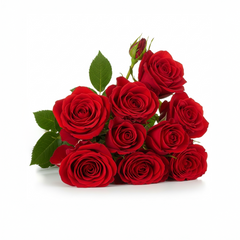
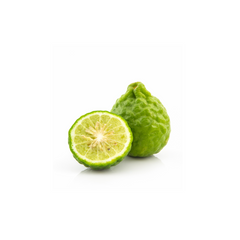
The Coriander Leaf accord is crafted by blending its fresh, spicy qualities with complementary notes that enhance its aromatic profile. The ideal composition includes: - Coriander Leaf 20-25%: Provides the fresh, spicy character that defines the accord. - Rose 15-20%: Adds a lush floral depth that balances coriander’s spice. - Cedarwood 25-30%: Introduces a warm, woody base that grounds the fragrance. - Bergamot 25-30%: Offers a zesty brightness that complements the coriander leaf.

25%

Coriander Leaf

20–25% of blend

Provides the fresh, spicy character that defines the accord.

20%

Rose

15–20% of blend

Adds a lush floral depth that balances coriander’s spice.

30%

Cedarwood

25–30% of blend

Introduces a warm, woody base that grounds the fragrance.

30%

Bergamot

25–30% of blend

Offers a zesty brightness that complements the coriander leaf.

The Olfactory Layers

How Coriander Leaf Evolves on Skin

Coriander Leaf evolves through distinct olfactory phases, showcasing its complexity over time.

I
Top notes
0–15 min
Bright and Zesty

The initial impression of coriander leaf is bright and zesty, characterized by citrusy and peppery notes. This phase is dominated by linalool and other high-volatility compounds that evaporate quickly, creating an uplifting and invigorating opening.

CitrusyPepperyFresh
II
Heart notes
20–60 min
Warm and Spicy

As the fragrance develops, the heart reveals a warm, spicy character with herbal undertones. The coriander leaf's complexity unfolds, blending harmoniously with floral and woody notes, creating a balanced and inviting scent.

SpicyHerbaceousWarm
III
Base notes
Several hours
Earthy and Musky

In the drydown, coriander leaf leaves a subtle, earthy warmth that lingers on the skin. The combination of woody and musky notes enhances the overall richness of the fragrance, providing a comforting and lasting impression.

EarthyWoodyMusky
TOP NOTES Bright and Zesty 0–15 minutes HEART NOTES Warm and Spicy 20–60 minutes BASE NOTES Earthy and Musky Several hours
Through the Ages

The Story of Coriander Leaf in Perfumery

Coriander has a rich history in perfumery, dating back thousands of years. Its use has evolved from ancient rituals to modern fragrance compositions.

3000 BC

Ancient Egypt

Coriander was used in rituals and as a culinary spice, with traces found in the tombs of pharaohs.

1st Century AD

Roman Era

Romans infused coriander into wines and perfumes, appreciating its aromatic qualities.

Middle Ages

Culinary and Medicinal Use

Coriander was used to ward off demons and was cherished for its bactericidal properties.

18th Century

Introduction to the Americas

Coriander was brought to North America by British colonists, becoming popular in various cuisines.

20th Century

Modern Perfumery

Coriander became a staple ingredient in both masculine and feminine fragrances, showcasing its versatility.

The Art of Layering

How to Layer Coriander Leaf

Coriander leaf is a versatile note that can enhance various fragrance compositions. When considering how to layer coriander leaf, focus on its molecular compatibility with other notes.

01

Enhance Freshness

Pair coriander leaf with citrus notes like bergamot or lemon. The shared zesty characteristics create a bright, invigorating blend that awakens the senses.

02

Add Depth

Combine coriander leaf with warm spices like cardamom or nutmeg. This layering creates a rich, aromatic experience that adds complexity to the fragrance.

03

Lighten the Blend

Layer coriander leaf with soft florals like jasmine or rose. The floral elements soften the spiciness, creating a harmonious and balanced scent profile.

Wear It Right

How to Wear Coriander Leaf Like a Pro

Seasonal Guide

Fall & Winter

In cooler months, coriander's warm, spicy notes shine. Pair it with heavier scents like amber or woods for a cozy fragrance experience.

Spring

During spring, coriander's fresh, green qualities are accentuated. Combine it with florals like jasmine or rose for a vibrant, uplifting scent.

Summer

In summer, coriander's bright, citrusy notes provide a refreshing touch. Layer it with citrus fragrances for a lively, invigorating experience.

Year-Round Tip

Coriander leaf is versatile enough for year-round wear. It pairs well with both fresh and warm notes, making it suitable for any occasion.

Application Points

Strategic application enhances the scent experience of coriander leaf.

1

Neck

Applying fragrance to the neck allows body heat to amplify the scent, enhancing projection.

2

Behind the Ears

This pulse point provides warmth, helping to release the fragrance gradually throughout the day.

3

Inner Wrists

Wearing fragrance on the wrists allows for easy reapplication and enhances the scent's diffusion.

4

Hair

Applying fragrance to hair provides a long-lasting scent trail, as hair retains fragrance well.

★

Pro Tip

For a layered effect, apply a light spritz of coriander leaf fragrance to clothing for a subtle scent experience.

Mood Architecture™

Top Coriander Leaf Fragrances by Mood Score

These Coriander Leaf-based fragrances scored highest on the MEI™ Mood Architecture Framework — measuring how a scent may influence your emotional state.

Highest MEI Score
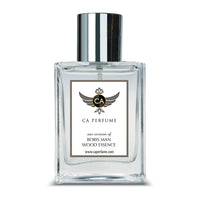
Boris Man Wood Essence — Bvlgari Boris Man Wood Essence Alternative Cologne
5.7
MEI™
Primary Fresh
Secondary Energizing
Confidence
5.38
Presence
5.4
Mood Lift
6.45
Identity
5.6
Warmth
5.8
Social Ease
5.35
Energy
4.75
" I am radiant.
View full mood profile →
HumanSafe™

Top Coriander Leaf Fragrances by HumanSafe™ Score

These Coriander Leaf-based fragrances have the highest product-level HumanSafe™ scores in this ingredient collection.

Highest HumanSafe™ Score
Boris Man Wood Essence — Bvlgari Boris Man Wood Essence Alternative Cologne
A-
HumanSafe™ Score Generally Safe
Safest Evaluated Ingredients EDP
AQUA Solvent / Carrier ISS 10.0
1,4-DIOXACYCLOHEPTADECANE-5,17-DIONE Evaluated ingredient ISS 10.0
BENZYL SALICYLATE Evaluated ingredient ISS 9.0
4H-INDEN-4-ONE, 1,2,3,5,6,7-HEXAHYDRO-1,1,2,3,3- Evaluated ingredient ISS 9.0
3-CYCLOPENTENE-1-ACETALDEHYDE, 2,2,3-TRIMETHYL-, Evaluated ingredient ISS 9.0
2H-1-BENZOPYRAN-2-ONE Evaluated ingredient ISS 8.0
View full safety profile →
Expert Voices

What Masters Say About Coriander Leaf

“
Coriander introduces a kind of aromatic punctuation: clean, slightly resinous, and gently invigorating.
CA Perfume Editorial
“
Coriander is a born blender, working wonderfully with citrus fruits, floral hearts, and soft woods.
CA Perfume Editorial
Common Questions

Frequently Asked Questions

Explore common questions about coriander leaf in perfumery.

Coriander leaf in perfume is characterized by its fresh, spicy, and slightly citrusy aroma. It provides a vibrant and engaging scent experience, often used as a heart note to enhance the overall complexity of fragrances.

Coriander leaf is primarily used as a heart note in perfumery, although it can also exhibit characteristics of both top and base notes, depending on the formulation.

Coriander leaf is valued for its unique scent profile, which adds depth and complexity to fragrances. Its versatility allows it to blend harmoniously with a variety of notes, making it a favorite among niche perfumers.

Coriander leaf pairs beautifully with floral elements like rose and jasmine, as well as citrus notes such as bergamot and lemon. It also complements warm spices like cardamom and nutmeg, enhancing the overall fragrance experience.

Yes, coriander leaf is suitable for summer, particularly when included in fresh, airy formulations. Its bright character provides a refreshing touch amidst the heat, especially when combined with citrus or green notes.

The longevity of coriander leaf fragrances can range from 4 to 6 hours, depending on the formulation and concentration used.

Absolutely! Layering coriander leaf fragrances can create an intricate scent experience. Pair it with lighter florals or citrus scents for a fresh, invigorating blend, or combine it with deeper, warmer notes for evening wear.

For beginners, fragrances like *Héritage* by Guerlain and *Coco* by Chanel are excellent choices, showcasing coriander leaf's versatility and appeal.

To choose the right coriander leaf fragrance, consider your personal scent preferences, whether you enjoy fresh, spicy, or warm notes. Exploring sample sizes can help you find the perfect match.

Coriander leaf is primarily spicy, with a fresh and slightly citrusy character. It adds warmth without being overly sweet, making it a versatile ingredient in various fragrance compositions.

Spicy Collection

Explore Our Top Coriander Leaf Fragrances

Discover the best fragrances featuring coriander leaf, showcasing its unique aromatic qualities.

Shop all coriander leaf fragrances at CA Perfume →

Where Coriander Leaf Comes From — Origin & Extraction

Coriander leaf is primarily sourced from regions such as India, Egypt, and Uzbekistan, where it thrives in warm climates. India is the largest producer, with approximately 40% of the global supply, followed by Egypt and Uzbekistan. The leaves are harvested when young and tender, while the seeds are collected once they mature and dry. The extraction of coriander oil is typically performed through steam distillation of the dried seeds, which preserves the aromatic qualities. This method ensures a yield of about 1-2% essential oil from the seeds, capturing the warm, spicy essence that is characteristic of coriander. The cost of natural coriander oil can range from $3,000 to $6,000 per kilogram, while synthetic alternatives are available at significantly lower prices, around $50 to $200 per kilogram.

Famous Fragrances That Define Coriander Leaf in Perfumery

Coriander leaf has been a key ingredient in many iconic fragrances, showcasing its versatility across different scent families. Notable examples include: 1. *Héritage* by Guerlain (1992) - A masculine fragrance where coriander adds a spicy vibration right from the opening, harmonizing with citrus and leather notes. 2. *Coco* by Chanel (1984) - In this classic, coriander nuances the opulent floral heart, enhancing the overall complexity. 3. *Drakkar Noir* by Guy Laroche (1982) - A pioneering aromatic fougère that features coriander as a prominent note, adding depth and warmth. 4. *Déclaration* by Cartier (1998) - Coriander is paired with cumin, creating a distinctive spicy profile that stands out in this fragrance. 5. *Gentleman* by Givenchy (1974) - A sophisticated scent that uses coriander to bridge the gap between fresh and warm notes, enhancing its overall character.

Natural vs Synthetic Coriander Leaf in Perfumery

Natural coriander oil is derived from the dried seeds of the coriander plant, primarily through steam distillation. This method captures the complex aromatic profile, which includes linalool and other compounds that contribute to its unique scent. However, natural coriander oil can be inconsistent in quality and availability, leading to higher costs, typically between $3,000 and $6,000 per kilogram. Synthetic alternatives, such as safranal and other aroma chemicals, are often used to replicate the scent of coriander. These synthetics are more stable, consistent, and cost-effective, with prices ranging from $50 to $200 per kilogram. While synthetic versions can mimic the aromatic qualities of natural coriander, they may lack the depth and complexity that natural oils provide. The choice between natural and synthetic often depends on the desired fragrance profile and ethical considerations in sourcing.