Ingredient Guide · Amber Spicy
Amber Spicy Family · Perfumery Note

Cognac

Rich, boozy, and complex — the spirit of French oak in scent.

In perfumery, cognac is a heart note prized for its boozy, fruity, and woody character. Its essential oil, distilled from wine lees, imparts a multifaceted aroma with nuances of dried fruit, oak, and subtle vanilla, typically used at 1–3% in compositions.

Cognac
Ingredient Profile

Cognac

Amber Spicy Family
Family Amber Spicy
Note Position Heart Note
Usage Level 1–3%
Key Origins France, Spain, Italy
Iconic In Angels’ Share, Enigma Pour Homme
The Ingredient

What does Cognac smell like and why is it prized in perfumery?

Cognac in perfumery is defined by a rich, multifaceted scent profile that blends boozy warmth, dried fruits, and subtle oak. The aroma is built from the essential oil distilled from the lees (residue) of Vitis vinifera wine, capturing the spirit’s characteristic notes: honeyed sweetness, prunes, raisins, candied orange peel, and a faint vanilla warmth. The oak barrel aging imparts a dry, woody, slightly tannic undertone, while minor smoky and leathery facets evoke the ambiance of old libraries and cigar boxes. Key molecular contributors include ethyl esters (ethyl hexanoate, ethyl octanoate), vanillin, and oak lactones, which together create the signature cognac scent profile. In perfumery, cognac is most often classified as a heart note, though its volatility allows it to bridge top and base notes. Typical usage ranges from 1–3% of the composition, depending on the desired intensity. Cognac’s molecular complexity enables it to interact dynamically with skin chemistry: higher skin pH can amplify its woody and leathery facets, while warmer skin enhances the fruity and boozy notes. Its moderate volatility ensures a pronounced opening and a lingering, evolving warmth as the fragrance dries down. Cognac in perfumery is exemplified by fragrances such as By Kilian Angels’ Share (2020, perfumer Benoist Lapouza), where cognac is paired with cinnamon, oak, and vanilla for a gourmand effect, and Roja Dove Enigma Pour Homme (2013), which uses cognac to bridge tobacco, amber, and spicy notes. These compositions showcase how cognac can serve as both a dominant theme and a nuanced accent, contributing to the overall complexity and sophistication of a fragrance.

1–3%
Typical concentration of cognac oil in fine fragrance compositions, balancing projection with complexity and minimizing allergen risk.
5–8 Hours
Average longevity of cognac-based fragrances, driven by the persistence of oak lactones and benzoin in the base.
$1,200–$2,500/kg
Market price for natural cognac oil, reflecting limited supply and labor-intensive extraction from wine lees.
Origin & Extraction

Where Cognac Comes From — Origin & Extraction

Cognac’s scent is shaped by the terroir of southwestern France, where chalky soils, mild climate, and traditional oak barrel aging yield a spirit with pronounced fruity, woody, and boozy facets.

Cognac essential oil used in perfumery is derived from the lees (sediment) of wine made from Vitis vinifera grapes, grown predominantly in the Cognac region of France. The region’s chalky soils, temperate climate, and Ugni Blanc grape variety contribute to the spirit’s unique aromatic profile. France accounts for nearly 98% of global cognac production, with annual output exceeding 200 million bottles; however, only a fraction of the lees are diverted for essential oil extraction. The extraction process involves steam distillation of the wine lees, typically at temperatures between 95–100°C. This yields a thin, greenish oil with a yield of approximately 0.1–0.3% by weight of lees. The resulting oil is rich in ethyl esters, fusel alcohols, and trace lactones, which are responsible for the fruity, boozy, and woody facets. Hydrodistillation is also used, especially for high-quality, small-batch production. The cost of natural cognac oil ranges from $1,200–$2,500 per kg, reflecting the labor-intensive process and limited raw material supply. Synthetic cognac notes are created using blends of aroma chemicals such as ethyl maltol (CAS 4940-11-8), cis-3-hexenol (CAS 928-96-1), and oak lactone (CAS 118-93-4), which mimic the spirit’s fruity, woody, and boozy aspects. These synthetics cost $50–$200 per kg and offer greater consistency and supply security. Sustainability concerns center on the limited availability of wine lees and the energy intensity of distillation, but the use of by-products from the wine industry and the adoption of green chemistry practices have improved the overall environmental profile.

FR

France

The Cognac region (Charente, Charente-Maritime) produces over 98% of the world’s cognac. Chalky soils and Ugni Blanc grapes yield lees rich in esters and lactones. Strict AOC regulations ensure quality and traceability.

ES

Spain

Spanish brandy regions (Jerez, Penedès) produce wine lees with a lighter, fruitier profile due to warmer climate and different grape varieties. Used occasionally for perfumery, but less intense than French cognac oil.

IT

Italy

Northern Italian distilleries (Piedmont, Veneto) supply wine lees for niche perfumery. Italian cognac-type oils are noted for their brighter, more floral character, reflecting local grape varietals and shorter barrel aging.

US

United States

California and New York produce wine lees from Vitis vinifera, but oils are rarely used in fine perfumery due to regulatory and aromatic differences. Experimental batches offer unique, fruit-forward profiles.

Chemistry

Natural vs Synthetic Cognac in Perfumery

Natural cognac oil is a complex mixture of esters, alcohols, and lactones, distilled from wine lees. Its scent profile is dynamic and evolves on skin, offering nuanced transitions from fruity to woody to boozy. Synthetic cognac accords are constructed from molecules such as ethyl maltol (CAS 4940-11-8, for caramelized sweetness), oak lactone (CAS 118-93-4, for woody barrel notes), and gamma-undecalactone (CAS 104-67-6, for peachy fruitiness). These synthetics provide batch-to-batch consistency, enhanced stability, and lower cost—typically $50–$200/kg versus $1,200–$2,500/kg for natural oil. Performance-wise, synthetic cognac notes often exhibit greater longevity and projection, as their volatility can be precisely engineered. However, natural cognac oil offers a more textured, evolving scent that interacts with skin chemistry for a unique experience. Notable fragrances using natural cognac oil include DS & Durga Cognac Reign (2025) and niche releases from French houses. Mainstream and designer fragrances often rely on synthetic cognac accords for scalability and IFRA compliance. Sustainability is a key consideration: natural cognac oil is a by-product of the wine industry, but supply is limited and subject to vintage variation. Synthetics reduce pressure on agricultural resources and can be produced with lower environmental impact. CA Perfume’s HumanSafe™ platform ensures full transparency on ingredient sourcing, allergen content, and batch traceability, allowing consumers to make informed choices between natural and synthetic cognac notes.

Natural
Cognac Absolute
Cost $3,000–6,000/kg
Method Solvent / CO₂
Character Complex, variable
vs
Synthetic
Safranal & Analogues
Cost $50–200/kg
Method Lab synthesis
Character Consistent, stable
Hall of Fame

Famous Fragrances That Define Cognac in Perfumery

2020
dominant note

Angels’ Share

By Kilian
by Benoist Lapouza
cinnamonoakvanillatonka bean
2013
bridge note

Enigma Pour Homme

Roja Dove
by Roja Dove
tobaccoamberspicesvanilla
2020
accent

Bitter Peach

Tom Ford
by Louise Turner
osmanthuspatchouliblood orangesandalwood
2017
supporting note

Ombre Noire

Lalique
by Karine Dubreuil-Sereni
tobaccocardamomfigmyrrh
2025
dominant note

Cognac Reign

DS & Durga
by David Seth Moltz
orrisoaktonka beancaramelized bergamot
2019
accent

Overture Man

Amouage
by Karine Vinchon Spehner
myrrhsandalwoodspicesleather

Cognac has become a signature note in modern niche perfumery, prized for its boozy warmth and complexity. By Kilian Angels’ Share (2020, perfumer Benoist Lapouza) is perhaps the most iconic, using natural cognac oil to create a gourmand, barrel-aged effect alongside cinnamon, oak, and vanilla. Roja Dove Enigma Pour Homme (2013, Roja Dove) employs cognac as a bridge note, linking tobacco, amber, and spicy accords for a luxurious, smoky impression. Tom Ford Bitter Peach (2020, Louise Turner) innovatively pairs cognac with osmanthus, patchouli, and blood orange, adding boozy depth to a fruity composition. Lalique Ombre Noire (2017, Karine Dubreuil-Sereni) uses cognac to enhance tobacco and cardamom, creating a plush, intimate effect. DS & Durga Cognac Reign (2025, David Seth Moltz) features real cognac essence in the heart, merging with orris, oak, and tonka bean for a baroque, unisex signature. Earlier examples include Amouage Overture Man (2019, Karine Vinchon Spehner), where cognac is paired with myrrh, sandalwood, and spices for a resinous, opulent effect. These fragrances demonstrate cognac’s versatility—serving as a dominant note, a bridge, or an accent depending on the composition. CA Perfume’s collection draws inspiration from this lineage, offering both classic and contemporary interpretations of the cognac note.

The Accord

How is a captivating Cognac accord crafted?

A classic cognac accord balances boozy fruitiness, oak wood, and subtle sweetness. Cognac oil (25–30%) provides the core boozy, fruity warmth. Oakwood absolute (20–25%) adds dry, tannic, and woody depth through oak lactones. Vanilla absolute (20–25%) introduces creamy sweetness via vanillin, rounding the edges. Benzoin resin (25–30%) supplies balsamic, caramelized undertones, enhancing longevity and blending the accord. Each component is chosen for its molecular affinity with cognac’s natural volatiles, ensuring a seamless, evolving scent.

30%

Cognac Oil

25–30% of blend

Distilled from wine lees, cognac oil delivers the authentic boozy, fruity, and woody signature via ethyl esters and oak lactones.

25%

Oakwood Absolute

20–25% of blend

Oakwood provides dry, tannic, and slightly smoky notes through cis- and trans-oak lactones, mirroring barrel-aged cognac.

25%

Vanilla Absolute

20–25% of blend

Vanillin in vanilla softens cognac’s sharpness, adding creamy sweetness and enhancing the gourmand aspect.

30%

Benzoin Resin

25–30% of blend

Benzoin’s balsamic, caramelized notes extend the accord’s longevity and bridge the transition from fruity top to woody base.

The Olfactory Layers

How Cognac Evolves on Skin

Cognac’s olfactory evolution begins with a burst of boozy fruitiness, transitions to warm spices and woods, and settles into a lingering, resinous base. Volatile esters evaporate quickly, while heavier lactones and resins persist.

I
Top notes
0–15 min
Boozy Fruit Burst

The opening features volatile ethyl esters (ethyl hexanoate, ethyl octanoate) and acetals, producing bright, juicy impressions of dried apricot, grape, and candied orange peel. These molecules evaporate rapidly, creating an immediate sense of boozy freshness.

Boozy FruitCitrus ZestLively
II
Heart notes
20–60 min
Warm Woody Core

As the top fades, mid-weight molecules like oak lactone and vanillin emerge, imparting a creamy, woody, and slightly tannic warmth. Benzoin and subtle floral notes (from trace phenols) add plushness and depth, evoking the heart of aged cognac.

Woody WarmthSpicedGourmand
III
Base notes
Several hours
Resinous Drydown

The drydown is anchored by heavier resins (benzoin, labdanum) and persistent lactones, leaving a soft, balsamic, and faintly smoky trail. Subtle leather and tobacco nuances linger, reflecting the influence of oak barrels and aged spirit.

ResinousSmokyLasting
TOP NOTES Boozy Fruit Burst 0–15 minutes HEART NOTES Warm Woody Core 20–60 minutes BASE NOTES Resinous Drydown Several hours
Through the Ages

The Story of Cognac in Perfumery

Cognac’s journey in perfumery spans from its origins as a French spirit to its modern role as a signature niche note.

16th Century

Distillation of Cognac Begins

Dutch traders introduce distillation to preserve French wine, leading to the creation of cognac in the Charente region. The spirit’s aromatic lees become a valued by-product.

19th Century

First Use of Cognac Oil in Fragrance

French perfumers begin steam-distilling wine lees to create cognac oil, prized for its boozy, fruity aroma in colognes and fougères.

1970s

Synthetic Cognac Accords Emerge

Advances in aroma chemistry enable the creation of synthetic cognac notes using ethyl maltol, oak lactone, and related molecules, expanding its use in mainstream perfumery.

2013

Roja Dove Enigma Pour Homme Launches

Roja Dove’s Enigma Pour Homme uses cognac as a bridge between tobacco and amber, setting a new standard for boozy, sophisticated masculines.

2020

By Kilian Angels’ Share Popularizes Cognac

Angels’ Share by Kilian, with natural cognac oil, becomes a cult favorite and inspires a wave of boozy, gourmand fragrances.

2025

DS & Durga Cognac Reign Debuts

DS & Durga’s Cognac Reign features real cognac essence, orris, and oak, exemplifying the modern, artisanal approach to spirit-inspired perfumery.

The Art of Layering

How to Layer Cognac

Understanding how to layer cognac is key to maximizing its complexity. Cognac’s molecular structure—rich in esters, lactones, and vanillin—pairs well with notes that share or complement these compounds.

01

Enhance Sweetness

Layer with vanilla or tonka bean fragrances. Vanillin and coumarin molecules in these notes amplify cognac’s creamy, gourmand facets through olfactory synergy. Example: By Kilian Angels’ Share layered with Guerlain Tonka Impériale.

02

Add Depth

Combine with tobacco or leather scents. Shared phenolic and lactonic compounds create a smoky, plush effect, deepening cognac’s woody and boozy undertones. Example: Roja Dove Enigma Pour Homme with Tom Ford Tobacco Vanille.

03

Lighten the Glow

Pair with citrus or floral notes. Limonene and linalool in citrus and florals provide a fresh, sparkling lift, balancing cognac’s density and enhancing its top notes. Example: Tom Ford Bitter Peach with Atelier Cologne Orange Sanguine.

Wear It Right

How to Wear Cognac Like a Pro

Seasonal Guide

Fall & Winter

Cooler temperatures suppress volatility, allowing cognac’s deep, resinous warmth and woody facets to linger. Apply to pulse points under clothing for a cozy, enveloping effect. The note’s plushness is ideal for evening wear and festive occasions.

Spring

Mild temperatures highlight cognac’s fruity and floral nuances, making it suitable for daytime or transitional weather. Lighter application on exposed skin allows the scent to evolve naturally, with the boozy top notes remaining prominent.

Summer

Heat increases the volatility of cognac’s esters, intensifying the boozy, fruity opening but shortening overall longevity. Apply sparingly to avoid overwhelming projection, and consider layering with citrus or floral notes for a fresher impression.

Year-Round Tip

Adjust application based on climate and occasion. For maximum longevity, layer with resinous or woody bases. In humid conditions, focus on lighter concentrations to prevent cloying effects, while dry climates enhance cognac’s balsamic depth.

Application Points

Strategic application enhances cognac’s evolution and projection, allowing you to tailor its presence to your preferences.

1

Neck

The warmth of the neck accelerates evaporation of boozy top notes, creating an immediate, inviting aura. Ideal for showcasing cognac’s lively opening.

2

Behind the Ears

This area retains heat and moisture, extending the longevity of heart and base notes. Cognac’s woody and resinous facets persist, creating a subtle, intimate trail.

3

Inner Wrists

Frequent movement and pulse warmth enhance the scent’s evolution, allowing you to experience the full transition from fruit to wood to resin.

4

Hair

Spraying on hair or clothing provides a long-lasting, diffusive effect. The scent is released gradually with movement, emphasizing cognac’s boozy, gourmand qualities.

Pro Tip

Layer cognac-based fragrances with complementary notes (vanilla, tobacco, or amber) on different pulse points to create a multidimensional, evolving scent experience.

Mood Architecture™

Top Cognac Fragrances by Mood Score

These Cognac-based fragrances scored highest on the MEI™ Mood Architecture Framework — measuring how a scent may influence your emotional state.

Highest MEI Score
Champaca Absolute — Tom Ford Champaca Absolute Alternative Perfume
7.08
MEI™
Primary Romantic
Secondary Confident
Confidence
6.25
Presence
6.44
Mood Lift
7.76
Identity
6.37
Warmth
9.14
Social Ease
7.15
Energy
2.6
" I am beautiful.
View full mood profile →
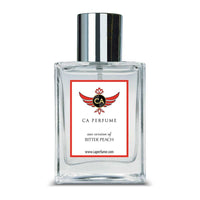
Bitter Peach — Tom Ford Bitter Peach Alternative Perfume
6.34
MEI™
Primary Serene
Secondary Romantic
Confidence
5.73
Presence
6.44
Mood Lift
6.5
Identity
6.33
Warmth
7.96
Social Ease
6.33
Energy
2.9
" I am enough.
View full mood profile →
HumanSafe™

Top Cognac Fragrances by HumanSafe™ Score

These Cognac-based fragrances have the highest product-level HumanSafe™ scores in this ingredient collection.

Highest HumanSafe™ Score
Champaca Absolute — Tom Ford Champaca Absolute Alternative Perfume
A-
HumanSafe™ Score Generally Safe
Safest Evaluated Ingredients EDP
AQUA Solvent / Carrier ISS 10.0
BENZENEPROPANAL, 4-METHOXY-.ALPHA.-METHYL- Evaluated ingredient ISS 9.0
LINALOOL Evaluated ingredient ISS 7.0
CITRONELLOL Evaluated ingredient ISS 7.0
ALCOHOL DENAT. Solvent / Carrier ISS 7.0
View full safety profile →
Bitter Peach — Tom Ford Bitter Peach Alternative Perfume
A-
HumanSafe™ Score Generally Safe
Safest Evaluated Ingredients EDP
AQUA Solvent / Carrier ISS 10.0
2(3H)-FURANONE, 5-HEPTYLDIHYDRO- Evaluated ingredient ISS 10.0
BENZENEPROPANAL, 4-METHOXY-.ALPHA.-METHYL- Evaluated ingredient ISS 9.0
3-CYCLOPENTENE-1-ACETALDEHYDE, 2,2,3-TRIMETHYL-, Evaluated ingredient ISS 9.0
2H-1-BENZOPYRAN-2-ONE Evaluated ingredient ISS 8.0
LINALOOL Evaluated ingredient ISS 7.0
View full safety profile →
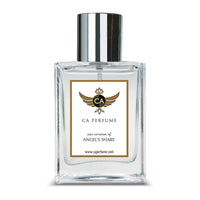
Angel's Share — By Kilian Angel's Share Alternative Perfume
A-
HumanSafe™ Score Generally Safe
Safest Evaluated Ingredients EDP
AQUA Solvent / Carrier ISS 10.0
1,4-DIOXACYCLOHEPTADECANE-5,17-DIONE Evaluated ingredient ISS 10.0
AMBROXIDE Evaluated ingredient ISS 9.0
4H-INDEN-4-ONE, 1,2,3,5,6,7-HEXAHYDRO-1,1,2,3,3- Evaluated ingredient ISS 9.0
2H-1-BENZOPYRAN-2-ONE Evaluated ingredient ISS 8.0
View full safety profile →
Expert Voices

What Masters Say About Cognac

As a note, cognac carries a whole basket of nuances at once. There is the barrel, dry and woody, slightly tannic. There is the spirit itself, with its honeyed sweetness that never becomes syrupy. There are dried fruits, prunes, raisins, sometimes candied orange peel, sometimes a dark grape shadow, all wrapped in a faint vanilla warmth.
Fragrantica Editorial
Cognac in perfumery is prized for its ability to bridge lighter top notes and deeper bases, enriching the composition with warmth, complexity, and a subtle boozy character.
CA Perfume Editorial
Common Questions

Frequently Asked Questions

Answers to common questions about cognac in perfumery.

Cognac in perfume smells boozy, fruity, and woody, with notes of dried apricot, grape, candied orange, and subtle vanilla. Oak barrel aging imparts a dry, tannic, and slightly smoky undertone, while the overall effect is warm, complex, and sophisticated. The scent evolves from a lively, effervescent opening to a plush, resinous drydown, making it a signature note in many niche and luxury fragrances.

Cognac is most often used as a heart note in perfumery, though its volatility allows it to bridge top and base notes. It provides a pronounced opening with boozy fruit and transitions smoothly into woody and resinous accords in the base. Its molecular complexity ensures a dynamic evolution throughout the fragrance’s lifespan.

Cognac is favored in niche perfumery for its multifaceted aroma, which adds depth, warmth, and a sense of luxury. Its ability to interact with a wide range of notes—fruits, woods, spices, resins—makes it a versatile ingredient for creating complex, memorable compositions. Iconic fragrances like By Kilian Angels’ Share and Roja Dove Enigma Pour Homme have popularized its use.

Cognac fragrance uses include pairing with vanilla, oakwood, benzoin, tobacco, leather, amber, and patchouli. These notes share molecular affinities—such as lactones, vanillin, and phenols—that enhance cognac’s warmth, sweetness, and woody depth. Citrus and florals can also be layered to brighten and balance the boozy richness.

Cognac perfumes can be worn in summer, but their rich, boozy character is best suited to cooler evenings or air-conditioned environments. In hot weather, the volatile esters in cognac oil evaporate more quickly, intensifying the opening but shortening longevity. For daytime summer wear, choose lighter concentrations or layer with citrus and floral notes.

Cognac-based fragrances typically last 5–8 hours, depending on concentration and skin chemistry. The longevity is driven by the persistence of oak lactones, benzoin, and other base molecules, which anchor the scent after the more volatile fruity and boozy notes have dissipated.

Yes, cognac can be layered with vanilla, tobacco, amber, citrus, or floral fragrances to create a multidimensional scent. Molecular compatibility—such as shared lactones or vanillin—ensures a seamless blend. Layering allows you to customize the balance of boozy, sweet, and woody facets to suit your preferences.

For those new to cognac in perfumery, By Kilian Angels’ Share, Tom Ford Bitter Peach, and Lalique Ombre Noire are excellent starting points. These fragrances showcase cognac’s signature warmth and complexity in accessible, well-balanced compositions. Sampling is recommended to find the style that best suits your taste.

Explore CA Perfume’s collection by considering the role of cognac in each composition—whether as a dominant note, bridge, or accent. Review scent profiles, note pyramids, and layering recommendations to match your preferences for warmth, sweetness, or woody depth. The HumanSafe™ platform provides transparency on sourcing and allergens.

Cognac in fragrance is primarily warm, boozy, and fruity, with a balanced sweetness from dried fruits and vanilla. It can also exhibit spicy and woody nuances, depending on the composition and pairing notes. The overall impression is complex, with both sweet and subtly spicy facets evolving over time.

Amber Spicy Collection

Explore Our Top Cognac Fragrances

Discover CA Perfume’s curated selection of cognac-inspired scents, from boozy gourmands to spicy woody signatures. Each fragrance highlights the note’s warmth and complexity.

Shop all cognac fragrances at CA Perfume →

Where Cognac Comes From — Origin & Extraction

Cognac essential oil used in perfumery is derived from the lees (sediment) of wine made from Vitis vinifera grapes, grown predominantly in the Cognac region of France. The region’s chalky soils, temperate climate, and Ugni Blanc grape variety contribute to the spirit’s unique aromatic profile. France accounts for nearly 98% of global cognac production, with annual output exceeding 200 million bottles; however, only a fraction of the lees are diverted for essential oil extraction. The extraction process involves steam distillation of the wine lees, typically at temperatures between 95–100°C. This yields a thin, greenish oil with a yield of approximately 0.1–0.3% by weight of lees. The resulting oil is rich in ethyl esters, fusel alcohols, and trace lactones, which are responsible for the fruity, boozy, and woody facets. Hydrodistillation is also used, especially for high-quality, small-batch production. The cost of natural cognac oil ranges from $1,200–$2,500 per kg, reflecting the labor-intensive process and limited raw material supply. Synthetic cognac notes are created using blends of aroma chemicals such as ethyl maltol (CAS 4940-11-8), cis-3-hexenol (CAS 928-96-1), and oak lactone (CAS 118-93-4), which mimic the spirit’s fruity, woody, and boozy aspects. These synthetics cost $50–$200 per kg and offer greater consistency and supply security. Sustainability concerns center on the limited availability of wine lees and the energy intensity of distillation, but the use of by-products from the wine industry and the adoption of green chemistry practices have improved the overall environmental profile.

Famous Fragrances That Define Cognac in Perfumery

Cognac has become a signature note in modern niche perfumery, prized for its boozy warmth and complexity. By Kilian Angels’ Share (2020, perfumer Benoist Lapouza) is perhaps the most iconic, using natural cognac oil to create a gourmand, barrel-aged effect alongside cinnamon, oak, and vanilla. Roja Dove Enigma Pour Homme (2013, Roja Dove) employs cognac as a bridge note, linking tobacco, amber, and spicy accords for a luxurious, smoky impression. Tom Ford Bitter Peach (2020, Louise Turner) innovatively pairs cognac with osmanthus, patchouli, and blood orange, adding boozy depth to a fruity composition. Lalique Ombre Noire (2017, Karine Dubreuil-Sereni) uses cognac to enhance tobacco and cardamom, creating a plush, intimate effect. DS & Durga Cognac Reign (2025, David Seth Moltz) features real cognac essence in the heart, merging with orris, oak, and tonka bean for a baroque, unisex signature. Earlier examples include Amouage Overture Man (2019, Karine Vinchon Spehner), where cognac is paired with myrrh, sandalwood, and spices for a resinous, opulent effect. These fragrances demonstrate cognac’s versatility—serving as a dominant note, a bridge, or an accent depending on the composition. CA Perfume’s collection draws inspiration from this lineage, offering both classic and contemporary interpretations of the cognac note.

Natural vs Synthetic Cognac in Perfumery

Natural cognac oil is a complex mixture of esters, alcohols, and lactones, distilled from wine lees. Its scent profile is dynamic and evolves on skin, offering nuanced transitions from fruity to woody to boozy. Synthetic cognac accords are constructed from molecules such as ethyl maltol (CAS 4940-11-8, for caramelized sweetness), oak lactone (CAS 118-93-4, for woody barrel notes), and gamma-undecalactone (CAS 104-67-6, for peachy fruitiness). These synthetics provide batch-to-batch consistency, enhanced stability, and lower cost—typically $50–$200/kg versus $1,200–$2,500/kg for natural oil. Performance-wise, synthetic cognac notes often exhibit greater longevity and projection, as their volatility can be precisely engineered. However, natural cognac oil offers a more textured, evolving scent that interacts with skin chemistry for a unique experience. Notable fragrances using natural cognac oil include DS & Durga Cognac Reign (2025) and niche releases from French houses. Mainstream and designer fragrances often rely on synthetic cognac accords for scalability and IFRA compliance. Sustainability is a key consideration: natural cognac oil is a by-product of the wine industry, but supply is limited and subject to vintage variation. Synthetics reduce pressure on agricultural resources and can be produced with lower environmental impact. CA Perfume’s HumanSafe™ platform ensures full transparency on ingredient sourcing, allergen content, and batch traceability, allowing consumers to make informed choices between natural and synthetic cognac notes.