Ingredient Guide · Woody Spicy
Woody Spicy Family · Perfumery Note

Coal

Discover the dark charisma of coal in perfumery

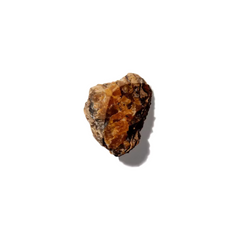
Coal is a woody spicy base note known for its deep, smoky, and earthy character. It is used at concentrations below 5%, providing a robust foundation in fragrance compositions.

Coal
Ingredient Profile

Coal

Woody Spicy Family
Family Woody Spicy
Note Position Base Note
Usage Level <5%
Key Origins China, United States, Russia
Iconic In Coal, Luna Rossa Carbon Eau de Toilette
The Ingredient

What does Coal smell like and why is it significant in perfumery?

Coal, derived from carbon-rich geological sources, emits a deep, earthy aroma with pronounced smoky and mineral facets. The scent profile of coal in perfumery is characterized by rich, intense undertones reminiscent of warm fires and ancient terrains, often evoking a sense of mystery and strength. Chemically, coal's olfactory impression is complex, combining smoky phenolic compounds and mineral notes that contribute to its robust character. In perfumery, coal typically serves as a base note, used at concentrations below 5%. It acts as an anchor, providing depth and complexity to fragrance compositions while balancing brighter top notes. Coal's interaction with skin chemistry allows it to evolve from an initial smoky burst to a warm, resinous dry down, making it a versatile and enduring element in woody spicy families. Notable fragrances featuring coal include Andrea Maack's Coal (2012), where perfumer Richard Ibanez crafted a smoky, leathery accord paired with patchouli and vanilla, and Prada's Luna Rossa Carbon (2017), which uses coal to underpin its modern aromatic structure. These examples demonstrate coal's capacity to add a profound, grounding dimension to both niche and mainstream perfumes.

2–3 Sprays
A moderate application is sufficient to create a noticeable smoky presence without overwhelming, due to coal's potency.
4–6 Hours
Typical longevity of coal-infused fragrances, allowing the smoky and resinous notes to evolve and linger on skin.
<5%
Recommended maximum concentration of coal absolute in fragrance formulations to ensure safety and balanced scent.
Origin & Extraction

Where Coal Comes From — Origin & Extraction

Coal's scent character is influenced by its geographical origin, with soil composition, climate, and mining practices shaping its olfactory nuances. Variations in coal from different regions contribute to distinct smoky, mineral, and earthy profiles used in perfumery.

Coal used in perfumery is sourced from carbon-rich mineral deposits formed over millions of years. The primary producing countries include China, the United States, and Russia, each contributing distinct olfactory facets due to geological and climatic differences. China, with extensive coal reserves, provides varieties exhibiting rich mineral nuances. The United States is known for anthracite coal, prized for its clean-burning, sophisticated smokiness. Russian coal fields yield deep, warm, and earthy aromatic variants that enhance fragrance compositions. Extraction of coal's aromatic essence for perfumery typically involves solvent extraction or supercritical CO₂ extraction. These methods preserve the heat-sensitive smoky and mineral compounds without degradation. Solvent extraction uses hexane or ethanol to dissolve aromatic molecules, while CO₂ extraction employs pressurized carbon dioxide at low temperatures to yield pure, residue-free extracts. The yield is variable and depends on the coal type and extraction parameters. Natural coal absolute costs range from $3,000 to $6,000 per kilogram, reflecting its complex extraction and limited supply. Synthetic analogues, including safranal and related molecules, cost significantly less ($50–200/kg) and offer consistent olfactory profiles. Sustainability considerations focus on minimizing environmental impact from mining and solvent use, with CO₂ extraction favored for its cleaner footprint.

CN

China

China's extensive coal reserves produce varieties with rich mineral nuances and robust smoky character. The region's diverse geology and climate contribute to the complexity of coal extracts used in fragrance compositions.

US

United States

The U.S. is known for anthracite coal, prized for its clean-burning properties that translate into a refined, sophisticated smokiness favored in perfumery. Mining practices and regional geology influence the coal's aromatic profile.

RU

Russia

Russian coal fields yield deep, warm, and earthy aromatic variants. The coal's olfactory richness reflects the country's geological formations and traditional mining methods, enhancing its cultural significance in fragrance.

Chemistry

Natural vs Synthetic Coal in Perfumery

Natural coal absolute is obtained via solvent or supercritical CO₂ extraction from coal deposits, yielding a complex, variable aroma rich in smoky phenolics and mineral notes. Its cost ranges from $3,000 to $6,000 per kilogram, reflecting the labor-intensive extraction and limited availability. Natural coal offers a nuanced olfactory profile with subtle variations between batches, prized for artisanal perfumery. Synthetic coal accords rely on molecules such as safranal (CAS 116-26-7), isophorone, and related analogues that replicate coal's smoky and mineral facets. These synthetics provide greater consistency, stability, and longevity in fragrances, with costs between $50 and $200 per kilogram. Synthetic coal molecules enable perfumers to achieve precise effects and overcome supply limitations of natural coal. Famous fragrances using natural coal include Andrea Maack's Coal (2012), while synthetic coal-like notes appear in Prada's Luna Rossa Carbon (2017). The HumanSafe™ platform ensures transparency in ingredient sourcing and safety, with CA Perfume advocating for responsible use of both natural and synthetic coal ingredients to balance creativity, sustainability, and consumer safety.

Natural
Coal Absolute
Cost $3,000–6,000/kg
Method Solvent / CO₂
Character Complex, variable
vs
Synthetic
Safranal & Analogues
Cost $50–200/kg
Method Lab synthesis
Character Consistent, stable
Hall of Fame

Famous Fragrances That Define Coal in Perfumery

2012
dominant note

Coal

Andrea Maack
by Richard Ibanez
patchoulivanillaambrox
2017
supporting note

Luna Rossa Carbon Eau de Toilette

Prada
citrusspices
2025
accent

Cosmos

House of BŌ
woodymineral
2025
accent

The Void

Antagonist
smokyearthy
2019
supporting note

Solar Bloom

Clean
floralwoody

Coal has been featured in a variety of notable fragrances, often as a base or accent note that adds smoky depth and earthy complexity. Andrea Maack's Coal (2012), crafted by perfumer Richard Ibanez, is a landmark niche fragrance that captures the smoky, leathery atmosphere of an artist’s studio using black coal. It pairs coal with patchouli, vanilla, and ambrox to create a warm, textured scent. Prada's Luna Rossa Carbon (2017) uses coal to underpin its modern aromatic structure, blending it with citrus and spicy notes for a sophisticated masculine scent. House of BŌ's Cosmos (2025) and Antagonist's The Void (2025) also incorporate coal to add mineral and smoky facets, enhancing their woody spicy compositions. Other significant fragrances include Clean's Solar Bloom (2019), Tokyo Milk Parfumerie Curiosite's Savage Belle (2021), and Hugo Boss's The Collection Bold Incense (2021), each utilizing coal to enrich their accords with earthy, smoky nuances. CA Perfume's collection embraces this lineage by offering fragrances that explore coal's multifaceted character in contemporary perfumery.

The Accord

How is a captivating Coal accord crafted?

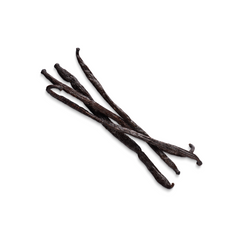
A coal accord typically blends deep smoky nuances with warm, resinous and sweet elements to balance its intensity. The relative proportions within the accord are approximately: Coal 20-25%, Patchouli 20-25%, Benzoin 15-20%, Vanilla 25-30%. Patchouli complements coal's smoky richness with its earthy, herbal character. Benzoin adds a warm, resinous sweetness that softens coal's edge, while vanilla provides a comforting sweetness that contrasts and enhances the smoky facets, resulting in a harmonious and complex accord.

25%

Coal

20–25% of blend

Coal provides the smoky, earthy foundation with rich phenolic and mineral notes that define the accord's character.

25%

Patchouli

20–25% of blend

Patchouli introduces an earthy, herbal depth that complements and amplifies coal's smoky facets.

20%

Benzoin

15–20% of blend

Benzoin adds a warm, resinous sweetness that balances coal's intensity and enriches the texture.

30%

Vanilla

25–30% of blend

Vanilla softens the smoky edge of coal through olfactory masking, creating a sensual contrast.

The Olfactory Layers

How Coal Evolves on Skin

Coal's olfactory evolution unfolds over hours, beginning with volatile smoky phenolics that evaporate quickly, imparting an intense smoky burst. The heart develops richer resinous and woody notes as mid-volatility compounds emerge. The base settles into a warm, earthy, and sweet dry down dominated by vanillin and patchouli derivatives, providing lasting depth and complexity.

I
Top notes
0–15 min
Intense Smoky Burst

The initial impression features sharp, volatile smoky phenolics and mineral notes that create a raw, intense smoky burst. These high-volatility molecules evaporate rapidly, delivering coal's signature smoky and earthy facets.

SmokyMineralIntense
II
Heart notes
20–60 min
Warm Resinous Depth

The heart reveals a blend of resinous and woody notes, including benzoin and patchouli, which soften and enrich the smoky opening. Mid-volatility compounds provide a warm, textured aroma that bridges the top and base.

ResinousWoodyWarm
III
Base notes
Several hours
Sweet Earthy Dry Down

The base is characterized by long-lasting vanillin and patchouli derivatives that impart sweetness and earthiness. These low-volatility molecules anchor the fragrance, ensuring enduring depth and a sensual dry down.

SweetEarthyLong-lasting
TOP NOTES Intense Smoky Burst 0–15 minutes HEART NOTES Warm Resinous Depth 20–60 minutes BASE NOTES Sweet Earthy Dry Down Several hours
Through the Ages

The Story of Coal in Perfumery

Coal's use in perfumery has evolved from raw smoky accents to sophisticated accords, reflecting advances in extraction and synthetic chemistry. Its history spans from traditional smoky notes in artisanal fragrances to modern niche creations emphasizing its complex character.

Antiquity

Early Use of Smoky Aromas

Smoke and charred wood aromas, precursors to coal notes, were used in ancient rituals and incense, laying the olfactory foundation for later coal-inspired scents.

1921

Rise of Synthetic Aromachemicals

The debut of Chanel No. 5 introduced synthetic aldehydes, paving the way for synthetic smoky molecules that would later complement natural coal notes.

2012

Andrea Maack's Coal Launch

Perfumers Richard Ibanez and Andrea Maack released Coal, a niche fragrance capturing the smoky, leathery essence of coal, marking a modern milestone in coal's perfumery use.

2017

Prada's Luna Rossa Carbon

Prada incorporated coal as a supporting note, blending it with citrus and spices to create a contemporary aromatic composition.

2020s

Expansion in Niche Perfumery

Coal gained popularity in niche fragrances, with brands exploring its smoky, mineral, and earthy facets in complex accords and layering techniques.

The Art of Layering

How to Layer Coal

Understanding how to layer coal involves molecular compatibility and olfactory synergy. Coal's smoky phenolics blend well with sweet vanillin compounds, which mask harsh edges and add warmth. Earthy patchouli shares common terpenes with coal, creating a seamless transition. Resinous benzoin complements coal's intensity by adding smoothness. How to layer coal effectively includes pairing it with vanilla, patchouli, and benzoin to balance its robust character, as demonstrated in Andrea Maack's Coal and other niche fragrances.

01

Enhance Sweetness

Pair coal with vanilla to soften its smoky facets via olfactory masking, where vanillin's sweet threshold overrides coal's sharpness, creating a warm, inviting scent.

02

Add Depth

Combine coal with patchouli to exploit shared earthy terpenes, producing a rich, grounded accord that amplifies coal's smoky complexity.

03

Lighten the Glow

Introduce benzoin to coal accords to add resinous sweetness and velvety texture, balancing intensity and enhancing longevity.

Wear It Right

How to Wear Coal Like a Pro

Seasonal Guide

Fall & Winter

Cooler temperatures slow evaporation, enhancing coal's smoky depth and longevity. Apply moderately for a rich, enveloping scent perfect for colder months.

Spring

Mild temperatures allow coal's warmth to blend with fresh florals or spices. Layer coal lightly to avoid overpowering the lighter spring palette.

Summer

Heat increases volatility, which can intensify coal's smoky facets and potentially overwhelm. Use sparingly or in oil form for subtle warmth without heaviness.

Year-Round Tip

Adjust application based on temperature and humidity. Layer coal with complementary lighter notes to maintain balance and enhance wearability.

Application Points

Strategic application enhances coal's smoky presence and longevity.

1

Neck

Pulse points at the neck emit heat, intensifying coal's smoky top notes and facilitating gradual scent evolution.

2

Behind the Ears

This warm area allows coal's deeper smoky facets to radiate subtly, creating an intimate aura.

3

Inner Wrists

Wrists provide warmth and mobility, enhancing projection and allowing coal's complex layers to unfold.

4

Hair

Hair fibers hold fragrance longer, releasing coal's smoky nuances gently with movement and air flow.

Pro Tip

Apply a light moisturizer before spraying coal-based fragrances to improve scent adherence and longevity.

HumanSafe™

Coal Safety Profile in Our Fragrances

No ingredient collection was found for coal.

Create or connect a collection with the same handle as this ingredient, then add products that contain this ingredient.

Expert Voices

What Masters Say About Coal

Coal introduces a profound, smoky essence that transforms fragrances into bold declarations of sophistication. Celebrated for its dark charisma, coal brings an earthy grounding that enhances both modern and classic compositions.
CA Perfume Editorial
Andrea Maack's Coal captures the smell and atmosphere of an artist’s studio using black coal, combining smoky, leathery, and resinous notes to evoke a tactile and olfactory experience.
Richard Ibanez, perfumer
Common Questions

Frequently Asked Questions

Common questions about coal in perfumery answered with detailed insights.

Coal in perfume smells deeply smoky, earthy, and mineral-rich, evoking the scent of warm embers and charred wood. It often carries resinous and leathery undertones, creating a complex and robust fragrance profile. Notable examples include Andrea Maack's Coal and Prada's Luna Rossa Carbon.

Coal is primarily used as a base note in perfumery. Its low volatility and rich smoky character provide depth and longevity, anchoring the fragrance and supporting lighter top and heart notes.

Coal's unique smoky and earthy profile adds complexity and character that appeals to niche perfumers seeking unconventional and bold scent elements. Its ability to evoke mystery and strength makes it a favored ingredient for creating distinctive, artisanal fragrances.

Coal fragrance uses often pair it with patchouli, vanilla, benzoin, amber, and warm spices. These notes complement coal's smoky intensity by adding sweetness, warmth, and earthiness, creating balanced and multi-layered accords.

Coal perfumes can be worn in summer, but due to increased volatility in heat, lighter application or oil-based formats are recommended to prevent overwhelming intensity. Layering coal with fresher notes can also enhance wearability in warm weather.

Fragrances featuring coal generally last between four to six hours, with the smoky and resinous base notes providing enduring depth and gradual evolution on the skin.

Yes, coal lends itself well to layering. It enhances the depth of other notes and works beautifully with sweet elements like vanilla or rich spices, allowing for personalized scent combinations that balance smokiness and warmth.

Beginners should start with balanced coal blends that combine smoky notes with lighter florals or spices, such as Andrea Maack's Coal or Prada's Luna Rossa Carbon, to appreciate coal's character without being overwhelmed.

At CA Perfume, explore discovery sets featuring coal accords paired with complementary warm and creamy notes. Consider your preference for intensity and layering potential to find a coal fragrance that suits your style.

Coal itself is primarily smoky and earthy rather than sweet or spicy. However, it is often blended with sweet notes like vanilla or resinous spices like benzoin, which can impart subtle sweetness or warmth to the overall scent.

Woody Spicy Collection

Explore Our Top Coal Fragrances

Discover a curated selection of fragrances featuring coal's smoky and earthy character, perfect for those seeking depth and complexity.

Shop all coal fragrances at CA Perfume →

Where Coal Comes From — Origin & Extraction

Coal used in perfumery is sourced from carbon-rich mineral deposits formed over millions of years. The primary producing countries include China, the United States, and Russia, each contributing distinct olfactory facets due to geological and climatic differences. China, with extensive coal reserves, provides varieties exhibiting rich mineral nuances. The United States is known for anthracite coal, prized for its clean-burning, sophisticated smokiness. Russian coal fields yield deep, warm, and earthy aromatic variants that enhance fragrance compositions. Extraction of coal's aromatic essence for perfumery typically involves solvent extraction or supercritical CO₂ extraction. These methods preserve the heat-sensitive smoky and mineral compounds without degradation. Solvent extraction uses hexane or ethanol to dissolve aromatic molecules, while CO₂ extraction employs pressurized carbon dioxide at low temperatures to yield pure, residue-free extracts. The yield is variable and depends on the coal type and extraction parameters. Natural coal absolute costs range from $3,000 to $6,000 per kilogram, reflecting its complex extraction and limited supply. Synthetic analogues, including safranal and related molecules, cost significantly less ($50–200/kg) and offer consistent olfactory profiles. Sustainability considerations focus on minimizing environmental impact from mining and solvent use, with CO₂ extraction favored for its cleaner footprint.

Famous Fragrances That Define Coal in Perfumery

Coal has been featured in a variety of notable fragrances, often as a base or accent note that adds smoky depth and earthy complexity. Andrea Maack's Coal (2012), crafted by perfumer Richard Ibanez, is a landmark niche fragrance that captures the smoky, leathery atmosphere of an artist’s studio using black coal. It pairs coal with patchouli, vanilla, and ambrox to create a warm, textured scent. Prada's Luna Rossa Carbon (2017) uses coal to underpin its modern aromatic structure, blending it with citrus and spicy notes for a sophisticated masculine scent. House of BŌ's Cosmos (2025) and Antagonist's The Void (2025) also incorporate coal to add mineral and smoky facets, enhancing their woody spicy compositions. Other significant fragrances include Clean's Solar Bloom (2019), Tokyo Milk Parfumerie Curiosite's Savage Belle (2021), and Hugo Boss's The Collection Bold Incense (2021), each utilizing coal to enrich their accords with earthy, smoky nuances. CA Perfume's collection embraces this lineage by offering fragrances that explore coal's multifaceted character in contemporary perfumery.

Natural vs Synthetic Coal in Perfumery

Natural coal absolute is obtained via solvent or supercritical CO₂ extraction from coal deposits, yielding a complex, variable aroma rich in smoky phenolics and mineral notes. Its cost ranges from $3,000 to $6,000 per kilogram, reflecting the labor-intensive extraction and limited availability. Natural coal offers a nuanced olfactory profile with subtle variations between batches, prized for artisanal perfumery. Synthetic coal accords rely on molecules such as safranal (CAS 116-26-7), isophorone, and related analogues that replicate coal's smoky and mineral facets. These synthetics provide greater consistency, stability, and longevity in fragrances, with costs between $50 and $200 per kilogram. Synthetic coal molecules enable perfumers to achieve precise effects and overcome supply limitations of natural coal. Famous fragrances using natural coal include Andrea Maack's Coal (2012), while synthetic coal-like notes appear in Prada's Luna Rossa Carbon (2017). The HumanSafe™ platform ensures transparency in ingredient sourcing and safety, with CA Perfume advocating for responsible use of both natural and synthetic coal ingredients to balance creativity, sustainability, and consumer safety.