Ingredient Guide · Spicy Oriental
Spicy Oriental Family · Perfumery Note

Cloves

Aromatic spice with eugenol-driven warmth and complexity.

Cloves are a classic spice note in perfumery, prized for their warm, spicy, and medicinal character as a middle or base note. Eugenol, the principal molecule, defines its scent and is present at concentrations up to 85% in clove oil.

Cloves
Ingredient Profile

Cloves

Spicy Oriental Family
Family Spicy Oriental
Note Position Base Note
Usage Level 85%
Key Origins Indonesia, Madagascar, Tanzania
Iconic In Coco Eau de Parfum, Feminité du Bois
The Ingredient

What does Cloves smell like and why are they vital in perfumery?

Cloves (Syzygium aromaticum) are the dried flower buds of a tropical evergreen tree, and their essential oil is dominated by eugenol (CAS 97-53-0), which imparts a potent, spicy, warm, and slightly medicinal aroma. The cloves scent profile is immediately recognizable—fiery, aromatic, and reminiscent of both culinary spice and dental antiseptic, due to eugenol’s analgesic properties. Alongside eugenol, minor constituents such as eugenyl acetate and β-caryophyllene add subtle sweetness, woody undertones, and faint floral nuances, sometimes evoking carnation. In perfumery, cloves in perfumery are typically classified as a middle note, though their persistence often allows them to function as a base note in complex blends. Clove oil is used at concentrations ranging from 0.1% to 2% depending on the desired impact—lower for accenting florals, higher for spicy or oriental compositions. On skin, cloves’ volatile phenols interact with individual skin chemistry, sometimes amplifying their medicinal sharpness or softening into a warm, sweet-spicy veil, depending on pH and moisture. Notable fragrances that exemplify what does cloves smell like include Chanel Coco Eau de Parfum (1984, Jacques Polge), where cloves provide a spicy backbone to florals and resins, and Maison Martin Margiela By the Fireplace (2015, Marie Salamagne), where clove’s warmth supports smoky woods and vanilla. These examples demonstrate the versatility and enduring appeal of cloves in perfumery.

85%
Eugenol content in high-quality clove bud oil can reach 85%, defining the ingredient’s spicy, medicinal aroma and fixative power.
5–8 Hours
A typical cloves-forward fragrance lasts 5–8 hours on skin, with longevity influenced by concentration, skin chemistry, and environmental conditions.
0.5–2%
IFRA restricts eugenol content in finished fragrances to 0.5–2% to minimize sensitization risk, shaping modern clove usage.
Origin & Extraction

Where Cloves Comes From — Origin & Extraction

Cloves’ scent character is shaped by the terroir of their origin—soil, rainfall, and climate affect eugenol content and aromatic intensity.

Cloves are the dried, unopened flower buds of Syzygium aromaticum, a member of the Myrtaceae family. Native to the Maluku (Spice) Islands of Indonesia, clove cultivation now extends to Madagascar, Tanzania (notably Zanzibar and Pemba), Sri Lanka, and India. Indonesia remains the world’s largest producer, accounting for over 70% of global output, with annual production exceeding 80,000 metric tons. Madagascar and Tanzania each contribute significant volumes, with Zanzibar historically renowned for high-quality cloves. Harvesting involves hand-picking the flower buds just before they open, followed by sun-drying until they turn deep brown. Clove essential oil is primarily extracted from dried buds via steam distillation at temperatures of 100–120°C, yielding an oil rich in eugenol (up to 85%). Leaf and stem oils are also produced, but bud oil is preferred for fine fragrance due to its rounder, less medicinal aroma. Typical yields are 15–20% by weight for buds. The price of natural clove bud oil fluctuates between $30–60/kg, while synthetic eugenol is available for $10–20/kg, reflecting the cost and labor intensity of natural extraction. Sustainability concerns include deforestation, monoculture risks, and labor conditions in major producing regions. Some plantations are certified for sustainable practices, but the majority of global production is not. Synthetic eugenol, produced from guaiacol or lignin, offers a more consistent and lower-impact alternative for large-scale fragrance use.

ID

Indonesia

The Maluku Islands (Spice Islands) produce over 70% of global cloves. Volcanic soils and high humidity yield buds with exceptionally high eugenol content (up to 85%). Indonesian cloves are prized for their rounded, sweet-spicy aroma and are the global standard for perfumery.

MG

Madagascar

The Sambava and Antalaha regions in northeastern Madagascar produce cloves with a slightly fruitier, softer profile due to sandy soils and moderate rainfall. Madagascar accounts for roughly 15% of world supply and is known for sustainable, hand-harvested production.

TZ

Tanzania

Zanzibar and Pemba islands are historic clove exporters, producing buds with a sharper, more medicinal aroma. The region’s red soils and coastal climate yield cloves with high oil content but a slightly drier, more camphoraceous scent.

LK

Sri Lanka

Sri Lankan cloves, grown in the central highlands, are noted for their floral undertones and moderate eugenol levels. Production is smaller but valued for artisanal quality and careful hand processing.

Chemistry

Natural vs Synthetic Cloves in Perfumery

Natural clove oil is dominated by eugenol (CAS 97-53-0), with minor components such as eugenyl acetate (CAS 93-28-7) and β-caryophyllene (CAS 87-44-5). Synthetic eugenol is chemically identical to its natural counterpart and is widely used for cost, consistency, and allergen control. Synthetic eugenol is typically derived from guaiacol, a byproduct of wood pulping, or from petrochemical sources, and costs about $10–20/kg compared to $30–60/kg for natural oil. Performance-wise, synthetic eugenol offers greater batch-to-batch consistency, improved stability, and reduced batch allergens, but lacks the subtle complexity imparted by minor natural constituents. Many modern fragrances use a blend of natural and synthetic eugenol for optimal effect. Notable aroma chemicals related to cloves include isoeugenol (CAS 97-54-1), methyl eugenol (CAS 93-15-2), and acetyleugenol (CAS 93-28-7), each contributing specific spicy, sweet, or woody facets. Famous fragrances such as Chanel Coco and Serge Lutens Feminité du Bois have historically used natural clove oil, but reformulations often rely on synthetic eugenol for IFRA compliance and sustainability. CA Perfume’s HumanSafe™ platform ensures full transparency regarding the source and safety profile of clove-derived ingredients, prioritizing both performance and ethical sourcing.

Natural
Cloves Absolute
Cost $3,000–6,000/kg
Method Solvent / CO₂
Character Complex, variable
vs
Synthetic
Safranal & Analogues
Cost $50–200/kg
Method Lab synthesis
Character Consistent, stable
Hall of Fame

Famous Fragrances That Define Cloves in Perfumery

1984
dominant note

Coco Eau de Parfum

Chanel
by Jacques Polge
rosecorianderamberpatchouli
1992
structural axis

Feminité du Bois

Serge Lutens
by Christopher Sheldrake & Pierre Bourdon
cedarvioletplumsandalwood
2015
supporting note

By the Fireplace

Maison Martin Margiela
by Marie Salamagne
chestnutvanillaguaiac woodorange blossom
2000
bridge note

Musc Ravageur

Frederic Malle
by Maurice Roucel
muskambercinnamonvanilla
2005
accent

Pomegranate Noir

Jo Malone London
by Beverley Bayne
pomegranatepatchoulifrankincensecedar

Cloves have played a pivotal role in perfumery for over a century, providing structure and warmth to both classic and contemporary compositions. In Chanel Coco Eau de Parfum (1984, Jacques Polge), cloves serve as a dominant spicy note, bridging florals and oriental resins. Serge Lutens Feminité du Bois (1992, Christopher Sheldrake and Pierre Bourdon) uses cloves as a structural axis, pairing them with cedar and violet for a woody-spicy signature. Maison Martin Margiela By the Fireplace (2015, Marie Salamagne) features clove as a supporting note, enhancing the smoky, sweet character of chestnut and vanilla. Frederic Malle Musc Ravageur (2000, Maurice Roucel) employs cloves as a bridge between animalic musk and sweet amber, while Jo Malone London Pomegranate Noir (2005, Beverley Bayne) uses cloves to accentuate the tartness of pomegranate and the warmth of patchouli. These fragrances illustrate the versatility of cloves in perfumery—whether as a dominant note, a bridge, or an accent. CA Perfume’s collection draws inspiration from this lineage, offering clove-forward blends that honor both tradition and innovation.

The Accord

How is a captivating Cloves accord crafted?

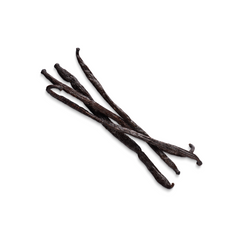
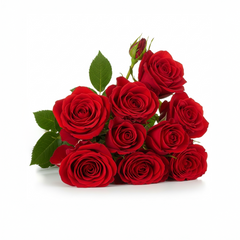
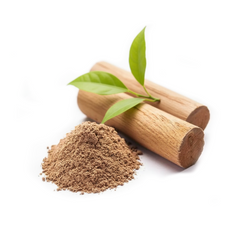
A classic cloves accord blends 25–30% clove bud oil for spicy warmth, 20–25% cinnamon for sweet heat, 25–30% rose for floral complexity, and 20–25% sandalwood for creamy depth. Clove’s eugenol interacts with cinnamaldehyde in cinnamon to amplify spiciness, while rose’s phenylethyl alcohol bridges floral and spice. Sandalwood’s santalol molecules provide a smooth, persistent base, rounding the accord.

30%

Cloves

25–30% of blend

Provides the core spicy, medicinal warmth through eugenol, acting as the accord’s structural anchor.

25%

Cinnamon

20–25% of blend

Cinnamaldehyde amplifies clove’s heat and sweetness, creating a synergistic spicy effect.

30%

Rose

25–30% of blend

Phenylethyl alcohol in rose bridges the gap between spice and floral, softening clove’s medicinal edge.

25%

Sandalwood

20–25% of blend

Santalol molecules provide a creamy, long-lasting base, enhancing the persistence and roundness of the accord.

The Olfactory Layers

How Cloves Evolves on Skin

Cloves evolve from sharp, spicy top notes to a persistent, warm heart and a sweet, woody base. High-volatility phenols evaporate quickly, while heavier sesquiterpenes linger.

I
Top notes
0–15 min
Fiery Spice Burst

The initial impression is dominated by eugenol’s sharp, spicy, and medicinal facets, with a fleeting hint of camphor and citrus from minor terpenes. This volatile phase dissipates rapidly, leaving behind the core spicy warmth.

spicysharpmedicinal
II
Heart notes
20–60 min
Warm Floral Spice

The heart reveals a rounder, sweeter warmth as eugenyl acetate and β-caryophyllene emerge. These molecules impart subtle floral and woody nuances, softening the medicinal edge and lending a carnation-like character.

warmfloralwoody
III
Base notes
Several hours
Sweet Woody Drydown

In the drydown, clove’s sweetness persists, mingling with creamy sandalwood or amber in blends. The heavier sesquiterpenes and residual eugenol provide a gentle, lingering warmth that anchors the fragrance.

sweetpersistentambery
TOP NOTES Fiery Spice Burst 0–15 minutes HEART NOTES Warm Floral Spice 20–60 minutes BASE NOTES Sweet Woody Drydown Several hours
Through the Ages

The Story of Cloves in Perfumery

Cloves have shaped perfumery from ancient trade to modern niche fragrance, evolving from a rare spice to a foundational note.

1700 BCE

Earliest Archaeological Evidence

Traces of cloves were found in Terqa, Syria, dating to 1700 BCE, indicating early long-distance spice trade and use in ritual and scent.

8th Century CE

Cloves in Chinese and Arab Trade

Chinese records describe the use of cloves for breath freshening at the imperial court. Arab traders introduce cloves to Europe via the Silk Road.

16th–17th Centuries

European Clove Monopoly

The Dutch East India Company monopolizes clove trade from the Maluku Islands, making cloves a luxury commodity in Europe and a key ingredient in early colognes.

1954

Caron Poivre Launches

Caron releases Poivre, a groundbreaking spicy fragrance centered on clove, pepper, and jasmine, marking a bold use of spice in fine perfumery.

1984–Present

Modern Clove Renaissance

Chanel Coco (1984) and Serge Lutens Feminité du Bois (1992) reintroduce cloves as a structural note, inspiring a new generation of spicy, woody, and floral fragrances.

The Art of Layering

How to Layer Cloves

Understanding how to layer cloves involves molecular compatibility—eugenol’s spicy warmth synergizes with sweet, floral, and woody notes for complex blends.

01

Enhance Sweetness

Layering cloves with vanilla or tonka bean leverages olfactory masking—vanillin’s sweet threshold softens eugenol’s sharpness, creating a gourmand effect. Chanel Coco and Jo Malone Pomegranate Noir demonstrate this synergy.

02

Add Depth

Pairing cloves with sandalwood or patchouli introduces santalol and patchoulol, which anchor the spicy heart and extend the woody base. Serge Lutens Feminité du Bois exemplifies this layering approach.

03

Brighten with Citrus

Combining cloves with bergamot or orange uses shared terpenes to lift the spicy profile, adding freshness and balancing intensity. This technique is seen in Diptyque Eau Lente and various modern niche blends.

Wear It Right

How to Wear Cloves Like a Pro

Seasonal Guide

Fall & Winter

Cloves excel in cool weather, where lower temperatures slow eugenol’s evaporation, allowing the spicy warmth to linger. Apply to pulse points under clothing for a cozy, enveloping effect. Layer with amber or vanilla for added comfort.

Spring

In spring, cloves pair well with florals and green notes, providing structure without overwhelming freshness. Apply lightly to avoid overpowering delicate accords, focusing on wrists or behind the ears.

Summer

High temperatures increase clove’s volatility, making the scent more pronounced but shorter-lived. Use sparingly and consider layering with citrus or aquatic notes to balance the intensity and extend wear.

Year-Round Tip

Adjust application based on humidity—moist skin amplifies clove’s projection, while dry skin mutes it. In all seasons, layering with complementary notes can tailor cloves to your personal style.

Application Points

Strategic application enhances cloves’ projection and longevity. Target pulse points and hair for optimal diffusion.

1

Neck

Applying cloves-based fragrance to the neck leverages body heat, accelerating the evaporation of volatile phenols and boosting initial projection.

2

Behind the Ears

This area retains warmth and moisture, allowing cloves’ spicy heart to persist and evolve gradually throughout the day.

3

Inner Wrists

Pulse points on the wrists intensify the spicy top notes, while frequent movement helps diffuse the scent in your personal space.

4

Hair

Spraying lightly on hair provides a slow-release effect, as hair fibers trap eugenol and release it with movement, extending the woody drydown.

Pro Tip

Layer cloves with a moisturizer or unscented oil base to enhance longevity and minimize potential skin irritation from phenolic compounds.

Mood Architecture™

Top Cloves Fragrances by Mood Score

These Cloves-based fragrances scored highest on the MEI™ Mood Architecture Framework — measuring how a scent may influence your emotional state.

Highest MEI Score
Bianco Puro — Tiziana Terenzi Bianco Puro Alternative Perfume
8.95
MEI™
Primary Confident
Secondary Magnetic
Confidence
9.15
Presence
9.46
Mood Lift
8.98
Identity
9.5
Warmth
9.5
Social Ease
8.45
Energy
4.9
" I am unstoppable.
View full mood profile →
Britannian — Britannia Alternative Perfume
8.87
MEI™
Primary Romantic
Secondary Confident
Confidence
8.33
Presence
8.68
Mood Lift
9.5
Identity
9.09
Warmth
9.5
Social Ease
9.24
Energy
4.3
" I am beautiful.
View full mood profile →
Cacao Noir — Coco Noir Alternative Perfume
8.54
MEI™
Primary Romantic
Secondary Confident
Confidence
8.35
Presence
9.29
Mood Lift
8.75
Identity
9.26
Warmth
9.5
Social Ease
8.03
Energy
3.7
" I am beautiful.
View full mood profile →
Lipstick Rose — Frederic Malle Lipstick Rose Alternative Perfume
8.02
MEI™
Primary Romantic
Secondary Confident
Confidence
7.3
Presence
7.31
Mood Lift
8.71
Identity
8.01
Warmth
9.14
Social Ease
8.51
Energy
3.4
" I am beautiful.
View full mood profile →
HumanSafe™

Top Cloves Fragrances by HumanSafe™ Score

These Cloves-based fragrances have the highest product-level HumanSafe™ scores in this ingredient collection.

Highest HumanSafe™ Score
Young Dew — Youth Dew Alternative Perfume
A-
HumanSafe™ Score Generally Safe
Safest Evaluated Ingredients EDP
AQUA Solvent / Carrier ISS 10.0
ACETIC ACID, PHENYLMETHYL ESTER Evaluated ingredient ISS 10.0
HEPTANAL, 2-(PHENYLMETHYLENE)- Evaluated ingredient ISS 9.0
BENZYL SALICYLATE EYE IRRITATION - CAT.2B [H320] Evaluated ingredient ISS 9.0
2H-1-BENZOPYRAN-2-ONE Evaluated ingredient ISS 8.0
LINALYL ACETATE Evaluated ingredient ISS 7.0
View full safety profile →
Vetiver Extraordinaire — Frederic Malle Vetiver Extraordinaire Alternative Cologne
A-
HumanSafe™ Score Generally Safe
Safest Evaluated Ingredients EDP
AQUA Solvent / Carrier ISS 10.0
AMBROXIDE Evaluated ingredient ISS 9.0
BENZENEPROPANAL, 4-ETHYL-.ALPHA.,.ALPHA.-DIMETHYL- Evaluated ingredient ISS 8.0
3-BUTEN-2-ONE, 3-METHYL-4-(2,6,6-TRIMETHYL-2- Evaluated ingredient ISS 8.0
LINALYL ACETATE Evaluated ingredient ISS 7.0
LINALOOL Evaluated ingredient ISS 7.0
View full safety profile →
Starlight — Xerjoff Starlight Alternative Perfume
A-
HumanSafe™ Score Generally Safe
Safest Evaluated Ingredients EDP
AQUA Solvent / Carrier ISS 10.0
3-BUTEN-2-ONE, 4-(2,6,6-TRIMETHYL-1-CYCLOHEXEN-1-YL)- Evaluated ingredient ISS 10.0
2-(1-(3',3'-DIMETHYL-1'-CYCLOHEXYL)ETHOXY)-2-METHYL PROPYL Evaluated ingredient ISS 10.0
1,4-DIOXACYCLOHEPTADECANE-5,17-DIONE Evaluated ingredient ISS 10.0
7-OCTEN-2-OL, 2,6-DIMETHYL- Evaluated ingredient ISS 9.0
OCTANAL, 2-(PHENYLMETHYLENE)- Evaluated ingredient ISS 8.0
View full safety profile →
Spice Blend — Christian Dior Spice Blend Alternative Perfume
A-
HumanSafe™ Score Generally Safe
Safest Evaluated Ingredients EDP
AQUA Solvent / Carrier ISS 10.0
1,4-DIOXACYCLOHEPTADECANE-5,17-DIONE Evaluated ingredient ISS 10.0
7-OCTEN-2-OL, 2,6-DIMETHYL- Evaluated ingredient ISS 9.0
2H-1-BENZOPYRAN-2-ONE Evaluated ingredient ISS 8.0
2-HEXENE, 6,6-DIMETHOXY-2,5,5-TRIMETHYL- Evaluated ingredient ISS 8.0
LINALYL ACETATE Evaluated ingredient ISS 7.0
View full safety profile →
Expert Voices

What Masters Say About Cloves

Eugenol is the oil that defines the clove-like smell that many know in perfumes, and it is also associated with dental care from its long use as a topical pain killer in dentistry.
Miguel Matos, Editor of Fragrantica
Cloves provide a potent, warm, spicy, and subtly sweet aroma, adding depth, richness, and an exotic touch to perfume compositions.
CA Perfume Editorial
Common Questions

Frequently Asked Questions

Answers to common questions about cloves in perfumery, from scent profile to layering and seasonal use.

Cloves in perfume smell intensely spicy, warm, and slightly medicinal, dominated by eugenol. The scent profile is fiery and aromatic at first, softening into sweet, woody, and floral undertones as the fragrance evolves. Notable perfumes like Chanel Coco and Serge Lutens Feminité du Bois showcase the complex, persistent warmth that cloves bring to a composition.

Cloves are most commonly used as a middle (heart) note in perfumery, but their persistence and fixative properties allow them to function as a base note in some blends. Their volatile phenols provide an initial spicy burst, while heavier sesquiterpenes linger, anchoring the fragrance.

Cloves are favored in niche perfumery for their ability to add structure, warmth, and complexity to both spicy and floral compositions. Their molecular profile bridges the gap between sweet, woody, and medicinal notes, enabling perfumers to create distinctive, long-lasting fragrances with a vintage or exotic character.

Cloves fragrance uses include pairing with cinnamon, vanilla, rose, sandalwood, patchouli, and amber. These combinations leverage molecular affinities—such as eugenol with cinnamaldehyde or vanillin—to create harmonious, multi-dimensional accords, as seen in Chanel Coco and Jo Malone Pomegranate Noir.

Cloves can be worn in summer, but their volatility increases with heat, making the scent more pronounced but shorter-lived. For hot weather, apply sparingly and consider layering with citrus or aquatic notes to balance the intensity and extend wear time.

A cloves-forward fragrance typically lasts 5–8 hours on skin, depending on concentration, skin chemistry, and environmental factors. The spicy top notes fade within 30 minutes, while the warm, woody base can persist for several hours, especially in Parfum or oil formats.

Yes, cloves are highly versatile for layering. They combine well with vanilla, sandalwood, rose, and citrus notes. Layering enhances complexity and can tailor the scent to different seasons or occasions. For example, pairing cloves with vanilla creates a gourmand effect, while sandalwood adds depth and longevity.

Beginner-friendly cloves perfumes include Maison Martin Margiela By the Fireplace, Jo Malone Pomegranate Noir, and Chanel Coco. These fragrances balance cloves with sweet, woody, or fruity notes, making the spicy warmth approachable and wearable.

When selecting a cloves fragrance at CA Perfume, consider your preferred style—spicy, floral, or woody—and the desired intensity. Sample different blends to see how cloves interact with your skin chemistry and layer with your favorite notes for a personalized experience.

Cloves primarily smell spicy and warm due to eugenol, but can also reveal sweet, woody, and floral facets, especially when paired with vanilla or rose. The balance of sweetness and spice depends on the composition and concentration in the fragrance.

Spicy Oriental Collection

Explore Our Top Cloves Fragrances

Discover our most popular cloves-forward perfumes, each showcasing the spicy warmth and versatility of this classic ingredient.

Shop all cloves fragrances at CA Perfume →

Where Cloves Comes From — Origin & Extraction

Cloves are the dried, unopened flower buds of Syzygium aromaticum, a member of the Myrtaceae family. Native to the Maluku (Spice) Islands of Indonesia, clove cultivation now extends to Madagascar, Tanzania (notably Zanzibar and Pemba), Sri Lanka, and India. Indonesia remains the world’s largest producer, accounting for over 70% of global output, with annual production exceeding 80,000 metric tons. Madagascar and Tanzania each contribute significant volumes, with Zanzibar historically renowned for high-quality cloves. Harvesting involves hand-picking the flower buds just before they open, followed by sun-drying until they turn deep brown. Clove essential oil is primarily extracted from dried buds via steam distillation at temperatures of 100–120°C, yielding an oil rich in eugenol (up to 85%). Leaf and stem oils are also produced, but bud oil is preferred for fine fragrance due to its rounder, less medicinal aroma. Typical yields are 15–20% by weight for buds. The price of natural clove bud oil fluctuates between $30–60/kg, while synthetic eugenol is available for $10–20/kg, reflecting the cost and labor intensity of natural extraction. Sustainability concerns include deforestation, monoculture risks, and labor conditions in major producing regions. Some plantations are certified for sustainable practices, but the majority of global production is not. Synthetic eugenol, produced from guaiacol or lignin, offers a more consistent and lower-impact alternative for large-scale fragrance use.

Famous Fragrances That Define Cloves in Perfumery

Cloves have played a pivotal role in perfumery for over a century, providing structure and warmth to both classic and contemporary compositions. In Chanel Coco Eau de Parfum (1984, Jacques Polge), cloves serve as a dominant spicy note, bridging florals and oriental resins. Serge Lutens Feminité du Bois (1992, Christopher Sheldrake and Pierre Bourdon) uses cloves as a structural axis, pairing them with cedar and violet for a woody-spicy signature. Maison Martin Margiela By the Fireplace (2015, Marie Salamagne) features clove as a supporting note, enhancing the smoky, sweet character of chestnut and vanilla. Frederic Malle Musc Ravageur (2000, Maurice Roucel) employs cloves as a bridge between animalic musk and sweet amber, while Jo Malone London Pomegranate Noir (2005, Beverley Bayne) uses cloves to accentuate the tartness of pomegranate and the warmth of patchouli. These fragrances illustrate the versatility of cloves in perfumery—whether as a dominant note, a bridge, or an accent. CA Perfume’s collection draws inspiration from this lineage, offering clove-forward blends that honor both tradition and innovation.

Natural vs Synthetic Cloves in Perfumery

Natural clove oil is dominated by eugenol (CAS 97-53-0), with minor components such as eugenyl acetate (CAS 93-28-7) and β-caryophyllene (CAS 87-44-5). Synthetic eugenol is chemically identical to its natural counterpart and is widely used for cost, consistency, and allergen control. Synthetic eugenol is typically derived from guaiacol, a byproduct of wood pulping, or from petrochemical sources, and costs about $10–20/kg compared to $30–60/kg for natural oil. Performance-wise, synthetic eugenol offers greater batch-to-batch consistency, improved stability, and reduced batch allergens, but lacks the subtle complexity imparted by minor natural constituents. Many modern fragrances use a blend of natural and synthetic eugenol for optimal effect. Notable aroma chemicals related to cloves include isoeugenol (CAS 97-54-1), methyl eugenol (CAS 93-15-2), and acetyleugenol (CAS 93-28-7), each contributing specific spicy, sweet, or woody facets. Famous fragrances such as Chanel Coco and Serge Lutens Feminité du Bois have historically used natural clove oil, but reformulations often rely on synthetic eugenol for IFRA compliance and sustainability. CA Perfume’s HumanSafe™ platform ensures full transparency regarding the source and safety profile of clove-derived ingredients, prioritizing both performance and ethical sourcing.