Ingredient Guide · Aromatic Fougere
Aromatic Fougere Family · Perfumery Note

Clary Sage

Herbaceous, musky, and amber-warm — the heart of green fougère perfumery.

Clary sage is a heart note in perfumery, valued for its herbaceous, musky, and amber-warm character. Its scent profile is defined by high linalyl acetate and sclareol content, used at 0.5–2% in modern fragrance compositions.

Clary Sage
Ingredient Profile

Clary Sage

Aromatic Fougere Family
Family Aromatic Fougere
Note Position Base Note
Usage Level 0.5–2%
Key Origins France, Bulgaria, Russia
Iconic In Chanel Egoïste Platinum, Drakkar Noir
The Ingredient

What does Clary Sage smell like and why is it significant in perfumery?

Clary sage (Salvia sclarea) is botanically classified within the Lamiaceae family and is native to the Mediterranean basin. The essential oil is extracted from the flowering tops and upper leaves, yielding a scent that is herbaceous, musky, and faintly sweet, with subtle floral and fruity nuances. The primary molecular contributors to the clary sage scent profile are linalyl acetate (45–70%), linalool (10–15%), and sclareol (trace in oil, up to 50% in absolute). These compounds produce a scent often described as reminiscent of sun-dried hay, muscat grape skins, and soft amber, with a wine-like warmth distinct from the sharper camphoraceous note of culinary sage (Salvia officinalis). In perfumery, clary sage is classified as a heart (middle) note due to its moderate volatility and fixative properties. It is typically used at concentrations of 0.5–2% in the fragrance compound, where it bridges fresh top notes (such as bergamot or lavender) and deeper base notes (like oakmoss or tobacco). On skin, clary sage’s musky undertone and sclareol content provide a soft, skin-like warmth that lingers, while its high linalyl acetate content imparts a clean, floral brightness in the opening. The ingredient’s moderate tenacity allows it to interact with skin chemistry, amplifying musky or amber facets depending on individual pH and moisture. Clary sage in perfumery is exemplified in fragrances such as Chanel Egoïste Platinum (1993, Jacques Polge), where it forms the aromatic heart alongside lavender and geranium, and Drakkar Noir by Guy Laroche (1982, Pierre Wargnye), where it anchors the fougère accord. More recently, Issey Miyake L’Eau d’Issey pour Homme Vetiver (2023) and Hermès Equipage (1970, Guy Robert) showcase clary sage’s ability to impart a green, aromatic depth to both modern and classic compositions.

0.5–2%
Typical concentration of clary sage oil in fine fragrance compounds. This range balances projection, aromatic complexity, and skin-friendliness without overpowering other notes.
24–48 hours
Longevity of clary sage oil on a smelling strip. Sclareol and sesquiterpenes provide fixative weight, allowing the musky, amber-warm drydown to persist for up to two days.
$120–$250/kg
2025 wholesale price range for natural clary sage essential oil. The absolute, with higher sclareol content, commands $400–$600/kg, while synthetic analogues are less costly.
Origin & Extraction

Where Clary Sage Comes From — Origin & Extraction

Clary sage’s aromatic profile is shaped by the terroir of its cultivation. High-altitude, calcareous soils in Provence, France, yield oils with heightened linalyl acetate and sclareol content, producing a musky, amber-warm scent. Bulgarian and Russian crops, grown in continental climates, offer a slightly sharper, greener profile, while Chinese production focuses on high-volume output with moderate aromatic complexity.

Clary sage (Salvia sclarea) is a biennial herb indigenous to the northern Mediterranean and Central Asia, now cultivated extensively in France (notably Haute-Provence and Drôme), Bulgaria, Russia, Hungary, Italy, China, and the United States. France and Bulgaria are the primary producers, with France’s Haute-Provence region yielding approximately 100–150 metric tons of essential oil annually. The plant thrives in poor, calcareous soils at altitudes of 600–1,200 meters, where the dry climate and strong mistral winds increase essential oil concentration and protect against fungal diseases. Extraction of clary sage essential oil is performed via steam distillation of freshly harvested flowering tops and upper leaves. Typical yields range from 0.1–0.4% based on fresh plant weight, with high-altitude, low-fertility soils producing the most aromatically concentrated oils (average yield: 0.15%). Clary sage absolute is obtained through solvent extraction (hexane followed by ethanol wash), resulting in a green, waxy paste with a high sclareol content (30–50%), compared to trace amounts in the distilled oil. Supercritical CO2 extraction is also employed for a cleaner, high-sclareol product. Wholesale prices for clary sage essential oil range from $120–$250/kg (2025), while the absolute, due to its higher sclareol content and fixative value, can reach $400–$600/kg. Synthetic sclareol, used as a precursor for Ambroxan, is less expensive but lacks the complex aromatic profile of the natural oil. Sustainability considerations include the crop’s adaptability to low-input agriculture and its role in supporting pollinator biodiversity. Clary sage is not listed as threatened, and its cultivation is considered environmentally sustainable when practiced in rotation with other aromatic crops. The plant’s high sclareol content is also critical for the sustainable production of Ambroxan, reducing reliance on animal-derived ambergris.

FR

France

Haute-Provence and Drôme regions produce clary sage with the highest aromatic concentration due to poor, calcareous soils and altitudes of 600–1,200 m. The mistral wind reduces fungal risk and increases oil yield (approx. 100–150 metric tons/year). French oil is prized for its musky, amber-warm profile and high linalyl acetate content.

BG

Bulgaria

Bulgarian clary sage is cultivated in the Rose Valley and Thracian Plain, yielding 80–120 metric tons/year. The continental climate and fertile soils produce a greener, slightly sharper oil, valued in both aromatherapy and perfumery.

RU

Russia

Southern Russia’s Stavropol and Krasnodar regions contribute to global supply with robust, herbaceous oils. The harsher climate and lower altitude yield a more camphoraceous, less sweet profile, with moderate sclareol content.

CN

China

China’s Sichuan and Yunnan provinces focus on large-scale clary sage cultivation, supplying global industrial demand. Chinese oil is typically used in functional perfumery, with moderate linalyl acetate and sclareol levels.

Chemistry

Natural vs Synthetic Clary Sage in Perfumery

Natural clary sage oil is dominated by linalyl acetate (CAS 115-95-7), linalool (CAS 78-70-6), and sclareol (CAS 515-03-7). Synthetic analogues are used to replicate or enhance specific facets of the clary sage scent profile, particularly for cost, consistency, or allergen reduction. Key synthetic molecules include linalyl acetate (nature-identical), sclareol (semi-synthetic, often derived from clary sage biomass or synthesized from other terpenes), and Ambroxan (CAS 6790-58-5), a widely used ambergris substitute synthesized from sclareol. Performance-wise, natural clary sage oil offers a nuanced, evolving scent with moderate longevity (24–48 hours on a blotter), while synthetics provide greater consistency, stability, and batch-to-batch reproducibility. Synthetic linalyl acetate and linalool are less costly ($20–$50/kg) compared to natural oil ($120–$250/kg), and Ambroxan, as a sclareol derivative, is now produced at industrial scale for $100–$200/kg. Notable fragrances using natural clary sage include Chanel Egoïste Platinum and Hermès Equipage, while Ambroxan (from sclareol) is central to modern compositions like Maison Francis Kurkdjian Baccarat Rouge 540 (2015). Sustainability and supply chain transparency are increasingly prioritized, with the HumanSafe™ platform verifying the origin and purity of both natural and synthetic clary sage derivatives. CA Perfume utilizes HumanSafe™ verified clary sage sources, ensuring traceability and compliance with IFRA standards.

Natural
Clary Sage Absolute
Cost $3,000–6,000/kg
Method Solvent / CO₂
Character Complex, variable
vs
Synthetic
Safranal & Analogues
Cost $50–200/kg
Method Lab synthesis
Character Consistent, stable
Hall of Fame

Famous Fragrances That Define Clary Sage in Perfumery

1993
bridge note

Chanel Egoïste Platinum

Chanel
by Jacques Polge
LavenderGeraniumOakmoss
1982
dominant note

Drakkar Noir

Guy Laroche
by Pierre Wargnye
LavenderCitrusOakmoss
1970
accent

Equipage

Hermès
by Guy Robert
SpicesOakmossTobacco
1988
supporting note

Jazz

Yves Saint Laurent
by Jean-François Latty
CitrusCorianderSandalwood
2023
accent

L’Eau d’Issey pour Homme Vetiver

Issey Miyake
VetiverCitrusAmber
2017
accent

White Tea

Elizabeth Arden
MandarinWhite TeaAmber

Clary sage has played a pivotal role in both classic and contemporary perfumery, particularly within the fougère and aromatic families. In Chanel Egoïste Platinum (1993, Jacques Polge), clary sage forms the aromatic heart, bridging lavender, geranium, and oakmoss to create a crisp, green signature. Drakkar Noir by Guy Laroche (1982, Pierre Wargnye) is another landmark, with clary sage anchoring the fougère accord and lending a musky, herbal warmth that defines its masculine character. Hermès Equipage (1970, Guy Robert) utilizes clary sage to impart a green, spicy nuance to its chypre structure, while Yves Saint Laurent Jazz (1988, Jean-François Latty) employs it as a bridge between fresh citrus and woody base notes. In contemporary perfumery, Issey Miyake L’Eau d’Issey pour Homme Vetiver (2023) and Elizabeth Arden White Tea (2017) demonstrate clary sage’s versatility in both masculine and unisex compositions, adding a clean, herbal freshness and subtle musky undertone. These fragrances often pair clary sage with bergamot, lavender, vetiver, and amber, highlighting its ability to enhance both floral and woody elements. CA Perfume’s collection honors this lineage by offering clary sage-forward fragrances that balance tradition with modern aromatic complexity.

The Accord

How is a captivating Clary Sage accord crafted?

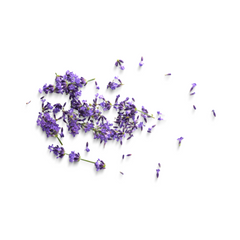
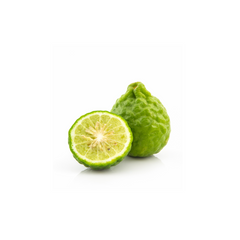
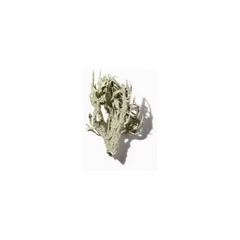
A classic clary sage accord balances herbaceous, musky, and floral-green notes. Typical proportions: Clary Sage 25–30%, Lavender 20–25%, Bergamot 20–25%, Oakmoss 25–30%. Lavender’s linalool and linalyl acetate reinforce the clean, floral brightness; bergamot’s citrusy top notes provide lift and freshness via limonene and linalyl acetate; oakmoss supplies a mossy, earthy base with evernyl and atranol, anchoring the musky warmth of clary sage.

30%

Clary Sage

25–30% of blend

Provides the herbaceous, musky, and amber-warm core, driven by linalyl acetate and sclareol for both freshness and fixative depth.

25%

Lavender

20–25% of blend

High linalool and linalyl acetate content amplifies clary sage’s floral and clean facets, creating a seamless aromatic bridge.

25%

Bergamot

20–25% of blend

Limonene and linalyl acetate deliver a citrusy top lift, enhancing the green freshness and moderating the musky undertone.

30%

Oakmoss

25–30% of blend

Evernyl and atranol provide a mossy, earthy base, reinforcing the musky, skin-like drydown and extending the accord’s longevity.

The Olfactory Layers

How Clary Sage Evolves on Skin

Clary sage’s olfactory evolution unfolds from a bright, ester-rich opening to a musky, amber-warm drydown. High-volatility esters evaporate within the first 15 minutes, revealing deeper musky and balsamic notes as sclareol and sesquiterpenes persist for several hours.

I
Top notes
0–15 min
Ester-Bright Herbaceousness

The initial impression is clean, floral, and slightly fruity, dominated by linalyl acetate and linalool. These high-volatility esters create a lavender-adjacent brightness with subtle hints of muscat grape and green tea. The top dissipates quickly, making way for the heart.

HerbaceousEster-brightFruity-floral
II
Heart notes
20–60 min
Musky Amber Warmth

As the top notes fade, the musky, wine-like warmth of clary sage emerges. Sclareol and sesquiterpenes impart a faintly narcotic, amber-musk character, while the herbal core becomes more pronounced. This stage defines clary sage’s signature in fougère and chypre accords.

MuskyAmber-warmHerbal
III
Base notes
Several hours
Balsamic Skin-Like Drydown

The drydown is skin-like and balsamic, with sclareol and minor diterpenes providing fixative weight. Hints of dried hay, tea leaves, and soft tobacco persist, blending seamlessly with oakmoss or amber in the base.

BalsamicSkin-likeHay
TOP NOTES Ester-Bright Herbaceousness 0–15 minutes HEART NOTES Musky Amber Warmth 20–60 minutes BASE NOTES Balsamic Skin-Like Drydown Several hours
Through the Ages

The Story of Clary Sage in Perfumery

Clary sage has transitioned from ancient medicinal use to a foundational note in modern perfumery, influencing both classic fougère and contemporary aromatic compositions.

Antiquity

Medicinal Reverence in Ancient Greece and Rome

Clary sage (Salvia sclarea) was highly valued by Greeks and Romans for its therapeutic and purported aphrodisiac properties. Its name derives from the Latin 'clarus' (clear), referencing its use in eye treatments and herbal remedies.

18th Century

Introduction to European Aromatic Gardens

Clary sage cultivation spread across Europe, particularly in France and England, where it was grown for both medicinal and aromatic purposes. Early distillation techniques began to capture its essential oil for use in herbal waters and early colognes.

1970

Clary Sage in Classic Chypre and Fougère

Hermès Equipage (Guy Robert) and other chypre/fougère fragrances of the era established clary sage as a key aromatic bridge, pairing it with oakmoss, lavender, and spices in masculine perfumery.

1982–1993

Defining the Modern Aromatic Accord

Drakkar Noir (1982, Pierre Wargnye) and Chanel Egoïste Platinum (1993, Jacques Polge) used clary sage to anchor the aromatic heart, influencing a generation of masculine and unisex fragrances.

2015–Present

Sclareol and Ambroxan: The Molecular Legacy

Sclareol from clary sage became the primary precursor for Ambroxan, a synthetic ambergris note central to modern perfumery. This innovation cemented clary sage’s importance in both natural and synthetic fragrance chemistry.

The Art of Layering

How to Layer Clary Sage

Understanding how to layer clary sage is key to maximizing its aromatic complexity. At a molecular level, clary sage’s linalyl acetate and sclareol form bridges with floral, citrus, and woody notes, enabling seamless olfactory transitions.

01

Enhance Freshness

Layer clary sage with bergamot or lemon to amplify the ester-bright, citrusy top notes. Linalyl acetate in both ingredients creates a molecular synergy, producing a clean, uplifting effect. Chanel Egoïste Platinum demonstrates this pairing, where clary sage and bergamot form a crisp, green opening.

02

Add Depth

Combine clary sage with oakmoss or vetiver to intensify the musky, earthy base. Sclareol and evernyl (from oakmoss) interact to create a persistent, skin-like warmth. Drakkar Noir exemplifies this, as clary sage anchors the fougère accord with oakmoss and vetiver.

03

Soften with Florals

Pair clary sage with rose or geranium for a balanced, floral-green accord. Shared terpenoid compounds (geraniol, citronellol) smooth the herbal edge and add subtle sweetness. Hermès Equipage and YSL Jazz both utilize this technique.

Wear It Right

How to Wear Clary Sage Like a Pro

Seasonal Guide

Fall & Winter

Cooler temperatures suppress volatility, allowing clary sage’s musky, amber-warm facets to linger. Apply to pulse points under clothing for a slow-release effect. The herbaceous core pairs well with woody or spicy notes in autumnal blends.

Spring

Moderate temperatures highlight clary sage’s green, floral brightness. Layer with citrus or floral notes to enhance freshness. Apply to exposed skin for increased projection during mild, breezy days.

Summer

Heat increases the volatility of linalyl acetate and linalool, intensifying the fresh, herbal opening but reducing longevity. Use lighter applications and pair with citrus or aquatic notes for a refreshing effect.

Year-Round Tip

Adjust application based on humidity: in dry climates, moisturize skin before applying to enhance longevity; in humid conditions, use sparingly to prevent over-projection of the musky base.

Application Points

Strategic application maximizes clary sage’s olfactory evolution and projection.

1

Neck

Pulse points on the neck generate heat, accelerating the release of clary sage’s top notes and enhancing the initial herbaceous brightness.

2

Behind the Ears

This area is less exposed to air, allowing the musky, amber-warm facets to develop gradually and persist throughout the day.

3

Inner Wrists

Frequent movement and warmth amplify projection, but friction may cause top notes to dissipate quickly. Ideal for experiencing the full scent evolution.

4

Hair

Spraying on hair provides a slow, sustained release of clary sage’s musky and balsamic notes, as the oil binds to keratin and diffuses with movement.

Pro Tip

Layer clary sage with a moisturizer or unscented oil base to enhance longevity and soften the transition from herbaceous top to musky base.

Mood Architecture™

Top Clary Sage Fragrances by Mood Score

These Clary Sage-based fragrances scored highest on the MEI™ Mood Architecture Framework — measuring how a scent may influence your emotional state.

Highest MEI Score
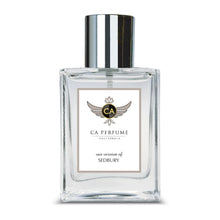
Sedbury — Parfums De Marly Sedbury Alternative Perfume
7.9
MEI™
Primary Fresh
Secondary Romantic
Confidence
6.92
Presence
7.75
Mood Lift
9.5
Identity
7.38
Warmth
8.51
Social Ease
7.85
Energy
3.7
" I am radiant.
View full mood profile →
Lippizan — Parfums De Marly Lippizan Alternative Cologne
7.3
MEI™
Primary Magnetic
Secondary Confident
Confidence
7.7
Presence
8.52
Mood Lift
7.17
Identity
7.88
Warmth
7.18
Social Ease
6.66
Energy
4.5
" I am bold.
View full mood profile →
Platinself — Chanel Egoist Platinum Alternative Cologne
7.29
MEI™
Primary Fresh
Secondary Energizing
Confidence
6.54
Presence
6.9
Mood Lift
8.24
Identity
6.48
Warmth
7.46
Social Ease
7.73
Energy
6.2
" I am radiant.
View full mood profile →
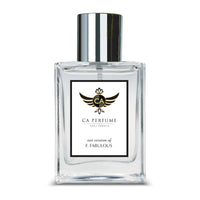
F. Fabulous — Tom Ford Fucking Fabulous Alternative Perfume
7.27
MEI™
Primary Romantic
Secondary Confident
Confidence
6.7
Presence
7.2
Mood Lift
7.7
Identity
7.16
Warmth
8.18
Social Ease
7.47
Energy
4.2
" I am beautiful.
View full mood profile →
HumanSafe™

Top Clary Sage Fragrances by HumanSafe™ Score

These Clary Sage-based fragrances have the highest product-level HumanSafe™ scores in this ingredient collection.

Highest HumanSafe™ Score
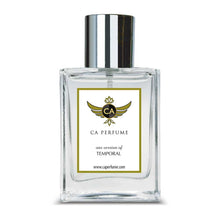
Temporal — Tempo Alternative Perfume
#1
Temporal — Tempo Alternative Perfume
Starting from $14.99
A-
HumanSafe™ Score Generally Safe
Safest Evaluated Ingredients EDP
AQUA Solvent / Carrier ISS 10.0
1,4-DIOXACYCLOHEPTADECANE-5,17-DIONE Evaluated ingredient ISS 10.0
AMBROXIDE Evaluated ingredient ISS 9.0
3-BUTEN-2-ONE, 3-METHYL-4-(2,6,6-TRIMETHYL-2- Evaluated ingredient ISS 8.0
LINALYL ACETATE Evaluated ingredient ISS 7.0
LINALOOL Evaluated ingredient ISS 7.0
View full safety profile →
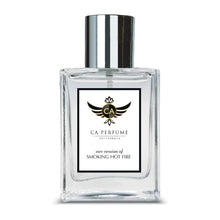
Smoking Hot Fire — Smoking Hot Alternative Perfume
A-
HumanSafe™ Score Generally Safe
Safest Evaluated Ingredients EDP
AQUA Solvent / Carrier ISS 10.0
1,4-DIOXACYCLOHEPTADECANE-5,17-DIONE Evaluated ingredient ISS 10.0
BENZENE, 1-METHOXY-4-(1-PROPENYL)-, (E)- Evaluated ingredient ISS 9.0
2H-1-BENZOPYRAN-2-ONE Evaluated ingredient ISS 8.0
LINALYL ACETATE Evaluated ingredient ISS 7.0
BENZOIC ACID, 2,4-DIHYDROXY-3,6-DIMETHYL-, METHYL Evaluated ingredient ISS 7.0
View full safety profile →
Sedbury — Parfums De Marly Sedbury Alternative Perfume
A-
HumanSafe™ Score Generally Safe
Safest Evaluated Ingredients EDP
AQUA Solvent / Carrier ISS 10.0
ACETIC ACID, PHENYLMETHYL ESTER Evaluated ingredient ISS 10.0
BENZYL SALICYLATE Evaluated ingredient ISS 9.0
3-DECEN-5-OL, 4-METHYL- Evaluated ingredient ISS 8.0
3-BUTEN-2-ONE, 3-METHYL-4-(2,6,6-TRIMETHYL-2- Evaluated ingredient ISS 8.0
View full safety profile →
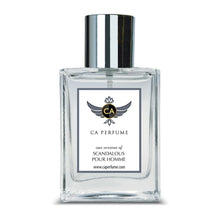
Scandalous Pour Homme — Roja Dove Scandal Pour Homme Alternative Perfume
A-
HumanSafe™ Score Generally Safe
Safest Evaluated Ingredients EDP
AQUA Solvent / Carrier ISS 10.0
4H-INDEN-4-ONE, 1,2,3,5,6,7-HEXAHYDRO-1,1,2,3,3- Evaluated ingredient ISS 9.0
LINALYL ACETATE Evaluated ingredient ISS 7.0
LINALOOL Evaluated ingredient ISS 7.0
BENZOIC ACID, 2,4-DIHYDROXY-3,6-DIMETHYL-, METHYL Evaluated ingredient ISS 7.0
ALCOHOL DENAT. Solvent / Carrier ISS 7.0
View full safety profile →
Expert Voices

What Masters Say About Clary Sage

Clary sage develops a musky, wine-like warmth that lavender never reaches: drier than labdanum, less smoky than tobacco absolute, sweeter than vetiver. A faint narcotic quality, almost soporific, sits underneath.
Première Peau Editorial
Clary sage’s sclareol content has been key to the synthesis of Ambroxan, a modern substitute for ambergris, making it indispensable in contemporary perfumery chemistry.
CA Perfume Editorial
Common Questions

Frequently Asked Questions

Answers to the most common questions about clary sage in perfumery.

Clary sage in perfume smells herbaceous, musky, and amber-warm, with subtle floral and fruity nuances. The scent is driven by linalyl acetate, linalool, and sclareol, producing a profile reminiscent of sun-dried hay, muscat grape skins, and a wine-like warmth. In the drydown, it becomes skin-like and balsamic, blending seamlessly with oakmoss or amber. This unique character is showcased in fragrances like Chanel Egoïste Platinum and Drakkar Noir.

Clary sage is classified as a heart (middle) note in perfumery. Its moderate volatility allows it to bridge fresh top notes (such as bergamot or lavender) and deeper base notes (like oakmoss or tobacco). The essential oil’s main constituents, linalyl acetate and sclareol, provide both brightness and fixative depth, making clary sage a versatile ingredient in aromatic and fougère compositions.

Clary sage is favored in niche perfumery for its complex, evolving scent profile and its ability to impart a natural, musky warmth. Its high sclareol content is also essential for synthesizing Ambroxan, a key ambergris substitute in modern fragrance chemistry. Niche brands value clary sage for its ability to bridge floral, citrus, and woody notes, creating nuanced, skin-like accords that evolve uniquely on each wearer.

Clary sage fragrance uses often involve pairing with lavender, bergamot, oakmoss, vetiver, rose, and geranium. These combinations exploit shared molecular compounds (linalool, linalyl acetate, geraniol) to create harmonious aromatic, fougère, and chypre accords. Woody notes like sandalwood and patchouli also complement clary sage’s musky base, while citrus notes enhance its fresh, green opening.

Clary sage can be worn year-round, but in hot weather, its ester-rich top notes (linalyl acetate, linalool) become more pronounced due to increased volatility. This results in a fresher, brighter opening but may reduce longevity. For summer, lighter applications and pairing with citrus or aquatic notes are recommended to maximize freshness and prevent the musky base from becoming overwhelming.

Clary sage essential oil provides moderate longevity, lasting 24–48 hours on a smelling strip and 4–8 hours on skin, depending on concentration and formulation. The musky, amber-warm drydown (driven by sclareol and sesquiterpenes) persists longest, while the ester-bright top fades within the first hour. Oil-based and higher-concentration formats extend longevity.

Yes, clary sage is highly versatile for layering. Its molecular compatibility with lavender, bergamot, oakmoss, and rose allows for seamless blending. Layering clary sage with citrus enhances freshness, while pairing with woody or floral notes adds depth and complexity. This approach is exemplified in classic fougère and modern aromatic fragrances.

For those new to clary sage, Chanel Egoïste Platinum and Drakkar Noir are excellent introductions, offering balanced aromatic profiles. Elizabeth Arden White Tea provides a softer, unisex interpretation, while Issey Miyake L’Eau d’Issey pour Homme Vetiver demonstrates clary sage’s modern versatility. These fragrances highlight clary sage’s role without overwhelming the wearer.

When selecting a clary sage fragrance at CA Perfume, consider the desired aromatic balance: for a fresh, green profile, look for blends with bergamot and lavender; for a musky, amber-warm effect, seek compositions with oakmoss or vetiver. CA Perfume’s HumanSafe™ platform ensures ingredient transparency and safety, allowing you to choose with confidence.

Clary sage is primarily herbaceous, musky, and amber-warm, with subtle sweetness from linalyl acetate and faint fruity undertones reminiscent of muscat grape. It is not typically spicy, though it may be paired with spices in chypre or fougère accords. The sweetness is balanced by green, hay-like, and balsamic facets, making clary sage a nuanced, unisex note.

Aromatic Fougere Collection

Explore Our Top Clary Sage Fragrances

Discover CA Perfume’s curated selection of clary sage-forward fragrances, showcasing the ingredient’s aromatic complexity and versatility across classic and modern compositions.

Shop all clary sage fragrances at CA Perfume →

Where Clary Sage Comes From — Origin & Extraction

Clary sage (Salvia sclarea) is a biennial herb indigenous to the northern Mediterranean and Central Asia, now cultivated extensively in France (notably Haute-Provence and Drôme), Bulgaria, Russia, Hungary, Italy, China, and the United States. France and Bulgaria are the primary producers, with France’s Haute-Provence region yielding approximately 100–150 metric tons of essential oil annually. The plant thrives in poor, calcareous soils at altitudes of 600–1,200 meters, where the dry climate and strong mistral winds increase essential oil concentration and protect against fungal diseases. Extraction of clary sage essential oil is performed via steam distillation of freshly harvested flowering tops and upper leaves. Typical yields range from 0.1–0.4% based on fresh plant weight, with high-altitude, low-fertility soils producing the most aromatically concentrated oils (average yield: 0.15%). Clary sage absolute is obtained through solvent extraction (hexane followed by ethanol wash), resulting in a green, waxy paste with a high sclareol content (30–50%), compared to trace amounts in the distilled oil. Supercritical CO2 extraction is also employed for a cleaner, high-sclareol product. Wholesale prices for clary sage essential oil range from $120–$250/kg (2025), while the absolute, due to its higher sclareol content and fixative value, can reach $400–$600/kg. Synthetic sclareol, used as a precursor for Ambroxan, is less expensive but lacks the complex aromatic profile of the natural oil. Sustainability considerations include the crop’s adaptability to low-input agriculture and its role in supporting pollinator biodiversity. Clary sage is not listed as threatened, and its cultivation is considered environmentally sustainable when practiced in rotation with other aromatic crops. The plant’s high sclareol content is also critical for the sustainable production of Ambroxan, reducing reliance on animal-derived ambergris.

Famous Fragrances That Define Clary Sage in Perfumery

Clary sage has played a pivotal role in both classic and contemporary perfumery, particularly within the fougère and aromatic families. In Chanel Egoïste Platinum (1993, Jacques Polge), clary sage forms the aromatic heart, bridging lavender, geranium, and oakmoss to create a crisp, green signature. Drakkar Noir by Guy Laroche (1982, Pierre Wargnye) is another landmark, with clary sage anchoring the fougère accord and lending a musky, herbal warmth that defines its masculine character. Hermès Equipage (1970, Guy Robert) utilizes clary sage to impart a green, spicy nuance to its chypre structure, while Yves Saint Laurent Jazz (1988, Jean-François Latty) employs it as a bridge between fresh citrus and woody base notes. In contemporary perfumery, Issey Miyake L’Eau d’Issey pour Homme Vetiver (2023) and Elizabeth Arden White Tea (2017) demonstrate clary sage’s versatility in both masculine and unisex compositions, adding a clean, herbal freshness and subtle musky undertone. These fragrances often pair clary sage with bergamot, lavender, vetiver, and amber, highlighting its ability to enhance both floral and woody elements. CA Perfume’s collection honors this lineage by offering clary sage-forward fragrances that balance tradition with modern aromatic complexity.

Natural vs Synthetic Clary Sage in Perfumery

Natural clary sage oil is dominated by linalyl acetate (CAS 115-95-7), linalool (CAS 78-70-6), and sclareol (CAS 515-03-7). Synthetic analogues are used to replicate or enhance specific facets of the clary sage scent profile, particularly for cost, consistency, or allergen reduction. Key synthetic molecules include linalyl acetate (nature-identical), sclareol (semi-synthetic, often derived from clary sage biomass or synthesized from other terpenes), and Ambroxan (CAS 6790-58-5), a widely used ambergris substitute synthesized from sclareol. Performance-wise, natural clary sage oil offers a nuanced, evolving scent with moderate longevity (24–48 hours on a blotter), while synthetics provide greater consistency, stability, and batch-to-batch reproducibility. Synthetic linalyl acetate and linalool are less costly ($20–$50/kg) compared to natural oil ($120–$250/kg), and Ambroxan, as a sclareol derivative, is now produced at industrial scale for $100–$200/kg. Notable fragrances using natural clary sage include Chanel Egoïste Platinum and Hermès Equipage, while Ambroxan (from sclareol) is central to modern compositions like Maison Francis Kurkdjian Baccarat Rouge 540 (2015). Sustainability and supply chain transparency are increasingly prioritized, with the HumanSafe™ platform verifying the origin and purity of both natural and synthetic clary sage derivatives. CA Perfume utilizes HumanSafe™ verified clary sage sources, ensuring traceability and compliance with IFRA standards.