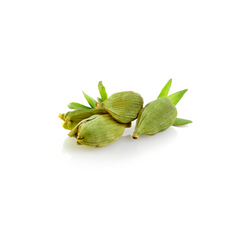
Ingredient Guide · Spicy
Spicy Family · Perfumery Note

Chili Pepper

An explosive note igniting warmth and boldness

Chili Pepper is a spicy top note in perfumery, delivering a vibrant, fiery scent that enlivens compositions. Extracted mainly by steam distillation, it is used at low concentrations to add dynamic heat.

Chili Pepper
Ingredient Profile

Chili Pepper

Spicy Family
Family Spicy
Note Position Top Note
Usage Level <1%
Key Origins Mexico, United States, Thailand
Iconic In Spicebomb, Piment Brûlant
The Ingredient

What does Chili Pepper smell like and why is it so unique?

Chili Pepper in perfumery is characterized by a fiery, spicy scent profile that delivers an immediate burst of heat and vibrancy. This distinctive aroma arises from complex volatile compounds including capsaicin-related molecules, which impart the characteristic pungency and warmth. The note is typically classified as a top note due to its high volatility and initial impact on the fragrance experience. In perfumery, chili pepper is used sparingly, often at concentrations below 1%, to provide a dynamic and energetic opening. Its spicy nature interacts uniquely with skin chemistry, sometimes enhancing warmth and creating a subtle lingering effect into the heart of the fragrance. This dual role makes chili pepper versatile, contributing both initial brightness and a warm spicy undertone. Notable examples include Guerlain's L'Homme Idéal L'Intense (2014, perfumer Thierry Wasser), where chili pepper adds a spicy kick balanced by sweet almond and vanilla, and Obvious's Scoville (2024, perfumer Patrice Revillard), which features chili pepper alongside Sichuan and black pepper for a bold, woody-spicy composition. These fragrances illustrate chili pepper's capacity to energize and deepen scent profiles in modern perfumery.

<1%
Typical concentration range for chili pepper in fragrance formulations to ensure safety and balanced spiciness.
20–30 minutes
Duration of chili pepper's prominent presence in the top note phase before transitioning to heart notes.
300,000+ tons
Approximate global annual production of chili peppers, with major contributions from Mexico, the US, and Thailand.
Origin & Extraction

Where Chili Pepper Comes From — Origin & Extraction

Chili pepper's scent character is influenced by its geographic origin, where soil composition, climate, and cultivation practices shape its aromatic profile. Regions with warm climates and rich, well-drained soils produce peppers with intense heat and vibrant spice notes.

Chili Pepper used in perfumery is primarily derived from the dried fruits of plants in the Capsicum genus, with varieties cultivated globally, notably in Mexico, the United States (especially the Southwest), and Thailand. These regions provide diverse chili cultivars, each imparting unique aromatic nuances influenced by soil composition, climate, and agricultural practices. Extraction of chili pepper's aromatic compounds is predominantly achieved through steam distillation of dried pepper fruits, a process conducted at controlled temperatures to preserve volatile spicy molecules. Alternative methods include solvent extraction and supercritical CO2 extraction, which yield more concentrated and pure extracts. The steam distillation process typically occurs at temperatures below 100°C to avoid degradation of heat-sensitive compounds like capsaicin. Natural chili pepper extracts are relatively costly, with prices ranging from $500 to $2,000 per kilogram depending on quality and origin. Synthetic analogs and aroma chemicals such as capsaicin derivatives offer more affordable alternatives, costing approximately $50–$200 per kilogram. Sustainability considerations include the agricultural impact of chili cultivation and the energy consumption of extraction processes. The synthetic production of chili pepper aroma chemicals, first developed in the late 20th century, provides a stable supply with reduced environmental footprint.

MX

Mexico

Mexico is a leading producer of diverse chili varieties, known for their intense heat and complex aroma. The volcanic soils and warm climate of regions like Oaxaca contribute to peppers with rich, smoky, and fruity undertones. Mexico accounts for approximately 30% of global chili production, with traditional hand-harvesting methods preserving quality.

US

United States

The southwestern United States, including New Mexico and Texas, cultivates chili peppers prized for their bold, bright spiciness. The arid climate and sandy soils produce peppers with sharp, clean heat and fresh green notes. The US contributes roughly 15% of the world's chili supply, with mechanized harvesting increasing yield.

TH

Thailand

Thailand's chili peppers are renowned for their fiery intensity and unique fruity undertones. The tropical climate and fertile alluvial soils of regions like Chiang Mai foster peppers with bright, sharp heat and subtle sweetness. Thailand is a major exporter, supplying over 10% of the global market.

Chemistry

Natural vs Synthetic Chili Pepper in Perfumery

Natural chili pepper extracts contain a complex mixture of volatile compounds including capsaicin, dihydrocapsaicin, and various terpenes, contributing to their authentic fiery and spicy scent. However, natural extracts can vary in intensity and composition due to agricultural and climatic factors. Synthetic chili pepper aroma chemicals, such as synthetic capsaicin (CAS 404-86-4), nonivamide, and related analogs, provide consistent, stable, and often more potent spicy notes. These synthetics offer improved longevity and diffusion in fragrance formulations, enhancing performance compared to natural extracts. Cost differentials are significant: natural extracts can cost upwards of $1,000 per kilogram, while synthetics are available at $50–$200 per kilogram. Famous fragrances like Guerlain L'Homme Idéal L'Intense utilize natural chili pepper extracts, whereas Obvious Scoville employs a blend of natural and synthetic spicy molecules for enhanced effect. Sustainability concerns favor synthetics due to lower agricultural resource use and reduced environmental impact. CA Perfume's approach emphasizes transparency via the HumanSafe™ platform, ensuring ingredient safety and ethical sourcing for both natural and synthetic chili pepper components.

Natural
Chili Pepper Absolute
Cost $3,000–6,000/kg
Method Solvent / CO₂
Character Complex, variable
vs
Synthetic
Safranal & Analogues
Cost $50–200/kg
Method Lab synthesis
Character Consistent, stable
Hall of Fame

Famous Fragrances That Define Chili Pepper in Perfumery

2012
top note accent

Spicebomb

Viktor & Rolf
by Olivier Polge
cinnamonpink peppertobacco
2006
dominant note

Piment Brûlant

L'Artisan Parfumeur
by Jean-Claude Ellena
woody notesresins
2012
bridge note

Poivre Samarcande

Hermès
by Jean-Claude Ellena
floralswoods
2014
accent note

L'Homme Idéal L'Intense

Guerlain
by Thierry Wasser
almondvanillaspices
2024
dominant note

Scoville

Obvious
by Patrice Revillard
Sichuan pepperblack pepperwoody notes

Chili pepper has been embraced in several landmark fragrances, where it functions as a dynamic spicy accent or a dominant note, contributing to the composition's character and complexity. Viktor & Rolf's Spicebomb (2012, perfumer Olivier Polge) uses chili pepper alongside cinnamon and pink pepper as a fiery, masculine top accord that energizes the scent. L'Artisan Parfumeur's Piment Brûlant (2006, perfumer Jean-Claude Ellena) centers on chili pepper to evoke intense heat and spiciness, balanced by woody and resinous notes. Hermès Poivre Samarcande (2012, perfumer Jean-Claude Ellena) features chili pepper as a warm, spicy bridge note, harmonizing with floral and woody elements to create an elegant oriental fragrance. Guerlain L'Homme Idéal L'Intense (2014, perfumer Thierry Wasser) incorporates chili pepper as an accent note, adding a spicy kick that contrasts with almond and vanilla. Obvious Scoville (2024, perfumer Patrice Revillard) is a contemporary example where chili pepper is a dominant note, combined with Sichuan and black pepper to craft a bold, woody-spicy amber scent. CA Perfume's collection reflects this lineage by offering fragrances that showcase chili pepper's versatility, from subtle warmth to explosive spice.

The Accord

How is a captivating Chili Pepper accord crafted?

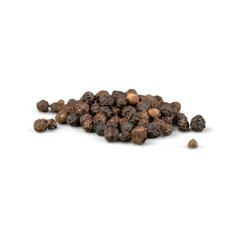
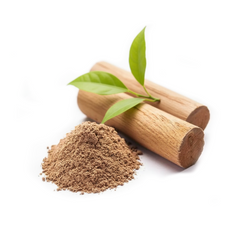
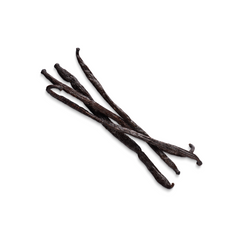
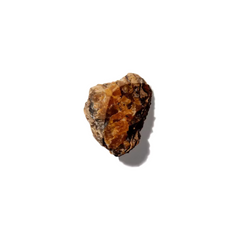
A chili pepper accord balances the fiery, spicy character of chili with complementary notes that enhance warmth, depth, and complexity. Typically, chili pepper constitutes 20-25% of the blend, providing the signature heat. Black pepper (15-20%) adds a layered spiciness with woody undertones. Sandalwood (25-30%) offers a creamy, smooth base that tempers the sharpness of the spices. Vanilla (20-25%) introduces sweetness that softens the overall accord, creating a harmonious and inviting warmth.

25%

Chili Pepper

20–25% of blend

Provides the primary fiery, spicy heat through capsaicin-related molecules, delivering vibrancy and energy.

20%

Black Pepper

15–20% of blend

Adds warm, woody spiciness via piperine and caryophyllene, complementing chili's heat with complexity.

30%

Sandalwood

25–30% of blend

Offers a creamy, woody base that smooths the sharpness of chili and black pepper, grounding the accord.

25%

Vanilla

20–25% of blend

Contributes sweet, soft vanillin molecules that mask chili's pungency, enhancing warmth and inviting character.

The Olfactory Layers

How Chili Pepper Evolves on Skin

Chili pepper's olfactory journey begins with a sharp, vibrant burst of spicy heat in the top notes, driven by highly volatile capsaicin-related compounds. As the fragrance evolves, the heart reveals a warmer, woody-spicy character as less volatile terpenes and phenolic compounds emerge. The base notes settle into a smooth, warm dry-down with subtle sweetness and creamy woody facets, extending the spicy warmth over several hours.

I
Top notes
0–15 min
Fiery Spicy Burst

The initial impression is dominated by the pungent, fiery heat of capsaicin and related molecules, which evaporate quickly to deliver an immediate spicy kick. This stage is characterized by sharp, vibrant spiciness with occasional green and citrus undertones from minor volatile compounds.

FierySharpVibrant
II
Heart notes
20–60 min
Warm Woody Spice

As the top notes fade, the heart reveals a warmer, woody-spicy complexity. Compounds like caryophyllene and myrcene contribute to a resinous, slightly sweet spiciness that balances the initial heat with depth and richness.

WarmWoodySpicy
III
Base notes
Several hours
Smooth Lingering Warmth

The base offers a smooth, lingering warmth with subtle sweetness from vanillin and creamy sandalwood lactones. The spicy character softens but remains perceptible, providing a comforting and enduring finish.

SmoothWarmLingering
TOP NOTES Fiery Spicy Burst 0–15 minutes HEART NOTES Warm Woody Spice 20–60 minutes BASE NOTES Smooth Lingering Warmth Several hours
Through the Ages

The Story of Chili Pepper in Perfumery

Chili pepper's journey in perfumery spans centuries, from its botanical discovery to modern innovative uses, marking key milestones in fragrance history.

Late 15th Century

Discovery of Chili Pepper

Christopher Columbus encountered chili peppers during his voyages to the Caribbean, introducing them to Europe and initiating their global spread.

Early 20th Century

First Use in Fragrance

Chili pepper began appearing as a spice note in niche perfumery, valued for its unique heat and aromatic complexity.

2006

Piment Brûlant by L'Artisan Parfumeur

Jean-Claude Ellena crafted a fragrance centered on chili pepper, showcasing its intense heat and olfactory potential.

2012

Spicebomb by Viktor & Rolf

Olivier Polge incorporated chili pepper as a key spicy accent, popularizing its use in masculine fragrances.

2024

Scoville by Obvious

Patrice Revillard created a bold spicy amber fragrance featuring chili pepper as a dominant note, highlighting modern applications.

The Art of Layering

How to Layer Chili Pepper

Understanding how to layer chili pepper involves molecular compatibility and olfactory synergy to balance its fiery heat with complementary notes.

01

Enhance Sweetness

Layering chili pepper with vanilla introduces vanillin molecules that mask capsaicin's sharpness through olfactory masking, creating a warm, inviting softness. This pairing is exemplified in Guerlain L'Homme Idéal L'Intense.

02

Add Depth

Combining chili pepper with sandalwood's creamy lactones provides a smooth woody base that tempers spiciness and adds longevity. This synergy is evident in Obvious Scoville.

03

Lighten the Glow

Pairing chili pepper with fresh citrus notes like bergamot introduces limonene, which brightens and lifts the spicy heat, preventing heaviness and adding vibrancy, useful for summer layering.

Wear It Right

How to Wear Chili Pepper Like a Pro

Seasonal Guide

Fall & Winter

Cooler temperatures suppress volatility, allowing chili pepper's warmth to linger longer and feel comforting. Apply slightly more to enhance projection without overwhelming, making it ideal for cozy, intimate settings.

Spring

Moderate temperatures balance volatility and diffusion, showcasing chili pepper's spicy brightness with a smooth transition to woody undertones. Layer with fresh florals for a balanced seasonal scent.

Summer

Heat increases molecular diffusion, intensifying chili pepper's fiery top notes which can become overpowering. Use sparingly or layer with cooling citrus or aquatic notes to maintain freshness and wearability.

Year-Round Tip

Adjust application based on temperature and humidity; layering chili pepper with vanilla or sandalwood can moderate heat and extend wear across seasons.

Application Points

Strategic application enhances chili pepper's spicy impact and longevity.

1

Neck

Pulse points like the neck emit heat that amplifies chili pepper's volatile spicy molecules, enhancing projection and initial impact.

2

Behind the Ears

This warm area allows the spicy note to diffuse subtly, creating a personal scent aura without overwhelming.

3

Inner Wrists

The pulse here intensifies evaporation, delivering a vibrant spicy burst that is noticeable during movement.

4

Hair

Hair retains fragrance oils longer, releasing chili pepper's warmth gradually and softly, ideal for sustained scent presence.

★

Pro Tip

Layer chili pepper fragrances with complementary vanilla or woody notes on clothing to balance heat and extend sillage.

HumanSafe™

Chili Pepper Safety Profile in Our Fragrances

No ingredient collection was found for chili-pepper.

Create or connect a collection with the same handle as this ingredient, then add products that contain this ingredient.

Expert Voices

What Masters Say About Chili Pepper

“
Natural doesn’t always mean better. In perfumery, ‘natural’ can mean more allergens, less stability, and more environmental strain.
L’Atelier Parfum
“
Chili pepper is a dynamic ingredient that brings a distinct heat and warmth to fragrances, renowned for its captivating aromatic qualities.
CA Perfume Editorial
Common Questions

Frequently Asked Questions

Frequently asked questions about chili pepper in perfumery, addressing scent, usage, and pairing.

Chili pepper in perfume smells fiery, spicy, and warm, delivering an immediate burst of heat primarily from capsaicin-related compounds. It often features a vibrant, pungent top note that energizes the fragrance, followed by a warm, woody heart and a smooth, slightly sweet base. Examples include Guerlain L'Homme Idéal L'Intense and Obvious Scoville.

Chili pepper is predominantly used as a top note in perfumery due to its high volatility and immediate spicy impact. However, its subtle warmth can linger into the heart notes, providing a spicy undertone that enhances the fragrance's depth.

Chili pepper is favored in niche perfumery for its bold, unconventional heat that adds complexity and character. Its distinctive fiery scent creates contrast and intrigue, appealing to adventurous consumers seeking unique olfactory experiences.

Chili pepper fragrance uses often pair it with black pepper, sandalwood, vanilla, benzoin, and cardamom. These notes complement chili's heat by adding woody, sweet, or balsamic facets that balance and enrich the spicy character.

Chili pepper perfumes can be intense in hot weather due to increased volatility, which may amplify the spicy heat. For summer wear, it is advisable to use lighter concentrations or layer with fresh citrus or aquatic notes to maintain freshness and comfort.

Chili pepper's prominent spicy top note typically lasts 20–30 minutes, with its warm undertones lingering into the heart and base notes for several hours, depending on the formulation and concentration.

Yes, layering chili pepper with complementary notes like vanilla, sandalwood, or citrus can modulate its heat and create unique scent profiles. Understanding how to layer chili pepper enhances its versatility and wearability.

For beginners, fragrances like Guerlain L'Homme Idéal L'Intense and Obvious Scoville offer balanced chili pepper notes with supporting sweet and woody accords, making them approachable introductions to spicy scents.

Selecting a chili pepper fragrance at CA Perfume involves considering your preference for intensity, complementary notes, and seasonality. The HumanSafe™ platform provides transparency on ingredient safety and sourcing to help you make informed choices.

Chili pepper primarily smells spicy and fiery, but when blended with sweet notes like vanilla or benzoin, it can exhibit a warm, sweet-spicy balance that softens its pungency while retaining vibrancy.

Spicy Collection

Explore Our Top Chili Pepper Fragrances

Discover bold and spicy perfumes featuring chili pepper, curated for enthusiasts seeking fiery and dynamic scent experiences.

Shop all chili pepper fragrances at CA Perfume →

Where Chili Pepper Comes From — Origin & Extraction

Chili Pepper used in perfumery is primarily derived from the dried fruits of plants in the Capsicum genus, with varieties cultivated globally, notably in Mexico, the United States (especially the Southwest), and Thailand. These regions provide diverse chili cultivars, each imparting unique aromatic nuances influenced by soil composition, climate, and agricultural practices. Extraction of chili pepper's aromatic compounds is predominantly achieved through steam distillation of dried pepper fruits, a process conducted at controlled temperatures to preserve volatile spicy molecules. Alternative methods include solvent extraction and supercritical CO2 extraction, which yield more concentrated and pure extracts. The steam distillation process typically occurs at temperatures below 100°C to avoid degradation of heat-sensitive compounds like capsaicin. Natural chili pepper extracts are relatively costly, with prices ranging from $500 to $2,000 per kilogram depending on quality and origin. Synthetic analogs and aroma chemicals such as capsaicin derivatives offer more affordable alternatives, costing approximately $50–$200 per kilogram. Sustainability considerations include the agricultural impact of chili cultivation and the energy consumption of extraction processes. The synthetic production of chili pepper aroma chemicals, first developed in the late 20th century, provides a stable supply with reduced environmental footprint.

Famous Fragrances That Define Chili Pepper in Perfumery

Chili pepper has been embraced in several landmark fragrances, where it functions as a dynamic spicy accent or a dominant note, contributing to the composition's character and complexity. Viktor & Rolf's Spicebomb (2012, perfumer Olivier Polge) uses chili pepper alongside cinnamon and pink pepper as a fiery, masculine top accord that energizes the scent. L'Artisan Parfumeur's Piment Brûlant (2006, perfumer Jean-Claude Ellena) centers on chili pepper to evoke intense heat and spiciness, balanced by woody and resinous notes. Hermès Poivre Samarcande (2012, perfumer Jean-Claude Ellena) features chili pepper as a warm, spicy bridge note, harmonizing with floral and woody elements to create an elegant oriental fragrance. Guerlain L'Homme Idéal L'Intense (2014, perfumer Thierry Wasser) incorporates chili pepper as an accent note, adding a spicy kick that contrasts with almond and vanilla. Obvious Scoville (2024, perfumer Patrice Revillard) is a contemporary example where chili pepper is a dominant note, combined with Sichuan and black pepper to craft a bold, woody-spicy amber scent. CA Perfume's collection reflects this lineage by offering fragrances that showcase chili pepper's versatility, from subtle warmth to explosive spice.

Natural vs Synthetic Chili Pepper in Perfumery

Natural chili pepper extracts contain a complex mixture of volatile compounds including capsaicin, dihydrocapsaicin, and various terpenes, contributing to their authentic fiery and spicy scent. However, natural extracts can vary in intensity and composition due to agricultural and climatic factors. Synthetic chili pepper aroma chemicals, such as synthetic capsaicin (CAS 404-86-4), nonivamide, and related analogs, provide consistent, stable, and often more potent spicy notes. These synthetics offer improved longevity and diffusion in fragrance formulations, enhancing performance compared to natural extracts. Cost differentials are significant: natural extracts can cost upwards of $1,000 per kilogram, while synthetics are available at $50–$200 per kilogram. Famous fragrances like Guerlain L'Homme Idéal L'Intense utilize natural chili pepper extracts, whereas Obvious Scoville employs a blend of natural and synthetic spicy molecules for enhanced effect. Sustainability concerns favor synthetics due to lower agricultural resource use and reduced environmental impact. CA Perfume's approach emphasizes transparency via the HumanSafe™ platform, ensuring ingredient safety and ethical sourcing for both natural and synthetic chili pepper components.