Ingredient Guide · Floral
Floral Family · Perfumery Note

Champak

Exotic floral essence with rich, multi-dimensional aroma

Champak is a heart note in perfumery derived from Michelia champaca flowers, known for its creamy, fruity, and slightly spicy floral character. Its primary molecule methyl anthranilate imparts a distinctive orange blossom-grape facet.

Champak
Ingredient Profile

Champak

Floral Family
Family Floral
Note Position Heart Note
Usage Level 0.1–1%
Key Origins India, Indonesia, China
Iconic In Champaca Absolute, Champaca
The Ingredient

What does Champak smell like and why is it significant in perfumery?

Champak, sourced from the flowers of Michelia champaca (synonym Magnolia champaca), is a complex floral note characterized by creamy, fruity, and slightly spicy nuances. Its scent profile is dominated by methyl anthranilate, which provides a distinctive orange blossom and grape-like brightness, combined with indolic compounds such as indole that add a warm, slightly animalic depth. Beta-ionone and dihydro-beta-ionone contribute a violet-powdery dryness, creating a multi-layered olfactory experience. In perfumery, champak functions primarily as a heart note, used at concentrations typically ranging from 0.1% to 1% in fine fragrance formulations. Extracted via solvent extraction to preserve its delicate aromatic compounds, champak absolute is valued for its tenacity and complexity. It interacts with skin chemistry by evolving over time, revealing different facets as the indoles and ionones unfold, which can vary between wearers. Notable fragrances featuring champak include Tom Ford's Champaca Absolute (2009) by Rodrigo Flores-Roux, where it serves as a dominant floral note paired with cognac, bergamot, and sandalwood, and Ormonde Jayne's Champaca (2002) by Geza Schoen, which blends champak with bamboo, neroli, and green tea to create an elegant floral heart. These examples illustrate champak's versatility and its role in adding exotic floral richness and depth to compositions.

0.1–1%
Typical concentration range of champak absolute in fine fragrance formulations, balancing olfactory impact with blend harmony.
15–20 hours
Approximate longevity of champak-based perfumes on skin when supported by fixatives like sandalwood and vanilla.
17.5%
Maximum IFRA dermal use level for champak absolute to avoid sensitization, ensuring safe application in personal care products.
Origin & Extraction

Where Champak Comes From — Origin & Extraction

Champak’s scent character is influenced by its geographic origin, with soil composition, climate, and cultivation practices shaping the aromatic profile. Key producing regions include India and Indonesia, where subtropical climates and volcanic soils contribute to variations in sweetness, floral intensity, and green undertones.

Champak is derived from the flowers of Michelia champaca L., a large evergreen tree native to the Indomalaya ecozone, including India, Nepal, southern China, Indonesia, and parts of Southeast Asia. The tree produces intensely fragrant yellow to orange flowers, harvested primarily during the monsoon and spring seasons. India, particularly Tamil Nadu and Karnataka, is a major producer, with Indonesia also contributing significant volumes. The flowers are harvested at dawn and processed rapidly to preserve their delicate scent. Extraction is primarily conducted via solvent extraction, yielding a dark, viscous absolute that retains the flower's complex aromatic profile. This method is preferred over steam distillation due to the thermal sensitivity of key compounds like methyl anthranilate and indoles. The solvent extraction process captures over 240 volatile compounds, producing a rich, tenacious material used in high-end perfumery. Natural champak absolute commands a high price, often several hundred to over a thousand dollars per kilogram, reflecting the labor-intensive harvesting and extraction. Synthetic reconstitutions and aroma chemicals are used to supplement supply and reduce costs. Sustainability concerns focus on responsible harvesting and cultivation practices to prevent overexploitation. Traditional Indian attar production blends champak with sandalwood oil as a fixative, creating a uniquely healing and long-lasting fragrance accord.

IN

India

Tamil Nadu and Karnataka regions produce champak with a sweeter, more intensely floral absolute. The monsoon and spring flowering seasons yield flowers harvested at dawn for rapid solvent extraction. India accounts for the majority of global champak production, with traditional attar distillation practices using sandalwood fixatives.

ID

Indonesia

Aceh and West Java regions produce champak with greener, mossy undertones attributed to volcanic soil composition. Indonesian champak absolute tends to be less sweet but richer in earthy and herbal notes, offering a distinct alternative to Indian varieties.

CN

China

Southern China cultivates champak trees contributing to regional supply. The subtropical climate supports flower production with slightly different aromatic nuances, often used in local perfumery and incense.

Chemistry

Natural vs Synthetic Champak in Perfumery

Natural champak absolute is a solvent-extracted material from Michelia champaca flowers, containing a complex mixture of aromatic compounds including methyl anthranilate (CAS 134-20-3), indole (CAS 120-72-9), beta-ionone (CAS 14901-07-6), and methyl linoleate. It offers a rich, multi-dimensional floral scent with warm, fruity, and slightly animalic facets, but is costly and variable due to agricultural factors. Synthetic alternatives focus on replicating key molecules such as methyl anthranilate, indole, and ionones to mimic champak's characteristic brightness and depth. Synthetic versions provide greater consistency, longevity, and diffusion, often at a fraction of the cost of natural absolute. However, they may lack some of the nuanced complexity and evolving character of the natural material. Famous fragrances like Tom Ford's Champaca Absolute use natural absolute for authenticity and richness, while some modern niche perfumes employ synthetic reconstitutions for stability and cost-effectiveness. The HumanSafe™ platform emphasizes transparency and safety in ingredient sourcing, ensuring that both natural and synthetic champak components meet strict standards for allergen content and environmental impact. CA Perfume values both natural and synthetic champak, selecting materials based on performance, sustainability, and olfactory fidelity.

Natural
Champak Absolute
Cost $3,000–6,000/kg
Method Solvent / CO₂
Character Complex, variable
vs
Synthetic
Safranal & Analogues
Cost $50–200/kg
Method Lab synthesis
Character Consistent, stable
Hall of Fame

Famous Fragrances That Define Champak in Perfumery

2009
dominant note

Champaca Absolute

Tom Ford
by Rodrigo Flores-Roux
CognacBergamotOrchidSandalwoodAmber
2002
heart note

Champaca

Ormonde Jayne
by Geza Schoen
BambooNeroliPink PepperGreen TeaMuskMyrrh
2007
heart note

Series Luxe: Champaca

Comme des Garcons
by Nathalie Feisthauer
AngelicaWhite PepperCardamomTuberoseWhite Musk
2024
heart note

Champaca Edizione Millesimata

Trussardi
by Cecile Matton
Lemon BlossomPralineHazelnutVanillaHeliotrope
2023
accent

High Priestess ☽

Wild Veil
JasmineRoseTuberoseFrangipaniMusk

Champak has been featured prominently in several landmark fragrances, showcasing its exotic floral character and versatility. Tom Ford's Champaca Absolute (2009), crafted by Rodrigo Flores-Roux, uses champak as a dominant floral note, combined with cognac, bergamot, orchid, and sandalwood to create a rich, oriental floral composition. Ormonde Jayne's Champaca (2002), by Geza Schoen, highlights champak in a refined floral heart with bamboo, neroli, and green tea, emphasizing elegance and freshness. Comme des Garcons Series Luxe: Champaca (2007), by Nathalie Feisthauer, presents champak alongside tuberose, angelica, and white musk, delivering a complex floral woody musk fragrance with spicy undertones. Trussardi's Champaca Edizione Millesimata (2024), by Cecile Matton, blends champak with praline, hazelnut, and vanilla, creating a gourmand floral oriental scent that evokes childhood memories. These fragrances illustrate champak's ability to bridge floral, oriental, and gourmand families, serving as a bridge or dominant note. CA Perfume's collection honors this lineage by offering champak-based fragrances that explore its multifaceted aroma without compromising on quality or authenticity.

The Accord

How is a captivating Champak accord crafted?

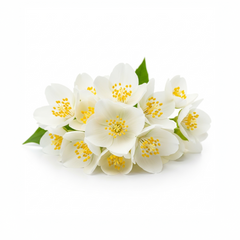
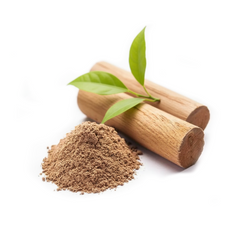
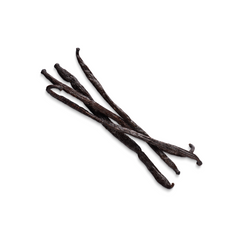
A balanced champak accord typically combines Champak absolute (30-35%) for its creamy, fruity floral core with Jasmine (20-25%) to enhance indolic richness. Sandalwood (20-25%) provides a woody fixative base that stabilizes and rounds the accord. Vanilla (15-20%) softens the composition, masking champak’s slight animalic edge with sweet vanillin molecules, creating a warm, inviting finish.

35%

Champak Absolute

30–35% of blend

Provides the core creamy, fruity, and slightly spicy floral character due to methyl anthranilate and indolic compounds.

25%

Jasmine

20–25% of blend

Adds indolic depth and floral richness, complementing champak’s narcotic facets with shared molecular components like indole.

25%

Sandalwood

20–25% of blend

Acts as a fixative, enhancing longevity and smoothing the floral edges with creamy woody lactones.

20%

Vanilla

15–20% of blend

Softens champak’s animalic notes through vanillin’s olfactory masking effect, adding warmth and sweetness.

The Olfactory Layers

How Champak Evolves on Skin

Champak’s olfactory evolution unfolds over several hours, starting with bright, fruity floral top notes dominated by methyl anthranilate. The heart reveals creamy, indolic florals and violet-powdery undertones from ionones, while the base emerges with warm, slightly animalic and woody nuances that provide lasting depth and sillage.

I
Top notes
0–15 min
Bright Fruity Floral

The initial impression is bright and fruity, driven by methyl anthranilate, which imparts a grape-like, orange blossom brightness. These high-volatility molecules evaporate quickly, creating an immediate fresh floral burst.

FruityBrightFloral
II
Heart notes
20–60 min
Creamy Indolic Floral

The heart reveals creamy, narcotic floral facets from indole and related compounds, accompanied by violet-powdery dryness from beta-ionone and dihydro-beta-ionone. This stage forms the core floral character, rich and complex.

CreamyIndolicPowdery
III
Base notes
Several hours
Warm Woody Animalic

The base unfolds with warm, slightly animalic undertones and woody nuances, supported by fixatives like sandalwood in blends. These low-volatility molecules provide longevity and a smooth, lingering trail.

WarmWoodyAnimalic
TOP NOTES Bright Fruity Floral 0–15 minutes HEART NOTES Creamy Indolic Floral 20–60 minutes BASE NOTES Warm Woody Animalic Several hours
Through the Ages

The Story of Champak in Perfumery

Champak’s history in perfumery spans centuries, rooted in traditional Indian attar production and evolving into modern niche and luxury fragrances that highlight its unique floral complexity.

Antiquity

Traditional Use in Indian Culture

Champak flowers have been sacred in Hindu tradition for millennia, used in temple offerings and garlands. The Sanskrit name 'Nag Champa' reflects its cultural significance linked to the snake god.

Early 20th Century

Introduction to Western Perfumery

Champak absolute began to be recognized in Western perfumery, valued for its exotic floral scent and used in attars and niche compositions.

1960

Steffen Arctander's Documentation

Arctander’s 'Perfume and Flavor Materials of Natural Origin' (1960) detailed champak’s unique warm floral-leafy note and recommended sandalwood as an excellent fixative.

2002

Ormonde Jayne Champaca Launch

Geza Schoen’s Champaca fragrance introduced champak as a refined heart note blending with bamboo and green tea, increasing its niche popularity.

2009

Tom Ford Champaca Absolute Release

Rodrigo Flores-Roux’s Champaca Absolute brought champak to mainstream luxury perfumery, showcasing its rich, oriental floral profile.

The Art of Layering

How to Layer Champak

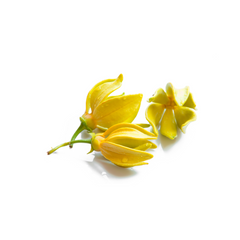
Understanding how to layer champak involves molecular compatibility and olfactory synergy. Champak’s methyl anthranilate bridges well with citrus and green notes, while its indolic compounds harmonize with jasmine and ylang-ylang. Layering champak with vanilla softens its animalic edge through olfactory masking, and sandalwood fixatives enhance longevity and smooth transitions. This approach to layering allows creation of complex, evolving scents tailored to personal preference.

01

Enhance Sweetness

Layer champak with vanilla or praline to soften its slight animalic facets. Vanillin molecules mask sharp thresholds, creating a warm, sweet floral gourmand effect, as seen in Trussardi’s Champaca Edizione Millesimata.

02

Add Depth

Combine champak with sandalwood or cedarwood to stabilize volatile top notes and add creamy woody depth. Sandalwood’s lactones complement champak’s floral richness, extending sillage and longevity.

03

Lighten the Glow

Pair champak with fresh citrus notes like bergamot or lemon blossom. Methyl anthranilate’s bright facets blend with citrus esters, producing a radiant, uplifting floral bouquet suitable for spring and summer.

Wear It Right

How to Wear Champak Like a Pro

Seasonal Guide

Fall & Winter

Cooler temperatures slow molecular diffusion, emphasizing champak’s warm, creamy, and woody base notes. Apply more liberally or layer with rich woods and spices to enhance projection and warmth.

Spring

Moderate warmth allows champak’s fruity and floral heart to bloom fully. Light layering with fresh florals or green notes can brighten the scent for daytime wear.

Summer

Heat increases volatility, making champak’s top fruity notes more prominent but shortening longevity. Use lighter concentrations or layer with musks to maintain balance and freshness.

Year-Round Tip

Layer champak with sandalwood or vanilla to stabilize its aroma and adapt it seamlessly across seasons, enhancing both warmth and softness.

Application Points

Strategic application of champak enhances its olfactory impact and longevity.

1

Neck

Pulse points at the neck emit heat that activates champak’s volatile top and heart notes, enhancing projection and scent evolution.

2

Behind the Ears

This discreet area allows champak’s creamy floral facets to unfold intimately, ideal for close encounters and subtle sillage.

3

Inner Wrists

Wrists provide warmth and movement, helping champak’s complex molecules diffuse steadily throughout the day.

4

Hair

Hair holds fragrance longer due to its texture, releasing champak’s scent softly with natural motion and air flow.

★

Pro Tip

Layer champak with complementary notes like sandalwood or vanilla on clothing or scarf edges to extend scent longevity and create a personalized signature.

Mood Architecture™

Top Champak Fragrances by Mood Score

These Champak-based fragrances scored highest on the MEI™ Mood Architecture Framework — measuring how a scent may influence your emotional state.

Highest MEI Score
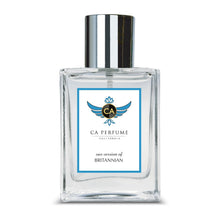
Britannian — Britannia Alternative Perfume
7.9
MEI™
Primary Romantic
Secondary Confident
Confidence
7.5
Presence
8.1
Mood Lift
8.03
Identity
7.8
Warmth
9.5
Social Ease
7.44
Energy
4.33
" I am beautiful.
View full mood profile →
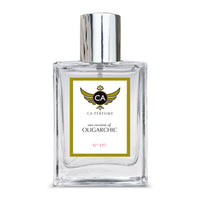
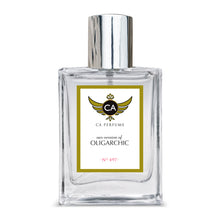
Oligarchic — Oligarch Alternative Cologne
7.4
MEI™
Primary Romantic
Secondary Confident
Confidence
6.75
Presence
7.71
Mood Lift
7.82
Identity
7.35
Warmth
8.25
Social Ease
7.36
Energy
5.17
" I am beautiful.
View full mood profile →
Champaca Absolute — Tom Ford Champaca Absolute Alternative Perfume
7.4
MEI™
Primary Romantic
Secondary Confident
Confidence
6.79
Presence
7.0
Mood Lift
7.82
Identity
6.75
Warmth
9.5
Social Ease
7.21
Energy
2.95
" I am beautiful.
View full mood profile →
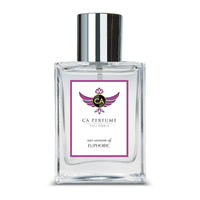
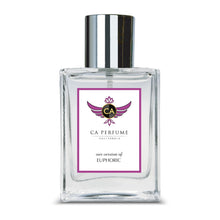
Euphoric — Euphoria Alternative Perfume
6.5
MEI™
Primary Fresh
Secondary Romantic
Confidence
6.21
Presence
6.27
Mood Lift
6.99
Identity
6.65
Warmth
6.72
Social Ease
6.67
Energy
2.74
" I am radiant.
View full mood profile →
HumanSafe™

Top Champak Fragrances by HumanSafe™ Score

These Champak-based fragrances have the highest product-level HumanSafe™ scores in this ingredient collection.

Highest HumanSafe™ Score
Oligarchic — Oligarch Alternative Cologne
A-
HumanSafe™ Score Generally Safe
Safest Evaluated Ingredients EDP
AQUA Solvent / Carrier ISS 10.0
1H-BENZOCYCLOHEPTENE, 2,4A,5,6,7,8-HEXAHYDRO- Evaluated ingredient ISS 9.0
2-HEXENE, 6,6-DIMETHOXY-2,5,5-TRIMETHYL- Evaluated ingredient ISS 8.0
LINALYL ACETATE Evaluated ingredient ISS 7.0
LINALOOL Evaluated ingredient ISS 7.0
CITRONELLOL Evaluated ingredient ISS 7.0
View full safety profile →
Euphoric — Euphoria Alternative Perfume
A-
HumanSafe™ Score Generally Safe
Safest Evaluated Ingredients EDP
AQUA Solvent / Carrier ISS 10.0
1,4-DIOXACYCLOHEPTADECANE-5,17-DIONE Evaluated ingredient ISS 10.0
BENZYL SALICYLATE Evaluated ingredient ISS 9.0
LINALYL ACETATE Evaluated ingredient ISS 7.0
LINALOOL Evaluated ingredient ISS 7.0
CITRONELLOL Evaluated ingredient ISS 7.0
View full safety profile →
Champaca Absolute — Tom Ford Champaca Absolute Alternative Perfume
A-
HumanSafe™ Score Generally Safe
Safest Evaluated Ingredients EDP
AQUA Solvent / Carrier ISS 10.0
BENZENEPROPANAL, 4-METHOXY-.ALPHA.-METHYL- Evaluated ingredient ISS 9.0
3-HEXEN-1-OL, BENZOATE, (Z)- Evaluated ingredient ISS 9.0
LINALOOL Evaluated ingredient ISS 7.0
CITRONELLOL Evaluated ingredient ISS 7.0
ALCOHOL DENAT. Solvent / Carrier ISS 7.0
View full safety profile →
Britannian — Britannia Alternative Perfume
A-
HumanSafe™ Score Generally Safe
Safest Evaluated Ingredients EDP
AQUA Solvent / Carrier ISS 10.0
AMBROXIDE Evaluated ingredient ISS 9.0
3-BUTEN-2-ONE, 3-METHYL-4-(2,6,6-TRIMETHYL-2- Evaluated ingredient ISS 8.0
LINALYL ACETATE Evaluated ingredient ISS 7.0
LINALOOL Evaluated ingredient ISS 7.0
CITRONELLOL Evaluated ingredient ISS 7.0
View full safety profile →
Expert Voices

What Masters Say About Champak

“
Champak absolute is a complex, multi-dimensional floral note with a distinctive orange blossom-grape facet from methyl anthranilate and a warm, slightly animalic depth from indolic compounds.
CA Perfume Editorial
“
Sandalwood oil is an excellent fixative for champak, enhancing its longevity and smoothing its floral edges, as documented by Steffen Arctander in 1960.
Steffen Arctander, Perfume and Flavor Materials of Natural Origin
Common Questions

Frequently Asked Questions

Frequently asked questions about champak in perfumery, covering scent, usage, and layering.

Champak in perfume smells creamy, floral, and slightly fruity with a distinctive orange blossom and grape-like brightness due to methyl anthranilate. It also has warm, indolic, slightly animalic undertones from compounds like indole, and a violet-powdery dryness from ionones. This complex scent profile makes champak a unique heart note in many fragrances, such as Tom Ford's Champaca Absolute and Ormonde Jayne's Champaca.

Champak is primarily used as a heart note in perfumery. Its aromatic compounds have moderate volatility, allowing it to emerge after the top notes fade and before the base notes dominate. This positioning enables champak to provide a rich, creamy floral heart that evolves over time.

Champak’s complex, multi-layered floral scent with fruity, creamy, and slightly animalic facets offers niche perfumers a distinctive and exotic ingredient that stands out from common florals. Its rarity, cultural significance, and chemical complexity allow for unique compositions that appeal to connoisseurs seeking depth and originality.

Champak fragrance uses commonly include pairing with jasmine and ylang-ylang for complementary indolic floral richness, sandalwood and cedarwood for woody fixative depth, vanilla for sweetness and olfactory masking, and citrus notes like bergamot to brighten the accord. These combinations enhance champak’s complexity and longevity.

Champak can be worn in summer, but its rich, creamy facets may become more volatile and less long-lasting in heat. Lighter concentrations or layering with fresh citrus or musk notes can make champak more suitable for hot weather by enhancing freshness and balancing warmth.

Champak-based perfumes typically last 15 to 20 hours on skin when formulated with fixatives like sandalwood and vanilla. The absolute’s tenacity and molecular complexity contribute to its longevity, though projection may soften to a skin scent over time.

Yes, champak blends well with other fragrances. Layering champak with vanilla softens its animalic edges, sandalwood enhances longevity, and citrus notes add brightness. Understanding how to layer champak helps create personalized, evolving scent profiles.

Beginner-friendly champak perfumes include Ormonde Jayne Champaca (2002) for its elegant, balanced floral heart, and Tom Ford Champaca Absolute (2009) for a richer, more luxurious experience. These offer approachable introductions to champak’s complex scent.

At CA Perfume, consider your preference for intensity and scent family. For a creamy oriental floral, choose richer champak blends like those inspired by Tom Ford. For lighter, fresher experiences, select champak compositions with green or citrus notes. The HumanSafe™ platform ensures transparency and safety in all selections.

Champak’s scent leans more toward sweet and creamy floral with subtle spicy undertones. Its primary aroma is fruity and floral with a warm, slightly animalic depth rather than overt spiciness, making it a complex yet soft floral note.

Floral Collection

Explore Our Top Champak Fragrances

Discover a curated selection of champak-based perfumes showcasing its creamy floral richness and exotic complexity.

Shop all champak fragrances at CA Perfume →

Where Champak Comes From — Origin & Extraction

Champak is derived from the flowers of Michelia champaca L., a large evergreen tree native to the Indomalaya ecozone, including India, Nepal, southern China, Indonesia, and parts of Southeast Asia. The tree produces intensely fragrant yellow to orange flowers, harvested primarily during the monsoon and spring seasons. India, particularly Tamil Nadu and Karnataka, is a major producer, with Indonesia also contributing significant volumes. The flowers are harvested at dawn and processed rapidly to preserve their delicate scent. Extraction is primarily conducted via solvent extraction, yielding a dark, viscous absolute that retains the flower's complex aromatic profile. This method is preferred over steam distillation due to the thermal sensitivity of key compounds like methyl anthranilate and indoles. The solvent extraction process captures over 240 volatile compounds, producing a rich, tenacious material used in high-end perfumery. Natural champak absolute commands a high price, often several hundred to over a thousand dollars per kilogram, reflecting the labor-intensive harvesting and extraction. Synthetic reconstitutions and aroma chemicals are used to supplement supply and reduce costs. Sustainability concerns focus on responsible harvesting and cultivation practices to prevent overexploitation. Traditional Indian attar production blends champak with sandalwood oil as a fixative, creating a uniquely healing and long-lasting fragrance accord.

Famous Fragrances That Define Champak in Perfumery

Champak has been featured prominently in several landmark fragrances, showcasing its exotic floral character and versatility. Tom Ford's Champaca Absolute (2009), crafted by Rodrigo Flores-Roux, uses champak as a dominant floral note, combined with cognac, bergamot, orchid, and sandalwood to create a rich, oriental floral composition. Ormonde Jayne's Champaca (2002), by Geza Schoen, highlights champak in a refined floral heart with bamboo, neroli, and green tea, emphasizing elegance and freshness. Comme des Garcons Series Luxe: Champaca (2007), by Nathalie Feisthauer, presents champak alongside tuberose, angelica, and white musk, delivering a complex floral woody musk fragrance with spicy undertones. Trussardi's Champaca Edizione Millesimata (2024), by Cecile Matton, blends champak with praline, hazelnut, and vanilla, creating a gourmand floral oriental scent that evokes childhood memories. These fragrances illustrate champak's ability to bridge floral, oriental, and gourmand families, serving as a bridge or dominant note. CA Perfume's collection honors this lineage by offering champak-based fragrances that explore its multifaceted aroma without compromising on quality or authenticity.

Natural vs Synthetic Champak in Perfumery

Natural champak absolute is a solvent-extracted material from Michelia champaca flowers, containing a complex mixture of aromatic compounds including methyl anthranilate (CAS 134-20-3), indole (CAS 120-72-9), beta-ionone (CAS 14901-07-6), and methyl linoleate. It offers a rich, multi-dimensional floral scent with warm, fruity, and slightly animalic facets, but is costly and variable due to agricultural factors. Synthetic alternatives focus on replicating key molecules such as methyl anthranilate, indole, and ionones to mimic champak's characteristic brightness and depth. Synthetic versions provide greater consistency, longevity, and diffusion, often at a fraction of the cost of natural absolute. However, they may lack some of the nuanced complexity and evolving character of the natural material. Famous fragrances like Tom Ford's Champaca Absolute use natural absolute for authenticity and richness, while some modern niche perfumes employ synthetic reconstitutions for stability and cost-effectiveness. The HumanSafe™ platform emphasizes transparency and safety in ingredient sourcing, ensuring that both natural and synthetic champak components meet strict standards for allergen content and environmental impact. CA Perfume values both natural and synthetic champak, selecting materials based on performance, sustainability, and olfactory fidelity.