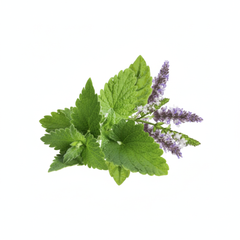
Ingredient Guide · Greens, Herbs and Fougeres
Greens, Herbs and Fougeres Family · Perfumery Note

Celery Seeds

A heart note with earthy, spicy, and aromatic depth.

Celery seeds are used in perfumery as a heart note, imparting a warm, rooty, and spicy character. The key odorants—phthalides and limonene—create a diffusive, tenacious scent profile, typically dosed below 1% in compositions.

Celery Seeds
Ingredient Profile

Celery Seeds

Greens, Herbs and Fougeres Family
Family Greens, Herbs and Fougeres
Note Position Heart Note
Usage Level <1%
Key Origins India, France, China
Iconic In Green Tea, Jubilation XXV Man
The Ingredient

What does Celery Seeds smell like and why are they significant in perfumery?

Celery seeds (Apium graveolens) in perfumery are prized for their unique scent profile, which is markedly different from the fresh stalk. The essential oil, obtained from the seeds, is dominated by limonene (up to 70%), but its signature character comes from phthalide compounds such as 3-n-butylphthalide, sedanolide, and sedanenolide. These molecules impart a warm, spicy, rooty, and earthy aroma with subtle green and slightly fatty undertones. Unlike the crisp freshness of celery stalk, celery seed oil is deeper, more concentrated, and has a savory, almost umami nuance. The presence of β-selinene and myristicin adds woody and slightly spicy facets, making the overall scent profile complex and diffusive. In perfumery, celery seeds are classified as a heart note, owing to their moderate volatility and tenacity. They are typically used at concentrations below 1%—often as low as 0.1–0.5%—because of their powerful diffusion and the risk of overpowering a blend. Celery seed oil interacts with skin chemistry by amplifying its rooty and spicy facets on warmer, more acidic skin, while alkaline skin may bring out its green and herbal aspects. Its molecular structure allows it to bridge green, aromatic, and spicy accords, making it valuable in fougère, chypre, and modern niche compositions. The note is especially appreciated for its ability to substitute for oakmoss in chypre structures, due to regulatory restrictions on natural oakmoss. Notable fragrances that exemplify celery seeds in perfumery include Amouage Jubilation XXV Man (2007, Bertrand Duchaufour), where it provides a spicy-green backbone alongside frankincense and blackberry, and Tom Ford Costa Azzurra (2014), where celery seed's rooty warmth is paired with driftwood and citrus. Elizabeth Arden Green Tea (1999, Francis Kurkdjian) also features celery seed as a supporting note, contributing to its herbal freshness. These examples highlight how celery seeds in perfumery offer a distinctive, rooty warmth that is both versatile and unmistakable.

<1%
Typical concentration of celery seed oil in fine fragrance formulas, due to its high diffusion and risk of overpowering other notes.
5–8 Hours
Average longevity of celery seed’s scent profile on skin, with phthalides persisting long after the citrusy top has faded.
2–3%
Yield of essential oil from dried celery seeds during steam distillation, reflecting the efficiency of the extraction process.
Origin & Extraction

Where Celery Seeds Comes From — Origin & Extraction

The terroir of celery seed oil is shaped by climate, soil, and cultivation practices. Indian seeds yield oil with pronounced phthalide content and spicy warmth, while French and Chinese origins may be more herbal or woody.

Celery seed essential oil is derived from the seeds of Apium graveolens, a biennial plant in the Apiaceae family. The primary producing countries are India (the largest exporter), France, China, and the United States. India alone accounts for more than 60% of the global supply, with annual essential oil production estimated at several hundred metric tons. The seeds are harvested from mature plants, dried, and then subjected to steam distillation. The typical yield of essential oil from dried seeds is approximately 2–3%. The distillation process operates at temperatures between 100–110°C and lasts 4–6 hours, resulting in a pale yellow to amber liquid with a strong, spicy, and rooty aroma. The key chemical constituents include limonene (up to 70%), 3-n-butylphthalide, sedanolide, sedanenolide, β-selinene, and myristicin. CO2 extraction is sometimes used to obtain a fuller aromatic profile, but steam distillation remains the industry standard. The cost of natural celery seed oil ranges from $300–500 per kg for high-quality material, while synthetic substitutes (such as isolated phthalides or limonene) can be produced for $50–100 per kg. Sustainability concerns are moderate: celery is widely cultivated as a food crop, and seed production does not threaten biodiversity. However, monoculture farming and pesticide use in major producing regions (notably India and China) can have environmental impacts. There are no major IFRA restrictions on celery seed oil (CAS 8015-90-5), but oxidized oil can be a skin sensitizer, requiring careful storage and formulation.

IN

India

Punjab and Uttar Pradesh are major regions. Alluvial soils and hot, dry climate yield seeds with high phthalide and limonene content. India produces over 60% of global celery seed oil, with annual exports exceeding 200 metric tons.

FR

France

Provence and Loire Valley produce seeds with a more herbal, subtle profile. Cooler climate and limestone soils result in oil with softer, greener nuances. French oil is prized for fine perfumery, though volumes are smaller (under 10% global share).

CN

China

Sichuan and Shandong provinces focus on high-yield cultivation. Chinese celery seed oil is often more woody and less spicy, with lower phthalide content. China supplies about 15% of the market.

US

United States

California and Michigan produce celery seeds mainly for culinary use, but some oil is distilled for niche perfumery. American oil tends to be lighter, with a fresher, more herbal profile.

Chemistry

Natural vs Synthetic Celery Seeds in Perfumery

Natural celery seed oil is a complex mixture dominated by limonene (CAS 138-86-3), 3-n-butylphthalide (CAS 6066-49-5), and sedanolide (CAS 112-63-0). Synthetic alternatives focus on replicating these key odorants, particularly the phthalides, which are responsible for the characteristic rooty, spicy warmth. Synthetic limonene is widely available and cost-effective, but reproducing the full complexity of celery seed oil requires blending multiple aroma chemicals, including β-selinene (CAS 17066-67-0) and myristicin (CAS 607-91-0). Performance-wise, natural celery seed oil offers greater olfactory depth and nuance, but synthetics provide superior batch-to-batch consistency, stability, and allergen control. Cost differentials are significant: natural oil is $300–500/kg, while synthetic blends can be produced for $50–100/kg. Notable fragrances such as Amouage Jubilation XXV Man and Tom Ford Costa Azzurra use natural celery seed oil for its complexity, whereas some mass-market and functional fragrances may rely on synthetic phthalides for cost and stability reasons. Sustainability is a key consideration: natural celery seed oil is generally renewable, but large-scale monoculture can impact soil health. Synthetic production reduces land use but may rely on petrochemical feedstocks. CA Perfume's HumanSafe™ platform ensures full transparency on ingredient sourcing, allergen content, and traceability, whether using natural or synthetic celery seed materials.

Natural
Celery Seeds Absolute
Cost $3,000–6,000/kg
Method Solvent / CO₂
Character Complex, variable
vs
Synthetic
Safranal & Analogues
Cost $50–200/kg
Method Lab synthesis
Character Consistent, stable
Hall of Fame

Famous Fragrances That Define Celery Seeds in Perfumery

1999
supporting note

Green Tea

Elizabeth Arden
by Francis Kurkdjian
green teacitrusmusk
2007
bridge note

Jubilation XXV Man

Amouage
by Bertrand Duchaufour
blackberryfrankincensehoney
2014
accent

Costa Azzurra

Tom Ford
driftwoodcitrusherbs
2013
accent

Vetiver Pour Homme

Roja Dove
by Roja Dove
vetivercitruswoods
2013
supporting note

Montecristo

Masque Milano
by Delphine Thierry
tobaccorumlabdanum

Celery seeds have played a subtle yet defining role in several landmark fragrances, particularly in the green, aromatic, and fougère families. In Elizabeth Arden Green Tea (1999, Francis Kurkdjian), celery seed provides a crisp, herbal backbone that complements green tea and citrus. Amouage Jubilation XXV Man (2007, Bertrand Duchaufour) uses celery seed as a bridge note, weaving its spicy-green warmth between blackberry, frankincense, and honey. Tom Ford Costa Azzurra (2014) features celery seed in a supporting role, enhancing the composition's driftwood and citrus notes with a rooty, savory undertone. Roja Dove Vetiver Pour Homme (2013, Roja Dove) employs celery seed to accentuate the earthy, woody facets of vetiver, while Masque Milano Montecristo (2013, Delphine Thierry) integrates celery seed into a complex, smoky-woody structure. Other notable examples include Angela Ciampagna Rosarium, where celery seed is paired with rose and incense for a modern chypre effect, and Comme des Garçons Series 1 Leaves: Calamus, which explores vegetal and spicy facets. CA Perfume's collection draws inspiration from these compositions, offering celery seed-forward fragrances that highlight its versatility as both a dominant and accent note.

The Accord

How is a captivating Celery Seeds accord crafted?

A celery seeds accord balances rooty warmth, spicy-green facets, and earthy depth. Typical proportions: Celery Seed Oil 20–25%, Vetiver 25–30%, Orris 20–25%, Tuberose 25–30%. Each ingredient is chosen for molecular synergy: phthalides and ionones bridge green and floral, while vetiver's earthy notes ground the accord.

25%

Celery Seed Oil

20–25% of blend

Provides the rooty, spicy, and savory backbone via phthalides and limonene, delivering warmth and tenacity.

30%

Vetiver

25–30% of blend

Vetiver's earthy, woody facets (vetiverol, vetivone) reinforce the rooty depth and enhance longevity.

25%

Orris

20–25% of blend

Orris (ionones, irones) adds powdery, floral nuance and molecular bridges to celery seed's green and spicy notes.

30%

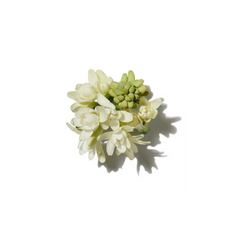
Tuberose

25–30% of blend

Tuberose's indoles and methyl benzoate create a creamy, floral lift, softening celery seed's sharpness and enhancing sillage.

The Olfactory Layers

How Celery Seeds Evolves on Skin

Celery seed oil evolves from a sharp, spicy-green opening to a rooty, earthy heart and a lingering, savory warmth in the base. Volatile terpenes evaporate first, while phthalides persist for hours.

I
Top notes
0–15 min
Citrus-Green Spark

The initial impression is dominated by limonene and other monoterpenes, producing a bright, citrusy-green flash with spicy undertones. This phase is volatile, dissipating quickly as heavier phthalides emerge.

citrus-greenspicyvolatile
II
Heart notes
20–60 min
Rooty Warmth

Phthalides (3-n-butylphthalide, sedanolide) and β-selinene assert themselves, creating a rooty, earthy, and savory-spicy core. The scent is diffusive, warm, and unmistakably celery seed.

rootywarmspicy
III
Base notes
Several hours
Savory-Earthy Trail

As the lighter molecules fade, the base reveals a lingering, slightly fatty warmth with mossy and woody undertones. Myristicin and residual phthalides provide lasting depth and complexity.

earthymossytenacious
TOP NOTES Citrus-Green Spark 0–15 minutes HEART NOTES Rooty Warmth 20–60 minutes BASE NOTES Savory-Earthy Trail Several hours
Through the Ages

The Story of Celery Seeds in Perfumery

Celery seeds have a long history in medicine and cuisine, but their use in perfumery is a 20th-century development, driven by advances in extraction and regulatory needs.

Antiquity

Medicinal and Culinary Use in Ancient Civilizations

Celery seeds were used by Greeks and Romans for medicinal and culinary purposes, valued for their digestive and diuretic properties. No evidence of perfumery use at this stage.

19th Century

First Essential Oil Distillation

Steam distillation of celery seeds for essential oil began in France and India, primarily for flavoring and traditional medicine.

1960s

Entry into Modern Perfumery

Steffen Arctander documents celery seed oil as a trace material in floral, amber, and aldehydic perfumes, valued for its warm, diffusive power.

1999

Green Tea by Elizabeth Arden Launches

Francis Kurkdjian's Green Tea uses celery seed as a supporting note, introducing its herbal warmth to a global audience.

2007–2014

Niche and Artistic Fragrances Embrace Celery Seed

Amouage Jubilation XXV Man (2007) and Tom Ford Costa Azzurra (2014) showcase celery seed as a bridge between green, woody, and spicy notes in complex compositions.

The Art of Layering

How to Layer Celery Seeds

Understanding how to layer celery seeds is key to achieving molecular harmony. Its phthalide-driven warmth pairs best with notes that share green, spicy, or earthy molecules, creating seamless olfactory bridges.

01

Enhance Green Freshness

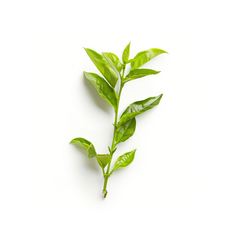
Pair celery seed with galbanum or green tea notes, as both contain high levels of green aldehydes and terpenes. This molecular overlap creates a crisp, invigorating top accord, as seen in Elizabeth Arden Green Tea.

02

Deepen Earthy Warmth

Layer with vetiver or patchouli, which share earthy, woody sesquiterpenes. The result is a richer, more grounded scent, exemplified by Roja Dove Vetiver Pour Homme, where celery seed amplifies vetiver's depth.

03

Soften with Florals

Combine with tuberose or orris, whose ionones and indoles mask celery seed's sharper facets and add powdery, creamy nuance. This synergy is used in niche compositions like Angela Ciampagna Rosarium.

Wear It Right

How to Wear Celery Seeds Like a Pro

Seasonal Guide

Fall & Winter

In cooler temperatures, celery seed's rooty and earthy notes are more pronounced, and its tenacity is enhanced. Apply to pulse points under clothing to maximize warmth and sillage, as body heat will gradually release the spicy, savory aroma.

Spring

Spring's moderate temperatures allow the green, herbal facets of celery seed to shine. Layer with floral or citrus notes for a fresh, invigorating effect. Apply lightly to avoid overpowering delicate spring compositions.

Summer

High heat increases volatility, making celery seed's citrusy-green top notes more prominent but shortening longevity. Use minimal application and pair with light, refreshing accords to prevent the rooty warmth from becoming too intense.

Year-Round Tip

Celery seed's versatility allows it to be worn year-round, but adjust dosage and layering partners based on climate. In humid conditions, its savory, umami facets may be amplified; in dry air, the spicy warmth is more subdued.

Application Points

Strategic application of celery seed fragrances maximizes their evolution and projection.

1

Neck

Applying to the neck leverages body heat and pulse points, enhancing the diffusion of volatile terpenes and creating a more pronounced citrusy-green opening.

2

Behind the Ears

This area is slightly cooler, allowing the rooty, earthy heart notes to develop gradually and prolonging the savory warmth.

3

Inner Wrists

Pulse points on the wrists accelerate evaporation, highlighting celery seed's spicy-green facets in the first hour of wear.

4

Hair

Spraying on hair provides a slow, sustained release of the scent, emphasizing the earthy, mossy base notes over time.

★

Pro Tip

Layer with a neutral moisturizer to reduce volatility and extend longevity, especially in dry or cold climates.

Mood Architecture™

Top Celery Seeds Fragrances by Mood Score

These Celery Seeds-based fragrances scored highest on the MEI™ Mood Architecture Framework — measuring how a scent may influence your emotional state.

Highest MEI Score
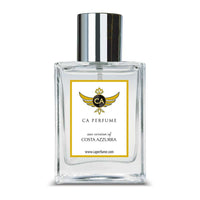
Costa Azzurra — Tom Ford Costa Azzurra Alternative Perfume
7.2
MEI™
Primary Fresh
Secondary Romantic
Confidence
6.66
Presence
7.2
Mood Lift
7.85
Identity
7.2
Warmth
7.45
Social Ease
7.29
Energy
5.37
" I am radiant.
View full mood profile →
HumanSafe™

Top Celery Seeds Fragrances by HumanSafe™ Score

These Celery Seeds-based fragrances have the highest product-level HumanSafe™ scores in this ingredient collection.

Highest HumanSafe™ Score
Costa Azzurra — Tom Ford Costa Azzurra Alternative Perfume
A-
HumanSafe™ Score Generally Safe
Safest Evaluated Ingredients EDP
AQUA Solvent / Carrier ISS 10.0
4H-INDEN-4-ONE, 1,2,3,5,6,7-HEXAHYDRO-1,1,2,3,3- Evaluated ingredient ISS 9.0
2-OXABICYCLO[2.2.2]OCTANE, 1,3,3-TRIMETHYL- Evaluated ingredient ISS 9.0
LINALYL ACETATE Evaluated ingredient ISS 7.0
LINALOOL Evaluated ingredient ISS 7.0
ALCOHOL DENAT. Solvent / Carrier ISS 7.0
View full safety profile →
Expert Voices

What Masters Say About Celery Seeds

“
"In perfumery, celery seed oil is used very frequently, but only in very small amounts to impart warm notes in floral and amber compositions, in lavender bouquets, in modern fantasy and aldehydic perfumes, etc. Carelessly used, it may easily ruin a perfume. Its diffusive power and great odor tenacity should not be underestimated."
Steffen Arctander, Perfume and Flavor Materials of Natural Origin
“
Celery seed oil’s phthalide-driven warmth provides a molecular bridge between green, spicy, and earthy notes, making it a versatile and distinctive heart note in both classic and modern perfumery.
CA Perfume Editorial
Common Questions

Frequently Asked Questions

Celery seed’s unique scent and technical properties prompt frequent questions from fragrance enthusiasts.

Celery seeds in perfume smell rooty, spicy, and earthy, with a warm, savory depth distinct from the fresh stalk. The scent is defined by phthalide compounds (3-n-butylphthalide, sedanolide) and limonene, creating a tenacious, diffusive aroma that bridges green, herbal, and woody notes. Notable examples include Amouage Jubilation XXV Man and Elizabeth Arden Green Tea.

Celery seed is classified as a heart (middle) note in perfumery. Its moderate volatility and persistent phthalide content allow it to last from 20 minutes to several hours, anchoring the composition between fleeting citrusy tops and deeper woody bases.

Celery seeds are favored in niche perfumery for their unique, rooty warmth and molecular specificity. The phthalide-driven scent profile offers a savory, umami nuance that is difficult to replicate with other materials, making it valuable for complex, artistic compositions.

Celery seeds fragrance uses include pairing with vetiver, orris, tuberose, patchouli, and green tea. These notes share molecular affinities (terpenes, ionones, indoles) that create harmonious, layered accords, as seen in fragrances like Roja Dove Vetiver Pour Homme and Angela Ciampagna Rosarium.

Celery seed can be worn in summer, but its spicy-green facets become more pronounced in heat due to increased volatility. Lighter application and pairing with citrus or floral notes are recommended to prevent the rooty warmth from becoming overpowering.

Celery seed's scent profile typically lasts 5–8 hours on skin. The top citrusy-green notes fade within 30 minutes, while the rooty, earthy heart and savory base persist for several hours, thanks to the tenacity of phthalides.

Yes, celery seed layers well with green, floral, and woody notes. Its phthalide content bridges green tea, vetiver, orris, and tuberose, allowing for creative layering. For best results, test on skin to assess molecular compatibility and projection.

Beginner-friendly celery seed perfumes include Elizabeth Arden Green Tea (herbal-fresh), Tom Ford Costa Azzurra (woody-marine), and Amouage Jubilation XXV Man (spicy-oriental). These fragrances showcase celery seed in accessible, balanced compositions.

At CA Perfume, explore fragrances that highlight celery seed as a heart note, considering your preference for green, spicy, or earthy accords. Review scent pyramids and layering suggestions to find a composition that matches your style and skin chemistry.

Celery seeds in fragrance are primarily spicy and rooty, with only a faint underlying sweetness from limonene. The dominant impression is savory, earthy warmth, making it more spicy than sweet in most compositions.

Greens, Herbs and Fougeres Collection

Explore Our Top Celery Seeds Fragrances

Discover CA Perfume’s curated selection of celery seed-forward fragrances, each showcasing the note’s rooty warmth and spicy-green complexity.

Shop all celery seeds fragrances at CA Perfume →

Where Celery Seeds Comes From — Origin & Extraction

Celery seed essential oil is derived from the seeds of Apium graveolens, a biennial plant in the Apiaceae family. The primary producing countries are India (the largest exporter), France, China, and the United States. India alone accounts for more than 60% of the global supply, with annual essential oil production estimated at several hundred metric tons. The seeds are harvested from mature plants, dried, and then subjected to steam distillation. The typical yield of essential oil from dried seeds is approximately 2–3%. The distillation process operates at temperatures between 100–110°C and lasts 4–6 hours, resulting in a pale yellow to amber liquid with a strong, spicy, and rooty aroma. The key chemical constituents include limonene (up to 70%), 3-n-butylphthalide, sedanolide, sedanenolide, β-selinene, and myristicin. CO2 extraction is sometimes used to obtain a fuller aromatic profile, but steam distillation remains the industry standard. The cost of natural celery seed oil ranges from $300–500 per kg for high-quality material, while synthetic substitutes (such as isolated phthalides or limonene) can be produced for $50–100 per kg. Sustainability concerns are moderate: celery is widely cultivated as a food crop, and seed production does not threaten biodiversity. However, monoculture farming and pesticide use in major producing regions (notably India and China) can have environmental impacts. There are no major IFRA restrictions on celery seed oil (CAS 8015-90-5), but oxidized oil can be a skin sensitizer, requiring careful storage and formulation.

Famous Fragrances That Define Celery Seeds in Perfumery

Celery seeds have played a subtle yet defining role in several landmark fragrances, particularly in the green, aromatic, and fougère families. In Elizabeth Arden Green Tea (1999, Francis Kurkdjian), celery seed provides a crisp, herbal backbone that complements green tea and citrus. Amouage Jubilation XXV Man (2007, Bertrand Duchaufour) uses celery seed as a bridge note, weaving its spicy-green warmth between blackberry, frankincense, and honey. Tom Ford Costa Azzurra (2014) features celery seed in a supporting role, enhancing the composition's driftwood and citrus notes with a rooty, savory undertone. Roja Dove Vetiver Pour Homme (2013, Roja Dove) employs celery seed to accentuate the earthy, woody facets of vetiver, while Masque Milano Montecristo (2013, Delphine Thierry) integrates celery seed into a complex, smoky-woody structure. Other notable examples include Angela Ciampagna Rosarium, where celery seed is paired with rose and incense for a modern chypre effect, and Comme des Garçons Series 1 Leaves: Calamus, which explores vegetal and spicy facets. CA Perfume's collection draws inspiration from these compositions, offering celery seed-forward fragrances that highlight its versatility as both a dominant and accent note.

Natural vs Synthetic Celery Seeds in Perfumery

Natural celery seed oil is a complex mixture dominated by limonene (CAS 138-86-3), 3-n-butylphthalide (CAS 6066-49-5), and sedanolide (CAS 112-63-0). Synthetic alternatives focus on replicating these key odorants, particularly the phthalides, which are responsible for the characteristic rooty, spicy warmth. Synthetic limonene is widely available and cost-effective, but reproducing the full complexity of celery seed oil requires blending multiple aroma chemicals, including β-selinene (CAS 17066-67-0) and myristicin (CAS 607-91-0). Performance-wise, natural celery seed oil offers greater olfactory depth and nuance, but synthetics provide superior batch-to-batch consistency, stability, and allergen control. Cost differentials are significant: natural oil is $300–500/kg, while synthetic blends can be produced for $50–100/kg. Notable fragrances such as Amouage Jubilation XXV Man and Tom Ford Costa Azzurra use natural celery seed oil for its complexity, whereas some mass-market and functional fragrances may rely on synthetic phthalides for cost and stability reasons. Sustainability is a key consideration: natural celery seed oil is generally renewable, but large-scale monoculture can impact soil health. Synthetic production reduces land use but may rely on petrochemical feedstocks. CA Perfume's HumanSafe™ platform ensures full transparency on ingredient sourcing, allergen content, and traceability, whether using natural or synthetic celery seed materials.