Where Caraway Comes From — Origin & Extraction
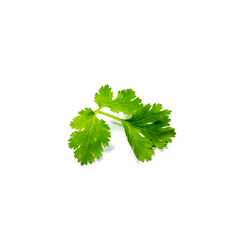
Caraway (Carum carvi L.) is a biennial herb native to temperate regions of Europe, Western Asia, and North Africa. The primary botanical source for perfumery is the dried, ripe fruit (commonly called seeds). Major commercial producers include the Netherlands, Germany, Poland, and Egypt. Dutch caraway oil is considered the benchmark for quality, with the Netherlands accounting for a significant share of global exports, estimated at over 2,000 metric tons of seeds annually. Other key producers include Finland and Russia, with Poland and Germany also contributing substantial volumes.
Extraction of caraway essential oil is traditionally performed via steam distillation of crushed seeds. The yield of essential oil ranges from 1% to 6% by seed weight, depending on cultivar and growing conditions. The distillation process is typically conducted at atmospheric pressure, with temperatures maintained between 98–102°C for 3–4 hours. Alternative extraction methods, such as supercritical CO2 extraction, have been developed to preserve thermolabile components and enhance the oil’s aromatic fidelity. Supercritical CO2 extraction operates at pressures of 40 MPa and temperatures of 80°C, yielding an oil rich in carvone and limonene with minimal thermal degradation.
Natural caraway oil is priced at approximately $400–$600 per kg (CO2 extract), while synthetic alternatives based on D-carvone or limonene can be produced for $50–$100 per kg. The sustainability of caraway production is generally favorable, as the crop is rotational and requires minimal pesticide input. However, the increasing use of synthetic aroma chemicals for cost and consistency reasons has reduced demand for natural oil in some sectors. Caraway essential oil is registered under CAS number 85940-31-4.
Famous Fragrances That Define Caraway in Perfumery
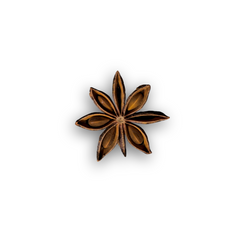
Caraway’s distinctive spicy-minty character has been featured in several landmark fragrances, often as a bridge or accent note. Jean Paul Gaultier Le Male (1995, Francis Kurkdjian) employs caraway as a central spicy element, blending it with lavender, vanilla, and mint to create a modern fougère with a gourmand twist. Dior Hypnotic Poison (1998, Annick Menardo) uses caraway to connect almond, anise, and vanilla, resulting in a unique sweet-spicy interplay. Cartier Declaration (1998, Jean-Claude Ellena) incorporates caraway as a supporting note, enhancing the fragrance’s aromatic, woody-spicy structure alongside cardamom and cedar.
Tom Ford Santal Blush (2011, Yann Vasnier) leverages caraway to add a savory, bread-like dimension to sandalwood and spices, while Serge Lutens Chypre Rouge (2002, Christopher Sheldrake) features caraway as a dominant note, paired with honey, spices, and resins in a chypre context. In each of these compositions, caraway’s role varies from dominant to accent, but its presence is always technically significant, providing aromatic lift, savory warmth, or a minty edge. CA Perfume’s caraway-inspired collection draws on this lineage, offering interpretations that highlight caraway’s versatility across aromatic, gourmand, and spicy families.
Natural vs Synthetic Caraway in Perfumery
Natural caraway oil is composed primarily of D-carvone (CAS 2244-16-8), limonene (CAS 138-86-3), and minor terpenoids such as carveol and dihydrocarveol. Synthetic caraway notes are typically constructed using isolated D-carvone (produced from turpentine or citrus byproducts), synthetic limonene, and supporting molecules such as dihydrocarvone and p-menth-1-en-8-ol. Synthetic blends offer greater batch-to-batch consistency, improved stability, and enhanced longevity compared to natural oil, which can oxidize and develop off-notes if improperly stored.
Cost is a major differentiator: natural caraway oil averages $400–$600/kg, while synthetic D-carvone is available for $50–$100/kg. In terms of performance, synthetic caraway accords are less prone to oxidation and provide a more linear scent profile, whereas natural oil offers greater olfactory complexity but can vary with harvest conditions. Notable fragrances such as Jean Paul Gaultier Le Male and Dior Hypnotic Poison have used both natural and synthetic caraway components depending on batch and reformulation requirements.
From a sustainability perspective, synthetic molecules reduce pressure on agricultural land and ensure a stable supply chain, but may lack the nuanced complexity of natural extracts. The HumanSafe™ platform at CA Perfume ensures full traceability and safety compliance for both natural and synthetic caraway ingredients, with transparency on IFRA restrictions and allergen content. Key aroma chemicals for caraway reconstitution include D-carvone, limonene, and dihydrocarveol.