Where Cappuccino Comes From — Origin & Extraction
Cappuccino as a fragrance note originates from the olfactory impression of the Italian coffee beverage composed of espresso coffee (Coffea arabica) and steamed milk foam. The coffee component is derived mainly from roasted arabica coffee beans, which are cultivated predominantly in Brazil, Colombia, and Ethiopia. Brazil accounts for approximately 35% of global coffee production, with Colombia and Ethiopia contributing significant shares known for their distinct aromatic profiles.
Extraction of coffee aroma for perfumery primarily employs supercritical CO2 extraction, which preserves the complex volatile compounds such as 2-acetyl pyrazine, furfuryl thioacetate, and methyl pyrazines responsible for the roasted, nutty, and slightly sweet facets of coffee. This method operates at controlled temperatures below 40°C to avoid degradation of delicate aroma molecules. The yield of coffee extract varies but typically ranges from 0.5% to 1.5% of the raw bean weight.
Milk and creamy facets are recreated using lactones such as gamma-undecalactone and delta-decalactone, often synthesized or derived from natural sources like coconut or dairy extracts.
Natural cappuccino absolute costs range from $3,000 to $6,000 per kilogram due to the labor-intensive cultivation and extraction processes. Synthetic analogues, including safranal and related aroma chemicals, cost between $50 and $200 per kilogram, offering cost-effective alternatives with consistent quality.
Sustainability considerations focus on ethical sourcing of coffee beans and reducing environmental impact through organic farming and fair trade practices.
Famous Fragrances That Define Cappuccino in Perfumery
Cappuccino has been embraced in numerous notable fragrances, showcasing its versatility as a gourmand heart note. The Dua Brand's Intense Cappuccino (2022), crafted by an undisclosed perfumer, features dark roast Colombian coffee, caramel, cinnamon, and maple syrup, where cappuccino serves as the dominant note, paired with sweet and spicy accords to evoke a warm, inviting aura.
Casaniche's Cappuccino Gourmand (2021), by perfumer Maximiliano Cifuentes, uses cappuccino as a rich heart note blending coffee, caramel, cinnamon, and patchouli, supported by chocolate and sandalwood, creating a sophisticated gourmand experience.
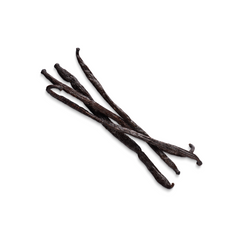
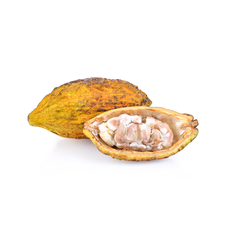
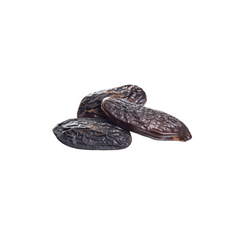
Condé Parfum's Cappuccino (2025), created by Fábio Condé, highlights Colombian and Brazilian coffee with coffee liqueur, cardamom, cocoa, and cinnamon, with a base of vanilla, tonka bean, caramel, honey, and patchouli. Cappuccino acts as a bridge note, harmonizing spicy and sweet elements.
Other examples include Hilde Soliani's Buonissimo (2018), known for its creamy hazelnut cappuccino scent, and Skylar's Vanilla Sky, which pairs cappuccino with vanilla and caramelized cedar.
CA Perfume's collection reflects this lineage by offering a range of cappuccino-inspired fragrances that balance gourmand sweetness with aromatic complexity.
Natural vs Synthetic Cappuccino in Perfumery
Natural cappuccino fragrance ingredients are primarily derived from roasted Coffea arabica beans extracted by supercritical CO2 or solvent extraction methods, capturing the complex aroma of freshly brewed coffee with creamy lactonic nuances. These natural extracts contain hundreds of volatile compounds, including 2-acetyl pyrazine (CAS 533-31-3), furfuryl isopropyl sulfide, and methyl pyrazines, which provide the characteristic roasted, nutty, and slightly sweet notes.
Synthetic cappuccino accords often rely on key aroma chemicals such as safranal (CAS 116-26-7), ethyl maltol (CAS 4940-11-8), and gamma-undecalactone (CAS 104-67-6) to replicate the warm, creamy, and roasted facets. These synthetics offer advantages in stability, longevity, and cost, with prices ranging from $50 to $200 per kilogram compared to $3,000–6,000/kg for natural extracts.
Performance-wise, synthetic cappuccino accords tend to have longer projection and greater consistency batch-to-batch, while natural extracts provide richer complexity and subtle evolution on skin. Famous fragrances like The Dua Brand's Intense Cappuccino utilize natural extracts, whereas some mass-market gourmand fragrances employ synthetic blends for cost efficiency.
The HumanSafe™ platform emphasizes transparency and safety in both natural and synthetic ingredient use, ensuring formulations meet strict IFRA standards and minimize allergenic risks. CA Perfume supports balanced use of both natural and synthetic cappuccino ingredients to achieve authentic scent profiles with sustainable sourcing.