Ingredient Guide · Gourmand
Gourmand Family · Perfumery Note

Cacao Pod

Tart, tropical, and woody with a unique gourmand twist

Cacao Pod in perfumery is a base note offering a raw, tropical-vegetal scent distinct from processed cocoa. It features tart-sweet pulp, wet wood, and mild fermentation nuances. Key molecules include theobromine and linalool, with typical use in niche gourmand blends at medium concentrations.

Cacao Pod
Ingredient Profile

Cacao Pod

Gourmand Family
Family Gourmand
Note Position Heart Note
Usage Level 1-3%
Key Origins Brazil, Ghana, Ivory Coast
Iconic In Cacao Porcelana, Veilleur de Nuit
The Ingredient

What does Cacao Pod smell like and why is it significant in perfumery?

Cacao Pod, derived from the Theobroma cacao fruit, presents a scent profile that is tart-sweet, tropical, and woody rather than the sweet chocolate aroma associated with processed cocoa. This raw note smells of fermenting lychee, wet wood, and a faint yeasty quality due to natural fermentation. Key chemical compounds include theobromine (C7H8N4O2) and linalool (C10H18O), which contribute to its complex olfactory character. In perfumery, cacao pod is primarily used as a base or heart note in gourmand and tropical-green compositions. It typically appears at medium concentrations, around 1-3%, providing a raw, unprocessed cacao character that contrasts with the sweeter cocoa absolute. Its interaction with skin chemistry often reveals a creamy yet astringent texture, evolving from powdery-bitter to soft and velvety over time. Notable fragrances featuring cacao pod include Atelier Materi's Cacao Porcelana (2019, perfumer Marie Hugentobler), where the note bridges rum, tobacco, and patchouli, and Serge Lutens' Veilleur de Nuit, which uses cacao pod to add a dark, spicy depth. These examples showcase cacao pod's ability to lend authenticity and complexity to gourmand and woody accords.

1-3%
Typical concentration range of cacao pod extract in fine fragrance formulations, balancing olfactory impact and blend harmony.
5-7 Hours
Average longevity of cacao pod notes in parfum and eau de parfum concentrations, supported by fixative base ingredients.
2025
Indicative year for current wholesale pricing and extraction technology data for cacao pod extracts.
Origin & Extraction

Where Cacao Pod Comes From — Origin & Extraction

Cacao pod's scent character is influenced by its geographic origin, with soil composition, climate, and harvesting methods shaping the aromatic profile. Tropical regions with high rainfall and warm temperatures produce pods with distinct tart-sweet and woody nuances.

The cacao pod is the fruit of the Theobroma cacao tree, native to Central and South America and cultivated today primarily in Brazil, Cameroon, Ecuador, Ghana, Indonesia, Ivory Coast, and Nigeria. The pod is a large, ridged fruit containing 30-50 beans embedded in a white, mucilaginous pulp. The fresh pod itself does not smell like chocolate; its scent is tart-sweet with tropical fruit notes such as lychee, passion fruit, and citrus, combined with a mild acidic fermentation character. The characteristic chocolate aroma develops only after fermentation, drying, and roasting, which involve Maillard reactions and Strecker degradations producing pyrazines, aldehydes, and other cocoa volatiles. In contrast, the raw cacao pod note offers a tropical-vegetal experience with wet wood, sour fruit, and faintly yeasty nuances. Extraction of the cacao pod scent for perfumery is rare and typically achieved via supercritical CO2 extraction of fresh or fermented pod husks and pulp. Most commercial perfumers replicate the cacao pod effect by blending cocoa absolute with tropical fruit accords and green-woody materials. Theobromine (C7H8N4O2) and linalool (C10H18O) are key molecular contributors. Wholesale prices for cacao pod extracts vary, with natural extracts costing significantly more than synthetic or blended alternatives. Sustainability considerations include the environmental impact of cacao cultivation and the labor-intensive harvesting process. The botanical source, Theobroma cacao, is classified under Malvaceae family, with no known IFRA restrictions for the pod extract.

BR

Brazil

Brazilian cacao pods grow in humid, tropical Amazonian soils with rich organic matter. The pods exhibit pronounced tropical fruit notes with a balanced acidity. Brazil contributes approximately 5% of global cacao production, with traditional hand-harvesting methods preserving bean quality.

GH

Ghana

Ghanaian cacao pods develop in well-drained, lateritic soils under equatorial climate. The pods are known for their robust, slightly bitter character with woody undertones. Ghana is the world's second-largest cacao producer, emphasizing sustainable farming practices.

CI

Ivory Coast

Ivory Coast cacao pods grow in tropical rainforest regions with high humidity and acidic soils. The pods yield a tart-sweet pulp with mild fermentation notes. Ivory Coast leads global cacao production, employing both smallholder and industrial farms.

EC

Ecuador

Ecuadorian cacao pods thrive in volcanic soils with high mineral content, imparting unique floral and fruity nuances. The pods often carry a delicate acidity and tropical sweetness. Ecuador is renowned for fine-flavor cacao varieties and sustainable cultivation.

Chemistry

Natural vs Synthetic Cacao Pod in Perfumery

Natural cacao pod scent is derived from the Theobroma cacao fruit, primarily through solvent or CO2 extraction of the fermented and roasted beans or pod husks. This natural extract captures a complex aroma featuring cocoa, tropical fruit, and woody-green notes. Key natural molecules include theobromine (C7H8N4O2) and linalool (C10H18O). Synthetic alternatives often use aroma chemicals such as ethyl maltol (CAS 4940-11-8) for sweet gourmand facets, vanillin (CAS 121-33-5) for creamy vanilla nuances, and methylxanthines to mimic bitterness. Synthetics offer greater consistency, stability, and cost-effectiveness, with prices ranging from $50 to $200 per kg compared to thousands for natural extracts. Famous fragrances like Thierry Mugler's Angel utilize synthetic chocolate accords, while niche perfumes such as Atelier Materi's Cacao Porcelana rely on natural cacao pod extracts for authenticity. Sustainability favors synthetics due to reduced agricultural impact and resource use. CA Perfume employs the HumanSafe™ platform to ensure transparency and safety in sourcing both natural and synthetic cacao pod ingredients, balancing olfactory richness with environmental responsibility.

Natural
Cacao Pod Absolute
Cost $3,000–6,000/kg
Method Solvent / CO₂
Character Complex, variable
vs
Synthetic
Safranal & Analogues
Cost $50–200/kg
Method Lab synthesis
Character Consistent, stable
Hall of Fame

Famous Fragrances That Define Cacao Pod in Perfumery

2019
dominant note

Cacao Porcelana

Atelier Materi
by Marie Hugentobler
RumWhite TobaccoPatchouliSandalwood
heart note

Veilleur de Nuit

Serge Lutens
Floral notesResinsWoody accords
dominant note

Chocolate Greedy

Montale
Powdery notesSweet gourmand accords
accent

L'Interdit Eau de Parfum Rouge Ultime

Givenchy
Floral notesWoody accords
supporting note

Bad Boy

Carolina Herrera
SpicesAmber

Cacao pod has been featured as a distinctive note in several notable fragrances, often contributing a raw, tropical gourmand character that contrasts with sweeter cocoa accords. Atelier Materi's Cacao Porcelana (2019), crafted by perfumer Marie Hugentobler, uses cacao pod as a dominant note, blending it with rum, white tobacco, patchouli, and sandalwood to create a sensual oriental woody fragrance. The cacao pod here evokes the rare white cacao bean's nuanced bitterness and creamy facets. Serge Lutens' Veilleur de Nuit employs cacao pod as a heart note, adding dark, spicy, and woody depth to the composition, paired with floral and resinous elements. Montale's Chocolate Greedy highlights cacao pod in a gourmand context, combining it with sweet and powdery notes for a rich chocolate experience. Givenchy's L'Interdit Eau de Parfum Rouge Ultime uses cacao pod as an accent, enhancing the floral and woody accords with a subtle gourmand warmth. Carolina Herrera's Bad Boy integrates cacao pod as a supporting note, adding complexity to its spicy and amber heart. These fragrances exemplify cacao pod's versatility in perfumery, from dominant gourmand themes to nuanced supporting roles. CA Perfume's collection honors this lineage by exploring cacao pod's authentic and sophisticated olfactory potential.

The Accord

How is a captivating Cacao Pod accord crafted?

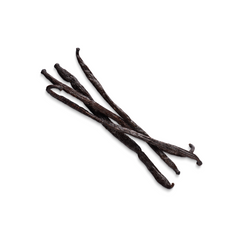
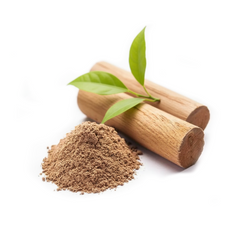
A balanced cacao pod accord blends 25-30% cacao pod, 20-25% vanilla, 20-25% sandalwood, and 20-25% patchouli. Cacao pod provides the raw, tart-sweet tropical character with woody undertones. Vanilla's vanillin softens cacao's bitterness through olfactory masking, creating a creamy gourmand warmth. Sandalwood contributes a smooth, milky woodiness that complements cacao's texture. Patchouli adds earthy, resinous depth, enhancing longevity and complexity. Together, these ingredients form a sophisticated gourmand accord with layered facets and lasting presence.

30%

Cacao Pod

25–30% of blend

Provides tart-sweet tropical pulp and woody-green facets, forming the accord's raw gourmand heart.

25%

Vanilla

20–25% of blend

Softens cacao's bitterness via vanillin, adding creamy sweetness and olfactory masking.

25%

Sandalwood

20–25% of blend

Contributes smooth, milky woodiness that enhances cacao's velvety texture and longevity.

25%

Patchouli

20–25% of blend

Adds earthy, resinous depth and fixative properties, enriching the accord's complexity.

The Olfactory Layers

How Cacao Pod Evolves on Skin

Cacao pod's olfactory evolution begins with a powdery-bitter, tart-sweet opening dominated by volatile aldehydes and pyrazines. Over 20-60 minutes, softer lactones and creamy compounds emerge, creating a velvety heart. The base unfolds over several hours with woody, resinous, and slightly bitter notes from heavier molecules like theobromine and long-chain aldehydes, providing lasting warmth and depth.

I
Top notes
0–15 min
Tart-Sweet and Powdery-Bitter

Initial impression features tart-sweet tropical pulp and powdery-bitter aldehydes, including pyrazines responsible for the raw cocoa aroma. These high-volatility compounds evaporate quickly, imparting a fresh, slightly acidic and green-woody facet reminiscent of fermenting lychee and wet wood.

Tart-SweetPowdery-BitterGreen-Woody
II
Heart notes
20–60 min
Creamy and Velvety Roasted Cocoa

The heart softens into a creamy, velvety texture with lactones and subtle roasted cocoa nuances. The astringency fades, revealing milky, slightly bitter facets akin to shaved dark chocolate. Linalool and other terpenes contribute floral and tropical fruit hints, blending with the warmth of methylxanthines.

CreamyVelvetyRoasted Cocoa
III
Base notes
Several hours
Warm Woody and Balsamic

Base notes develop woody, balsamic, and resinous qualities from heavier molecules like theobromine and long-chain aldehydes. This stage offers a warm, intimate, and slightly bitter finish with a soft, lingering dry-down that enhances longevity and depth in fragrance compositions.

WoodyBalsamicWarm
TOP NOTES Tart-Sweet and Powdery-Bitter 0–15 minutes HEART NOTES Creamy and Velvety Roasted Cocoa 20–60 minutes BASE NOTES Warm Woody and Balsamic Several hours
Through the Ages

The Story of Cacao Pod in Perfumery

Cacao pod's journey in perfumery spans from ancient ceremonial use to modern gourmand innovations, marking key milestones in extraction and fragrance creation.

Antiquity

Cacao in Mayan and Aztec Cultures

Theobroma cacao was revered by Mayans and Aztecs for ceremonial use and as currency. Beans were occasionally burned as incense, valued for their spicy, bitter aroma, laying early olfactory foundations.

16th Century

Introduction of Cacao to Europe

Cacao arrived in Europe as a luxury beverage for aristocracy, introducing its rich aroma to Western culture and inspiring early scent associations.

19th Century

Emergence of Cocoa Absolute in Perfumery

French perfumers began extracting cocoa absolute via solvent extraction, integrating its dark, creamy character into oriental and gourmand fragrances.

2010s

Rise of Cacao Pod as a Niche Note

Perfumers explored raw cacao pod scent, distinct from processed cocoa, using CO2 extraction and blending techniques to evoke tropical, green, and gourmand nuances.

2019

Launch of Cacao Porcelana by Atelier Materi

Marie Hugentobler introduced Cacao Porcelana, a fragrance highlighting rare white cacao pod, blending rum, tobacco, and patchouli, exemplifying cacao pod's sophisticated use.

The Art of Layering

How to Layer Cacao Pod

Understanding how to layer cacao pod involves molecular compatibility and olfactory synergy to enhance or balance its complex profile.

01

Enhance Sweetness

Layering cacao pod with vanilla (rich in vanillin) softens its bitter edge through olfactory masking, creating a creamy gourmand effect. This pairing is exemplified in Atelier Materi's Cacao Porcelana.

02

Add Depth

Combining cacao pod with patchouli introduces earthy, resinous molecules that fix and deepen the accord, extending longevity and complexity, as seen in Serge Lutens' Veilleur de Nuit.

03

Lighten the Glow

Pairing cacao pod with fresh citrus or tropical fruit accords leverages shared aldehydes and esters to brighten the tart-sweet facets, balancing richness for daytime wear.

Wear It Right

How to Wear Cacao Pod Like a Pro

Seasonal Guide

Fall & Winter

Cooler temperatures enhance cacao pod's woody and balsamic base notes, increasing longevity and sillage. Apply moderately on pulse points to enjoy the rich, comforting warmth without heaviness.

Spring

Spring's moderate warmth highlights the tart-sweet and tropical fruit facets of cacao pod. Layer with fresh florals or citrus to balance richness and maintain freshness.

Summer

In hot weather, cacao pod's heavier notes may become overpowering. Opt for lighter formulations or dilute with fresh aquatic or green accords to maintain wearability and prevent cloying.

Year-Round Tip

Adjust application intensity seasonally; lighter sprays in summer and richer layers in winter optimize cacao pod's olfactory impact.

Application Points

Strategic application enhances cacao pod's olfactory performance and longevity.

1

Neck

Pulse points on the neck provide warmth that activates cacao pod's creamy and woody facets, enhancing projection and evolution.

2

Behind the Ears

This discreet area allows slow release of cacao pod's intimate, velvety notes, creating a subtle scent trail.

3

Inner Wrists

High blood flow here intensifies evaporation of top aldehydes, revealing the note's tart-sweet opening.

4

Hair

Hair fibers retain fragrance oils longer, allowing cacao pod's warm, gourmand facets to diffuse softly over time.

Pro Tip

Layer cacao pod fragrances with complementary vanilla or sandalwood body lotions to enhance creaminess and longevity.

Mood Architecture™

Top Cacao Pod Fragrances by Mood Score

These Cacao Pod-based fragrances scored highest on the MEI™ Mood Architecture Framework — measuring how a scent may influence your emotional state.

Highest MEI Score
Fave Deliciousness — Feve Delicieuse Alternative Perfume
8.35
MEI™
Primary Romantic
Secondary Energizing
Confidence
7.22
Presence
7.07
Mood Lift
9.5
Identity
7.64
Warmth
9.5
Social Ease
9.15
Energy
4.9
" I am beautiful.
View full mood profile →
HumanSafe™

Top Cacao Pod Fragrances by HumanSafe™ Score

These Cacao Pod-based fragrances have the highest product-level HumanSafe™ scores in this ingredient collection.

Highest HumanSafe™ Score
Fave Deliciousness — Feve Delicieuse Alternative Perfume
A-
HumanSafe™ Score Generally Safe
Safest Evaluated Ingredients EDP
AQUA Solvent / Carrier ISS 10.0
BENZYL SALICYLATE Evaluated ingredient ISS 9.0
2-OXABICYCLO[2.2.2]OCTANE, 1,3,3-TRIMETHYL- Evaluated ingredient ISS 9.0
3-BUTEN-2-ONE, 3-METHYL-4-(2,6,6-TRIMETHYL-2- Evaluated ingredient ISS 8.0
2H-1-BENZOPYRAN-2-ONE Evaluated ingredient ISS 8.0
LINALYL ACETATE Evaluated ingredient ISS 7.0
View full safety profile →
Expert Voices

What Masters Say About Cacao Pod

Cacao pod is the beginning, raw, earthy, alive — the smell of freshly split husk and wet pulp, more botanical than gourmand, offering a complex balance of creamy yet astringent, fruity yet dry facets.
Fragrantica Editorial
The glide from dry cocoa to skin-close comfort is the reason cacao wins compliments from people who 'don’t like sweet perfumes.' It’s sweetness in a tailored suit.
Fragrance London Editorial
Common Questions

Frequently Asked Questions

Answers to common questions about cacao pod in perfumery.

Cacao pod in perfume smells tart-sweet, tropical, and woody with a raw, unprocessed character. Unlike sweet cocoa or chocolate accords, it evokes fermenting lychee, wet wood, and a faint yeasty quality. The scent evolves from powdery-bitter aldehydes to creamy, velvety roasted cocoa facets, finishing with warm woody and balsamic base notes. Notable perfumes featuring cacao pod include Atelier Materi's Cacao Porcelana and Serge Lutens' Veilleur de Nuit.

Cacao pod is primarily used as a base or heart note in fragrance compositions. Its molecular profile includes heavier compounds like theobromine and long-chain aldehydes that evaporate slowly, providing lasting warmth and depth. It rarely appears as a top note due to its lower volatility and complex olfactory evolution.

Cacao pod offers a unique, authentic gourmand character that contrasts with sweeter cocoa absolutes. Its raw, tropical-vegetal scent appeals to niche perfumers seeking originality and complexity. The note's ability to evoke plantation aromas rather than processed chocolate adds depth and surprise, making it valuable for sophisticated, unconventional fragrance creations.

Cacao pod fragrance uses best pair with vanilla, sandalwood, patchouli, amber, tonka bean, rum, tobacco, lychee, and citrus. Vanilla's vanillin softens cacao's bitterness, sandalwood adds creamy woodiness, and patchouli contributes earthy depth. Tropical fruits like lychee and citrus brighten the accord, while rum and tobacco add warmth and complexity.

Cacao pod perfumes can be worn in summer if formulated lightly or blended with fresh accords like citrus or aquatic notes. Due to its heavier, warm base notes, it may become overpowering in heat if used in dense concentrations. Lighter sprays or dilution help maintain freshness and prevent cloying effects.

Cacao pod fragrances typically last 5-7 hours in parfum and eau de parfum concentrations. The presence of fixative base notes like patchouli and sandalwood enhances longevity. The heavier molecular weight of cacao pod compounds contributes to a sustained, warm dry-down.

Yes, layering cacao pod perfume is effective for customizing scent profiles. It blends well with vanilla to enhance sweetness, patchouli for depth, and citrus for brightness. Layering exploits molecular synergy and olfactory masking, allowing modulation of cacao pod's intensity and character.

Beginners may prefer cacao pod perfumes with balanced gourmand accords, such as Atelier Materi's Cacao Porcelana or Montale's Chocolate Greedy. These fragrances offer approachable sweetness combined with complexity, avoiding overly bitter or raw cacao impressions.

Selecting a cacao pod fragrance involves considering concentration, complementary notes, and personal skin chemistry. CA Perfume's HumanSafe™ verified collection offers transparency in ingredient sourcing and formulation, helping customers find authentic, high-quality cacao pod scents suited to their preferences.

Cacao pod smells primarily tart-sweet with tropical fruit and woody-green nuances, rather than overtly sweet or spicy. Its bitterness is subtle and balanced by creamy and powdery facets. Spicy notes may be added in compositions but are not inherent to the cacao pod scent itself.

Gourmand Collection

Explore Our Top Cacao Pod Fragrances

Discover a curated selection of cacao pod perfumes showcasing raw gourmand sophistication and tropical depth.

Shop all cacao pod fragrances at CA Perfume →

Where Cacao Pod Comes From — Origin & Extraction

The cacao pod is the fruit of the Theobroma cacao tree, native to Central and South America and cultivated today primarily in Brazil, Cameroon, Ecuador, Ghana, Indonesia, Ivory Coast, and Nigeria. The pod is a large, ridged fruit containing 30-50 beans embedded in a white, mucilaginous pulp. The fresh pod itself does not smell like chocolate; its scent is tart-sweet with tropical fruit notes such as lychee, passion fruit, and citrus, combined with a mild acidic fermentation character. The characteristic chocolate aroma develops only after fermentation, drying, and roasting, which involve Maillard reactions and Strecker degradations producing pyrazines, aldehydes, and other cocoa volatiles. In contrast, the raw cacao pod note offers a tropical-vegetal experience with wet wood, sour fruit, and faintly yeasty nuances. Extraction of the cacao pod scent for perfumery is rare and typically achieved via supercritical CO2 extraction of fresh or fermented pod husks and pulp. Most commercial perfumers replicate the cacao pod effect by blending cocoa absolute with tropical fruit accords and green-woody materials. Theobromine (C7H8N4O2) and linalool (C10H18O) are key molecular contributors. Wholesale prices for cacao pod extracts vary, with natural extracts costing significantly more than synthetic or blended alternatives. Sustainability considerations include the environmental impact of cacao cultivation and the labor-intensive harvesting process. The botanical source, Theobroma cacao, is classified under Malvaceae family, with no known IFRA restrictions for the pod extract.

Famous Fragrances That Define Cacao Pod in Perfumery

Cacao pod has been featured as a distinctive note in several notable fragrances, often contributing a raw, tropical gourmand character that contrasts with sweeter cocoa accords. Atelier Materi's Cacao Porcelana (2019), crafted by perfumer Marie Hugentobler, uses cacao pod as a dominant note, blending it with rum, white tobacco, patchouli, and sandalwood to create a sensual oriental woody fragrance. The cacao pod here evokes the rare white cacao bean's nuanced bitterness and creamy facets. Serge Lutens' Veilleur de Nuit employs cacao pod as a heart note, adding dark, spicy, and woody depth to the composition, paired with floral and resinous elements. Montale's Chocolate Greedy highlights cacao pod in a gourmand context, combining it with sweet and powdery notes for a rich chocolate experience. Givenchy's L'Interdit Eau de Parfum Rouge Ultime uses cacao pod as an accent, enhancing the floral and woody accords with a subtle gourmand warmth. Carolina Herrera's Bad Boy integrates cacao pod as a supporting note, adding complexity to its spicy and amber heart. These fragrances exemplify cacao pod's versatility in perfumery, from dominant gourmand themes to nuanced supporting roles. CA Perfume's collection honors this lineage by exploring cacao pod's authentic and sophisticated olfactory potential.

Natural vs Synthetic Cacao Pod in Perfumery

Natural cacao pod scent is derived from the Theobroma cacao fruit, primarily through solvent or CO2 extraction of the fermented and roasted beans or pod husks. This natural extract captures a complex aroma featuring cocoa, tropical fruit, and woody-green notes. Key natural molecules include theobromine (C7H8N4O2) and linalool (C10H18O). Synthetic alternatives often use aroma chemicals such as ethyl maltol (CAS 4940-11-8) for sweet gourmand facets, vanillin (CAS 121-33-5) for creamy vanilla nuances, and methylxanthines to mimic bitterness. Synthetics offer greater consistency, stability, and cost-effectiveness, with prices ranging from $50 to $200 per kg compared to thousands for natural extracts. Famous fragrances like Thierry Mugler's Angel utilize synthetic chocolate accords, while niche perfumes such as Atelier Materi's Cacao Porcelana rely on natural cacao pod extracts for authenticity. Sustainability favors synthetics due to reduced agricultural impact and resource use. CA Perfume employs the HumanSafe™ platform to ensure transparency and safety in sourcing both natural and synthetic cacao pod ingredients, balancing olfactory richness with environmental responsibility.