Where Bulgarian Rose Comes From — Origin & Extraction
Bulgarian Rose is derived from Rosa damascena Mill., a hybrid species cultivated primarily in Bulgaria’s Rose Valley, stretching between the Balkan and Sredna Gora mountain ranges. The region’s unique microclimate—characterized by cool nights, warm days, high humidity, and cinnamon-forest soils—creates optimal conditions for rose cultivation. Bulgaria produces approximately 60–70% of the world’s rose oil supply, with annual output averaging 1–2 metric tons of oil from 2,000–3,000 hectares of plantations. The Kazanlak and Karlovo regions are especially renowned for their high-quality yields.
Extraction is performed via two principal methods: steam distillation (producing Rose Otto) and solvent extraction (yielding Rose Absolute). Steam distillation involves harvesting blooms at dawn (when oil content is highest), followed by immediate distillation in copper stills at controlled temperatures (90–100°C). It takes 3,000–4,000 kg of fresh petals—approximately 1.5 million flowers—to produce a single kilogram of rose oil, with yields averaging 0.03–0.05%. Rose Absolute is obtained by solvent extraction (typically hexane, followed by ethanol), which preserves more delicate aromatic compounds and results in a deeper, sweeter profile.
The cost of Bulgarian Rose oil is among the highest in perfumery, ranging from $7,000–$10,000 USD per kg for Rose Otto and $3,000–$5,000 USD per kg for Rose Absolute (2025 market data). Synthetic rose aroma chemicals (e.g., phenyl ethyl alcohol, citronellol) cost $20–$100 USD per kg, but lack the full olfactory complexity. Sustainability concerns include labor-intensive manual harvesting, limited annual yields, and climate vulnerability. Recent advances in supercritical CO2 extraction and organic certification aim to improve yield and environmental impact, but authentic Bulgarian Rose oil remains a rare, labor-intensive luxury.
Famous Fragrances That Define Bulgarian Rose in Perfumery
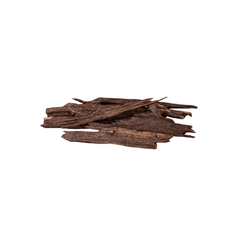
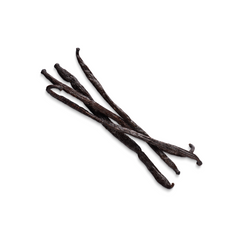
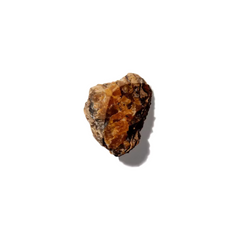
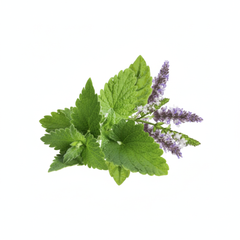
Bulgarian Rose has shaped the identity of numerous landmark fragrances across both classic and contemporary perfumery. In Diptyque L’Ombre Dans L’Eau (1983, Serge Kalouguine), Bulgarian Rose is paired with blackcurrant leaf to evoke the scent of a dewy garden, highlighting its green and fresh facets. Juliette Has a Gun Lady Vengeance (2006, Francis Kurkdjian) uses Bulgarian Rose as a dominant heart note, layered with patchouli and vanilla for a modern, powdery interpretation. Tom Ford Café Rose (2012, Antoine Maisondieu) features Bulgarian Rose absolute in a spicy, resinous context, blending it with coffee, saffron, and incense for a sultry, unisex appeal. Maison Francis Kurkdjian Oud Satin Mood (2015, Francis Kurkdjian) demonstrates the rose’s ability to harmonize with oud and violet, creating a luxurious, velvety floral-woody accord. Aerin Rose de Grasse (2015, Firmenich) combines Bulgarian Rose with centifolia rose and musk, showcasing its versatility in both soliflore and blended compositions. These fragrances exemplify Bulgarian Rose’s role as both a dominant and bridge note, often paired with amber, vanilla, oud, or green notes to enhance its complexity. CA Perfume’s collection draws inspiration from this lineage, offering both pure rose soliflores and multifaceted blends for diverse olfactory experiences.
Natural vs Synthetic Bulgarian Rose in Perfumery
Natural Bulgarian Rose oil contains over 300 aromatic compounds, with key contributors including citronellol (CAS 106-22-9), geraniol (CAS 106-24-1), phenyl ethyl alcohol (CAS 60-12-8), and nerol (CAS 106-25-2). Synthetic rose notes are constructed using these molecules, often supplemented with β-damascenone (CAS 23726-93-4) and rose oxide (CAS 16409-43-1) to enhance realism. While synthetics offer consistency, cost-efficiency, and allergen control, they cannot fully replicate the nuanced, evolving character of natural Bulgarian Rose oil, which contains trace microelements and non-volatile fixatives responsible for its signature depth and longevity.
Performance-wise, synthetic rose notes generally offer greater stability, projection, and batch consistency, making them preferable for large-scale production. However, natural Bulgarian Rose oil is prized in high-end perfumery for its complexity and evolving drydown. Iconic fragrances such as Maison Francis Kurkdjian Oud Satin Mood and Tom Ford Café Rose utilize natural Bulgarian Rose absolute, while more affordable or mass-market fragrances often rely on synthetic blends. The price differential is substantial: natural rose oil can cost up to 100 times more than its synthetic counterparts.
Sustainability is a growing concern, as natural rose oil production is resource-intensive and subject to climate variability. Synthetic molecules, often derived from renewable feedstocks (e.g., linalool from wood pulp), offer a lower environmental footprint. The HumanSafe™ platform at CA Perfume ensures full transparency in sourcing, allergen disclosure, and batch traceability, allowing consumers to make informed choices between natural and synthetic rose ingredients.