Ingredient Guide · Beverages
Beverages Family · Perfumery Note

Brandy

Rich, oaky, and warm alcoholic note

Brandy is a perfumery ingredient from distilled wine, classified in the beverages family. It imparts complex, deep, and woody nuances, often used in concentrations around 0.1–1%.

Brandy
Ingredient Profile

Brandy

Beverages Family
Family Beverages
Note Position Heart Note
Usage Level 0.1–1%
Key Origins France (Cognac Region), Romania (Plum Brandy - Slivovitz), United States (American Brandy)
Iconic In Apple Brandy on the Rocks, The Tragedy of Lord George
The Ingredient

What does Brandy smell like and why is it significant in perfumery?

Brandy in perfumery is a complex note derived from distilled wine, typically aged in oak barrels, which imparts its characteristic deep, oaky, and slightly sweet aroma. The scent profile includes woody, warm spicy, and fruity nuances, often reminiscent of cognac. Key molecules contributing to this profile include vanillin from oak aging and esters from the fermentation process. As a fragrance note, brandy is classified within the beverages family and is used primarily as a heart or base note in perfume compositions. Typical usage concentrations range from 0.1% to 1%, depending on the desired intensity. Brandy blends well with woody, spicy, sweet, and fruity accords, and its warm alcoholic character interacts with skin chemistry to enhance longevity and depth. Notable examples of brandy in perfumery include By Kilian's Apple Brandy on the Rocks (2021), where brandy serves as a dominant note paired with apple and cardamom, and Penhaligon's The Tragedy of Lord George (2016), which uses brandy as a rich, woody accent alongside spices and leather.

0.1–1%
Typical concentration range of brandy note in perfume formulations to achieve balanced olfactory impact without overpowering.
2 years
Minimum aging period of brandy in oak barrels to develop characteristic vanillin and woody notes used in perfumery.
$3,000–6,000/kg
Approximate cost range for natural brandy absolute or accord, reflecting complexity and extraction difficulty.
Origin & Extraction

Where Brandy Comes From — Origin & Extraction

Brandy's scent character is influenced by its geographic origin, with terroir affecting grape varietals and aging conditions. Soil composition, climate, and barrel type contribute to subtle olfactory differences across regions.

Brandy is a distilled spirit made primarily from fermented grape wine, with the Latin botanical source being Vitis vinifera. The most renowned brandy types include Cognac and Armagnac from France, with Cognac production centered in the Charentes region. Eastern Europe also produces variations such as Slivovitz (plum brandy). Production involves double distillation in copper pot stills, followed by aging in French oak barrels from Limousin or Tronçais forests for a minimum of two years. This aging imparts vanillin and tannins, contributing to the woody and warm scent profile. The extraction of brandy notes for perfumery is typically achieved via hydrodistillation of wine lees—the sediment left after fermentation and distillation—which captures the essence of the spirit without the alcohol content. Natural brandy absolute or accord is costly, with prices ranging from $3,000 to $6,000 per kilogram. Synthetic aroma chemicals replicating brandy notes are more affordable, costing approximately $50 to $200 per kilogram. Sustainability concerns include the environmental impact of oak harvesting and energy-intensive distillation. Synthetic alternatives reduce reliance on natural resources. The synthetic molecule ethyl maltol (CAS 118-71-8) is often used to mimic the sweet, caramelized facets of brandy in perfumery.

FR

France (Cognac Region)

The Cognac region produces brandy from Ugni Blanc grapes grown in chalky soils with temperate climate. Aging in Limousin oak barrels imparts vanillin and tannins, creating a smooth, woody, and complex scent. Cognac accounts for approximately 60% of global brandy production and holds PDO status.

RO

Romania (Plum Brandy - Slivovitz)

Romanian plum brandy, or Slivovitz, is made from Damson plums grown in temperate continental climate with rich soil. The distillation and aging process yields a strong, fruity, and slightly sweet aroma distinctive to Eastern Europe.

US

United States (American Brandy)

American brandy is produced from various grape varietals grown in diverse climates, often aged in new oak barrels. This results in a bolder, fruitier profile with caramel and vanilla notes, reflecting the warmer climate and barrel aging practices.

Chemistry

Natural vs Synthetic Brandy in Perfumery

Natural brandy notes in perfumery are derived from the hydrodistillation of wine lees or extraction of aged brandy spirit, capturing complex woody, fruity, and vanilla nuances. These natural extracts contain hundreds of volatile compounds, including esters, aldehydes, and vanillin, which provide depth and authenticity. Synthetic alternatives use aroma chemicals such as ethyl maltol (CAS 118-71-8), vanillin (CAS 121-33-5), and isoamyl acetate (CAS 123-92-2) to replicate the sweet, caramel, and fruity aspects of brandy. Synthetics offer greater consistency, longer shelf life, and lower cost, typically $50–200/kg compared to $3,000–6,000/kg for natural extracts. Performance-wise, natural brandy notes evolve more dynamically on skin due to complex molecular interactions, while synthetics provide stable, predictable scent profiles. Famous fragrances like By Kilian's Apple Brandy on the Rocks use natural or natural-inspired accords, whereas some designer perfumes may rely on synthetic molecules for affordability and scalability. CA Perfume employs the HumanSafe™ platform to ensure transparency and safety in sourcing both natural and synthetic brandy ingredients, balancing sustainability with olfactory quality.

Natural
Brandy Absolute
Cost $3,000–6,000/kg
Method Solvent / CO₂
Character Complex, variable
vs
Synthetic
Safranal & Analogues
Cost $50–200/kg
Method Lab synthesis
Character Consistent, stable
Hall of Fame

Famous Fragrances That Define Brandy in Perfumery

2021
dominant note

Apple Brandy on the Rocks

By Kilian
applecardamombergamot
2016
accent

The Tragedy of Lord George

Penhaligon's
spicesleatherwoody notes
2020
heart note

Overture Woman

Amouage
benzoinapplebrandy
2023
accent

Cherry Amaretto

The Dua Brand
cherryamarettobrandy
2015
supporting note

1805 Tonnerre

BeauFort London
spiceswoody notesbrandy

Brandy has been featured prominently in a variety of notable fragrances, showcasing its versatility across fragrance families. By Kilian's Apple Brandy on the Rocks (2021) uses brandy as a dominant note, paired with apple and cardamom to create a warm, boozy gourmand accord. Penhaligon's The Tragedy of Lord George (2016) incorporates brandy as a rich, woody accent alongside spices and leather, emphasizing depth and complexity. Amouage's Overture Woman (2020) employs brandy in a heart note role, blending it with benzoin and apple for a smooth, resinous effect. The Dua Brand's Cherry Amaretto (2023) uses brandy as an accent, enhancing the sweet, nutty facets of the composition. BeauFort London's 1805 Tonnerre (2015) integrates brandy as a supporting note, enriching the spicy and woody layers. These examples illustrate brandy's capacity to bridge fruity, spicy, and woody notes, contributing to both daytime and evening wear fragrances. CA Perfume's collection reflects this lineage by offering nuanced brandy accords that respect tradition while embracing modern olfactory trends.

The Accord

How is a captivating Brandy accord crafted?

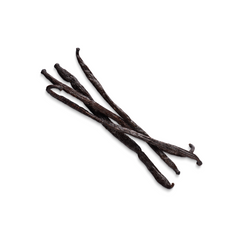
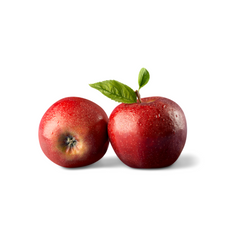
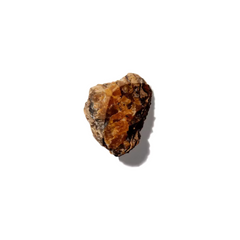
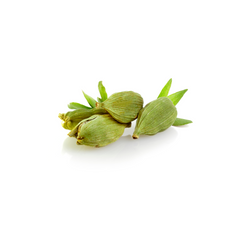
A typical brandy accord in perfumery balances the rich, woody, and sweet facets of the note with complementary ingredients. Brandy forms 25–30% of the accord, providing the core boozy and oak-aged character. Apple (15–20%) introduces fresh, fruity esters that brighten the composition. Benzoin (20–25%) adds warm, resinous vanilla-like sweetness, softening brandy's sharpness. Cardamom (20–25%) contributes a spicy, aromatic lift that enhances complexity and longevity. This blend totals approximately 90–100%, creating a harmonious accord that captures brandy's multifaceted scent.

30%

Brandy

25–30% of blend

Provides the signature warm, woody, and boozy character through complex esters and vanillin compounds.

20%

Apple

15–20% of blend

Adds fresh, fruity esters that brighten and balance the richness of brandy at a molecular level.

25%

Benzoin

20–25% of blend

Contributes warm, vanilla-like sweetness that softens brandy's sharp edges and enhances longevity.

25%

Cardamom

20–25% of blend

Provides spicy aromatic notes that complement brandy's warmth and add complexity to the accord.

The Olfactory Layers

How Brandy Evolves on Skin

Brandy's olfactory evolution begins with volatile fruity esters and light spices in the first 15 minutes, followed by a heart of warm woody and sweet vanilla notes lasting up to an hour. The base unfolds over several hours with deep oak, resinous benzoin, and subtle boozy warmth, sustained by vanillin and long-lasting esters.

I
Top notes
0–15 min
Bright Fruity Sparkle

Initial impression features bright fruity esters such as ethyl acetate and isoamyl acetate, delivering fresh apple and peach nuances. These high-volatility molecules evaporate quickly, providing a sparkling, slightly sweet opening.

FruityFreshSparkling
II
Heart notes
20–60 min
Warm Woody Spice

The heart reveals warm spicy and woody facets from vanillin and oak lactones released during aging. Benzoin resin adds a balsamic sweetness, while cardamom contributes aromatic spice, creating a rich, enveloping mid-phase.

WarmSpicyWoody
III
Base notes
Several hours
Deep Resinous Warmth

The base is dominated by long-lasting vanillin, woody tannins, and subtle boozy esters, providing depth and longevity. These low-volatility molecules anchor the fragrance, ensuring a smooth, warm finish.

DeepResinousLong-lasting
TOP NOTES Bright Fruity Sparkle 0–15 minutes HEART NOTES Warm Woody Spice 20–60 minutes BASE NOTES Deep Resinous Warmth Several hours
Through the Ages

The Story of Brandy in Perfumery

Brandy's history in perfumery spans from its origins as a distilled spirit in the 15th century to modern niche fragrance use, reflecting evolving olfactory trends and extraction technologies.

15th Century

Origin of Brandy

The term 'brandy' derives from the Dutch 'brandewijn' meaning 'burnt wine.' Distillation of wine began in the Charentes region of France, laying the foundation for Cognac production.

18th Century

Refinement of Cognac Production

Double distillation and aging in Limousin oak barrels were established, enhancing brandy's aromatic complexity, which later influenced perfumery ingredients.

Early 20th Century

Introduction of Alcoholic Notes in Perfumery

Perfumers began experimenting with spirituous accords, including brandy, to add warmth and gourmand facets to fragrances.

2000s

Rise of Niche Perfumery Featuring Brandy

Niche brands like By Kilian popularized brandy notes in perfumes such as Apple Brandy on the Rocks (2021), emphasizing boozy, warm accords.

2020s

Advances in Synthetic Aroma Chemicals

Development of synthetic molecules like ethyl maltol enabled affordable and sustainable replication of brandy notes in mass-market perfumery.

The Art of Layering

How to Layer Brandy

Understanding how to layer brandy involves molecular compatibility with complementary notes to enhance or soften its facets.

01

Enhance Sweetness

Layering brandy with vanilla leverages vanillin molecules common to both, creating a seamless sweet, creamy effect. This technique is evident in fragrances like By Kilian's Apple Brandy on the Rocks.

02

Add Depth

Combining brandy with woody notes like sandalwood introduces complementary lactones and tannins, deepening the warm, resinous character and prolonging longevity.

03

Lighten the Glow

Pairing brandy with fresh citrus such as bergamot introduces bright, volatile esters that contrast brandy's richness, balancing the accord for daytime wear.

Wear It Right

How to Wear Brandy Like a Pro

Seasonal Guide

Fall & Winter

Cooler temperatures slow molecular evaporation, enhancing brandy's warm, woody facets and longevity. Apply more liberally for richer sillage.

Spring

Moderate warmth balances fruity esters and woody notes. Layer with fresh florals or citrus to brighten the scent for daytime wear.

Summer

Heat increases volatility, emphasizing sharp fruity and alcoholic notes. Use lighter application or blend with aquatic accords to avoid overpowering.

Year-Round Tip

Adjust layering and application based on climate; combine with complementary notes like vanilla or musk to modulate diffusion and projection.

Application Points

Strategic application of brandy fragrances enhances their olfactory impact and longevity.

1

Neck

Pulse points like the neck emit heat that activates brandy's warm, woody molecules for pronounced projection.

2

Behind the Ears

This discreet area allows subtle diffusion of brandy's spicy and sweet nuances throughout the day.

3

Inner Wrists

Wrists provide warmth and movement, enhancing the evolution of fruity esters and resinous base notes.

4

Hair

Hair fibers retain fragrance longer, releasing brandy's complex scent gradually with natural movement.

★

Pro Tip

Layer brandy fragrance over unscented moisturizer to boost longevity and smooth scent transition.

Mood Architecture™

Top Brandy Fragrances by Mood Score

These Brandy-based fragrances scored highest on the MEI™ Mood Architecture Framework — measuring how a scent may influence your emotional state.

Highest MEI Score
The Last Pour — Penhaligon's The Tragedy Of Lord George Alternative Cologne
6.5
MEI™
Primary Romantic
Secondary Confident
Confidence
6.04
Presence
5.85
Mood Lift
6.86
Identity
6.04
Warmth
7.65
Social Ease
6.7
Energy
2.87
" I am beautiful.
View full mood profile →
Apple Brandy on the Rocks — By Kilian Apple Brandy On The Rocks Alternative Perfume
6.2
MEI™
Primary Serene
Secondary Romantic
Confidence
5.98
Presence
6.2
Mood Lift
6.45
Identity
5.9
Warmth
6.65
Social Ease
6.2
Energy
3.15
" I am enough.
View full mood profile →
HumanSafe™

Top Brandy Fragrances by HumanSafe™ Score

These Brandy-based fragrances have the highest product-level HumanSafe™ scores in this ingredient collection.

Highest HumanSafe™ Score
The Last Pour — Penhaligon's The Tragedy Of Lord George Alternative Cologne
A-
HumanSafe™ Score Generally Safe
Safest Evaluated Ingredients EDP
AQUA Solvent / Carrier ISS 10.0
4H-INDEN-4-ONE, 1,2,3,5,6,7-HEXAHYDRO-1,1,2,3,3-PENTAMETHYL- Evaluated ingredient ISS 9.0
1H-3A,7-METHANOAZULENE, OCTAHYDRO-6-METHOXY-3,6,8,8-TETRAMETHYL-, [3R-(3.ALPHA.,3A.BETA.,6.BETA.,7.BETA.,8A.ALPHA.)]- Evaluated ingredient ISS 9.0
2H-1-BENZOPYRAN-6-OL, 3,4-DIHYDRO-2,5,7,8-TETRAMETHYL-2-(4,8,12-TRIMETHYLTRIDECYL)- Evaluated ingredient ISS 8.0
2H-1-BENZOPYRAN-2-ONE Evaluated ingredient ISS 8.0
2-PROPENAL, 3-PHENYL- Evaluated ingredient ISS 8.0
View full safety profile →
Apple Brandy on the Rocks — By Kilian Apple Brandy On The Rocks Alternative Perfume
A-
HumanSafe™ Score Generally Safe
Safest Evaluated Ingredients EDP
CYCLOHEXANOL, 2-(1,1-DIMETHYLETHYL)-, ACETATE, CIS- Evaluated ingredient ISS 10.0
AQUA Solvent / Carrier ISS 10.0
CITRAL Evaluated ingredient ISS 8.0
BUTANOIC ACID, 1,1-DIMETHYL-2-PHENYLETHYL ESTER Evaluated ingredient ISS 8.0
LINALYL ACETATE Evaluated ingredient ISS 7.0
LINALOOL Evaluated ingredient ISS 7.0
View full safety profile →
Expert Voices

What Masters Say About Brandy

“
Brandy's scent profile is a complex interplay of woody vanillin, fruity esters, and warm spices, making it a versatile ingredient in modern perfumery.
CA Perfume Editorial
“
The use of brandy accords in fragrance compositions allows perfumers to evoke the rich sensory experience of aged spirits, blending warmth and depth with fruity brightness.
CA Perfume Editorial
Common Questions

Frequently Asked Questions

Frequently asked questions about brandy in perfumery, addressing scent, usage, and layering.

Brandy in perfume smells complex and deep, combining woody oak notes from barrel aging with sweet, fruity esters reminiscent of apple and peach. It often carries warm spicy undertones from molecules like vanillin and cardamom, creating a rich, boozy aroma. Examples include By Kilian's Apple Brandy on the Rocks and Penhaligon's The Tragedy of Lord George.

Brandy is typically used as a heart or base note in perfumery. Its molecular complexity and lower volatility mean it emerges after the initial top notes evaporate, providing depth and warmth that lasts several hours.

Brandy offers a unique combination of warmth, complexity, and gourmand appeal that niche perfumers value for creating distinctive, memorable scents. Its ability to bridge fruity, spicy, and woody accords makes it versatile for sophisticated compositions.

Brandy fragrance uses often include pairing with vanilla for sweetness, apple for fresh fruitiness, benzoin for resinous warmth, and cardamom for spice. These combinations enhance brandy's multifaceted character and longevity.

Brandy perfumes can be worn in summer but require lighter application or blending with fresh citrus or aquatic notes to balance increased volatility and prevent overpowering warmth.

Brandy fragrances generally last 5–7 hours, with the woody and resinous base notes providing extended longevity, especially in parfum and eau de parfum concentrations.

Yes, layering brandy with complementary notes like vanilla, sandalwood, or bergamot can enhance sweetness, depth, or brightness. Understanding molecular compatibility helps achieve harmonious blends.

Beginner-friendly brandy perfumes include By Kilian's Apple Brandy on the Rocks for a balanced fruity-boozy scent and Penhaligon's The Tragedy of Lord George for a rich, woody-spicy experience.

Consider your preference for fruity, spicy, or woody profiles and desired intensity. CA Perfume offers detailed scent descriptions and layering advice to help select a brandy fragrance that suits your style and occasion.

Brandy in fragrance exhibits both sweet and spicy facets. The sweetness arises from vanillin and fruity esters, while spices like cardamom and cinnamon contribute aromatic warmth, creating a balanced olfactory profile.

Beverages Collection

Explore Our Top Brandy Fragrances

Discover the most popular and acclaimed brandy-based perfumes curated for diverse olfactory preferences.

Shop all brandy fragrances at CA Perfume →

Where Brandy Comes From — Origin & Extraction

Brandy is a distilled spirit made primarily from fermented grape wine, with the Latin botanical source being Vitis vinifera. The most renowned brandy types include Cognac and Armagnac from France, with Cognac production centered in the Charentes region. Eastern Europe also produces variations such as Slivovitz (plum brandy). Production involves double distillation in copper pot stills, followed by aging in French oak barrels from Limousin or Tronçais forests for a minimum of two years. This aging imparts vanillin and tannins, contributing to the woody and warm scent profile. The extraction of brandy notes for perfumery is typically achieved via hydrodistillation of wine lees—the sediment left after fermentation and distillation—which captures the essence of the spirit without the alcohol content. Natural brandy absolute or accord is costly, with prices ranging from $3,000 to $6,000 per kilogram. Synthetic aroma chemicals replicating brandy notes are more affordable, costing approximately $50 to $200 per kilogram. Sustainability concerns include the environmental impact of oak harvesting and energy-intensive distillation. Synthetic alternatives reduce reliance on natural resources. The synthetic molecule ethyl maltol (CAS 118-71-8) is often used to mimic the sweet, caramelized facets of brandy in perfumery.

Famous Fragrances That Define Brandy in Perfumery

Brandy has been featured prominently in a variety of notable fragrances, showcasing its versatility across fragrance families. By Kilian's Apple Brandy on the Rocks (2021) uses brandy as a dominant note, paired with apple and cardamom to create a warm, boozy gourmand accord. Penhaligon's The Tragedy of Lord George (2016) incorporates brandy as a rich, woody accent alongside spices and leather, emphasizing depth and complexity. Amouage's Overture Woman (2020) employs brandy in a heart note role, blending it with benzoin and apple for a smooth, resinous effect. The Dua Brand's Cherry Amaretto (2023) uses brandy as an accent, enhancing the sweet, nutty facets of the composition. BeauFort London's 1805 Tonnerre (2015) integrates brandy as a supporting note, enriching the spicy and woody layers. These examples illustrate brandy's capacity to bridge fruity, spicy, and woody notes, contributing to both daytime and evening wear fragrances. CA Perfume's collection reflects this lineage by offering nuanced brandy accords that respect tradition while embracing modern olfactory trends.

Natural vs Synthetic Brandy in Perfumery

Natural brandy notes in perfumery are derived from the hydrodistillation of wine lees or extraction of aged brandy spirit, capturing complex woody, fruity, and vanilla nuances. These natural extracts contain hundreds of volatile compounds, including esters, aldehydes, and vanillin, which provide depth and authenticity. Synthetic alternatives use aroma chemicals such as ethyl maltol (CAS 118-71-8), vanillin (CAS 121-33-5), and isoamyl acetate (CAS 123-92-2) to replicate the sweet, caramel, and fruity aspects of brandy. Synthetics offer greater consistency, longer shelf life, and lower cost, typically $50–200/kg compared to $3,000–6,000/kg for natural extracts. Performance-wise, natural brandy notes evolve more dynamically on skin due to complex molecular interactions, while synthetics provide stable, predictable scent profiles. Famous fragrances like By Kilian's Apple Brandy on the Rocks use natural or natural-inspired accords, whereas some designer perfumes may rely on synthetic molecules for affordability and scalability. CA Perfume employs the HumanSafe™ platform to ensure transparency and safety in sourcing both natural and synthetic brandy ingredients, balancing sustainability with olfactory quality.